Monday, July 1, 2019

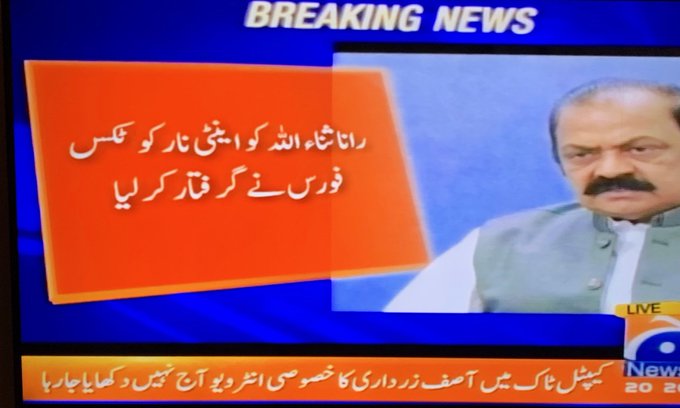
سابق صدر آصف زرداری کا ٹی وی انٹرویو کس نے روکا؟


جیو نیوز کے پروگرام ’کیپیٹل ٹاک‘ کے میزبان حامد میر نے کہا کہ جنہوں نے انٹرویو رکوایا ہے ان میں ہمت نہیں کہ وہ سر عام اس بات کا اعتراف کر سکیں۔

سینیئر صحافی اور جیو ٹی وی کے پروگرام ’کیپیٹل ٹاک‘ کے میزبان حامد میر نے ٹویٹ کیا ہے کہ ان کا پروگرام، جس میں انہوں نے سابق صدر آصف علی زرداری کا انٹرویو کیا تھا، اسے رکوا دیا گیا ہے۔
ٹویٹ میں انہوں نے مزید کہا کہ ’جس نے پروگرام رکوایا ہے ان میں ہمت نہیں کہ وہ سر عام اس بات کا اعتراف کر سکیں۔‘
ایک اور ٹویٹ میں انہوں نے کہا کہ یہ سمجھنا مشکل نہیں کہ کس نے پروگرام رکوایا ہے۔ ’ہم آزاد ملک میں نہیں رہ رہے۔‘
انڈپینڈنٹ اردو نے جب جیو ٹی وی کی انتظامیہ سے رابطہ کرنے کی کوشش کی اور پوچھا کہ جیو اس معاملے پر اپنا ردعمل دینا چاہتا ہے تو انتظامیہ کے اہم رکن کی جانب سے نام ظاہر نہ کرنے کی شرط پر کہا گیا کہ اس معاملے پر ’اگر ردعمل دے سکتے تو انٹرویو نہ چلا دیتے۔‘ انہوں نے مزید کہا کہ ’وہ اس معاملے پر بولنا چاہتے ہیں مگر وہ نہیں چاہتے کہ ان کی وجہ سے ان کے ادارے کا کوئی نقصان ہو۔‘
پیپلز پارٹی پنجاب کے جنرل سیکرٹری چوہدری منظور نے انڈپینڈنٹ اردو سے بات کرتے ہوئے کہا ’دنیا میں کبھی ایسا ہوا ہے کہ ایک شو جو کہ ریکارڈ ہوا ہو اور جس کے ٹکرز چلے ہوں اسے ایک دم بند کر دیا جائے؟‘
جب ان سے پوچھا گیا کہ ان کے خیال میں پروگرام کو رکوانے کے پیچھے کون ہے تو ان کا کہنا تھا کہ پروگرام ’حکومت نے رکوایا اور حکومت کے ماتحت اداروں نے رکوایا۔‘
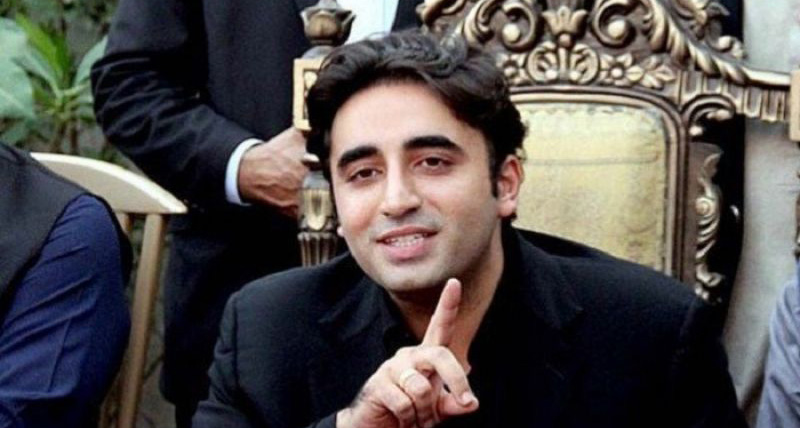
چیئرمین پیپلز پارٹی بلاول بھٹو زرداری نے اسی معاملے پر ٹویٹ کیا اور کہا کہ ’سلیکٹڈ حکومت صرف سلیکٹڈ آوازیں سننا چاہتی ہے۔‘
الیکٹرانک میڈیا کو ریگولیٹ کرنے والی اتھارٹی پیمرا کے جنرل مینیجر فخرالدین مغل سے جب انڈپینڈنٹ اردو نے رابطہ کیا تو ان کا کہنا تھا کہ پیمرا کو اس بارے میں علم نہیں ہے اور اگر پروگرام رکا ہے تو چینل کی انتظامیہ نے خود روکا ہو گا۔ انہوں نے کہا، ’پیمرا جب بھی کوئی مواد روکتا ہے تو تحریری طور پر روکتا ہے۔‘
انڈپینڈنٹ اردو نے وزیراعظم کی مشیر برائے اطلاعات و نشریات ڈاکٹر فردوس عاشق اعوان اور وزیراعظم کے معاون خصوصی برائے میڈیا افتخار درانی سے حکومتی موقف جاننے کی کوشش کی مگر ان کی طرف سے کوئی جواب موصول نہیں ہوا۔
سینیئر صحافی روؑف کلاسرا نے اس معاملے پر ٹویٹ کیا اور کہا کہ ’ایسا صرف پاکستان میں ہوتا ہے کہ نیب کی حراست میں اور جسمانی ریمانڈ پر ملزم ٹی وی پر آتا ہے اور جمہوریت اور شفافیت پر درس دیتا ہے۔‘
رؤف کلاسرا کی ٹویٹ کے جواب میں حامد میر کا کہنا تھا کہ دنیا میں ایسا بھی کہیں نہیں ہوتا کہ ایک دہشت گرد کو ریاست کا شاہی مہمان بنایا جایا۔

Opinion Why Can’t Pakistan Afford to Ban Indian Movies?


By Mazhar Zaidi

The terrible costs of the conflict between India and Pakistan — regional instability, militarization and economic disruption — make global headlines. But there is a largely ignored victim of the crisis: the movie business in Pakistan. There is a long history of politics hurting Pakistani cinema but a major recent blow came in Sept. 2016, when militants attacked an Indian army base in the disputed region of Kashmir, killing 19 soldiers. India blamed Jaish-e-Muhammad, a militant group based in Pakistan, for the attack. Tensions between the two countries rose. As nationalist emotions soared, an association of Indian movie producers banned Pakistani artists from working on Indian films. In Pakistan, theater owners decided not to screen Indian movies. Within three months, seat occupancy in theaters fell to 11 percent.

The immensely popular world of cinema became a space for competing, aggressive nationalism, although trade between India and Pakistan continued. Cinema has kept alive a cultural affinity in South Asia: Generations of Pakistanis have grown up watching Indian films, which are hugely popular and draw large crowds. The stars of Indian cinema — from Dilip Kumar in the 1950s to Shah Rukh Khan, the current Bollywood superstar — are widely loved. Despite numerous efforts to introduce movies from other cultures, including dubbed versions of Turkish films, Bollywood remains the primary choice for moviegoers in Pakistan. The loss of Indian movies stung so hard because Pakistan was not yet able to produce and distribute enough movies to fill theaters every week. Though the number of screens in Pakistan increased from 30 in 2013 to almost 100 in 2017, producers and investors were being cautious. And most filmmakers realized that reaching larger audiences wasn’t possible.

 A few months later, Pakistani theater owners ended their self-imposed ban and Indian films returned to Pakistani screens in 2017. But investors started questioning whether the movie business was feasible if it suffered after every crisis between the two countries. The first ban on the exhibition of Indian films was imposed by military ruler President Mohammad Khan Ayub after the second India-Pakistan war in 1965. The woes of the local cinema industry were further exacerbated during the era of Mohammad Zia-ul-Haq’s presidency, when higher taxation and strict censorship policies made it impossible for cinema to grow. During those decades, as cinema was gradually fading away, Pakistan’s television soap operas boomed and provided entertainment for the middle classes. Most actors, directors and screenwriters focused on producing them. Film lovers had the limited choice of either watching second-rate vanity projects or pirated versions of Hollywood and Bollywood movies. The decimation of Pakistani cinema — particularly under the rule of General Zia — meant that the country lost most of its 700 single-screen cinemas. Pakistani cinema began to emerge from its long coma in 2006 when Gen. Pervez Musharraf removed the ban on showing Indian movies that had been in place since 1965. Within a few years new multiplexes sprung up in all major cities to meet the high demand for films. By 2011 Pakistan had around 35 multiplex screens; more than a hundred more were being built. Sadly this new infrastructure was restricted to multiplexes as distributors focused almost entirely on attracting the middle classes who could afford higher ticket prices. Single-screen cinemas, along with their less-privileged audiences, were completely ignored and excluded.

 The availability of screen space in turn encouraged local filmmakers to venture out and produce films. A turning point came with the success of Shoaib Mansoor’s Bol, the story of a religious family with a transgender daughter, which was produced in 2011 with a local cast and crew. It inspired more Pakistani filmmakers to jump into the fray. Two years later, Pakistan had produced 20 films and many more were being planned. International festivals started showing interest by curating special segments on Pakistani films. The filmmaking fraternity was upbeat that Pakistan would soon be able to tell its own story through movies. The removal of the ban on Indian films in Pakistan also led to talent sharing and creative cooperation between the two countries. Pakistani actors became stars in India; almost every major Indian movie commissioned Pakistani musicians to sing for them (songs are a key element of films in South Asia). And then fate delivered another lethal blow: India and Pakistan almost went to war in February after a suicide attack on Indian forces in Kashmir. An official ban was imposed on exhibiting Indians films in Pakistan.

Three and a half months later, theaters in Pakistan are almost empty again and their owners are now considering laying off employees. A couple of Pakistani movies have turned out to be blockbusters, but the country is still far from producing a consistent stream of movies which can help sustain theaters and create an effective ecosystem for cinema to flourish. Mirza Saad Beg, a manager at Cinepax, the country’s largest theater chain, explained that Pakistan needs to produce and release at least one or two movies every week for theaters to break even.

 The current political situation does not offer any hope of a revival of cultural ties between India and Pakistan any time soon. Despite efforts by the previous governments of both Pakistan Peoples Party and Pakistan Muslim League-Nawaz, the state has yet to formulate a uniform film policy or revive a film development department that once supported the growth of local cinema. The arrival of online streaming platforms such as Netflix and Amazon is helping film industries in various other countries grow and attempt new storytelling formats — but they have hesitated from exploring Pakistan and commissioning projects from Pakistani filmmakers. With no other avenues in sight, unless the government finally manages to formulate a robust policy to encourage local cinema and Pakistani filmmakers are able to produce a consistent stream of compelling content that can compete with Bollywood and Hollywood, there is little hope that local cinema can keep breathing.

#Pakistan #PPP - Remarks about NA speaker Bilawal says he will speak truth as PTI seeks apology


Pakistan Tehreek-i-Insaf (PTI) lawmakers on Saturday submitted a resolution in the Lower House against PPP Chairman Bilawal Bhutto Zardari, demanding that the opposition leader apologise for his remarks criticising the National Assembly speaker, media reports said.
The resolution, which bore the signatures of Foreign Minister Shah Mahmood Qureshi, Defence Minister Pervez Khattak, Human Rights Minsiter Shireen Mazari as well as Asad Umar and Shafqat Mehmood, stated that Bilawal had used ‘insulting words’ for Speaker Asad Qaiser.
Bilawal, in a press talk after the budget bill was passed by the National Assembly a day earlier, had accused the speaker of ‘running the House in a partisan manner’. He had gone on to call the speaker a ‘worker (naukar) of the government’ and criticised him for not issuing the production orders of MNAs Mohsin Dawar and Ali Wazir, who are currently under detention.
“Such a personalised attack on the speaker, the Custodian of the House, is an attack on the House and totally unacceptable,” the resolution read. “We demand an apology on the floor of the House.”
In response to the resolution against his remarks, Bilawal said, “Benazir [Bhutto] taught me to speak the truth and I will speak the truth.” “I have a lot of respect for the speaker,” he said in a media talk. “I wrote a letter to the speaker as the chairman of the human rights committee and received a receipt saying that my letter has been received with a stamp from the National Assembly. What are you going to call him when the speaker says on national TV that he did not receive any letter?” he asked.
Bilawal had earlier said that he sent multiple letters to the speaker urging him to issue production orders of Dawar and Wazir.
The PPP chairman further said that the budget has been passed without proper voting. “How can you take such a big decision based on a voice vote?” he asked. “Their [the government’s] biggest problem is that I called them liars and selected. They are not bothered by the economic murder of the masses,” he complained.

Sunday, June 30, 2019

Music Video - Shawn Mendes - In My Blood

Video Report - Who's fueling the fighting in Libya? | Inside Story

Video Report - Liberalism 'has outlived its purpose' — President Putin speaks exclusively to the Financial Times

Video - Putin speaks to the press following the G20 Summit

Video - Votegasm 2020: Democratic Debates - Night One | The Daily Show

اکیسویں صدی میں بھی غاروں کے مکین پاکستانی


70 سالہ میمی بی بی گذشتہ تین عشروں سے ضلع خیبر کی تحصیل جمرود کے ایک غار میں رہائش پذیر ہیں۔ ان کی روزمرہ زندگی پر ایک نظر

اکیسوی صدی میں جہاں لوگوں کو اپنے گھروں میں ہی ہر طرح کی آسائشوں بھری زندگی میسر ہوتی ہے، وہیں پر ضلع خیبر کی تحصیل جمرود کے کچھ علاقوں میں لوگ آج بھی غاروں میں رہنے پر مجبور ہیں، جہاں نہ پانی ہے اور نہ ہی کھانا پکانے کو گیس میسر ہے۔
غاروں کی زندگی کیسی ہوتی ہے؟ یہ جاننے کے لیے انہی غاروں میں رہنے والی ایک 70 سالہ بزرگ خاتون میمی بی بی کے گھر جانے کا اتفاق ہوا۔ جمرود شہر سے باہر کچھ کلومیٹر کی دوری پر موجود یہ علاقہ ’گودر‘ کہلاتا ہے، جہاں جانے کے لیے آپ کو کافی پیدل سفر کرنا پڑتا ہے۔
میمی بی بی کی دو بیٹیاں اور ایک بیٹا ہے۔ ان کی بیٹیاں شادی شدہ ہیں اور وہ اپنی بیوہ بہو اور پوتے پوتیوں کے ساتھ اس غار میں گذشتہ 30 سال سے رہائش پذیر ہیں۔ 30 سال پہلے وہ تیرہ کے علاقے سے یہاں آئی تھیں اور پھر یہیں کی ہوکر رہ گئیں۔
میمی کے خاندان کے باقی افراد میں ان کے دیور اور اس کا خاندان ان کے غار کے قریب رہتے ہیں۔ان کے دیور نور شاہ نے انڈپینڈنٹ اردو سے گفتگو میں بتایا: ’ہمارا تعلق کوکی خیل قوم سے ہے اور ہمارے آبا و اجداد تیرہ میں رہتے تھے لیکن اب ہم یہاں 30 سال سے رہائش پزیر ہیں۔ ہمارے پاس بجلی کا ٹرانسفارمر تو ہے لیکن ان میں بجلی نہیں ھوتی۔ ہم نے خود پیسے جمع کرکے یہ اپنا ٹرانسفارمر لگایا جس میں آدھا گھنٹہ بجلی آتی ہے اور پھر دس گھنٹے نہیں ہوتی۔‘
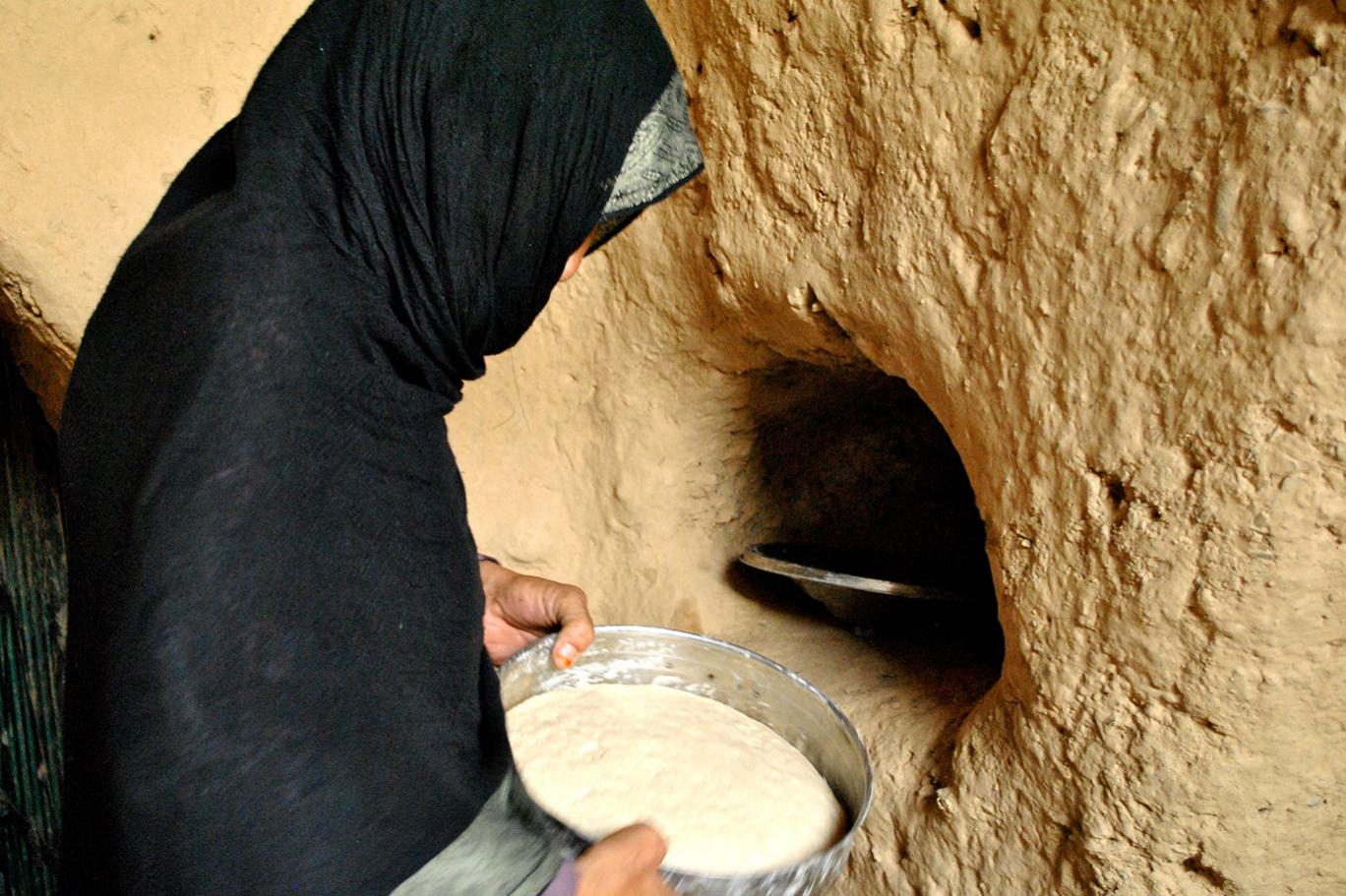
میمی بی بی کا کہنا تھا: ’ہمارے پاس نہ تو پانی ہے اور نا بجلی۔ ہم شمسی طریقے سے بجلی حاصل کرکے غار میں ایک بلب جلا لیتے ہیں، جس کی روشنی میں بیٹھ کر میرے پوتے اور پوتیاں سکول کا کام کر لیتے ہیں۔ کھانا پکانے کے لیے ہم گوبر سے بنے اوپلوں کا استعمال کرتے ہیں۔ میں اپنے گھر میں خود ہی گوبر سے اوپلے تیار کرتی ہوں، جس کی مدد سے کھانا بن جاتا ہے۔‘
60 سالہ موری گلا، میمی بی بی کی دیورانی ہیں، انہوں نے انڈپیندنٹ اردو کو بتایا: ’ہم دونوں خاندان 30 سالوں سے یہیں رہتے ہیں۔ میمی کا اکلوتا جوان بیٹا مرگیا لیکن اس نے ہمت نہیں ہاری اور آج دن تک بہادری سے حالات کا  مقابلہ کر رہی ہے۔ وہ خود باہر جا کر دور دراز پہاڑوں سے پانی کے مٹکے بھر کر لاتی ہیں لیکن اپنے پوتے اور پوتیوں سے کام نہیں کرواتی تاکہ وہ اپنے سکول کا کام کرسکیں۔ انہوں نے اپنے سب پوتے پوتیوں کو سرکاری سکول میں داخل کروایا ہوا ہے کیونکہ ان کو نجی سکولوں میں پڑھانے کی حیثیت نہیں رکھتیں۔

Dozens of Christian Girls in Pakistan Targeted for Rape, Abduction, Forced Conversion

By Steve Warren
A poor Christian family in Pakistan is calling for justice after their teenaged daughter was reportedly kidnapped at gunpoint and raped by five Muslims.UCANews.com reports the girl named Maria, 15, was taken from her house in Sheikhupura city of Punjab province on June 9. Her father, Jalal Masih, was at his job at the time, working as a laborer.
Masih filed a police report accusing Muhammad Sajid, a local businessman, and four others in the attack in which there were several witnesses. "The locals saw them abducting her at gunpoint in a vehicle. I reached his (Sajid's) office but he was absent," Masih said in the First Information Report (FIR) filed six days after the incident. "We made contact the next day and he threatened to return her dead body if we informed the police."
"Sajid escaped after leaving Maria on our doorstep on June 10 night. She was extremely scared," her father said.
As the news of the attack spreads on social media, Christian activists are calling for the arrest of the suspects. According to Legal Evangelical Association Development (LEAD), a non-profit advocacy group providing legal aid to persecuted minorities, 28 Christian girls became victims of abduction, torture, sexual harassment, rape, forced conversion and forced marriages in Pakistan from November 2018 to June 2019.
"The number of unreported cases will be higher as the families of victims usually avoid getting help from biased police officials who support cruel and influential culprits. Only Christian and Hindu girls are victims in such cases," LEAD national director Sardar Mushtaq Gill told UCANews.com. "Crimes against religious minorities are increasing at a high scale in Pakistan."
"In Pakistan, abduction of girls from Christian and Hindu minorities' communities has been on the higher side since years," Gill wrote in his online blog. "These girls after abduction are sexually assaulted, forcibly married to the abductors and forced into conversions. Some human rights groups define persecution in old fashion(ed) way but the persecutors have changed their ways to persecute religious minorities in a new ways and they called it policy and it could be implemented at both by Government sector and at private sector.""So it is the need of time to define religious persecution in a broader-way and to believe it or not Pakistani Christians and Hindu are most vulnerable who are being persecuted by Islamic extremists objectively because their poor status and poor defense in society," he continued. The news website also reports the interfaith group Rwadari Tehreek launched an anti-rape campaign with a protest on June 15 in front of the Punjab Assembly in Lahore.
"It is a sad reality that dozens of male and female children are subjected to sexual abuse and violence almost every day," Chairman Samson Salamat told the website.
"Unfortunately, governments and concerned authorities have turned a blind eye toward these serious violations of human rights and the victims are being denied justice because of the lacunas in the justice system," he said.
Salamat also called local officials to organize sessions to educate police officers and other law enforcement officials on the issue.
"Most cases are dealt with in a wrong manner because of the bad treatment and attitude in police stations. The victims only become more victimized. Safe and fully equipped rehabilitation centers should be established for the victims of rape and child sexual abuse," he said.

https://www1.cbn.com/cbnnews/cwn/2019/june/advocacy-group-says-minority-christian-girls-in-pakistan-targeted-for-rape-abduction-forced-conversion

Asia Bibi Has Won Her Battle, But Many More Christian Minorities Struggle For Justice In Pakistan

Ewelina U. Ochab
In recent years, the world observed how Asia Bibi, a Christian woman, fought for justice in Pakistan. She was accused of making blasphemous statements during an argument about drinking water from a well. She was acquitted last year after spending eight years on death row. Several months later, she has managed to leave Pakistan in pursuit of a safe haven. She endured years of struggle and threats made to her life. While her story is one that was ultimately successful, there are more such Asia Bibis in Pakistan, members of religious minorities who bravely stand up to laws and procedures (or lack thereof) that are designed to give them little if any redress.
This type of situation is not only confined to cases of blasphemy.
The case of minority girls and young women abducted, forcibly converted and forcibly married to Muslim men deserves attention too.
Just recently, a 16-year-old girl Christian girl, Sheeza Riasat, faced exactly this fate. Sheeza Riasat was reportedly abducted from her family home, by armed men, at the age of just 15. (It is noteworthy that the legal age for a girl to marry in Pakistan is 16. Only in April 2019, the Pakistan Senate voted on the Child Marriage Restraint Bill which would put an end to child marriage and increase the marriage age for girls to 18.) She was converted to Islam and forcibly married to a Muslim man on February 12, 2019.
While Sheeza was under the age of 16 when she was forcibly married, her age in the marriage certificate was reportedly indicated as 18. There are further concerns surrounding the case. For example, the marriage certificate is dated one day before her abduction.
Although her family reported the abduction and forced marriage to the police, the police reportedly have inextricably dropped the case. As a result, the family have taken the case to court. Sheeza’s parents are fighting for her return. The case is expected to be heard soon.
It is crucial to emphasize that Sheeza’s case is not an isolated one.
According to the Movement for Solidarity and Peace (MSP), a human rights organization located in Pakistan, around 1,000 Christian and Hindu girls and women are kidnapped each year, forced to convert and to marry Muslim men. The victims are usually girls and women between the ages of 12 and 25. Despite these already shocking statistics, the number of victims may be even higher as many cases remain unreported, often due to the families’ limited financial means.
Considering other such cases in Pakistan, there is little hope that the situation will change. For example, Laveeza Bibi was 23 when she was abducted from her home by two armed men. She was forced to convert to Islam and marry one of her abductors. It was reported that despite her family’s attempts to report her abduction, the police were reluctant to accept and investigate the case. A Christian girl, Mehwish, was kidnapped when she was just 14. It was reported that the police have not taken any steps to investigate her case or made any attempt to rescue her. Two teenage girls, Farzana and Sehrish, aged 14 and 16 respectively, were abducted and subjected to gang rape perpetrated by three Muslim men. Despite one of the perpetrators being apprehended, the family was pressured to settle the case outside of court. Similarly, the case of Maria Sarfraz, an 11-year-old girl abducted and gang-raped for three days, was forcibly settled outside of court.
Pakistan must take steps to ensure that it combats child marriage. It must ensure that the recent Child Marriage Restraint Bill passes through the National Assembly. However, considering that even the current minimum marriage age for girls at 16 is not being enforced, more needs to be done to ensure that the higher marriage age is adhered to. This could be achieved by strict punishment for failure to do so. Furthermore, Pakistan needs to ensure that any alleged cases of child marriage (but also of forced marriage) are adequately investigated and the victims have effective legal avenues for redress.
Nonetheless, legislation and its enforcement can do only as much. Men need to be educated that a forced wife is not a wife, she is a slave.
https://www.forbes.com/sites/ewelinaochab/2019/06/20/asia-bibi-has-won-her-battle-but-many-more-christian-minorities-struggle-for-justice-in-pakistan/#5e1ffac863ee

Elected or selected PM? A debate is on in #Pakistan

Mehmal Sarfraz

 Last Sunday, Qasim Suri, Deputy Speaker of Pakistan’s National Assembly (NA), asked Members of Parliament not to use the word ‘selected’ for Prime Minister Imran Khan. Federal Minister of Power Omar Ayub Khan was speaking on a point of order when he asked the Deputy Speaker to stop the Opposition members from using the word. Mr. Ayub Khan threatened to use privilege motions against those who would use this word.
It all began with Pakistan Peoples Party (PPP) chairman Bilawal Bhutto-Zardari’s maiden speech at the National Assembly in August last year. “I’d like to thank and congratulate the Prime Minister-select and wish him good luck” is how Mr. Bhutto concluded his speech. Prime Minister Khan thumped his desk after Mr. Bhutto’s speech. It is said that he must have missed the word ‘select’ and may have thought he was being called ‘Prime Minister-elect’.
People commented on Mr. Bhutto-Zardari’s wit and since that day, the phrases ‘Prime Minister-select’ and ‘selected Prime Minister’ have often been used by Opposition members both on the floor of the House and outside. This has obviously irked the Prime Minister as well as some members of his party, the Pakistan Tehreek-e-Insaf (PTI). Mr. Ayub Khan’s threat and the Deputy Speaker’s consequent directions to lawmakers are a testament to this fact. The Opposition has been criticising this ‘ruling’ ever since.
Mr. Bhutto-Zardari told The Hindu that over the course of the last year, “we have seen how PM Khan’s naya Pakistan slips from authoritarianism towards fascism”. Now, for the first time in Pakistan’s history, parliamentarians are being censored on the floor of the House, he said.
“Banning the word ‘select’ doesn’t change the fact that the PTI won a selection, not an election. This government has no legitimacy... They can censor all they want, send the entire Opposition to jail. That won’t change the fact that Imran Khan is no different to Zia ul Haq’s [Muhammad Khan] Junejo or [Pervez] Musharraf’s Shaukat Aziz,” he said.
According to journalist Sana Bucha, a House of 342 politicians “is being disciplined to serve the vanity of an individual”. “PM Khan should learn to distinguish between the Assembly and the dressing room,” she said.
Barrister Omar Sajjad said the ruling of the Speaker/Deputy Speaker cannot be challenged under the Constitution. However, courts have in the past entertained such petitions. “If rules require to adopt a certain procedure then that procedure can only be dispensed with by suspension of the rule by the majority of the members present. This is done by a motion to suspend the rule,” Mr. Sajjad said.
Irrespective of what the Opposition can do to counter it, the Deputy Speaker’s decision appears to be counterproductive, say analysts. Amber Shamsi, journalist and anchorperson, said that if the purpose of banning the word ‘selected’ from being used for the PM in the NA was to spark a debate on prime-time television, generate international headlines and launch a thousand memes, then it succeeded. “If the ban was meant to demonstrate that the Opposition was poking the government in the soft underbelly, then it succeeded,” she said.

‘Subtle taunt’

Ms. Shamsi said the ‘soft underbelly’ seems to be “the accusation that the PTI clambered to power on the back of the military.” ‘Selected’ is a subtle and subversive taunt, delegitimising the party in power. It’s a tip of the hat to the ultimate historical shame — a political leader created by the military elite rather than through popular vote.
Ms. Shamsi recalled how Mr. Khan often called Nawaz Sharif the political offspring of military dictator Zia. She added that if the point of banning the word ‘select’ was to force the Opposition to respect the Prime Minister, then it hasn’t succeeded. It has just given the Opposition further ammunition to accuse the PTI of undermining democracy. “After all, freedom of speech is a parliamentary privilege protected in the Constitution: a parliamentarian is not liable to court proceedings based on what he or she says during a session.”
She added that there are plenty of synonyms for the word ‘select’. “Can the government ban them all?” she asked.

#Pakistan #PPP - Protests against inflation in KP

Pakistan People’s Party (PPP) workers led by party’s provincial general secretary Misbah-ud-Din and Naghat Orakzai protested rising inflation in front of Press Club Peshawar on Saturday, media reported.
The protesters raised slogans against the PTI government and told media that prices of essential day-to-day commodities are getting out of affordability.
They said that the government is not concerned for a common man anymore and it has turned a deaf ear towards the complaints of the general public.