Saturday, June 1, 2019

#Pakistan - Hope vs reason -


By Najam Sethi

The economy is in tatters, inflation and joblessness are stalking the landscape. Both western and eastern borders are insecure – a civil war is threatening to spill over one border while an invigorated predator is sizing up its prey on the other. Terrorism/insurgency in Balochistan is barely manageable even as another threatens to shatter the newfound peace of FATA. Hounded to the wall, the mainstream opposition is inching towards mass agitation. Yet the PTI government of the day – hanging by an arrogant and unaccountable puppeteer’s thread — is bent upon imprisoning popularly elected leaders of Sindh, Punjab and FATA, blackmailing the NAB Chairman to do its bidding, prosecuting an honourable judge who dares question the writ of the puppeteer, extinguishing a rising star from lighting the path of the opposition and gagging the media from speaking the truth. Under the circumstances, can we shut our minds to reason and hope that all will be well? Or will defiance trump logic and set things right?
The Afghan Taliban are not likely to concede core American demands. In time, the Americans will blame Pakistan for not doing more to bail them out. President Trump has already teamed up with PM Modi to contain, if not confront, Pakistan’s lifeline ally China. Before long, both will turn the screws on Pakistan, the former via the US Treasury’s manipulation of the IMF and FATF and the latter by priming its “offensive-defense” proxy war doctrine. This will transpire when the ruling Puppeteer–PTI clique stands totally alienated and isolated from most sections of state and society.
The confrontation in FATA between the “patriotic” army and “treasonous” populace may get worse. Both sides have wantonly crossed red lines. In the heat of the moment, the protestors tried to overrun a security check post. The army shot and killed several of them. Next time, the protesting crowds will be bigger. If a new insurgency is born, it will doubtless be aided and abetted on a bigger scale by hostile neighbours.
The NAB chairman was spoiling to be hoist on his own petard. But the PTI exploited his weakness to advance its anti-opposition agenda. Now, if he throws in the towel and the government is successful in empowering its hand-picked Deputy Chairman, then there will be more confrontation, more repression, more political instability, more economic chaos. It is remarkable, isn’t it, that the media managers of the government, in cahoots with a civilian intel agency, should have successfully staged such a coup? No wonder, the government is adamant in denying a proper investigation into L’Affaire Chairman!
The decision to target a Supreme Court judge and teach a suitable lesson to other wayward judges was expected. The good judge had dared to tick off the Intel Agencies and seemed inclined to read out the “democracy” sections of the constitution to them. Horror of horrors, he was also lined up in due course to rule as the chief justice of Pakistan for many years. Confronted by leaked reports of a Presidential Reference to the Supreme Judicial Council to defame him, he has demanded to know the veracity of the reports. The Additional Attorney General in Karachi has resigned in protest. If other judges don’t resist such machinations, the peoples’ struggle for an independent judiciary will be lost. Certainly, there is at least one other judge who may be on the hit-list for ruffling the untouchable feathers of certain VIP housing societies across the country.
Next in line is the Election Commission of Pakistan. Having advisedly taken a soft look at the shenanigans of the Prime Minister, it is now being pressured to take a hard stance against Mariam Nawaz Sharif. If it does the government’s bidding, it will join the queue of discredited state institutions that are paving the way for societal anarchy and states of siege.
The worrying future is already upon Pakistan. The US is gearing up India and others to confront and contain China in the Asia-Pacific and Asia-West region. China’s Road and Belt project, in general, and CPEC, in particular, will be targeted. It is also engaged, along with Saudi Arabia, UAE and others in trying to force regime change in Iran as a prelude to redrawing the map of the Middle-East. This makes Pakistan’s third southern border vulnerable. It also threatens to open deep sectarian divisions within the country.
Wiser counsel would surely advise a contrary path. A national all-parties government headed by a stolid prime minister who can disarm domestic critics, build trust with prickly neighbours, manage the economy dispassionately and herald certainty and stability would do Pakistan much good. Such a dispensation would heal the wounds between provinces, between state institutions, between political parties, between classes and ethnicities, between Pakistan and its neighbours while pulling the economy out of its current trough. A nation united and at peace with itself is bound to be a nation united and at peace with the rest of the world. More than anything else that is the need of the hour.
Will hope be rekindled at the altar of realism? Or will despair be our lot when reason is sacrificed?

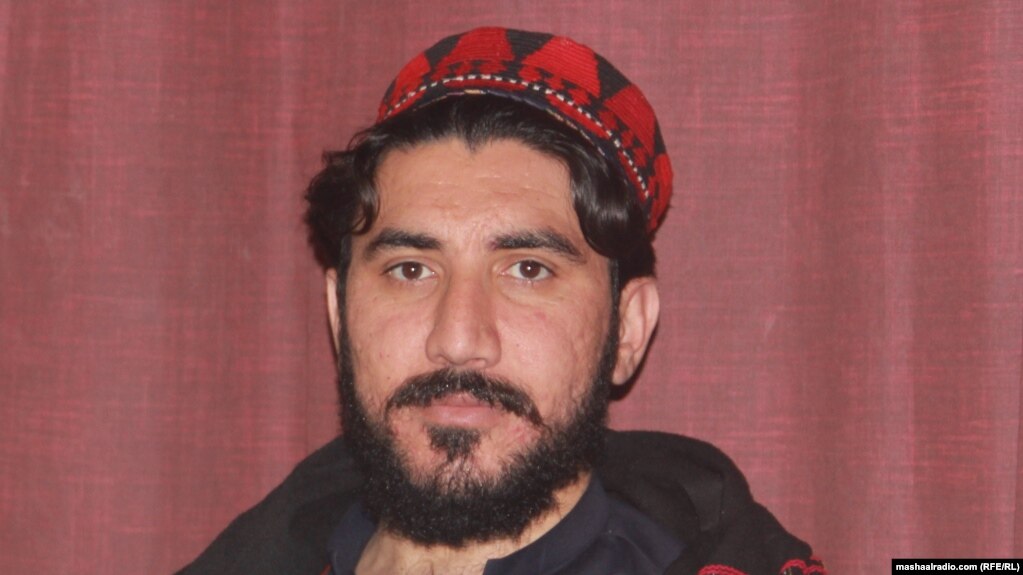
منظور پښتین: پوځ په خړ قمر کې د وژل شوو کورنۍ په پېسو خاموشه کول غواړي

د پښتون ژغورنې غورځنګ مشر منظور پښتین وايي ، پوځي او حکومتي چارواکو هڅې پیل کړې دي چې په خړ کمر کې د وژل شوو کسانو کورنیو ته پېسې ورکړي او هغوي خاموش کړي.
منظور پښتین د جون پر لومړۍ نېټه مشال راډیو ته وویل چې دا چارواکي د وژل شوو کورنیو ته ورغلي خو د هغوي خپلوانو ورته انکار کړی دی.
ده وویل ، “دا د فقیر اې پي خاوره ده ته نه وه یاده ، دا د ننګیالو خاوره ده ، دا په پېسو ته نشې غولولای ، دا د ډېرو پاکو شهیدانو وینې دي ، دا هغه وینې دي چې د خپل وطن لپاره ، د مظلومیت لپاره او د دې لپاره توي شوې دي چې دلتهخویندو ، میندو او سپین ږیري څوک وهي نه او ټکوي یې نه. ستاسو په پېسو د دې قېمت نشي ادا کېدای.”
منظور پښتین وویل ، د دوي مبارزه د مړو په بدل کې د پېسو لپاره نه ده بلکې دوي پر خپله خاوره تلپاتې امن غواړي.
نوموړي زیاته کړه چې ، “دا ظلم ، دا جبر ، دا د خویندو میندو اوښکې تویول ، دا پر دې خاوره د دوي ذلیله کول ، موږ به تر اخیري وخته پر دې خاوره د امن لپاره ولاړ یو چې د دې خاورې د مظلومانو غږ تر نړۍ ورسوو او دوي ته انصاف وغواړو.”
د مې پر ۲۶مه د خړ قمر په پېښه کې د وژل شوو شمېر دا وخت ۱۴ ته رسېدلی دی چې لس تنه پکې یوازې د ډوګې مچه مداخېل وژل شوي وو.
د دې سیمې قبایلي مشر ملک غلام خان هم د منظور پښتین د خبرو پخلی وکړ او ویې ویل چې حکومتي او پوځي چارواکي د وژل شوو کورنیو ته ورغلي او هغوي ته یې پر کورونو ګرځېدلي دي.
ده وویل ، “د پوځ ځايي کمانډران پر ټولو کورونو ګرځېدلي او هغوي ته یې ویلي چې دا یو غلطي وشوه او تاسو زموږ خپل خلک یاست ، تاسو چې څه غواړی او څه غوښتنې مو وي موږ یې در پوره کوو. خو هغه خلک لا په خپل غم اخته دي او څه پرېکړه یې نده کړې.”
ملک غلام خان زیاته کړه چې حکومتي او پوځي چارواکو په خپله دوي ته په وار وار ویلي چې دا مسله ورسره هواره کړي.
ده زیاته کړه چې ، “ولسي حکومت چارواکي او د پوځ ځايي مشران په بیا بیا له موږ سره رابطه کوي او وايي چې د دې خلکو چې څه مسلې وي څه غوښتنې یې وي ، بس اوس خو غلطي شوې ده چې اوس دا مسله ورسره حل شي”.
خو د خیبر پښتونخوا د اطلاعاتو وزیر شوکت یوسفزی دا خبره ردوي چې ګواکې دې چارواکو د وژل شوو کسانو د کورنیو د خاموشه کولو لپاره هغوي ته د پېسو وړاندیز کړی دی.
شوکت یوسفزي وویل ، “دا د رشوت او د خلکو د اخیستو خبره نه ده بلکې دا د حکومت پالېسي ده چې هلته له ځپل شوو خلکو سره مرستې وشي ، د هغوي ازاله وشي او په دې کې په ځانګړې توګه پوځ ډېره مرسته کړې ده او د هغوي مرستې ورځنۍ خبرې دي ، وړاندې یې هم کړې دي او بیا به یې هم کوي او مطلب یې دا نه دی چې هغوي خلک په پېسو اخلي.”
دا په داسې حال کې ده چې د خړ قمر تر پېښه وروسته نه یوازې د پښتون ژغورنې غورځنګ د مخکښانو علي وزیر او محسن داوړ په ګډون یو شمېر نور کسان هم نیول شوي دي بلکې د غورځنګ له خوا په پېښور ، کوټه او د نړۍ په یو شمېر ښارونو کې احتجاجونه شوي او دوام لري.

Pakistan's China debt at $6.6 billion in past 10 months; funds mostly used on two nuclear plants

Pakistan's China debt at $6.6 billion in past 10 months; funds mostly used on two nuclear plants


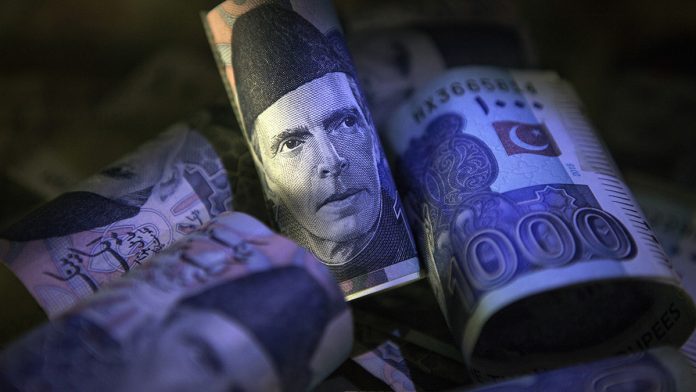
The debt owed by Pakistan to China has been pegged at $6.56 billion for the July-April period, equal to three-fourths of the total $8.6 billion worth loans that Islamabad received in the past 10 months. 

The Pakistan government, headed by Prime Minister Imran Khan, has disclosed for the first time the debt quantum that it received from all-weather friend China, likely under pressure from the International Monetary Fund (IMF), ET has learnt. 

These loans are for the Karachi nuclear power plants, known as K2 and K3, and China SAFE deposits. SAFE is the State Administration of Foreign Exchange, China’s foreign exchange regulatory agency. 

Pakistan has long been using Chinese money to shore up its official forex reserves, but it is for the first time that Chinese deposits with the central bank have been made part of the Ministry of Finance’s debt statistics, ET has learnt. Separately, the decision to disclose Chinese SAFE deposits was taken by Dr Abdul Hafeez Shaikh, the adviser to the Prime Minister on finance, according to Express Tribune. 

The full disclosure of Chinese loans was a sticky point in negotiations between the Pakistan government and the IMF regarding a $6-billion bailout package. Imran Khan has apparently accepted the IMF’s terms on the Chinese loans. IMF is against Pakistan using its funds to repay Chinese loans. 


Out of the $6.5-billion loans from China, $2 billion was in SAFE deposits and $2.53 billion in foreign commercial loans, to cushion declining forex reserves. In March, China provided the loans via two commercial banks. China Development Bank gave $2.24 billion as a short-term loan, while Industrial and Commercial Bank of China disbursed $300 million.
China gave $628.4 million for the construction of two ongoing nuclear power plants in the past 10 months, Pakistan finance ministry statistics revealed.
China also gave $1.4 billion in project financing in the past 10 months, largely for projects that form part of the China-Pakistan Economic Corridor (CPEC). Project loans have largely been disbursed for the Sukkur-Multan motorway, Havelian-Thakot project of the CPEC and the Lahore Orange Line project.
Every government in Pakistan has been heavily relying on foreign loans to stay afloat. The reliance on China increased in recent years after the traditional multilateral lenders stopped budgetary support due to deterioration in macroeconomic conditions, experts said.
https://economictimes.indiatimes.com/news/international/business/pakistans-china-debt-at-6-6-billion-in-past-10-months-funds-mostly-used-on-two-nuclear-plants/articleshow/69606049.cms

شمالی وزیرستان حملہ، بلاول بھٹو کا اظہار مذمت

چیئرمین پیپلز پارٹی بلاول بھٹو نے شمالی وزیرستان میں فوج پر دہشت گرد حملے کی مذمت کی ہے۔
ایک بیان میں بلاول بھٹو کا کہنا ہے کہ آج پھر ایک جوان وطن پر قربان ہو گیا، پوری قوم دہشت گرد حملے میں شہید ہونے والا جوان کے اہل خانہ کے غم برابر کی شریک ہے
چیئرمین پی پی کا کہنا ہے کہ دھرتی پر جان قربان کرنے والے جوان ہمارے ہیرو ہیں، ہزاروں شہریوں اور فوجی جوانوں کی قربانیوں سے قائم امن دہشت گرد پھر چھیننا چاہتے ہیں۔
انہوں نے کہا کہ انتہاپسندی اور دہشت گردی کے خاتمے تک ہمارے حوصلے بلند رہیں گے، پیپلز پارٹی دہشت گردی کے خلاف جنگ میں افواج پاکستان کے ساتھ ہے۔

بلاول بھٹو کا فواد چودھری کو جواب

پاکستان پیپلز پارٹی کے چیئرمین بلاول بھٹو زرداری نے وفاقی وزیر سائنس و ٹیکنالوجی فواد چودھری کے بیان پر جواب دیتے ہوئے کہا ہے کہ تمہارا موجودہ لیڈر جب دہشت گردوں کو بھائی کہتا تھا تو میں اپنی فوج پرحملے کی مذمت کررہا ہوتا تھا اور آج بھی کرتا ہوں۔ اسی کو تسلسل کہتے ہیں جس کی آپ کو سمجھ نہیں آتی۔
سماجی رابطے کی ویب سائٹ ٹوئٹر پر پیغام میں بلاول بھٹو نے کہا ہے کہمحسن داوڑ اور علی وزیر ایم این ایز ہیں دہشت گرد نہیں، اسپیکرقومی اسمبلی کو قواعد پر عملدرآمد کرنے کا کہہ رہا ہوں۔
واضح رہے کہ فواد چودھری نے شمالی وزیرستان میں پا ک فوج کی گاڑی پر دہشت گرد حملے پر بلاول بھٹو کی جانب سے مذمتی بیان پر ردعمل میں کہا تھا کہ بلاول کی جانب سے نامعلوم حملہ آور کی مذمت دوغلی سیاست ہے۔
فواد چودھری کا کہنا تھا کہ بلاول بھٹو نے چیک پوسٹ پرحملے پرمحسن داوڑ کی حمایت کی تھی، وہ آج شہدا کے خون پر سیاست نہ کریں ۔

جنسی زیادتی عورتوں کا نہیں بلکہ مردوں کا مسئلہ - ایک اور معصوم فرشتہ آدم خور انسان کی جنسی زیادتی کا شکار ہو گئی۔ کیا اب بھی آپ چپ رہیں گے؟


شاد بیگم


اسلام آباد کی فرشتہ جیسے معصوم بچے بچیوں کے ساتھ جنسی زیادتی
 ہر لحاظ سے دل دہلا دینے والے واقعہ تھا لیکن ستم بالائے ستم یہ کہ جنسی زیادتی کے مرتکب مجرموں کی سرزنش کی بجائے اب بھی لوگوں کا اصرار ہے کہ خواتین کو گھر سے نکلنا کم کرنا چاہیے اور لباس کا خیال رکھنا چاہیے۔ اس کا مطلب یہ کہ لوگوں کو آج بھی لگتا ہے کہ خواتین کے لباس اور گھر سے باہر نکلنے کی وجہ سے ان کے ساتھ جنسی زیادتی ہوتی ہے۔
مجھے نہیں معلوم کہ زینب، فرشتہ اور ان جیسے بےشمار معصوم بچوں کے لباس میں ایسا کیا تھا جس نے ایک آدمی میں جذباتی ہیجان پیدا کیا، جس نے ان معصوم کلیوں کے ساتھ جنسی زیادتی کی اور بعد میں بے دردی سے قتل کرنے کا جواز بھی دیا۔
خدارا اب تو یہ منافقت چھوڑ دیں اور برملا غلط کو غلط کہیں۔ جب تک بحیثیت مجموعی ہمارا معاشرہ جنسی زیادتی کے محرکات کو نہیں سمجھے گا، اس کے تدارک کے لیے اقدامات دور رس ثابت نہیں ہو سکتے۔
جنسی زیادتی کے محرکات میں جنسی ہیجان سے زیادہ طاقت، کنٹرول، برتری اور انتقام جیسے جذبوں کا دخل ہوتا ہے۔ اس حوالے سے بیشتر قومی اور بین الاقوامی اداروں کی تحقیقی رپورٹیں اور مراسلات اس وقت انٹرنیٹ پر عوام کی آگہی کے لیے موجود ہیں لیکن بحیثیت مجموعی ہمارے ہاں پڑھنے کا زیادہ رواج نہیں۔
فرشتہ اور زینب کے ساتھ جنسی زیادتی کے بعد اکثر حلقوں میں بحث چلی ہے جن میں سے کچھ میں شاید آپ نے بھی حصہ لیا ہو گا۔ بہت سارے سوال اٹھائے ہوں گے اور اپنا موقف بھی دیا ہو گا۔ اس تحریر کے ذریعے میں بھی آپ کے ساتھ ایک بحث شروع کرنا چاہتی ہوں۔ 
ہم میں سے کتنے لوگ یہ سمجھتے ہیں کہ جنسی زیادتی ایک برا عمل ہے اور کتنے یہ سمجھتے ہیں کہ جنسی زیادتی کرنے والا انسان برا اور خوفناک ہوتا ہے؟
کیا یہ افسوس ناک نہیں کہ آج بھی ہم میں سے اکثر جنسی زیادتی کو تو برا فعل سمجھتے ہیں لیکن ایسا کرنے والے کو برا اور خوفناک نہیں سمجھتے اور نہ ہی ان کے بارے میں زیادہ بات کرتے ہیں۔
بلکہ اس کے برعکس یہ بھی دیکھا گیا ہے کہ اکثر اوقات زیادتی کا شکار ہونے والے انسان کے بارے میں ہی زیادہ بحث ہوتی ہے۔
آج کل سوشل میڈیا کی وجہ سے حد ہی تمام ہو گئی ہے۔ بلا اجازت اور بلا تردد لوگ جنسی زیادتی کے متاثرین کی تصاویر، اس سے اور اس کے خاندان سے متعلق، حتیٰ کہ اس کی زندگی کے ہر پہلو کو سوشل میڈیا کی زینت بنا دیتے ہیں۔
لیکن جو درندہ اس جرم کا ذمہ دار ہوتا ہے اس کے بارے میں سرے سے بات ہی نہیں ہوتی، بلکہ اس کو تھانے اور عدالت لاتے لے جاتے ہوئے اس کا چہرہ کپڑے سے ڈھک دیا جاتا ہے۔ کیا یہ سراسر زیادتی نہیں؟ 
اکثر لوگ سمجھتے ہیں کہ جنسی زیادتی کرنے والا ہمارے معاشرے کا گمراہ انسان ہوتا ہے لیکن اگر آپ ایسے واقعات کا جائزہ لیں تو آپ کو پتہ چلے گا کہ اس میں ملوث لوگ اکثر اوقات پڑھے لکھے، سمجھ دار حتیٰ کہ مذہبی رجحان رکھنے والے ہوتے ہیں۔

اس کا مطلب یہ ہوا کہ جنسی زیادتی کرنے والے ہمارے اس پاس ہر وقت موجود اور اسی معا شرے کا حصہ ہیں۔
جنسی زیادتی کرنے والوں کی ڈھٹائی دیکھیں کہ اسی معاشرے میں آپ کے، میرے اور ہم سب کے ساتھ رہتے ہوئے بھی وہ خود کو اس معاشرے کا جواب دہ نہیں سمجھتے اور اس معاشرے میں رہنے والے ہر انسان کی کھل کھلا کر تذلیل کرتے ہیں۔
یہاں پر معاشرے کا کیا کردار بنتا ہے؟ کیا ایسے معاشرے میں ایسے لوگوں کے لیے کوئی جگہ ہونی چاہیے یا ان کی نشاندہی کر کے ان کے ساتھ وہ رویہ اور عمل اپنانا چاہیے جس کے وہ حقدار ہیں؟ 
جب ہم رویے کی بات کرتے ہیں تو میرا ہر گز یہ مطلب نہیں کہ جنسی زیادتی کے مرتکب ہونے والوں سے نفرت اور کنارہ کشی اس مسئلے کا حل ہے، بلکہ میں یقین سے کہتی ہوں کہ جب تک ہم جنسی زیادتی کے محرکات اور وجوہات کو اس کی گہرائیوں سے نہیں سمجھیں گے، تب تک ہم اس کے خاتمے کے لیے دور رس اقدامات نہیں کر سکتے۔
بصورت دیگر ہمارا معاشرہ درجہ بہ درجہ جنسی زیادتی کرنے والے درندے ہی پروان چڑھائے گا۔ 
جنسی زیادتی کا واقعہ ملک کے کسی بھی حصے میں ہو، اس کے اثرات ہم سب پر مرتب ہوتے ہیں۔اگر آپ سمجھتے ہیں کہ آپ کے اردگرد رہنے والے کبھی اس ظلم کا شکار نہیں ہو سکتے تو یہ آپ کی غلط فہمی ہے۔
یہ مسئلہ صرف آپ کے سوچنے سے نہیں ٹل سکتا۔ آپ کو اس کے لیے عملی طور پر سرگرم ہونا پڑے گا اور اس کے حل کے لیے اپنا کردار نبھانا ہو گا۔ 
ہمارے ملک میں جنسی زیادتی کے خاتمے کے لیے قوانین موجود ہیں اور اب اکثر و بیشتر ادارے عملی سطح پر اقدامات بھی کر رہے ہیں لیکن ان سب کے باوجود اکثر لوگ اپنے ساتھ جنسی زیادتی پر کھل کر بات نہیں کرنا چاہتے کیونکہ کہ وہ جانتے ہیں کہ معاشرہ حمایت کے بجائے الٹا ان کا تماشا بنائے گا۔ 
 جنسی زیادتی کے واقعات میں آپ نے اکثر دیکھا ہو گا کہ جنس یا عمر کی بنیاد پر کوئی خاص تفریق موجود نہیں بلکہ عمومی طور پر ہر جنس اور عمر کے لوگ اس ظلم کا شکار ہوتے آ رہے ہیں۔
تاہم اگر دوسری طرف آپ جنسی زیادتی کرنے والوں پر نظر ڈالیں تو آپ کو اکثر یت مردوں کی نظر آئے گی۔ کیا اس سے صاف پتہ نہیں چلتا کہ یہ مردوں کا مسئلہ ہے اور اس کے حل کے لیے انہی کو ہی کچھ کرنا ہو گا۔
ہم نے ہمیشہ اپنے ارد گرد ایک بالکل متضاد رویہ پایا ہے۔ اکثر لوگ کہتے ہیں کہ جنسی زیادتی خواتین کا مسئلہ ہے۔حقیقت تو یہ ہے کہ جنسی زیادتی کے خاتمے کے حوالے سے ہمیشہ خواتین بلکہ خصوصی طور پر انسانی حقوق کے لیے آواز اٹھانے والی خواتین نے ہی زیادہ کام کیا۔
بجائے یہ کہ ان خواتین کی مزید پذیرائی اور حوصلہ افزائی ہو، جنسی زیادتی کو سراسر خواتین کا ہی مسئلہ بنایا جاتا ہے اور مرد خود کو مبرا سمجھتے ہیں۔ 
یہی رویہ اس سوچ کی بنیاد ہے کہ سارا مسئلہ عورت کے کھلے عام پھرنے اور لباس سے ہے۔
اس کا مطلب یہ ہوا کہ جنسی زیادتی ہوتی رہے گی کیونکہ اس کے روک تھام کے لیے کوئی بھی ذمہ داری قبول کرنے اور اس کے حل کے لیے آگے بڑھنے کو تیار نہیں۔
 جنسی زیادتی کے خاتمے کے لیے ہمیں بحیثیت مجموعی ردعمل (ری ایکٹیو) رویے سے زیادہ پیشگی حفاظتی (پرو ایکٹیو) رویہ اپنانا ہو گا، جس سے جنسی زیادتی کے جرائم کا خاطر خواہ خاتمہ کیا جا سکتا ہے۔

Friday, May 31, 2019

Video - Bilawal Bhutto Blasting Press Conference | 31 May 2019

Video - Opposition leaders media talk after a heated NA session b/w govt and opposition

’پارلیمنٹ میں جو ہوا وہ غیر جمہوری تھا‘ - بلاول بھٹو زرداری

چیئرمین پیپلز پارٹی بلاول بھٹو زرداری نے کہا ہے کہ آج پارلیمنٹ میں جو ہوا وہ غیر جمہوری تھا، آج رولز کو نظراندازکرتے ہوئےاسپیکرنےاپوزیشن کو بات نہیں کرنےدی۔
قومی اسمبلی کے آج ہونے والے اجلاس میں پی ٹی آئی کے علی محمد کی تقریر کے دوران پیپلزپارٹی کے اراکین نے احتجاج کیا جس کے بعد پیپلزپارٹی اورتحریک انصاف کے ارکان آمنے سامنے آگئے۔


اجلاس کے بعد قومی اسمبلی کے باہر میڈیا سے گفتگو کرتے ہوئ۔ے مشترکہ اپوزیشن کے اراکین نے میڈیا سے گفتگو کی۔
بلاول بھٹو زرداری کا کہنا تھا کہ دو دن پہلے اسلام آباد کی سڑکوں پر پُرامن لوگوں پر حملہ ہوا، یہ مشرف کی باقیات ہیں، مشرف کا طریقہ استعمال کر رہے ہیں۔
انہوں نے کہا کہ کل احتجاج کےدوران مطالبہ کیا تھا کہ علی وزیراورمحسن داوڑ کے پروڈکشن آرڈرجاری کیا جائے،یہ سلیکٹڈ اپوزیشن اور سلیکٹڈ عدلیہ چاہتے ہیں۔
رہنما مسلم لیگ ن شاہد خاقان عباسی نے پیپلزپارٹی کے پرامن احتجاج میں خواتین پرریاستی تشدد کی مذمت کرتے ہوئے کہا کہ عوام کےمسائل کےحل اورعوام کی تکالیف دورکرنےکیلیےاپوزیشن اکٹھی ہے۔
انہوں نے کہا کہ آج ججز پرحملے کیے جارہے ہیں ،یہ سب اس لیے ہورہا ہے کہ عدلیہ کودبایا جائے،آج رات کےاندھیرے میں ریفرنس بن رہے ہیں ،
حکومت کا صرف ایک مقصد ہے کہ عدلیہ سے من مانے فیصلے کےلیے دباو ڈالا جائے۔
انہوں نے کہا کہ ملک کے مسائل حل کرنےکےلیے اپوزیشن ایک ساتھ رہے گی۔

Thursday, May 30, 2019

What Is John Bolton’s Bully-Pulpit Attack on the International Criminal Court Really About?


By Philip Gourevitch

Is the Constitution of the United States facing an imminent existential threat? Judging from Bob Woodward’s reporting and the claims of last week’s unsigned Op-Ed in the Times, many, perhaps most, senior Trump Administration officials believe that it is. Now Donald Trump’s national-security adviser, John Bolton, has joined the chorus to say that you better believe it. But, unlike his colleagues, who spread their alarm anonymously, Bolton issued his warning at a Federalist Society lunch, on Monday, that was broadcast live on C-span. And, though others identify the danger to the Republic as coming from within, in the form of a rogue President, Bolton told a different story, of a looming threat from abroad, in the form of an “illegitimate,” “unchecked,” “supranational” conspiracy of “ ‘global governance’ advocates” so “antithetical to our nation’s ideals” that it amounted to “the Founders’ worst nightmare come to life.” This was Bolton’s first prominent public speech since he joined the Trump White House, in April. “I am here,” he said, “to make a major announcement on U.S. policy toward the International Criminal Court, or I.C.C.”
Last November, the I.C.C.’s prosecutor, Fatou Bensouda, asked the court’s judges to authorize an investigation of possible war crimes and crimes against humanity committed in Afghanistan since 2003, including allegations of torture by members of the U.S. military and agents of the Central Intelligence Agency. Bolton, who was at the time a fellow at the American Enterprise Institute, responded immediately with an op-ed in the Wall Street Journal: “The Trump administration should not respond to Ms. Bensouda in any way that acknowledges the ICC’s legitimacy. Even merely contesting its jurisdiction risks drawing the U.S. deeper into the quicksand.” The rest of the column was a battle cry against the court—“America should welcome the opportunity, as in Churchill’s line about Bolshevism, to strangle the ICC in its cradle”—and Bolton’s speech this week was largely a rehash of that column, transposed from an advisory voice into the voice of the bully pulpit.
The judges’ response to the prosecutor is now due. “Any day now,” Bolton said in his speech, “the I.C.C. may announce the start of a formal investigation against these American patriots, who voluntarily signed on to go into harm’s way to protect our nation, our homes, and our families in the wake of the 9/11 attacks. . . . An utterly unfounded, unjustifiable investigation.” He added, “I want to deliver a clear and unambiguous message on behalf of the President of the United States. The United States will use any means necessary to protect our citizens and those of our allies from unjust prosecution by this illegitimate court. We will not coöperate with the I.C.C. We will provide no assistance to the I.C.C. And, certainly, we will not join the I.C.C. We will let the I.C.C. die on its own. After all, for all intents and purposes, the I.C.C. is already dead to us.”
Bolton’s bombast aside, however, this has been pretty much the attitude of every U.S. Administration regarding the possibility of an I.C.C. prosecution of Americans since 1998, when the United Nations adopted the treaty, known as the Rome Statute, for the establishment of the I.C.C. as a war-crimes tribunal, to be headquartered in The Hague. The treaty defined it as “a court of last resort,” meaning that it would only assert jurisdiction if and when the institutions of the state or entity that an accused person came from proved unable or unwilling to prosecute the alleged crime themselves. The Clinton Administration took this principle, known as “complementarity,” as a considerable reassurance, but, in negotiating the terms of the Rome Statute, it also sought to secure provisions to restrict the I.C.C.’s jurisdiction to cases in which the accused were from a nation that had ratified the treaty. Instead, the final statute allowed the court to prosecute any crimes that were committed on a treaty member’s territory, even if the accused had been deployed by a government that was not bound by the treaty. (While the United States is not a party to the treaty, Afghanistan, for example, is.) For this reason, Ambassador David Scheffer, who represented the Clinton Administration in Rome, argued that the United States should not sign the statute, testifying in Congress that it was unacceptable that American forces might be subject to prosecution under a statute that the U.S. did not ratify: “Not only is this contrary to the most fundamental principles of treaty law, it could inhibit the ability of the United States to use its military to meet alliance obligations and participate in multinational operations, including humanitarian interventions to save civilian lives.” Clinton signed it anyway, in one of his final acts as President, on December 31, 2000. But, he said, “I will not, and do not recommend that my successor submit the Treaty to the Senate for advice and consent until our fundamental concerns are satisfied.”
Clinton needn’t have worried about his successor. In the spring of 2002, with the war in Afghanistan in full swing, President Bush ordered that the U.S. “un-sign” the Rome Statute. The I.C.C. opened for business that July, and that same month a bipartisan majority in Congress passed the American Service-Members’ Protection Act, obliging the President to prevent “to the maximum extent possible” any I.C.C. prosecution of U.S. armed forces. The law also extended its protections to the military forces of America’s allies. In a clause that inspired its critics to call it the “Hague Invasion Act,” it even authorized the use of force to liberate any U.S. or allied forces detained under I.C.C. auspices. Immediately after the passage of that law, Bush dispatched none other than Under-Secretary of State John Bolton to travel the world to strong-arm more than ninety governments into effectively accepting its terms as their own.
In his speech to the Federalist Society, Bolton summarized much of this history, recalling that mission to “prevent other countries from delivering U.S. personnel to the I.C.C.” as “one of my proudest achievements.” What he failed to mention was how dramatically Washington’s hostility to the court inspired greater support for it in international opinion, and complicated relations on many fronts with our allies, particularly as the extent of the Bush Administration’s policy of torturing detainees in the so-called global war on terror became widely known. Still, the I.C.C. showed no intention of going after Americans, and, in Bush’s second term, when Bolton was serving as the Ambassador to the U.N., U.S. officials began to see that the court could serve as a useful instrument in pursuing their own interests, and began to offer it support and coöperation accordingly, ultimately stepping aside—over Bolton’s objection—to allow its investigation of war crimes in Darfur.
The Obama Administration continued and expanded the policy of working with the court in pursuit of foreign-policy objectives, even as it worked quietly to maintain U.S. immunity from the court’s investigations. But using one’s power to impose on others a system of law to which one swears never to submit is the definition of injustice. So, just as the antagonism from the Bush Administration’s first term had won the I.C.C. favor in much of the rest of the world, the Obama Administration’s practice of publicly embracing the court, which it furtively tried to exempt itself from, engendered resentment that the court was being co-opted as an instrument of U.S. hegemony, and the prosecutor came under increased international pressure to demonstrate impartiality and universality. That pressure intensified significantly in 2014, after Obama acknowledged the findings of a Senate report detailing U.S. crimes against detainees in the post-9/11 wars, admitting that “we tortured some folks” and “did some things that were contrary to our values,” but warned against passing “sanctimonious” retrospective judgment and declined to hold anyone to account.
Bolton did not mention the second term of the Bush Administration or the Obama years in his speech. His telling of the I.C.C. backstory left off in 2002, with a note of regret that he had been unable to convince “every nation in the world” to pledge to protect Americans from the court, and also with a dig at holdouts in the European Union, where, he said, “the global-governance dogma is strong.” Then he jumped to the prosecutor’s move to pursue the Afghanistan investigation. With a note of I-told-you-so vindication, he said that his “worst predictions” about the I.C.C. had been confirmed and decried what he claimed to be its supporters’ “unspoken but powerful agenda”: to “intimidate U.S. decision-makers, and others in democratic societies,” and thereby to “constrain” them.The I.C.C., from its inception, has been impossibly compromised by the simple, definitive fact that many of the world’s most lawless countries, along with some of its most powerful—including the U.S., Russia, and China, the majority of permanent members of the U.N. Security Council—reject its jurisdiction. After sixteen years with no major triumphs and several major failures to its name, it would be easier to make the case for it if there were reason to believe that it could yet become the court of last resort for all comers that it is supposed to be, rather than what it is: a politically captive institution that reinforces the separate and unequal structures of the world. Maybe the best that one can hope for the court, in its current form, is that it can yet inspire some people who seek the rule of law to find a way to achieve it. Bolton rejected the very idea that it could inspire any good, simultaneously exaggerating the power of the I.C.C. as an ominous global colossus and belittling it as a puny, contemptible farce. The only historically proven deterrent to “the hard men of history,” he declared, is “what Franklin Roosevelt once called ‘the righteous might’ of the United States.”
So what, really, was the point of Bolton’s speech? Where was the news in this “major announcement on U.S. policy?” He noted that Israel, too, faces the prospect of an I.C.C. investigation and announced that, in solidarity, the State Department was closing down the Palestine Liberation Organization office in Washington. But then he said that the closure wasn’t necessarily about the court but rather a general punishment of “the Palestinians,” because “they refuse to take steps to start direct and meaningful negotiations with Israel.” Beyond that, nothing that Bolton threatened—by way of shutting out, sanctioning, and declaring war on the I.C.C., and treating its personnel or anyone in the world who assisted it as criminals—went much beyond a rhetorical amplification of what he acknowledged has been established in U.S. law since the American Service-Members’ Protection Act. This wasn’t foreign policy. It was swagger.
Bolton has, thus far, enjoyed an absence from the Woodwardian accounts of Trump White House backbiting, subterfuge, and dysfunction. So it is tempting to think that he was deployed to deflect attention from the White House chaos, while his boss spent the day issuing uncharacteristically Presidential tweets about the hurricane bearing down on the Carolinas. Bolton, however, left out one point from his old Journal piece in this week’s speech, and the omission seems telling: “The ICC prosecutor,” Bolton wrote, “is an internationalized version of America’s ‘independent counsel,’ a role originally established in the wake of Watergate and later allowed to lapse (but now revived under Justice Department regulations in the form of a ‘special counsel’). Similarly, the ICC’s prosecutors are dangerously free of accountability and effective supervision.”
So the threat comes from within, after all. The problem is the existence of the prosecutor, who endangers sovereignty, which in Trump-speak means being above the law. The President and the nation cannot be held to account or supervised, so the prosecutor has to be. The President and the nation cannot be criminals, so the prosecutor must be. The prosecutor cannot be recognized. The prosecutor must be disempowered.

Video - Comedy Show - Robert Mueller’s Public Statement on the Russia Investigation | The Daily Show

Video Report - Israel votes...again: Netanyahu and Lieberman spar over religious right

Video Report - Russia is concerned over US plans to deploy missiles in Japan

Video Report - #USSJohnSMcCain - Anderson Cooper: This story is bananas

Pashto Music - #PTM and Manzoor Pashteen

#Hindu Veterinarian Is Latest to Face #Blasphemy Charges in #Pakistan


 By Salman Masood

A Pakistani Hindu man has been charged with blasphemy against Islam, in the latest case under a controversial law that critics say has been used to persecute and marginalize religious minorities.
Ramesh Kumar Malhi, a veterinarian in the district of Mirpur Khas in the southern province of Sindh, was arrested on Monday and charged with blasphemy after a cleric said he had delivered medicine wrapped in verses from the Quran. Conviction under Pakistan’s blasphemy law carries a sentence of death.
After news of the arrest, riots broke out in the Phuladiyon neighborhood, where Mr. Malhi lives, and protesters burned shops belonging to Hindus. The police said on Thursday that six people had been arrested and that the situation had returned to normal. Mr. Malhi is now in judicial custody.
Hindus and Muslims have lived relatively peacefully for centuries in Mirpur Khas, officials said, and they described the alleged blasphemy as an aberration. But rights activists said that Hindus have faced increasing intolerance in recent years.
A local cleric, Muhammad Ishaq, filed the complaint against Mr. Malhi. Mr. Ishaq has distanced himself from the rioting and says that he helped to pacify the protesters.
Pakistan’s blasphemy law was passed under the military dictator Gen. Mohammad Zia ul-Haq in the 1980s as a way to promote Islam and unite the country. Instead, rights groups say, it has increased fissures within society and led to acts of deadly violence, because those accused of blasphemy often face vigilante justice.
In many cases, the accusations stem from disputes over property or personal differences. Lawyers for blasphemy defendants have been attacked, as have judges presiding over such cases.
Earlier this month, Asia Bibi, a Pakistani Christian woman who spent eight years on death row after being found guilty of blasphemy — a conviction that was later overturned — was able to leave the country for Canada. Her high-profile case had thrown a global spotlight on concerns that the blasphemy law was being misused to persecute religious minorities.
Hard-line Islamic parties have vehemently opposed any changes in the law, often turning to crippling street protests to make their point.
More than 1,500 people — most of them Christian or members of the Ahmadi Muslim minority — were charged under Pakistan’s blasphemy law from 1987 to 2017, according to the Center for Social Justice, a Lahore-based religious-minority rights group. At least 75 people were killed over that period in cases involving accusations of blasphemy, the group said.
A fact-finding committee made up of regional rights activists said it suspected foul play in Mr. Malhi’s case. “The veterinary doctor might have been trapped under a false allegation because he refused to treat cattle belonging to an influential Muslim family late night earlier this week,” said Kashif Bajeer, a member of a rights group. Mr. Bajeer called for a judicial panel to investigate the charges against Mr. Malhi.A local police official who spoke on condition of anonymity because he was not authorized to talk to the news media said that an initial investigation had found that the alleged blasphemy was a deliberate act. The official said that a textbook of Quranic verses that was missing 49 pages was recovered from Mr. Malhi’s clinic.The police official also played down speculation that differences with the influential Muslim family led to the filing of the charges. “If there was some clash, some differences, why was it not brought to the notice of police earlier?” the official said.
Mangla Sharma, a Hindu lawmaker in the provincial assembly, said that episodes of intolerance toward the Hindu community had been increasing in Sindh, including abductions, forced conversions to Islam, and coerced marriages of Hindu girls.
Last month, she said, idols at a Hindu temple in Thatta, a neighboring town to Karachi, were smashed and the wreckage thrown in a sewer.
“Because of such incidents, non-Muslim communities are now reluctant to attend the gatherings of Muslims,” she said. “The government, religious clergy and peace activists should work together to counter the rise in religious intolerance in the region.” Mir Munawar Ali Taplur, a Muslim member of the national Parliament from Mirpur Khas, said that while no one should commit blasphemy, the rioting and vandalism that followed Mr. Malhi’s arrest should also be condemned. “This is not the way,” he said.

#PakistanPM #PMModi : PM Modi's strong message to Pakistan ahead of swearing-in ceremony?

Afghan presidential palace rocked by sex harassment allegations

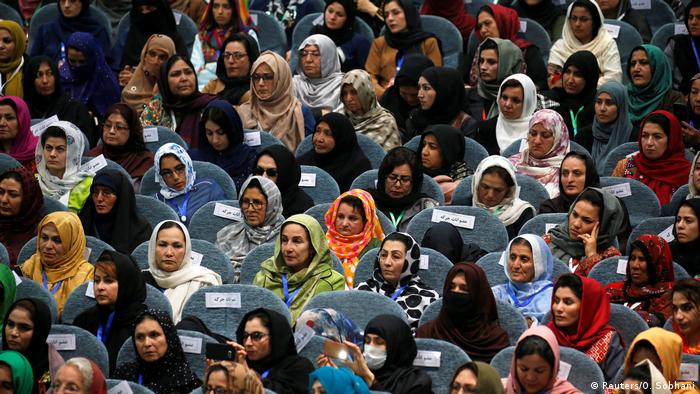
High-powered women in Afghanistan have been mobbed on social media after a former official accused them of trading sexual favors for government posts. The controversy could further harm women's rights in the country.
A former Afghan government official recently alleged that some members of President Ashraf Ghani's administration were trading government positions for sexual favors. In a recent TV interview, General Habibullah Ahmadzai, a former security adviser to President Ghani, leveled these allegations. They were widely shared on social media, triggering an outcry in the war-torn country. 
Ahmadzai, who resigned from his post to contest in parliamentary elections, claimed that some officials "were working systematically to promote adultery in the palace."
Mariam Wardak, another former government official, backed Ahmadzai claims in her interview with an Indian TV channel. Later, she changed her position, saying she only wanted to highlight the level of corruption in Afghanistan.
Ghani's office promptly responded by ordering an investigation into Ahmadzai's claims.
"We have formed a commission to look into the allegations," Jamshid Rasuli, as spokesman for the attorney general, told DW.
"We have asked Mr. Ahmadzai to submit documents that support his claims by the end of this Thursday," he added.
Discrimination against women
It is not the first time that sexual harassment allegations have rocked Afghanistan. Last year, Keramuddin Keram, the president of the Afghanistan Football Federation, and five other officials were suspended by FIFA  after some female footballers accused them of sexual and physical abuse.
The players later said that life became more difficult for them after they spoke out against sexual abuse, as their families asked them to stop playing football. Female government officials say the presidential palace controversy is having a similar effect on them.
"Some people even shared my pictures on social media, asking their friends' opinions on what sexual favors I might have traded to get my job," Zarifa Ghafori, one of only two female mayors in Afghanistan, told DW.
"I was hurt by the social media comments and discussions that emerged as a result [of the controversy]," she said, adding that it is already very difficult for Afghan women to hold public office in a male-dominated society.
"Painting all women with the same brush and leveling vague allegations on media will make things worse for women who work for the government," she added.
Women in Afghanistan enjoy more freedom than they did under Taliban rule, from 1996 to 2001, when they were barred from going to school and working in offices and public places. Even after 18 years since the US toppled the Islamist regime, Afghan women continue to face widespread gender discrimination.
Blaming the victims
"Everyone is talking about how some women may have traded sexual favors to take government positions instead of condemning alleged perpetrators," Mahboba Rasuli, a Kabul-based women's rights activist, told DW.
In case these allegations are proven, investigators should share their findings in a way that does not put other female government officials under social pressure, Rasuli insisted.
Afghan rights activists demand that the government must not compromise on women's rights while negotiating a political settlement with the Taliban. Rasuli is of the view that the presidential palace controversy could jeopardize this demand. "What message does it send to the Taliban? They can now justify their anti-women stance by questioning the integrity of female government officials."

Afghanistan-Pakistan: Disputed Borders – Analysis

By Tushar Ranjan Mohanty
On May 18, 2019, Pakistan Chief of Army Staff (CoAS) General Qamar Javed Bajwa disclosed that Pakistan was strengthening the Pakistan-Afghanistan Border through fencing, construction of new forts and posts and increasing the strength of the Frontier Corps (FC) to effectively manage the troubled north-western boundary. He made this statement while addressing troops on forward posts along the Border at Dawatoi in the North Waziristan District of Khyber Pakhtunkhwa (KP). Significantly, three Pakistani soldiers were killed and seven injured on May 1, 2019, when a group of 60 to 70 terrorists from bases in Afghanistan attacked Pakistan Army troops undertaking fencing efforts in the Dawatoi area.
On May 6, 2019, one Pakistani soldier was killed and three seriously injured in a militant attack on SFs patrolling the Pak-Afghan border in the Kher Qamar area of Data Khel tehsil (revenue unit) in the North Waziristan District of KP.
On October 2, 2018, terrorists from across the Afghan border opened fire at a check-post in the North Waziristan District. The Pakistani army retaliated, killing seven terrorists. Military sources stated that, due to the extensive fencing along the border, terrorists cannot physically attack and now resort to ‘fire raids’ — concerted targeting of Pakistani assets from a distance.
According to partial data compiled by the South Asia Terrorism Portal (SATP), since 2007, there have been at least 103 militant attacks from across the border, in which 277 Pakistani SF personnel and 74 civilians were killed while another 285 sustained injuries. Two of these incidents (above) have already been reported in 2019. The whole of 2018 recorded 10 such attacks in which 19 SF personnel and 15 militants were killed. 2017 recorded 16 cross-border attacks, in which 15 SF personnel and 11 civilians were killed.
Further, the Afghan SFs fired from across the border on at least six occasions, since 2007, resulting in the death of 32 Pakistani SF personnel and 16 civilians.
Pakistani SFs have also been continuously shelling across the border. On February 22, 2019, Afghanistan complained to the United Nations (UN) about violations of its territory by Pakistan’s military, including shelling of Afghan territory, violation of its airspace by military aircraft and construction of military posts and barriers on its soil. The complaint was made in a letter sent by Afghanistan’s deputy permanent representative at the UN, Nazifullah Salarzai, to the UN Security Council President Anatolio Ndong Mba. The Afghan letter said, concerns about the violations had been conveyed to the UN several times, including through a report on recorded incidents during 2012-17. This document stated Pakistani forces fired nearly 29,000 artillery shells into Afghanistan during this period, killing 82 people and injuring 187. The letter further mentioned that, since January 2018, Pakistani troops had been involved in 161 violations and fired more than 6,000 mortar and artillery shells into Afghan territory.
The first border fencing-related skirmish was reported in the then South Waziristan Agency of the then Federally Administered Tribal Areas (FATA) in April 2007. Pakistani SFs operating in South Waziristan made a three-tier security deployment on April 11, 2007, to stop cross-border infiltration by militants into Afghanistan. Pakistan fenced 12-kilometers of its border stretch with Afghanistan to ‘choke off’ cross-border infiltration, but Afghan troops tore down the fence on April 19, leading to a gun-battle, though there were no casualties.The conflict over the legitimacy of the Durand Line – the border imposed by Imperial Britain – between Pakistan and Afghanistan is more than a century old. However, it came to attention in September 2005, when Pakistan announced for the first time that it had plans to build a 2,611-kilometres fence (1,230 kilometres in KP and 1,381 kilometres in Balochistan) along its border with Afghanistan, purportedly to check armed militants and drug smugglers moving between the two countries. Afghanistan, expectedly and immediately, raised objections on the grounds that this was an attempt to make the disputed border permanent. On several occasions thereafter, Afghanistan has opposed Pakistani plans to fence the border. Most recently, Kabul’s Ambassador to Islamabad, Omar Zakhilwal, reiterated these objections while speaking to the media on October 10, 2018,We do oppose the barbed wire. That is against the closeness of the population on both sides and the interdependency that exists [between them].
Not surprisingly,since its first announcement in 2005, Pakistan’s work for mining and fencing the border has been stopped and renewed on at least three occasions. Nevertheless, Pakistan has succeeded in making some progress. Providing details, Major General Asif Ghafoor disclosed, on January 27, 2019, that work on about 900 kilometres of fencing along the Pakistan-Afghanistan border had been completed. He added that work on another roughly 1,200 kilometres, the most sensitive portion of the 2,611 kilometres long border with Afghanistan, had commenced in 2018, and was expected to be completed by the end of 2020.
The construction of 150 of the 443 planned forts under the project, some on mountaintops as high as 12,000 feet, had also been completed. Another 750 forts, with an inter-fort distance of 1.5 to 3 kilometres, are under construction or at a planning stage. Meanwhile, according to a February 10, 2018, report, at least 1,100 border posts had also been established.Major General Ghafoor claimed that the project, which would cost about PKR 70 billion, including the cost of technical and surveillance equipment to keep strict vigil on the illicit movement from across the border, is expected to help check the movement of terrorists. Islamabad has, for long, blamed terrorists and militant coming in from Afghanistan for creating trouble inside Pakistan. After the April 17, 2019, Ormara attack in which 14 bus passengers were forcibly offloaded from a bus and shot dead, Pakistan asked both Iran and Afghanistan on April 20, to take ‘visible action’ against terrorist groups operating from their soil and also to dismantle logistics and training camps of such elements located across the border.On the other hand, Kabul has, for long, held Pakistan responsible for violence inside Afghanistan. On February 1, 2019, Afghan President Ashraf Ghani once again accused Pakistan of sheltering Taliban insurgents and blamed Islamabad for a recent wave of urban terrorist attacks. In a televised address, President Ashraf Ghani described Pakistan as the “centre of Taliban terrorism” and demanded that Pakistani officials take swift, concrete steps to drive insurgents from their country. “The Afghan nation is waiting for clear action” from Pakistan, he said.
In a more direct reference, subsequent to emergence of reports stating that militants who participated in Ghazni attack retreated to Pakistan and were receiving medical treatment there, President Ghani stated, on August 27, 2018,
General Bajwa [Pakistan Army Chief General Qamar Javed Bajwa], you signed a document with us and told me repeatedly in our conversations over the phone that when the elections [in Pakistan] are over you will pay attention to it. I need answers now… From where they came and why are they receiving treatment in your hospitals?While Pakistan is building fences and fortifying the border on the pretext of stopping cross border infiltration, Afghanistan is opposing the action claiming it as a malicious move to legalise the contentious border. The AfPak border remains volatile, and little is expected to change.

Video Report - Najam Sethi Show | Judiciary Attacked | Najam Sethi Show | 30 May 2019

Pakistan’s rupee is close to becoming the world’s biggest loser this month


Pakistan’s rupee is vying for the title of the world’s biggest loser this month, the victim of an apparent devaluation with more pain ahead.
The managed-float currency dropped more than 5% in May and breached 150 per dollar, after the government agreed to another bailout by the International Monetary Fund that recommended a market-determined exchange rate. The central bank had devalued the currency five times last year.
“This knee-jerk reaction of the market will continue,” said Kaiser Bengali, an economist who has helped previous governments in multiple roles including as the designer and first head of the cash-based social support program in 2008. “Given our large deficit and high debt ratio, the rupee will continue to decline. The rupee will be 200 a dollar by year-end.”
Pakistan’s economy is going through a familiar boom-and-bust cycle; debt is soaring, inflation is rocketing, and reserves are falling after a deficit blowout. The IMF has long advocated Pakistan to loosen its grip on the rupee, and estimated the real exchange rate was overvalued by as much as 20% in 2017.
The central bank did not immediately respond to a request for a comment on the rupee’s performance. Earlier this month, it said the rupee level reflects demand and supply conditions in the foreign-exchange market, and that it will help in correcting market imbalances.
Record Low
The rupee closed at 149.64 per dollar on Wednesday, according to the central bank. It touched a record-low 152.525 last week, according to data compiled by Bloomberg, and is among the worst performers globally in May together with currencies from Zambia and Haiti. The rupee has now erased almost a third of its value in the past 12 months.
The central bank still intervenes but the currency is now more determined by market forces, according to three foreign-exchange dealers who requested not to be named since they are not allowed to speak publicly.
Here are other comments on the rupee:
Uzair Younus, South Asia director at Washington-based consultancy Albright Stonebridge Group LLC
“It seems that the rupee’s value is still being managed, but the State Bank of Pakistan is not allowing imbalances to build up. The decision has been made to not allow the currency to remain overvalued for a long period of time.” “I expect the central bank to be measured in its approach and intervene only when it’s absolutely necessary. The pressure on the rupee will continue and the central bank will allow it to depreciate further in the coming weeks.”
Ahmed Ateeq, head of treasury at Pak Brunei Investment Co. in Karachi
The dollar/rupee is at a realistic level for the first time in two years “We are close to real effective exchange rate” that is a benchmark used by the IMF The rupee will hover around 150 for now but we may see a 5%-6% drop by year-end that is normal for a nation like Pakistan.
Shahid Ali Habib, chief executive officer at Arif Habib Ltd. in Karachi
Rupee is “very much fairly valued” so it is unlikely to see further devaluation The currency will be more market driven, so there may be a bit more volatility on demand and supply though it will stay near this level “When you go into IMF program, the central bank does not deploy its reserves to manage the currency. They will intervene to stop any speculation.”

AMNESTY CALLS FOR PROBE INTO PTM ACTIVIST KILLINGS

HUMAN RIGHTS ORGANIZATION SAYS IMPARTIAL PROBE MUST DETERMINE IF ALLEGATIONS FORWARDED BY PTM LEADERS ARE ACCURATE
Amnesty International has called for an investigation into the killing of three activists during a deadly clash between Pakistani troops and protesters in a restive tribal region near the Afghan border.
The activists were part of a demonstration organized on Sunday by the Pashtun Tahaffuz Movement (PTM), which has rattled the military since it burst onto the scene early last year with a call to end alleged abuses by security forces against ethnic Pashtuns.
Two members of Parliament were leading the protest when a confrontation broke out at a security checkpoint at Boya, in North Waziristan. “The Pakistan government must immediately order an independent and effective investigation,” said Rabia Mehmood, South Asia Researcher at Amnesty, in a statement on Monday. “If the reports are correct that the army killed protestors by unlawfully using live ammunition, this would be a very serious violation of international law.”
What exactly led to the confrontation remains murky, with the military saying the activists assaulted the checkpoint, while PTM leader Mohsin Dawar—one of the lawmakers at the protest—has alleged security forces fired directly into their group after they passed the post. Lawmakers of the ruling Pakistan Tehreek-e-Insaf, meanwhile, have maintained that the soldiers only opened fire after some of their personnel were injured by the protesters.
The incident follows months of rising tensions between the two sides, with the military publicly and repeatedly warning PTM leaders to end their criticism of the country’s armed forces. The PTM has unleashed festering anger over abuses allegedly committed against Pashtuns, including enforced disappearances and targeted killings.
Pashtuns account for roughly 15 percent of Pakistan’s population, with a majority based in the northwest, and a significant presence in Karachi.
Sunday’s incident occurred in North Waziristan, where the movement is believed to draw much of its support. The area was once plagued by militancy, and Washington pressured Pakistan for years to act against Islamist groups based there. The Army has carried out multiple operations in North Waziristan and other tribal regions, and security—both there and across Pakistan—has dramatically improved in recent years.
However, the PTM claims the operations came at a heavy price because of the alleged abuses.

World must take note of rights abuse of Pashtun people in Pakistan

On Sunday, Pakistani security forces killed at least eight protestors of Pashtun Tahafuz Movement (PTM) in Waziristan and took into custody one of its prominent leaders, who is also a member of Pakistan’s parliament. Accusing PTM of being a proxy of Afghanistan and India, Pakistan army, known for its dictatorial history, has threatened to mercilessly repress the Pashtun rights protest movement further.
PTM, a peaceful campaign run by Pashtun people especially youth against violations of their human rights in Khyber Pakhtunkhwa and Balochistan, was founded in 2014. Led by 24-year-old Manzoor Ahmad Pashteen, the movement gained momentum in January 2018 over an extrajudicial killing of one of the aspiring models of the Pashtun people. Since then, a few more Pashtun people have been killed by extrajudicial means.
Unlike the Balochistan movement which is violent and separatist, Pashtun rights movement has been peaceful but verbally very critical of the Pakistani army. However, the PTM seeks resolution of its demands within the framework of the Pakistani constitution. It has been asking for a truth and reconciliation commission on extrajudicial killings, the appearance of missing persons before courts and removal of landmines installed by the Pakistani army in their region.
But instead of cracking down on its terror camps which are counter-productive to its own growth and development, Pakistan army has decided to muzzle the voice of every peaceful dissenting group in the country.
The international community has largely been ignoring human rights violations committed against Baloch and Pashtun people. However, given Pakistan military’s oppressive tendencies as was witnessed during the 1971 war and genocide against Bangla people in East Pakistan, the world cannot afford to overlook its persecution of ethnic groups, sectoral and religious minorities.

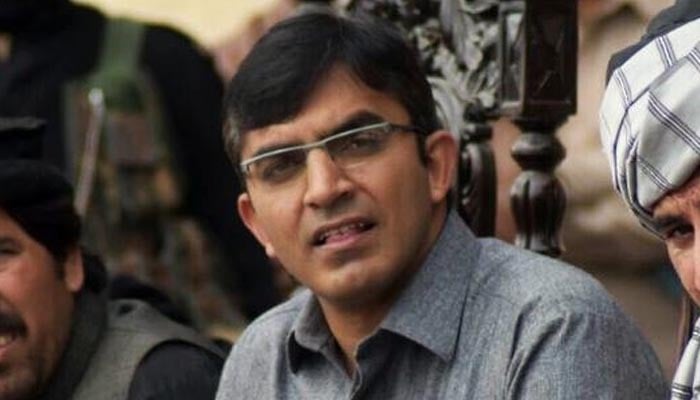
#PTM leader Mohsin Dawar arrested from North #Waziristan

Member of National Assembly (MNA) Mohsin Dawar has been arrested in North Waziristan, sources informed Geo News.

Mohsin Dawar was at large following the attack on a security check post in North Waziristan tribal district on Sunday morning. The MNA along with eight others have been nominated in the FIR of the attack.
Three people were killed and five soldiers injured in a clash between security forces and Pashtun Tahaffuz Movement (PTM) protesters on Sunday in North Waziristan.
According to Inter Services Public Relations (ISPR), a group led by Mohsin Javed and Ali Wazir, assaulted Kharqamar check post, Boyya, North Waziristan tribal district on Sunday morning.
"They wanted to exert pressure for the release of suspected terrorists’ facilitator arrested the other day. Troops at the check post exercised maximum restraint in the face of provocation and direct firing on the post," said the Pakistan Army's media wing.
ISPR added five soldiers were injured due to the firing of the group.
ISPR further said that three individuals who attacked the check post lost their lives while the ten injured were evacuated to the Army hospital for treatment.
MNA Ali Wazir along with eight others have been arrested while Mohsin Dawar was at large.
On Monday, an anti-terrorism court granted an eight-day physical remand of MNA Ali Wazir to the Counter Terrorism Department officials.