Sunday, April 28, 2019

#Pakistan - #PTI’s shaky eight months in power

The summer of 2019 is likely to be crucial for both the government and the opposition. It may turn out to be long and intense, depending on how the two sides play their cards.

It’ll not be so easy for the opposition to survive the political heat either, even if the PTI government continues to commit follies and prices keep rising. So far, the divisions within the opposition have allowed the Imran Khan government to get away with its mistakes.
Pakistan Tehreek-e-Insaf (PTI) celebrated 23 years in politics on April 25. But this time around it was a different kind of a Foundation Day; the party celebrated it for the first time as a ruling party. It’s been quite a feat, of course. But ever since it has come to power a cursory glance at the party’s performance in the past eight months exposes that its innings so far has not been unblemished. It has seen the wickets of its key players fall in quick succession, including that of PM Imran Khan’s most dependable partner, Asad Umar.
Politics is a game of uncertainty. Anything can happen at any time. So, if Asad Umar wasn’t aware of his exit, I wouldn’t be surprised. Benazir Bhutto was not aware of her sacking till the afternoon of August 6, 1990 and Mohammad Khan Junejo did not know he was going home till he landed in Islamabad on May 28, 1988.
Umar never expected such an early exit, and it would be naive to blame just one man for all the government’s controversial decisions such as the dollar exchange rate and the deal with the IMF. Also, one expected at least a tweet from the PM, praising the outgoing finance minister, his contribution and hard work, but that never arrived. However, Umar adopted a mature attitude by not accepting another ministry.
Presently, all eyes are on Punjab Chief Minister Usman Buzdar, whose selection as the chief executive of the most powerful province was only by chance. With divisions between Jahangir Tareen and Aleem Khan group against the Shah Mahmood Qureshi and Ch. Sarwar group, the captain sent in a debutant to play, Sardar Usman Buzdar from Rajanpur. The big question asked these days is if Buzdar will be the next to fall. I think he is likely to survive, at least until the end of 2019, if not later. Till the differences between Jahangir Khan Tareen and Shah Mahmood Qureshi persist, the luck is with this man without a lobby. Khan is his lucky charm.
In private conversations Khan has explained and defended his decision to select Buzdar. Certainly, he wasn’t his first choice but after Tareen’s disqualification, Qureshi’s surprise defeat in the provincial assembly and corruption inquiries against Aleem Khan, his options were limited.
Presently, all eyes are on Punjab Chief Minister Usman Buzdar, whose selection as the chief executive of the most powerful province was only by chance.
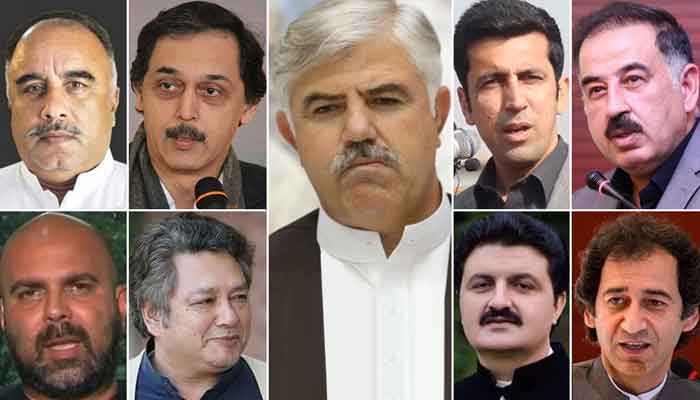
The question is, if performance is the benchmark for reshuffles and resignations in the cabinet, then why is there silence over those leading KP where the Bus Rapid Transit (BRT) has become a liability for the PTI government?
Another significant change has been the reappointment of Fawad Chaudhry from the Minister of Information to the Minister of Science and Technology. Chaudhry has been replaced by Firdous Ashiq Awan, made a special assistant not a minister as she lost the elections in 2018.
Chaudhry was an expert in making headlines and breaking news. He probably created too many problems for himself due to infighting which led a lobby close to the PM to dislike him. He also mishandled the media crisis and indulged in unnecessary controversies that barred him from entering most press clubs in the country. At the end, his difference with Naeem ul Haq over former MD PTV, Arshad Khan, cost him the ministry.
Which brings us to the appointment of (retd) Brig. Ijaz Shah as the new interior minister. He has the experience of intelligence as director general IB, but he is also the man known for alleged political engineering in Musharraf’s time. Sources say that when Imran Khan met Musharraf in 2002 and wanted the general to support the PTI, and Musharraf asked Khan to support the Chaudhrys of Gujrat, the man working behind the scenes was Ijaz Shah. This time, Khan has appointed Shah on the recommendation of Ch. Pervaiz Elahi. The irony writes itself.
Sources rumour that Shah was very powerful under Musharraf and was among the few present when former Chief Justice Iftikhar Mohammad Chaudhry was put under pressure to resign.
Shah also bailed out Musharraf in the Daniel Pearl case. He managed to push the prime suspect, Omar Sheikh, to surrender under certain conditions. Also, in a letter Benazir Bhutto had named him, alongside Musharraf and Hameed Gul, as someone who should be investigated if she was killed. After her death in a bomb blast at Liaquat Bagh in Rawalpindi, the suspects named by her were never probed.
Presently, the PTI government is not under pressure from the opposition. But the PTI’s own policies are its biggest opponent and the party itself the government’s biggest critique. The PTI ministers and leaders fight each other in public and then call this act the ‘beauty of democracy’. It’s more of a battle for power among the ministers and party leaders. In the end, the game will be lost by both, the ministers and the party, and the winner will be the opposition.
The PTI has travelled a long way — from no seat in 1997 to one seat in 2002 to boycott in the 2008 elections to the second largest party in the country in the 2013 elections to the largest party in 2018. Also, Imran Khan and his party created history by forming the provincial government for the second consecutive term in Khyber Pakhtunkhwa. It turned the tables in Punjab too after some political maneuvering and engineering.
Prime Minister Imran Khan is confident that his government will complete its five-year term that will end in 2023. His cabinet at present comprises 16 technocrats or non-elected members. He started his career in politics with some technocrats and professionals and now after 23 years technocrats once again rule the party. Everything in Pakistani politics continues to be of a cyclical nature.
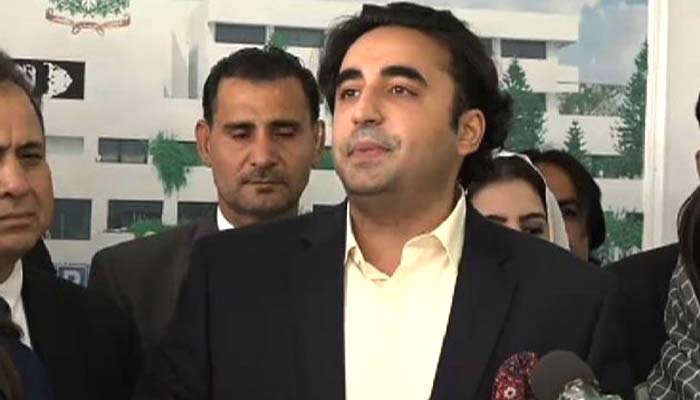
No space for presidential system in our Constitution: Khursheed Shah

There is no space for a presidential system in our Constitution, said PPP leader Khursheed Shah.
“Those who have power can dissolve the Constitution,” he said while speaking to the media on Sunday.
The PPP leader accused the federal government of releasing fewer funds to the Sindh government. “We didn’t receive funds worth at least Rs120 billion.”
Sindh chief minister has been very vocal about this issue, he remarked.
On April 16, former president Asif Ali Zardari said that the Pakistan People’s Party will stop the presidential system in the country. 
“We don’t accept the presidential system,” said Zardari, while speaking to the media after appearing before an Islamabad accountability court in the fake accounts case on Tuesday.
“Let them make efforts [to install the system in the country]. We will stop them,” he said, saying that the government is in the mood to launch a new experiment in Pakistan on a daily basis, but it will only deteriorate the situation more.

آخر کب تک؟ #Pakistan -

ایک شخصیت جن کا تبدیلی کی بنیاد رکھنے میں کلیدی کردار تھا، سے گزشتہ روز گپ شپ ہوئی۔ وہ تبدیلی سرکار کی کارکردگی سے شدید مایوس تھے۔ پاکستان کے مستقبل کے بارے میں اپنی تشویش کا اظہار اُنہوں نے اِن الفاظ میں کیا کہ اگر پاکستان نے عمران خان کی حکومت کو چند سال برداشت کیا اور اِسے پھر بھی کچھ نہ ہوا تو اِس کا مطلب یہ ہوگا کہ اِس ملک کو اللہ چلا رہا ہے، جسے تاقیامت کچھ نہیں ہوگا۔ یہ صرف تبدیلی کی بنیاد رکھنے والوں کے احساسات نہیں بلکہ تبدیلی لانے والے بھی اِس نتیجے تک پہنچے ہیں کہ غلطی ہوگئی ہے اور اب وہ اِس کی تلافی کے راستے تلاش کرنے لگے ہیں۔ شاید خود وزیراعظم کو بھی احساس ہو گیا ہے کہ ووٹ دینے والے اُن کی کارکردگی پر حیران اور گننے والے پریشان ہیں، اِس لئے خلوتوں میں اسمبلی توڑنے کی دھمکیاں دینے لگے ہیں۔ اِسی تناظر میں اپنے پراکسیز سے مہم چلانے کے بعد اب گورنر پختونخوا شاہ فرمان جیسے ذمہ داروں کے ذریعے صدارتی نظام کے شوشے چھوڑے جارہے ہیں اور شاید اِسی تناظر میں مولانا فضل الرحمان نے نئے انتخابات کا مطالبہ کردیا۔
مولانا کو جلدی ہے لیکن مسلم لیگ(ن) اور پیپلز پارٹی کی قیادت موجودہ حکومت کو مزید چند ماہ دے کر سونامی کو ہمیشہ کے لئے دفن کرنا چاہتی ہیں۔ بقول بلاول بھٹو زرداری یہ دونوں جماعتیں چاہتی ہیں کہ عمران خان صاحب ایمپائر کی انگلی کے اٹھنے سے قبل، مزید لطف اندوز ہو لیں اور سلیکٹرز بھی اپنی غلطی کی خوب قیمت چکا لیں۔ شاید وزیراعظم کو ادراک نہیں لیکن مسلم لیگ(ن) اور پیپلز پارٹی کی سیانی اور رموز حکمرانی سے آشنا قیادت کو بخوبی احساس ہے کہ اگلے چند ماہ میں کیا ہونے والا ہے؟ پہلا مرحلہ رمضان المبارک کا ہے اور یہ امر یقینی ہے کہ پہلے سے موجود مہنگائی میں جب رمضان کی روایتی مہنگائی کا تڑکہ لگے گا تو عوام کو سڑکوں پر آنے سے کوئی نہیں روک سکے گا۔ پنجاب، پختونخوا اور بلوچستان کے حکمران اپنے آپ کو نہیں سنبھال سکتے تو مہنگائی کو کیا کنٹرول کریں گے۔ دوسرا مرحلہ بجٹ کا درپیش ہے۔ جب آئی ایم ایف کی شرائط کی روشنی میں عالمی اداروں کے کارندے حفیظ شیخ(شیریں مزاری نے تو اُنہیں ایجنٹ اور نہ جانے کن کن خطابات سے نوازا ہے) جب بجٹ تیار کریں گے تو یقیناً ہر طبقہ احتجاج پر مجبور ہوگا۔ ایک اور مشکل مرحلہ ایف اے ٹی ایف کا درپیش ہے۔ اپوزیشن کو یقین ہے کہ بریگیڈئر(ر) اعجاز شاہ اور شہریار آفریدی جیسے وزیروں کے ہوتے ہوئے ایف اے ٹی ایف کو مطمئن کرنا اگر ناممکن نہیں تو مشکل ضرور ہے اور خاکم بدہن پاکستان بلیک لسٹ میں چلا گیا تو پاکستان کو اقتصادی محاذ پر بھاری قیمت چکانا ہوگی۔ اپوزیشن یہ بھی سمجھتی ہے کہ عنقریب امریکہ کی طالبان کے ساتھ مذاکرات کی مجبوری ختم ہو جائے گی، جس کے بعد اُس کی پاکستان سے متعلق کیرٹ اینڈ اسٹک پالیسی سے کیرٹ ختم ہو جائے گی اور صرف اسٹک ہی اسٹک باقی رہ جائے گی۔ دوسری طرف اگر مودی دوبارہ منتخب ہوئے تو ٹرمپ اور مودی مل کر پاکستان کے خلاف نئی مہم جوئیاں بھی کر سکتے ہیں۔ اِس تناظر میں پیپلز پارٹی اور مسلم لیگ(ن) کی قیادت مشکلات کی شکار ہو کر بھی امید سے ہے کہ جب ہر طرف سے احتجاج ہوگا اور ملک اقتصادی بدحالی کا شکار ہوگا تو لامحالہ ملک چلانے والے اُن کی طرف آئیں گے۔
یہ تو وہ معاملات ہیں جو ہر کسی کو نظر آرہے اور محسوس ہورہے ہیں لیکن ملک کے اصل محافظین بعض اور حوالوں سے بھی پریشان ہیں۔ وہ یوں کہ چین اور سعودی عرب کے ساتھ قربتوں کی وجہ سے امریکہ برہم اور ایران ناراض تھا لیکن آرمی قیادت مسلسل جتن کرکے امریکہ اور ایران کے ساتھ بھی تعلقات بہتر بنارہی تھی۔ تاہم اِس معاملے میں تبدیلی سرکار نے افراط وتفریط سے کام لیا۔ سی پیک سے متعلق پہلے جس طرح رزاق دائود نے بونگی ماری پھر جس طرح اُس کے معاملات کو خسرو بختیار کے سپرد کیا گیا اور نتیجتاً جس طرح سی پیک پر کام سست روی کا شکار ہوگیا، اُس کی وجہ سے چینی قیادت تشویش میں مبتلا ہے۔ پاکستان میں جو بھی حکومت ہو، چینی قیادت اُس کے ساتھ معاملات آگے بڑھاتی ہے لیکن حقیقت یہ ہے کہ وہ اُس طرح مطمئن نہیں جس طرح کہ آصف زرداری اور میاں نواز شریف سے تھی۔ ابھی جو کچھ ہے وہ عسکری قیادت کی وجہ سے ہے۔ اِسی طرح سعودی عرب اور متحدہ عرب امارات کو قریب لانے اور مددگار بنانے میں کلیدی کردار جنرل قمر جاوید باجوہ نے ادا کیا اور ساتھ ہی ساتھ ایران کو بھی ساتھ چلانے کی کوشش کررہے تھے لیکن اب ایران میں وزیراعظم نے اپنے ملک کو جس طرح مجرموں کے کٹہرے میں کھڑا کیا، اُس کی وجہ سے نہ صرف پاکستانی برہم ہیں بلکہ یقیناً نازک مزاج سعودی بھی خوش نہیں ہوں گے۔ طالبان کو امریکہ کے ساتھ بٹھانے کے معاملے میں پاکستانی ذمہ داروں نے بھرپور کردار ادا کیا اور اب کی بار پاکستان کے کردار کو ڈونلڈ ٹرمپ اور زلمے خلیل زاد بھی سراہ رہے تھے۔ افغان حکومت بدستور ناراض تھی لیکن پاکستانی ذمہ داروں نے پورا زور لگا رکھا تھا کہ طالبان افغان حکومت کے ساتھ بھی بیٹھ جائیں تاہم افغانستان میں عبوری حکومت سے متعلق غیرذمہ دارانہ بیانات دے کر وزیراعظم نے افغان حکومت کو بھی پاکستان کے خلاف بیان بازی کا جواز فراہم کردیا۔ انڈیا کے ساتھ حالیہ کشیدگی میں اللہ نے پاکستان کو غیر معمولی سبقت عطا کردی۔ نریندر مودی پوری دنیا اور خود اپنے ملک میں ایک جنونی اور انسانیت دشمن کے طور پر سامنے آیا۔ پاکستانی پالیسی سازوں کی کوشش تھی کہ وہ مودی کا یہ بھیانک چہرہ زیادہ سے زیادہ دنیا کے سامنے لے آئیں لیکن ادھر سے وزیراعظم صاحب نے بیان داغ دیا کہ نریندر مودی کے دوبارہ انتخاب کی صورت میں مسئلہ کشمیر کے حل کا امکان زیادہ ہے۔ سوال یہ ہے کہ ملکی سلامتی کے ذمہ دار یہ سب کچھ کب تک برداشت کریں گے کیونکہ اُن کے سامنے بھی یہ سوال ہے کہ پاکستان یہ سب کچھ کب تک برداشت کرسکے گا، کب تک؟ آخر کب تک ایسا چلے گا؟

پی ٹی آئی کے سارے دعوے ایک ایک کر کے جھوٹے ثابت ہوتے جارہے ہیں

پاکستان پیپلز پارٹی کے چیئرمین بلاول بھٹو زرداری نے پارٹی تنظیم کو خیبر
پختونخوا حکومت کی کرپشن کو بے نقاب کرنے کا ٹاسک دیتے ہوئے کہا کہ پی ٹی آئی کے سارے دعوے ایک ایک کر کے جھوٹے ثابت ہوتے جارہے ہیں، پی ٹی آئی کی کرپشن پر تفتیشی ادارے ایکشن کیوں نہیں لیتے؟۔ انہوں نے کہ خان صاحب ’’سمجھتی ‘‘ہے کا جملہ جان بوجھ کر نہیں کہا تھا۔ اسلام آباد میں پیپلز پارٹی کے رہنماؤں نے بلاول بھٹو زرداری سے ملاقات کی۔ اس موقع پر پیپلز پارٹی خیبر پختونخوا کے رہنماؤں نے بلاول بھٹو زرداری کو بلین ٹری سونامی، بی آر ٹی منصوبہ، مالم جبہ کیس اور اسکولوں میں طلبہ کے جعلی داخلوں سمیت صوبے میں مبینہ کرپشن سے متعلق بریفنگ دی۔ انہوں نے پارٹی رہنماؤں کو ہدایت کی کہ پی ٹی آئی کی کرپشن کو ہر جگہ پر بے نقاب کیا جائے۔ بلاول بھٹو زرداری نے پارٹی رہنماؤں سے غیر رسمی گفتگو کے دوران کہا کہ میں نے خان صاحب سمجھتی ہے کا جملہ جان بوجھ کر نہیں کہا، ایسا اردو پر عبور نہ
ہونے کے باعث ہوا۔ انہوںنے کہاکہ میری فطرت میں یہ بات نہیں ہے کہ میرے عمل یا الفاظ سے کسی کی تضحیک ہو۔ بلاول بھٹو زرداری نے کہاکہ میری والدہ نے جو تربیت کی، اس میں کسی کی ذات کو طنز کا نشانہ بنانے سے روکا گیا ہے۔ دریں اثناء بلاول بھٹو زرداری نے اسلام آباد پریس کلب میں دو منتخب ارکان قومی اسمبلی کو پریس کانفرنس سے روکنے پر مایوسی کا اظہار کیا ہے۔سماجی رابطوں کی ویب سائٹ یوٹٹر پر پیغام میں انہوں کہا ہے کہ نئے پاکستان میں سنسر شپ نئی بلندیوں کو پہنچ چکی ہے۔ جبکہ دور آمریت میں بھی پریس کلبز ہمیشہ ایسے ادارے رہے ہیں جہاں اظہار رائے پر پابندی عائد نہیں ہوئی۔دریں اثناء پیپلزپارٹی خیبر پختو نخوا کے صدر ہمایون خان کی قیاد ت میں پارٹی کے وفد نے پی پی پی کے چیئرمین بلاول بھٹو زرداری سے اسلام آباد میں ملاقات کی جس میں پارٹی رہنما فرحت اللہ بابر،روبینہ خالد، فیصل کریم کنڈی، گو ہر انقلابی ، شیر اعظم وزیر ، فرزند علی وزیر ، لیاقت شباب ، ایوب شاہ اور دیگر سینئر رہنماؤں شرکت کی ۔ہمایون خان نے ملاقات کے دوران چیئرمین بلاول بھٹو زرداری کو خیبر پختونخو ا حکومت کی بی آر ٹی ،مالم جبہ اراضی سکینڈل ، بلین ٹری سونامی ، سکولوں میں جاری اندراج اور شعبہ صحت سمیت دیگر شعبوں میں ہونیوالی بڑے پیمانے پر کرپشن پر بریفنگ دی اور مہنگائی سے عوامی مشکلات سے انہیں آگاہ کیا ۔

#Pakistan - #KhyberPakhtunkhwa - Ten chief ministers for one province


 It is indeed unfortunate that the unbelievable story of injustice meted out to smaller provinces has managed to continue even under the PTI regime.

Chief Minister Khyber Pakhtunkhwa Mahmood Khan and Chief Minister Balochistan Jam Kamal Khan are second to none in their innocence, powerlessness and naiveté. But the focus on our TV screens has only been stories of Usman Buzdar, the chief minister of Punjab.
There is more mismanagement and administrative incompetence in KP than Punjab. The Peshawar BRT has become a hallmark of the PTI’s incompetence and inefficiency. The PTI’s new government in KP under Chief Minister Mahmood Khan has completely failed to deliver. Jokes are routinely created and circulated about the KP government’s inefficiency but unfortunately, the media highlights only the incompetence of Punjab and its Buzdar.
Though Buzdar is weak and inefficient to run the country’s biggest province, his sympathizer sitting in Bani Gala is very strong. And, while he is on the front seat, there are many powers centres and de-facto chief ministers in Punjab who run parallel systems. On the contrary, the sympathizers of the chief ministers of KP and Balochistan are not that strong and keep changing. Unlike Punjab, the number of the de-facto chief ministers in KP has reached almost one dozen. But the media still discusses only Punjab’s de-facto chief ministers and avoids mentioning those of KP.
Usman Buzdar would never have imagined himself even in his dreams as the chief minister of Punjab, but certainly, Bushra Bibi – the one who recommended his name – would had given him some intimation to this in advance. But the KP CM had neither seen his current post in his dreams nor did he have someone who could give him any sign of the coming blessing. He got the post by chance.Since Imran Khan was not ready to appoint Pervaiz Khattak as chief minister of KP again, Shah Farman, Atif Khan and Asad Qaiser were strong candidates for the post. But they were not acceptable to Pervaiz Khattak. And so the Mahmood Khan managed to get the strongest post in the province. But due to his inefficiency, nine de-facto chief ministers have emerged in the province, resulting in political and administrative mess in the unfortunate province.Since Mahmood Khan’s name was suggested and recommended by an MNA from Swat, so that MNA has become the first de-facto chief minister of KP; he is said to regularly interfere in the administration of the province.
KP Governor Shah Farman is a strong aide and close friend of Imran Khan since the 1990s. He has unrestricted access to the prime minister and constantly interacts with him on phone and WhatsApp. Mahmood Khan, on the other hand, has no direct contact with Imran Khan. Hence, Shah Farman is the second de-facto chief minister.
The third de-facto chief minister – and probably the most powerful of all – is the prime minister’s principal Secretary, Azam Khan. Earlier, he was chief secretary of KP. He has become as close to the prime minister as Fawad Hasan Fawad was with Mian Nawaz Sharif. He has appointed officers of his own group on some of the powerful posts of the province, and the bureaucracy too looks towards him instead of the chief minister. The chief minister cannot really counter Azam Khan’s decisions due to the fact that he (the CM) contacts Imran Khan through Azam Khan or Murad Saeed. And Azam Khan is with Imran all the time, almost like his shadow.
Arbab Shahzad is the fourth de-facto chief minister of KP. He is so powerful that he has managed to keep Pervaiz Khattak away from the prime minister. As chief secretary, he had written a letter against the then CM KP Pervaiz Khattak, regarding political interference in the administrative affairs of the province. Khattak had called the letter a charge sheet against the (then) PTI government. Arbab Shahzad also played an important role in the distribution of party tickets for the 2018 elections and he recommended the name of KP Finance Minister Taimur Jhagra. Shahzad, as another de-facto CM, runs the affairs of the province from the PM House.
The post of finance minister is very important and the current KP finance minister, Taimur Jhagra, with the strong support of Arbab Shahzad, has become the fifth de-facto chief minister; he too pays no attention to Mahmood Khan.
The sixth de-facto chief minister of KP is Atif Khan, the provincial minister for tourism. Previously, he was probably the only blue-eyed boy of Imran Khan in Pervaiz Khattak’s cabinet. He still frequently attends the evening parties of Imran Khan. The prime minister had promised him that he would be the next chief minister of KP but that could not happen due to strong opposition by Pervaiz Khattak and Asad Qaiser. Atif Khan too runs a parallel system in the province and pays no heed to Mahmood Khan.
Similarly, Shahram Tarakai, provincial minister for local government, elections and rural development, has become the seventh de-facto chief minister of KP. He is related to Atif Khan and is a member of his group. Tarakai is not on a good terms with Mahmood Khan and is in close contact with PM Imran Khan through Atif Khan.
The eighth de-facto chief minister is Ajmal Wazir, who got the position of spokesperson of the chief minister despite resistance and opposition from the governor, the chief minister and provincial ministers. He is considered to be a representative of the real architects of this so-called change. Besides his strong backing, he also been working very hard – which is why his power is increasing day by day.
The latest entry into the list of de-facto chief ministers of KP is Iftikhar Durrani. Till recently, he was a paid worker of the PTI but he impressed Imran Khan so much that he was appointed as a special assistant to the PM on media. He is more known to be interested in financial matters but Fawad Chaudhry, the former minister for information in the centre, was not letting him close to such opportunities.
So Durrani got himself transferred to KP for communications strategy. He has shifted to Peshawar and gives the impression that the prime minister has sent him to monitor the provincial government. Being a representative of the PM, he has become the ninth de-facto chief minister of KP.
With so many multiple power centres, the story of the KP government’s performance is tragic and painful, but the media has focused only on the performance of Punjab, the biggest province, which has only three de-facto chief ministers. Khyber Pakhtunkhwa, a rather smaller province, is being run by 10 chief ministers, one real and nine de facto, but the media has turned a deaf ear to its miserable administrative plight.

Saturday, April 27, 2019

NASA engineer Hibah Rahmani encourages young Pakistani women to pursue space science careers


Engineer Hibah Rahmani, a Pakistani-US national who is working at the National Aeronautics and Space Administration (Nasa), USA, has urged girl students to pursue their career in space science as there are opportunities for talented girls to reach for the stars.
She was addressing a seminar at the Punjab University’s Institute of Social and Cultural Studies organised in collaboration with the US Consulate Lahore and the Lincoln Corners Pakistan on Friday.
ISCS Director Prof Dr Rubina Zakar, US Consulate Provincial Coordinator Alumni Affairs Jamal Ghazanfar, US Consulate Deputy Public Affairs Officer Elizabeth Lee, faculty members and students were present.
Hibah Rahmani discussed the current research being done in the field of space sciences at Nasa. She said it was a good omen that Pakistani girls were coming forward in various fields of science and engineering.
She said: “Problems and failures come but that could become an opportunity if the students continue to achieve their goals and work hard. Girls must dream big and never give up. Girl students should stay focused on their goals and dreams and eventually they will find success.”
She works on expendable launch vehicles and rockets. She provides technical expertise, follows launch vehicle testing, performs data reviews and provides technical assessments of engineering issues.

https://images.dawn.com/news/1182534/nasa-engineer-hibah-rahmani-encourages-young-pakistani-women-to-pursue-space-science-careers

Panic grips in Pakistan's Larkana after 13 children tested HIV positive

By Ashfaq Ahmed
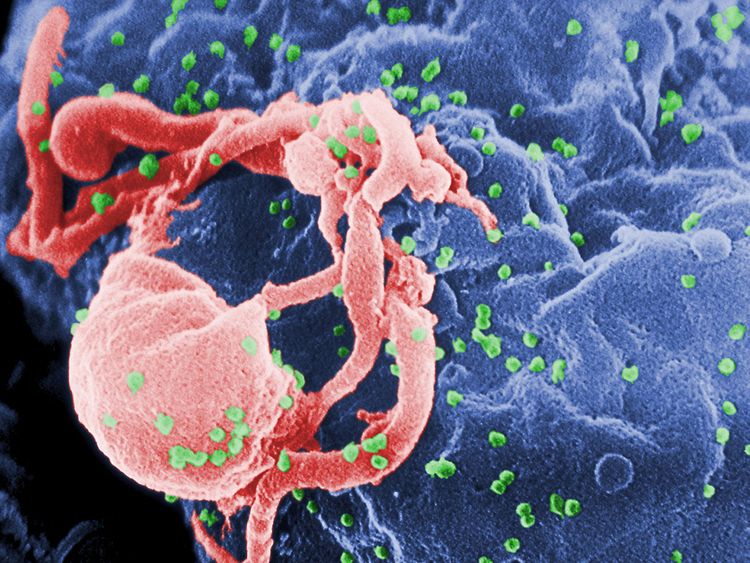
Larkana continues to top the list of districts most affected by HIV in Sindh province.
Panic gripped Larkana – a key city of Pakistan’s Sindh province – after 13 children were tested positive for human immunodeficiency viruses (HIV).
According to the HIV Aids Control Programme official, sixteen of the 13 children tested are infected with HIV in the Ratodero district of Larkana. Blood samples of 16 children have been sent to a laboratory for further tests.
“The children who are tested HIV positive are between the ages of four months and eight years,” Dr Abdul Hafeez, In Charge of the HIV Aids Control Programme in the area.
He said that parents of the affected children would also be tested.
Larkana continues to top the list of districts most affected by HIV in Sindh with the number of AIDS patients in Larkana rising to more than 2,500, reported Geo TV.
Larkana is the stronghold of Pakistan Peoples Party (PPP) which has been in government in Sindh province for decades. But the city has one of the worst healthcare facilities. The results are very worrisome, Dr Hafeez said, urging the need for take drastic steps to create awareness about HIV amongst the population in the area.
20,000 new HIV cases
According to WHO, Pakistan is registering approximately 20,000 new HIV infections annually, the highest rate of increase among all countries in the region.
The international body says mortality among Pakistanis living with the virus, which causes the deadly AIDS disease, is also rising, in spite of the availability of lifesaving antiretroviral therapy.The latest government figures show that only 16 percent of the estimated 150,000 people living with HIV had been tested and only 9 percent have access to lifesaving treatment."The remaining 135,000 people are walking around in the communities as carriers of (HIV) infection who are ready to transmit infections to those who are not infected, even to their unborn babies," Dr. Saima Paracha of the National AIDS Control Program, told media recently.
Main causes of HIV in Pakistan
Officials say the HIV epidemic in Pakistan remains largely concentrated among the key populations, including people who inject drugs, the transgender community, sex workers and their clients and men who have sex with men.Official estimates show that Pakistan has seen a 45 percent increase in new HIV infections since 2010.The report said AIDS-related deaths in the world have fallen from 1.9 million in 2005 to one million in 2016, adding that "for the first time the scales have tipped."The year 2016 saw 1.8 million new infections, almost half the record number of some 3.5 million in 1997, said UNAIDS.
In total, 76.1 million people have been infected with HIV, the virus that causes AIDS, since the epidemic started in the 1980s. Some 35 million have died.
No cure
As of yet, there is no HIV vaccine or cure, and infected people rely on lifelong anti-retroviral therapy to stop the virus replicating.
Without treatment, HIV-infected people go on to develop AIDS, a syndrome that weakens the immune system and leaves the body exposed to opportunistic infections such as tuberculosis, and some types of cancer.Treatment carries side effects and is costly, but allows infected people to be healthier for longer.As of yet, there is no HIV vaccine or cure, and infected people rely on lifelong anti-retroviral therapy to stop the virus replicating.Without treatment, HIV-infected people go on to develop AIDS, a syndrome that weakens the immune system and leaves the body exposed to opportunistic infections such as tuberculosis, and some types of cancer.
Treatment carries side effects and is costly, but allows infected people to be healthier for longer.

 https://gulfnews.com/opinion/op-eds/first-person-why-a-possible-hiv-cure-is-not-cause-for-celebration-1.62550616

US imposes sanction on Pakistan, may deny visas to Pakistanis


Pakistan is latest to join the list of 10 nations that have been imposed with sanctions.
The US has imposed sanctions on Pakistan after Islamabad refused to take back its citizen deportees and visa over-stayers from America, warning that it may withhold visas of Pakistanis beginning from its senior officials.
The State Department on Friday said that consular operations in Pakistan remain “unchanged” as of now but as a result of such a sanction mentioned in a Federal Register notification dated April 22, the US may withhold visas of Pakistanis beginning with its senior officials.
Pakistan is the latest to join the list of 10 nations that have been imposed with sanctions under a US law according to which countries refusing to take back deportees and visa over-stayers will be denied American visas.
Notably eight of these countries have been slapped with such visa sanctions under the Trump administration. Two of them Ghana and Pakistan have been included in the list this year.
The other countries include Guyana in 2001, the Gambia in 2016, Cambodia, Eritrea, Guinea, and Sierra Leone in 2017, Burma and Laos in 2018.
Under Section 243 (d) of the Immigration and Nationality Act, the Secretary of State is required to discontinue granting immigration or non-immigrant visas to a nation upon receiving notice from the Homeland Security Secretary that the country has denied or is unreasonably delaying accepting a citizen, subject, national or resident of that country.
The State Department tried to downplay the impact of the sanctions on Pakistan.
"Consular operations in Pakistan remain unchanged,” a State Department Spokesperson told PTI when asked about the federal register notification.
“This is a bilateral issue of ongoing discussion between the US and Pakistani governments and we are not going to get into the specifics at this time,” the spokesperson added.
Former Pakistan's Ambassador to the US, Hussain Haqqani, feels that this will make things difficult for Pakistanis.
“This measure will create hardship for Pakistanis who want or need to travel to the US and could have been avoided if Pakistani authorities had not ignored American requests to respect their legal requirements for deportation,” Haqqani told PTI, days after the federal register notification.
He said that Pakistan's refusal to accept it's citizen deported from the US is not new.
“Pakistan’s refusal to accept every Pakistani citizen deported from the US is not new. It seems that the US is no longer willing to overlook a wide range of official Pakistani behaviour. Bonhomie has been replaced by sanctions and restrictions based on Islamabad’s policy decisions,” Haqqani said.
While the law in this regard has been under existence since 1996, it is only in last several years that there had been increasing demand from lawmakers towards its enforcement against countries that had refused to accept deportees and visa over-stayers.
In the last few years, India has been taking such deportees on special planes at regular intervals.
The Trump administration after coming to power had said that it will strictly enforce such provisions by denying visas to people from those countries that refuse it accepting deportees and visa over-stayers.
While section 243 (d) of the Immigration and Nationality Act was used only twice before 2017, the Trump Administration has been effective in using this provision on many countries, including Pakistan.
However, the State Department federal register notification indicates that the number of visa denial under this sanction is far less.
Since the law was modified to cover non-immigrant visas in 1996, 318 visa applicants have been affected, the notification said.
“During this same time period, tens of millions of aliens have received non-immigrant visas including, collectively, millions of applicants from the 10 countries affected,” the notification said.
The Federal Register notification said that there is no set formula, though, notably State has never issued a blanket refusal for visas from the country in question.
“For some countries, sanctions begin by targeting officials who work in the ministries responsible for accepting the return of that country's nationals with escalation scenarios that target family members of those officials and potentially officials of other ministries and then other categories of applicants if initial sanctions do not prove effective at encouraging greater cooperation on removals by the targeted government,” the notification said.

Pakistan's interior minister pick raises questions about 'new' Pakistan

By Saad Sayeed
Pakistan’s new interior minister, appointed in a major cabinet reshuffle this month by Prime Minister Imran Khan, is a former spy chief and close ally of the country’s last military ruler who has long been accused of deep ties to militant groups.
The appointment of retired Brigadier Ijaz Shah has been heavily criticized by the opposition Pakistan People’s Party (PPP), whose slain former leader Benazir Bhutto regarded him as a deadly enemy.
Some analysts said it suggested Pakistan’s powerful military continued to wield heavy influence over the civilian administration - a persistent allegation since Khan took office eight months ago that both his government and the generals deny.In an interview with the BBC after his appointment, Shah said: “What power can I give the military as interior minister? I left the army a long time ago, I am a civilian and have participated in elections.”
The prime minister’s office and the information ministry did not respond to requests for comment. Shah was among four members of the civilian-military establishment named by Bhutto in a letter written to then President Pervez Musharraf months before her assassination as suspects who should be investigated if she was killed.
Many Pakistanis have long suspected that elements of the intelligence agencies colluded with militants in Bhutto’s assassination in a gun and bomb attack in the garrison city of Rawalpindi in December 2007. An investigation at the time blamed an al Qaeda-allied Pakistani Taliban leader.“Are you trying to send a message to the world that we have terrorists and the abettors of terrorists in our cabinet?” Bhutto’s son and chairman of the PPP, Bilawal Bhutto, told the country’s parliament this week, referring to Shah’s appointment. “This cannot happen.”Shah’s office did not respond to a request for an interview or a list of questions sent by Reuters, but earlier this month then Information Minister Fawad Chaudhry told local newspaper Dawn that “he is a clean man” and had been cleared of all allegations against him in a government inquiry.
SPY CHIEF
The sweeping cabinet reshuffle comes as Pakistan is trying to attract foreign investment and present itself as a reformed country. But critics say the inclusion of an “old school” figure such as Shah in the government shows little has changed.
Under Musharraf, who as army chief seized power in a 1999 coup and ruled until 2008, Shah served as head of the military’s leading spy agency in the Punjab province, and was later appointed the head of the civilian Intelligence Bureau.He oversaw the surrender of wanted militant Omar Saeed Shaikh, who masterminded the kidnapping and killing of Wall Street Journal correspondent Daniel Pearl in 2002.That contributed to allegations he had been close to Islamist groups based along lawless border with Afghanistan, where Pakistan’s security services have long been accused of playing a double game.“The biggest controversy is his links with the Afghan jihad and figures like Omar Saeed Sheikh,” author and analyst Ayesha Siddiqa told Reuters, a longstanding critic of Pakistan’s military. “Looks very much like the army chief’s choice.” he military did not respond to a request for comment on this article, but in the past has said it does not interfere in politics. The military has also repeatedly denied allegations leveled by the United States, Afghanistan and others that is has covertly sheltered militants based along its borders.
Under Khan’s government, Islamabad has been trying to convince the outside world that it will not tolerate militants operating from inside Pakistan.
Pakistan currently finds itself on the Financial Action Task Force (FATF) “grey list” for inadequately dealing with money laundering and terrorism financing, a designation that makes it harder for the country to access international markets at a time when its economy is stumbling.

#Pakistan- #PPP - No room for 'third umpire' in democracy: Bilawal Bhutto

Pakistan Peoples Party (PPP) chairman Bilawal Bhutto Zardari said today (April 26) that the democratic government always has only one umpire and that’s its people. No room for third umpire, he said.
“People are the only umpire of Pakistan.” Bilawal said. “In a democratic state, the will of third umpire is insignificant to people’s will. We will defend the country together”.
Bilawal said that PPP started the CPEC project, which was later led by the Muslim League-Nawaz (PML-N) government. He hoped that Prime Minister Imran Khan will also take it ahead.
PPP leader said Government should not make the Pak-China Economic Corridor (CPEC) project a controversial issue. Government should make sure there will be no compromise on it. “Imran Khan has taken money from CPEC projects and handed it to his parliamentarians,” he said. “This is unconstitutional.”
Bilawal Bhutto said that National Accountability Bureau (NAB) is a black law and institution formed by former president Pervez Musharraf against his political rivals.
He further said, “We are ready to cooperate with the government for reforms in the NAB. We will try our best to bring NAB under the rule of law.”
PPP Chairman expressed that Federal government has no interest in running the country. The presidential system will be harmful for Pakistan and PPP will show resistance against it, he added. “You cannot bring a presidential system through democratic means. PPP and other democratic forces of this country will reject this.”
Talking to the media, Bilawal said that many issues were discussed in the Parliament today, including the 18th amendment and human rights issues. “The problems will be resolved with political parties together. If there is any danger to democracy, we will end it together”, he added.

Friday, April 26, 2019

Video - Chairman Pakistan Peoples Party Bilawal Bhutto Zardari is talking to media in Islamabad

To Imran Niazi - @ImranKhanPTI - EDITORIAL Mind your language

It seems like Naya Pakistan has even less to offer in terms of change than previously thought. Even the political discourse is as crass and uncouth as ever. In fact, now the premier of the country himself is stooping to below the belt remarks which previous Prime Ministers (PMs) would not.
Recently PM Imran Khan attempted to mock Pakistan People’s Party (PPP) Chairman by referring to him as a woman. Such behaviour is highly condemnable when it comes from anybody, but even more so when it comes from the person who is occupying the highest office in the land. Statements like the one given by PM Imran Khan feed into the culture of sexism and misogyny that plagues this country.
While such statements may or may not allow the PM to score some political points against the PPP, what they do in the long run is equate women with weakness. This is a great disservice to Pakistan’s female citizens, who continue to struggle for equal rights.
PM Imran Khan must remember that he is as much the PM of this country’s women as he is the men’s. Nearly half of Pakistan’s population is comprised of women, furthermore, women make up a significant portion of the Pakistan Tehreek-e-Insaf’s (PTI’s) support base. Therefore the use of such language equates to nothing less than a betrayal of PTI supporters.
The PM and those supporting him should remember the many sacrifices Pakistani women have given for this country. The role of strong women such as Fatima Jinnah, Begum Shahnawaz, Salma Tassaduque Hussain, Begum Liaqat Ali Khan and Fatima Sughra in the Pakistan Movement are well documented and are an integral part of the history of this country.
In the aftermath of this incident, it is hoped that the PM learns from his mistake and choose his language more carefully in the future. Sexism must not be used in the political arena for petty mudslinging.
https://dailytimes.com.pk/382660/mind-your-language-3/

#Pakistan - آدھا صدارتی نظام نافذ ہوچکا

سیاسی حالات کے مزاج اِن دنوں سخت برہم ہیں اور اقتدار کا تیز رفتار کٹاؤ ایک
 غیر یقینی مستقبل کی خبر دے رہا ہے۔ عمران خان دیکھنے میں وزیرِاعظم ہیں مگر حکمرانی کا استحقاق تیزی سے کھوتے جا رہے ہیں۔ اُنہوں نے جو خواب دیکھے تھے اور پاکستان کے عوام کو دکھائے تھے، وہ یکے بعد دیگرے چکنا چور ہوتے جا رہے ہیں۔ اُن کی مردم شناسی کے بڑے بڑے دعوے غلط ثابت ہوئے۔ اُنہیں فی البدیہہ تقریر کرنے کا جو زعم تھا، اُس نے ایران کے دورے کے موقع پر جو گُل کھلائے ہیں، اُس کے چرچے غیر ملکی اخبارات اور نشریاتی اداروں میں ہو رہے ہیں۔ وفاقی کابینہ میں جس ڈرامائی انداز سے ردوبدل کیا گیا، اُس نے باہمی اعتماد کی ساری بنیادیں ڈھا دی ہیں۔ معیشت کا پہیہ رک گیا ہے، محاصل میں پانچ سو ارب روپے کی کمی دیکھنے میں آ رہی ہے، جس کے باعث عوام کے لئے سکھ کا سانس لینا دوبھر ہو گیا ہے۔ اعلیٰ تعلیم جس کے ذریعے معاشرہ توانائی اور افکار کی تازگی حاصل کرتا ہے، اُس پر اُٹھنے والے اخراجات میں پچاس فیصد تخفیف کر دی گئی ہے۔ ترقیاتی منصوبوں میں حیرت انگیز تخفیف سے بےروزگاری کا طوفان اُمڈ آنے کی تمام عالمی مالیاتی اداروں نے وارننگ دی ہے۔ عام تاثر یہی اُبھرتا جا رہا ہے کہ حکومت میں ایسے لوگ آ گئے ہیں جو ریاست کے اُمور چلانے کا تجربہ رکھتے ہیں نہ عوام کو زندگی کی بنیادی سہولتیں فراہم کرنے کی صلاحیت، چنانچہ تمام صاحبانِ نظر اِس امر پر متفق پائے جاتے ہیں کہ سیاسی نظام کو پٹڑی سے اُترنے اور جمہوریت کو بےوقار نہ ہونے دیا جائے۔
ہماری تاریخ میں یہ ہوتا آیا ہے کہ جب ملت پر برا وقت آیا، تو لایعنی اور ذہنی انتشار پھیلا دینے والی بحثیں شروع کر دی گئیں۔ کہتے ہیں کہ جس وقت ہلاکو خاں بغداد میں مسلمانوں کا قتلِ عام کر رہا تھا تو بعض علما کے مابین یہ مباحثہ جاری تھا کہ کوّا حلال ہے یا حرام۔ یہی سب کچھ آج پاکستان میں وقوع پزیر ہو رہا ہے۔ اِس آن جب عوام کے مسائل نہایت گمبھیر ہو چکے ہیں، قومی سلامتی کو ہولناک چیلنجز درپیش ہیں اور پورا نظامِ حکومت شدید ابتری سے دوچار ہے، تو پس پردہ عناصر نے ’اسلامی صدارتی نظام‘ کی بحث چھیڑ دی ہے۔ پارلیمانی نظام کی تباہ کاریوں اور صدارتی نظام کے فیوض وبرکات کے بارے میں فصاحت و بلاغت کے دریا بہائے جا رہے ہیں۔ ہمارے آج کے بقراط یہ ثابت کرنے پر تُلے ہوئے ہیں کہ ہماری زیادہ تر مشکلات پارلیمانی طرزِ حکومت کی پیدا کردہ ہیں، جس میں اربابِ حکومت کو قدم قدم پر ارکانِ پارلیمان کی حمایت حاصل کرنے کے لئے سمجھوتے اور میرٹ پر سودے کرنا پڑتے ہیں۔ اِس طرح نااہلی، بدانتظامی اور بدعنوانی کی جڑیں گہری ہوتی جاتی ہیں اور کوئی بڑا کارنامہ سرانجام دینا تقریباً ناممکن ہو جاتا ہے۔ ہماری خوش نصیبی ملاحظہ کیجئے کہ پارلیمانی نظام کے حق میں شیخ رشید احمد میدان میں اُترے ہیں۔
اِس ذہنی کھینچا تانی میں لوگوں کو یہ ادراک نہیں ہو پا رہا کہ ملک میں نصف صدارتی نظام تو نافذ ہو چکا ہے۔ پارلیمانی نظام کے اندر صدارتی نظام نے اپنے پنجے گاڑ دیے ہیں اور گاڑتا چلا جا رہا ہے۔ وزیرِاعظم عمران خان کی کابینہ میں سترہ کے لگ بھگ غیر منتخب اور ٹیکنو کریٹ براجمان ہیں اور اُنہی کو اہم وزارتیں سونپی گئی ہیں۔ یہ بات زبانِ زدعام وخواص ہے کہ جناب جہانگیر ترین جن کو عدالتِ عظمیٰ نے خائن قرار دے کر زندگی بھر کے لئے حکومتی معاملات سے بےدخل کر دیا ہے، جناب اسد عمر کو کابینہ سے باہر کرنے کے ذمہ دار ہیں۔ یہ بھی شنید ہے کہ اُن کے ساتھ وزیرِ خارجہ شاہ محمود قریشی اور پنجاب کے گورنر جناب چوہدری محمد سرور کا فیصلہ کن اقتدار کا میچ ہونے والا ہے۔ اِس رسہ کشی میں پارلیمان غیر مؤثر ہوتی جا رہی ہے اور وزراء کی حیثیت ناقابلِ بیان۔ تمام اختیارات وزیرِاعظم کی ذات میں مرتکز ہو گئے ہیں جو کسی سے مشاورت کے بغیر اختیارات استعمال کر رہے ہیں۔ اُنہوں نے تین صوبوں کے معاملات بھی اپنی تحویل میں لے رکھے ہیں اور پنجاب اور خیبر پختونخوا میں جو وزرائے اعلیٰ تعینات کئے ہیں، وہ حکومت چلانے کی صلاحیت سے محروم دکھائی دیتے ہیں۔ پارلیمانی طرزِ حکومت میں پارلیمان بالادست ہوتی ہے، جبکہ صدارتی نظامِ حکومت میں صدرِ مملکت کو لامحدود اختیارات حاصل ہوتے ہیں۔ اب ایسے حالات پیدا کر دیے گئے ہیں جن میں وزیرِاعظم کی ذات میں سارے اختیارات مرتکز ہو گئے ہیں اور منتخب اسمبلیاں ہنگامہ آرائی کی زد میں ہیں۔ اُن میں قانون سازی ہو رہی ہے نہ ملکی مسائل سنجیدگی سے زیرِ بحث آتے ہیں۔ یہ ایک خطرناک صورتحال ہے، جس میں کسی وقت بھی سیاسی نظام کی بساط لپیٹی جا سکتی ہے۔
وہ عناصر جو ’اعلیٰ کارکردگی‘ کے نام پر اِس ملک میں صدارتی نظام پوری طاقت کے ساتھ نافذ کرنا چاہتے ہیں، اُنہوں نے سیاسی عمل میں نقب لگا دی ہے اور وہ آئندہ ایسے اقدامات کرتے چلے جائیں گے جن کے ذریعے سیاسی جماعتیں عوام کے اندر اپنی اہمیت کھو بیٹھیں گی اور آپس میں دست وگریباں ہونے کی وجہ سے غیر سیاسی عناصر کو فتحیاب ہونے کا موقع فراہم کریں گی۔ عوام بھی اِس نظام کے خلاف بغاوت پر اُتر آئیں گے جو اُنہیں ’ڈلیور‘ کرنے میں ناکام رہا ہے۔ اِن حالات میں قومی اکابرین پر یہ ذمہ داری عائد ہوتی ہے کہ وہ سیاسی مفاہمت کی فضا تیار کریں، باہمی احترام، رواداری اور کشادہ ظرفی کو فروغ دیں اور صدارتی نظام کا راستہ روکنے کے لئے مجاہدانہ کردار اَدا کریں۔ یہ جو ریفرنڈم کرانے کی تجاویز دی جا رہی ہیں، وہ پاکستان کی سالمیت کے لیے سمِ قاتل کی حیثیت رکھتی ہیں۔ خیبر پختونخوا کے گورنر شاہ فرمان صاحب نے جس دستور پر حلف اُٹھایا ہے وہ پارلیمانی نظام کی ضمانت دیتا ہے۔ اُنہیں صدارتی نظام کے حق میں بیانات دینے سے پہلے اِس پہلو پر غور کرنا چاہئے کہ وہ اپنے حلف کی خلاف ورزی کے مرتکب تو نہیں ہو رہے۔ صدر ایوب خاں نے جو صدارتی نظام عوام پر زبردستی مسلط کیا تھا، اُس کے باعث پاکستان دولخت ہو گیا اور ہم ہاتھ ملتے رہ گئے تھے۔ تاریخ سے نابلد لوگ ہوسِ اقتدار میں ایک بار پھر پاکستان کو اُسی خوفناک تجربے سے گزارنا چاہتے ہیں، اُس کے خلاف پوری قوم کو تمام تر طاقت کے ساتھ مزاحمت کرنا ہو گی اور جمہوری عمل کو طاقتور بنانے کے لئے فروعی باتوں اور تقسیم کرنے والے رجحانات سے بہت اوپر اُٹھنا ہو گا۔

Video - The only umpire in Pakistan is its people: Bilawal

 Pakistan Peoples Party (PPP) chairman Bilawal Bhutto Zardari addressing the media here on Friday said there was only one umpire in Pakistan and that was the people.
“There is only one umpire in this country and that is the people. In a democracy and in Pakistan it is the will of the people which is followed not that of any third umpire.”
Commenting on the possibility of a presidential system and the roll back of the 18th Amendment, the PPP chairman reiterated that any such move would be resisted by his party.
“You cannot bring a presidential system through democratic means. PPP and other democratic forces of this country will reject this.”
The PPP chairman stated his party’s stance on the National Accountability Bureau (NAB), calling it a black law and an institution made by former president General (retd) Pervez Musharraf for political engineering and vengeance.
“PPP thinks a new system is needed and there should be across the board accountability for all. There needs to be one system for everyone.”
Bilawal, however, did say that right now it would be impossible to bring an entirely new system. “We will try to bring this [NAB] under the rule of law as much as we can. If the government is ready for this, then we are ready to talk to them.”
According to the PPP chairman, the government till now had not shown any seriousness and had failed to even pass a bill. “They [government] have shown no interest in the Parliament or the economy,” he added.
The PPP chairman stressed the importance of the China Pakistan Economic Corridor (CPEC) project when asked about Prime Minister Imran Khan’s visit to Beijing to attend the One Belt One Road Forum.
“We think there should be no compromise on CEPC and we will not let this government compromise. The people of Pakistan know that this is an important project for the future of the country.”

Cyril Almeida, Pakistan’s World Press Freedom Hero who exposed its military-terror nexus


Dawn journalist Cyril Almeida was forced to flee Pakistan after a 2016 report  uncovered the country's contentious military-terrorism ties.

Pakistani journalist Cyril Almeida, who is facing treason charges for persistently covering the country’s military patronage of terrorist groups, has been named
the International Press Institute’s (IPI) 71st World Press Freedom Hero.
Almeida is an assistant editor of Pakistan’s Dawn newspaper.
IPI honours journalists with the World Press Freedom Hero award for their contributions to press freedom, often at the cost of personal and political risk.
After the announcement was made, Almeida tweeted, thanking his editor at Dawn, Zaffar Abbas.
“In truth, the hero is Zaffar Abbas, Editor, Dawn @abbasz55 who has unflinchingly fought for his paper and his staff in the face of significant coercion, intimidation and threats – much more so than is publicly known. Keep up the good fight, Ed sb. Pakistan belongs to everyone,” tweeted Almeida.
IPI’s executive director Barbara Trionfi was quoted in a press release as saying, “Cyril Almeida has demonstrated tremendous resolve in tackling – at great risk to himself – deeply contentious issues that are nevertheless of central importance to Pakistan’s democracy, not least the role of the military in shaping the country’s present and future.
“The response to his reporting has been a campaign of intolerance and state repression. Despite the press freedom crisis engulfing Pakistan, he, and Dawn newspaper, have refused to back down from writing about issues that matter,” Trionfi’s statement read.

Known for his sharp columns

Almeida is a 2004 Rhodes scholar and received a degree in law from Oxford University. He briefly worked as a lawyer in Pakistan before joining journalism. Almeida joined the Pakistani newspaper Dawn and was promoted to the position of the assistant editor in 2013.
Before being coerced and threatened by Pakistan’s establishment, Almeida was known for his sharp and analytical columns. Often in the Pakistani establishment, journalists present their critiques by delivering them in-between-the-lines. And, Almeida had mastered that art.
For instance, in his final column for the Dawn, Almeida had used Danish author Hans Christian Andersen’s “the child who cried” to question the military.
“Someone to say, no, this is wrong, you can’t do that. Stick to your job, stop interfering, stop pretending you know better, stop trying to reinvent the wheel. Stop trying to invent reality,” wrote Almeida.
He continues to be an assistant editor with Dawn, but suspended his Sunday column in January 2019.

The ‘Dawn Leaks’ and its aftermath

While Almeida had already developed a reputation for critically examining the civil-military relations in Pakistan, he published a story in 2016 that rattled the entire Pakistani establishment. The story highlighted the confrontation between the civilian government and the military establishment.
The story revealed the minutes of a confidential meeting between the then prime minister Nawaz Sharif and the top military brass.
At the meeting, Sharif reportedly told the top military officials to act against all the state-proscribed terrorist groups, otherwise Pakistan would face severe international isolation.
The report also claimed Sharif had asked the military leadership to conclude the Pathankot investigation and restart the “Mumbai attacks-related trials in a Rawalpindi anti-terrorism court”.
This was one of the rare occasions when a serving prime minister was not only acknowledging the existence of state-sponsored terrorist groups, but was also chiding the military for giving patronage to such groups.
This news report came to be known as the ‘Dawn Leaks’.
The story invited the wrath of the Pakistani military establishment as it rubbished the story, and so did the civilian government.
Both the military and the government on several occasions had said that this fabricated news story was in breach of national security and reflected the enemy’s stance.
Almeida was put on the state’s Exit Control List (ECL), which restricted him from leaving the country. But, after intense pressure from media and other civil society groups, Almeida was taken off the list.
The already tensed relations between Sharif’s government and the military leadership sharply deteriorated in the aftermath of the ‘Dawn Leaks’.
Sharif was later charged with corruption, removed from his post, and sentenced to ten years in prison.

Treason charges for an interview with Sharif

In 2018, Almeida conducted an explosive interview with Sharif, and again unnerved the military establishment.
“You can’t run a country if you have two or three parallel governments. This has to stop. There can only be one government: the constitutional one,” said Sharif during the interview.
Sharif went on to question the state’s involvement in the 2008 Mumbai terror attack.  “Militant organisations are active. Call them non-state actors, should we allow them to cross the border and kill 150 people in Mumbai? Explain it to me. Why can’t we complete the trial?” he said.
Soon after Almeida was again temporarily put on the ECL list and treason proceedings were initiated against him.
Almeida was quoted in an IPI statement as saying, “Press freedom in Pakistan is under severe and sustained attack, without precedent during eras of civilian governments and the worst in the country since an oppressive military dictatorship in the 1980s.”
The IPI in the statement said: “We urge Pakistani authorities to immediately drop all charges against Cyril Almeida. Bringing treason charges against a journalist for interviewing a former prime minister is as dangerous as it is absurd, and constitutes a gross violation of journalists’ right to disseminate information in the public interest.”