Monday, January 21, 2019

Obama puts out call for service on MLK Day: ‘Make a positive impact on the world’


BY AVERY ANAPOL 

Former President Barack Obama on Monday urged Americans to “make a positive impact on the world” in honor of Martin Luther King Jr. Day.
“I’ve always drawn inspiration from what Dr. King called life’s most persistent and urgent question: ‘What are you doing for others?’” Obama tweeted. “Let’s honor his legacy by standing up for what is right in our communities and taking steps to make a positive impact on the world.”
I’ve always drawn inspiration from what Dr. King called life’s most persistent and urgent question: "What are you doing for others?" Let’s honor his legacy by standing up for what is right in our communities and taking steps to make a positive impact on the world.

The former president spent a number of his Martin Luther King Jr. Days in office volunteering at local organizations in Washington, D.C.

I Have a Dream speech by Martin Luther King .Jr - #MLKDay

Video - #MLKDay - Martin Luther King's Last Speech: "I've Been To The Mountaintop"

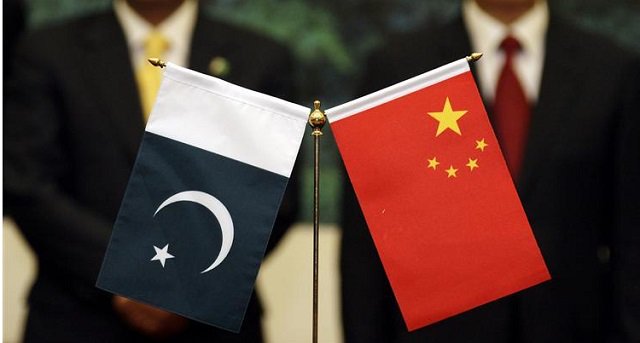
Pak-China CPEC Project: Gwadar master plan delay upsets Chinese


Chinese companies have expressed their displeasure over delays in the approval of the Gwadar master plan of Smart city by the federal government despite passage of time, and warned that any extra cost due to delays in implementation will be borne by the Pakistan government.
The ‘Gwadar Smart Port City Master Plan’ was prepared by two Chinese companies, China Communication Construction Company Limited and Fourth Harbor Engineering Investigation, at a cost of Rs521 million.
The companies started work on the project in 2017. It was completed in December 2018 and sent to the federal government for approval.
However, according to sources, the government has not yet taken any step so far for the approval of the plan, which is pending with the steering committee of the Planning and Development department for further decision.
The governing body of the Gwadar Development Authority (GDA) had already given approval of the plan for implementation.
“Chinese companies have expressed their reservation and displeasure over the delay in approving the plan by steering committee of the planning and development department. They have warned that in case of increase in the cost of the plan, the government of Pakistan will be bound to pay the extra cost,” a senior official privy to the developments said on condition of anonymity.
According to the official, any further delay in approval of the plan implementation would also have an adverse impact on several development projects of GDA.

Pakistan’s new chief justice is showing signs of an old habit – siding with the military


By 

Chief Justice Khosa’s allegiance to the Bajwa doctrine can spell fresh crisis for Pakistan.
Last week, Pakistan’s Supreme Court got a new chief justice, Asif Saeed Khosa, but soon after the top judge took oath, he showed signs that he won’t be any different from his predecessors when it comes to rooting for the military.
The 26th chief justice of Pakistan indicated, at the farewell ceremony of outgoing chief justice Mian Saqib Nisar, that he too would follow the ‘Bajwa Doctrine’, a proposed move to limit the financial autonomy of Pakistan’s provinces.
Chief Justice Khosa’s allegiance to the doctrine – in his short tenure, which will end 20 December 2019 – may spell fresh crisis for Pakistan.

Belling the Bajwa doctrine

In March 2018, a few select journalists were invited to speak to Pakistan Army chief General Qamar Javed Bajwa in an unconventional briefing.
It was reported that General Bajwa wanted to do away with the 18th Amendment, passed unanimously by Pakistan’s national assembly in 2010, and bring in a more centralised system of governance.
Striking down the devolution of powers for provinces, this move would make federal authorities the sole in-charge, especially when it comes to allocation of financial resources.
General Bajwa believes that Pakistan owes its current economic downturn to provinces that are drawing too much money, and therefore forcing curbs on military spending.
So, the reversal of this amendment would also mean that the military will get an even bigger share from the federal budget.

Judicial support for army

Previous chief justices of Pakistan have been unable to do much when it comes to keeping a check on military power. In a recent hearing before his retirement, Chief Justice Nisar asked why the 18th Amendment was passed without a parliamentary debate. His argument is fallacious because there were several rounds of deliberations before parliament approved the amendment.
And, last week, taking a leaf out of his predecessors’ book, Chief Justice Khosa said: “Let us also discuss, without mincing words or feeling shy, the role of the armed forces and the intelligence agencies in the governance paradigm.”
He proposed that he would hold an inter-institutional dialogue, but worryingly suggested that the President of Pakistan should convene and chair this meeting that should be attended by the top parliamentary leadership, the top judicial leadership and the top executive leadership, including the military and intelligence agencies.
This is quite alarming given that Pakistan is a parliamentary system where the power lies with the Prime Minister.
What is more, Chief Justice Khosa suggested the gathering come up with a Charter of Governance—even though as per the Constitution, the onus lies on the parliament and provincial governments.
But such centralisation of power is anti-democratic and must be discouraged.
However, there is little chance of that happening since the central government’s spokesperson has already welcomed this controversial proposal by the new chief justice.
This is perhaps because the new government enjoys a thin majority in parliament and cannot reverse the 18th Amendment on its own. It may need an alternative platform of governance to do so.
The chief justice calling for a parallel governance structure only furthers the popular belief in Pakistan’s power circles that most of the economic woes the country faces today are due to provincial autonomy.
Chief Justice Khosa is undoubtedly taking a cue from General Bajwa’s words.

Provincial autonomy is not the enemy

Pakistan’s financial troubles can’t be entirely attributed to provincial autonomy. In fact, it has brought more democratic sustainability in the country. But it appears that once again Pakistan’s institutions do not want to operate within the constitutional framework.
This has resulted in ordinary citizens being controlled by a handful of non-democratic forces. It is time the country’s judiciary stopped this practice and instead focused on what it is meant to do: dispense justice.
There is currently a backlog of more than 1.8 million cases in courts across the country.
Pakistani citizens can be served better if judges focused on clearing pending cases instead of introducing non-democratic structures to run the country – for which they have no mandate.

The silver lining

Chief Justice Khosa takes over from Mian Saqib Nisar, who was criticised by most of the legal fraternity for his celebrity ways as he encroached upon everything legislative and executive.
Chief Justice Nisar also opted to be a tool used by the Pakistan military to settle political scores as witnessed in the case of former Prime Minister Nawaz Sharif, who was removed over trumped up charges and is currently in jail. It is widely believed that Sharif is being punished for challenging the military.
However, it was a relief to hear Justice Khosa’s speech at the full-court reference in honour of the outgoing chief justice. The new chief justice announced that judicial activism in the form of suo motu notices would be used ‘very sparingly’.
Nisar, his predecessor, was criticised for issuing too many suo motos – which allow the courts to intervene in public interest matters – on frivolous issues, for the sake of self-promotion.
It is welcome to see that the highest office-bearer in the judiciary is willing to reassess his role in trying to ‘save’ the country through ‘activism’ and by correcting the wrongs, real or perceived, committed by the executive.
Chief Justice Khosa also boldly spoke on the issue of missing persons. He said enforced disappearances – allegedly carried out by the Pakistan Army – must be addressed.
He denounced it as being ‘offensive to the constitutionally guaranteed fundamental rights to life and liberty’.
And so the big question for Chief Justice Khosa is: will he or will he not let governance prevail over the army?

#Justice4SahiwalVictims - #Pakistan - #ANP demands exemplary punishment for culprits involved in Sahiwal incident

Secretary General Awami National Party
(ANP) Mian Iftikhar Hussain expressing deep regret and over the Sahiwal tragedy Monday demanded of the government to make the responsible elements an example for others so that no other could dare to resort to such inhuman act in future.
In a statement issued here, he said that the government should take urgent matters to stop happening of such barbaric incidents in the country.
He alleged that daily many people were killed in fake encounters and later they were declared terrorists.
https://www.brecorder.com/2019/01/21/467716/anp-demands-exemplary-punishment-for-culprits-involved-in-sahiwal-incident/

#Justice4SahiwalVictims - #Pakistan - The prime minister should ask for forgiveness over the Sahiwal incident: Khursheed Shah

PPP leader Khursheed Shah has termed the Sahiwal incident an inhumane act. He has demanded an apology from the ministers who called ordinary citizens terrorists.

Speaking to the media in Sukkur, he also said Prime Minister Imran Khan should ask the nation for forgiveness.

He lamented that provincial and federal ministers were making unfortunate statements on the incident in which four people were killed by the CTD. The CTD initially claimed they were kidnappers, later changing its statement to say they were terrorists.

In its latest statement, the department has said one of the two men killed was a terrorist, while the other three were used to cover his terrorist activities.

Shah said all the ministers who called the deceased terrorists should submit their resignations to the prime minister.

https://www.samaa.tv/news/2019/01/the-prime-minister-should-ask-for-forgiveness-over-the-sahiwal-incident-khursheed-shah/#comment-18057

#Pakistan #Justice4SahiwalVictims - Who’s responsible for the CTD killings? - Moment of shame!


The Counter Terrorism Department’s (CTD) supposed intelligence-based operation in Sahiwal has proved, once again, that no matter how much money and training you can throw at the police department, it will stay one of the most incompetent, corrupt and abusive of power in the country. The exercise, right from the brutal killings to efforts at cover up – there have been at least four different versions of events from the CTD so far – to false accusations of links to terrorism and registration of a fake FIR, bears text book marks of a crime that everybody has seen the police commit time and time again.
And since the new video of the incident that came online Sunday evening clearly showed police officers moving three children out of the car before killing the rest of its occupants, in cold blood, one wonders what purpose the prime minister’s high-profile JIT will now serve. Also, do such investigations really need a JIT and ‘a report to be presented to the PM in three days’? How hard can it be to produce transcripts of official communication backing the department’s claims? And who ordered the killing, especially in such a brutal way?
This is not, of course, the first such incident. Yet there haven’t yet been any examples where culprits in the police department have been duly punished. How can it be that despite all the training CTD officials still do not understand that, even when apprehending real terrorists, it’s just not for them to pronounce who is or is not guilty, and then take people’s lives in targetted killings? Neither the PM’s tweet nor the CM’s Rs20 million will mean anything to anybody, especially the poor innocent children who just saw their parents and sister get cut down on a main road, unless they can deliver swift and severe justice. And while they’re at it, they must also throw out senior CTD officials who clearly tried to help with the immediate cover up. Once that is done, they must finally begin the long process of reforming this anti-terror force that so often kills the innocent and unarmed and spreads terror among its own people.

#Pakistan - #Justice4SahiwalVictims - #Sahiwal massacre


The euphemism ‘encounter’ has become an unfortunate part of our vocabulary to describe extrajudicial and usually premeditated killings by the police. In a country where the justice system is weak and unreliable and law-enforcement has not proven up to the task of properly investigating criminal cases, the police have taken the law into their own hands on far too many occasions. ‘Encounters’ became a common method of dealing with political violence in Lahore and Karachi in the 1990s and – with the ‘war on terror’ – are now justified by describing the victims as terrorists. In a better world, and a lawful state, the massacre in Sahiwal on Saturday should never have happened – and it should definitely not be something anyone should be able to get away with. As per most reports, officers of the Counter-Terrorism Department shot dead four people, including a father, mother and their teenaged daughter – while their three other small children were present there and have survived – in what the authorities have described as an intelligence-based operation and a shootout with terrorists. However, it didn’t take long for this official version to be disputed. Eyewitnesses have claimed that the CTD officials killed the family in cold blood and that no weapons were recovered from the vehicle of the victims, suggesting that rather than being a shootout all the fire was directed only in one direction.
The CTD has released an official statement, claiming once again that they had legitimate intelligence that the man driving the car was a Daesh-affiliated terrorist and that he fired the first shot. In the meanwhile, the officers who took part in the ‘encounter’ have been arrested and an FIR has been filed. While Prime Minister Imran Khan has promised swift action, let us also urge that, if any confidence is to be left in law-enforcement, the investigation needs to be transparent and justice must be done. The JIT set up by the IGP Punjab will hopefully uncover the facts. We need to know them all, but while this process continues, we must remember that the first duty of police is to protect life. If there was any terrorist involvement in all that happened, it is the tires of the car that should have been shot out. Surely the CTD has training in this?
In this particular case, the fact that children were involved has helped bring the conduct of law enforcement under scrutiny as well as given it media attention. That clips of the ‘encounter’ went viral also helped galvanise public opinion. But this horrific incident is likely not the only one of its kind. The fact is that our law-enforcement has managed to get away with little regard for the human life and has not been investigated for that because the victims are less likely to get much sympathy. Even when there is no proof that those killed were guilty of a crime, simply invoking the word ‘terrorist’ is usually enough to forestall any criticism.
We need to keep in mind that the only time it is appropriate for law enforcement to use lethal force is when suspects prove an imminent danger. Extrajudicial killings cannot become just another tool in our counterterrorism arsenal because this erodes trust in rule of law and gives the state an unlimited licence to kill. The state also needs to ensure that justice is done – no matter what. As we have seen in the protracted saga of Rao Anwar, even when multiple investigations have shown that a person was killed without any justification, justice can be hard to come by. In the case of the Sahiwal killings, it is important – after an impartial investigation and if wrongdoing is established – to punish not only those officers present at the scene but for those higher up the chain of command to be held accountable as well. Extrajudicial killings have become unwritten official policy and the only way to eliminate them is by showing that any disregard for due diligence and due process comes with real consequences. The tragedy which killed one child and wounded her three siblings will not be forgotten easily by the people, including relatives of the family who have staged angry protests. We should not forget it either.

#Pakistan - #Justice4SahiwalVictims - What the #Sahiwal shooting tells us about police culture

Zoha Waseem

Police culture is as much a product of state policies as it is of social and cultural conditioning of police officials.


On Saturday, January 19, 2019, officials of the Counter-Terrorism Department (CTD) of Punjab Police shot and killed a couple and their teenage daughter in Sahiwal, reportedly acting upon intelligence that claimed the family was accompanied by a 'terrorist' — the family’s neighbour, Zeeshan.
Eye-witnesses of this incident include the three surviving children of Khalil and Nabeela. All victims were unarmed.
The video footage from this incident was widely circulated, resulting in extensive outcry on social media, as well as a lynching attempt on police officials by an angry mob in Lahore.A joint investigation team (JIT) has been formed to probe into the incident and the prime minister, while praising the CTD generally, has assured that ‘swift action will be taken’.The Punjab governor has claimed the victims were ‘at the wrong place, at the wrong time’; the Punjab law minister, meanwhile, has called them ‘collateral damage’.Social media users, including journalists, have demanded the perpetrators ‘be hanged’. Others have faulted the weaknesses in our criminal justice system — an area of particular interest to our new chief justice.
Talk-show analysts have blamed ‘bad intelligence’, a connection that will be difficult to establish and unlikely to result in proceedings against those responsible for its collection and dissemination.Most observers have lashed out at the malpractices of, and abuse by, police officials at large. This sentiment is likely to stick, no matter the outcome of the JIT report.The shooting in Sahiwal comes on the heels of a much-publicised police reforms event in the capital and, more importantly, barely a year after the killing of Naqeebullah Mehsud and months after the killings of Intizar Ahmed and Amal Umer in police encounters in Karachi — albeit under very different circumstances.
Additionally, recent estimates by the Human Rights Commission of Pakistan suggest that approximately 3,345 people have been killed in police encounters in the country between 2014 and 2018, including 12 minors.
The Sahiwal shooting is disturbing on multiple levels and, indeed, speaks volumes about police practices and culture in Pakistan and beyond.
Such incidents cannot be justified or rationalised or explained away in any straightforward manner. They are tragic outcomes of processes and institutional cultures that, similarly, cannot be simplified nor understood in isolation of the socio-political contexts in which they evolve and develop.
In this regard, it is important to have a discussion on police culture, of which one aspect is police use of force. It is pertinent to remind the reader that the police, in fact, do much more than use force. Nevertheless, given the incident in question, it is central to this discussion.
A trigger-happy police force is a symptom of militarism institutionalised within state mechanisms and apparatus.
This symptom has been visible not just in Pakistan, but also in the United States where debates surrounding the militarisation of policing (a characteristic of which is trigger-happy police behaviour) have been most prominent and their manifestations often violent, resulting in direct confrontations between police and civilians.In Pakistan, such militarisation has been exacerbated by the construction of 'terrorism' and 'terrorists' both pre- and post-9/11 that has implications for how the state directs and controls the policing of its citizens.In other words, a state’s threat perception — particularly one constructed based on domestic security threats — has a direct correlation with how civilian police officials will interact with and view civilians.
This is, quite briefly, the political context within which policing in Pakistan may be understood.
That said, let us not forget that police culture is also as much a product of state policies as it is of the social and cultural conditioning of police officials and the society in which these officials find themselves. It is, after all, our own society that chooses to accept certain police killings as ‘good riddance’ — like Malik Ishaq’s.
In other words, police culture is also a product of our society's depreciating levels of tolerance and our own fascination with and glorification of vigilante justice, ‘encounter cops’, capital punishment (‘hang them all’), capture and kill (‘pakro aur maaro’), all generations of warfare, boots and bombs, even hypermasculinity.It is no surprise that, through socialisation and professional grooming, such a prevailing ethos is then imbibed by certain police officials and, by extension, absorbed into the institutional culture of our police departments.
Furthermore, from a historical perspective, police culture is also a product of several decades (if not more) of poorly designed policies that have favoured zero-tolerance policing, and that have gradually eroded public trust in civilian officials and compromised the legitimacy of our police departments. This has steadily furthered the gap between the police and the policed in Pakistan.
It hasn’t helped that, over the last 70 years, police departments have remained poorly equipped, their officials too poorly paid and surviving in miserable conditions, to deal with the magnitude and multiplicity of violent conflicts that they have found themselves in, only to be raised repeatedly up to the task of ‘fighting on the front lines’.
What such political, social and historical processes have constructed, then, is a complicated relationship in which the institutions tasked with protecting civilians are as insecure of civilians as the civilians are of the police.
The Sahiwal shooting was perhaps partially a product of this relationship.
Unfortunately, given how violence is embedded not just within policing but also our aggressive reactions and calls for ‘hanging them all’, it is unreasonable to expect that a different sort of police culture can emerge without, at the very least, generational struggles.

#Pakistan - #Justice4SahiwalVictims - Sahiwal killings have highlighted a deeper malaise

The gruesome killings in Sahiwal have once again brought into the public domain the deep-rooted practice of extrajudicial and staged encounters.
Let’s call a spade a spade, and recognise that it has been a widely accepted practice. The country’s leadership as well as the classes with a public voice have been well aware of state agencies resorting to such encounters to deal with criminal and terrorism suspects. A certain cop of Karachi, now deceased, is still celebrated for his mastery in such encounters. Another cop still remains out of reach of the law, a year after his involvement in the extrajudicial killing of four youngsters in Karachi’s Malir area came to surface.
In off the record conversations, the excuse presented by personnel of law enforcement agencies has been that in the presence of a criminal justice system that does not ensure prosecutions leading to convictions, staged encounters have been an effective tool for ‘elimination of criminal and anti-state elements’. That innocent citizens may also get hurt in the process simply doesn’t register with them. They somehow manage to write off the lives of these citizens as collateral damage without batting an eyelid. Punjab Law Minister Raja Basharat did that while addressing the press on Sunday.
The Punjab government has formed a Joint Investigation Team (JIT) to probe Sahiwal killings. How can the leadership, which claims to be working towards a Naya Pakistan, expects the public to trust the proceedings of a JIT manned by personnel of state agencies that have for long been privy to the prevalence of such practices?
At the moment, the least that should be done to ensure impartiality in investigation is to make the JIT report its proceedings to a parliamentary committee comprising lawmakers from both sides of the aisle with a history of speaking up for protection of rights and constitutional supremacy. Thankfully, we have several lawmakers on both sides with such a reputation. Their presence to oversee the JIT is a must to ensure fairness.
The public outcry over the Sahiwal killings has led to the initial attention paid to the matter. It is of crucial importance that the incident not be seen in isolation. It is a continuation of a well-established pattern of policing across the country where our law enforcement institutions lack mechanisms to instil in their personnel respect for citizens’ fundamental rights and legal procedures that ought to be followed in dealing with crime suspects. This is an alarming situation since it implies that the workings of our law enforcers is hardly any different from that of criminal gangs and thugs from whom they are meant to protect us.
We have countless examples from the recent past to corroborate such claims. Thus, action must now be initiated against the practice of extrajudicial and staged killings at a structural level. It is the responsibility of our political leadership to take up this matter. Their lack of will at this juncture where formal requirements of democratic governance have taken root in the country will further delay progress towards a substantial democracy. The risks of such a delay cannot be stressed enough. For many citizens who live on the social and economic margins of Pakistani polity, the state and its laws will further lose their credibility.
Therefore, if an emergency has ever been required in this country, now is the time. But it must be an emergency to end the state of exceptionalism that exists in our law enforcement and criminal justice systems. This emergency must be overseen by elected representatives of the Pakistani people, and the institution of the Parliament. They must work with the judiciary and the executive to fix the rot.

#Justice4SahiwalVictims اریبہ کو 6 گولیاں مارنے والے قاتل

پنجاب کی انسدادِ دہشت گردی فورس (سی ٹی ڈی)نے گزشتہ روز ساہیوال میں 
ایک نام نہاد آپریشن کیا، جس میں تیرہ سالہ بچی اریبہ کو چھ گولیاں ماریں، اُس کی والدہ نبیلہ بی بی کو چار، والد خلیل کو تیرہ گولیاں اور ڈرائیور ذیشان کو دس گولیاں ماریں۔ انسدادِ دہشت گردی فورس کے اس نام نہاد آپریشن کے فوری بعد جو کہانی میڈیا کے ذریعے پھیلائی گئی اُس کے مطابق سی ٹی ڈی نے ایک ’’کامیاب آپریشن‘‘ کے بعد داعش سے تعلق رکھنے والے چار ’’انتہائی خطرناک ‘‘’’دہشت گردوں‘‘ کو’ ’ہلاک‘‘ کر دیا اور اُن کے قبضے سے تین اغوا شدہ بچوں کو بازیاب کروا لیا گیا۔ بعد میں جب میڈیا نے یہ انکشاف کیا کہ ’’بازیاب‘‘ کروائے گئے بچے تو مرنے والوں کو اپنے والدین کہہ رہے ہیں اور یہ کہ ان بچوں کی بڑی بہن تیرہ سالہ اریبہ بھی مرنے والوں میں شامل ہے تو اس پر سی ٹی ڈی کا نیا موقف سامنے آ گیا کہ ایجنسی کے اطلاع پر گاڑی کا پیچھا کیا گیا اور یہ کہ گاڑی میں موجود ’’دہشت گردوں‘‘ کی سی ٹی ڈی پر فائرنگ کے نتیجے میں جوابی فائر کیے گئے اور ’’دہشت گردوں‘‘ کو مار دیا گیا۔ بعد میں جب میڈیا نے یہ تفصیلات دینا شروع کر دیں کہ خلیل اور اُس کے بیوی بچے تو اپنے قریبی رشتہ دار کی شادی میں شرکت کے لیے جا رہے تھے کہ سی ٹی ڈی نے اُن کو بہیمانہ طریقے سے ماوارئے عدالت قتل کر دیا تو اس پر سی ٹی ڈی نے کہنا شروع کر دیا کہ گاڑی کا ڈرائیور ذیشان ’’دہشت گرد‘‘ تھا اور یہ گاڑی بھی دہشت گردی میں استعمال ہو چکی تھی۔ یہ بھی کہا گیا کہ ذیشان اور گاڑی کے ساتھ چلنے والی ایک موٹر سائیکل‘ جس پر دو یا تین دہشت گرد سوار تھے، نے سی ٹی ڈی فورس پر فائرنگ کی اور جوابی کارروائی میں گاڑی میں موجود چار افراد مارے گئے جبکہ موٹر سائیکل سوار ’’دہشت گرد‘‘ وہاں سے فرار ہو گئے، جن کا پیچھا کیا جا رہا ہے۔ لیکن سی ٹی ڈی کی یہ کہانی بھی جھوٹی نکلی کیونکہ میڈیا نے اس واقعہ کی ایک وڈیو چلانا شروع کر دی، جس میں دیکھا گیا کہ تین بچوں کو گاڑی سے نکالنے کے بعد سی ٹی ڈی فورس کے اہلکاروں نے گاڑی کے اندر موجود چاروں افراد پر اندھا دھند فائرنگ کی اور بعدازاں وہاں سے روانہ ہو گئے۔ موقع پر موجود کسی ایک شخص نے بھی سی ٹی ڈی کی کہانی کے حق میں گواہی نہیں دی۔ ابھی تک کوئی ثبوت سامنے نہیں آیا کہ گاڑی میں موجود ذیشان یا کسی موٹر سائیکل سوار شخص کی طرف سے سی ٹی ڈی پر ایک بھی فائر کیا گیا ہو۔ سی ٹی ڈی نے تو یہ بھی دعویٰ کیا کہ گاڑی میں سے خودکش جیکٹ اور اسلحہ وغیرہ بھی برآمد ہوا لیکن اس کی بھی کوئی گواہی نہیں ملی، نہ ہی وہاں موجود کسی فرد نے اس بات کی تصدیق کی۔ وڈیو دیکھ کر صاف ظاہر ہوتا ہے کہ یہ ایک ماورائے قانون قتل کی کارروائی تھی۔
اگر یہ مان بھی لیا جائے کہ گاڑی کا ڈرائیور ذیشان کا مبینہ طور پر کسی دہشت گرد تنظیم سے تعلق تھا، تو کوئی پوچھے کہ یہ کیسی کارروائی تھی کہ چھوٹے بچوں کو گاڑی سے نکال پر باقی سب کو گولیوں سے بھون دیا گیا؟ وردی پہنے ان قاتلوں کو تیرہ سالہ اریبہ اور اُس کی ماں بھی نظر نہ آئی؟ اگر اطلاع تھی کہ گاڑی میں دہشت گرد موجود ہیں تو پھر اُنہیں زندہ کیوں نہ پکڑا گیا۔ گزشتہ سال نقیب اللہ محسود اور اس کے دو ساتھیوں کو ’’دہشت گرد‘‘ قرار دے کر کراچی پولیس کے رائو انوار نے بے دردی سے قتل کر دیا تھا۔ اُس وقت بھی کہانی یہی بُنی گئی کہ خطرناک دہشت گردوں کو پولیس مقابلے میں مار دیا گیا لیکن وہ سب بھی مکمل جھوٹ تھا۔ افسوس کہ ساہیوال سانحہ پر حکومت کے وزراء دوغلی باتیں کر رہے ہیں۔ ایک طرف مارے جانے والے معصوم افراد کے ساتھ ہمدردی کا اظہار کر رہے ہیں تو دوسری طرف سی ٹی ڈی کی کئی بار تبدیل ہونے والی کہانی کو بھی اگر مگر کے ساتھ دہرا رہے ہیں۔ جس بربریت اور ظلم کے ساتھ گاڑی میںموجودچاروںافرادکو سی ٹی ڈی فورس کو مارتے وڈیو میں دکھایا گیا اُس کوبیان کرنے کے لیے میرے پاس الفاظ موجود نہیں۔ وردی پہنے ان قاتلوں کو ایک لمحہ کے لیے بھی یہ احساس نہ ہوا کہ تین کم سن بچوں کے سامنے اُن کے ماں، باپ اور بڑی بہن کو کس درندگی کے ساتھ مارا جا رہا ہے؟ کس نے فیصلہ کیا کہ گاڑی میں موجود چاروں افراد کو اب جینے کا کوئی حق نہیں، اس لیے انہیں بغیر کسی تحقیق اور عدالتی فیصلہ کے مار دیا جائے؟ مرنے والوں کو تو دفاع کا موقع بھی نہ ملا۔ بچ جانے والے بچے کے مطابق اُس کے والد خلیل سی ٹی ڈی کے اہلکاروں کو دہائیاں دیتا رہا کہ ہم سے پیسے لے لو مگر ہمیں نہ مارو لیکن نہ خلیل کو بخشا گیا، نہ ہی اس کی بیوی اور تیرہ سالہ بیٹی کو۔ نجانے کتنے لوگوں کو اس بربریت اور ظالمانہ انداز میں مارا گیا اور ’’دہشت گرد‘‘ قرار دے کر میڈیا کو جھوٹی کہانیاں بیچی جاتی رہیں۔ دیکھتے ہیں کہ نئے پاکستان اور ریاستِ مدینہ کی بات کرنے والے کیا کرتے ہیں۔

#Justice4SahiwalVictims - ظلم کو چار چاند لگانے والے....#Pakistan -


آج اپنے دل کا کیا حال سنائوں؟ یہ دل بہت زخمی ہے۔ ان زخموں کے پیچھے ایک بے بسی کا احساس ہے۔ بے بسی کا یہ احساس نشتر بن کر بار بار دلِ ناتواں پر زخم لگا رہا ہے۔ آج صرف میرا نہیں، اکثر اہلِ وطن کا دل زخمی ہے۔ جس جس نے سانحہ ساہیوال میں زندہ بچ جانے والے تین بچوں کے چہروں پر دکھ اور بے بسی کو محسوس کیا ہے، اسے ان بچوں کی بے بسی میں اپنی بے بسی نظر آئی ہو گی۔ جب بھی کسی بے گناہ کو گولیاں مار کر دہشت گرد یا لٹیرا قرار دیا جاتا ہے تو میری آنکھوں کے سامنے وہ تمام واقعات گھومنے لگتے ہیں جن میں پہلے کسی بے گناہ پر ظلم کیا گیا، پھر اس ظلم کو چار چاند لگا کر ایک کارنامہ بنا دیا گیا۔ ساہیوال میں بھی کچھ ایسا ہی ہوا۔ 19جنوری کی دوپہر بارہ بجے کے قریب ساہیوال ٹول پلازہ کے قریب کائونٹر ٹیررازم (سی ٹی ڈی) کے اہلکاروں نے لاہور سے آنے والی ایک کار کے ٹائروں پر فائرنگ کی۔ جب یہ کار سڑک کنارے رک گئی تو اس پر تین اطراف سے فائرنگ کی گئی۔ فائرنگ کے باعث کار میں موجود عورتوں اور بچوں نے چیخ و پکار شروع کی تو رنگ برنگے کپڑوں میں ملبوس سی ٹی ڈی اہلکار کار کے قریب آئے۔ کار میں موجود زخمی خلیل نے کہا کہ ہماری تلاشی لے لو، ہم غیر مسلح ہیں، ہم شادی میں جا رہے ہیں، تم نے جو لینا ہے لے لو، ہمیں چھوڑ دو۔ پھر اس نے کہا کہ ہماری گاڑی میں بچے ہیں، ہمارے بچوں کو مت مارو۔ ایک سی ٹی ڈی اہلکار نے خلیل سے کہا کہ بچوں کو کار سے باہر نکالو۔ اس دوران خلیل اپنے ہوش کھو چکا تھا۔ پچھلی سیٹ پر موجود اس کی بیوی نبیلہ اور 13سال کی بیٹی اریبہ خاموش ہو چکی تھیں۔ دو سی ٹی ڈی والوں نے پچھلے دروازے کھول کر دس سالہ عمیر، سات سالہ منیبہ اور چار سالہ ہادیہ کو نکالا اور پھر بڑی سفاکی کے ساتھ کار میں موجود دو زخمی عورتوں اور دو زخمی مردوں پر مزید گولیاں برسائیں تاکہ ان میں سے کوئی زندہ نہ بچ جائے۔
سی ٹی ڈی والوں کو اپنی غلطی کا احساس ہو چکا تھا اور وہ وائرلیس کے علاوہ اپنے موبائل فونوں پر اپنے افسروں کو بتا رہے تھے کہ زندہ بچنے والے بچے مارے جانے والوں کو اپنے ماں باپ قرار دے رہے ہیں لیکن افسران نے اصرار کیا کہ اس غلطی کو کارنامہ بنا دو۔ سی ٹی ڈی والوں نے اپنے ظلم کو چار چاند لگانے کیلئے ایک کہانی گھڑی اور دعویٰ کیا کہ مارے جانے والے مرد اور عورتیں دہشت گرد تھے اور ان کا تعلق دہشت گرد تنظیم داعش سے تھا۔
سی ٹی ڈی والے زخمی بچوں کو ایک اسپتال میں لے گئے، یہاں پہنچنے والے صحافیوں نے دس سالہ عمیر سے بات کی تو پتا چلا کہ سی ٹی ڈی والے جھوٹ بول رہے ہیں۔ جب میڈیا پر اس جھوٹ کا پردہ چاک ہوا تو سی ٹی ڈی والوں نے ایک نیا موقف اختیار کیا۔ ان کا کہنا تھا کہ کار کا ڈرائیور ذیشان دہشت گرد تنظیم کا کمانڈر تھا اور کار میں سوار دیگر افراد کو نہیں پتا تھا کہ اس کا تعلق دہشت گردوں سے ہے۔ کار کے کالے شیشوں کے باعث کار کے اندر موجود عورتیں اور بچے نظر نہیں آئے۔ ایک جھوٹ کو چھپانے کیلئے سی ٹی ڈی جھوٹ پر جھوٹ بولتی گئی۔ پتا چلا کہ ذیشان دراصل خلیل کا محلے دار تھا اور کرائے پر گاڑی چلاتا تھا۔ سی ٹی ڈی کا دعویٰ تھا کہ اس کار میں سے ان پر فائرنگ ہوئی اور جوابی فائرنگ میں دہشت گرد مارے گئے۔ عینی شاہدین نے بتایا کہ کار سواروں نے کوئی فائرنگ نہیں کی، فائرنگ اگر کی تو سی ٹی ڈی والوں نے کی۔
افسوسناک پہلو یہ تھا کہ جب میڈیا میں سی ٹی ڈی کا جھوٹ بے نقاب ہو چکا تو پنجاب پولیس نے ایک ہینڈ آئوٹ میں کہا کہ ساہیوال کے قریب چار دہشت گرد مار دیئے گئے۔ اگر یہ دہشت گرد واقعی اتنے خطرناک تھے تو سی ٹی ڈی والے شلواریں قمصیں اور رنگ برنگے ٹرائوزر پہن کر انہیں گرفتار کرنے کیوں آئے؟ کسی نے بھی بلٹ پروف جیکٹ نہیں پہنی ہوئی تھی۔ مجھے جب دس سالہ عمیر کا موبائل فون پر ریکارڈ کیا گیا ویڈیو بیان سننے کا موقع ملا تو میں نے پنچاب حکومت کے مختلف ذمہ داروں سے رابطہ کیا۔ سب کو معلوم تھا کہ سی ٹی ڈی والوں نے ظلم کیا ہے کیونکہ ساہیوال کی ضلعی انتظامیہ نے بھی سی ٹی ڈی کی کہانی کو جھوٹ قرار دیدیا تھا۔ سی ٹی ڈی والوں کے خلاف کارروائی کرنے کے بجائے پنجاب حکومت نے ایک جے آئی ٹی بنانے کا اعلان کر دیا۔
یہ وہ موقع تھا جب پنجاب حکومت کے ترجمان ڈاکٹر شہباز گل نے وزیراعلیٰ سردار عثمان بزدار سے رابطہ کیا اور انہیں بتایا کہ سی ٹی ڈی کے جھوٹ کا دفاع ممکن نہیں رہا، اب آپ سی ٹی ڈی والوں کی گرفتاری کا اعلان کر دیجئے۔ سردار عثمان بزدار میانوالی کے دورے پر تھے۔ ان کی گاڑیوں کے لمبے قافلے میں سیکورٹی جیمرز کے باعث موبائل فون غیر موثر تھے۔ عثمان بزدار کو صورتحال کی سنگینی کا احساس اس وقت ہوا جب وزیراعظم عمران خان نے ان سے رابطہ کرکے سانحہ ساہیوال پر بات کی۔ وزیراعلیٰ سی ٹی ڈی اہلکاروں کی گرفتاری کا حکم دینے پر شش و پنج میں پڑے ہوئے تھے لیکن جب انہیں بتایا گیا کہ اس واقعے کی سنگینی کے نتیجے میں وزیراعظم عمران خان ان کی حمایت سے ہاتھ کھینچ سکتے ہیں اور یوٹرن لے سکتے ہیں تو وزیراعلیٰ نے سی ٹی ڈی والوں کی گرفتاری کا حکم دیدیا۔ اس واقعے کی اگلی صبح وزیراعظم عمران خان نے ایک ٹویٹ کیا اور کہا کہ سی ٹی ڈی نے دہشت گردی کے خلاف بہت اہم کردار ادا کیا ہے لیکن قانون سب کیلئے برابر ہے۔
وہ یہ بتانا بھول گئے کہ 23جون 2010ء کو وزیراعلیٰ پنجاب شہباز شریف نے سی آئی ڈی کو سی ٹی ڈی میں تبدیل کیا تھا۔ سی ٹی ڈی نے کچھ اچھے کام بھی کیے ہوں گے کیونکہ انہیں دہشت گردوں سے لڑنے کیلئے تنخواہ دی جا رہی تھی۔ وہ قوم پر احسان نہیں کر رہے تھے لیکن یہ بھی ایک حقیقت ہے کہ سی ٹی ڈی نے بہت سے بے گناہوں کو بغیر کسی ثبوت کے غائب کر دیا، کسی کو جعلی مقابلے میں مار دیا، کسی کو دوسرے اداروں کے حوالے کر کے لاپتا افراد میں شامل کر دیا۔ 13جنوری 2018ء کو کراچی میں نقیب اللہ محسود کے ہمراہ مارے جانے والے محمد اسحاق کا تعلق احمدپور شرقیہ سے تھا اور اسے بھی سی ٹی ڈی پنجاب نے پورے علاقے کے سامنے اس کے گھر سے گرفتار کیا تھا۔ نجانے وہ کراچی کیسے پہنچا اور رائو انوار کے ہاتھ کیسے آیا؟ رائو انوار کو سزا مل جاتی تو شاید سی ٹی ڈی والے ساہیوال میں ایک بے گناہ خاندان پر ظلم کرکے اسے اپنا کارنامہ قرار نہ دیتے۔
وزیراعلیٰ پنچاب عثمان بزدار کہتے ہیں کہ وہ سانحہ ساہیوال کے ذمہ داروں کو عبرت کا نشان بنائیں گے۔ جب قاتل پولیس والوں کی انکوائری ایک پولیس افسر کرے گا تو کون سی عبرت اور کیسا نشان؟ سب سے پہلے تو آپ ظلم کو چار چاند لگا کر کارنامہ بنانے والی پولیس کے سربراہ آئی جی پنجاب کو فارغ کریں، پھر دیکھیں گے کہ آپ کسے عبرت کا نشان بناتے ہیں۔ سانحہ ساہیوال میں زندہ بچ جانے والے بچوں کی بے بسی نے دل کو جو زخم لگائے ہیں اس بے بسی نے ہمیں چیخنے چلانے پر مجبور کر دیا ہے اور مجبوروں کی بددعائیں حکمرانوں کو بھی نشانِ عبرت بنا سکتی ہیں۔

Sunday, January 20, 2019

Music Video - Bob Marley - Get up, stand up

Martin Luther King | "I Have A Dream" Speech

Video Reports - #MartinLutherKing - Martin Luther King III and daughter speak about preserving MLK's legacy

Video - CNN Fareed Zakaria GPS 1/20/2019 | CNN BREAKING NEWS Today Jan 20, 2019

Opinion - Why Infants May Be More Likely to Die in America Than Cuba


By Nicholas Kristof
Many Americans would welcome some traits of the island’s free, universal health care system.
Claudia Fernández, 29, is an accountant whose stomach bulges with her first child, a girl, who is due in April.
Fernández lives in a cramped apartment on a potholed street and can’t afford a car. She also gets by without a meaningful vote or the right to speak freely about politics. Yet the paradox of Cuba is this: Her baby appears more likely to survive than if she were born in the United States.
Cuba is poor and repressive with a dysfunctional economy, but in health care it does an impressive job that the United States could learn from. According to official statistics (about which, as we’ll see, there is some debate), the infant mortality rate in Cuba is only 4.0 deaths per 1,000 live births. In the United States, it’s 5.9.
In other words, an American infant is, by official statistics, almost 50 percent more likely to die than a Cuban infant. By my calculations, that means that 7,500 American kids die each year because we don’t have as good an infant mortality rate as Cuba reports.
How is this possible? Well, remember that it may not be. The figures should be taken with a dose of skepticism. Still, there’s no doubt that a major strength of the Cuban system is that it assures universal access. Cuba has the Medicare for All that many Americans dream about.
“Cuba’s example is important since for decades ‘health care for all’ has been more than a slogan there,” said Dr. Paul Farmer, the legendary globe-trotting founder of Partners in Health. “Cuban families aren’t ruined financially by catastrophic illness or injury, as happens so often elsewhere in the neighborhood.”
In Havana, I shadowed a grass-roots doctor, Lisett Rodríguez, as she paid a house call on Fernández — and it was the 20th time Dr. Rodríguez had dropped in on Fernández’s apartment to examine her over the six months of her pregnancy. That’s on top of 14 visits that Fernández made to the doctor’s office, in addition to pregnancy consultations Fernández held with a dentist, a psychologist and a nutritionist.
This was all free, like the rest of the medical and dental system. It’s also notable that Cuba achieves excellent health outcomes even though the American trade and financial embargo badly damages the economy and restricts access to medical equipment.
Fernández has received more attention than normal because she has hypothyroidism, making her pregnancy higher risk than average. Over the course of a more typical Cuban pregnancy, a woman might make 10 office visits and receive eight home visits.
Thirty-four visits, or even 18, may be overkill, but this certainly is preferable to the care common in, say, Texas, where one-third of pregnant women don’t get a single prenatal checkup in the first trimester.
Missing a prenatal checkup is much less likely in Cuba because of a system of front-line clinics called consultorios. These clinics, staffed by a single doctor and nurse, are often run down and poorly equipped, but they make health care readily available: Doctors live upstairs and are on hand after hours in emergencies.
They are also part of the neighborhood. Dr. Rodríguez and her nurse know the 907 people they are responsible for from their consultorio: As I walked with Dr. Rodríguez on the street, neighbors stopped her and asked her about their complaints. This proximity and convenience, and not just the lack of fees, make Cuba’s medical system accessible.
“It helps that the doctor is close, because transportation would be a problem,” Fernández told me.
Home visits are also a chance to reach elderly and disabled people and to coach dysfunctional families, such as those wracked by alcoholism (a common problem), and to work on prevention. During Dr. Rodríguez’s visits to Fernández, for example, they discuss breast-feeding and how to make the home safe for the baby.
“It’s no secret that most health problems can be resolved at the primary-care level by the doctor, nurse or health worker nearest you,” said Gail Reed, the American executive editor of the health journal Medicc Review, which focuses on Cuban health care. “So, there is something to be said for Cuba’s building of a national primary-care network that posts health professionals in neighborhoods nationwide.”
Each consultorio doctor is supposed to see every person in the area at least once a year, if not for a formal physical then at least to take blood pressure.
All this is possible because Cuba overflows with doctors — it has three times as many per capita as the United States — and pays them very little. A new doctor earns $45 a month, and a very experienced one $80.
The opening of Cuba to tourism has created some tensions. A taxi driver who gets tips from foreigners may earn several times as much as a distinguished surgeon. Unless, of course, that surgeon also moonlights as a taxi driver.
Critics inside and outside the country raise various objections to the Cuban system. Corruption and shortages of supplies and medicine are significant problems, and the health system could do more to address smoking and alcoholism.There are also allegations that Cuba fiddles with its numbers. The country has an unusually high rate of late fetal deaths, and skeptics contend that when a baby is born in distress and dies after a few hours, this is sometimes categorized as a stillbirth to avoid recording an infant death.
Dr. Roberto Álvarez, a Cuban pediatrician, insisted to me that this does not happen and countered with explanations for why the fetal death rate is high. I’m not in a position to judge who’s right, but any manipulation seems unlikely to make a huge difference to the reported figures. Outsiders mostly say they admire the Cuban health system. The World Health Organization has praised it, and Ban Ki-moon, the former United Nations secretary general, described it as “a model for many countries.” In many ways, the Cuban and United States health care systems are mirror opposites. Cuban health care is dilapidated, low-tech and free, and it is very good at ensuring that no one slips through the cracks. American medicine is high-tech and expensive, achieving some extraordinary results while stumbling at the basics: A lower percentage of children are vaccinated in the United States than in Cuba.
The difference can also be seen in treatment of cancer. Cuba regularly screens all women for breast and cervical cancer, so it is excellent at finding cancers — but then it lacks enough machines for radiation treatment. In the United States, on the other hand, many women don’t get regular screenings so cancers may be discovered late — but then there are advanced treatment options.
As Cuba’s population becomes older and heavier (as in the United States, the nutrition problem here is people who are overweight, not underweight), heart disease and cancer are becoming more of a burden. And the lack of resources is a major constraint in treating those ailments.
There’s a Cuban saying: “We live like poor people, but we die like rich people.”

Music - Aaj Janay Ki Zid - Habib Wali Mohammad

Ghazal - GHULAM ALI - SAQI SHARAB LA KEH TABIYAT UDAS HAI

Music Video - Chaar Botal Vodka Full Song Feat. Yo Yo Honey Singh, Sunny Leone | Ragini MMS 2

Music Video - Lal Dupatta Full HD Song | Mujhse Shaadi Karogi | Salman Khan, Priyanka Chopra

Music Video - Maiee Ka Laal - Mai Ka Lal - Tum Hee Ho

#Pakistan - OP-ED - Justice Nisar Out, Haqqani Not Out

By Sadiq Saleem
On January 29 last year, Chief Justice Saqib Nisar had suddenly asked the question, “Where is Husain Haqqani?” in the middle of a case about voting rights for overseas Pakistanis. He then went on to reopen the seven-year old Memogate case, which had been shelved by four of his predecessors.
Almost a year, and several hearings later, Justice Nisar has retired as Chief Justice, adding 2,125 more cases to the list of 40,000 cases pending in the SC. Haqqani continues to live in the United States and travels all over the world.In his quest for Haqqani, Justice Nisar first discovered that there were no criminal charges registered anywhere in Pakistan against the former ambassador. Apparently Haqqani had been bad-mouthed in Pakistan’s media from 2011 (when he stepped down as ambassador) until February 2018 without a single criminal charge being filed against him.
This anomaly was clumsily rectified by hurriedly filing various FIRs around the country by several people on grounds of treason even though the law clearly states that treason charges can only be filed by the state.
Ironically, former President General Pervez Musharraf, who faces a treason case brought against him by the government through due process, remains out of the country. CJ Nisar made no serious effort to repatriate Musharraf, making his enthusiasm against Haqqani seem misplaced.

Moreover, anyone with a modicum of knowledge of international law would have known that treason is defined as a ‘political offense’ and is not subject to extradition.
The many court hours wasted on pursuing a man who has committed no crime beyond having views some Pakistanis do not like, could be used to deal with the tens of thousands of pending cases
It was embarrassing when warrants issued against Haqqani were rejected by Interpol on grounds that refusal to appear before the Supreme Court in a political case and charges of treason were both outside the jurisdiction of Interpol.The outgoing Chief Justice continued to discuss, in open court, how Haqqani could be brought back after Interpol’s refusal to act. He even appointed an Amicus Curiae, a lawyer supposed to be an expert in international law to figure out how to repatriate Haqqani.
It was almost comical for a Chief Justice to be saying, “I want this man back, so let us find a case that will lead Interpol or other governments to act against Haqqani.” Normally, judges should not encourage invention or initiation of charges against individuals.Subsequently, corruption charges were filed against Haqqani on advice of the Deputy Attorney General and the Amicus Curiae in the hope that these might force his repatriation.If anything, filing of charges seven years after Haqqani’s resignation as ambassador and without any new evidence only made it apparent that the former ambassador was being hounded.A First Information Report claiming that a crime was committed seven to 10 years ago is hardly credible and runs contrary to statutes of limitations in most countries. In the U.S., a case must be filed within five years of an alleged crime.
Interpol refused to act against Haqqani a second time, recognising the political nature of the proceedings. The CJ then decided to conduct hearings in camera. At the last hearing, Justice Nisar seems to have been told that an extradition request to the U.S. government could be one way of repatriating Haqqani. Given the lapse of time and other factors, it is impossible that the U.S. would extradite a former ambassador and a prominent scholar. If filed, the extradition request would certainly have been turned down.
The former Chief Justice was obviously taken in by the hype over the so-called Memogate case, not realising that it has no resonance beyond Pakistan’s noisy electronic media.
It is time to bury the Memogate case, which was taken up by then Chief Justice Iftikhar Chaudhry as part of his political agenda against the PPP, and then president Asif Zardari. Memogate was a product of media noise, aided by Justice Chaudhry’s love for media attention.
The petitioner in the case, Mian Nawaz Sharif, later acknowledged he had made a mistake in bringing the petition before the Court at the urging of hidden hands.CJ Nisar erred in his populist enthusiasm in reopening the case after four Chief Justices between him and Iftikhar Chaudhry chose not to even schedule a hearing of the matter.Now that Mian Saqib Nisar has retired, his successor should consider pursuing the original Memogate petition as infructuous.The Supreme Court is not a trial court and the original issues in the petition, which were controversial to begin with, have become redundant over time. The sole ‘witness’ and accuser in the matter, one Mansoor Ijaz, seems to have disappeared from public view; Haqqani cannot be brought back; and most jurists agree that the grounds on which the petition was decided were flimsy at best.
Condemning Haqqani’s opinions, and talking about ways to force his return, might generate headlines in the local media but they do not affect his ability to write and speak internationally. What, then, is gained from keeping the so-called Memogate case alive?
The many court hours wasted on pursuing a man who has committed no crime beyond having views some Pakistanis do not like, could be used to deal with the tens of thousands of pending cases that affect the lives of people.

#Pakistan - Plight of minorities


Arguably, one of the biggest stories this year was the acquittal of Aasia Bibi — who spent years in jail on allegations of blasphemy — by the Supreme Court.
There is reason for hope in the fact that the judgement was announced in difficult times, but there is also the reality that the verdict was followed by a right-wing backlash from some sections of society.
Indeed, Mr Jinnah’s words — that Pakistanis are free to go to their respective places of worship, and that religion has “nothing to do with the business of the state”, have yet to translate into a secure reality for the minorities.
The truth is that minorities in Pakistan do not feel safe as society has moved far from the intentions of its founding father, and the state has done little to rein in those who spew venom on adherents of a faith not their own. It has simply stood by as various minority communities have for years been relentlessly targeted by hardline groups.
Whether it is the Christians of Gojra, the Hazaras of Balochistan, the Hindus in Sindh, or the Kalasha people of Chitral, despite all the laws on the books Pakistan has proved a formidable environment.
The only hope lies in the stringent implementation of the law, where those that harass and threaten beleaguered communities are pursued and successfully prosecuted.
This was envisioned as a country where minorities have exactly the same rights as the majority population. It will not do to target religious differences that have for centuries made this region unique.
The dark clouds under which Pakistan’s religious minorities labour are a reality that will require much effort to dispel. It is time to return to Mr Jinnah’s vision.
Published in Dawn, December 25th, 2018