Monday, November 19, 2018

Pakistan's Christians live in state of fear after blasphemy row


The violent reaction to a supreme court ruling to free the mother of five has reminded many of Pakistan's Christians of how vulnerable they are.

When furious protesters gathered around Pakistan late last month in the wake of Asia Bibi’s acquittal for blasphemy, a senior police officer visited the Islamabad slum of France Colony. It might be best, the policeman advised, if the mainly Christian residents closed their shops, went home and laid low in case there was trouble.
As the nationwide protests brought the country to a halt for three days, the slum’s new church was closed and services cancelled, while the congregation warily watched the demonstrations unfold.
More than a fortnight after Mrs Bibi, a Catholic farmhand, was acquitted of defaming the prophet Mohammed, she is still hiding in legal limbo, awaiting asylum in the West. Her case also hangs uncomfortably over the country’s Christians.
The violent reaction to a supreme court ruling to free the mother of five has once again highlighted the country’s harsh blasphemy laws, but has also reminded many of Pakistan’s Christians of how vulnerable they are.
“We live under fear, the whole country is under tension,” said Younis Masih, a 61-year-old retired soldier and member of the slum’s Presbyterian Church told The Sunday Telegraph last week. “People are afraid and anything can happen in this situation.”
There's no political backing here, no Christian leaders here. They feel isolated and weak and prefer not to talk about such issues
Around three million Christians live in Pakistan, a country which is more than 96 per cent Muslim.
When Mohammed Ali Jinnah, Pakistan’s founder, set out his vision he declared citizens “may belong to any religion, caste or creed – that has nothing to do with the business of the state”.
Yet, seven decades on, the country has become more Islamicised and Christians and other religious minorities face discrimination by society and attacks by extremist militants. Prejudice often locks them in poverty.
In January, the US State Department placed Pakistan on a special watch list for “severe violations of religious freedom”.
Attacks on churches by militant groups such as the Islamic State of Iraq and the Levant (Isil) have killed scores of people.
At the same time, in a country where insulting Islam is an incendiary accusation that can quickly provoke mob violence, the country’s blasphemy laws are being used to suppress religious minorities, human rights groups claim. So far, the anger of the hardline religious protesters over Asia Bibi’s acquittal has been directed at the authorities, rather than the Christian community.
But protests are unpredictable and a feeling of fear and helplessness hangs over the colony, said a 69-year-old church elder, also called Younis Masih.
“There’s no political backing here, no Christian leaders here. They feel isolated and weak and prefer not to talk about such issues.
People are afraid and anything can happen in this situation
“The government protects us, but blasphemy is such a sensitive issue we feel weak and in fear.
“People are helpless, they don’t have any other option, but thank God this time the loss is not bigger. There have been protests, but they have been against judges and the government, not against Christians.”
Asia Bibi’s case has hung over Pakistan’s Christians for nearly a decade.
In the summer of 2009 she was working in a Punjab field when she quarrelled with two Muslim colleagues after they refused to drink from a cup she had touched.
The women told a local mullah she had committed blasphemy and Mrs Bibi was rounded up by villagers.
She denied the charge, but after a year in jail she was convicted and sentenced to hang.
Her supporters said the case was a typical example of spurious blasphemy accusations being used to settle scores. But as her appeal has languished in the courts, it has galvanised hardliners and divided Pakistan.
Shortly after her conviction, Salman Taseer, the Punjab governor, was murdered for speaking out in her support and calling for reform of the blasphemy laws. Mumtaz Qadri, his killer, was executed, but has become a hero to some, with a large shrine dedicated to him on the outskirts of Islamabad.
https://nationalpost.com/news/pakistans-christians-live-in-state-of-fear-after-blasphemy-row

#Hindu Lawmaker From Pakistan Makes #BBC's 100 Inspiring And Influential Women


Krishna Kumari Kohli, 40, Pakistan's first female senator from the Dalit community, has been placed at No 48 on the annual BBC 100 Women list and recognised as a Pakistani politician.

A Hindu woman lawmaker and human rights activist in Pakistan has made it to the list of BBC's 100 inspiring and influential women from around the world.
Krishna Kumari Kohli, 40, Pakistan's first female senator from the Dalit community, has been placed at No 48 on the annual BBC 100 Women list and recognised as a Pakistani politician.
Krishna was elected as senator in March after spending many years working for the rights of bonded labourers in Pakistan. She is the first Thari Hindu woman to be elected to the Pakistan senate.
"Krishna was elected to the Pakistan Senate after campaigning for women's rights, having previously been forced into bonded labour for three years," BBC wrote about her.
The list includes women like Chelsea Clinton, daughter of former US President Bill Clinton, for her work with the Clinton Foundation to Syrian student Nujeen Mustafa who fled the Syrian war in her wheelchair and campaigns for refugees with disabilities.
Krishna belongs to the Kohli community from the remote village of Dhana Gam in Nagarparkar area of Sindh province where a sizeable number of Hindus live.
She was elected as Senator or member of Upper House of Parliament in March this year from the platform of Pakistan Peoples Party of former premier and slain leader Benazir Bhutto.
Krishna's endeavours to end bonded labour in Pakistan were fuelled by her own childhood experience of being forced to work with her family by a landlord for three years before being rescued in a police raid.
After they were released from bonded labour, her parents encouraged her to study, supporting her from primary classes to a postgraduate degree in sociology from the University of Sindh, Jamshoro.
After her election to the Senate she promised to continue working for the rights of downtrodden people of her community.
Pakistan's Hindus, who make up around two per cent of the country's 200 million people, have long faced economic and social discrimination.

IGNORANCE RULES PAKISTANI SOCIETY - A daughter killed by her family – a story of love and 'honor'


A 26-year-old woman was recently murdered by her mother and brothers in a small Pakistani town because she married against their wishes. DW examines her story and looks at brutal "honor killings" in the Islamic country.
As soon as he discovered Madiha's dead body on a farm, a local peasant called the local police station to report it. The 26-year-old girl had been brutally murdered, with her throat cut repeatedly and her body covered in knife wounds. 
Madiha belonged to a community in Naushehra Warkan, a small town in Pakistan's eastern Punjab province. She was brutally killed because she wanted to marry a man of her choosing.
"Her parents were against the marriage. Initial investigations indicate that her mother and two brothers murdered her in the name of 'honor'," Ali Akbar, a local police officer, told DW.
Locals say Madiha had eloped with her lover four years ago. A few days prior to her killing, her parents had reached out to Madiha through her elder sister and assured her that if she returned home, the family would welcome her with open arms.
"We met her and told her to come back. We told her that we forgave her [for getting married]. On the way back, my two sons stopped the motorbike and told me to stay there. Then they took Madiha to the farm and killed her," Iqbal Bibi, Madiha's mother, told DW from the police station over the phone.
Madiha's mother and brothers admitted to the crime and say that Madiha had "dishonored" the family by eloping with her lover.
Widespread killings
These so-called "honor killings" are rampant across Pakistan – both in rural and urban areas.
Earlier this month, two sisters were strangled to death by their family members in the eastern Rahim Yar Khan town. Police arrested their cousins, who are the main suspects in this "honor killing" case.
In another incident this month, a husband killed his wife in the northwestern city of Swat in order to "punish" her for seeking divorce and marrying another man.
"Some 700 women were killed in the name of 'honor' in 2017. These are only the reported cases," Zohra Yusuf, the former chairperson of the non-governmental Human Rights Commission of Pakistan (HRCP), told DW.
Rights activists say it is difficult to determine the exact number of "honor killing" victims. Most of these cases go unreported, and in some cases, police do not allow an autopsy, thus making it easier for the family to pass it off as a "natural death."
"Feudal orthodoxy and conservative norms have deep roots in Pakistan. Men want to control women and they treat them as their 'property.' They don't allow any freedom to women," Yusuf explained, adding that other countries in the region, like Afghanistan and India, face a similar problem.
"In Pakistan, it is not only individuals that commit 'honor killings;' even tribal courts sentence women to death for 'dishonoring' a family or a tribe," Yusuf added.

Implementation of laws
In 2016, Pakistani authorities passed a stricter law to curb "honor" crimes. It came right after protests over the "honor killing" of a prominent Pakistani model, Qandeel Baloch.
According to the new legislation, passed during former PM Nawaz Sharif's tenure, a family member was no longer entitled to pardon a murderer in "honor killing" cases. The new law guarantees death penalty or life imprisonment for the culprit.
But global human rights watchdog Amnesty International said in its 2017 report that despite the passing of a new law, the number of "honor" crimes in Pakistan remained high. Amnesty also pointed to a number of flaws in the law; for instance, a judge having the authority to rule out the aspect of "honor killing" from the murder case. This leaves the door open for families to bribe local judges to dismiss the case.
Experts also say that Pakistan's patriarchal society tends to condone "honor killings." In 2014, US-based Pew Research Center conducted a survey and concluded that four out of 10 people in Pakistan justified "honor killings" in some way.
"The government needs to strengthen laws to protect women and also make sure these laws are implemented. On the other hand, civil society needs to create awareness about the issue," activist Yusuf said.
Sabookh Syed, an Islamabad-based journalist, said that religious groups are equally responsible for promoting violence against women in the South Asian country.
"Religious organizations take to the streets on petty issues but never speak out against 'honor killings.' They think it is not even an issue," Syed told DW.

10روپے روٹی،15روپے نان، یہ ہے نیا پاکستان ،عوام کو انکے دکھائے گئے سبز باغ یاد ہیں،بلاول بھٹو

 پاکستان پیپلز پارٹی کے چیئرمین بلاول بھٹو زرداری نے کہا ہے کہ10؍ روپے
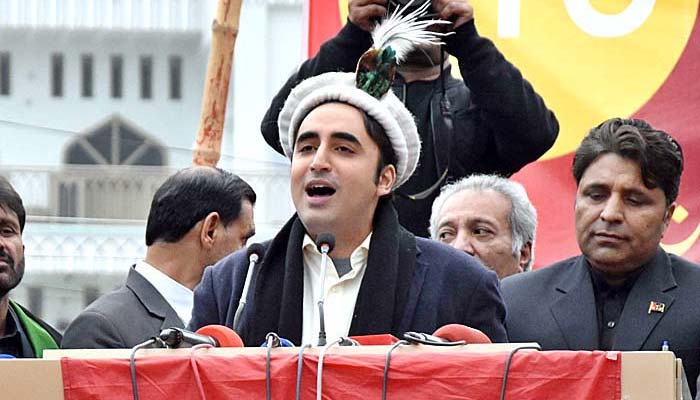
کی روٹی، 15؍ روپے کا نان یہ ہے نیا پاکستان واہ رے عمران خان،چوری کے ووٹ سے بننے والی حکومت سینہ زوری پر اترآئی ابھی تو 100 دن بھی پورے نہیں ہوئے یہ تو 100 سے زیادہ یو ٹرن لے چکے ہیں، قرض مانگنے پر خودکشی کو ترجیح دینے والے قرض ملنے پر مٹھائیاں بانٹ رہے ہیں، نئے پاکستان والوں نے ملک کی بنیادیں ہلا کر رکھ دیں، معیشت کی کشتی ڈوب رہی ہے اور یہ تالیاں بجا رہے ہیں، نیا پاکستان کے نام پر پرانا پاکستان تباہ کرنے والوں کو روکا جائیگا، ان کو توں توں میں میں کے علاوہ تیسرا کوئی لفظ نہیں آتا، معاشی بحران کیاحل کرینگے؟ بیروزگاری عروج پر ہے، عوام مہنگائی کے سونامی میں ڈوب رہے ہیں، عوام کو انکے دکھائے گئے سبز باغ یاد ہیں،پچاس لاکھ گھر بنانے کا دعویٰ کرنے والے غریبوں کے کچے مکان توڑ کر گرا رہے ہیں۔ اتوار کو گلگت کے شاہی پولو گراونڈ میں خطاب کرتے ہوئے بلاول بھٹو زرداری نے کہا کہ
آپ نے نئے پاکستان کا خاکہ تو دیکھ لیا ہوگا، یہ کیسا نیا پاکستان ہے جہاں غریب کی کوئی آواز نہیں سنی جا رہی اور نہ ہی کسی کی جان ومال محفوظ ہے، تحریک انصاف کی وجہ سے عوام مہنگائی کی سونامی میں ڈوب رہے ہیں۔کسان بے حال اور مزدور کو مزدوری نہیں مل رہی۔ نئے پاکستان میں ایک کروڑ نوکریاں دینے کا وعدہ کیا گیا تھا لیکن نوکریاں دینے والے لوگوں سے روزگار چھین رہے ہیں۔پچاس لاکھ گھر بنانے کا دعویٰ کرنے والے غریبوں کے کچے مکان توڑ کر گرا رہے ہیں۔ انہوں نے کہا کہ تبدیلی کا آغاز گلگت بلتستان کے بجٹ کوکاٹ کر کیاگیا۔ انہوں نے عوام سے سوال کیا کہ کیا گلگت میں صحت، تعلیم اور ترقی کا وعدہ پورا ہوا؟ سی پیک میں گلگت بلتستان کو نظر انداز کیا گیا، گلگت بلتستان کے حقوق پر کسی کو ڈاکہ نہیں مارنے دینگے، سی پیک منصوبے میں گلگت بلتستان کے حقوق کا تحفظ کیا جا ئیگا۔انکا کہناتھا کہ گلگت بلتستان کیساتھ جو رشتہ بھٹو نے جوڑا وہ رشتہ بے نظیر اور آصف زرداری نے نبھایا، میں بھی وہی رشتہ نبھانے کا وعدہ کرتا ہوں، پیپلز پارٹی کے پرچم کے سائے تلے استحصالی نظام کیخلاف جدوجہد جاری رکھوں گا۔ انہوں نے کہا کہ ہم اقتدار میں آ کر گلگت بلتستان کے آئینی حقوق کو یقینی بنائیں گے، اقتدار میں آ کر دیامر بھاشا اور منجھی ڈیم سے منصفانہ رائلٹی کو یقینی بنائینگے۔ بلاول بھٹو نے کہا کہ ملک نازک ترین صورتحال سے دوچار ہے، بحران حل کرنے کیلئے ویژن، قیادت کی ضرورت ہوتی ہے، حکومت کو لوگوں کی پگڑیاں اچھالنے سے وقت ملے تو معیشت پر توجہ دیں، ہم پاکستان کو سیاسی تجربہ گاہ بنانے کی اجازت نہیں دینگے۔ تحریک انصاف کی جانب سے الیکشن میں عوام کو سبز باغ دکھائے گئے، ایمانداری کے سرٹیفکیٹ بانٹنے والے کا اپنا دامن داغدار ہو چکا ہے، سو دن والوں نے سو سے زائد یوٹرن لئے گئے ہیں، ہم نئے پاکستان کا نام لے کر پاکستان کو تباہ کرنے والوں کا راستہ روکیں گے۔ قبل ازیں وفود سے ملاقات میں انہوں نےکہا کہان کی پارٹی ہی گلگت بلتستان کو جمہوری اور معاشی حقوق دلانے کے حوالے سے موثر اور سنجیدہ اقدامات اٹھائے گی۔ان کا کہنا تھا کہ پیپلز پارٹی اور گلگت بلتستان کا مضبوط رشتہ ہے جب بھی پیپلز پارٹی وفاق میں برسرِ اقتدار آئی ہے، گلگت بلتستان کیلئے آئینی اور انتظا می اصلاحات کیں ہیں خاص کر سابق صدر آصف علی زر دا ر ی نے گلگت بلتستان کو انتظامی صوبہ بنایا۔ انہوں نے کہا کہ پیپلز پارٹی کو اب موقع ملا تو یہاں کے نوجوانوں کے جذبات کو مدنظر رکھتے ہوئے مزید بہتر اقدامات اٹھائے جائینگے۔ انہوں نے مزید کہا کہ مجھے معلوم ہے کہ گلگت بلتستان کے اکثر لوگ سندھ میں رہائش پذیر ہیں انکے مسائل کو حل کرنے سمیت تعلیمی اداروں میں گلگت بلتستان کے زیر تعلیم طلبہ کے کوٹے میں اضافے کے حوالے سے وزیر اعلیٰ سندھ کو ہدایات دوں گا اور وہ جلد اس پر عملدرآمد کرائینگے۔بلاول بھٹو زرداری کا کہنا تھا کہ ایک جماعت نے اپنی حکومت کی مدت پوری کی اور دوسری جماعت حکومت کر رہی ہے دونوں عوام کو ریلیف دینے یا اس طرح کے مواقع پیدا کرنے کے بجائے گالم گلوچ کی سیاست کر رہے ہیں۔ اس موقع پر پیپلز پارٹی کے مرکزی سیکرٹری جنرل سید نیر بخاری، پارٹی رہنما قمر زمان کائرہ اور مصطفیٰ نواز کھوکر سمیت دیگر رہنما بھی موجود تھے۔

https://jang.com.pk/news/577481-bilawal-bhutto-says-people-remember-rosy-picture-shown-by-pti

Video - #GilgitBhuttoKa - Chairman PPP Bilawal Bhutto's Speech at Shahi Polo Ground in Gilgit Baltistan

Sunday, November 18, 2018

Music Video - Mark Ronson - Uptown Funk ft. Bruno Mars

Video Report - #Brexit #Regrexit Brexit draft: How many Brits still want to leave the EU? | DW News

Ohio, Colorado may no longer be swing states

Dante Chinni and Sally Bronston

The 2018 midterms remade Congress for the next two years, but they also hinted at a changing electoral map for the next presidential race. Broad gaps in exit poll numbers combined with the results for November 6th, suggest that the battleground states of 2020 may look a bit different than they did in the 2016 campaign.
Three numbers jump out of the national House exit poll data: The Republican edge with white voters, the growing Democratic advantage with voters who hold a bachelor's degree and the consistent Democratic lean among Hispanics.
a close up of a sign© Provided by NBCU News Group, a division of NBCUniversal Media LLC
Even in a year where Democrats picked up more than 35 seats in the House, Republicans still won white voters by a solid 10 percentage points.
But Democrats won college-educated voters by an even more substantial 20 points (continuing a trend that's been underway for some years). And Hispanic/Latino voters went to Democrats by a massive 40 points, an even bigger edge than the party usually has with that group of voters.
Those are big numbers, but they can seem abstract until you combine them with geography. Consider the results this past election out of Ohio, a state President Donald Trump won by 8 points in 2016.
a close up of a sign© Provided by NBCU News Group, a division of NBCUniversal Media LLC
Ohio had two Republican-held competitive House seats in 2018 - one "tossup" and one "lean Republican" according to the Cook Political Report - and both wound up going for the Republican candidate fairly comfortably. And in the state's gubernatorial race, an open seat to replace Republican John Kasich, the GOP's Mike DeWine won in a race that, again, was forecasted as a tossup.
Considering the Democratic pickups this year, those results stand out. But they make more sense when you look at the state's demographic picture.
© Provided by NBCU News Group, a division of NBCUniversal Media LLC
With a population that is 79 percent white, non-Hispanic, Ohio stands far above the national average of about 61 percent. The percentage of people with a bachelor's degree, about 27 percent, is three points below the national average. And the Hispanic population, about 4 percent, is 14 points below the national figure.
In short, on the factors that mattered in the exit polls, Ohio looks Republican. So much so, that the perpetual battleground seems less and less likely to be in play in 2020.
But Democrats also have some good 2020 news out of the midterm results. Look at Colorado, a state that Democrat Hillary Clinton won by 5 points in 2016.
a close up of a sign© Provided by NBCU News Group, a division of NBCUniversal Media LLC
This year there was one competitive Republican House seat in the state - the seemingly always-endangered Mike Coffman - and the Democrat beat the GOP incumbent by 11 points. In the governor's race, Democrat Jared Polis walked to a victory, carrying the state by 10 points in an open race to replace outgoing Democrat John Hickenlooper.
And when you look at the demographic picture you can see why.
© Provided by NBCU News Group, a division of NBCUniversal Media LLC
Colorado's population is a little more white than the nation as a whole, 68 percent compared to 61 percent nationally. But the state also has a much higher percentage of college graduates, 39 percent compared to the national figure of 30 percent. And the Hispanic population, 22 percent, is four points above the national average.
When you add those numbers to this year's midterm results, Colorado looks less and less like a swing state. It appears to have swung pretty firmly toward the Democrats - at least with the direction the parties are currently moving.
If Ohio and Colorado are coming off the board of battleground states, are there any states that look like they may be sliding in to take their place?
The numbers suggest Georgia and Arizona might be coming onto the board. Both are below the national average for white, non-Hispanic population, less than 55 percent. Both are just under the national average for the population with a bachelor's degree. And both had very close statewide races this year - Senate in Arizona and gubernatorial in Georgia.
Those points suggest a few campaign dollars will be spent in those states in the next presidential race.
Taken together all the shuffling around the question of what is and what isn't a battleground state is just more evidence that this past election wasn't a wave as much as it was the continuation of a political realignment. The 2020 election may still be 720 days away, but our understanding of politics and the political landscape is changing.
https://www.msn.com/en-us/news/politics/ohio-colorado-may-no-longer-be-swing-states/ar-BBPPGgQ?li=BBnb7Kz

Video - CNN's Jim Acosta calls Sarah Sanders ‘a congenital liar’ with 'a shrivelled husk left in her soul'

Video Report - #CNN Fareed Zakaria #GPS 11/18/18 - President Trump Breaking News Today

Video - #GilgitBhuttoKa - Chairman PPP Bilawal Bhutto's Speech at Shahi Polo Ground in Gilgit Baltistan

#GilgitBhuttoKa - Mai Baghi Hoon (Jeyay Bhutto)

Video - #PPP - #GilgitBhuttoKa - Dila Teer Bija -

#PPP - #GilgitBhuttoKa - Ab Waqt Ki Zaban Hai BILAWAL

#PPP - #GilgitBhuttoKa - Kal Bhi Bhutto Zinda Tha,Ajj Bhi Bhutto Zinda Hai

#Pakistan - Govt has taken over 100 U-turns before its first 100 days, says Bilawal

Pakistan Peoples Party (PPP) chairman Bilawal Bhutto Zardari slammed the government on Sunday saying that it had taken more than a hundred U-turns before the completion of its first hundred days.

Speaking at a rally here, the PPP chairman said members of the ruling party didn't know anything other than engaging in altercation with opponents.
"Consultation, tolerance and parliamentary ethics will not work in 'Naya Pakistan', rather whatever Khan sahib would say only that would happen," he lambasted.
Bilawal said his relationship with this valley spanned over three generations and he inherited the love for Gilgit-Baltistan from his mother and grandfather.
He vowed to keep struggling for strengthening Pakistan and putting an end to exploitation of masses.
"My struggle is your struggle. This is a struggle for the rule of the people," the PPP chairman said, urging the masses to support him the way they supported former prime ministers Zulfikar Ali Bhutto and Benazir Bhutto.
He noted that ZA Bhutto supported oppressed people of Gilgit-Baltistan.
"Peoples Party gifted them Karakoram Highway and subsidy on wheat," Bilwal said. "Shaheed Benazir Bhutto established Civil Secretariat here, brought judicial reforms."
Criticising the former and incumbent governments in the centre, he said the former government continued attacking Gilgit-Baltistan's autonomy, whereas "a change is being promised nowadays.
"Your fund was reduced in the beginning of this change. Rs4 billion were cut from Gilgit-Baltistan fund and 18 projects were ended," the PPP chairman told participants.
"The subsidy on wheat was ended and the quantity of flour that previously cost Rs1200 now costs Rs3000."
He said the current rulers promised 10 million jobs, but they were depriving the masses of employment. "They promised five million houses, but instead they are razing mud houses and shops."
Bilawal said the economy is headed towards a collapse, while inflation is at its peak. "What kind of 'Naya Pakistan' is this which is taking us to economic downfall," he asked.

ملک میں40سال ڈکٹیٹر رہےاور مجرم آج بھی سیاستدان ہے،خورشید شاہ - #Pakistan -

پیپلز پارٹی کے مرکزی رہنما سید خورشید شاہ نے کہا ہے کہ یہ تبدیلی آئی ہے
کہ ایک ڈیموکریٹ ہٹلر کے روپ میں سامنے آگیا، یہ سیاست میں بڑی تبدیلی ہے۔ وہ سکھر ڈسٹرکٹ بار میں منعقدہ تقریب سے خطاب کررہے تھے۔ خورشید شاہ نے کہا کہ ہم حکومت کے معاملات میں مداخلت نہیں کرینگے، حکومت اپنی کارکردگی سے ملک کو آگے لائے، بدقسمتی ہے کہ یہاں پر آج تک حقیقی جمہوریت نہیں آئی ہے، ملک میں 40 سال ڈکٹیٹر رہے اور آج بھی مجرم سیاستدان ہے، جس نے آئین دیا، جنہوں نے ادارے بنائے اس کے احتساب کی باتیں ہورہی ہیں،جان بوجھ کر ملک کے سسٹم کو خراب کیا جارہا ہے

https://jang.com.pk/news/577134-national


They don't do a damn thing for us, says Trump in new tirade against Pakistan


US President Donald Trump on Sunday lambasted Islamabad by saying that the country ‘doesn’t do a damn thing for us’ as well as claiming that Pakistan helped shelter the then al Qaeda chief Osama bin Laden.
Trump also defended his administration’s decision to pull hundreds of millions of dollars in military aid to Islamabad in an interview to Fox News.
“You know, living – think of this – living in Pakistan, beautifully in Pakistan in what I guess they considered a nice mansion, I don’t know, I’ve seen nicer,” Trump said, referring to bin Laden and his former compound in Abbottabad, Pakistan.
The compound was destroyed shortly after the United States Naval Special Warfare Development Group forces, in a helicopter raid, killed bin Laden in 2011.
“But living in Pakistan right next to the military academy, everybody in Pakistan knew he was there,” he added. “And we give Pakistan $1.3 billion a year . … [bin Laden] lived in Pakistan, we’re supporting Pakistan, we’re giving them $1.3 billion a year –which we don’t give them anymore, by the way, I ended it because they don’t do anything for us, they don’t do a damn thing for us.”
The United States has already canceled $300 million in aid to Pakistan for its lack of decisive action against militant groups.
The cancelation of aid is part of President Trump’s New Year tweet in which he launched a scathing criticism against Pakistan for betraying the US.
“The United States has foolishly given Pakistan more than 33 billion dollars in aid over the last 15 years, and they have given us nothing but lies & deceit, thinking of our leaders as fools. They give safe haven to the terrorists we hunt in Afghanistan, with little help. No more!,” Trump tweeted on January 1.

China wants Imran Khan’s Pakistan to be dependable before being dependent

China shows Imran Khan that Pakistan’s ‘locational narcissism’ isn’t enough.
For decades, Pakistanis have believed that China was Pakistan’s ‘all-weather friend’. The relationship has been based, since the 1960s, on a shared interest of keeping India in check. More recently, China has been gradually replacing the United States as Pakistan’s principal source of hard currency loans and investment. But when Prime Minister Imran Khan visited Beijing recently, he discovered that China was not willing to offer Pakistan the unconditional love that Pakistan seems to want from its foreign patrons.
Khan had hoped to get a Chinese commitment to help in propping up his government’s shaky finances. Pakistan is on the verge of another balance of payments crisis, with dwindling foreign currency reserves. Unable to expand exports or even curtail imports, successive Pakistani governments have borrowed their way out of such crises in the past. Khan has been trying to reduce the amount Pakistan would need to draw from the IMFby seeking short-term financing from ‘friendly countries’.
Saudi Arabia agreed to deposit $3 billion in Pakistan’s State Bank and defer payments for oil purchases up to another $3 billion to ease the pressure on Pakistan’s foreign exchange reserves. The money has not yet come in and even when it does, it would be akin to a friend putting money into your bank account to make the account look healthier than it is. But Khan and his inexperienced team have few choices, so any relief, or announcement thereof, is better than none.
During his China visit, Khan expected the announcement of a similar dollar figure by the Chinese, alongside agreement to delay some of the expensive projects in the $62 billionChina Pakistan Economic Corridor (CPEC). He did not get either. For the first time ever, headlines in Pakistan’s media spoke of a Pakistani leader’s China visit being ‘a failure’.
Instead of agreeing to renegotiate terms of existing infrastructure projects, the Chinese reminded Pakistan’s prime minister of the importance of abiding by contracts. Although 15 memorandums of understanding were signed relating to different sectors, the Chinese refused to go beyond reiterating their friendly sentiment towards Pakistan without committing themselves to dollar and cent specifics.
China will probably still assist Pakistan but at a level much less than anticipated or desired by the government. Apparently, the message from China was that Pakistan’s leaders need to examine and remedy their perennial governance problems. China does not want to be in a situation where its support is taken for granted in Islamabad, while Pakistan’s leaders refuse to change their own behaviour or policies.
The Chinese had obviously not taken kindly to adverse comments about CPEC made by Imran Khan and his ministers in the run-up to Pakistan’s elections. Their reticence during Khan’s visit seems to be part of their decision to communicate their displeasure. But there is more to the emerging wedge between China and Pakistan than pique over negative election campaign statements.
China wants its relationship with Islamabad to be based on pragmatic considerations and wishes to avoid the bitterness that comes from unfulfilled, unrealistic expectations.
Pakistan’s elite has a long track record of locational narcissism – the belief that Pakistan’s geostrategic location is enough for major powers to consider it an indispensable ally. The United States poured in $43 billion into Pakistan’s economy and military over six decades, only to be frequently disappointed at Pakistan’s reluctance to accommodate American strategic concerns.
In recent years, most Americans have reached the conclusion that Pakistan’s strategic priorities in relation to Afghanistan, Kashmir, and India are somewhat inflexible. While Islamabad was willing to cooperate with the West tactically during the Cold War, it could not be the partner the US wanted it to be in subsequent years. The falling out between the erstwhile allies has been rancorous.
China seems eager to develop its partnership with Pakistan in a different direction. Unlike the United States, leaders in China do not have to openly discuss their concerns and displeasure. But they have been sharing them with Pakistan’s leaders for years and their snubbing of Imran Khan has come only after realising that doing so might be necessary to be understood.
From China’s perspective, it was useful to prop up Pakistan as a rival to India in South Asia. Tying down India in a sub-regional rivalry along its western border was meant to ensure that India would be unable to challenge China as the emerging pre-eminent power in the Indo-Pacific. But creating a secondary deterrent for India through a nuclear-armed Pakistan was never meant to be the end-all of Chinese policy.
Pakistan, on the other hand, not only takes its competition with India seriously but also considers it to be more important than any other strategic consideration for itself or its allies. Pakistan deems India an ‘eternal enemy’, with which it is neither willing to trade nor expand relations until resolution of outstanding disputes.
Pakistan’s unending asymmetric warfare with India has embroiled it in supporting the Taliban and assorted Jihadis in Afghanistan and Kashmir. India’s hardliners have also not helped in altering the course of India-Pakistan relations but the net result of unending conflict in the region has been to undermine Pakistan’s democratic and economic evolution.
China does not share Pakistan’s pathological fear of India. For China, India is a potential strategic rival but also a major trading partner. China-India trade last year amounted to $84 billion, several times higher than the $15 billion in commerce between Pakistan and China.
It is one thing for Beijing to help Pakistan confront India in an effort to increase India’s costs in South Asia; it is quite another to have to underwrite Pakistan’s economic and other failures as the price for maintaining an irritant for China’s principal Asian challenger.
China’s relatively blunt message to Imran Khan must be seen as part of its effort to explain to Pakistan’s leaders that it wants to help Pakistan help itself – not to support their ideological defiance forever or to constantly defray the cost such defiance afflicts.
CPEC was China’s way of building dual-purpose infrastructure, one that could increase Pakistan’s economic potential while giving China’s military access to West Asia and the Gulf region. But China expects Pakistan’s leaders to implement the plans the two sides have agreed upon, not constantly renegotiate deals.
Beijing also wants a more efficiently run Pakistan, with less influence and interference of Islamist extremists and Jihadis. China does not care as much for the rhetoric about ending corruption, a staple of Khan and his backers in the Pakistani establishment, as it wants political and economic stability.
A China aspiring to be a global power realises that dependent nations are useful springboards for projecting its power. But China wants Pakistan to be dependable before being a dependency.

Pakistan’s Asia Bibi episode shows injecting extremists into politics is a bad idea


PERVEZ HOODBHOY

Imran Khan government’s reluctance to confront clerical power makes its earlier promises ring hollow.

An inflammatory video filmed just after the Asia Bibi verdict has received well over five million views. Therein you can watch the TLP leadership calling for the murder of the three Supreme Court judges who dismissed blasphemy charges against Asia; hear that officers of the Pakistan Army should revolt against COAS Gen Qamar Bajwa; see the country’s prime minister being called a “yehudi bacha” (‘Jewish child’); and listen to the call for overthrowing the PTI government.
The orator is Pir Afzal Qadri, but next to him is the founder-leader of the Tehreek-i-Labbaik Pakistan (TLP), Khadim Husain Rizvi. Famed for his foul mouth and colourful Punjabi expletives, Rizvi does not speak here but periodically raises both hands in enthusiastic endorsement. Once an unknown small-time madressah operator, he rocketed into national prominence last November after paralysing Islamabad for three weeks. He draws his strength from heading khatm-i-nabuwat demonstrations across Pakistan.
Had a call for murder and mutiny been made by any other members of Pakistani society, unimaginable punishment would have been meted out. Similarly for other countries: in the United States instigators of bloody insurrection would be locked up for years; in Iran or Saudi Arabia they would be hanged or beheaded; and in China they would mysteriously disappear. And in India? Similar, I suppose.
But we in Pakistan are apparently nicer, kinder people. Our normally voluble, judiciary suddenly lost its voice. Unlike with errant politicians, the Supreme Court did not dock TLP leaders for contempt of court. The ever-vigilant ISPR also somehow missed hearing the call for mutiny against the army’s top leadership. Instead, it pleaded for “an amicable and peaceful resolution” of the Asia Bibi matter because it “does not want the army dragged into the matter”.
And the prime minister? Against the ‘enemies of the state’ his fighting words and body style initially drew wide approbation. Some liberals bravely termed this Imran’s finest hour. But the hour lasted an hour and no more; what started with a roar ended with a whimper. The TLP’s flaccid half-apology was accepted, ignoring the lives lost and property damaged by the rioters.
Imran Khan now wants to fight fire with fire. His current talking points are fulfilling ‘Allama Iqbal’s dream’, and remaking Pakistan as the seventh-century state of Medina. His information minister has just announced unprecedented celebrations of the Holy Prophet’s (PBUH) birthday next week, and a grand khatm-i-nabuwat conference in Islamabad. Invitees will include the imam of the Holy Ka’aba, the mufti of Syria, and various high clerics.
With these new battle plans, Imran hopes to take the wind out of the TLP’s sails by showing its followers and others that he loves the Holy Prophet even more than them. But will it work in the Asia Bibi case? And will it also work once the next crisis starts (assuming the present one somehow ends)?
As mullah power rises, one cannot be too optimistic. Clerics now believe they can take on any politician or, if need be, generals as well. There is good reason for their confidence. After all was said and done, in 2007 Islamabad’s destroyed Lal Masjid — now grandly reconstructed — defeated the generals.
Consider that the insurrectionists lost about 150 students and other fighters, but head cleric Maulana Abdul Aziz lives more comfortably in 2018 than in 2007. No charges were ever levied against Aziz or others for killing 11 SSG commandos. Meanwhile, Gen Musharraf, the then army chief, glumly passes his days in Dubai. Among other charges, he is accused of quelling an armed insurrection against Pakistan and killing one of Lal Masjid’s ring leaders.
The state’s reluctance to confront clerical power makes its earlier promises ring hollow. Take, for instance, madressah reform. Forgotten is the anti-terrorism National Action Plan that called for financial audits of madressahs, uncovering funding sources, curriculum expansion and revision, and monitoring of activities. That’s a dead duck. Try auditing TLP-associated madressahs.
The security establishment must now ask itself hard questions: has its mainstreaming of religious extremism gone too far? Can extremists actually be moderated by bringing them into the political fold? On the political chessboard, was it a good move to try balance ‘hard’ Deobandi power with ‘soft’ Barelvi power?
Blowbacks do happen: whereas a year ago Imran Khan had cautiously welcomed Rizvi into the anti-Nawaz Sharif camp, others who wanted Nawaz defeated went a step further. They allowed themselves to be recorded on video while handing out Rs1,000 notes to the rioters. Politically, this is very embarrassing because Rizvi and his wild eyed boys have gone their own way.
Certainly, the TLP turned out to be a bad investment. Contrarily, there appears to be a good investment. The largely Deobandi LeT/JuD was encouraged to launch its own political party, the Milli Muslim League (MML). In August 2017, its debut in national politics via the Lahore NA-120 by-elections gained it the fourth position, a surprising show of strength for a new party. MML election posters denounced Nawaz Sharif as a traitor for seeking peace with India and carried aloft pictures of Hafiz Saeed.
Another apparent plus: LeT/JuD has threatened neither army nor government. Its spokesman explained away its low profile during last week’s violent protests saying that JuD has appealed against the Supreme Court decision to free Asia Bibi and would await the conclusion of the legal process before taking to the streets. What a relief!

Some parts of the establishment might see this good behaviour as vindicating its mainstreaming doctrine. But injecting religious leaders and ex-militants into the political mix is a bad idea. When large masses of people react unthinkingly to emotive slogans, everyone is endangered by an explosive, unstable configuration. Ultimately political leaders — and those who secretly engineer political outcomes — also become unsafe. Have we not suffered enough tragic blowback since Soviet times? Pakistan must firmly reject the rule of religiously charged mobs. Instead it should aspire towards becoming part of civilised, cosmopolitan world society. Surrender is not an option.