Friday, December 8, 2017

#Pakistan - #Lahore - Model Town Massacre Report


The inquiry report of the Model Town massacre prepared by Justice Ali Baqar Najfi has been made public. The Punjab government made the report public by the website of its public relations directorate. The report has been divided into two parts; one highlights the statements and positions that each party has taken, and the other comprises of the order sheet. The Judicial Commission which was formed earlier based its result on the statements of government functionaries, police officials, administrative officials, and the Chief Minister Shahbaz Sharif himself.
The report does not blatantly accuse any party of being responsible for the incident. However, it does point out instances where the situation could have been handled in a better manner. One such instance is the decision by Law Minister Rana Sanaullah to not let the political objectives of Tahir ul Qadri materialise. This urge led to the authorities questioning the placement of barriers around Minhaaj ul Quran. Although their placement was illegal but it had remained such for over three years. They wanted to disperse the crowd with immediate effect, which then resulted in the needless loss of lives.
The government feared that making the report public would result in sectarian violence, as several people who were being thrashed were calling out Hazrat Ali (RA) to save them from the wrath of the police force. Even though the report has no legal value but it will go on to damage the political position of Pakistan Muslim League Nawaz (PML-N). Law Minister, Rana Sanaullah, has been clearly pointed out as the obvious reason behind the clash. Had the report been made public earlier, it would have lessened the pain of those families who were waiting for justice and hoping that someone would listen to their demands, and a lot of damage would have been prevented.
At this point, accommodating the dissenting voices should be of top priority. Families of the victims are demanding certified copies of the report. Such demands and the allegations of tempering the report should be dealt with seriously. The time to make amends is now and there should be no delay in ensuring that the families are satisfied with whatever action the authorities decide to take. Even if the authorities are not at fault, shying away from the victims and their families is not an intelligent option.

#PPP expresses concern over US Embassy move to #Jerusalem

Vice-President PPP, Senator Sherry Rehman voiced concern over the possible decision by the Trump administration to move the US Embassy in Israel to Jerusalem.
Rehman said, “If the Trump administration moves the US embassy to Jerusalem it will send a costly signal to the entire Muslim world”.
“Moving the capital to Jerusalem will fuel fires of extremism and exacerbate faultlines in an already volatile Middle East and strain the relationship of the US with its Muslim allies. This move will minimize any possibility of the two state solution becoming a reality, as Jerusalem lies at the heart of the two-state solution, which presently is the only viable solution to the conflict,” continued the Senator.
Rehman concluded by saying, “The PPP has always stood for and by the Palestinian people. The government of Pakistan must therefore make its stance loud and clear on this alarming development. Pakistan should not wait to convey its due concern”.
http://www.thesindhtimes.com/pak/ppp-expresses-concern-us-embassy-move-jerusalem/

#Pakistan - اسکولوں سے زیادہ مدرسے بنے، تعلیم ناقص نظرثانی کی ضرورت - چیف آف آرمی اسٹاف جنرل قمر جاوید باجوہ


کوئٹہ (رائٹرز؍این این آئی ) چیف آف آرمی اسٹاف جنرل قمر جاوید باجوہ نے کہا ہے کہ حکومت کرنا فوج کا کام نہیں، فوج سیاستدان سب نے غلطیاں کیں، اب وقت آگیاہے کہ سب اپنا کام کریں، جمہورت پسند ہوں اور ووٹ کی طاقت اہم ہے، پاکستان کی ترقی کیلئے میرٹ کی بالادستی،تعلیم، انتظامی امور میں بہتری کی ضرورت ہے۔ آرمی چیف نے کہا کہ اسکولوں سے زیادہ مدارس بنے، ملک بھر میں پھیلے مدارس زیادہ تر دینی تعلیم دے رہے ہیں تاہم اب اس پر نظرثانی کی ضرورت ہے، ملک میں مدارس کی تعلیم ناکافی ہے کیونکہ یہاں جدید دور کے لحاظ سے طلبا کی تربیت نہیں ہوپارہی ہے۔ جنرل قمر جاوید باجوہ نے کہا کہ وہ مدارس کے خلاف نہیں لیکن ہم مدارس کا اصل مقصد بھول چکے ہیں، حال ہی میں انہیں بتایا گیا ہے کہ ایک مکتبہ فکر کے مدارس میں 25لاکھ طلبا زیرتعلیم ہیں۔ انہوں نے سوال کیا کہ تو وہ کیا بنیں گے، یہاں سے نکلنے والے کیا مولوی بنیں گے یا دہشت گرد؟ ۔ انہوں نے مزید کہا کہ اتنی مساجد نہیں جتنے مدارس ہیں اور یہ بھی ممکن نہیں کہ اتنی بڑی مدارس کے طلبا کی تعداد کو روزگار کی فراہمی کیلئے مساجد تعمیر کی جائیں۔ انہوں نے کہا کہ ہمیں ان طلبا کو جدید تعلیم دینے کی ضرورت ہے۔ جنرل قمر جاوید باجوہ نے کہا کہ ناقص تعلیم خصوصی طور پر مدارس قوم کو پیچھے لے جارہے ہیں۔ انہوں نے یہ بات جمعرات کو کوئٹہ کے مقامی ہوٹل میں وائس آف بلوچستان کے زیراہتمام بلوچستان کے نوجوانوں میں افرادی قوت کی بہتری کے حوالے سے منعقدہ انٹرنیشنل سیمینار سے خطاب کرتے ہوئے کہی۔ آرمی چیف جنر ل قمر جاوید باجوہ نے کہا کہ پاکستان صرف جمہوری عمل کے ذریعے ہی ترقی کرسکتا ہے میں جمہوریت پسند انسان ہوں لیکن جمہوریت کا ہر گز یہ مطلب نہیں کہ ہم عوام کے ووٹوں سے منتخب ہونے کے بعد ان کی خدمت کرنے کے بجائے اپنے مفاد کو ترجیح دیں۔ انہوں نے کہاکہ سیاستدان کے پاس عوام کے ووٹوں کی طاقت ہوتی ہے جو کہ کسی بھی طاقت سے زیادہ اہم ہے۔ انہوں نے کہا کہ بلوچستان کی سرزمین زرخیز ہے یہاں کے نوجوانوںمیں بے پناہ صلاحیتیں موجود ہیں ، صوبے کے نوجوانوں کو صحیح سمت دکھانے کی ضرورت ہے ہمیں اپنی ترجیحات کو طویل المدت کرنے کی ضرورت ہے کیونکہ اسی طریقے سے قومی ترقی ممکن ہے۔ انہوں نے کہا کہ بلوچستان کی پسماندگی کی اہم وجہ یہاں معیاری تعلیم کا فقدان ہے، 1960کی دہائی میں کوئٹہ میں پاکستان کے بہترین اسکول ہوا کرتے تھے لیکن یکایک 10ہزار اساتذہ جب یہاں سے گئے تو تعلیمی معیاری خراب ہوا ،گزشتہ 40 برسوں میں اسکولوں سے زیادہ مدرسے تعمیر ہوئے یہاں مدرسوں میں صرف دینی تعلیم دی جارہی ہے جس کی وجہ سے مدرسوں میں تعلیم حاصل کرنیوالے طلباء دوسرے بچوں کی نسبت پیچھے رہ جاتے ہیں اور ملک کی ترقی میں اپنا کردار ادا نہیں کرپاتے۔ انہوں نے کہا کہ امن وامان کی مخدوش صورتحا ل اور افغانستان کی جنگ نے ہمیں بری طرح متاثر کیا ہے بلوچستان کی ترقی میں بھی امن وامان رکاوٹ رہا ہے۔ انہوں نے کہاکہ ہمارے پاس اچھے بیورکریٹس کی کمی ہوتی جارہی ہے کوئی بھی بلوچستان آکر فرائض سرانجام نہیں دینا چاہتا سابق وزیراعظم میاں محمد نواز شریف کوتجویز دی تھی کہ بلوچستان اچھے بیوروکریٹس بجھوائیں لیکن بلوچستان سے ہی تعلق رکھنے والے افراد یہاں آکر کام نہیں کرنا چاہتے اگر ہم نے نوجوان نسل میں سے بہترین بیوروکریٹس نہیں بنائے تو مسائل مزید بڑھ سکتے ہیں۔ آرمی چیف نے کہا کہ پاکستان بلوچستان کے بغیر ادھورا ہے، بلوچستان کی ترقی پاکستان کی ترقی ہے، پاک فوج نے بلوچستان میں 6کیڈٹ کالج تعمیر کئے ہیں جبکہ مزید تین کیڈٹ کالج بنائے جائینگے، نسٹ کوئٹہ کیلئے زمین مختص کرلی گئی ہے جبکہ استحکام اگلے سال شروع ہوجائیگا ۔ انہوں نے کہا کہ صوبے میں ٹیکنیکل تعلیم کا انسٹیٹیوٹ بھی تعمیر کیا جائیگا جبکہ پاک فوج کی جانب سے تربت کو ایم آر آئی مشین بھی فراہم کی جائیگی، ایک وقت تھا جب بلوچستان سے تعلق رکھنے والے گنے چنے افسران فوج میں ہوتے تھے لیکن آج میں فخر سے کہتاہوں کہ بلوچستان کے 600 افسران، 20ہزار سے زائد اہلکار اور 232 کیڈٹس اس وقت پاک فوج میں فرائض سرانجا م دے رہے ہیں ۔انہوں نے کہاکہ پاک فوج میں میرٹ کا خصوصی خیال رکھا جاتاہے یہی وجہ ہے کہ میں عام شخص سے جنرل بنا اور پاک فوج کی کمان کررہاہوں ، انہوں نے کہا کہ اسی طرح ہمیں ملک کے ہر ادارے میں میرٹ کی بالادستی لانی ہوگی کیونکہ اسی سے ترقی ممکن ہے ۔انہوں نے کہاکہ میڈیا کو بھی بلوچستان کو مزید کوریج دینی چاہئے پاکستان میں 93فیصد ان ڈائریکٹ ٹیکسوں کا براہ راست اثر غریب عوام پر پڑتاہے جبکہ ٹیکس کلیکشن بھی انتہائی کم ہے ، انہوں نے کہا کہ ہر سال 32بلین ڈالر خرچ کئے بغیر ضائع ہوجاتے ہیں ان معاملات پر ہمیں توجہ مرکوز کرنی ہوگی ۔ اس موقع پر وزیراعلی بلوچستان نواب ثناء اللہ خان زہری ،کمانڈر سدرن کمانڈ لیفٹیننٹ جنرل عاصم سلیم باجوہ ،آئی جی ایف سی بلوچستان میجر جنرل ندیم انجم ،ڈپٹی چیئرمین سینیٹ مولانا عبدالغفوری حیدری ،وفاقی وزراء میر حاصل بزنجو ،میر جام کمال،اراکین قومی اسمبلی سردار کمال بنگلزئی ،جہانگیر خان ترین ،سینیٹر آغا شاہزیب درانی،صوبائی وزراء اور دیگر رہنمائوں سمیت طلباء وطالبات کی بڑی تعداد نے شرکت کی۔

Thursday, December 7, 2017

Music Video - Billy Joel - We Didn't Start the Fire

Video Report - CrossTalk: Saudi Roulette

Published on Nov 22, 2017

Video Report - US President Trump recognises Jerusalem as Israel's capital

Video - Jerusalem, God, And The United Shursh - The Late Show with Stephen Colbert

Video - #DentureDonald Slurs Through a White House Address: The Daily Show

#50YearsOfPPP #WeMakeHistory #GoldenJubileeOfPPP - Kal Bhutto Bhi Zinda tha. Aaj Bhi Bhutto Zinda Hai

#PPP Version 3.0


The Pakistan People’s Party (PPP) managed to draw a massive crowd at a rally to mark its 50th foundation day.
The party claimed that the turn out at the gathering was between 70,000 and 80,000.
PPP chairman Bilawal Bhutto’s speech departed from some of his previous speeches where he frequently had to refer to the achievements of his late mother, Shaheed Mohtarma Benazir Bhutto, and grandfather, Shaheed Zulfikar Ali Bhutto, to claim legitimacy for his leadership.
This time, however, the young PPP chairman seemed to have come of age as a political leader. Bilawal’s speech laid out the vision for the party ahead of the next year’s general election. However, in at least one way, the PPP chairman’s speech was not a departure from the past. Rather, it appeared to be a conscious attempt to recover the lost ideological footings of the party whose foundations go back to one of the most vibrant mass movements this country has seen in 70 years.
Nonetheless, the PPP and its young chairman will be mistaken if they take the Parade Ground rally to be a sign of the party’s country-wide revival.
There is no empirical evidence — from by-polls to opinion surveys — that suggests that the PPP is anywhere close in the race for the top two parties in the largest province of the country. For all intents and purposes, the PPP for now remains a party confined to the southern province.
If it intends to truly live up to its basic postulates, it needs to go back to the source of its power — the people of Pakistan. It is going to be through mobilisation of a cross-section of society on wide ranging socio-economic issues concerning everyday lives of ordinary citizens that the PPP can make possible its revival as a popular liberal and a progressive force.
Alongside this, the PPP must also keep open the possibility of an issue-based electoral alliance ahead of the next general election with parties that stand for strengthening of democratic institutions and civilian supremacy.
At this juncture, it may prove useful for the PPP to recall Italian Marxist Antonio Gramsci’s saying about situations of social crises where ‘the old is dying and the new is yet to be born’. The task for Bilawal and his supporters is precisely this: to figure out a way to connect with ordinary Pakistanis from Gilgit-Baltistan to Karachi and Gwadar in a way that they can pose their trust in the PPP’s ability to deliver efficient and effective governance without compromising on its liberal political principles.  

Army chief says Pakistan should 'revisit' madrassa schools


Chief of Army Staff General Qamar Javed Bajwa on Thursday criticised madrassas that have mushroomed nationwide for mostly teaching only Islamic theology, saying the country needs to “revisit” the religious school concept.
Modernising madrassa education is a thorny issue in Pakistan where religious schools are often blamed for radicalisation of youngsters but are the only education available to millions of poor children.
General Bajwa’s remarks, apparently off-the-cuff during a prepared speech, were a rare example of an Army chief criticising madrassas, which are often built adjacent to mosques and underpin Islamisation efforts by religious hardliners.
Bajwa said a madrassa education in Pakistan was inadequate because it did not prepare students for the modern world.
“I am not against madrassas, but we have lost the essence of madrassas,” Bajwa told a youth conference in Quetta, the capital of Balochistan.
Bajwa said he was recently told that 2.5 million students were being taught in madrassas belonging to the Deobandi, a Sunni Muslim sub-sect that shares the beliefs of the strictly orthodox Wahhabi school of Islam on the Arabian Peninsula.
“So what will they become: will they become Maulvis (clerics) or they will become terrorists?” Bajwa asked, saying it was impossible to build enough mosques to employ the huge number of madrassa students.
“We need to look (at) and revisit the concept of madrassas... We need to give them a worldly education.”
Pakistan has over 20,000 registered madrassas, though there are believed to be thousands more unregistered ones. Some are single-room schools with a handful of students studying the Holy Quran.
Security services have kept a close eye on madrassas associated with radicalising youths and feeding recruits to Islamist militant outfits that have killed tens of thousands of people in the South Asian country since 2000.
But only a handful of the schools have been shut down, the authorities’ hand stayed by fears of a religious backlash.
Islamist hardliners hold great sway in Pakistan, with the capital, Islamabad, paralysed for nearly three weeks last month by a blockade staged by a newly formed ultra-religious party.
Bajwa said poor education was holding back the nation of 207 million people, and especially in madrassas. “Most of them are just teaching theology. So what are their chances? What is their future in this country?”
The military last year proposed a plan to deradicalise religious hard-liners by “mainstreaming” some into political parties, a plan initially rejected by the civilian government but which now appears to be taking form.

#Pakistan - Khyber Pukhtunkhwa school dropout statistics need attention


The recent report released by an education advocacy organisation must be a cause for concern for the Khyber Pukhtunkhwa government. Despite its efforts over the years, it appears that the government still hasn’t been able to identify all factors responsible for children dropping out of schools.
The 2016 Annual Status of Education Report (ASER) has noted that the number of school-age children in the province who remain out of school has increased by a percentage point from 13 percent in 2015 to 14 percent in 2016.
Nonetheless, 86 percent of all school-age children (six to 16 years) are enrolled in schools across KP. This figure has been achieved after the provincial government undertook an innovative approach to increasing enrollment involving vouchers for girls to facilitate travel to and from school, and bicycles for boys. A second shift of classes has also been added to accommodate children.
The increase, albeit nominal, in number of out of school children must not be taken lightly. Experts must be consulted to explore all possible factors that may have led to this phenomenon.
In one of the reports, an education expert has alerted to the possibility of corporal punishment having a role in the matter. Our teaching practices have long involved teachers doling out harsh physical punishments to school children which discourage attendance as well as learning. A 2005 study by UNICEF and Save the Children had identified 43 different types of punishments given to children at schools, and 28 at homes. Though it has been 12 years since that study was undertaken, we do not have any other study available in the public domain to ascertain if there has been any decline in focus on corporal punishment.
The presence of such practices illustrates that our teaching methods are obsolete and in need of immediate revision. For starters, the syllabus taught at teacher training institutes as well as at masters level needs to cover lessons on the ill-effects of corporal punishment.
A focus on corporal punishment shows that instead of relying on positive reinforcement, our schools are still using fear-based incentives to make children learn. An anti-corporal punishment legislation is the need of the hour. The government in KP and across Pakistan need to integrate passage of such legislations into a comprehensive programme to identify factors that lead children to drop out of schools, and many others to not enroll in the first place.

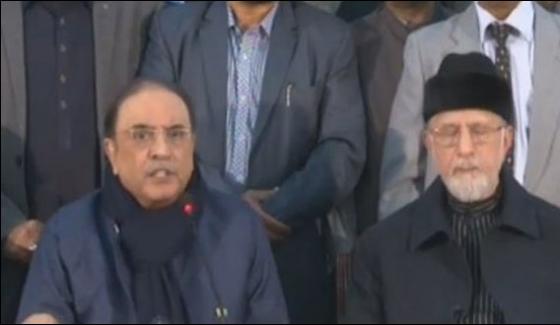
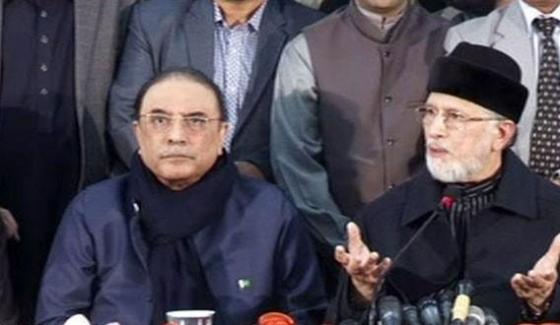
Video - #PPP & #PAT - Asif Ali Zardari And Tahir Ul Qadri Joint Press Conference 07 December 2017 - @MediaCellPPP @PATofficialPK

Video - Qamar Zaman Kaira Media Talk 07 December 2017 @MediaCellPPP

سانحہ ماڈل ٹاؤن وزیر اعلیٰ پنجاب استعفیٰ دیں: آصف زرداری

Chief Minister Punjab Should Resign On Model Town Tragedy Asif Zardari
سابق صدر اور پاکستان پیپلز پارٹی کے شریک چیئرمین آصف علی زرداری نے کہا ہے کہ ماڈل ٹاؤن سانحے کی رپورٹ آنے کے بعد وزیر اعلیٰ پنجاب شہباز شریف استعفیٰ دیں۔
ن لیگ کی حکومت کے خلاف پہلے بیان پھر ایکشن سامنے آیا ہے،آصف علی زرداری اور پاکستان عوامی تحریک کے سربراہ طاہر القادری کی لاہور میں ملاقات ہوئی ہے ۔
آصف زرداری خود چل کر پاکستان عوامی تحریک کے مرکز منہاج القرآن پہنچ گئے، دونوں رہنماؤں کی ملاقات دو گھنٹے جاری رہی ۔
اس موقع پرآصف علی زرداری اور ڈاکٹر طاہرالقادری نے مشترکہ پریس کانفرنس کی جس کے دوران آصف زرداری کا کہنا تھا کہ علامہ صاحب سے ہماری پرانی وابستگی ہے،پیپلز پارٹی نے جہاں ضرورت ہوئی اپنی آواز اٹھائی ہے۔
انہوں نے کہا کہ پیپلز پارٹی شہباز شریف کو برداشت نہیں کرے گی ان کے خلاف تحریک چلائیں گے، سیاسی طاقت کے سوا کسی تیسری قوت کے آنے کا امکان نہیں۔
سابق صدر کا امریکا کی جانب سے مقبوضہ بیت المقدس کو اسرائیل کا دارالحکومت تسلیم کرنے پر اپنے ردعمل کا اظہار کرتے ہوئے کہنا ہے کہ خوش آئند بات ہے، یورپ، فرانس اور دیگر یورپی ممالک نے مذمت کی ہے، پاکستان دہشت گردی کا شکار ہے ہم نے شہادتیں دی ہیں۔
آصف زرداری کا مزید کہنا ہے کہ ماڈل ٹاؤن کے سانحہ پر اپنی آنکھیں بند نہیں کر سکتے،وزیراعلیٰ شہبازشریف کو استعفیٰ دینا چاہیے،یہ سانحہ ظلم کی بدترین مثال ہے،ہم جیلوں میں گئے ہیں ہمیں پتا ہے حکومت کیسے دباؤ ڈالتی ہے۔
https://jang.com.pk/latest/415306-chief-minister-punjab-should-resign-on-model-town-tragedy-asif-zardari

رپورٹ میں رانا ثناء کو سانحے کا ذمہ دار قرار دیا گیا، طاہر القادری

In The Report Rana Sanaa Was Considered Responsible For The Tragedy Tahir Ul Qadri
پاکستان عوامی تحریک کے سربراہ ڈاکٹر طاہرالقادری نے کہا ہے کہ ماڈل ٹاؤن کی رپورٹ میں سانحے کا ذمہ دار رانا ثناء کو قرار دیا گیا ہے۔
ن لیگ کی حکومت کے خلاف پہلے بیان پھر ایکشن سامنے آیا ہے، سابق صدر اور پاکستان پیپلز پارٹی کے شریک چیئرمین آصف علی زرداری اور پاکستان عوامی تحریک کے سربراہ طاہر القادری کی لاہور میں ملاقات ہوئی ہے ۔
آصف زرداری خود چل کر پاکستان عوامی تحریک کے مرکز منہاج القرآن پہنچ گئے، دونوں رہنماؤں کی ملاقات دو گھنٹے جاری رہی ۔
اس موقع پر آصف علی زرداری نے کہا کہ سانحہ ماڈل ٹاؤن کے متاثرین کے غم میں برابر کے شریک ہیں، شہداء کے لواحقین اور عوامی تحریک کے ساتھ تھے اور ہیں۔
انہوں نے کہا کہ سانحہ ماڈل ٹاؤن افسوسناک ہے، جو قصور وار ہیں انہیں انصاف کےکٹہرے میں لانا چاہیے ۔
سابق صدر آصف زرداری کو فائرنگ کی جگہ بھی دکھائی گئی، اس موقع پر طاہرالقادری کا کہنا تھا کہ عدالتوں کے دروازے کھٹکھٹا کر تھک گئے لیکن امید کا دامن نہیں چھوڑا ۔
ملاقات کے بعد دونوں رہنماؤں نے مشترکہ پریس کانفرنس کی، اس موقع پر علامہ طاہر القادری نے کہا کہ جنازوں سے جسٹس باقرنجفی کی رپورٹ تک پیپلزپارٹی ہمارے ساتھ کھڑی رہی۔
انہوں نے کہا کہ باقرنجفی رپورٹ میں شہبازشریف کوواضح طورپرقاتل ڈکلیئرکیا ہے،رپورٹ اتنی کلیئرہے شہباز شریف،پنجاب حکومت کواس خون کی ہولی کاذمے دارٹھہرایا۔
طاہرالقادری کا کہنا ہے کہ رپورٹ میں ہے انسان جھوٹ بول سکتےہیں حالات ،واقعات نہیں ، ہم اندھیر نگری نہیں چاہتے، رانا ثناء اللہ اس آپریشن کے انچارج تھے۔
انہوں نے امریکی صدر کی جانب  سے القدس کو اسرائیلی دارالحکومت تسلیم کرنے کے فیصلے پر اپنے ردعمل میں کہا کہ کل ایک بین الاقوامی سانحہ رونما ہوا ہے ،آج قیام امن کی کوششوں کو دھچکا لگا ہے ۔
انہوں نے کہا کہ ٹرمپ کے فیصلے سے مسلمانان عالم مایوس ہوئے ہیں ، امریکی صدر ٹرمپ اپنے فیصلے پر نظر ثانی کریں ، ٹرمپ کا فیصلہ مشکلات میں اضافہ کرے گا ۔
ڈاکٹر طاہر القادری نے کہا کہ یہ صرف مسلمانوں کانہیں عالمگیر سطح پرانسانی مسئلہ ہے، امریکی فیصلے سے مشکلات آئیں گی،تشدد میں اضافہ ہوگا۔
انہوں نے مزید کہا کہ فلسطینی عوام کو خود مختار ریاست دی جانی چاہیے ،امریکا اس فیصلے سے عالمی برادری میں تنہائی کا شکار ہوگیا ہے۔
طاہرالقادری نے یہ بھی کہا کہ پوپ اور یورپین لیڈرز نے بھی امریکی فیصلےکی مذمت کی، ہم فلسطینیوں کے ساتھ اظہار یکجہتی کرتے ہیں۔

https://jang.com.pk/latest/415303-in-the-report-rana-sanaa-was-considered-responsible-for-the-tragedy-tahir-ul-qadri

Pakistan - Asif Zardari meets Tahirul Qadri in Lahore

Former president Asif Ali Zardari arrived at the Minhajul Quran Secretariat in Lahore on Thursday evening to hold a meeting with Pakistan Awami Tehreek (PAT) chief Tahirul Qadri.
This is the first time that the Pakistan Peoples Party (PPP) co-chairman has visited the Minhajul Quran Secretariat.
Earlier in the day, Zardari contacted Qadri and extended his support to him for bringing those responsible of Model Town tragedy to justice.

Pakistan - After Model Town report Shahbaz stands condemned; should resign immediately: Zardari, Tahirul

Pakistan Peoples Party (PPP) co-chairman Asif Ali Zardari and Pakistan Awami Tehreek (PAT) chief Tahirul Qadri have demanded Punjab Chief Minister Shehbaz Sharif to step down in the wake of the Model Town inquiry report.
“Enough is enough! Nawaz Sharif’s brother Shehbaz must resign. After this report, he stands condemned, and a condemned man cannot remain the chief minister of the largest province of Pakistan,” Zardari told reporters at a press conference along side Qadri in Lahore on Thursday evening.
The joint press conference came after the former president met the PAT chief during his first-ever visit to the Minhajul Quran Secretariat here.
The two sides held a meeting, wherein Khurram Nawaz Gandapur, Manzoor Watto and Qamar Zaman Kaira were also in presence.
http://www.thesindhtimes.com/pak/model-town-report-shahbaz-stands-condemned-resign-immediately-zardari-tahirul/

Wednesday, December 6, 2017

Music Video - Dildar Sadqay - دلدار صدقے - Madam Noor Jahan

Punjabi Song - Noor Jehan - Sayyo Ni Mera Mahi Mere Bhaag Jagawan Aa Geya

Ghazal - Sabko Maloom Hai Main Sharabi Nahin By Pankaj Udhas "

Ek Taraf Uska Ghar Ek Taraf Maikada - Pankaj Udhas

Sharab Cheez He Aisi Hai (Full Ghazal) - Pankaj Udhas -Jashn-

Music Video - Ahmad Zahir "Khuda Bowad Yaret"

Pashto Music Video - Ahmad Zahir ( Na razi janan zema)

The Mullah-Military Takeover of Pakistan


t might still be premature to read too much into former military dictator Gen (R) Pervez Musharraf talking about a political alliance with the Lashkar-e-Taiba (LeT) and its offshoot Jamaat-ud-Dawa (JuD). Not because these groups are officially banned in Pakistan, but because Musharraf is a largely irrelevant political entity these days.
However, events of recent weeks suggest that the unlikely merger of the Musharraf-led “grand alliance of 23 political parties” with the Hafiz Saeed-led proscribed groups would perfectly symbolize the mullah-military takeover of Pakistan.
Four days before the state surrendered to radical Islamist thugs in the capital, the Lahore High Court review board refused to extend Saeed’s 10-month detention period owing to “lack of evidence.” Saeed’s release, coupled with the civil-military leadership kowtowing to a radical Islamist group that has already contested two by-elections in the country, is the formal completion of the political mainstreaming of jihadists in Pakistan.
This mainstreaming has not only been planned by the military leadership, it has also been pushed by them, resulting in the Dawn Leaks episode last year, from which the civilian government never managed to recover.
On cue, the JuD’s first statements following Saeed’s release was accusing the government of “taking orders from India” to further delegitimize the civilian leaders as “anti-national.” Fittingly, Saeed also confirmed that he will be taking part in the 2018 elections under the banner of the Milli Muslim League (MML) – the latest LeT/JuD offshoot, which is yet to be registered by the Election Commission of Pakistan.
The military’s support to the Tehrik Labbaik Ya Rasool Allah (TLY) protesters was epitomized by the video of the DG Rangers handing out cash coupons to those prisoners released as per agreement with the state.
For the military establishment, bolstering these Islamist groups not only dents the vote bank of the ruling Pakistan Muslim League-Nawaz (PML-N), which 12 months ago was the overwhelming favourite to win the 2018 elections with an even bigger majority. Giving formal political shape to the decades-old mullah-military nexus also further aids the military’s strategic interests in Afghanistan and Kashmir.
This is where Musharraf joining hands with Hafiz Saeed to represent a mega coalition of Islamists and the fringe parties that he already has on board would carry symbolic value, if nothing else.
The ongoing treason trial against Musharraf, which the former army chief escaped from, was among the first sources of conflict after PML-N took over in 2013. Musharraf has further been declared an absconder in the murder case of former Prime Minister Benazir Bhutto.  And so for a former army chief, who has been sanctioned as an absconder in cases pertaining to breaching the Constitution and killing a former elected prime minister, to return to Pakistan and head a political coalition would complete civilian subjugation to the Army.
Tahir-ul-Qadri’s Pakistan Awami Tehrik (PAT) is among the parties that are a part of Musharraf’s coalition. PAT had joined the Pakistan Tehrik-e-Insaf (PTI) in 2014 to demand then-Prime Minister Nawaz Sharif’s resignation in a four month long protest in the capital – a plot backed by a section of the military establishment.
Qadri is now in Lahore, plotting the overthrowing of the Punjab government, which has been targeted by a damning report of the leaders’ involvement in the 2014 Model Town killings.
Even so, Musharraf’s coalition, even if it takes MML on board, or the potential resumption of the Muttahida Majlis-e-Amal (MMA) – an alliance of nationwide Islamist parties – would do little in terms of electoral damage, let alone have a chance of forming the government following next year’s elections.
That means that the military establishment’s main player would remain the PTI and its chief Imran Khan, who have not only gone toe-to-toe with the PML-N in by-elections over the past four years, but have gained the most from the PML-N’s losses in recent months.
And so, what the military leadership is ideally looking at is a PTI government with perhaps a Musharraf and/or Saeed-led coalition a part of the opposition – just to rub in who’s actually in charge, if nothing else.

Pakistani activist Raza Khan reported missing


By Asad Hashim


A Pakistani peace activist has been abducted in the eastern city of Lahore, prompting fears for his safety, his family and fellow activists confirmed on Wednesday.
Raza Mahmood Khan, 40, was a member of the Aghaz-e-Dosti (Initiation of Friendship) organisation, and was known for his grassroots activism around the issue of India-Pakistan friendship, said Saeeda Diep, a prominent social activist in Lahore.
Khan went missing on Saturday, his brother Hamid Nasir told Al Jazeera, after attending an open discussion event on the topic of extremism.
"We plan to hold a protest later in the week," said Diep. "We are also going to file a habeus corpus writ in the Lahore High Court. We think that those lucky few who get released after abductions such as these usually come through the action of the courts."
On Twitter, users shared news of Khan's disappearance using the #FindRaza hashtag.
Earlier this week, Pakistan's Supreme Court took the country's security apparatus to task for the hundreds of missing persons cases that remained unresolved in the country, casting doubt over the government's defence that those reported missing had disappeared of their own accord.
At least 1,498 cases of enforced disappearances remain pending with a government investigative commission on such cases, according to a report submitted to the top court.
The report said that more than 2,257 cases had been marked as resolved after the whereabouts of those reported missing had been traced. Hundreds of those people are being held in military-operated internment camps – where Pakistani law allows authorities to hold suspects without charge indefinitely – across the country's northwest.
Several social media activists who have been critical of the country's powerful military – which has ruled Pakistan for roughly half of its 70-year-history – have gone missing in recent months. Others have had cases lodged against them under the country's cybercrime laws. In January, four activists were released three weeks after being abducted from Lahore, the capital Islamabad and the central Punjab town of Nankana Sahib. Two of them – Aasim Saeed and Ahmad Waqass Goraya – later alleged to Al Jazeera and in social media posts that they had been abducted, tortured and interrogated by Pakistani intelligence agents.
Pakistan's military and intelligence services deny any connection to the disappearances.
In a move that was uncharacteristic of him, Khan had shared several posts that were overtly critical of or poking fun at the military in the days before his disappearance, said Diep, who described Khan as being "like a son to me".
"He was so low-profile, he never came forward that much," she said. "He worked in a small capacity to discuss things related to India-Pakistan friendship."
The event in Lahore where Khan was last seen was organised to discuss a 20-day sit-in by protesters that had blocked a major highway into the Pakistani capital over alleged blasphemy.
Khan expressed views that were "very critical" of the sit-in, the Reuters news agency reported, citing the event's host. After nearly three weeks, the Islamabad protest ended when organisers won almost all of their demands, including the resignation of the law minister they accused of committing blasphemy, in an agreement brokered by the military.
"He had never received any kind of warning or threat, from the intelligence agencies or others," said Diep. "He was not someone who was very influential or from the elite, he did not have a lot of Twitter followers. He belonged to a very humble background."
Nasir, Khan's brother, said that when police searched the activist's home it did not appear to have been ransacked. The central processing unit for Khan's desktop computer was the only thing missing from the apartment, he said.
The police case had registered a kidnapping against unidentified suspects and were cooperating fully with the family, he said.
"The police has to tell us who would have a motive to take him. They need to go through his call records and the CCTV footage, only then will we know what happened," said Nasir.

REINJECTING REALISM: TOWARDS A PRAGMATIC AND EFFECTIVE PAKISTANI FOREIGN POLICY


YAQOOB KHAN BANGASH
In October, U.S. Secretary of State Rex Tillerson arrived in Islamabad to a cold welcome by a mid-ranking Foreign Service bureaucrat. Gone were the days when the secretary of state was received on the red carpet by high-ranking officials and politicians, as was the case in 2010. Pakistan’s relationship with the United States, the only country it has ever formally allied with, is deteriorating, while its cooperation with China, a country it has been close to since the 1960s, is expanding under the China-Pakistan Economic Corridor (CPEC). The South Asian nation has entered uncharted geopolitical territory.
Some describe Pakistan’s relationship with the United States in marital terms. Pakistan is the faithful, devoted first wife while the United States is the playboy husband whose strategic affections shift from time to time, most recently to India. According to this narrative Pakistan often responds irrationally to these shifts, going so far as to accuse the United States of abandonment.
In fact, rather than behaving like a jilted lover, Pakistan has, in the past, shown deftness in managing its U.S.-ties and pragmatism in coping with geopolitical change. In the 1960s, Pakistan strategically improved relations with Communist China, much to the initial chagrin of the United States. Similarly, in 1979, when it formally joined the Non-Aligned Movement, Pakistan showed its willingness to explore options beyond the Western camp. Pakistan showed an ability to adapt to emerging geopolitics, sometimes at the expense of its ties with the United States. U.S.-Pakistani ties have never been as simple as it is often believed.
Despite the strategic way Pakistan has managed its relationship with the United States in the past, the future might see a different trajectory. Over the past five years, three dramatic shifts in Pakistan’s regional relationships — with China, India, and the United States — afford new opportunities. It is time that Pakistan move beyond a foreign policy that revolves around relations with these three countries, and instead diversify its interests and opportunities. For example, Pakistan can expand its relations with the Central Asian republics and become a trade and energy route for these countries, especially through the Shanghai Cooperation Organization. Similarly, Pakistan can enhance its role in the Middle East by tactfully participating in the Saudi-led Islamic military alliance, which its former Army chief heads, and by playing a constructive role in the Saudi-Iranian conflict. If Pakistan can deftly maneuver a pragmatic course through these shifting currents, it can position itself to compete effectively and advance its foreign policy interests beyond the narrow prism of India, China, and the United States.
The Changing Strategic Landscape
In the past few years, the geopolitical reality of Southern Asia has changed dramatically, leading to three major reconfigurations: 1) the intensification of the China-Pakistan nexus, 2) the emergence of India as a global power, and 3) the decline of the United States as an influential player.
First, the “flagship” China-Pakistan Economic Corridor has brought the two countries’ relationship to a new level. Even though Pakistan and China have been close for decades, the relationship has been primarily one of military and diplomatic engagement. China has had little influence in Pakistan’s internal matters, very few Pakistanis have made China their home, and the non-trade traffic between the two countries is also very limited. China’s actual footprint in Pakistan to date has been quite light.
All of this is poised to change with China’s burgeoning investments in its South Asian neighbor. While the details are still shrouded in secrecy, it is believed that several thousand Chinese personnel will come to Pakistan to implement projects to these investments. It is already estimated that upwards of 30,000 Chinese nationals reside in Pakistan, while over 71,000 visas were issued to Chinese individuals in 2016 alone. How China will engage with the various stakeholders in Pakistani politics remains to be seen, but a larger footprint will certainly engender greater Chinese interest and more interference in domestic affairs. Already, China has voiced concerns about terrorism in Pakistan, most recently through the BRCIS declaration, which for the first time named Pakistan-based groups as concerns. As Chinese presence and investment increases in Pakistan, concern about the security and safety of those interests will naturally also increase. But several critical questions remain: Will the Chinese ambassador to Pakistan try to fit into the role of the U.S. ambassador in terms of local influence? How will the Pakistani military react to direct Chinese contacts with actors in Pakistan? And to what extent will China’s presence lead it to dictate certain policy decisions in Islamabad? Second, after decades of Pakistan being India’s primary strategic concern, India is finally emerging as a world power. For years, the tensions between India and Pakistan equated the two countries to a certain extent, much to the chagrin of New Delhi, and showed India’s inability to move beyond a regional posture, let alone become a world power. However, India has been changing its foreign policy. Under Prime Minister Narendra Modi, India has considerably expanded its relationship with the United States, which has further strengthened under President Donald Trump. India is fast becoming a counterweight to China, and has also rebranded its old “Look East” policy as a more proactive “Act East” policy that envisions deeper partnerships with Japan and Southeast Asian countries. Most significantly, India has decided on an “Ignore Pakistan” or “de-hyphenation” policy. India now only refers to Pakistan in the context of world terrorism and shows no signs of being amenable to talks with its neighbor. India recently recalled its high commissioner to Pakistan mid-term and sent him to Beijing, prompting one high-ranking Indian diplomat to quip wryly that India didn’t want to “waste talent in Pakistan.”
Pakistan should view this Indian disengagement in two ways. On the one hand, it should use this opportunity to also de-hyphenate its worldview and avoid seeing it exclusively through the prism of India. On the other, Pakistan should emphasize that it is always open to talks and cooperation with India, and make clear that it is India that always spurns such overtures. Such an approach will open new opportunities and build a positive and cooperative foreign policy outlook for Pakistan.
Third, the lack of a comprehensive U.S. policy towards Southern Asia, which deals with each state both separately and collectively, may soon prevent it from exerting any meaningful influence in Pakistan. Recent U.S. engagement with Pakistan has focused on two related fronts: Afghanistan and terrorism. In terms of Afghanistan, the United States wants Pakistan to help end cross-border terrorism, rein in the Haqqani Network, and avoid destabilizing the government in Kabul. Similarly, Washington demands full Pakistani cooperation against terrorism within and outside the region. However, this means that the United States lacks a specific “Pakistan” policy that provides tangible benefits to Islamabad. Such a policy has perhaps never actually been developed – hence the persistent historical ups and downs in the relationship. The development projects that the United States has initiated, especially under the so-called Kerry-Lugar bill, have been primarily driven by concerns related to Afghanistan and terrorism. As a result, these projects left no lasting impact on Pakistan, as most either did not last long enough or were not followed up with the necessary measures. As U.S. projects in Pakistan wind down, the little leverage the United States had in the country is on the wane. To make matters worse, by suggesting India assume a larger role in Afghanistan, Trump has confirmed Pakistan’s worst suspicions about U.S. policy towards the region.
Moreover, the promise of Chinese loans has meant Pakistan has stopped caring about the United States to the extent it used to. One senior government official noted privately that the American ambassador is no longer invited to high-profile events, exhibiting the widening gap between the two countries just as the snub of Tillerson did. Significantly, the Pakistani establishment also seems to have moved on from endlessly complaining about the United States to engaging with its near-peer competitors. In addition to the Chinese, Pakistan has made attempts to improve its relations with Russia. The recent joint military exercises between the two countries are signs of a developing relationship. That Russo-Pakistan relations are improving despite Moscow’s closeness to New Delhi is further evidence that Pakistan is embarking on a more pragmatic course in foreign policy and that diversification of partners is reaping dividends.
Coping with Uncertainty
How should Pakistan navigate these uncharted geopolitical waters?
First, Pakistan needs to dispassionately manage its relationship with China. The relationship might be “higher than the Himalayas” and “sweeter than honey,” but it is now entering a new phase. Pakistan must avoid assessing everything through the lens of Chinese investments, as some have been wont to do. Several government officials and policymakers have termed the China-Pakistan Economic Corridor a “game changer” without even knowing its details. While the investment of over $62 billion is significant, the modalities and effects are still not clear. Since most of the Chinese investment is a loan, the terms of the mark-up are not clear, nor is it obvious that Pakistan would be able to afford such high interest payments. Furthermore, mere construction of infrastructure does not automatically mean progress. The Lahore-Islamabad motorway, completed 20 years ago, passes through a region that is home to nearly 60 million people. Yet traffic on the road has not dramatically increased, nor has economic development either along the motorway or in areas adjoining it. What happens after infrastructure projects are completed is far more critical than their construction.
Second, the Pakistani strategic establishment should abandon its obsession with India, which, despite posing some real challenges, does not warrant the attention it receives. Being “not India” is how Pakistan sees itself. Under this logic, anyone who is a “friend” of India is an “enemy” of Pakistan. This zero-sum view of world politics has often left Pakistan with few options, and is poised to lead to further complications. For example, the deepening relationship between India and Iran is already viewed suspiciously in Pakistan. With regards to Afghanistan, the sensitivity is such that newly elected Prime Minister Shahid Abbasi, during his recent visit to the United States, suggested India should have no role in Afghanistan at all. Pakistan’s India-centric approach prevents it from seeing the region as a series of different players who act on multiple levels. If Pakistan is to achieve its national self-interest, it must drop its historical baggage and not see everything through an India-specific lens. For example, Pakistan can further develop its relations with Iran independent of India’s involvement in the country. Similarly, as mentioned earlier, Pakistan’s relations with Russia should not be seen through the prism of the Russo-Indian friendship and should instead be developed separately. Development of relations based on rational self-interests, rather than historical and entrenched rivalries, is critical for Pakistan in the modern world.
Third, Pakistan will have to rebalance its relationship with the United States to a point where both sides recognize one another’s interests and work together to promote them, and agree to go their separate ways where they do not align. This will enable both sides to engage with each other in a more normal state-to-state relationship. Privately, senior civil and military officials in Pakistan agree that they do not want a dramatic break between Washington and Islamabad, yet have done little publicly to counter the deeply entrenched anti-Americanism in the country. The attempt to “mainstream” terrorist and extremist groups through political parties will only strengthen anti-Americanism in Pakistan, and fuel the narrative of global jihad.
In terms of Afghanistan, too, there is no way to resolve the country’s internal issues without bringing the United States on board. More specifically, Pakistan’s internal terrorism problem will not end as long as safe havens for terrorists who are anti-Pakistan remain in Afghanistan and vice versa. Therefore, it is in Pakistan’s self-interest to work jointly with both Afghanistan and the United States to root out terrorism, which affects both countries. Furthermore, Pakistan has long been hoping to become a hub of transit trade to and through Afghanistan. Only by working with both Kabul and Washington can this dream come true. The United States will not disappear from Afghanistan, so Pakistan must really engage with the United States on its Afghan policy, as well as with Kabul itself.
Finally, if Pakistan is to gain from the changing geopolitical situation in the region, it must develop a multi-pronged approach. Improved relations with Russia have been a step in the right direction, but further steps need to be taken to maximize Pakistan’s interests. Just as India manages to have good relations with archenemies Iran and Israel, and Saudi Arabia is close to both India and Pakistan, Pakistan needs to develop strategic partnerships in the region and beyond independent of its rivalry with India. Similarly, Pakistan’s role in the Islamic world, where once it was a significant player, can only be revived if it escapes its own foreign policy quagmire. With the upcoming general election in 2018 (the third consecutive election without interruption), a dramatic decrease in terrorism, and a burgeoning middle class, Pakistan now has opportunities it cannot afford to miss.

#50YearsOfPPP #WeMakeHistory #GoldenJubileeOfPPP - Dilan Teer Beja

Bilawal brings ideology to the foreground


By Marvi Sirmed
Pakistan People’s Party show of political power in Islamabad on the eve of its 50th foundation day on Tuesday was important in more ways than one.
In one word the massive and charged crowd at the gathering can be described as diverse, and truly reflective of the Pakistani social fabric. There were children, youngsters, middle- and old-aged women and men from different religious and class backgrounds as well as a critical number of people with special physical needs.
Holding the gathering in the federal capital where all the coalescing units of the state of Pakistan converge amounted to a symbolic statement that the party was undergoing a revival. The location of the gathering also showed that the party aspired to regain its original status of the ‘party of the federation’, as opposed to the now commonly-held impression of the PPP as a battered party confined to the province of Sindh and limited to the Sindhi ethnic identity.
Rallies poured in from the twin cities, different areas of Khyber Pakhtunkhwa, FATA, Punjab’s central districts as well as Siraiki belt, Sindh, Azad Jammu and Kashmir, and Gilgit-Baltistan. A small contingent also arrived from Balochistan.
PPP chairman Bilawal Bhutto took to the roster amid loud cheers of ‘Chaaron Soobon ki Zanjeer hay Bilawal Bhutto’ and ‘Jiye Bhutto Benazir’. In what turned out to be a surprise act, Bilawal delivered a speech that was exceptionally light on the expected and the usual vitriol against political opponents. Bilawal managed to bring back ideology to his party’s political discourse.
The narration of Pakistan’s checkered political history and his party’s struggle for democracy alongside the mention of sacrifices of party leaders including his mother and grandfather and workers sounded different this time. He was not ‘selling the dead’ as his detractors have been criticizing him for. Instead, his speech was a sober reminder of what his party has stood for in the past. Another way of saying what the PPP would not stand with in days to come.
Bilawal’s taunts on uncles and aunties of politics were missing, thankfully, from the half-an-hour-long speech. The scorn and sneer for political opponents that has unfortunately become an essential part of political discourse – especially since 2011 – was replaced with the PPP chairman’s elegantly spelled out ideological and foundational differences that, in his view, differentiated the PPP from the rest of the parties. A departure, again, from his father’s half-baked and superficially conceived ‘politics of reconciliation’ that had cost PPP its distinguishing identity, at least for the workers passionately attached to the history of Bhuttos sacrifices.
Most importantly, Bilawal Bhutto went back to the PPP’s founding ideology of social democracy while shying away from naming it explicitly as he mentioned the basic postulates of PPP’s original vision, i.e., ‘Islam is our religion, socialism is our economy and democracy is our politics, while the people are the source of all power’. Bilawal replaced ‘socialism’ with ‘equality’ and added a fourth postulate: ‘martyrdom is our act’. While explaining the PPP’s future vision and priorities, he sounded more categorical in owning the revolutionary struggle against the exploitative forces and for class consciousness through social democratic ideology, while declaring the party’s vision of a society based on equality, just distribution of resources, separation of religion and politics, and democracy – social democracy – as the only option to take Pakistan forward.
Bilawal’s speech was that of a statesman determined to lead his people out of turmoil and anarchy while following a pro-people and progressive agenda. The subtext was not only the rejection of prevalent spiteful and acerbic discourse while embracing a more mature tone, but also signaling to party’s progressive, left-of-the-centre support base that he was in no mood to appease any power centre other than the people.
As far as the chairman’s speech goes, Tuesday’s gathering has ushered in the beginning of Pakistan People’s Party Version 3.0.

Pakistan - #PPP workers renew support for the party


Enthusiastic activists of Pakistan People’s Party from across the country thronged parade ground to renew their pledge with the party on its golden jubilee celebrations.
The PPP supporters started reaching the ground in morning in forms of groups and packed the venue before the sun set. The PPP anthems and famous slogan ‘Jiye Bhutto’ (Long Live Bhutto) was being enchanted by the party workers in every corner on the venue. The participants waved the party flags while responding to the speeches of prominent leaders.
The local PPP leadership decorated Islamabad Expressway with huge banners and posters of the PPP to welcome their chairman Bilwal Bhutto Zardari.
However, only few posters were seen carrying the picture of PPP Co-chairman Asif Ali Zardari.
A security official informed The Nation that more than 6,000 chairs had been placed in the parade ground for the participants.
The number is expected to cross twenty thousands, he said.
Majority of the people travelled from Sindh, Azad Jammu and Kashmir, Gilgit-Baltistan, Khyber-Pakhtunkhwa, and Central and South Punjab. However, relatively low numbers of the participants were from the Rawalpindi division.
The PPP workers , exhibiting their traditional attachment with the party and chanting the particular slogans, were dancing to songs and anthems of the party. “There is only one political party in the country, rest of all are ant-PPP,” said Afzal, an old man on clutches, wearing the party cap. He said that he along with the procession of hundreds of people travelled from Shikarpur as it was the call from Bilawal Bhutto.
The old man inspired from the politics of Zulfiqar Ali Bhutto and Benazir Bhutto said that the worker had attached great hopes with Bilawal.
Leaders of PPP from the provinces were motivating the crowd before arrival of Bilawal; the workers from lower and middle class sections of the society were getting more attention than the leaders.
Chaudhry Bashir, from a religious minority community, carrying the cross, participated in the rally along with dozen of his fellows to express solidarity with the PPP . “We all contributed the amount and hired a vehicle and sound system to attend the sit-in from Taxila,” he said. He said that PPP was the party that always ensured protection of minorities and cared about the party workers .
Meanwhile, PPP senior leader Akhunzada Chittan said that though worker was the strength of the PPP but during the last few years, the party lost the trust of its workers . “It is unfortunate that the worker always stood with the party in difficult times, but when the party was in power, its leadership forgot their sacrifices,” he said.
He said that the party had more vehicles and fewer workers now, but still its strength was ‘jiyalas’. A large number of female PPP supporters also participated in the gathering, but Sindhi culture dominated the women enclave. Murad Bibi from Liyari while talking to The Nation said that they had reached with more than one hundred other persons to attend the rally. “Liyari always responds to the PPP whenever it is called,” she said.
The middle aged women still attaching hopes with the PPP said that the real worker could not leave the party as it had brought the hope to the poor people of Liyari. “Benzair loved Liyari people and Liyari cannot forget it,” she said.
Nasira Shafqat, Coordinator PPP Punjab women wing, said that the party did not perform well in the recent by-election held in NA120, but still it could not be eliminated from Punjab.
She said that the PPP disgruntled voter could isolate itself from the polling but it could not support any other party. “The PPP manifesto of addressing basic necessities of life is the backbone and a bridge between the poor and the leadership,” she added.
Noor Jehan from Umer Kot said that dozens of women from Thar had reached the federal capital to pledge their loyalty with Bilwal Bhutto and the PPP . Benazir Bhutto was said to be chain of four provinces and here we are witnessing people from all the regions, she said. “BB sacrificed her life for people and we will continue supporting her party and son”, she said.

Pakistan - Mountaineer Afzal Alvi called on Chairman PPP Bilawal Bhutto

The mountaineer Afzal Alvi who hoisted PPP flag on top of K2 called on PPP Chairman Bilawal Bhutto Zardari at Zardari House Islamabad.
During the meeting Afzal Alvi said that he immensely loves PPP and the workers are lucky to have Chairman Bilawal Bhutto Zardari as party leader. The way Asif Ali Zardari faced adversity after Shaheed Zulfkar Ali Bhutto and Shaheed Mohtarma Benazir Bhutto makes every party worker proud.
Chairman Bilawal Bhutto Zardari said that party values the dedication and love of Afzal Alvi for the party and congratulated him for hoisting PPP flag on top of K2.
President PPP GB Amjad Hussain advocate was also present during the meeting. Coordinator Human Rights Cell PPP and member National Assembly Dr. Nafisa Shah also called on Chairman Bilawal Bhutto Zardari.

https://mediacellppp.wordpress.com/

Pakistan - #PPP to restore state’s writ, will not let the society move towards extremism: Bilawal

Pakistan Peoples Party (PPP) Chairperson Bilawal Bhutto Zardari vowed on Tuesday that his party would restore the state’s writ, adding that the way it was eroded in the recent events seemed alarming.

The PPP chairperson addressed the party workers gathered at the capital’s Parade ground to celebrate the party’s golden jubilee today.
Islam rejects the notion of extremism, said Bilawal, adding that the PPP will not let the society move towards extremism.
He said that it is the third generation of the PPP which is carrying on the legacy for the sake of democracy.
“I congratulate those who have laid the basis of the PPP and stood against the dictatorship,” said Bilawal.
Bilawal said that it was his party and late Zulfikar Ali Bhutto who laid the foundation of democracy in Pakistan and revolted against dictatorship.
Under the umbrella of dictatorship, the so-called economic progress led to ethnic divides. The resources were only limited to feudal lords and a particular section of the society.
“Benazir raised her voice against terrorists,” said Bilawal, adding that the late prime minister always stood against martial law and ended Martial Law Regulation.
PPP Chairperson Bilawal Bhutto earlier reached Islamabad’s Parade Ground, along with the party co-chair and former president Asif Ali Zardari.
http://www.thesindhtimes.com/pak/ppp-restore-states-writ-will-not-let-society-move-towards-extremism-bilawal/