 Canadian Minister of Citizenship and Immigration Chris Alexander who participated in the inauguration ceremony of Afghanistan new president, has asked Pakistan to stop ‘supporting insurgency,’ saying there are no doubts of Pakistan being a ‘safe haven’ for terrorist.
“Today, Canada and most of the countries around the world know why there is still insecurity and instability in Afghanistan,” Alexander said in an interview with the Afghan TV. “Taliban are trained in Balochistan, Khyber Pakhtunkhwa, Waziristan and some parts of Karachi,” he blamed.
He stressed that it was not acceptable for people, non-governmental organisations or government institutions to support the terrorist groups like the Islamic Emirate of Afghanistan. “Canada has put Taliban in the black list of terrorists and it is known to all that training centres and weapons are provided for the terrorists in Quetta, Miramshah and other parts of the country,” he blamed.
Alexander expressed optimism about the national unity government and the partnership between President Ashraf Ghani and Chief Executive Abdullah Abdullah, pledging Canada's support for the new government. “I worked closely with both when I was in Kabul during that time, Abdullah was the foreign minister and Ghani was the minister of finance,” he said.
“I want to discuss with each of them their priorities, foreign policy and approaches to the challenges in the region,” the Canadian minister said, emphasising that his country would continue its support to Afghanistan and provide the country with an annual $90 million aid.
Canadian Minister of Citizenship and Immigration Chris Alexander who participated in the inauguration ceremony of Afghanistan new president, has asked Pakistan to stop ‘supporting insurgency,’ saying there are no doubts of Pakistan being a ‘safe haven’ for terrorist.
“Today, Canada and most of the countries around the world know why there is still insecurity and instability in Afghanistan,” Alexander said in an interview with the Afghan TV. “Taliban are trained in Balochistan, Khyber Pakhtunkhwa, Waziristan and some parts of Karachi,” he blamed.
He stressed that it was not acceptable for people, non-governmental organisations or government institutions to support the terrorist groups like the Islamic Emirate of Afghanistan. “Canada has put Taliban in the black list of terrorists and it is known to all that training centres and weapons are provided for the terrorists in Quetta, Miramshah and other parts of the country,” he blamed.
Alexander expressed optimism about the national unity government and the partnership between President Ashraf Ghani and Chief Executive Abdullah Abdullah, pledging Canada's support for the new government. “I worked closely with both when I was in Kabul during that time, Abdullah was the foreign minister and Ghani was the minister of finance,” he said.
“I want to discuss with each of them their priorities, foreign policy and approaches to the challenges in the region,” the Canadian minister said, emphasising that his country would continue its support to Afghanistan and provide the country with an annual $90 million aid.
Wednesday, October 1, 2014
Canadian minister calls Pakistan a ‘safe haven’ for 'terrorists'
Canadian Minister of Citizenship and Immigration Chris Alexander who participated in the inauguration ceremony of Afghanistan new president, has asked Pakistan to stop ‘supporting insurgency,’ saying there are no doubts of Pakistan being a ‘safe haven’ for terrorist.
“Today, Canada and most of the countries around the world know why there is still insecurity and instability in Afghanistan,” Alexander said in an interview with the Afghan TV. “Taliban are trained in Balochistan, Khyber Pakhtunkhwa, Waziristan and some parts of Karachi,” he blamed.
He stressed that it was not acceptable for people, non-governmental organisations or government institutions to support the terrorist groups like the Islamic Emirate of Afghanistan. “Canada has put Taliban in the black list of terrorists and it is known to all that training centres and weapons are provided for the terrorists in Quetta, Miramshah and other parts of the country,” he blamed.
Alexander expressed optimism about the national unity government and the partnership between President Ashraf Ghani and Chief Executive Abdullah Abdullah, pledging Canada's support for the new government. “I worked closely with both when I was in Kabul during that time, Abdullah was the foreign minister and Ghani was the minister of finance,” he said.
“I want to discuss with each of them their priorities, foreign policy and approaches to the challenges in the region,” the Canadian minister said, emphasising that his country would continue its support to Afghanistan and provide the country with an annual $90 million aid.
Pakistan Upbeat About Relations with New Afghan Government
http://www.voanews.com/Ayaz Gul Pakistan says the national unity government in neighboring Afghanistan is a good beginning for promoting peace and reconciliation in the war-shattered country and Islamabad is ready to offer whatever help Kabul needs to further the peace process. Pakistan’s traditionally uneasy relations with Afghanistan have sharply deteriorated during President Hamid Karzai’s final months in office. His administration publicly accused Pakistani spy agency, ISI, of helping the Taliban and other Afghan insurgent groups continue the war in Afghanistan, charges Islamabad rejects. In turn, Pakistani officials blamed Afghan authorities for letting anti-Pakistan militants establish sanctuaries on the Afghan side of the border and launch deadly attacks against Pakistani military outposts. Optimism But officials in Islamabad say they are “absolutely confident” relations with Kabul will improve under new Afghan President Ashraf Ghani. Prime Minister Nawaz Sharif’s advisor on national security and foreign affairs, Sartaj Aziz, says his country has made initial contacts with President Ghani and Afghan Chief Executive Abdullah Abdullah. He told VOA the talks were “very positive,” and both the Afghan leaders have shown their desire to forge “a much stronger and special relationship” with Pakistan. “A smooth transition has taken place and a democratically elected government has taken over [in Afghanistan]. And at the same time, the fact that both the ethnic groups [majority Pashtun and minority Tajik] are represented in it, is also a very good start, particularly for reconciliation because in this case it strengthens the hands of the government to deal with other groups,” Aziz explained. The Pakistani advisor was referring to the Taliban and Hezb-i-Islami militant groups waging a bloody insurgency against Afghan and NATO forces in Afghanistan. Kabul believes key Taliban leaders and commanders are sheltering in Pakistan and want the neighboring country to help in promoting peace. Aziz reiterated that Afghanistan has to take the lead in promoting political reconciliation within the country and hopes President Ghani will implement an agreement Pakistan made with his predecessor on effective management of their porous border. “Reconciliation is an Afghan-owned and Afghan-led process, but if they want our help, whatever help we can give. But it is an Afghan initiative how they want to approach this task and what exactly do they want us to do. So, once they have developed their strategy and they need our help we will certainly respond positively,” he said. BSA Aziz says Pakistan has no reservations about the security pacts Afghanistan has signed with the United States and NATO. He termed it "a positive development", saying they will help better train Afghan security forces and will ensure Afghanistan receives much needed international financial assistance to support its economy. Afghanistan’s Ambassador to Pakistan, Janan Mosazai, is also upbeat about a strong bilateral relationship in the coming years. “President Ashraf Ghani Ahmdzai’s focus will also [be] on strengthening, deepening and broadening economic cooperation between Afghanistan and Pakistan, because so far we have focused mainly on trade ... So, there will be a redoubling of efforts on the part of the new Afghan government to enhance and strengthen economic ties, but also to work on deepening cooperation between the two countries in the necessary and essential common struggle and common fight against terrorism and extremism, which has taken such a huge toll on both countries,” Mosazai noted. The Afghan ambassador says the new government in Kabul will be seeking enhanced cooperation and improved coordination from Pakistan to defeat terrorist forces in the region and ensure stability on both sides of the border.
Pakistan in perpetual crisis
Zia’s stewardship of Pakistan changed the internal dynamics of Pakistan’s politics and society by making religion and religious politics much more relevant.Pakistan is in a state of perpetual crisis. Its political theatre has the appearance of a long running drama that seems familiar, going back almost to the country’s birth. There is the usual manufactured rage of its lead political characters, promising to put the country on its rightful course if only they were given a chance to govern. And each time they make a mess of it, starting the same game all over again. In the late 1950s, the army chipped in to rescue the country from the sordid game of politicians. Many people felt a sense of relief, believing that the army would fix things and put the country on its forward trajectory. But, lo and behold, it did not take long for the generals to become adept at the political game themselves, including making money, lots of it, from this new political lottery. Since then, everyone who is anyone in Pakistan has his/her finger in the cookie jar to make the most of it. Therefore, when everyone is compromised — almost everyone — the easiest way is to become self-righteous and attack others for political thuggery and all that goes with it. There was a change for the worse, if one can imagine it, towards the late 1970s when the then military chief, Ziaul Haq, staged a coup against then Prime Minister Zulfikar Ali Bhutto and, subsequently, managed to secure his judicial execution. The military, which till then had been known to usurp power and rule by decree, now seemed also to have the power of life and death over the country’s highest elected leader, if they so wished. In other words, the supremacy of the military over the civilian order was so brazenly established that military rule directly, or behind the scenes, is now a sad fact of life in Pakistan. Another thing happened under Zia that was even more pernicious. He gave the country a turn towards religious conservatism and orthodoxy, which further legitimised and even entrenched the role of Islamic politics. It is true that electorally religious parties were not as significant but their significance and influence socially and culturally became quite pervasive. And this was happening even as Pakistan, under Zia, became increasingly enmeshed in the Cold War politics of the 1980s centred on Soviet military intervention in Afghanistan. Pakistan became the frontline state for the US-led western bloc that used religion (Islam) to prop up the mujahideen in a crusade against ‘Godless’ communist invaders from the Soviet Union. With money and weapons pouring in from the US, as well as from Saudi Arabia, and Pakistan performing a coordinating role of sorts, the Soviet army was bogged down and then finally withdrew, even as the Soviet Union was crumbling. However, in the meantime, Afghanistan’s feuding groups of Islamic militants turned on each other until the Pakistan-supported Taliban prevailed and the new, still truncated Afghanistan, became Islamabad’s strategic backyard, or so it was thought. But it was still too early to be complacent, as the Taliban sheltered al Qaeda and its leadership that had incubated during the mujahideen struggle against the Soviet forces. They were to make or break history with the al Qaeda-inspired 9/11 terrorist attacks in the US. Zia’s stewardship of Pakistan changed the internal dynamics of Pakistan’s politics and society by making religion and religious politics much more relevant. The role of the mujahideen crusade against the Soviet army and the rise of the Taliban in Afghanistan with Pakistan’s support led to the rise of militant Islam of which the Pakistani version of the Taliban was most telling, with disastrous results. And with the army involved deeply in sponsoring and promoting different militant groups, it became part of the violent culture that spawned in Pakistan, as well as the target of those it opposed. The army had obviously reckoned that different militant groups it had sponsored would follow its writ. And some did but others, like the Taliban in Pakistan, wanted to play their own game, bringing them into violent confrontation with the army, currently being played out in North Waziristan. While the current government sought to open up peace negotiations with the Taliban leadership, even as the army was militarily engaged against them, the military leadership was not amused. This created tensions between the Nawaz Sharif government and the army high command. Coincidentally, or by design, the opposition PTI started to get cozy with the army and started a mass movement to bring down the government, accusing it of having rigged the 2013 elections. The army chief found himself in the middle of it all as a mediator but, eventually, decided to hold back for the time being at least. As things stand, a military coup cannot be ruled out, which will further complicate things. Going back a little, when the Taliban-sheltered al Qaeda became the ideological centre of global Islamic militancy and brought the wrath of the US to Afghanistan after the 9/11 terrorist attacks on US soil, Pakistan’s then dictator, Pervez Musharraf, found himself aligned, willingly or unwillingly, in the US’s war on terror. Despite this, the top leadership of the Taliban still found refuge in Pakistan from where they are still operating. In other words, while Pakistan was a US ally in the war on terror, it had not altogether ditched the Taliban. This led to the US accusation of Islamabad playing both sides. Therefore, the US-Pakistan relationship was marked by deep suspicion and distrust. After the US commando attack killed Osama bin Laden sheltering in Abbottabad, the relationship virtually reached breaking point. Though things have improved somewhat, the US’s drone strikes continue to plague their relations. The upshot of all this is that the US drone strikes and Washington possibly leaning on the army against a military takeover have made Imran Khan even shriller than usual. Whatever the result of the current political impasse with the PTI on the warpath to bring down the Sharif government, Pakistan’s situation will remain dire. According to Anatol Lieven (writing in a recent issue of the British magazine, Prospect), who recently visited Pakistan and has access to high levels of government and military brass: “Pakistan today, as so often in the past, presents a Janus-faced appearance. On the one hand, Pakistan is not northern Iraq [where ISIS is now entrenched]. As my experience in South Waziristan and the military offensive in North Waziristan demonstrate, the Islamist insurgency which has caused such terrible losses and raised such fears in the west is not about to overthrow the state.” Elaborating, he wrote, “On the other hand, the political elites do not appear capable of the unity, the vision, or the resolution necessary to carry out the reforms that Pakistan needs if it is to survive in the long term.” It is not a pretty picture but the Pakistani governing establishment surely knows it because they have created the mess in the first place.
Pakistan: Dharna and warna
By Dr Qaisar Rashid
On September 28, 2014, it was expected that the political gathering (or jalsa) arranged by the Pakistan Tehreek-e-Insaaf (PTI) of Imran Khan would set alight the electricity bills of its supporters to signify the protest civil disobedience movement, which is an extension of the dharna (sit-in) it has been managing for more than 40 days at D-Chowk in Islamabad. Similarly, it was also expected that PTI’s supporters would set aflame other utility bills including sewerage, water and gas after heaping them under the shadow of the Minar-e-Pakistan, Lahore. Secondly, it was expected that the word “change” would be considered first in introspective terms. That is, the change PTI supporters yearn for would be owned and practiced by them first. To make Pakistan corruption-free, the PTI would announce that its supporters, from now onwards, would neither bribe anyone nor be bribed by anyone while performing their roles in whatever position in society; both as consumers/clients and executives/administrators, PTI’s members would not be part of any corrupt practices to materialise the mantra of change coming about (tabdeeli aa gai hai). Otherwise, change cannot occur. Thirdly, appreciating certain isolated events such as the agitation of passengers against the deliberate delay of the PIA flight from Karachi the other day to accommodate two politicians, or the agitation of students and teachers against the belated arrival of Hamza Shahbaz and then his delivery of a speech irrelevant to the occasion in the University of Punjab the other day are no doubt signs of awareness, precisely against the VIP culture that is just one part of the whole cultural scheme. To affect the culture altogether, change needs to come from inside an individual. Against this background, it was expected that the PTI would announce that, from now onwards, its supporters would go to their offices on time, work throughout the day with dedication and leave their offices only when they are set to close. It should have materialised the concept of change coming about (tabdeeli aa gai hai); if not, the word “change” is just another deceptive slogan. On September 28, Khan tried to make the gathering a spectacular one. He often gets dazzled by the size of the gathering and that is understandable. However, it is not understandable why he starts claiming his electoral popularity on the basis of such. Perhaps Khan considers that each household in Lahore is represented through each person attending the gathering. Secondly, Khan considers that every person attending the gathering is of voter age. Attached to this point is the delusion that the size of the gathering is automatically equal to electoral vote casting. Khan sees no disconnect in this relationship. Thirdly, all people attending the gathering are not necessarily PTI’s voters. Fourth, there is no difference between his popularity and the PTI’s popularity. Khan believes that both are equal. However, the electoral result (in Lahore) compared to the volume of the political meetings held by Khan before the elections of 2013 speak otherwise. Fifth, this is not the end of the story: Khan does not listen to anyone and thinks that he, being the captain, has a superior sense of understanding. Subsequent to such a gathering, if any election were held and his party lost a seat in Lahore, Khan would be quick to utter the word “rigging” and lay the blame for the cheating on this person or that. The sense of absolutism in Khan is becoming a real headache for many. Sixth, even if it is assumed that the size of the gathering is a true reflector of the PTI’s electoral popularity, it can be said that the PTI is late by one year. The PTI should have demonstrated such strength immediately before the 2013 elections to cash in on it. Seventh, the PTI has so far proved that it has mastered the skill of agitation politics. Khan’s overreliance on the tactics defined by ex-Jamaat-e-Islami (JI) activists is marring the political face of Pakistani politics. This was the story of the dharna. The story of warna (i.e. or else) is no different. The other day, the leader of the Pakistan Awami Tehreek (PAT), Dr Tahirul Qadri, who is fond of giving ultimatums of the worst order every second day, found the smell pungent outside his luxurious container in Islamabad. The foul odour that compelled him to cover his nose with tissue paper must have brought him back to the reality that life is miserable out in the open. Secondly, Dr Qadri must have realised that Pakistan was not receptive to the type of revolution he was longing for. Third, if a revolution is not possible by even coopting a legitimate political party, the PTI, it is not possible at all. Fourth, in Pakistan, there are more people in favour of democracy, parliament and the constitution than opposed to them. Fifth, nobody listens to a party falling short of political legitimacy. Sixth, the route to change the system passes through the legitimate means that take time to travel and not the short cuts that his party tried to predicate it on. Seventh, the doors of any such revolution he dreamt of are closed now. Dr Qadri must be ruing the day he fell victim to the temptation that he was a ray of hope if he repeated the show he had staged in Islamabad just before the elections of 2013. While the PTI is making last ditch efforts to buttress its popularity, especially in Punjab, the PAT is fast losing hope for the expected outcome of its further sacrifices. Both the PTI and PAT must have learnt by now that politics is the art of the possible and not of the impossible. It is now clear that both will never join hands with each other in future to launch any political struggle. Similarly, it is now clear that the possibility for any violent change in Pakistan is over.
Pakistan - Repairing PPP


Pakistan Naval dockyard attack: In attack by al Qaeda, lines blur between Pakistan's military, militants
Months after Owais Jakhrani was sacked from the Pakistan navy for radical Islamist views, he led an audacious mission to take over a warship and turn its guns on a U.S. naval vessel in the open seas. The early September dawn raid at a naval base in the southern city of Karachi was thwarted, but not before Jakhrani, two officers and an unidentified fourth assailant snuck past a patrol boat in a dinghy and engaged in an intense firefight on or around the warship, PNS Zulfiqar. Four people were killed in the attempt to hijack the Zulfiqar, including Jakhrani and two accomplices, who were serving sub-lieutenants, according to police reports seen by Reuters. Officials are divided about how much support the young man in his mid-20s had from inside the navy. They also stress that Jakhrani and his accomplices were a long way from achieving their aim when they were killed. But the attack, claimed by al Qaeda's newly created South Asian wing, has highlighted the threat of militant infiltration into Pakistan's nuclear-armed military. The issue is a sensitive one for Pakistan's armed forces, which have received billions of dollars of U.S. aid since 2001 when they joined Washington's global campaign against al Qaeda. According to an initial statement from al Qaeda, the plan was to use the Zulfiqar to attack a U.S. navy vessel, meaning potential loss of American lives and a blow to relations between the two nations. A further statement issued by the group identified the target as USS Supply, a US naval ship used to refuel warships at sea. The Indian navy was also a target, the statement said. It urged followers to “make jihad on the seas one of their priorities," according to the SITE intelligence group, which monitors extremist communications. A naval spokesman said an inquiry was still ongoing when Reuters contacted the military with detailed questions about the incident. The military typically does not publish its inquiries. "The Reuters story is not based on facts," he said. "All the facts will be ascertained once the inquiry is finalised." Most Pakistani military officials deny infiltration is a significant problem. Yet Defence Minister Khawaja Asif told parliament the attackers could only have breached security with inside help. One navy official, speaking on condition of anonymity because he was not authorized to talk to the press, said at least eight navy personnel had been arrested based on the attackers' phone records, including four aboard the Zulfiqar. Three serving mid-level lieutenant commanders from Karachi were also arrested in the western city of Quetta, allegedly trying to flee to Afghanistan two days after the botched raid, officials said. Further arrests were made in Karachi, Peshawar, and northwestern Pakistan, they added. THE "MASTERMIND" The plot's mastermind was sub-lieutenant Jakhrani, either 25 or 26 years old, whose father is a senior police officer in Karachi, officials said. He was fired several months ago during his probationary training period, according to a senior naval officer. "He used to ask questions about why there is no break for prayers given during the course of training sessions," the officer said. "He used to question seniors." Earlier this year, Jakhrani traveled to Afghanistan to meet militant leaders and receive combat training, according to two officials. They said that he had told his bosses before departing that he needed to take leave to study for exams. But Jakhrani failed his exams and alarmed colleagues with his militant views. "We found literature and material on his person that no one can be allowed to have. His colleagues reported his views and he was then closely watched and monitored and finally dismissed," one official said. Once he left the navy, information on his movements and plans was patchy. Intelligence officials tipped off the navy days before the attack that a raid was imminent, according to two officials. But Jakhrani, who had an insider's knowledge of the Karachi base, did not appear to be closely monitored. Imtiaz Gul, head of the Islamabad-based think tank the Centre for Research and Security Studies, said senior generals were aware of a long-standing weakness in surveillance of military officials dismissed for extremism. "They don't have a tracking system for officers who are dismissed or asked to leave the service (for radical views)," said Gul. "That makes it very difficult to track if they have joined extremist groups." Chris Rawley, vice president of the Washington D.C.-based think tank the Center for International Maritime Security, said the attack never looked likely to succeed. But underlining one of the United States' biggest fears, he added: "The fact that maybe there are some collaborators in the navy is worrying because maybe there are collaborators among others that have purview over nuclear weapons." Similar fears about militant infiltration and the sympathies of junior officers were raised after sophisticated attacks penetrated a Karachi naval base in 2011 and the army's headquarters in Rawalpindi in 2009. THE ATTACK The Karachi attack came two days after al Qaeda chief Ayman al-Zawahri announced the formation of a new wing, al Qaeda in the Indian Subcontinent. The region, stretching across India to Bangladesh, is home to more than 400 million Muslims. "The targets were the American and the Indian navies!" the group said in a statement carried by SITE intelligence group. The statement threatened U.S. naval allies that seek to secure maritime routes and prevent the movement of militants. It claimed that jihadi fighters had launched an attack aboard the Zulfiqar and another ship, the PNS Aslat, and had killed many naval officers. A police report that Reuters saw recorded one sailor's death on the Zulfiqar and did not mention the Aslat. Militants have launched attacks on top Pakistani security installations before, but this plot sought to strike at the heart of the alliance between Pakistan and the United States. At least four attackers wearing navy uniforms snuck past the patrol boat, arriving at the Zulfiqar as the dawn shift change was due, a navy official said. A sailor on board challenged them, leading to a shootout that ended when the ship's gunner fired anti-ship guns at the attackers, according to the navy official and the police report. "The special services group commandos arrived from their nearby base and eliminated at least one attacker who had taken position below the deck," said a naval officer who worked on the base. "Meanwhile, reinforcements of naval commandos came from the nearby (unit) Iqbal. The commandos came in with their gadgetry of jammers and a lab which absorbed all the data being transmitted from the ship at that moment." In total, three attackers and one sailor were killed, police reports and autopsies showed. A policeman said he raced to the dockyard when he heard a blast, but the military told him it was part of celebrations for Pakistan Defence Day, which fell on the day of the attack. The navy official said it was not clear what caused the blast, but it could have been either a grenade or suicide vest. Witnesses' statements differ in some aspects to an account given by another security official, who said Jakhrani and five attackers were killed by a gunner on the ship who fired on their dinghy before they boarded. One Pakistani security official said the threat posed by the plot to a U.S. ship in the region should not be exaggerated. "It was not a success and trying to make it look like it was is unfair propaganda. Hijacking a navy ship isn't a joke," the official said. "We can all be alarmists if we want but this is not some Hollywood film."BY SYED RAZA HASSAN AND KATHARINE HOURELD

Pakistan: Sindh govt ready to hold LB polls but wants uniformity: CM Sindh
Sindh government is ready to hold local bodies (LB) elections, but it wanted its uniformity. Chief Minister Qaim Ali Shah said now it was the responsibility of federal government to announce election within reasonable notice. Responding to a question from a member of 101 national management course participants on visit of Karachi getting briefing from the Sindh government he informed Sindh was the first province which passed the law of local government (LG). He said Sindh had assured the apex court for holding LG election and even had completed the delimitations for this purpose but someone had challenged our delimitations in the court, which were still pending. He said we wanted the uniform system of LG and federal government was competent to do the needful and we were looking for that. Performance of Sindh government after National Finance Commission (NFC) Award he said NFC Award was passed in 2010 but unfortunately we compelled to face natural calamities in 2010 and 2011 and major share of our development fund were diverted toward rescue and relief activities. He said during flood in 2010 we attended 7 million affectees, while in unprecedented heavy rainfall in 2010 we provided rescue and relief to 9 million people. He said after that we were heavily engaged to meet with drought challenges in Tharparkar area last year and still yet we were providing wheat to the drought affectees free of cost and only this year we have distributed wheat at the worth of Rs 1.2 billion. He said inspite of these natural calamities, the Sindh government had performed well even last financial year we have completed 627 development schemes and utilised maximum development funds. Earlier he said poverty was the main problem of Sindh and government was now conceiving job oriented planning and policies not only to minimise the unemployment but to increase the purchasing power of the people to activate the business and investment activities in the province. He said to provide jobs to unemployed youth was the policy of Pakistan Peoples Party, as such we provided 300,000 direct jobs during our last tenure. He said in addition Sindh government has provided job skill training to 1,80,000 youths in 70 different trades enabling them either to earn through own business or to get job in public/private sector.He said keeping in view the energy shortage and having been in tail end, the Sindh government was giving priority to energy and water sector. He said health and education were also at our top priorities. Additional Chief Secretary Development Muhammad Wasim briefed the delegation about the development activities specially in the urban transport, energy, agriculture, irrigation sectors. He briefed the delegation about rehabilitation of Sukkur and Guddu Barrage, remodeling and lining of irrigation canals, rehabilitation of fresh water bodies/reservoirs such as Manchar Lake and Keenjar Lake. Inspector General of Sindh Police briefing the delegation about targeted operation informed since the targeted operation was launched, Sindh Police has challaned more than 17,000 criminals out of which only 5 percent have been decided. He said now Sindh government has increased the number of anti terrorist courts and investigation officers to expedite the prosecution process.http://www.ppp.org.pk/
Pakistan: Polio team attacked in Rahim Yar Khan
 A polio team was attacked on Wednesday in the Khanpur area of Rahim Yar Khan, Express News reported.
Police arrived at the scene and arrested a school teacher, identified as Ashraf, who reportedly led the attack. The polio team halted immunisation activities in the area following the incident.
On Tuesday, three people were injured in Gujranwala when a polio team was attacked in the area.
For this year alone, the total number of reported polio cases stands at 184 in Pakistan, which is one of only three countries in the world where polio is still endemic.
Despite the increasing number of polio cases, authorities have failed to put a concrete plan in place to address the situation. Polio workers are frequently targetted in the country, while many parents refuse to let health workers administer polio drops to their children.
A polio team was attacked on Wednesday in the Khanpur area of Rahim Yar Khan, Express News reported.
Police arrived at the scene and arrested a school teacher, identified as Ashraf, who reportedly led the attack. The polio team halted immunisation activities in the area following the incident.
On Tuesday, three people were injured in Gujranwala when a polio team was attacked in the area.
For this year alone, the total number of reported polio cases stands at 184 in Pakistan, which is one of only three countries in the world where polio is still endemic.
Despite the increasing number of polio cases, authorities have failed to put a concrete plan in place to address the situation. Polio workers are frequently targetted in the country, while many parents refuse to let health workers administer polio drops to their children.
Pakistan: Three dead, 12 injured in Quetta hand grenade attack
At least three people were killed and 12 wounded on Wednesday after a barber shop was attacked with a hand grenade in Langoabad area on Quetta’s Double Road.
Police and security forces rushed to the site, while rescue workers transported the dead and wounded to Provincial Sandeman Hospital in Quetta. One of the deceased was identified as Ghulam Shabir.
“The victims have splinter and bullet wounds,” medics at the hospital said. Two of the injured are in critical condition.
“Two people were killed and seven wounded,” Capital City Police Officer (CCPO) Quetta, Abdul Razzaq Cheema confirmed to The Express Tribune.
Police suspect this could be a targeted attack on settlers in Quetta. “Police are investigating the incident; I am at the hospital and recording statement of victims,” SHO Industrial Town Shaukat told The Express Tribune.
The unidentified assailants opened fire and hurled a hand grenade before escaping on a motorbike, he added. Police have cordoned off the area after the incident.
No one claimed responsibility for the attack till the filing of this report.
Separate incidents of violence
In a separate incident, one person was killed as a photographer’s shop was attacked with a hand grenade on Sariab Road.
A woman and a child were killed in a domestic dispute on Joint Road, Quetta as well.
Pakistan - School teacher killed in Peshawar blast
 A teacher was killed and two children injured on Wednesday when a hand-grenade attack took place on a school in the Shabqadar area of Peshawar.
Sources said the school had received letters a month earlier which threatened the administration to direct students to wear shalwar kameez instead of pants and shirts.
According to police sources, unidentified miscreants threw a hand-grenade on Askari Public School and College in Shabaqadar area.
The explosion resulted in the death of school teacher Madam Honey and injured two children.
Sources said that miscreants fled the scene after launching the attack and a search operation was under way.
Pakistan Tehreek-i-Insaf (PTI) Chairman Imran Khan and Chief Minister Pervez Khattak have condemned the attack and sympathised with the families of those targeted.
Earlier, the PTI government had also decided in principle to remove ‘objectionable material’ from the textbooks of local primary schools to please the key partner of the ruling coalition, Jamaat-i-Islami.
JI had objected to pictures of girls without dupatta, X-mas cake, Cross emblem, good morning expression.
A teacher was killed and two children injured on Wednesday when a hand-grenade attack took place on a school in the Shabqadar area of Peshawar.
Sources said the school had received letters a month earlier which threatened the administration to direct students to wear shalwar kameez instead of pants and shirts.
According to police sources, unidentified miscreants threw a hand-grenade on Askari Public School and College in Shabaqadar area.
The explosion resulted in the death of school teacher Madam Honey and injured two children.
Sources said that miscreants fled the scene after launching the attack and a search operation was under way.
Pakistan Tehreek-i-Insaf (PTI) Chairman Imran Khan and Chief Minister Pervez Khattak have condemned the attack and sympathised with the families of those targeted.
Earlier, the PTI government had also decided in principle to remove ‘objectionable material’ from the textbooks of local primary schools to please the key partner of the ruling coalition, Jamaat-i-Islami.
JI had objected to pictures of girls without dupatta, X-mas cake, Cross emblem, good morning expression.
Tuesday, September 30, 2014
India will not be a major player in America's game of 'rebalancing the Asia-Pacific'
 Indian Prime Minister Narendra Modi, who came into power in May, has started his trip to the United States. After attending the United Nations General Assembly, Modi will be on a state visit of the United States.
Modi spoke highly of his state visit to the United States in an announcement released before the trip. He said that India regards America as a vital partner for national development and hopes visit will mark a "new chapter" in a strategic partnership between the two countries. The U.S is ready to reward India's enthusiasm. Reports indicated that U.S. President Barack Obama will host a rare private dinner for Modi at the White House to "promote a personal relationship with Modi".
The direction of Indian-American relationships has aroused intensive attention. Media reports say that India has a vital role to play in the U.S. strategy of "rebalancing Asia-Pacific". Many people anticipate that the U.S. will rely on India to counter China.
In fact, no matter how close the relationship between India and the U.S. grows, India will not be a major player on the American team. The 'rebalancing' strategy consists of three parts - politics, economy and security. However, Indian national power is not sufficiently strong in any one of the three aspects.
Politically, India has to confront political uncertainties. Modi noted that the two countries’ values and interests are aligned. Furthermore, the complementary strengths of India and the U.S. are the foundation of a natural relationship between India and the U.S. The U.S. treats Indian self-esteem with respect.
The U.S.-India ''Global Partnership'' was set up in July, 2005. The U.S.-India Strategic Dialogue started in 2010. On this occasion Modi's visit might provide opportunities for the establishment of an India-U.S. strategic partnership.
At the same time, there are vulnerabilities in the relationship. Relations between the two countries deteriorated as a result of a diplomatic issue when Indian diplomats were arrested in the U.S. at the end of 2013. In the short term, unlike other traditional U.S. allies in Asia such as Japan, South Korea and Australia, India will not take on a major role in the U.S. "rebalance in Asia-Pacific" strategy.
Economically, India is expected to enhance its business links with the U.S. but it cannot be a major factor in the important economic agenda of the rebalancing strategy.
India has established an economic and financial partnership with America. One of Modi's task during his visit is to promote an Indian economic recovery plan. The Indian government has therefore arranged a set of joint activities with American business elite for their Prime Minister Modi in order to attract more Amerian investment.
The key element of the U.S. rebalance strategy is The Trans-Pacific Partnership (TPP). The U.S. is attempting to establish free trade zones in the Asia-Pacific with the help of TPP. However, India has not been invited to participate in the negotiation process.
In respect of security, America hopes to cooperate with India to maintain regional stability. But currently the U.S. strategy focuses on relationships between its traditional partners including Japan, the Philippines and Australia. When it comes to India, American interest is limited to ammunition supply and developing the military forces.
Fundamentally, India was one of the countries behind the Non-Aligned Movement. Every Indian government has emphasized that non-alignment is a basic principle of their foreign policy. India adheres to an all-round foreign policy strategy. Not only does India give priority to the India-U.S. relationship, it also attaches great importance to Sino-India relationships.
The unsolved territorial disputes will not affect the development of Sino-India relations. China and India vowed to forge a closer development partnership when Chinese President Xi Jinping finished his state visit to India a week ago.
It is unrealistic for America to rely on India to play a leading role in its "rebalance in Asia-Pacific" strategy. There is little prospect of India and the U.S. reaching consensus on Chinese issues.
Indian Prime Minister Narendra Modi, who came into power in May, has started his trip to the United States. After attending the United Nations General Assembly, Modi will be on a state visit of the United States.
Modi spoke highly of his state visit to the United States in an announcement released before the trip. He said that India regards America as a vital partner for national development and hopes visit will mark a "new chapter" in a strategic partnership between the two countries. The U.S is ready to reward India's enthusiasm. Reports indicated that U.S. President Barack Obama will host a rare private dinner for Modi at the White House to "promote a personal relationship with Modi".
The direction of Indian-American relationships has aroused intensive attention. Media reports say that India has a vital role to play in the U.S. strategy of "rebalancing Asia-Pacific". Many people anticipate that the U.S. will rely on India to counter China.
In fact, no matter how close the relationship between India and the U.S. grows, India will not be a major player on the American team. The 'rebalancing' strategy consists of three parts - politics, economy and security. However, Indian national power is not sufficiently strong in any one of the three aspects.
Politically, India has to confront political uncertainties. Modi noted that the two countries’ values and interests are aligned. Furthermore, the complementary strengths of India and the U.S. are the foundation of a natural relationship between India and the U.S. The U.S. treats Indian self-esteem with respect.
The U.S.-India ''Global Partnership'' was set up in July, 2005. The U.S.-India Strategic Dialogue started in 2010. On this occasion Modi's visit might provide opportunities for the establishment of an India-U.S. strategic partnership.
At the same time, there are vulnerabilities in the relationship. Relations between the two countries deteriorated as a result of a diplomatic issue when Indian diplomats were arrested in the U.S. at the end of 2013. In the short term, unlike other traditional U.S. allies in Asia such as Japan, South Korea and Australia, India will not take on a major role in the U.S. "rebalance in Asia-Pacific" strategy.
Economically, India is expected to enhance its business links with the U.S. but it cannot be a major factor in the important economic agenda of the rebalancing strategy.
India has established an economic and financial partnership with America. One of Modi's task during his visit is to promote an Indian economic recovery plan. The Indian government has therefore arranged a set of joint activities with American business elite for their Prime Minister Modi in order to attract more Amerian investment.
The key element of the U.S. rebalance strategy is The Trans-Pacific Partnership (TPP). The U.S. is attempting to establish free trade zones in the Asia-Pacific with the help of TPP. However, India has not been invited to participate in the negotiation process.
In respect of security, America hopes to cooperate with India to maintain regional stability. But currently the U.S. strategy focuses on relationships between its traditional partners including Japan, the Philippines and Australia. When it comes to India, American interest is limited to ammunition supply and developing the military forces.
Fundamentally, India was one of the countries behind the Non-Aligned Movement. Every Indian government has emphasized that non-alignment is a basic principle of their foreign policy. India adheres to an all-round foreign policy strategy. Not only does India give priority to the India-U.S. relationship, it also attaches great importance to Sino-India relationships.
The unsolved territorial disputes will not affect the development of Sino-India relations. China and India vowed to forge a closer development partnership when Chinese President Xi Jinping finished his state visit to India a week ago.
It is unrealistic for America to rely on India to play a leading role in its "rebalance in Asia-Pacific" strategy. There is little prospect of India and the U.S. reaching consensus on Chinese issues.
Obama: There Will Be No War Between NATO and Russia
 US President Barack Obama has excluded the possibility of military confrontation between Russia and NATO over the Ukrainian crisis in his interview to CBS Monday.
"No, I don't think there's going to be a military confrontation between NATO and Russia, although we have worked very hard to reassure that Article Five of the NATO treaty means what it says," Obama stated, answering to the question whether he believes a military confrontation between NATO and Russia and Ukraine is possible. "We come to the aid and assistance, so if you mess with the NATO country, then there will be a military confrontation. And Putin understands that. But I do think there's a possibility of Russia moving in a better direction," Obama continued in his "60 minutes" interview to CBS.
Obama also mentioned gas talks between Russia, Ukraine and the European Union that took place in Berlin last week and may be conducive to the political settlement of the Ukrainian crisis.
"There was an agreement announced today that, in fact, Russian gas would still be sold to Ukraine. So that they're not going to freeze this winter," Obama concluded.
According to the preliminary agreement, Russia and Ukraine could sign a so-called "winter package" of documents on the Russian gas supplies to Ukraine. The supplies would amount to five billion cubic meters of gas at $385 per 1,000 cubic meters for a half-year period.
US President Barack Obama has excluded the possibility of military confrontation between Russia and NATO over the Ukrainian crisis in his interview to CBS Monday.
"No, I don't think there's going to be a military confrontation between NATO and Russia, although we have worked very hard to reassure that Article Five of the NATO treaty means what it says," Obama stated, answering to the question whether he believes a military confrontation between NATO and Russia and Ukraine is possible. "We come to the aid and assistance, so if you mess with the NATO country, then there will be a military confrontation. And Putin understands that. But I do think there's a possibility of Russia moving in a better direction," Obama continued in his "60 minutes" interview to CBS.
Obama also mentioned gas talks between Russia, Ukraine and the European Union that took place in Berlin last week and may be conducive to the political settlement of the Ukrainian crisis.
"There was an agreement announced today that, in fact, Russian gas would still be sold to Ukraine. So that they're not going to freeze this winter," Obama concluded.
According to the preliminary agreement, Russia and Ukraine could sign a so-called "winter package" of documents on the Russian gas supplies to Ukraine. The supplies would amount to five billion cubic meters of gas at $385 per 1,000 cubic meters for a half-year period.
Bill Maher Says If President Obama's 'Latte Salute' Offended You, Go 'Marry Your Teddy Bear'
The Huffington Post | By Erin WhitneyEarlier this week the Internet was pretty upset over President Obama's "latte salute," when he saluted Marines with a coffee cup in his hand. On this week's "Real Time With Bill Maher," the host debated the controversial incident with General Anthony Zinni. Maher, who hilariously dubbed it "latte-gate," found the matter more ridiculous than scandalous. "Let me just say, if this offends you that much, you should marry your teddy bear," Maher said. Zinni quickly cut in to add just how offended he was by the President's salute. "[It] may be fine in a frat house, it's not the way in the Marine Corps," he said. Maher went on to mock "latte-gate" asking if it was "more important than, like, anything else in the world." While the two disagreed over it, the audience continued laughing at an old photo of the time President George W. Bush saluted with his dog in his arms. We wonder what object will be the center of the next disgraceful salute debate.
U.S.-Afghanistan Bilateral Security Agreement, Fact Sheet
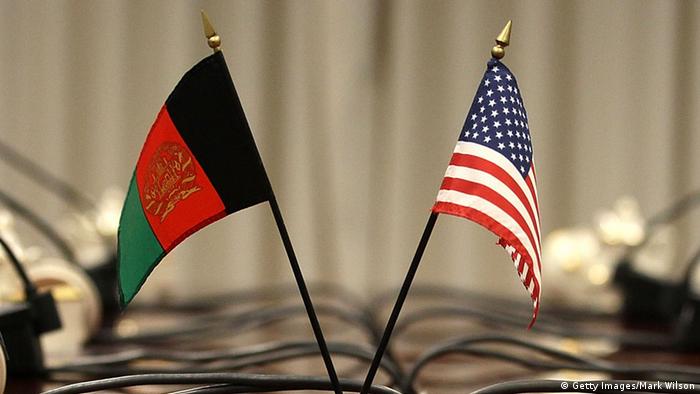
What does the US-Afghan security deal mean for bilateral ties?

In a move intended to mend frayed ties with the Unites States, a representative of the newly-inaugurated Afghan President Ashraf Ghani, and US Ambassador James Cunningham, signed the Bilateral Security Agreement (BSA) on Tuesday, September 30 at the presidential palace in Kabul. The deal allows the US to leave a small contingent of troops in the country beyond this year, when a NATO-led combat mission ends. The agreement became a sticking point in US-Afghan relations after President Hamid Karzai refused to sign it last year despite a "loya jirga" grand assembly endorsing the deal. Also inked was a similar agreement between Afghanistan and NATO. The new mission, named Resolute Support, will focus on training and support for the Afghan army and police as they take on an increasingly resilient insurgency. Troops from Germany, Italy and other NATO members will join a force of some 9,800 US soldiers, bringing numbers up to about 12,500. Scott Smith, director of the Afghanistan and Central Asia program at the United States Institute of Peace, says in a DW interview that signing the BSA is essentially the minimum condition for a future strategic partnership, which includes significant financial support. By doing so, the new government also reinforced its investment in this partnership.Afghanistan's new government has signed a long-delayed security deal with the US allowing Washington to leave some troops beyond 2014. Analyst Scott Smith speaks to DW about the implications of the deal for both nations.

DW: What does the signing of the BSA represent for Afghanistan?Scott Smith: At the very least, the signing of the BSA represents a restoration of confidence in the relations between the two countries. The US-Afghanistan relationship had deteriorated significantly during President Karzai's second term and his refusal to sign the BSA was only part of that deterioration. People knew that if the agreement was not signed, the US military commitment to Afghanistan would end, and this added to the general sense of uncertainty during a critical and difficult electoral year when, for the first time, someone other than Karzai would be president. Signing the BSA is essentially the minimum condition for a future strategic partnership, which includes significant financial support. By doing so, the new government also signaled that it is invested in this partnership.
What exactly does the BSA provide for?The BSA provides the legal basis for US troops to remain in Afghanistan. It also allowed the signing of a Status of Forces Agreement with the NATO-led International Security Assistance Force. These international forces that remain will not have a combat function as their mandate is to "train, advise, and assist" the Afghan security forces. Since June of last year, Afghan forces have been fully in the lead of combat operations. They have been supported by international forces in terms of receiving logistic support, medevac capabilities, and intelligence. But this support has dwindled. The US, for example, no longer provides medevac assistance.
More specifically, the BSA sets out rules of engagement for US troops and provides immunity for US troops from Afghan laws. The rules are more restrictive than in the previous agreement, which was negotiated more than a decade ago. Because of these more restrictive rules, the BSA is considered to be more respectful of Afghan sovereignty. Furthermore, President Obama announced in May that US troops would only remain until 2016. When the BSA was initially negotiated, the assumption was that US troops would remain in Afghanistan for another decade.
The BSA became a symbol of frayed US-Afghan ties. How did Karzai's stance impact bilateral ties?President Karzai surprised many people by refusing to sign the BSA, even though he had received a near-unanimous endorsement to sign it from the national assembly (loya Jirga) he convened specifically to seek guidance on whether it should be signed. This was indeed a sign of how difficult and, to some extent, bitter, relations had become between President Karzai and the US administration. I choose these words deliberately - most Afghans seemed to have wanted him to sign it, so it was not a symbol of frayed US-Afghan ties, but it was definitely a symbol of frayed US-Karzai ties. Karzai's refusal to sign it would have had a catastrophic effect on the bilateral relationship had the electoral dispute endured much longer. My personal view for his not wanting to sign it is that he had lost confidence in the military relationship with the US. As he said in his final speech, he believed the US had become a cause of conflict in Afghanistan, rather than a provider of stability, and therefore the responsibility for their presence should be assumed by his successor.
Some Afghans still oppose the BSA because they think it would undermine the country's sovereignty. What is your view on this?This may be the point of view of some, but I would not be surprised if many Afghans have come to adopt a more pragmatic view of sovereignty. In other words, they understand that it is difficult to exercise real sovereignty when your political class is divided, the state is under constant pressure from an insurgency, and neighbors are able to easily meddle in domestic political matters. Those who believe that a continued US presence will eventually help to strengthen state institutions and ensure the continued support for the Afghan national security forces may view this continued presence, in the medium term at least, as essential to attaining meaningful sovereignty, rather than declarations of sovereignty that are not much more than rhetoric.
What does the BSA entail in terms of financial aid?The NATO summit that was held in Wales in early September was perhaps more immediately relevant to financial aid. The participants pledged to continue to financially support Afghan security forces over the next ten years, but in decreasing amounts and under the assumption that Afghan authorities would make demonstrably effective efforts to ensure accountability. This agreement was reached before the BSA was signed. On the other hand, at a symbolic level, the presence of US troops in Afghanistan, as long as it lasts, will ensure that Afghanistan remains a top foreign policy issue for Washington. Afghans I have spoken to about this seem acutely aware that without US troops, Afghanistan might once again be quickly abandoned. For many, therefore, the important question was not necessarily how many troops would remain if the BSA were signed, but how long they would remain. From this perspective, the Obama announcement of a complete withdrawal by 2016 came as a disappointment.
How important is the BSA for the stability of the new Afghan government?The BSA is clearly perceived to be important for the new Afghan government, otherwise its signature would not have been one of the first acts of the new government. At the level of perception it provides some confidence that the international community will remain committed to Afghanistan's progress, and at the practical level it ensures that Afghan security forces will continue to be supported. In my view, a more flexible approach to the withdrawal timelines would have a positive effect on political stability. On the other hand, the fact that the administration of US President Barack Obama has not been ambiguous about its desire to remove all troops by 2016 sends a clear signal to Afghan political leaders that they cannot waste their energies on internal struggles; they must begin to create a government that is much more effective than it has been. It also sends a clear signal to Afghan military leaders that they have two years to prepare themselves to confront the insurgency alone, and that this time must be used wisely.
U.S., Afghanistan sign security pact to allow American forces to remain in country
By Sudarsan Raghavan

News Analysis: Pakistan eyes tension-free, strong relationship with Afghan new gov't
Pakistani leaders are hopeful to develop good neighborly relations with the new Afghan government as the years of tensions have proved unhelpful to effectively counter serious security challenges. In his farewell speech last week, former President Hamid Karzai blamed both the United States and Pakistan for the continuing war with the Taliban insurgents. This blame game continued for a long time over the cross-border shelling, lack of cooperation to jointly fight terrorism and alleged hideouts of the Taliban militants in both countries. The lack of trust harmed all efforts for reconciliation with the Afghan Taliban and Karzai admitted his failure to carry forward the reconcilary process. Karzai also pointed out that peace with the Taliban is not possible without the help of the U.S. and Pakistan. Cross-border attacks have caused a serious blow to bilateral relations and Afghan Foreign Minister Zarar Ahmad Osmani raised the issue of the alleged Pakistani "rocketing into Afghanistan" at his U.N. General Assembly's address last week. This shows a deterioration in bilateral relations, as Kabul preferred an international forum rather than using bilateral diplomatic channels. Kabul claims Pakistani rockets affect "civilians" in eastern Kunar province. Pakistan, however, denies it fired rockets into civilian areas and says its forces only target positions of the militants who attack Pakistani border posts. Karzai seemed to be upset at what he described as, "Pakistan' s lack of cooperation" to encourage the Taliban to enter into peace talks with his government. Islamabad, for its part, added that they do not have control over the Taliban and that it can only play the role of a facilitator. Pakistani officials insist they have freed over 50 Taliban detainees, including some senior leaders and former ministers, at the request of Karzai and his peace council to accelerate the reconciliation process, however, all the freed Taliban refused to join the intra-Afghan dialogue. For its part, Pakistan says it is disappointed at "Afghanistan' s failure to stop the Pakistani Taliban from entering the Afghan side of the border." Security officials insist that many Pakistani Taliban fighters who have fled to Afghanistan following military operations in the tribal regions and Swat valley, now operate from the Afghan border region. Afghanistan-based Pakistan Taliban insurgents are being blamed for cross-border attacks on check post and villages. Pakistan military spokespeople have claimed that the Afghan gov' t has not helped to stop fleeing militants from crossing the border from North Waziristan tribal region, where the security forces are battling local and foreign militants. Pakistani forces launched the biggest offensive in the region in June to flush out the militants from their last major sanctuary. Afghanistan itself and the U.S. had also been calling for the operation, as they claimed al-Qaeda and the Haqqani Network also had hideouts in North Waziristan. As political tensions had a negative impact on bilateral relations over the past 13 years, the two countries now have a good opportunity to bury the hatchet and deal with the post-NATO situation. Any instability in Afghanistan will directly affect Pakistan's fragile security situation. Pakistan made the wise decision to represent itself at the highest level in attending the swearing-in ceremony for President Ashraf Ghani on Monday. President Mamnoon Hussain was the only head of the state among the nearly 200 foreign guests who attended Afghanistan's historic first ever democratic transition. President Mamnoon Hussain held separate meetings with President Ashraf Ghani and Chief Executive Dr. Abdullah Abdullah and " conveyed Pakistan's commitment to working closely with the new government for the promotion of common goals," the Foreign Ministry said late Monday at the conclusion of his day-long visit to Kabul. "Underlining the importance Afghanistan attached to its relations with Pakistan, President Ashraf Ghani reiterated his perspective that both countries should have a 'special relationship,'" a Foreign Ministry statement said. Dr. Abdullah also expressed his desire for the new government to forge a cooperative and forward-looking relationship with Pakistan. Statements from the leadership of the two countries have raised hopes for a new tension-free beginning, as their cooperation could enable them to meet the ongoing serious security challenges they would be facing after the foreign troops withdraw from Afghanistan in less than three months.by Muhammad Tahir

SHOOTING OF PASTOR IN PAKISTAN HIGHLIGHTS GROWING CHRISTIAN PERSECUTION
By JORDAN SCHACHTEL

Pakistan: Origins of Baloch Insurgency
 Tariq Kakar
The true Origin of Baloch insurgency dates back to partition era when the Colonial masters decided to leave the Indian sub-continent and divided according to their will. According to the partition plan, India and Pakistan were independent while the princely states were allowed to join either of the newborn states or remain independent. Kalat declared its independence on 11 August 1947.This independence lasted 9 months and then the Kalat state was forcibly acceded to Pakistan. The Baloch retaliated and initiated insurgency plans under command of Prince Karim, younger brother of Khan of Kalat; Mir Ahmed Yar Khan, but it was curbed soon and prince Karim was imprisoned for 10 years. Four phases of insurgencies followed this event.
Tariq Kakar
The true Origin of Baloch insurgency dates back to partition era when the Colonial masters decided to leave the Indian sub-continent and divided according to their will. According to the partition plan, India and Pakistan were independent while the princely states were allowed to join either of the newborn states or remain independent. Kalat declared its independence on 11 August 1947.This independence lasted 9 months and then the Kalat state was forcibly acceded to Pakistan. The Baloch retaliated and initiated insurgency plans under command of Prince Karim, younger brother of Khan of Kalat; Mir Ahmed Yar Khan, but it was curbed soon and prince Karim was imprisoned for 10 years. Four phases of insurgencies followed this event.
Pakistan : Opposition leader Khurshid Shah suggests mid-term elections
 Opposition leader in the National Assembly Syed Khurshid Shah on Tuesday recommended holding of mid-term elections to resolve prevailing political crisis.
Talking to media in Islamabad, Khurshid Shah stated that it will be better for the system if Prime Minister Nawaz Sharif announces mid-term polls.
The PPP leader stated that it is not appropriate to force the premier on ‘going point’ to take this action.
We want survival of the system and parliament, he added.
Khurshid Shah suggested that investigation of election rigging should be carried out through the Supreme Court of Pakistan. He said opposition jirga should hold direct talks with the leadership of Pakistan Tehreek-e-Insaf (PTI) and ruling Pakistan Muslim League Nawaz (PML-N) to end the deadlock.
Shah said Nawaz Sharif is an constitutionally elected prime minister and he was felicitated by former president Asif Ali Zardari and PTI chief Imran Khan over his victory.
Thousands of anti-government protestors led by Imran Khan and Tahirul Qadri have staged sit-ins in the federal capital s Red Zone to oust Prime Minister Nawaz Sharif.
Imran Khan alleges the 2013 elections were rigged in a conspiracy led by nawaz Sharif, acting with the Election Commission, the judiciary, the interim provincial government in Punjab, and a private news channel. However, they have all denied the allegations.
Opposition leader in the National Assembly Syed Khurshid Shah on Tuesday recommended holding of mid-term elections to resolve prevailing political crisis.
Talking to media in Islamabad, Khurshid Shah stated that it will be better for the system if Prime Minister Nawaz Sharif announces mid-term polls.
The PPP leader stated that it is not appropriate to force the premier on ‘going point’ to take this action.
We want survival of the system and parliament, he added.
Khurshid Shah suggested that investigation of election rigging should be carried out through the Supreme Court of Pakistan. He said opposition jirga should hold direct talks with the leadership of Pakistan Tehreek-e-Insaf (PTI) and ruling Pakistan Muslim League Nawaz (PML-N) to end the deadlock.
Shah said Nawaz Sharif is an constitutionally elected prime minister and he was felicitated by former president Asif Ali Zardari and PTI chief Imran Khan over his victory.
Thousands of anti-government protestors led by Imran Khan and Tahirul Qadri have staged sit-ins in the federal capital s Red Zone to oust Prime Minister Nawaz Sharif.
Imran Khan alleges the 2013 elections were rigged in a conspiracy led by nawaz Sharif, acting with the Election Commission, the judiciary, the interim provincial government in Punjab, and a private news channel. However, they have all denied the allegations.
Pakistan: Too little too late?: 20 FC men deployed to guard bomb-wrecked refugee camp
 In the wake of a devastating bomb blast that killed at least eight people on Sunday, the district police deployed around 20 Frontier Constabulary (FC) officials at Khwaja Muhammad camp for internally displaced persons (IDP) in Hangu.
Hangu DPO Nazir Kundi, while talking to journalists, confirmed that IDPs housed in the camp were the main target. He said an FIR of the blast was registered at Saddar police station against unidentified militants under sections 302 and 324 of the Pakistan Penal Code and Section 7 of the Anti-Terrorism Act.
Kundi said FC officials were deployed inside and outside the camp, adding five more personnel could be stationed for added security. The DPO added four suspects had been rounded up from within the camp limits during a search operation after the blast and moved to an undisclosed location for interrogation.
Last rites
Grief-stricken relatives took the bodies of their loved ones to their hometown in Upper Orakzai Agency for burial. Camp residents said not a single political figure or government official visited to offer condolence or a shoulder to cry on.
Lal Badshah, whose seven and eight-year-old sons—Lal Wali and Sher Wali—were killed while playing in the makeshift camp market, said he had to take the bodies to his hometown early in the morning.
“We could not find a place to bury them in Hangu.”
Badshah said the loss of his two young sons had a devastating impact on him and his wife. He recalled they had only recently visited the market to buy clothes for Eidul Azha.
“Their mother is constantly looking at the clothes we bought them for Eid; she hasn’t stopped crying,” he added.
A bike bomb
According to DPO Kundi, a motorcycle was rigged with explosives and parked within the camp limits to cause “maximum damage”.
Around seven kilogrammes of explosives were used in the explosive device, bomb disposal unit official Asadullah told The Express Tribune. The attack spread further fear and panic among camp residents, who had recently been threatened by militants to vacate the premises.
“Not a single person living in the camp did anything which would provoke militants to attack us, yet we were targeted,” said Muhammad Sadiq, one of the people wounded in the blast. “We have to battle for survival even though we have nothing to do with this fight.”
Khyber-Pakhtunkhwa Chief Minister Pervez Khattak ordered an enquiry against the blast and directed senior officials to submit a detailed report. He also directed the police and district administration to launch a crackdown and contact the border authorities of Orakzai Agency.
On June 10, unidentified militants fired rockets and hurled grenades at the camp for IDPs from Orakzai in Hangu. The attack followed upon earlier threats asking IDPs to vacate by June 11.
In the wake of a devastating bomb blast that killed at least eight people on Sunday, the district police deployed around 20 Frontier Constabulary (FC) officials at Khwaja Muhammad camp for internally displaced persons (IDP) in Hangu.
Hangu DPO Nazir Kundi, while talking to journalists, confirmed that IDPs housed in the camp were the main target. He said an FIR of the blast was registered at Saddar police station against unidentified militants under sections 302 and 324 of the Pakistan Penal Code and Section 7 of the Anti-Terrorism Act.
Kundi said FC officials were deployed inside and outside the camp, adding five more personnel could be stationed for added security. The DPO added four suspects had been rounded up from within the camp limits during a search operation after the blast and moved to an undisclosed location for interrogation.
Last rites
Grief-stricken relatives took the bodies of their loved ones to their hometown in Upper Orakzai Agency for burial. Camp residents said not a single political figure or government official visited to offer condolence or a shoulder to cry on.
Lal Badshah, whose seven and eight-year-old sons—Lal Wali and Sher Wali—were killed while playing in the makeshift camp market, said he had to take the bodies to his hometown early in the morning.
“We could not find a place to bury them in Hangu.”
Badshah said the loss of his two young sons had a devastating impact on him and his wife. He recalled they had only recently visited the market to buy clothes for Eidul Azha.
“Their mother is constantly looking at the clothes we bought them for Eid; she hasn’t stopped crying,” he added.
A bike bomb
According to DPO Kundi, a motorcycle was rigged with explosives and parked within the camp limits to cause “maximum damage”.
Around seven kilogrammes of explosives were used in the explosive device, bomb disposal unit official Asadullah told The Express Tribune. The attack spread further fear and panic among camp residents, who had recently been threatened by militants to vacate the premises.
“Not a single person living in the camp did anything which would provoke militants to attack us, yet we were targeted,” said Muhammad Sadiq, one of the people wounded in the blast. “We have to battle for survival even though we have nothing to do with this fight.”
Khyber-Pakhtunkhwa Chief Minister Pervez Khattak ordered an enquiry against the blast and directed senior officials to submit a detailed report. He also directed the police and district administration to launch a crackdown and contact the border authorities of Orakzai Agency.
On June 10, unidentified militants fired rockets and hurled grenades at the camp for IDPs from Orakzai in Hangu. The attack followed upon earlier threats asking IDPs to vacate by June 11.
Pakistan : Three injured in attack on polio team in Gujranwala
The Express Tribune
Three people were injured on Tuesday when a polio team was attacked in Gujranwala, Express News reported. On August 31, the Gujranwala district health office had announced that a polio vaccination campaign would be launched on September 29. Despite the number of polio cases increasing with each passing day, the authorities have failed to put a concrete plan in place. Polio workers are frequently targeted in the country, while many parents refuse to let health workers administer polio drops to their children. For this year alone, the total number of reported polio cases stands at 174 in Pakistan - one of only three countries in the world where polio is still endemic.
Pakistan: Protecting our IDPs
Pakistan - Bilawal Bhutto to launch career from place where Benazir attacked in 2007

 Pakistan Peoples’ Party (PPP) Chairperson Bilawal Bhutto Zardari would restart the journey from the point where his mother, former prime minister Benazir Bhuuto’s caravan was attacked on October 18, 2007.
On the day PPP would hold a public gathering at the mausoleum of Quaid-i-Azam. Speaking after his party’s core committee meeting at the Bilawal House, former prime minister and senior PPP leader Yousaf Raza Gilani said the 2007 Karachi bombing occurred two months before Benazir was assassinated. The bombing resulted in more than 120 deaths and 425 injuries. Most of the dead were members of the PPP. “October 18 reminds us that the PPP leadership and it workers have always sacrificed their lives for democracy,” he stated. Earlier addressing the meeting, Bilawal Bhutto Zardari, who chaired the meeting, said that the PPP would again be made a party of the masses by mobilisation of the cadres across the country.
Gilani said Benazir returned for the restoration of constitution, independence of judiciary and media. “Even though she was warned of danger, but she followed the footsteps of her father Shaheed Zulfikar Ali Bhutto,” Gilani said. He said today the nation is looking towards the leadership of Bilawal and his decision is of prime importance. “Under the leadership of Bilawal, PPP would flourish and regain. The party would bring stability in the country and institutions would be strengthened.” The former premier said Bilawal would come with the vision of Benazir and Zulfikar Ali Bhutto.
Gilani said party office-bearers and workers had remained part of party. Asked if Bilawal’s apology to the party workers was not a charge sheet against the previous PPP government, the former premier replied diplomatically, saying “there is always room for improvement”. When asked whether Bilawal was referring to Pakistan Tehreek-e-Insaf (PTI) when he asked party workers not to move to other parties, Gilani explained that the statement had nothing to do with the PTI.
“As far as Imran Khan’s party is concerned, they have their own manifesto. They have never come to power before, whereas we have been there many times,” he said. also speaking on the occasion, former premier Raja Pervez Ashraf said people would see real reflection of his mother and his grandfather in Bilawal.
Pakistan Peoples’ Party (PPP) Chairperson Bilawal Bhutto Zardari would restart the journey from the point where his mother, former prime minister Benazir Bhuuto’s caravan was attacked on October 18, 2007.
On the day PPP would hold a public gathering at the mausoleum of Quaid-i-Azam. Speaking after his party’s core committee meeting at the Bilawal House, former prime minister and senior PPP leader Yousaf Raza Gilani said the 2007 Karachi bombing occurred two months before Benazir was assassinated. The bombing resulted in more than 120 deaths and 425 injuries. Most of the dead were members of the PPP. “October 18 reminds us that the PPP leadership and it workers have always sacrificed their lives for democracy,” he stated. Earlier addressing the meeting, Bilawal Bhutto Zardari, who chaired the meeting, said that the PPP would again be made a party of the masses by mobilisation of the cadres across the country.
Gilani said Benazir returned for the restoration of constitution, independence of judiciary and media. “Even though she was warned of danger, but she followed the footsteps of her father Shaheed Zulfikar Ali Bhutto,” Gilani said. He said today the nation is looking towards the leadership of Bilawal and his decision is of prime importance. “Under the leadership of Bilawal, PPP would flourish and regain. The party would bring stability in the country and institutions would be strengthened.” The former premier said Bilawal would come with the vision of Benazir and Zulfikar Ali Bhutto.
Gilani said party office-bearers and workers had remained part of party. Asked if Bilawal’s apology to the party workers was not a charge sheet against the previous PPP government, the former premier replied diplomatically, saying “there is always room for improvement”. When asked whether Bilawal was referring to Pakistan Tehreek-e-Insaf (PTI) when he asked party workers not to move to other parties, Gilani explained that the statement had nothing to do with the PTI.
“As far as Imran Khan’s party is concerned, they have their own manifesto. They have never come to power before, whereas we have been there many times,” he said. also speaking on the occasion, former premier Raja Pervez Ashraf said people would see real reflection of his mother and his grandfather in Bilawal.
Bilawal Bhutto - Apology and after
In an open letter, he has apologised to those who may have reason to part ways with the PPP and has asked the disillusioned to stay put a while longer, making it incumbent upon himself and Asif Ali Zardari to take some drastic steps towards the party’s revival. The PPP has not only been reduced to a regional party, more or less confined to Sindh, its support is considered emotionally inspired. It has drawn widespread criticism for not keeping pace with the people who have far more at stake today than backing a political party purely out of their love for the ‘martyrs’ the party has produced. Declaring one’s intention to take up where Ms Benazir Bhutto left off can only be meaningful if the PPP is willing to back its words with reorganisation along practical, result-oriented lines all over the country. The old stories about how the PPP once swayed Pakistanis across various divides are now mere opium that can only make those at the party’s helm oblivious to the current realities. It was easier for the PPP in the 1960s during the years leading to its founding. The repair now is a much more sensitive job, not least because others have been more inventive and mobile than the PPP, and the debate about whether or not they have moved in the right direction is a luxury which Bilawal Bhutto Zardari cannot afford at the moment. The simple reality is that the people have found themselves choices and a new force to challenge the long-time PPP opponent — the PML-N — that had over all these decades provided an automatic justification for the existence of the PPP. The PTI is a challenge to grapple with. Imran Khan appears to have eaten deep into the PPP support base particularly in Punjab comprising anti-PML-N pockets — and the PPP’s policy of playing the appendage of PML-N is further harming its cause. To say that apologies are solutions would be as futile as dismissing this message by the PPP chairman as an instrument of surrender. For whatever it is worth, his letter does provide broad lines of policy and identifies the PPP with the ‘left-wing’ forces. It falls short of stating the obvious about who controls the politics in the country, but at the same time does promise resistance to “right-wing parties” that “appease” the extremists. For practical reasons, the edgy PPP jiyala would be hoping that these appeasers in the new party rule book would include both the PTI and PML-N. Though this is a dangerous course, this ideological focus is as crucial to Bilawal Bhutto Zardari and his party’s rise as to the effort to organise at the grass roots.PPP Chairman Bilawal Bhutto Zardari’s message to party workers and followers is reminiscent of the sentiments of a general who is striving to keep his troops together for the next battle.
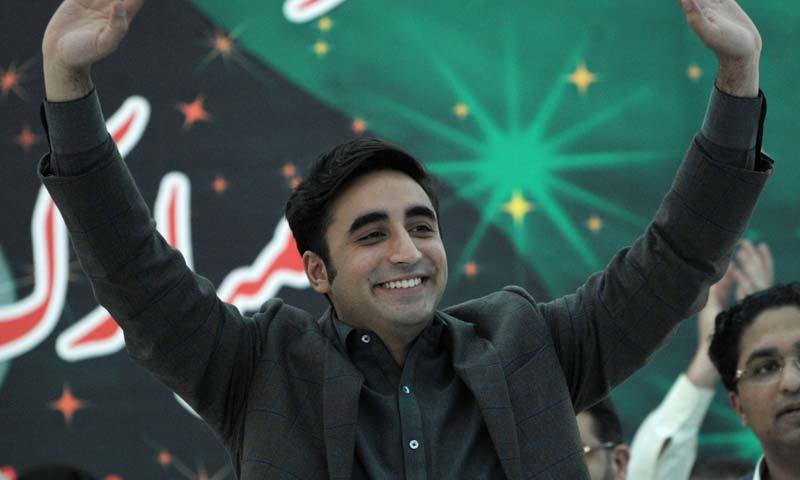
Pakistan: 16,000 children missed out in polio drive due to parents’ refusal
Though a nationwide campaign to vaccinate 34.16 million children started on Monday, 16,757 children could not be vaccinated in Peshawar city on the first day because of refusal by their parents. However, National Manager Expanded Programme on Immunisation (EPI) Dr Rana Safdar said data about the parents had been collected and these children would be vaccinated by involving influential personalities of the city. Secretary Ministry of National Health Services (NHS) Ayub Ahmed Sheikh inaugurated the control centre at the EPI building here. The centre is the initial form of the emergency operation cell (EOC) recommended by the Independent Monitoring Board (IMB) which works on behalf of the international donor agencies. The EOC will be operating at the federal and provincial level to collect real-time data from the field and ensure a quick response. Mr Sheikh said 38.26 million doses of vaccine had been supplied to the provinces for the campaign. “The federal government is fully committed to ensuring support to the provinces to reach out to each and every child during the campaign,” he said. However, by evening, data gathered by the control centre became shocking. An official of the ministry, requesting not to be identified, said in Peshawar due to security reasons the polio campaign was reduced to just one day. He said past experiences had shown that polio teams were usually attacked on the second or third day of the campaigns. “During the one-day campaign in Peshawar, 84 per cent children (635,378 out of 754,383) were vaccinated while 28,934 children were not available at their addresses. But the shocking thing was that 16,757 children could not be covered because their parents refused to vaccinate them,” he said. Dr Rana Safdar, while talking to Dawn, said the refusal cases were not unusual. “Out of the 97 union councils (UCs) in Peshawar, 45 have been declared high security risk areas. So only one-day campaign was launched there. However, there will be two catch-up days during which we will try to vaccinate the children which could not be covered,” he said. “The data on children is available; now it will be analysed to ascertain their tribe, language and school of thought. After that, influential personalities of the area will be involved to vaccinate the children. The number of refusal cases will be reduced in the catch-up phase,” he claimedBy Ikram Junaidi
Pakistan: PPP to hold public meeting in Karachi on October 18: Gilani
 The Pakistan Peoples Party (PPP) would hold a public meeting at Mazar-e-Quaid in Karachi on October 18, the party’s leader and the former Prime Minister Syed Yousaf Raza Gilani said on Monday.
Gilani was briefing newsmen along with other party leaders after core committee meeting of the PPP in Karachi on Monday afternoon.
The former prime minister said that the PPP workers and leaders rendered great sacrifices for the cause of democracy.
The sources said that it was decided in the PPP core committee meeting that the party would launch mass contact campaign from October 18.
The meeting decided that the PPP would hold public meetings in all provincial capitals as part of its mass contact program.
The Pakistan Peoples Party (PPP) would hold a public meeting at Mazar-e-Quaid in Karachi on October 18, the party’s leader and the former Prime Minister Syed Yousaf Raza Gilani said on Monday.
Gilani was briefing newsmen along with other party leaders after core committee meeting of the PPP in Karachi on Monday afternoon.
The former prime minister said that the PPP workers and leaders rendered great sacrifices for the cause of democracy.
The sources said that it was decided in the PPP core committee meeting that the party would launch mass contact campaign from October 18.
The meeting decided that the PPP would hold public meetings in all provincial capitals as part of its mass contact program.
Subscribe to:
Posts (Atom)