A small but steady flow of money to ISIS from rich individuals in the Gulf continues, say current and former U.S. officials, with Qataris the biggest suppliers. These rich individuals have long served as "angel investors," as one expert put it, for the most violent militants in the region, providing the “seed money” that helped launch ISIS and other jihadi groups. No one in the U.S. government is putting a number on the current rate of donations, but former U.S. Navy Admiral and NATO Supreme Commander James Stavridis says the cash flow from private donors is significant now and was even more significant in the early fund-raising done by ISIS and al Qaeda’s affiliate in Syria, the al-Nusrah Front. "These rich Arabs are like what 'angel investors' are to tech start-ups, except they are interested in starting up groups who want to stir up hatred," said Stavridis, now the dean of the Fletcher School of Diplomacy at Tufts University. "Groups like al-Nusrah and ISIS are better investments for them. The individuals act as high rollers early, providing seed money. Once the groups are on their feet, they are perfectly capable of raising funds through other means, like kidnapping, oil smuggling, selling women into slavery, etc." Stavridis and other current U.S. officials suggest that the biggest share of the individual donations supporting ISIS and the most radical groups comes from Qatar rather than Saudi Arabia, and that the Qatari government has done less to stop the flow than its neighbors in Saudi Arabia and the United Arab Emirates. One U.S. official said the Saudis are "more in line with U.S. foreign policy" than the Qataris. Groups like ISIS and al-Nusrah employ fundraisers who meet with wealthy Sunni Arabs. Most of the Arab states have laws prohibiting such fundraising, but U.S. officials say the Qataris do not strictly enforce their laws. A U.S. intelligence official said the amount provided by wealthy individuals is small relative to the group’s other sources, but admitted that the flow continues. “Although ISIS probably still receives donations from patrons in some of the Gulf countries," said the official, “any outside funding represents a small fraction of ISIS’s total annual income.” The U.S. believes ISIS is taking in about $1 million a day from all sources. The largest source of cash now, say U.S. officials, is oil smuggling along the Turkish border, with ISIS leaders willing to sell oil from conquered Syrian and Iraqi fields for as little as $25 a barrel, a quarter of the going world price. Other previously lucrative sources, like kidnapping for ransom, are not what they once were. As one U.S. official put it, "there are only so many rich Syrian businessmen." Similarly, there are fewer banks to loot. Adm. Stavridis, author of the forthcoming book "Accidental Admiral," suggests that the U.S. must cut off as much funding as it can, calling cash flow the "fourth front" in the war against ISIS, along with helping the Kurdish Peshmerga and the Iraqi military and carrying out a bombing campaign. As long ago as last March, before ISIS's military advances, a senior Treasury Department official spoke publicly about "permissive jurisdictions" that were allowing fundraising on behalf of ISIS and other groups. "A number of fundraisers operating in more permissive jurisdictions -- particularly in Kuwait and Qatar -- are soliciting donations to fund extremist insurgents, not to meet legitimate humanitarian needs,” said Daniel Cohen, undersecretary for terrorism and financial intelligence. "The recipients of these funds are often terrorist groups, including al Qaeda’s Syrian affiliate, al-Nusrah Front, and the Islamic State of Iraq and the Levant [ISIS]." David Phillips, a former senior advisor to the State Department on Iraq and now director of the Program on Peace-building and Rights at Columbia University, said the bottom line, financially and politically, is that "wealthy Arabs are playing a dirty double game. “ “Their governments claim to oppose ISIS,” he said, “while individuals continue funding terrorist activities." The financial help from "rich patrons," as U.S. intelligence calls them, was also noted this week by Iranian officials, who have been excluded from participating in anti-ISIS discussions. High-ranking officials complained publicly Wednesday about the early role of Arab states in building opposition to the Assad regime to Syria, and blamed them for the consequences. On Wednesday, Iranian Foreign Minister Mohammed Javad Zarif, in comments to the Council of Foreign Relations, said it was not realistic to expect those who have helped fund ISIS and other groups to now oppose them. Zarif called the recently convened Paris conference on fighting ISIS a "coalition of repenters" who are only now seeing that they have created a monster. The Gulf states were among the countries attending the summit. "Most participants in that -- in that meeting in one form or another provided support to ISIS in the course of its creation and upbringing and expansion, actually at the end of the day, creating a Frankenstein that came to haunt its creators," Zarif told the CFR. "So this group has been in existence for a long time. It has been supported, it has been provided for in terms of arms, money, finances by a good number of U.S. allies in the region." In an interview earlier the same day with Ann Curry of NBC News, Iranian President Hassan Rouhani was just as emphatic, asking a string of rhetorical questions. "Who financed them? Who provided them with money? It's really clear -- where do the weapons come from?" asked Rouhani. "The terrorists who have come from all the countries, from which channel [did they enter], where were they trained, in which country were they trained? I don't think it is somehow difficult to identify this information.” But U.S. officials suggest that as the group has expanded -- and its range of enemies has broadened – so have its costs, which could make the group vulnerable. "Is [the ISIS financial model] sustainable?" asked Stavridis. "The bigger they get, is that their downfall?" The Qatari Embassy in Washington did not immediately respond to requests for comment. Qatar has previously strongly denied supporting ISIS "in any way," including funding. http://www.nbcnews.com/storyline/isis-terror/whos-funding-isis-wealthy-gulf-angel-investors-officials-say-n208006BY ROBERT WINDREM
Sunday, September 21, 2014
Who's Funding ISIS? Wealthy Gulf 'Angel Investors,' Officials Say

Afghanistan: UN welcomes signing of agreement on unity government
http://www.un.org/After months of uncertainty, the United Nations has welcomed the agreement signed today by Afghanistan's two presidential candidates, Abdullah Abdullah and Ashraf Ghani Ahmadzai, to establish a government of national unity as an important step to move the country towards a period of stability. “The uncertainty of the past months has taken a heavy toll on Afghanistan's security, economy and governance, said Special Representative of the Secretary-General, Ján Kubiš, who formally witnessed the signing. “For the sake of the country it is time to quickly implement the agreement on a government of national unity. The United Nations remains committed to supporting a new government in Afghanistan,” he added in a statement issued early this morning in Kabul from the UN Assistance Mission in Afghanistan, which he also heads. Just a few days ago, during his final briefing to the Security Council as UNAMA chief, Mr. Kubiš said via videoconference that amid a UN-supervised audit of the 4 June run-off poll, the months-long political deadlock between the two candidates posed “real risks for the future.” “There is quite simply no better way forward other than a government of national unity led by an elected President, as certified by the Independent Election Commission,” he said. Mr. Kubiš stressed that “I continue to emphasize that in a government of national unity there will be no losers – only partners.”
Statement by the Press Secretary on Signing of a Political Agreement Regarding the Electoral Crisis in Afghanistan
 The United States applauds presidential candidates Dr. Abdullah Abdullah and Dr. Ashraf Ghani for signing an agreement on the formation of a government of national unity. Signing this political agreement helps bring closure to Afghanistan’s political crisis, and restores confidence in the way forward. We support this agreement and stand ready to work with the next administration to ensure its success.
As the two Afghan candidates recognized in their August 8 Joint Declaration, the people of Afghanistan deserve an effective and legitimate government to realize a better future for their country. Millions of Afghans braved insecurity and threats to vote for Dr. Abdullah and Dr. Ghani, and this agreement respects the Afghan people’s collective determination. Reaching this agreement required difficult choices, partnership and compromise on the part of both candidates, and the outcome of their talks prioritizes the recognized needs of the Afghan nation ahead of politics or individual power.
This agreement marks an important opportunity for unity and increased stability in Afghanistan. We continue to call on all Afghans – including political, religious, and civil society leaders -- to support this agreement and to come together in calling for cooperation and calm.
Respect for the democratic process is the only viable path for Afghanistan to continue its progress toward a secure and stable future, and ensure the continued support of the United States and the international community. We look forward to resolution of the electoral process with the announcement of the election outcome, the inauguration of a new President and appointment of a Chief Executive, and the conclusion of the Bilateral Security Agreement and NATO Status Of Forces Agreement that will enable and reinforce our strategic partnership and our commitment to support a future of stability for Afghanistan.
The United States applauds presidential candidates Dr. Abdullah Abdullah and Dr. Ashraf Ghani for signing an agreement on the formation of a government of national unity. Signing this political agreement helps bring closure to Afghanistan’s political crisis, and restores confidence in the way forward. We support this agreement and stand ready to work with the next administration to ensure its success.
As the two Afghan candidates recognized in their August 8 Joint Declaration, the people of Afghanistan deserve an effective and legitimate government to realize a better future for their country. Millions of Afghans braved insecurity and threats to vote for Dr. Abdullah and Dr. Ghani, and this agreement respects the Afghan people’s collective determination. Reaching this agreement required difficult choices, partnership and compromise on the part of both candidates, and the outcome of their talks prioritizes the recognized needs of the Afghan nation ahead of politics or individual power.
This agreement marks an important opportunity for unity and increased stability in Afghanistan. We continue to call on all Afghans – including political, religious, and civil society leaders -- to support this agreement and to come together in calling for cooperation and calm.
Respect for the democratic process is the only viable path for Afghanistan to continue its progress toward a secure and stable future, and ensure the continued support of the United States and the international community. We look forward to resolution of the electoral process with the announcement of the election outcome, the inauguration of a new President and appointment of a Chief Executive, and the conclusion of the Bilateral Security Agreement and NATO Status Of Forces Agreement that will enable and reinforce our strategic partnership and our commitment to support a future of stability for Afghanistan.
Afghan Elections Panel Names Ghani President
Afghanistan’s election commission on Sunday pronounced Ashraf Ghani the winner of the country’s presidential election, but it withheld an announcement of the total votes won, despite an exhaustive and costly audit process overseen by the United Nations and financed by the American government.By ROD NORDLAND


Bilawal Bhutto cancels his birth day functions


Afghanistan: Candidates Sign National Unity Government Agreement

After a prolonged electoral stalemate, presidential candidates Abdullah Abdullah and Ashraf Ghani Ahmadzai finally signed the National Unity Government agreement at the Presidential Palace on Sunday noon.President Hamid Karzai, prominent political figures and members of both electoral teams were present at the ceremony. Speaking at the event, President Karzai congratulated the candidates on signing the agreement, calling it an “Afghan agreement.” “We hope that you [the candidates] can continue the things that the current government started,” Karzai added. Soon after the agreement was signed, the White House, in a press release, applauded the formation of the national unity government. “Signing this political agreement helps bring closure to Afghanistan’s political crisis, and restores confidence in the way forward. We support this agreement and stand ready to work with the next administration to ensure its success,” the statement read. “Reaching this agreement required difficult choices, partnership and compromise on the part of both candidates, and the outcome of their talks prioritizes the recognized needs of the Afghan nation ahead of politics or individual power,” it added. This is while the Independent Election Commission (IEC) officials is expected to announce the final election results later today. Reports indicate that the announcement will not declare any “winners or losers.”
Minorities have no choice in Pakistan
 Sitting on the top roof of the four stories building in the capital, a man roared that if you uttered a single word from your mouth I will send you directly into the hell. There were four people from three different faiths, Sunni, Shia and a Christian. It can happen only in Pakistan that Sunni Muslim can use rough language about others but they are not ready to listen against themselves, because they are in power. Religion should not be the state’s business; I am sorry, but it’s clear that your religion is not your personal matter. It is the matter for all of us to interfere in, as and when we feel necessary or find a choice.
The recent attack on the Sikh community of Peshawar and on an Ahmadi community in Gujranwala has given out a clear message to minorities that Pakistan is not for them. Harjeet Singh, 30, was present in his grocery shop in Nothia Bazar of Peshawer, when two unknown assailants on a motorcycle opened fire on him and killed him on the spot.
It’s clear message to all minorities that they don’t have right to practice their religion or sect either or to run their business for their livings. If you did so, you better ready for an army of so called preachers deliberately enforcing a religious polemic argument on you. It makes no difference, how patriotic you feel for Pakistan, you will always stay an American or Zionist agent. Although it is fact, American or Jews least bother about Pakistani Christians. Taliban have already given warning to the people of Chitral valley (heretics) to either convert to Islam or ready to die. Few months back, three Hindu temples were desecrated in Mir Pur Khas district. Earlier this year, in Larkana, the heart of Pakistan Peoples Party, a mob looted a Hindu temple before setting it ablaze. After the attack on Peshawar Church last year, Taliban made it quite clear that the attacks were exactly according to Sharia. Religious extremists looted the houses in Joseph Colony, Lahore before setting it ablaze. Asia Bibi, Sawan Masih and Christian couple (Shagufta Bibi and Shafqat Emmanuel) in Gojra is sentenced to death. And all it started with Christians allegedly framed a blasphemy case.
Killing of Christian family in Gojra including small kids and burning of the 100 years old church in Mardan were some chilling events that can’t be forgotten. Even, the sizable Shia community faces the same fate as other minorities do. Shias are killed on regular basis in the country. People are pulled down from the buses, identified and they are mercilessly massacred.
It’s again pathetic when we see that neither Pakistani Christian organizations like CLAAS etc or international community step forward to protect Christian rights. Some so called social activists are active for their vested interest on the name of protecting Pakistani Christians. Sorry to say, but this is not a country for minorities, you better leave. But how come, it is possible neither European nor other Christian countries welcome Pakistani Christians. We are left here to suffer and suffer no bright future for children but stiff environment around.
Sitting on the top roof of the four stories building in the capital, a man roared that if you uttered a single word from your mouth I will send you directly into the hell. There were four people from three different faiths, Sunni, Shia and a Christian. It can happen only in Pakistan that Sunni Muslim can use rough language about others but they are not ready to listen against themselves, because they are in power. Religion should not be the state’s business; I am sorry, but it’s clear that your religion is not your personal matter. It is the matter for all of us to interfere in, as and when we feel necessary or find a choice.
The recent attack on the Sikh community of Peshawar and on an Ahmadi community in Gujranwala has given out a clear message to minorities that Pakistan is not for them. Harjeet Singh, 30, was present in his grocery shop in Nothia Bazar of Peshawer, when two unknown assailants on a motorcycle opened fire on him and killed him on the spot.
It’s clear message to all minorities that they don’t have right to practice their religion or sect either or to run their business for their livings. If you did so, you better ready for an army of so called preachers deliberately enforcing a religious polemic argument on you. It makes no difference, how patriotic you feel for Pakistan, you will always stay an American or Zionist agent. Although it is fact, American or Jews least bother about Pakistani Christians. Taliban have already given warning to the people of Chitral valley (heretics) to either convert to Islam or ready to die. Few months back, three Hindu temples were desecrated in Mir Pur Khas district. Earlier this year, in Larkana, the heart of Pakistan Peoples Party, a mob looted a Hindu temple before setting it ablaze. After the attack on Peshawar Church last year, Taliban made it quite clear that the attacks were exactly according to Sharia. Religious extremists looted the houses in Joseph Colony, Lahore before setting it ablaze. Asia Bibi, Sawan Masih and Christian couple (Shagufta Bibi and Shafqat Emmanuel) in Gojra is sentenced to death. And all it started with Christians allegedly framed a blasphemy case.
Killing of Christian family in Gojra including small kids and burning of the 100 years old church in Mardan were some chilling events that can’t be forgotten. Even, the sizable Shia community faces the same fate as other minorities do. Shias are killed on regular basis in the country. People are pulled down from the buses, identified and they are mercilessly massacred.
It’s again pathetic when we see that neither Pakistani Christian organizations like CLAAS etc or international community step forward to protect Christian rights. Some so called social activists are active for their vested interest on the name of protecting Pakistani Christians. Sorry to say, but this is not a country for minorities, you better leave. But how come, it is possible neither European nor other Christian countries welcome Pakistani Christians. We are left here to suffer and suffer no bright future for children but stiff environment around.
Punjabi Taliban to join hands with Haqqani network

Amir MirAsmatullah Muavia’s announcement to cease militancy inside Pakistan and redirect it to the neighbouring Afghanistan has caused deep worries in Islamabad’s diplomatic circles, amid ongoing efforts by the Punjabi Taliban to relocate themselves along with the Haqqanis and to join hands with them in their cross-border ambushes. The ameer of the al-Qaeda-linked Punjabi Taliban has already announced on September 12 that his group would abandon insurgent activities inside the country and redirect its energies towards the neighbouring Afghanistan. “We will confine our practical jihadi role to Afghanistan due to deteriorating situation in the region and internal situation of Pakistani jihadi movement,” said the Punjabi Taliban’s chief Asmatullah Muavia in a video message. He said his faction would operate in Afghanistan under the guidance of Mullah Omar, the spiritual leader of the Afghan Taliban, while its activities in Pakistan will be restricted to preaching Islam and Shariah. He justified jihad against the foreign forces, saying they were occupying Afghanistan.” The announcement came three months after the start of the Operation Zarb-e-Azb in North Waziristan which had become a haven for the Pakistani Taliban and al-Qaeda-linked jihadis. Ten days after the operation was launched, the Pakistan Army had announced on June 25, 2014 that the Haqqani network was also a target of the military offensive in North Waziristan, being a terrorist group. “For the security forces, there will be no discrimination among the TTP groups or the Haqqani militant network. All the terrorist groups are going to be eliminated”, said DG ISPR Major General Asim Bajwa during a briefing at the GHQ. However, the diplomatic community in Islamabad disputes the claim that the offensive in North Waziristan is directed against all the groups without discrimination. In fact, they alleged that the leadership and the fighters of the Haqqani network were relocated to the Kurram Agency in the Federally Administered Tribal Areas (Fata) of Pakistan before the operation was launched. During the Soviet-Afghan war of the 1980s, Kurram was a key safe haven for the anti-Soviet Mujahideen who used it as a launching pad to attack the Russian forces in neighbouring Afghanistan. The Haqqani network, which is still viewed by the Pakistani security establishment as a strategic asset (to be used in the post withdrawal Afghanistan), already had substantial presence in various parts of the Kurram Agency ever since the Pakistan Army launched Operation Koh-e-Sufaid there in July 2011 to suppress anti-Shia uprising. While the ISPR spokesman was not available for comments, an army official refuted (on the condition of anonymity) reports that the Pakistani establishment had been involved in relocating Haqqanis to the Upper Kurram region in Mengal tribe areas of Shalozan, Narai, Muqbal, and Shapo before the launching of the North Waziristan operation after imposing curfew in the Agency. He insisted that Operation Zarb-e-Azb was a battle for the survival of Pakistan and the armed forces were proceeding against all the terrorist groups in North Waziristan, including the Haqqani network, without any discrimination. But well-informed diplomats in Islamabad insist while requesting anonymity that the Haqqani network had been shifted to the Kurram Agency because of multiple reasons, the foremost being its strategic location, which provides an ideal passage to Afghanistan and allows greater freedom of movement. Secondly, Kurram, despite being located onthe Pak-Afghan border, hasn’t been a common target of the US drone strikes which had killed many key Haqqani group leaders in North Waziristan. According to these circles, as things stand, the Shalozan area in Kurram Agency seems to be the new headquarters of the Haqqani network as it is strategically placed in the foothills of the Koh-e-Sufaid and gives its fighters quick access to Kabul. The diplomatic circles say preserving the Haqqanis despite international pressure to dismantle their network from Pakistan clearly shows zero change in the establishment’s Afghan policy, especially when Mullah Mohammad Omar’s Quetta Shura also remains outside the scope of the ongoing operation. But an even more disturbing development for them is the September 12 announcement by the Punjabi Taliban’s chief Asmatullah Muavia to stop militancy in Pakistan and redirect it to the neighbouring Afghanistan. The development came amid reports that having abandoned North Waziristan, many of the Punjabi Taliban fighters who still want to wage jihad, are in the process of relocating themselves to the Kurram Agency along with the Haqqanis with a view to back them in their cross-border ambushes. Reacting to Asmatullah Muavia’s announcement of parting of ways with the Pakistani Taliban, TTP’s Commander Abu Baseer has alleged in a statement that the ameer of the Punjabi Taliban was a mole of the intelligence agencies who is advancing their agenda. Muavia, who was affiliated with the Jaish-e-Mohammad and the Lashkar-e-Jhangvi in the past, was expelled from the TTP in August 2013 for unilaterally welcoming Prime Minister Nawaz Sharif’s offer of peace talks, without waiting for the approval of the central leadership. The TTP circles say Muavia’s change of heart was the outcome of a deal which may grant him amnesty despite his involvement in some bloody terrorist activities in the past. A day after Muavia’s announcement to shift the focus of activities to Afghanistan, the Afghan foreign ministry summoned Pakistan’s Charge d’Affaires in Kabul Muazzam Shah and conveyed Kabul’s deep concern. The head of the political affairs in the Afghan foreign affairs ministry Abdul Samad said Afghanistan is suffering from the activities of terrorist groups, which are being funded, equipped and trained by Pakistani intelligence agencies, adding that the use of terrorism as a political tool is not in the interest of any nation. In a previous statement issued five weeks after the launching of Operation Zarb-e-Azb, the National Directorate of Security (NDS) - which is the Afghan intelligence agency - had stated on July 23, 2014 that the Pakistani military offensive in North Waziristan did not have any effect on any of the terrorist networks, including the Haqqani Network. NDS spokesman Haseeb Sediqi told reporters in Kabul that one of the most important terrorist networks - Haqqani Network - remains safe from the offensive as the network leaders have been taken to safe locations along with several leaders from other terrorist networks. He said the NDS has received intelligence information which shows that the Haqqani network leaders were shifted to Kurram, Quetta, Karachi and even Islamabad two weeks before the offensive was launched. Approached for comments, a former chief of the ISI in Punjab, Brigadier (Retd) Aslam Ghumman, strongly refuted the Afghan intelligence agency’s claim that the Haqqani network remains safe from the North Waziristan operation because its leaders had been relocated to safer locations. “The Pakistani security establishment has learnt the lesson from its involvement in the Afghan jihad - having raised 40,000 militants to fight out the Russian occupation forces. As Pakistan continues to suffer the blowback of the past follies, it can’t simply afford protecting or nourishing any more jihadi Frankenstein. The truth is that the Pakistani establishment wants to secure its borders with Afghanistan. And we can’t achieve this objective by interfering in Afghanistan. If we interfere there, they will react by interfering here. Therefore, we don’t want to interfere in Afghanistan, which is our brotherly Islamic country. And the decision makers in Afghanistan should also understand that their ultimate friend is Pakistan and not India which is using their soil to create problems for Pakistan”, observed the former ISI official. However, as the Pakistani security forces keep advancing in North Waziristan after uprooting the Taliban, it has transpired the Haqqani network had been running training camps for suicide bombers in North Waziristan who were dispatched to Afghanistan. This became evident in the second week of July when the Pakistan Army finally entered the Serai Darpakhel area, almost a month after the operation was launched. The security forces discovered five suicide bombing facilities owned and operated by the Haqqani network in Serai Darpakhel, which was frequented by would-be-bombers in their teens and twenties; Afghans and Mehsuds mostly. Plastered on the walls of these training facilities were white banners inscribed with Kalma and beneath it ‘the Islamic Emirate of Afghanistan.’ As Zarb-e-Azb continues to unfold, it seems that the Pakistani establishment is still in no mood to abandon the Haqqanis, which are its best and most lethal bet against Kabul. There were clear signs of tensions between the Haqqani leadership and the Pakistani establishment when unknown gunmen assassinated Commander Sirajuddin Haqqani’s younger brother, Naseeruddin Haqqani, in Islamabad in November 2013, a few days after Hakeemullah Mehsud was droned to death. However, “things” are back to normal between the two allies after the Haqqanis assured their ‘hosts’ that they won’t support the TTP in future. In return, the Haqqanis were given a safe passage before the start of the operation in North Waziristan. However, Brigadier (Retd) Aslam Ghumman insisted that the Pakistani establishment would not allow any militant group to carry out any terrorist activity from the Pakistani side of the border in Afghanistan, be it the Haqqani network, the Afghan Taliban, the TTP or the Punjabi Taliban. “We don’t want any hostility or enmity with Afghanistan because it will eventually hurt Pakistan”, the former ISI official added.
http://www.thenews.com.pk/Todays-News-2-273284-Punjabi-Taliban-to-join-hands-with-Haqqani-network
Video Report : ' د فاټا لپاره د ګلګت بلتستان او کشمیر غوندې حثیت غواړو'
له قبایلي سیمې فاټا څخه د پاکستان پارلمان کې د باجوړ قامي اسمبلۍ غړی شهاب الدین خان او د خېبر قامي اسمبلۍ غړی شادي ګل وايي، چې فاټا ته دې هم د ګلګت بلتستان او کشمیر غوندې اییني او قانوني حثیت ورکړل شي. د پاکستان پارلمان ودانۍ مخې ته د مشال راډیو خبریال ریاض موسا خېل مرکه ورسره کړې.
TTP sanctuaries in Afghanistan
 Following an attack on a security post in North Waziristan, in which four soldiers lost their lives, Pakistan Foreign Office summoned the deputy chief of the Afghan embassy on Wednesday to hand him a demarche. Foreign Office later issued a statement saying "serious concerns were conveyed to the Afghan side on the developing threats from the recently-established sanctuaries across the border in Khost and Paktika provinces." The protest note comes in the wake of reports that TTP and affiliated militants escaping from the ongoing military operation in North Waziristan had established sanctuaries in two Afghan provinces to launch cross-border attacks like the one on the security post. After 11 of them killed in the clash with soldiers some 100 terrorists fled back across the border. There is no sane reason for Kabul to harbour these terrorists.
Notably, at the outset of Zarb-e-Azb Pakistan had requested Kabul to take action on its side of the border to eliminate fleeing terrorists. Instead, as FO statement notes, they have been allowed to set up sanctuaries. Earlier, the Swat militant leader Mullah Fazlullah who now heads the TTP, was allowed to use Kunar and Nuristan provinces to carry out terrorist activities in this country. The excuse then was that since the Afghan Taliban, in particular the powerful Haqqani network, were camped in North Waziristan from where they launched attacks into Afghanistan, Pakistan should not expect Afghan security forces to do anything about Mullah Fazlullah and his men operating from Kunar and Nuristan. Even if the excuse had validity in the past, it is impertinent at present in view of the fact that Pakistan's security forces are carrying out a comprehensive military operation in North Waziristan. The Haqqanis are not there. And to address any lingering misgivings, a while ago Prime Minister Nawaz Sharif sent a special emissary, Mehmood Khan Ackakzai, to Kabul to clear the air, and redress any complaints President Hamid Karzai might have had against Islamabad. Persisting issues need to be resolved urgently and effectively.
Some reports indicate Kabul is still unhappy with Islamabad. It is said to have taken umbrage at the September 12 video message issued by the Punjabi Taliban chief Ismatullah Muaviya, saying that his men will stop militant activities in Pakistan, focusing only on preaching Islam and Sharia, but that they would continue "practical jihad in Afghanistan." Subsequent reports indicate the Punjabi Taliban are aligning with the Haqqanis to continue fighting in Afghanistan. That should worry the Afghan government. However, it needs to be remembered that Punjabi Taliban carried out some of the deadliest attacks against civilian as well as military targets in this country, including the Army headquarters. Muaviya made the statement not as part of some agreement with the Pakistan government or the security forces, but as a consequence of the military action. This is no time for Kabul or Islamabad to hurt one another. International forces are due to leave Afghanistan soon. At a time like this Kabul's turning a blind eye, even indirect encouragement, to TTP's violent extremists is inexplicable. For they pose as serious a threat to peace and security in this country as in Afghanistan, and Western countries even further afield. The two countries must join hands to fight the common enemy.
Following an attack on a security post in North Waziristan, in which four soldiers lost their lives, Pakistan Foreign Office summoned the deputy chief of the Afghan embassy on Wednesday to hand him a demarche. Foreign Office later issued a statement saying "serious concerns were conveyed to the Afghan side on the developing threats from the recently-established sanctuaries across the border in Khost and Paktika provinces." The protest note comes in the wake of reports that TTP and affiliated militants escaping from the ongoing military operation in North Waziristan had established sanctuaries in two Afghan provinces to launch cross-border attacks like the one on the security post. After 11 of them killed in the clash with soldiers some 100 terrorists fled back across the border. There is no sane reason for Kabul to harbour these terrorists.
Notably, at the outset of Zarb-e-Azb Pakistan had requested Kabul to take action on its side of the border to eliminate fleeing terrorists. Instead, as FO statement notes, they have been allowed to set up sanctuaries. Earlier, the Swat militant leader Mullah Fazlullah who now heads the TTP, was allowed to use Kunar and Nuristan provinces to carry out terrorist activities in this country. The excuse then was that since the Afghan Taliban, in particular the powerful Haqqani network, were camped in North Waziristan from where they launched attacks into Afghanistan, Pakistan should not expect Afghan security forces to do anything about Mullah Fazlullah and his men operating from Kunar and Nuristan. Even if the excuse had validity in the past, it is impertinent at present in view of the fact that Pakistan's security forces are carrying out a comprehensive military operation in North Waziristan. The Haqqanis are not there. And to address any lingering misgivings, a while ago Prime Minister Nawaz Sharif sent a special emissary, Mehmood Khan Ackakzai, to Kabul to clear the air, and redress any complaints President Hamid Karzai might have had against Islamabad. Persisting issues need to be resolved urgently and effectively.
Some reports indicate Kabul is still unhappy with Islamabad. It is said to have taken umbrage at the September 12 video message issued by the Punjabi Taliban chief Ismatullah Muaviya, saying that his men will stop militant activities in Pakistan, focusing only on preaching Islam and Sharia, but that they would continue "practical jihad in Afghanistan." Subsequent reports indicate the Punjabi Taliban are aligning with the Haqqanis to continue fighting in Afghanistan. That should worry the Afghan government. However, it needs to be remembered that Punjabi Taliban carried out some of the deadliest attacks against civilian as well as military targets in this country, including the Army headquarters. Muaviya made the statement not as part of some agreement with the Pakistan government or the security forces, but as a consequence of the military action. This is no time for Kabul or Islamabad to hurt one another. International forces are due to leave Afghanistan soon. At a time like this Kabul's turning a blind eye, even indirect encouragement, to TTP's violent extremists is inexplicable. For they pose as serious a threat to peace and security in this country as in Afghanistan, and Western countries even further afield. The two countries must join hands to fight the common enemy.
Pakistan: Two years since ban…: No sign of YouTube being restored
The Express Tribune
 Two years after YouTube was banned in the country on September 17, 2012, there are no signs of authorities lifting the restriction on the use of the video-sharing website any time soon.
YouTube was blocked after a controversial video titled Innocence of Muslims was uploaded by a user.
No other Muslim country banned YouTube in reaction to the video. Last year, Afghanistan and Bangladesh accepted interstitial screens [and lifted the ban]. Pakistan was offered interstitials, but declined it.
The ban on YouTube was placed through an executive order, issued by the Inter-Ministerial Committee for the Evaluation of Websites (IMCEW). It was announced by the then prime minister Raja Pervez Ashraf.
In 2013, Bytes for All, a non-profit organisation, moved Lahore High Court against the ban.
Yasser Latif Hamdani, counsel for the NGO, argued the case challenging internet filtering and surveillance by the Pakistan Telecommunications Authority. “The biggest hurdle to lifting the ban is former chief justice Iftikhar Muhammad Chaudhry’s September 17, 2012, order… that the Innocence of Muslims should not be made available through YouTube under any circumstances,” Hamdani told The Express Tribune.
He said the Supreme Court should take suo sponte action and resolve the matter so that Lahore High Court could allow access to YouTube.
Minister for Information and Broadcasting Pervez Rasheed said the government would lift the ban as soon the Supreme Court ordered it.
Farieha Aziz, who appeared before Lahore High Court as amicus curiae, said, “Proceedings at Lahore High Court have unearthed many truths. The ultimate resolution lies at the doors of the Supreme Court.”
She said while the case must be taken to the Supreme Court, it did not mean the government’s job was done or would start after the case was filed. “No attempt was made by the government until it was forced into addressing the matter. And on many occasions when asked for clarifications, it opted for a ‘this matter is subjudice’ stance.”
She said the government needed to come clean. “Put before the people what has been discussed. Tell them exactly the solutions that have been suggested and the logic behind them. It’s time they take the initiative to do a job that is theirs instead of being forced through court orders into performing it,” said Aziz.
Sana Saleem of BoloBhi said, “The Ministry of Information Technology has been absent from the debate on the YouTube ban and internet censorship in Pakistan. For two years, the ministry has gone from statements about buying filters to citing a Supreme Court order as justification for the ban. The government, especially the ministry seems completely uninterested in the citizens’ right to information.”
On April 24, 2014, Senator Nasreen Jalil had written to the prime minister saying that the ban was a matter of great concern for the citizens of Pakistan.
Both the committees on IT in the National Assembly and the Senate took up the matter. The Senate Functional Committee on Human Rights passed a unanimous resolution on April 21, 2014, recommending that the ban be lifted.
Lahore High Court has gone through an extensive process to include the input of stakeholders and come out with a clear answer that it is for the IT Ministry to lift the ban on YouTube. The National Assembly also passed a resolution on May 6, 2014, calling upon the government to lift the ban. The resolution was tabled by Shazia Marri of the Pakistan Peoples Party.
Kahkashan Farooq, a social media activist, says YouTube was banned because it was being used effectively to uncover administrative and political corruption.
“But you won’t find the people who thunder and roar everyday on the virtues of their versions of democracy speak up in defence of YouTube that has served, and could continue to serve the people better than they ever have.”
Two years after YouTube was banned in the country on September 17, 2012, there are no signs of authorities lifting the restriction on the use of the video-sharing website any time soon.
YouTube was blocked after a controversial video titled Innocence of Muslims was uploaded by a user.
No other Muslim country banned YouTube in reaction to the video. Last year, Afghanistan and Bangladesh accepted interstitial screens [and lifted the ban]. Pakistan was offered interstitials, but declined it.
The ban on YouTube was placed through an executive order, issued by the Inter-Ministerial Committee for the Evaluation of Websites (IMCEW). It was announced by the then prime minister Raja Pervez Ashraf.
In 2013, Bytes for All, a non-profit organisation, moved Lahore High Court against the ban.
Yasser Latif Hamdani, counsel for the NGO, argued the case challenging internet filtering and surveillance by the Pakistan Telecommunications Authority. “The biggest hurdle to lifting the ban is former chief justice Iftikhar Muhammad Chaudhry’s September 17, 2012, order… that the Innocence of Muslims should not be made available through YouTube under any circumstances,” Hamdani told The Express Tribune.
He said the Supreme Court should take suo sponte action and resolve the matter so that Lahore High Court could allow access to YouTube.
Minister for Information and Broadcasting Pervez Rasheed said the government would lift the ban as soon the Supreme Court ordered it.
Farieha Aziz, who appeared before Lahore High Court as amicus curiae, said, “Proceedings at Lahore High Court have unearthed many truths. The ultimate resolution lies at the doors of the Supreme Court.”
She said while the case must be taken to the Supreme Court, it did not mean the government’s job was done or would start after the case was filed. “No attempt was made by the government until it was forced into addressing the matter. And on many occasions when asked for clarifications, it opted for a ‘this matter is subjudice’ stance.”
She said the government needed to come clean. “Put before the people what has been discussed. Tell them exactly the solutions that have been suggested and the logic behind them. It’s time they take the initiative to do a job that is theirs instead of being forced through court orders into performing it,” said Aziz.
Sana Saleem of BoloBhi said, “The Ministry of Information Technology has been absent from the debate on the YouTube ban and internet censorship in Pakistan. For two years, the ministry has gone from statements about buying filters to citing a Supreme Court order as justification for the ban. The government, especially the ministry seems completely uninterested in the citizens’ right to information.”
On April 24, 2014, Senator Nasreen Jalil had written to the prime minister saying that the ban was a matter of great concern for the citizens of Pakistan.
Both the committees on IT in the National Assembly and the Senate took up the matter. The Senate Functional Committee on Human Rights passed a unanimous resolution on April 21, 2014, recommending that the ban be lifted.
Lahore High Court has gone through an extensive process to include the input of stakeholders and come out with a clear answer that it is for the IT Ministry to lift the ban on YouTube. The National Assembly also passed a resolution on May 6, 2014, calling upon the government to lift the ban. The resolution was tabled by Shazia Marri of the Pakistan Peoples Party.
Kahkashan Farooq, a social media activist, says YouTube was banned because it was being used effectively to uncover administrative and political corruption.
“But you won’t find the people who thunder and roar everyday on the virtues of their versions of democracy speak up in defence of YouTube that has served, and could continue to serve the people better than they ever have.”
Pakistan: Govt accused of discrimination among IDPs of various areas
Syed Bukhar Shah
A 50-year-old internally displaced person from Khyber Agency’s Bara tehsil complained against the government for discriminating among the IDPs from different areas.Shah Jehan Malikdinkhel also lamented that one of his sons who is a doctor had abandoned him in old age. He is among the IDPs from Khyber, Bajaur and Mohmand agencies who have been attending the protest camp set up outside the Peshawar Press Club for the last 53 days. They are demanding the government to give them the relief package that was extended to the IDPs from North Waziristan where the Pakistan Army launched a military operation against the local and foreign militants on June 15. He also complained of misappropriation in the distribution of the relief goods among the IDPs at the Jalozai Camp in Nowshera district. He said the government had failed to check corruption at the distribution centres at the camp. Shah Jehan, a retired Subedar from the paramilitary Frontier Corps, has five daughters and five sons. He said his four daughters and four sons are married. “Now I have to cater to the needs of a small family. Being a pensioner, I have to pay the fees of my son and daughter who are receiving education at public schools,” he said. Like other IDPs, Shah Jehan also had to leave his house in Nakai in Tirah valley. He also owns a house in Kohe Sher Haider area in Bara. He said his houses were destroyed in heavy shelling. “Life in the camp is very difficult. There are no education and health facilities. We even don’t have clean drinking water,” he said “We are protesting for our rights,” he added. Shah Jehan claimed the authorities were not solving their problems for their vested interests. “We have suggested to the authorities to give us cash instead of the substandard food items,” he said. Shah Jehan was unhappy with one of his sons who is doctor and has a wife who is also a doctor for abandoning parents in old age. “It is deplorable that some children abandon their parents in distress even though they worked hard to educate their offspring,” he stressed.
Pakistan - Punjab rulers ‘qabza group mindset’ scares foreign investors
 Contrary to its claims of attracting foreign investment in the province the Punjab administration has offended the foreigners already in business in the country with different Pakistani entities and the ‘Dharabi Lake Resort’ project is a recent example.
The ‘qabza mafia mind-set’ of the PML-N rulers which is always criticised by the political opponents and who say that they keep themselves away from any project that had been initiated by the predecessors till the time it gets a plaque of their own name has started a new game. Under the very nose of Mian Shahbaz Sharif, some believe it is being done at his behest. The Punjab administration has started forcibly capturing the lands bought, levelled, prepared and finalised for a project by Pakistani entities with the help of foreign investors.
It has come to light that a public company incorporated under the laws of Pakistan, Pace Barka Properties Limited, presently involved in several such mega projects that relate to the establishment and construction of apartment complexes, hotels, shopping malls, recreational facilities in the country, in the year 2006 based on the interest shown by its foreign investors, purchased approximately 4,072 kanals of land in Balkasar and adjoining areas. They bought 2,227 kanals in Balkasar, 1068 kanals in Mureed and 777 kanals in Raihna Sadaat.
The land is situated at Dharabi Lake, Mouza Balkar, Tehsil and District Chakwal and was bought for the construction, development and establishment of ‘Pace Resorts’ and a five star hotel, giving it the name of ‘Peacock Valley’. The project includes a luxury hotel facility, scenic views and lake facility for water-based sports and recreation, etc. The primary purpose of the project is to bring direct foreign investment into Pakistan, create job opportunities for the residents of the locality, encourage and promote tourism and guests from within and outside Pakistan to visit the locality and boost the inflow of foreign investment and create a softer and healthier image of Pakistan the world over.
It is very important to note that the major shareholding in the project is of foreign investors who have only invested for the business purposes by contributing in the form of foreign currency, increasing foreign exchange reserves and revenue of Pakistan. It is also essential to mention here that the foreign investors have only considered investing in the real estate and development industry of Pakistan based on the tedious efforts and representations made by the Pace Baraka aiming at bringing foreign investment into the country for business purposes. In other words this land is in fact owned by the foreign investors.
The Pace Barka after purchasing the land from the owners in the year 2006 with the money of foreign investors hired services of renowned foreign consultants to develop the land to execute the project. The lay-outs, structures, plans, site plans, designs, etc, relating to the hotel and resorts’ construction was made by the foreign experts of international repute. No need to say that Pace Barka has to date spent millions of rupees on the levelling of the land as in original form it comprised of hundreds of square feet of covered area comprised of rocky hills and sand dunes.
As advised by the foreign consultants in regard to the project, Pace Barka hired the services of expert land developers and spent millions of rupees to bulldoze, raze, flatten the land to make it a levelled and plain surface. This process entailed the hiring and usage of heavy and expensive machinery at the location that were utilised to cut and level the rocky riverbanks surrounding the property. Worth mentioning is that the major chunk of the money was sent by the foreign investors. To cut a long story short Pace Barka with the sharing of foreign investors money is working on this project for the last seven years and has spent several millions of rupee on this project and the work is still continued.
The qabza group mindset Punjab rulers, with the aim to grab this land, issued a notice to the company under Section 4 of the Land Acquisition Act, 1894 on 26.03.2014 asking them to vacate the land. The government issued second notice under Section 6 and 17(4) of the Act on 29.04.2013 forcing them to vacate the land on a price of its own choice several thousands times less than the amount they have spent to execute the project. Pace Barka moved to the quarters concerned to express its point of view, arguing that the blatant and outright acquisition of the property by the Punjab government would result in breach of legally binding national and international documentation, agreements and contracts to which the Pace Barka and its foreign and local partners are parties to and such act of the Punjab government would open floodgates of local and international litigation that shall not only involve the Pace Barka but also engross the government of Pakistan and shall only result in tarnishing and damaging the image of the country in the eyes of foreign investors and their countries of origin.
The Pace Barka has submitted its statement to the assistant commissioner/land acquisition collector, tehsil Chakwal, objecting to the acquisition of land but is still waiting a decision in writing. It is worth mentioning that contrary to Punjab in the province of Khyber Pakhtunkhwa (KP) foreign investment is much appreciated and the provincial government creates conducive atmosphere for the foreigners. The steps taken by KP have restored confidence of the foreigners. The atmosphere has led to vow of grants from the international entities, as out of the Rs 118 billion ADP for the current fiscal, the provincial government will raise Rs 83 billion from its resources, while the rest will come from multiple donors, including DFID, JICA, SDC, USAID, NORAD, World Bank, UNDP and ADB. Of this amount, Rs 30.6 billion is in grants and Rs 4.4 billion in loans.
A noteworthy point is that in the recent past Punjab government used to flay the federal government for “scaring away foreign investors wanting to invest in Punjab”. It alleged that “wrong policies of the Centre forced the Turkish investors to wind up their projects, while the Chinese and Iranian investors too got disappointed”. It is a point to ponder for Punjab Chief Minister Mian Shahbaz Sharif whether ‘qabza group mindset’ of his administration would annoy the foreigners having intention of investing in different billion rupee worth projects in the province. Every sane mind would advise Mian Shahbaz Sharif to have a look into the affairs of his administration and avoid steps that could annoy the foreign investors.
Contrary to its claims of attracting foreign investment in the province the Punjab administration has offended the foreigners already in business in the country with different Pakistani entities and the ‘Dharabi Lake Resort’ project is a recent example.
The ‘qabza mafia mind-set’ of the PML-N rulers which is always criticised by the political opponents and who say that they keep themselves away from any project that had been initiated by the predecessors till the time it gets a plaque of their own name has started a new game. Under the very nose of Mian Shahbaz Sharif, some believe it is being done at his behest. The Punjab administration has started forcibly capturing the lands bought, levelled, prepared and finalised for a project by Pakistani entities with the help of foreign investors.
It has come to light that a public company incorporated under the laws of Pakistan, Pace Barka Properties Limited, presently involved in several such mega projects that relate to the establishment and construction of apartment complexes, hotels, shopping malls, recreational facilities in the country, in the year 2006 based on the interest shown by its foreign investors, purchased approximately 4,072 kanals of land in Balkasar and adjoining areas. They bought 2,227 kanals in Balkasar, 1068 kanals in Mureed and 777 kanals in Raihna Sadaat.
The land is situated at Dharabi Lake, Mouza Balkar, Tehsil and District Chakwal and was bought for the construction, development and establishment of ‘Pace Resorts’ and a five star hotel, giving it the name of ‘Peacock Valley’. The project includes a luxury hotel facility, scenic views and lake facility for water-based sports and recreation, etc. The primary purpose of the project is to bring direct foreign investment into Pakistan, create job opportunities for the residents of the locality, encourage and promote tourism and guests from within and outside Pakistan to visit the locality and boost the inflow of foreign investment and create a softer and healthier image of Pakistan the world over.
It is very important to note that the major shareholding in the project is of foreign investors who have only invested for the business purposes by contributing in the form of foreign currency, increasing foreign exchange reserves and revenue of Pakistan. It is also essential to mention here that the foreign investors have only considered investing in the real estate and development industry of Pakistan based on the tedious efforts and representations made by the Pace Baraka aiming at bringing foreign investment into the country for business purposes. In other words this land is in fact owned by the foreign investors.
The Pace Barka after purchasing the land from the owners in the year 2006 with the money of foreign investors hired services of renowned foreign consultants to develop the land to execute the project. The lay-outs, structures, plans, site plans, designs, etc, relating to the hotel and resorts’ construction was made by the foreign experts of international repute. No need to say that Pace Barka has to date spent millions of rupees on the levelling of the land as in original form it comprised of hundreds of square feet of covered area comprised of rocky hills and sand dunes.
As advised by the foreign consultants in regard to the project, Pace Barka hired the services of expert land developers and spent millions of rupees to bulldoze, raze, flatten the land to make it a levelled and plain surface. This process entailed the hiring and usage of heavy and expensive machinery at the location that were utilised to cut and level the rocky riverbanks surrounding the property. Worth mentioning is that the major chunk of the money was sent by the foreign investors. To cut a long story short Pace Barka with the sharing of foreign investors money is working on this project for the last seven years and has spent several millions of rupee on this project and the work is still continued.
The qabza group mindset Punjab rulers, with the aim to grab this land, issued a notice to the company under Section 4 of the Land Acquisition Act, 1894 on 26.03.2014 asking them to vacate the land. The government issued second notice under Section 6 and 17(4) of the Act on 29.04.2013 forcing them to vacate the land on a price of its own choice several thousands times less than the amount they have spent to execute the project. Pace Barka moved to the quarters concerned to express its point of view, arguing that the blatant and outright acquisition of the property by the Punjab government would result in breach of legally binding national and international documentation, agreements and contracts to which the Pace Barka and its foreign and local partners are parties to and such act of the Punjab government would open floodgates of local and international litigation that shall not only involve the Pace Barka but also engross the government of Pakistan and shall only result in tarnishing and damaging the image of the country in the eyes of foreign investors and their countries of origin.
The Pace Barka has submitted its statement to the assistant commissioner/land acquisition collector, tehsil Chakwal, objecting to the acquisition of land but is still waiting a decision in writing. It is worth mentioning that contrary to Punjab in the province of Khyber Pakhtunkhwa (KP) foreign investment is much appreciated and the provincial government creates conducive atmosphere for the foreigners. The steps taken by KP have restored confidence of the foreigners. The atmosphere has led to vow of grants from the international entities, as out of the Rs 118 billion ADP for the current fiscal, the provincial government will raise Rs 83 billion from its resources, while the rest will come from multiple donors, including DFID, JICA, SDC, USAID, NORAD, World Bank, UNDP and ADB. Of this amount, Rs 30.6 billion is in grants and Rs 4.4 billion in loans.
A noteworthy point is that in the recent past Punjab government used to flay the federal government for “scaring away foreign investors wanting to invest in Punjab”. It alleged that “wrong policies of the Centre forced the Turkish investors to wind up their projects, while the Chinese and Iranian investors too got disappointed”. It is a point to ponder for Punjab Chief Minister Mian Shahbaz Sharif whether ‘qabza group mindset’ of his administration would annoy the foreigners having intention of investing in different billion rupee worth projects in the province. Every sane mind would advise Mian Shahbaz Sharif to have a look into the affairs of his administration and avoid steps that could annoy the foreign investors.
Saturday, September 20, 2014
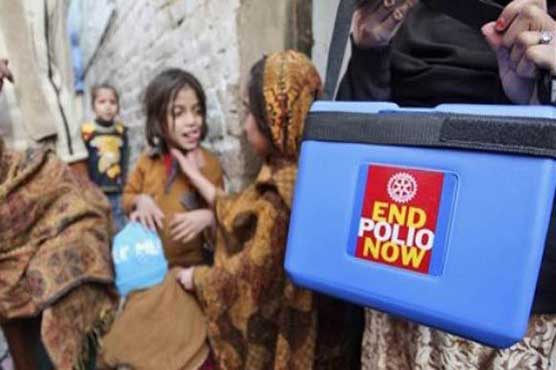
Pakistan: 2 new Polio cases surface in Peshawar, Khyber Agency

UAE citizens slam government policy of blocking websites

China ; Xi's trip to central, south Asia opens new chapter for China's neighborhood diplomacy

Medvedev: Russia to Survive Unfavorable International Market Conditions


Foreign fighter threat, Ebola outbreak to top Obama's agenda next week at United Nations
President Barack Obama will call on fellow world leaders next week to back a United Nations resolution calling on nations to stem the flow of foreign fighters joining terrorist organizations like the Islamic State, as the United States seeks to build legitimacy for its military campaign in Iraq and Syria, the White House said Friday. At the annual U.N. General Assembly, Obama will also speak at a meeting about Ebola, chaired by U.N. Secretary-General Ban Ki-moon, where individual nations and the U.N. will announce new commitments to fight the outbreak in West Africa. Obama this week ordered 3,000 U.S. military personnel to the region to deal with the outbreak, and the U.S. is expecting other countries on Thursday to offer money, equipment and personnel, plus pledges to build treatment units for Ebola victims. Topping the international community's agenda as world leaders gather in New York is the threat posed by Islamic State group extremists who have seized about one-third of Syria and Iraq. Obama is working to form a global coalition to confront the group, but many leaders in both the West and the Arab world have been reluctant to involve themselves publicly in the U.S.-led military effort. Obama's national security adviser, Susan Rice, said she expects unanimous approval in the U.N. Security Council for a resolution obligating member states to "prevent and deter" their citizens from traveling to war zones to join extremist groups. The resolution falls under Chapter 7 of the U.N. Charter, meaning it can be enforced militarily. Although the resolution doesn't authorize the U.S. military campaign against the Islamic State group, it could bolster the president's argument that there's broad international support for the effort. The White House has said it has the authority under existing U.S. law to carry out airstrikes in Syria but hasn't offered an explicit legal justification under international law. "It will move the ball down the field in terms of the international legal architecture and obligations on states to try to combat this challenge," Rice said of the resolution. While in New York, Obama on Tuesday will attend a U.N. summit on climate change aimed at building support for a global climate treaty to be finalized next year in Paris. He'll also discuss the need to strengthen civil society across the globe when he addresses the annual meeting of the Clinton Global Initiative. Obama also plans a series of bilateral meetings with foreign leaders on the sidelines of the U.N. General Assembly.Associated Press

Afghanistan: Final vote results announcement confirmed for Sunday
 The Independent Election Commission (IEC) has said that the final vote results announcement has been confirmed for Sunday, September 21st.
IEC spokesman, Noor Mohammad Noor said the final results for the runoff presidential will be released by election commission on Sunday.
Noor had earlier said that the election commission expects to release the final vote results today.
The decision to announce the final vote results comes as presidential candidates Dr. Abdullah and Dr. Ashraf Ghani finalized an agreement to form a national unity government on Friday.
Release of final vote results, share of power and authorities of the chief executive are believed to be the main reasons prohibiting the conclusion of the controversial electoral process.
In the meantime, President Hamid Karzai has once again hosted the two candidates for talks on unity government.
Speaking during the commemoration ceremony of former president Burhanuddin Rabbani’s third death anniversary, President Karzai said he expects a good news for the Afghan people following his meeting with the two candidates.
The Independent Election Commission (IEC) has said that the final vote results announcement has been confirmed for Sunday, September 21st.
IEC spokesman, Noor Mohammad Noor said the final results for the runoff presidential will be released by election commission on Sunday.
Noor had earlier said that the election commission expects to release the final vote results today.
The decision to announce the final vote results comes as presidential candidates Dr. Abdullah and Dr. Ashraf Ghani finalized an agreement to form a national unity government on Friday.
Release of final vote results, share of power and authorities of the chief executive are believed to be the main reasons prohibiting the conclusion of the controversial electoral process.
In the meantime, President Hamid Karzai has once again hosted the two candidates for talks on unity government.
Speaking during the commemoration ceremony of former president Burhanuddin Rabbani’s third death anniversary, President Karzai said he expects a good news for the Afghan people following his meeting with the two candidates.
Bilawal Bhutto pays tributes to Shaheed Mir Murtaza Bhutto
http://mediacellppp.wordpress.com/

Pakistan’s Baluchistan separatists demand Scots-style vote
Baluch separatist leaders on Friday called on Pakistan to follow in Britain’s footsteps by holding a referendum similar to Scotland’s on granting independence to the insurgency-wracked province.
Scots rejected independence in a vote that left the centuries-old United Kingdom intact despite a surge in nationalist support in the final fortnight of the campaign.
Asked whether a similar poll should be held in Baluchistan, Dr. Bashir Azeem, secretary-general of the outlawed Baloch Republican Party, told AFP: “The Baluch have been struggling against the excesses and tyranny of Punjab-dominated establishment of Pakistan for decades.”
Punjab is Pakistan’s most populous and influential province.
“If a fair referendum is conducted after creating an atmosphere for it, providing the opportunity to Baluch population for deciding their future, it is welcomed,” he added.
Resource-rich Baluchistan is the largest of Pakistan’s four provinces, but its roughly seven million inhabitants have long complained they do not receive a fair share of its gas and mineral wealth.
Rebels began their fifth insurgency against the state in 2004, with hundreds of soldiers and militants killed in the fighting.
But rights groups allege security forces are also responsible for picking up non-militant separatists, including academics and students, torturing them and dumping their bodies on the streets.
The current insurgency gained in intensity after the 2006 killing of 79-year-old Baluch leader Nawab Akbar Khan Bugti, a revered figure for many rebels.
Azeem’s son Jamil Akbar Bugti said: “I stand for a free and fair referendum in Baluchistan under the United Nations.
“Let Baluch people who are struggling for their independence decide their future whether they want to stay with (the) federation of Pakistan or break away.”
The desperately poor province is also riven by sectarian strife and Islamist violence in its northern Pashtun belt, with middle-class Baluch increasingly viewing independence as their only hope for a more liberal and secular state.
Pakistan accuses neighboring India of funding and arming the rebels — a charge analysts believe is true and payback for Pakistan’s interference in Kashmir.
Source: http://www.arabnews.com/featured/news/632581
Pakistan: TTP END GAME RAPIDLY APPROACHING, ANALYSTS SAY

Pakistan's Shia Genocide: Shia Banker Shot Martyred After Family Attacked In Karachi
shiapost.com
Pakistan : Nawaz speech - Nothing New

Pakistan: Flood warning fiasco

IT did not have to be this way. This is the fourth major flood to have hit Pakistan since 2010, and in each case the cause has been heavy rains.The first flood alert issued this year by the Pakistan Meteorological Department was on the morning of Sept 3, more than three days before the arrival of the flood peak at the Marala headworks on the Chenab, where the river enters Pakistan from India. That same evening, a meeting was convened by Punjab Chief Minister Shahbaz Sharif to discuss flood preparation plans, with almost the entire government machinery present, including the chief secretary. But the Federal Flood Commission seems to have taken its time waking up to the flood alert. Its first record of a meeting since the alert was issued is on Sept 6, by which point the flood peak of 900,000 cusecs was only hours away from the Marala headworks. Moreover, a report published in this paper detailed how the various government bodies, led by the FFC, preferred bickering over turf when they should have been coordinating their response. It appears the country has learned no major lessons from the previous three flood episodes, preferring to act only once disaster has struck. More distressing is the lack of effort going into flood forecasting. Our forecasting models are designed to anticipate the arrival of rains more for crop management than for flood warning. The Met Department did issue an advisory of a low pressure system forming over Rajasthan as early as Aug 28, but its technology and models could only warn of “scattered thundershowers with heavy to very heavy [rain]falls in isolated places in the upper catchments of rivers Ravi, Sutlej and Chenab” as late as Sept 2. The flood alert was issued the following day, which turned into a flood warning on Sept 4, only two days before the flood peak arrived. Yet today, meteorological models exist that can provide up to 10 days of flood warning with very high probability. Bangladesh has been using such a system successfully for almost a decade now, which has on two occasions given accurate forecasts of floods 10 days in advance. Yet more troubling are the things being said in some places. Describing the floods as an “Indian water bomb” plumbs the lowest depths of ignorance. Instead of pointing fingers at India, what is needed is a serious approach for sharing of meteorological and hydrological data to enable more accurate forecasting. Better coordination amongst government departments is also critical. Currently, it is not clear who has the responsibility to coordinate the response once a flood alert has been issued. The Met Department ought to take better advantage of the latest scientific knowhow to upgrade its forecasting capabilities. With this being the fourth flood in recent years, it’s a travesty that none of this has yet been done.
Pakistan : The absent writ
— D Asghar
The entire world is watching our demise as a sensible, law abiding and law obeying society at the hands of a ruthless, senseless and utterly crazy mob.Historians will not be very kind to Imran Khan and Mr Qadri for what they have done to the political culture of this Godforsaken country. In the guise of freedom and revolution, what has been exercised and glorified will come to haunt these characters, should they ever realise their dreams of occupying the Prime Minister’s House. In short, hooliganism is the order of the day and anarchy is the new face of new age democracy in the so-called ‘new Pakistan’. What lies ahead will be relatively similar to the ideology of the Taliban. Tolerance was never in the reservoirs of those warriors and these revolutionaries are following in their footsteps by demonstrating their brutal anger in a relatively similar fashion. The world has seen images of police officers being beaten by mobsters armed with sticks and uniformed, armed servicemen just standing by witnessing their ruthlessness. Perhaps I am making an argument of double standards here when it comes to obeying the writ of the state. The lens of the camera is capturing all of this for the rest of the world. These container-bound revolutionaries have even openly threatened civilian law enforcement personnel. I humbly beg both Mr Qadri and Khan to try this in front of 10 Downing Street or in front of President Obama’s official residence to witness how the writ of the state is established without fail by uniformed policemen within minutes. All this noise is to basically challenge and erode the writ of this state. Speaking of that four letter word ‘writ’, one is painfully reminded of how a former general established it not very long ago in the same capital. No one is implying that this government must take its cues from that ugly episode, though it is part of our glorious history and engraved in our collective memories. We constantly hear that our elected government is handling the current standoff with immense restraint and patience. Agreed, well and good, but it is at a very hefty cost. The entire world is watching our demise as a sensible, law abiding and law obeying society at the hands of a ruthless, senseless and utterly crazy mob. The thrust of the project being carried out by the firebrand leaders is to instil this as part of regular imagery so the rest of the world can determine that it is dealing with a weak, impotent and toothless prime minister. What irony that a prime minister who holds a comfortable majority and has his opponents in parliament watching his back, is totally backed into a corner. I hope I am seriously mistaken but I had expressed my unrestrained criticism on this farcical process of negotiations on Twitter. The government’s mouthpieces brag that five out of six demands made by Khan have been accepted and that there are modalities that are being ironed out. To confuse matters a tad, there is an opposition jirga (council) playing a facilitative role as well. I know I am a very poor and inexperienced political observer but does anyone honestly think that it takes this long to reach any sort of logical conclusion? It almost seems like both parties know what the actual conclusion is and both are trying to buy as much time as possible. One has to honestly question the state of mind of the besieged premier. Yes, it is understandable that he is a victim, yes he has sympathy and yes the people challenging him have crossed all lines of decency. His mouthpieces use all kinds of flowery language to express their dismay about how the poor prime minister has been paralysed by certain anti-democratic forces. I know I am not very bright and perhaps not so well versed in politically correct jargon but in my very humble opinion, he basically has three options. The first is to have a face to face with both his adversaries and have a heart to heart conversation. Rather than going through everyone and their mother-in-law as an interlocutor and facilitator, the premier should just break the ice himself, use an unannounced visit to offer a handshake himself and break this deadlock. If he is unable to stoop to the level of the mischievous duo, he must man up and exercise the writ of the state, not by bullets but exhibiting that there is presence of law and order in the capital. Anyone who practices violence is met with the strong arm of the law. If the revolutionaries try to turn that situation to gain political point scoring then let the media expose their duplicity. No one, whether rich or poor, should be able to raise their hand on uniformed law enforcement personnel, whether civilian or military. If this solution is too much for the prime minster to bear then he has one final option left. If he has an ounce of dignity left in him to handle matters then he should dust off his suit, come on national television and have a heart to heart talk with the nation. He should expose all the hidden hands that have tied his hands and made him a laughing stock in front of the world. The state and its writ are far more important than a challenged premier or two unreasonable bozos. If the argument of not caving under pressure because it will set a poor precedent holds any water, then our respected prime minister has set another dangerous precedent by his inaction. I repeat: the writ or its semblance is far more important than any individual.
Pakistan: Another victim of blasphemy accusation
Subscribe to:
Posts (Atom)