M WAQAR..... "A man's ethical behavior should be based effectually on sympathy, education, and social ties; no religious basis is necessary.Man would indeed be in a poor way if he had to be restrained by fear of punishment and hope of reward after death." --Albert Einstein !!! NEWS,ARTICLES,EDITORIALS,MUSIC... Ze chi pe mayeen yum da agha pukhtunistan de.....(Liberal,Progressive,Secular World.)''Secularism is not against religion; it is the message of humanity.'' تل ده وی پثتونستآن
Wednesday, October 23, 2013
Minorities under pressure in Pakistan
نواز شریف پنجاب کو طالبان سے بچاتے رہے تو کوئی صوبہ نہیں بچے گا،خورشید شاہ
http://www.express.pk/
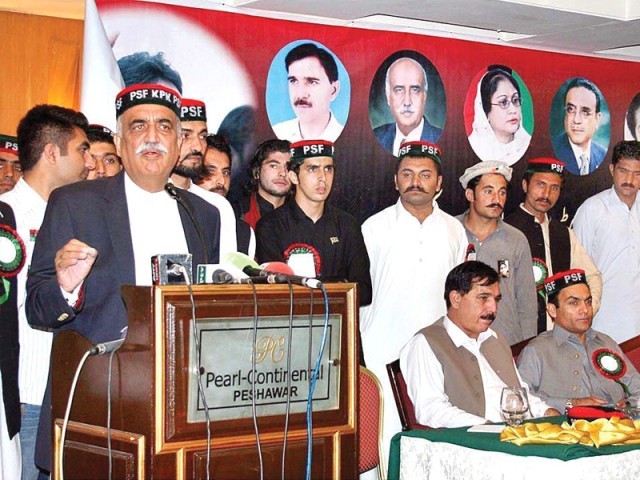
قومی اسمبلی میں اپوزیشن لیڈرسیدخورشید شاہ نے کہا ہے کہ اگر وزیراعظم نوازشریف پنجابی طالبان کے ساتھ معاملات ٹھیک کرتے ہوئے صرف پنجاب کو بچانے کے چکروں میں ہیں تویہ اقدام فیڈریشن کیلیے انتہائی خطرناک ہوگا کہ ایک صوبہ توپرامن ہواوردیگر3آگ میں جلتے رہیں تاہم یہ یادرکھاجائے کہ وہ ایک صوبہ بھی اس آگ سے بچ نہیں پائے گا۔ حکومت کو فوری طور پر فیصلہ کرنا چاہیے جس کے لیے اسے پہلے ہی اختیار دیاجاچکاہے،شیخ رشید اپوزیشن لیڈر بن رہے ہیں یا نہیں اس بارے میں کچھ نہیں کہناچاہتا،پیپلزپارٹی جلد ہی ملک بھر میں پارٹی انتخابات کرائے گی جس کے لیے تیاریاں جاری ہیں۔منگل کوپشاور میں پارٹی رہنما سید ظاہر علی شاہ کی رہائش گاہ پر میڈیاسے بات چیت کرتے ہوئے انھوں نے کہاکہ پیپلزپارٹی ،پارٹی انتخابات کیلیے جلد ہی مرکز اور چاروں صوبوں میں آرگنائزرز مقرر کرے گی جن کے ساتھ تین ،تین رکنی کمیٹیاں بھی ہوں گی جو 72 دنوں میں پارٹی انتخابات کاعمل مکمل کرے گی، الیکشن کچھ غلطیوں اور کچھ زیادتیوں کی وجہ سے ہارے ،جہاں تک پارٹی کے اندراختلافات یا گروپنگ کا تعلق ہے توجتنی بڑی کشتی ہوگی اتنے ہی جھٹکے بھی لگیں گے تاہم سب کاقبلہ ذوالفقارعلی بھٹوہی کی طرف ہے۔ پرویز مشرف نے نواز شریف کو باہر چھوڑا تھا اوراب نواز شریف، پرویز مشرف کو چھوڑیں گے عمران خان بادشاہ آدمی ہیں وہ کبھی طالبان کو دفتر کھول کردینے کی بات کہتے ہیں ،بلاول بھٹوزرداری نے18 اکتوبر کو جو تقریر کی ہے وہ ایک اچھا آغاز تھاجہاں تک شکیل آفریدی کے حوالے سے معاملہ ہے کہ تو ہمارااپنا آئین اور قانون موجودہے اس لیے ہمیں غلام بن کرنہیں بلکہ ایٹمی قوت کے طور پر فیصلے کرنے چاہئیں۔قبل ازیں پی ایس ایف کے زیراہتمام پشاورکے مقامی ہوٹل میں بھٹو ازم اسٹڈی سرکل کے زیر اہتمام پروگرام سے خطاب کرتے ہوئے انہوں نے کہا کہ وفاقی حکومت جس 1.6 ارب ڈالر کی امداد پر خوشیاں منارہی ہے یہ کوئی نئی رقم نہیں بلکہ یہ وہی کیری لوگر بل کی قسط ہے جومختلف وجوہات کی بناء پر رکی ہوئی تھی ۔
Afghan-US talks: A bad end to the ‘good war’?
Tuesday, October 22, 2013
Facebook: Why beheadings ... and not breasts?
Facebook's decision to allow the uploading and sharing of extreme/graphic content -- including beheadings -- makes no sense in a conventional media setting.
Most western media outlets operate under regulatory codes that make the screening or publishing of such material unthinkable -- not least because their audience might include children.
Inevitably the "protection of children" argument will be rehearsed in response to Facebook's decision, which seems almost designed to court negative commentary.
Read more: Facebook lifts ban on beheading videos
The decision will also naturally re-open the usual -- somewhat tired -- debates about the (im)possibility of regulating internet content. Internet content is of course regulated and controlled but not very effectively so.
The decision may also offer the genuinely weird and definitively 21st century prospect of UK and U.S. security services using Facebook to track global viewing patterns of beheading videos.
More seriously perhaps, we all need to question what it means that so pivotal a social media platform is re-defining social precedents and norms -- with little external reference.
Horrific video shows beheading in Syria Man says on Facebook that he killed wife Social media fights back against trolls Zuckerberg aims to put the world online
What should Facebook users take from the site's decision that it is OK to screen and view the brutal beheading of a woman in Mexico -- provided that the commentary clearly doesn't glorify the act and that any unsuitable comments are moderated/blocked?
Is it only that brutal violence is part of life and we have the right to make the obvious comments about that fact. As Facebook's statement says:
"Facebook has long been a place where people turn to share their experiences, particularly when they're connected to controversial events on the ground, such as human rights abuses, acts of terrorism and other violent events.
"People share videos of these events on Facebook to condemn them. If they were being celebrated, or the actions in them encouraged, our approach would be different."
Apart from an increased volume of utterly banal denunciations of the act (only the "right" kinds of statements will be allowed) what could the screening of such events lead to?
People who feel that violence is wrong will say so, people who make risqué or bad-taste jokes will make them, and so the chatter will go on.
In 2003, the U.S. military clamped-down on active service personnel's trading of explicit smart-phone images of the aftermath of suicide bombings in Iraq.
So, the potential cultural power of such images can be recognised by liberals, conservatives, and bodies such as the Family Online Safety Institute alike -- even if they fundamentally disagree about what that power is.
Equally, it's not safe to accept the treatment of such footage as a set of taboo "magic objects," which can never be seen because they are inherently so dangerous in their ability to corrupt the majority and the minors.
Such anxieties are frequently directed at unspecified (ie: less educated than "us" -- less middle-class) mass audiences and are another means of closing down challenge or debate.
What is at stake here does seem to be a realignment of sadly well-known patterns. These are simply thrown into sharp relief by the specifics of the examples that are being spoken about today.
Facebook kills search privacy setting
'Laughably inconsistent'
Facebook sees it as a legitimate service to allow its audience to see a woman being brutally killed and then host discussion of that content, but will not allow its users to see exposed breasts -- for fear of causing offense.
Is it possible for Facebook to argue that there is nothing to debate in the representation of women's bodies? Or that they are not part of people's experience?
This is -- at best -- laughably inconsistent.
One of the primary reasons for carrying out beheadings in public or for perpetrators to video a violent act is to send the clear message to its audience: this is what our "law" or "power", or violence can do to you.
So, the re-showing of such footage on Facebook is actively collusive with those actions. It disseminates the fear and intimidation intended in the act.
Asserting that Facebook users can respond to footage of a woman's brutal murder by decrying it, sidesteps that issue. Users could just as well decry violence against women without seeing this act. But fewer of them may do so.
If Facebook really was interested in public debate, it would have established a real and carefully constructed, open forum in which this decision could be debated -- as well as other issues about its policies, operation and inconsistent stances.
What Facebook is interested in, is generating more traffic through its platform and it is doing so from within a pretty inconsistent, narrowly male and conservative image of the world and of what should be discussed within it.
How different is that from many traditional media organizations of the 19th and 20th centuries?
A Pakistani Christian Nurse is in Danger.... I Do not want to Marry Muslim
Veena Malik Not Interested In Salman-Shahrukh Movies
Message of Bilawal Bhutto On 2nd death anniversary of Madir-e-Jamhoriyat Begum Nusrat Bhutto
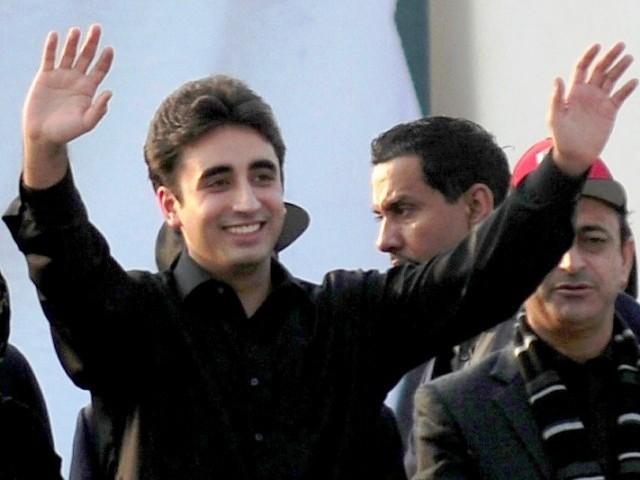
http://mediacellppp.wordpress.com/Bilawal Bhutto Zardari, Patron-In-Chief of Pakistan People’s Party has paid glowing tributes to Begum Nusrat Bhutto on her second death anniversary and termed her as Mother of Democracy who fought valiantly for the nation against the dictatorship. In his message on the occasion, Bilawal Bhutto Zardari said Begum Nusrat Bhutto lost her husband Shaheed Zulfikar Ali Bhutto, two sons Shaheed Mir Murtaza Bhutto, Shaheed Shahnawaz Bhutto and a daughter Shaheed Mohtarma Benazir Bhutto in the struggle of nation for restoration of democracy and people’s rights. “Despite the martyrdom of almost entire family, she continued to play motherly role for all the Party workers. Several workers used to call her Amaan (mother) out of affection and her brave fight against the tin-pot dictator General Zia after judicial murder of Shaheed Zulfikar Ali Bhutto,” he said. Bilawal Bhutto Zardari said as a loving grand-mother she lives on in his memories and a corner of his heart.The PPP chief further said that his party will continue the legacy of Bhutto family and struggle for the restoration and strengthening of complete democracy where rights of each and every citizen are protected with equal opportunity to working class, labour, students, peasants and all the toiling souls across the country.
Bilawal, moulding the future politics of Pakistan
Pakistan: Experts see no future of Govt-Taliban peace talks’
Pakistan: Nawaz administration Soft on the Taliban
BY ZAHID HUSSAINWHITHER the much-talked-about talks with the Pakistani Taliban? There is no sign yet of them taking off. But even if the talks happen it would be more like talks between the victor and the vanquished. While the national leadership pleads for mercy, the militants dictate the modalities of the surrender to the state. With no will to fight, the Sharif administration has already conceded too much ground to the Taliban with extremely dangerous consequences for national security, and it may not be easy to retrieve the situation. The latest escalation in violence, including the killing of a senior Khyber Pakhtunkhwa minister, makes the intention of the militants even clearer — talks but only on their terms. It was frightening to watch Hakeemullah Mehsud on BBC recently, arrogantly justifying the killing of those who do not subscribe to the Taliban’s retrogressive worldview. “We have targeted those who are with the infidels, America, and we will continue to target them,” the Tehreek-i-Taliban Pakistan (TTP) chief declared. For him, whoever is not with them is an infidel and deserves to be killed. His triumphant tenor and newfound confidence was shocking. Just a few months ago, the TTP chief was afraid for his own safety. The group was dealt a serious blow after the death of Waliur Rehman, the deputy commander of the TTP, in a drone strike. Surely, the inaction of the government has given a new lifeline to his supporters. In a more recent interview, the TTP spokesman Shahidullah Shahid said that they would never engage in talks under the Pakistani Constitution since it enshrines democracy, which according to him is a secular and un-Islamic system. He also wants the Sharia’s enforcement in the country. Are these preconditions acceptable to the state? They will be tantamount to legitimising a Taliban dictatorship. Emboldened by the government’s dithering and the defeatist approach of political leaders such as Imran Khan, the TTP is now threatening to eliminate journalists and intellectuals who are challenging its tyranny. What is most appalling is the complete silence of the political leaders over these death threats. But it must not surprise us since these leaders did the same when the militants targeted the activists of the Awami National Party during the May 11 elections, virtually pushing it out of the poll race. In fact, the Pakistan Tehreek-i-Insaf (PTI) to some extent owes its electoral success in KP to the compromise it had made with the Taliban. It is also fear that drives the PTI’s current pro-TTP policy. But what Imran Khan and his supporters do not understand is that appeasement may not protect them for long. The message was clear when the militants murdered provincial law minister Israrullah Gandapur in a suicide attack on Eid day. He was the third provincial assembly member to be killed by the militants in the past few months. It is now several weeks since the all-party conference mandated the government to initiate the so-called peace talks with the militants. But there is still no clear strategy for negotiations. There is huge ambiguity over whom the administration intends to talk to. The TTP is a loose group of more than 30 factions and each one has its own views on the negotiations. Moreover they are not bound by the decisions taken by Hakeemullah Mehsud. Most TTP groups have publicly rejected the government’s peace offer. It is not surprising that different factions accepted responsibility for the recent terrorist attacks in KP. For instance, the Peshawar church attack was carried out by the TTP’s Mohmand branch which is totally opposed to any peace talks with the Pakistani state. Imran Khan has come out with a bizarre demand of allowing the outlawed militant network to open its office in Pakistan to clear the way for dialogue. The sheer ridiculousness of the suggestion aside, it is not clear whether the PTI chief wants offices for all the TTP factions. Then, there are also numerous splinter factions of outlawed Pakistani militant groups operating from North Waziristan. Known as the Punjabi Taliban, they may be cooperating with the TTP in carrying out terrorist attacks, but they have their own specific agendas too. One of the most powerful Punjabi Taliban leaders, Asmatullah Muawiya, is, perhaps, the only one who has publicly supported the government’s peace offer. This positive response apparently came only after the prime minister suspended the execution of two members of the Lashkar-i-Jhangvi convicted on several murder charges. Muawiya had threatened to target the members of the Sharif family and to unleash terrorist attacks in Punjab. There cannot be long-term peace with the government buckling under terrorist threats. I recently watched a speech of Muawiya on video, on the killing of Osama bin Laden. In a most vitriolic diatribe against the Pakistani security forces, the militant leader vowed to carry out the mission of the late Al Qaeda chief. Does the Sharif government understand the ramifications of dealing with Al Qaeda affiliates and those responsible for sectarian killings? Not only would peace deals with such groups clear the way for the Talibanisation of Pakistan, they would also be dangerous for regional security. More importantly, the move would reinforce the suspicion of the international community about Pakistan’s unwillingness to fight against violent extremism. Indeed, there is very little hope of achieving peace through dialogue with the militants. But more worrisome is whether the administration has an alternative plan to deal with the worsening security situation. The choice is not between dialogue and a military operation. The state must use all options to enforce the rule of law. No state can allow its writ to be challenged by armed groups, or a parallel system to operate. What is needed are measures to strengthen the civilian law-enforcement and intelligence networks to deal with the menace of militant violence. The government has to act more firmly if it wants to eliminate terrorism in Pakistan. The threat cannot wither away by romancing the enemy.
Pakistan: Use of toxic chemicals in suicide bombs new worry
اوریا مْقبول جان کا ملالہ فوبیا
Baloch Halتحریر: خاپیرئ یوسفزئ
سنا تھا گرنے کی اک حد ہوتی ہے لیکن نظروں سے گرنے کی کوئی حد مقرر نہیں ہے، اور شکر ہے کہ یہ حد مقرر نہیں ورنہ اک حد تک جاکہ ان جھوٹ پرستوں کو رکنا پڑتا۔ اخباری دنیا میں مذہب کے نام پر لوگوں کو ورغلانے میں اوریا مقبول جان کا نام کافی جانا پہچانا ہے۔ موصوف آج کل ملالہ یوسف زئی کے خلاف ’’ جہاد‘‘ میں مصروف ِ عمل ہیں ۔ جو کام طالبان بندوق کی زور سے نا کرسکے وہ اب اوریا مقبول جان اپنی قلم سے سرانجام دینے کی ناکام کوشش میں لگے ہوئے ہیں۔ انھوں نے لاہور سے نکلنے والے ایک روزنامہ میں ملالہ کی کتاب پرجس طرح کا ناقص اور گمراہ کن تبصرہ لکھا ہے اس سے ان کی بوکھلاہٹ توصاف ظاہر ہوتی ہی ہے لیکن اس کے ساتھ ساتھ ہمیں ان کی انگریزی پڑھنے کی صلاحیت پر بھی شک ہونے لگا ہے۔ دلچسپ بات یہ ہے کہ سولہ سال کی ایک بچی نےقدامت پسند سوچ رکھنے والے اس تنگ نظر شخص کی فکر کو للکارا ہے ۔ ایسے حضرات جنھوں نے اپنی پوری زندگی اسلام کے نام پر رائے عامہ کو گمراہ کیا ہے اس بات سےخوفزدہ ہیں کہ اب ایک تعلیم یافتہ نوجوان پشتون لڑکی اقوام متحدہ میں کھڑی ہوکر اپنے حقوق کی بات کرنے کی اہل بن گئی ہے۔ مقبول جان اپنےمضمون کا آغاز پشتونوں کی دل آزاری والے لطیفے سنا کے اپنے حامیوں کو خوش کرنے کی کوشش کرتے ہیں ۔ وہ لکھتے ہیں کہ ملالہ اپنی کتاب میں سب سے پہلے سلمان رشدی کے بارے میں لکھتی ہے۔ یہ درست نہیں ہے۔ بلکہ سچ تو یہ ہے کہ کتاب کا آغاز ان کے والد ضیاالدین کی زندگی سے شروع ہوتی ہے اور سلمان رشدی کا تذکرہ اسکی تعریف میں نہیں کیا گیا ہے بلکہ ضیالدین کی جھانزیب کالج کے وقت میں ان مظا ہروں کا ذکر کیا گیا ہے، جب کالج میں سلمان رشدی کے خلاف مظاہرے اور تھوڑ پھوڑ شروع ہوگئے تھے تو ضیالدین نے سب کو جمع کر کے کہا کہ سلمان رشدی کی کتاب پڑھ کے اسکو منطقی جواب دیا جائے۔اگر ہمارا ایمان ہے کہ قرآن پاک کے سب سے پہلے نازل ہونے والی آیت میں اقرا کہہ کر انسانیت کو پڑھنے کی دعوت دی گئی ہے تو پھر یہ کہنے میں کیا حرج ہے کہ اسلام کے خلاف شائع ہونے والی کتاب کا جواب کتاب ہی سے دیا جائے ؟ اوریا مقبول جان جیسے لوگوں کی خواہش ہے کہ مذہب کے نام پر ہر طرف پرتشدد مظاہرے ہوں، لوگ مذہب کے نام پر ایک دوسرے کی گردنیں کاٹیں اور سرکاری و نجی املاک کو نذر آتش کریں۔ ان کے برعکس ملالہ اور ان کے والد اس سوچ کے قائل نہیں ہیں بلکہ ان کا کہنا ہے کہ جو لوگ اپنے مذہب سے واقفیت رکھتے ہیں وہ کسی صورت میں بھی ایک کتاب سے خوفزدہ نہیں ہوں گے۔ جن لوگوں کو ایمان کمزور ہے اور وہ اپنے ہی مذہب کا دلیل سے دفاع نہیں کرسکتے وہی لوگ عوام کو تشدد پر اکساتے ہیں۔ کتاب میں ملالہ کے والد کا کہنا تھا کہ کتاب کا جواب کتاب سے دیا جائے۔ اب اوریا مقبول جان کی جھوٹی کہانی کا اگر جائزہ لیا جاے تو صاف ظاہر ہوتا ہے کہ وہ مسلمانوں کے جذبات کے ساتھ کھیل کہ اس بچی پہ خدانخواستہ توہین رسالت کا الزام لگا نا چاہتے ہیں۔ یہ فسادی قلم کاروں کا وطیرا رہا ہے کہ جب کسی سے عقل و دلیل کے ذریعے نہیں جیتے تو ان پر اسلام دشمنی کا فتویٰ داغ دیتے ہیں۔ وہ مزیدلکھتے ہیں کہ تاریخ کا یہ بدترین جھوٹ اسکے منہ میں کس نے ڈالا ؟ مقبول جان صاحب، یہ جو آپ لکھ رہے ہوتے ہیں یہ کون آپ کے منہ میں ڈال رہا ہوتا ہے؟آ خر کوئی ذی شعور شخص اس قدر اپنے قلم کے ذریعے معاشرے میں نفرتیں تو نہیں پھیلاتا۔ آپ جو جھوٹ لکھ رہے ہوتے ہیں کیا وہ ایجنسیاںلکھ رہی ہیں یا لکھوارہی ہیں ؟ مقبول جان لکھتا ہے کہ ملالہ کے منہ میں میرے دین اور پاکستان کے خلاف ذلت آمیز لفظ کس نے ڈالے۔ بھئ کونسے ذلت آمیز الفاظ؟ کیا اسلام اور پاکستان کا ٹھیکہ آپ نے اٹھا رکھا ہے اور اب ملک اور مذہب کے بارے میں ہمیں آپ سے درس سیکھنا پڑے گا؟ ملالہ پاکستان کی شہری ہے۔ اور اک شہری ہونے کے ناطے اسکا اس ملک کے نظام ، حکومت اور فوج یا سیکورٹی اداروں پہ تنقید کا حق ہے اور یہ حق اس سے پنجاب کا کوئی بیور کریٹ دانشور نہیں چھین سکتا۔ شاید مقبول جان کی کو ئی بیٹی نہیں ہے ورنہ اسطرح کی باتیں اک باپ کسی اور کی بیٹی کے بارے میں ہرگر نہیں کر سکتا۔ قدامت پسند مردوں کا ہمیشہ سے یہ شیوا رہا ہے کہ جس عورت کا وہ عقل و دانش سے مقابلہ نہیں کرسکتے تو اس کی کردار کشی پر اترآتے ہیں۔ ان جیسے نام نہاد دانشور اکیسویں صدی میں بھی عورت ذات کو بھیڑ بکریوں کی طرح رکھنا چاہتے ہیں۔ وہ سمجھتے ہیں کہ کوئی عورت آزادی سے سوچ نہیں سکتی اور نہ ہی اس کا حق بنتا ہے کہ اپنے ہی ملک کے نظام اور حکمرانوں کی پالیسیوں پر تنقید کرے۔ یہ مرد اپنے حصے سے زیادہ اوروں کی ترجمانی کے لئے بے تاب بیٹھے ہوتے ہیں۔ ایسے دانشور ہمارے لئے انتہائی مہلک ہیں۔ یہ علم و حکمت کے دشمن ہیں۔ یہ جدیددور میں بھی غلامی کے فلسفے پر یقین رکھنے والے لوگ ہیں۔ یہ عورت کو ترقی کرتے ہوئے نہیں دیکھ سکتے اور جو عورت شہرت کی بلندیوں پر پہنچتی ہے یہ لوگ اس کے پر کاٹنے کے لئے اپنی باری کا انتظار کر رہے ہوتے ہیں اور یوں ان لوگوں کی پوری زندگی اسی طرح گزر جاتی ہے۔ دنیا بھر میں دانشوروں کا کام اپنی قوم کی رہنمائی کرنا ہوتا ہے لیکن پاکستان میں جس طرح کے طالبان طبعیت کالم نویسوں سے ہمارا واسطہ پڑا ہے وہ ہمیں جہالت اور تاریکی میں ڈبو کر ہی رئیں گے۔ جس معاشرے میں ایک سفید ریش صاحب ایک سولہ سال کی بچی سے الجھ جائے تو آپ اطمینان سے یہ فیصلہ کرسکتے ہیں کہ وہ معاشرہ اخلاقی پستی کی انتہا کو پہنچ گیا ہے۔ پھر ایسے حالات میں لازم ہوجاتا ہے کہ ایک معاشرہ ایسے افراد سے چھٹکارا حاصل کرنے کے لئے کھڑا ہو اور واشگاف الفاظ میں کہے کہ مذہب کے نام پر آپ نے جتنی دکان داری چمکانی تھی چمکا چکے اور معصوم لوگوں کے جذبات سے کھیلنا تھا کھیل چکے۔ اوریا مقبول جان اپنی تحریر میں اس بات پر برہمی کا اظہار کرتے ہیں کہ ملالہ نے ملا عمر کو ایک آنکھ والا کہا ہے۔ تاہم انھیں ۵۰ ہزار بیگناہ انسانوں کے جسم کے پرخچے اڑاے جانا انسان اور خدا کی پاک ذات کا تمسخر اڑانا نہیں لگتا۔ لیکن اس بندے کو ملا عمر کو اندھا کہنا مسلمانیت پہ ہنسنے کے مترادف لگتا ہے۔ مقبول جان نے جس طرح سے ملالہ کی کتاب کو اپنے زہرہلے دماغ سےپڑھا ہے مجھے لگا کہ جناب نے پڑھتے وقت اک پنسل ساتھ رکھا تھا اور ان ساری جگہوں پہ ، جہاںموصوف کو لگا اپنی تخیل کی دنیا میں جھوٹ اور فریب کے پہاڑ بنادے مْقبول جان صاحب نے آخر میں یہ بھی لکھا ہے کہ ” منہ پہ کالک ملنے والی بچی قابل عزت ہے، آپکو تو ابھی تک یہ بھی پتا نہیں چل سکا کہ اپ نے پورے پاکستان کے منہ پر کالک ملنے کی ناکام کوشش کی ہے۔ اللہ آپ سے جلد ہی اسکا جواب لے گا۔ خدا سب انسانوں کو اور پاکستانیوں کو آپ جیسے سرکاری کالم نویسوں کے شر سے بچائے۔ پڑھنے والوں سے درخواست ہے کہ ہمارے معاشرے میں نفرت اور انتشار پھیلانے والے ایسے کالم نویسوں کا بائیکاٹ کریں اور ان کی من گھڑت کہانیوں پر اعتبار کرنے کے بجائے خود ملالہ کی کتاب سمیت دیگر مواد کا خودمطالعہ کریں تاکہ انھیں حقیقت کا بخوبی پتہ چل سکے۔ جس معاشرے میں پڑھنے لکھنے کا رواج نہ ہو وہاں ایسے سرکش دانشوار سر اٹھا کر چلتے ہیں اور لوگوں کو گمراہ کرتےہیں
Balochistan: Jihadis in The Time of Earthquake
The Baloch HalA number of religious organizations, including those known for their intrinsic connections with the jihadist groups, have infested Awaran, a district that was devastated by two powerful earthquakes in September. Apparently, these organizations are out there to carry out relief operations and assist the victims of the earthquake. But their presence has raised eyebrows given that the federal government is restricting credible, non-religious international humanitarian groups. The government does not specifically state why these groups have received official consent to operate in Awaran while their non-religious counterparts, both local and international, have been outright denied non-objection certificates (NOC) from the Ministry of Interior Affairs. At a time when sufficient assistance is not reaching the earthquake victims because of the mistrust that exists between security forces and the Baloch insurgents, religious groups are the only ones taking advantage of the situation. Their presence may temporarily help the local population but it will have long-term negative repercussions for the secular Baloch society. Jihadist groups take such occasions as an opportunity to exploit people’s plight. They use aid to win the hearts and minds of local communities. Dr. Hafeez-ur-Rehman , the president of Al-Khidmat Foundation, which is connected with the Jammat-e-Islami, confirmed with the local media that at least 300 workers of his organization were currently busy in assisting earthquake survivors. The B.B.C. Urdu also recently reported about the activities of religious groups known for their ties with jihadi organizations. Prominent among these organizations are Falah-e-Insaniat, Al-Rehmat Trust and Al-Khair Trust. While the Falah-e-Insaniat is closely associated with Jamaat-ud-Dawa, the welfare wing of Lashkar-e-Taiba, B.B.C. also reported that some of the banners prominently displayed the name of Maulana Masood Azhar, the founder of Jaish-e-Mohammad, an Islamic extremist group that operates in Indian-administered Kashmir. The increasing presence of religious groups in Awaran also contradicts the official claims of security threats posed by Baloch insurgents. If the nationalists have even tolerated these religious groups to assist the masses despite clear ideological differences, there is no reason why they would attack international groups. Chief Minister Balochistan Dr. Malik Baloch has said at least three times that his province needs international assistance to grapple with the aftermath of the earthquake. It is sad that the analysis of the provincial chief executive holds less weight and importance than some army officers and bureaucrats in Islamabad who are doing whatever it takes to keep the international community away from Balochistan. When an earthquake of lesser intensity hit Pakistan-administered Kashmir in 2005, the federal government immediately called for international help and engaged American helicopters for rescue operations. In Balochstan’s case, on the other hand, there is deafening silence. It is unfortunate how the country’s security establishment converts natural calamities into opportunities to patronize religious organizations. This time, the government is endeavoring to manipulate the people’s vulnerable situation. The long-term goal is to counter the Baloch nationalists with radical Islamists. Surprisingly, there has been too little opposition from the Baloch nationalists to the religious groups and their activities in Awaran. However, the nationalists have spoken more vocally against a fresh military operation in Awaran district. Even before the earthquake, the security forces conducted a massive operation in the area; whisked away several people to unknown locations and burnt people’s homes. In the latest operation, the forces besieged the house of Dr. Manan Baloch, secretary general of the Baloch National Movement (B.N.M.). According to a report published in Daily Intekhab, the forces also arrested Dr. Baloch’s ten-year old son and many relatives in Gajjar locality in Awaran District. Mohammad Ejaz shahid, the Inspector General of the Frontier Corps (F.C.), congratulated his forces over the “successful operation against anti-state elements” and ordered them to take “indiscriminate action” against them wherever the forces found them. Yet, the Pakistan army, on October 20th, issued a statement through its media wing, the Inter-Services Public Relations (I.S.P.R.), saying that the army was not carrying out any military operations in Awaran and Mushke. The statement acknowledged the presence of forces in the district but insisted that they were there “only for relief operations”. The army says 6 of its soldiers have been killed and 12 injured while carrying out relief operations. The army, according to the I.S.P.R. statement, “has exercised utmost restraint…despite repeated attacks by miscreants on troops busy in relief work.” The statement further added, “there is no Military Operation in Awaran and Mushke as being propagated by miscreants. DG [Director General] ISPR also appealed to the general public, to beware of miscreant’s propaganda.” In some parts of the world, natural disasters provide an opportunity for rival groups to temporarily give up their differences and work with each other in the greater interest of the people in need. This newspaper had previously called for an immediate ceasefire between the government and the insurgents. We wish the earthquake in Balochistan were not used to further deepen and complicate the already existing crisis. Populating Awaran with jihadists and conducting anew military operations will only multiply the challenges Balochistan already faces. It is futile to expect the government or the army to monitor the activities of the Jihadi groups operating in Balochistan since the state itself is in bed with these elements. The religious groups are responsible for causing more pain to our society than mitigating people’s suffering.
Slump in Peshawar markets
Pakistan: Economic Terrorism
BY LAL KHANAs if there were not already excruciating misery for the working classes in Pakistan, the massive rise in electricity tariffs and the prices of petroleum products will wreak havoc on an already impoverished populace of this tragic country.As if there were not already excruciating misery for the working classes in Pakistan, the massive rise in electricity tariffs and the prices of petroleum products will wreak havoc on an already impoverished populace of this tragic country.This tyrannous attack lays bare the callous and brutal character of the ruling classes and the current Sharif government. The victims of the natural disasters, from the havoc of the floods to the catastrophic earthquake in Baluchistan in which almost a thousand perished, belong to the oppressed classes. The scourge of fundamentalist terrorism also devastates predominantly the poor and the deprived. The victims of state repression and those convicted by the law are also those who cannot afford to buy justice and don’t have a social status that provides connections with the bureaucracy, unlike those from the moneyed classes who end up getting off scot free for some of the most heinous crimes due to their capacity to buy off state officials. This unending list of the miseries and agonies for ordinary folk does not end here. Their repression and exploitation is being intensified by every new regime with a remorseless avalanche of social and economic attacks. The recent exorbitant and vicious price rises are a continuation of the brutal acts of economic terrorism practiced in this country for generations. This terrorism was already pulverising the lives of the sorrowful inhabitants of the land long before fundamentalist terror and the turmoil of mafia warfare came into the limelight. After sixty six years of so -called independence the conditions of the people of Pakistan have continuously worsened. But in the last few decades the dim flame of hope for a better future amongst the masses has flickered and been extinguished. The social and economic conditions of the masses are harrowing. Eighty two per cent of the population has to resort to non-scientific medication. Forty four per cent of the children being born have stunted growth. Almost half a million mothers die every year due to obstetric complications and a lack of health facilities. More than half the children, mostly girls, do not get to go to school. The oppression of women and their social harassment and suffocation is at its worst. The oppressed nationalities are being subjected to state terrorism. The poor peasants are in chains and the odious bonded labour is in practice in blatant defiance of the laws and regulations. Unemployment is rising by more than a million annually. And if these statistics were not enough, the latest UN report on care for the elderly places Pakistan last in the world. The incumbent regime of the Muslim League came into power not as a ray of hope but due to the despair of the masses and the extreme disillusionment with the previous PPP led coalition regime. The PML on the other hand is the traditional party of the Pakistani ruling classes. Hence, it is no surprise it is a regime of the rich for the rich and by the rich. The same is true for the bourgeois democracy as this is a useful tool to continue to inflict economic disasters upon the masses. None other than Allama Sir Mohammed Iqbal highlighted the fact that the Muslim league represented the interests of the reactionary elite. Probably in his last letter to Mohammad Ali Jinnah almost a year before his death, Iqbal astutely pointed out the real class character of the Muslim league. In this letter dated 28th of May 1937 he wrote, “The (Muslim) League will have to finally decide whether it will remain a body of representing the upper classes of Indian Muslims or the Muslim masses, who so far, with good reason, have taken no interest in it. Personally, I believe that a political organisation, which gives no promise of improving the lot of the ordinary Muslims, cannot attract our masses. Under the new constitution the higher posts go to the sons of the upper classes; the smaller ones go to the friends or relatives of the Ministers. Our political institutions have never thought of improving the lot of the Muslims generally.” Ever sine the inception of Pakistan, Iqbal’s analysis has become ever more true. Even the military dictators adorned the Muslim League Shirwani to attain a civilian garb for their despotic regimes. The present regime and its predecessors are inflicting these tyrannous measures not because they are sadistic (which is true) but are compelled by the necessities of the system that they represent and benefit from. The ruling classes have miserably failed to build a modern industrialised Pakistan. Rather the uneven and combined patterns of development have led to an overall deterioration in the situation and this crisis is woven into the rotting social fabric of this country. They, the ruling classes, cannot survive financially and politically if they don’t evade taxes, steal electricity and plunder the state. Their very existence has deep roots in the morass of corruption. The shutdown of the US government, the lingering slump in Europe and Japan and the crash of the growth rates of Brazil, India, China and the other so- called emerging economies, expose the organic and acute crisis of capitalism on a world scale. Pakistani capitalism has never had any healthy growth in its history. It is a story of the obstinate deterioration and decay of society. A malaise has set in and the intensification of this crisis gives rise to chauvinism, bigotry, religious terror and fanaticism and other evils that are eroding human existence in this society. The masses are being chastised to perpetuate the rule of a system that has become historically obsolete and economically redundant. But the buck is not going to stop here. The only prospects are of a further aggravation of this crisis and that means more attacks and the pillaging of the oppressed classes as they will be burdened more and more with spiralling domestic and external debts, a rapidly depreciating currency and colossal deficits. The question is for how long and to what extent the masses are going to tolerate and endure this rancorous coercion. Leaders soaked in parasitic capitalism dominate the present political arena. The ex-lefts capitulated decades ago. Does this mean that this society is destined to the fate of barbarism, the elements of which are already dangerously obtrusive and palpable? The only resistance against such an Armageddon will have to come from the working classes however atomised these may be at the present moment in time. Once the proletariat enters the arena of history, it will also then be able to carve out the party and the leadership necessary to transform society.
When it comes to India, Pakistan prefers to hold on to delusions
http://www.hindustantimes.com/The more things change, the more they stay the same. Unfortunately, this applies the best to Pakistan. Pakistan Prime Minister Nawaz Sharif was thought by some to represent a new vision of India-Pakistan relations. So far, evidence for this is hard to find. The Line of Control (LoC) has become more violent and terrorist activity in Kashmir has again reared its head. Mr Sharif has called for the United States to intervene to resolve the Kashmir dispute again, a hoary line that India has heard almost since the time of Independence. Presumably Mr Sharif will also tell this US President Barack Obama when they meet on the former’s State visit to the US. The problem is not that all Pakistani leaders make a similar sort of noise about India. The problem is that the basis for which these original policy positions were formulated by Islamabad-cum-Rawalpindi have disappeared. But the policies remain. The US responded that Kashmir was a bilateral issue between India and Pakistan. Similarly, fomenting violence along the LoC or inside the Valley will not change the ground realities as far as Kashmir’s sovereign future is concerned or shift India’s own policy. India declined to shift in that regard in the 1980s when the violence in Kashmir was far greater and India’s economic and military resources were far smaller. It makes little sense for Pakistan to presume that India would be more susceptible to coercion today than it was in the past. Islamabad, in other words, has continued with an India policy that derived from a different international and regional context — and continues to apply it even when both these backdrops have changed and turned against Pakistan. The argument will be made, and with reason, that there have been instances when Pakistan showed a willingness to move away from this straight, narrow and delusional path. Zulfikar Ali Bhutto after the 1971 military defeat agreed to the Shimla Pact. Pervez Musharraf, fearful after the loss of Taliban Afghanistan and the rapid growth of India’s economy, concluded he had to come to a settlement largely on New Delhi’s terms. What was common to both was a Pakistani recognition, however fleeting that it was no match for India on its own and that it had no international partner to redress the imbalance. Today, with India’s economy in the doldrums and China emerging as Pakistan’s new saviour, the sense is Pakistan’s leadership prefers to hold on to the delusions that have made it such a long-standing opponent of India.
Malala: I’m more scared of ghosts than of Taliban
Monday, October 21, 2013
China issues white paper on Tibet's development
Syria's Assad says Geneva II conference has no success factors
Saudi Women on the Road Again
Saudi Arabia: Abuses in International Spotlight
Many countries have problematic records, but Saudi Arabia stands out for its extraordinarily high levels of repression and its failure to carry out its promises to the Human Rights Council. Countries should use this opportunity to send a strong, unified message that Saudi Arabia needs to make critical human rights reforms.Other countries should use the rare opportunity for scrutiny of Saudi Arabia’s human rights record on October 21, 2013, to press for concrete steps to end abuses. Country representatives gathering in Geneva for the United Nations Human Rights Council’s periodic review of Saudi Arabia should press for actions that include the immediate release of Saudi activists jailed over the past year solely for peacefully advocating reform. Saudi Arabia has convicted seven prominent human rights and civil society activists since the beginning of 2013 – including Abdullah al-Hamid, Mohammed al-Qahtani, Mikhlif al-Shammari, and Wajeha al-Huwaider – on broad, catch-all charges, such as “trying to distort the reputation of the kingdom,” “breaking allegiance with the ruler,” and “setting up an unlicensed organization.” Saudi courts are currently trying others, including the human rights lawyer Waleed Abu al-Khair, on similar charges and authorities have harassed and placed travel bans on dozens more. “Many countries have problematic records, but Saudi Arabia stands out for its extraordinarily high levels of repression and its failure to carry out its promises to the Human Rights Council,” said Joe Stork, deputy Middle East director. “Countries should use this opportunity to send a strong, unified message that Saudi Arabia needs to make critical human rights reforms.” Despite longstanding reform promises, the government of Saudi Arabia has failed to make substantive changes, Human Rights Watch said. In particular, it should improve its arbitrary criminal justice system, abolish the system of male guardianship over women, and throw out discriminatory aspects of its sponsorship system for foreign workers, which leave workers vulnerable to abuses including forced labor. Saudi Arabia also stands out for its failure to heed the recommendations of its most recent Human Rights Council review, in February 2009. Human Rights Watch submitted its own human rights assessment of Saudi Arabia to the Human Rights Council in advance of the Universal Periodic Review (UPR), highlighting key concerns and necessary steps to address them. The UPR comes just weeks before Saudi Arabia’s bid for a three-year seat on the Human Rights Council. States will choose 14 countries to replace the ones scheduled to rotate off. One other immediate step that countries should urge is for Saudi Arabia to immediately end its longstanding denial of access for the UN’s own rights monitors. Seven UN rapporteurs have requested access to the kingdom since 2009, but none have been allowed to visit. Saudi Arabia should also sign and ratify core UN human rights treaties and agreements such as the International Covenant on Civil and Political Rights, the International Covenant on Economic, Social, and Cultural Rights, the International Convention on the Elimination of All Forms of Racial Discrimination, and the Convention on the Protection of the Rights of All Migrant Workers and Members of Their Families. “Saudi Arabia’s exceptionally poor record of cooperation with the UN and its refusal to ratify major human rights legislation should be key features of the Universal Periodic Review,” Stork said. Other key concerns include: An arbitrary criminal justice system, which violates the most basic international human rights standards through systematic violations of due process and lack of fair trial rights. Since 2009, authorities have convicted and jailed scores of men and women under vague politicized charges that place impermissible limits on the right to free expression, association, and assembly for expressing their peaceful political and religious opinions. Saudi Arabia lacks a criminal penal code, leaving individual judges and prosecutors with wide latitude to define and punish alleged criminal behavior based on individual interpretations of Islamic law. An associations law that does not comply with international standards, forcing independent non-charity organizations to operate illegally and leaving activists liable for criminal prosecution for “setting up an unlicensed organization.” Despite some improvements on women’s rights, the failure to abolish fully the male guardianship over women, as Saudi Arabia promised during its 2009 human rights review. Women are required to get permission from male guardians for basic life functions such as to conduct official business with the government agencies, leave the country, or have certain medical procedures. Women remain barred from driving in Saudi Arabia. A discriminatory foreign worker sponsorship system, which gives employers inordinate power over workers and leads to abuses including non-payment of salaries, physical and emotional abuse, and even forced labor and slavery. Workers remain barred from switching employers without permission, even to escape abusive situations, and every worker must obtain an exit visa signed by their employer to leave the country. The UN General Assembly resolution that established the Human Rights Council says that member states should “uphold the highest standards in the promotion and protection of human rights” and “shall fully cooperate with the Council.” “Saudi Arabia’s record of repression and of breaking its promises to improve its human rights practices raise serious questions about its fitness for membership in the Human Rights Council,” Stork said. “Saudi Arabia needs to take concrete, visible steps before the council elections to show it’s willing to improve its abysmal rights record, including freeing the jailed activists.”
Amnesty International warns that Saudi Arabia has ‘ratcheted up the repression’ and that human rights are getting worse
Saudi Arabia under fire at U.N. over women's, migrant workers rights
http://www.reuters.com/Saudi Arabia's rights record came under fire at the United Nations on Monday, critics accusing the kingdom of jailing activists without due process and abusing the basic rights of Saudi women and foreign workers. At the U.N. Human Rights Council, Britain called for abolition of the Saudi system of male guardianship for women and was joined by the United States in raising cases of forced labor imposed on migrant workers. The U.S. delegation also voiced concern at Saudi restrictions on freedoms of religion and of association, while Germany called for a moratorium on its use of the death penalty. "Many countries have problematic records, but Saudi Arabia stands out for its extraordinarily high levels of repression and its failure to carry out its promises to the Human Rights Council," Joe Stork, deputy Middle East director at Human Rights Watch, said in a statement to the meeting. Saudi Arabia, which hosts 9 million foreign workers out of a total population of 28 million, was taking all steps needed to protect their rights and provide appropriate conditions, said Bandar bin Mohammed Al-Aiban, president of the Saudi Human Rights Commission. They included a ban on outdoor work in the heat between mid-day and 3 p.m. from June to August, when temperatures are usually higher than 40 degrees Celsius (104 Fahrenheit) and can soar to 50 degrees. "With regard to women's rights, the Islamic Sharia (law) guarantees fair gender equality and the state's legislative enactments do not differentiate between men and women," he said. Saudi women were full citizens able to dispose of their property and manage their affairs without seeking permission from anyone, he said. Britain said more women should be placed in positions of authority and the Saudi government should end the guardianship system. The rules restrict women's legal rights in marriage, divorce, child custody, inheritance, property ownership and decision-making in the family, as well as choice of residency, education and jobs, U.N. experts have said previously.
Pakistani film Waar earns Rs.40 million in 3 days, sets record
Pakistani bilingual film Waar has created a record by earning Rs.40 million in three days during Eid festival. The Shaan starrer action-thriller is said to have the highest box office collection till date. Akshay Kumar-starrer Bollywood film Boss, according to the entertainment circles, played second fiddle to Waar, by earning Rs.10 million only, reported the Dawn newspaper.
It was perhaps the first Eid after many years when a Pakistani movie was having packed three shows. In certain cinemas, even the fourth show - from 3 a.m. to 6 a.m. - was dedicated to Waar.
The movie has been released with 35 prints across the country. Written by Hasan Waqas Rana, it is the directorial debut of Bilal Lashari. The film also stars Shamoon Abbasi, Meesha Shafi and Ayesha Khan.
The war on terror in Pakistan and its effects on the world have inspired the storyline, but one can however see a stylised interpretation of it.
Some critics found the script not that strong, but the music, cinematography and overall treatment of the film made it a super hit.
Subscribe to:
Posts (Atom)