http://mediacellppp.wordpress.com/


http://mediacellppp.wordpress.com/
The Express TribunePakistan Peoples Party (PPP) will continue to support the Pakistan Muslim League – Nawaz-led (PML-N) government in the Centre during its five-year long tenure, Express News reported Thursday.

When Secretary of State John Kerry visited Pakistan last month, the media barely reported on the trip. With the ongoing violence in Syria, Iraq, and Egypt quickly spiraling out of control, those nations dominate the headlines. But Pakistan quietly remains at the heart of the U.S. fight against terrorism. And despite the renewal of the Strategic Dialogue, it remains obvious that Pakistan is not truly committed to eradicating terrorist groups within its borders. Pakistan is also providing us with a valuable lesson: establishing democracy is not the answer to fighting terrorism. While establishing democracy may be a noble and humanitarian goal, if it was the answer to fighting terrorism, then with the Mid-East on the heels of the Arab Spring, we should be finding violence decreasing in the region, not increasing. Putting The Relationship in Perspective Pakistan is truly a double-edged sword -- as both a nation where democracy has taken hold, yet still harboring Al Qaeda and countless other terrorist groups. On one hand we need Pakistani cooperation to help locate terrorist suspects, but on the other hand, it is often Pakistani government officials that are supporting those same suspects. Since the 9/11 attacks, the U.S. has provided approximately $23.55 billion in military and economic aid to Pakistan. In exchange, Pakistani officials have arrested over 600 AQ members and 8000 terrorists are reported to be on death row. The U.S. has also received intelligence cooperation, resulting in the launching of 343 drone strikes in Pakistan since 2006. These strikes have killed approx. 2,534 terrorist "leaders and operatives". Despite these successes, we must also be honest when analyzing current conditions in Pakistan and considering what our investment has yielded us in return. The conviction rate for terrorists in Pakistan is roughly 4%. The U.S. State Dept. recently issued a travel warning urging Americans to avoid all non-essential travel to Pakistan and the U.S. Consulate in Lahore remains closed. Kidnappings within the nation have increased dramatically. Over 40,000 people have been killed in the last ten years in attacks conducted by Islamic-inspired terrorists within Pakistan. Several recent terrorist plots against the U.S. have all been traced back to Pakistan. And it is not just Westerners being targeted either. In June, ten tourists were shot to death. Those killed included three Ukrainians, two Slovakians, two Chinese, one Lithuanian, one Nepalese and one Chinese-American. AQ Not the Only Threat While AQ remains the household name associated with Islamic-terrorism, many other Islamic-inspired terrorist groups find a safe haven in Pakistan as well. The following groups all operate in Pakistan and when an AQ member is killed in a drone strike, AQ often backfills the open positions with members of theses groups. 1. The Islamic Movement of Uzbekistan 2. The Islamic Jihad Union 3. Lashkar i Jhangvi (LJ) 4. Harakat ul-Mujahadin 5. Jaish-e-Mohammed 6. Pakistan Taliban (TTP) 7. Lashkar-e-Taiba (LT) 8. Haqqani Network Currently of most concern is LT, which is believed to have been allied with AQ since 1998. In this recent Congressional testimony, Jonah Blank stated: "LT poses a grave danger to US interests and citizens in South Asia." Blank described LT as "one of the most capable, experienced, resourced, and politically-protected terrorist groups in the world." All Roads Lead to Pakistan In my own quick analysis, I compared the nationalities of known terrorists to the location where they had been killed/captured. I randomly selected 106 known terrorists. Out of those 106, only 6 were identified as having Pakistani citizenship (6%). However, 32 were identified who had been killed or captured in Pakistan (30%). It was also reported that hundreds of jihadi fighters are now traveling to Syria from Pakistan in order to fight against the Assad regime. However, reports are indicating that many of those leaving from Pakistan are not of Pakistani citizenship. We also know that several Al-Shabab leaders traveled from Somalia to Pakistan to receive training. This mountain of evidence clearly indicates that many non-Pakistanis are traveling to Pakistan. We must then ask ourselves some difficult questions: Why are they traveling to Pakistan? Why, after democracy has been established in Pakistan for 5 years, have the number of terrorist groups increased, not decreased? Why this result after we have spent $23.55 billion, and more than 11,000 have been arrested or killed? No CoincidenceBy Matthew Ernst
It is not simply a random occurrence that so many AQ members are showing up in Pakistan. Rather, it is part of a much larger strategy by AQ. Consider Yasin Al-Suri. When AQ prisoners are released from prison, Al-Suri facilitates their travel to Pakistan. Not only does this indicate that the AQ leadership is strongly rooted in Pakistan, it also indicates that AQ has not been dealt "severe blows" as so many have suggested. Interestingly, Canadian intelligence officials have a drastically different perspective of AQ than what U.S. officials have. In May, they released this report where they highlighted several key points, including: 1. AQ enjoys "an unmolested existence from authorities in Pakistan". 2. "Outside intervention" has been needed in order to remove AQ and their affiliates from power in every nation where they have become established. 3. AQ has spread, not diminished, its influence since 9/11 and has even expanded since OBL's death. Pakistani Counterterrorism Reforms Although Pakistan has taken several positive steps towards thwarting terrorist groups within its borders, it remains obvious that the Pakistani government is not completely dedicated to rooting it out in a substantial way. The latest example of this was when on August 9th, Hafiz Saeed, the leader of LT, led public prayers and a parade in Lahore. Despite the $10 million U.S. bounty on his head, Saeed clearly wasn't too worried about getting caught. Ironically, on July 26th, reports surfaced indicating that the U.S. was scaling back the number of drone strikes in Pakistan. What the U.S. Needs to Change In the wake of the 9/11 attacks, President Bush signed into law Public Law 107-40, commonly referred to as the Authorization for Use of Military Force (AUMF). The AUMF states, in part, "...the President is authorized to use all necessary and appropriate force...in order to prevent any future acts of international terrorism against the United States by such nations, organizations or persons." We have given Pakistan 12 years to eradicate their terrorist groups, but they clearly lack the will to do so. We have tried diplomacy, and it hasn't worked. Pakistan has established democracy, but that hasn't worked either. Through the use of drone strikes, we have attempted to limit the U.S. presence on the ground inside Pakistan, and this hasn't been near effective enough either. Only increased U.S. military action in Pakistan will protect the U.S. The AUMF clearly justifies the use of an increased U.S. military engagement in Pakistan. What is lacking is both the political will and the will of the American people. Americans may be ready for U.S. troops to come home -- the only problem is that the mission isn't over and our enemies have not lost the will to fight. Matt Ernst is a law enforcement officer and independent national security analyst. Matt writes and manages the blog, Straight Talk (http://matthewaernst.wordpress.com/). Read more: http://www.americanthinker.com/2013/09/pakistan_ground_zero_for_us_counterterrorism.html#ixzz2e17KV6ru Follow us: @AmericanThinker on Twitter | AmericanThinker on Facebook
 Former President Bill Clinton attempted on Wednesday to cut through confusion and worries about the new U.S. healthcare law, telling Americans they will be better off with Obamacare and urging opponents to make the best of it.
Clinton said the health of the nation depends on a successful rollout of President Barack Obama's healthcare reform law. The program has been hampered by technical delays, fears about costs, and relentless pressure from Republicans who want to repeal it.
Former President Bill Clinton attempted on Wednesday to cut through confusion and worries about the new U.S. healthcare law, telling Americans they will be better off with Obamacare and urging opponents to make the best of it.
Clinton said the health of the nation depends on a successful rollout of President Barack Obama's healthcare reform law. The program has been hampered by technical delays, fears about costs, and relentless pressure from Republicans who want to repeal it. Obama dubbed Clinton the "secretary of explaining stuff" a year ago after the former Democratic president gave a rousing prime time defense of Obama's economic policies at the Democratic National Convention.
Debate over Obamacare is still raging a month before new health insurance exchanges go live. The White House enlisted Clinton to try to turn the page on the rancor over Obama's signature law, and kick off the push to get uninsured Americans to sign up for coverage.
It is part of a broad outreach strategy by the White House to encourage community groups, businesses and celebrities to raise awareness about exchanges, which open October 1.
Clinton acknowledged problems with the law, which requires Americans to have insurance or pay a penalty. He said Americans will be better off when more people have coverage under a program he argued will begin to reduce the staggeringly high cost of health insurance.
"There are always drafting errors, unintended consequences, unanticipated issues," Clinton said in a speech from his presidential library in Little Rock, Arkansas.
"We're going to do better working together and learning together than we will trying over and over again to repeal the law, or rooting for reform to fail, and refusing to fix relatively simple matters," he said.
Clinton is well versed in the politics of healthcare after he tried but failed to overhaul the system in the 1990s.
Polls show there is little hope for an end to the entrenched political debate over the healthcare law, said Drew Altman, president of the Kaiser Family Foundation, which provides research and information about U.S. healthcare policy.
Clinton's speech signals a new stage in the administration's efforts to press Americans to sign up for Obamacare, Altman said in an interview, noting that more than 40 percent of Americans are confused about the law.
"I think it is part of the effort to just get people to sit up and pay attention and say to them, 'Look: this is real now, a lot of you can benefit from this law,'" Altman said.
'COMPLEX ECOSTRUCTURE'
Clinton's speech does nothing to fix the underlying problems with Obamacare, said Don Stewart, a spokesman for Senate Republican Leader Mitch McConnell, who has long opposed the program and wants to see the law repealed and replaced.
"The problem is that Obamacare costs too much and it isn't working the way they promised," Stewart said. "No amount of speeches can change the fact that employers are cutting hours, families are losing the plans they have and like, and that premiums for many people are going up."
Clinton said the worst predictions about the impact on jobs and insurance costs have not materialized. He assured Americans that it is normal to see some bugs in an overhaul of "a complex ecostructure like American healthcare."
He said Congress should amend the law to make sure low-wage earners who have insurance at work can receive tax credits for insurance they buy for family members on exchanges, and should expand tax credits for small businesses that provide employees with plans.
There are legitimate fears that not enough young, healthy people will sign up for plans to balance higher-risk older people in insurance pools, he said.
"I think if young people can afford the coverage, they should buy it, and contribute to a well-funded system with lower rates if for no other reason than they will not always be young," Clinton said.
"It's both the right and the smart thing to do."
And he acknowledged "the computer problem" involved in making sure the data hub for electronic exchanges works as the deadline rapidly approaches.
"There may be glitches, but so far there's no evidence to suggest that they won't be able to be fixed quickly," he said.
Obama dubbed Clinton the "secretary of explaining stuff" a year ago after the former Democratic president gave a rousing prime time defense of Obama's economic policies at the Democratic National Convention.
Debate over Obamacare is still raging a month before new health insurance exchanges go live. The White House enlisted Clinton to try to turn the page on the rancor over Obama's signature law, and kick off the push to get uninsured Americans to sign up for coverage.
It is part of a broad outreach strategy by the White House to encourage community groups, businesses and celebrities to raise awareness about exchanges, which open October 1.
Clinton acknowledged problems with the law, which requires Americans to have insurance or pay a penalty. He said Americans will be better off when more people have coverage under a program he argued will begin to reduce the staggeringly high cost of health insurance.
"There are always drafting errors, unintended consequences, unanticipated issues," Clinton said in a speech from his presidential library in Little Rock, Arkansas.
"We're going to do better working together and learning together than we will trying over and over again to repeal the law, or rooting for reform to fail, and refusing to fix relatively simple matters," he said.
Clinton is well versed in the politics of healthcare after he tried but failed to overhaul the system in the 1990s.
Polls show there is little hope for an end to the entrenched political debate over the healthcare law, said Drew Altman, president of the Kaiser Family Foundation, which provides research and information about U.S. healthcare policy.
Clinton's speech signals a new stage in the administration's efforts to press Americans to sign up for Obamacare, Altman said in an interview, noting that more than 40 percent of Americans are confused about the law.
"I think it is part of the effort to just get people to sit up and pay attention and say to them, 'Look: this is real now, a lot of you can benefit from this law,'" Altman said.
'COMPLEX ECOSTRUCTURE'
Clinton's speech does nothing to fix the underlying problems with Obamacare, said Don Stewart, a spokesman for Senate Republican Leader Mitch McConnell, who has long opposed the program and wants to see the law repealed and replaced.
"The problem is that Obamacare costs too much and it isn't working the way they promised," Stewart said. "No amount of speeches can change the fact that employers are cutting hours, families are losing the plans they have and like, and that premiums for many people are going up."
Clinton said the worst predictions about the impact on jobs and insurance costs have not materialized. He assured Americans that it is normal to see some bugs in an overhaul of "a complex ecostructure like American healthcare."
He said Congress should amend the law to make sure low-wage earners who have insurance at work can receive tax credits for insurance they buy for family members on exchanges, and should expand tax credits for small businesses that provide employees with plans.
There are legitimate fears that not enough young, healthy people will sign up for plans to balance higher-risk older people in insurance pools, he said.
"I think if young people can afford the coverage, they should buy it, and contribute to a well-funded system with lower rates if for no other reason than they will not always be young," Clinton said.
"It's both the right and the smart thing to do."
And he acknowledged "the computer problem" involved in making sure the data hub for electronic exchanges works as the deadline rapidly approaches.
"There may be glitches, but so far there's no evidence to suggest that they won't be able to be fixed quickly," he said.
 Probes from Khan al-Assal show chemicals used in the March 19 attack did not belong to standard Syrian army ammunition, and that the shell carrying the substance was similar to those made by a rebel fighter group, the Russian Foreign Ministry stated.A statement released by the ministry on Wednesday particularly drew attention to the “massive stove-piping of various information aimed at placing the responsibility for the alleged chemical weapons use in Syria on Damascus, even though the results of the UN investigation have not yet been revealed.”
By such means “the way is being paved for military action” against Damascus, the ministry pointed out.
But the samples taken at the site of the March 19 attack and analyzed by Russian experts indicate that a projectile carrying the deadly nerve agent sarin was most likely fired at Khan al-Assal by the rebels, the ministry statement suggests, outlining the 100-page report handed over to the UN by Russia.
The key points of the report have been given as follows:
• the shell used in the incident “does not belong to the standard ammunition of the Syrian army and was crudely according to type and parameters of the rocket-propelled unguided missiles manufactured in the north of Syria by the so-called Bashair al-Nasr brigade”;
• RDX, which is also known as hexogen or cyclonite, was used as the bursting charge for the shell, and it is “not used in standard chemical munitions”;
• soil and shell samples contain “the non-industrially synthesized nerve agent sarin and diisopropylfluorophosphate,” which was “used by Western states for producing chemical weapons during World War II.”
The findings of the report are “extremely specific,” as they mostly consist of scientific and technical data from probes’ analysis, the ministry stressed, adding that this data can “substantially aid” the UN investigation of the incident.
While focusing on the Khan al-Assal attack on March 19, in which at least 26 civilians and Syrian army soldiers were killed, and 86 more were injured, the Russian Foreign Ministry also criticized the “flawed selective approach” of certain states in reporting the recent incidents of alleged chemical weapons use in August.
The hype around the alleged attack on the eastern Damascus suburb of Ghouta showed “apparent attempts to cast a veil over the incidents of gas poisoning of Syrian army soldiers on August 22, 24 and 25,” the ministry said, adding that all the respective evidence was handed to the UN by Syria.
The condition of the soldiers who, according to Damascus, suffered poisoning after discovering tanks with traces of sarin, has been examined and documented by the UN inspectors, the ministry pointed out, adding that “any objective investigation of the August 21 incident in eastern Ghouta is impossible without the consideration of all these facts.”
UN Secretary General Ban Ki-moon on Tuesday said the UN investigators are set to return to Syria to investigate several other cases of alleged chemical weapons use, including the March 19 incident in Khan al-Assal.
Probes from Khan al-Assal show chemicals used in the March 19 attack did not belong to standard Syrian army ammunition, and that the shell carrying the substance was similar to those made by a rebel fighter group, the Russian Foreign Ministry stated.A statement released by the ministry on Wednesday particularly drew attention to the “massive stove-piping of various information aimed at placing the responsibility for the alleged chemical weapons use in Syria on Damascus, even though the results of the UN investigation have not yet been revealed.”
By such means “the way is being paved for military action” against Damascus, the ministry pointed out.
But the samples taken at the site of the March 19 attack and analyzed by Russian experts indicate that a projectile carrying the deadly nerve agent sarin was most likely fired at Khan al-Assal by the rebels, the ministry statement suggests, outlining the 100-page report handed over to the UN by Russia.
The key points of the report have been given as follows:
• the shell used in the incident “does not belong to the standard ammunition of the Syrian army and was crudely according to type and parameters of the rocket-propelled unguided missiles manufactured in the north of Syria by the so-called Bashair al-Nasr brigade”;
• RDX, which is also known as hexogen or cyclonite, was used as the bursting charge for the shell, and it is “not used in standard chemical munitions”;
• soil and shell samples contain “the non-industrially synthesized nerve agent sarin and diisopropylfluorophosphate,” which was “used by Western states for producing chemical weapons during World War II.”
The findings of the report are “extremely specific,” as they mostly consist of scientific and technical data from probes’ analysis, the ministry stressed, adding that this data can “substantially aid” the UN investigation of the incident.
While focusing on the Khan al-Assal attack on March 19, in which at least 26 civilians and Syrian army soldiers were killed, and 86 more were injured, the Russian Foreign Ministry also criticized the “flawed selective approach” of certain states in reporting the recent incidents of alleged chemical weapons use in August.
The hype around the alleged attack on the eastern Damascus suburb of Ghouta showed “apparent attempts to cast a veil over the incidents of gas poisoning of Syrian army soldiers on August 22, 24 and 25,” the ministry said, adding that all the respective evidence was handed to the UN by Syria.
The condition of the soldiers who, according to Damascus, suffered poisoning after discovering tanks with traces of sarin, has been examined and documented by the UN inspectors, the ministry pointed out, adding that “any objective investigation of the August 21 incident in eastern Ghouta is impossible without the consideration of all these facts.”
UN Secretary General Ban Ki-moon on Tuesday said the UN investigators are set to return to Syria to investigate several other cases of alleged chemical weapons use, including the March 19 incident in Khan al-Assal.



 Intelligence departments in a special meeting of federal cabinet revealed that proscribed Tehreek-e-Taliban Pakistan (TTP) al-Qaeda and Jundullah were involved in crimes including kidnapping for ransom in Karachi, Geo News reported.In a special meeting on Karachi law and order situation,intelligence departments disclosed that the TPP has established itself in Karachi.
According to Intelligence officials, Lashkar-e-Jhangvi (LeJ) and criminals of Lyari had joined hands together, while TTP along with al-Qaeda were involved in kidnapping for ransom.
Intelligence departments in a special meeting of federal cabinet revealed that proscribed Tehreek-e-Taliban Pakistan (TTP) al-Qaeda and Jundullah were involved in crimes including kidnapping for ransom in Karachi, Geo News reported.In a special meeting on Karachi law and order situation,intelligence departments disclosed that the TPP has established itself in Karachi.
According to Intelligence officials, Lashkar-e-Jhangvi (LeJ) and criminals of Lyari had joined hands together, while TTP along with al-Qaeda were involved in kidnapping for ransom.

The Express Tribune


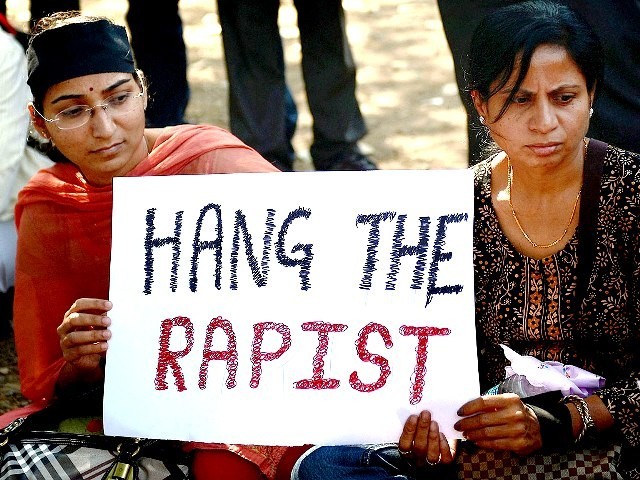
by Maheen UsmaniShe came from a small town in Uttar Pradesh, but she had big dreams.


Editorial:Daily TimesThe persistently deteriorating law and order situation in Karachi has become intolerable. The economic hub of the country responsible for generating 70 percent of GDP, the city has far more potential than it had been allowed to exhibit owing to criminal gangs, armed militias and political thugs whose turf wars have deprived the city of peace and its economic dividends. Governance in Karachi had been sloppy and inadequate for years now, at times giving the impression of a city without any government. Since long Karachi has not had a peaceful day. It seems ages since any government has felt the responsibility to restore and sustain order in the city. The former coalition between the PPP and MQM benefited each other more than the people they had come to represent. The measures the parties at times took to mend the situation ended up being an eyewash, while the mayhem continued. Now the new government has shown the resolve to put an end to the cycle of misery, but through a consensus. It is indeed important that a broad based agreement is achieved among the political parties and other stakeholders over issues of national importance, such as a cleanup operation against the militants and thugs in Karachi, especially when the political parties are part of the problem inflicting the city. However, if the government is considering getting a clean chit on every step it intends to take during the operation, then it might not be too early to predict the operation already a failure. It is impossible that there would not be any clamour once the operation begins either from the MQM or ANP. The PPP might also groan at some point. So, will the job be left unfinished? In case this happens it would be the beginning of a long, unending crisis in Karachi, further emboldening the criminals about their dominance and overbearing influence over the indecisive government. The temptation to have a political cover needs to be resisted. Governments are formed to govern and unless they do that, their relevance becomes questionable. Already there had been talk of Pakistan becoming dysfunctional. This impression needs to be cleared up and the only solution to it is coming down hard on the criminal elements infecting the entire country. Prime Minister (PM) Nawaz Sharif is already in Karachi to chair the federal cabinet session taking place today in the Governor’s House. Yesterday on his arrival he met the representatives of all the major political parties in Sindh. Concerned about the lawlessness of the port city, which has deprived its people of decent living because of shrinking economic activities brought about by terrorism and lawlessness, the premier has asked all the parties to strive to bring peace back to Karachi. He has assured that the mandate of all the parties in Karachi would not be violated and that he is visiting Karachi as the prime minister of the entire country and not as a representative of PML-N. The purpose of arranging the federal cabinet meeting in Karachi has been to give final shape to the plan of the targeted operation. The PM has struck the right chord by creating agreement among his colleagues. But it is now time to act. We cannot waste any more time to reach a broader consensus that would not change anyone or anything. Now that the cabinet has agreed, the operation against the militants in Karachi should be launched forthwith. These are testing times for everyone, even for the judiciary. There is an apprehension lurking in everyone’s mind: what if the terrorists and criminals caught are freed by the judiciary on the pretext of lack of evidence? The judiciary has to show restraint in granting bail and acquittals to the criminals, giving more time to the prosecution to build its case. The same prudence applies to the intelligence agencies, because without their timely, precise and synchronized input, the entire exercise might prove futile. Karachi is perhaps the most challenging job for the new government, which will set the tone for its future measures and actions against terrorism in the rest of Pakistan.
http://timesofindia.indiatimes.com/Pakistani military officials plotted to kill prominent human rights activist Asma Jahangir while she was on a visit to India, according to new US intelligence disclosures arising from the Snowden affair. The plan was evidently aborted after she learned of it and went public. But it is just one incident in a pattern of extrajudicial killings orchestrated by Pakistani military and intelligence leaders, according to classified documents given by NSA whistleblower Edward Snowden to the Washington Post, which reported some episodes and extracts to protect perceived US interests vis-a-vis Pakistan. US spy agencies have for years reported senior Pakistani military and intelligence leaders were orchestrating a wave of extrajudicial killings of terrorism suspects and other militants, the paper said. It added in July 2011, an assessment of communications intercepts and other intelligence by the NSA concluded that the Pakistani military intelligence had continued over the preceding 16 months a pattern of lethally targeting perceived enemies without trial or due process. The killings, according to the NSA, occurred ''with the knowledge, if not consent, of senior officers''. The disclosure is important in the context of Pakistan's persistent denials of its use of terrorism, both domestically and against India. New Delhi alleges attacks against India, on the border and inside the country, are carried out by the Pakistani military intelligence. But Islamabad insists it is done by ''non-state actors,'' and on occasions has even gone to the extent of claiming India conducts terrorist attacks on itself and blames Pakistan. The US assessment of Pakistani behavior in this regard, particularly in its domestic context, is blunt, stark, and even self-incriminating. In fact, the Post report says, US officials repeatedly sought to keep evidence of Pakistani human rights abuses out of the public eye. A classified diplomatic cable sent from the US Embassy in Islamabad to officials in Washington in September 2009, raising concern about the extrajudicial killings of militants by Pakistani army units, advised against public disclosure of the incidents. It said it was more important to maintain support for the Pakistani armed forces. But while US publicly portrays Islamabad as an ally, the 178-page summary of the US intelligence community's so-called ''black budget'' reveals an intense focus on Pakistan as a toxic swamp of terrorism and nuclear proliferation. ''Pakistan appears at the top of charts listing critical US intelligence gaps. It is named as a target of newly formed analytic cells. And fears about the security of its nuclear program are so pervasive that a budget section on containing the spread of illicit weapons divides the world into two categories: Pakistan and everybody else,'' the Post report says, alluding to the fact that despite such concerns, Washington has lavished $26 billion aid to the country over the past 12 years. The Snowden disclosures reveal the US is devoting tremendous amount of money, resources, and energy to assess Pakistan's nuclear arsenal and its safeguards. US agencies are focused on two particularly worrisome scenarios, the report said: the possibility that Pakistan's nuclear facilities might come under attack by Islamist militants, as its army headquarters in Rawalpindi did in 2009, and even greater concern that they might have penetrated the ranks of military or intelligence, putting them in a position to launch an insider attack or smuggle out nuclear material. Some success was reported in understanding the security of Pakistan nuclear arsenal. The black budget describes the creation of a Pakistan WMD Analysis Cell to track movements of nuclear materials. Agencies, including the CIA and the Defense Department, were able ''to develop and deploy a new compartmented collection capability'' that delivered a ''more comprehensive understanding of strategic weapons security in Pakistan''. Even so, ''the number of gaps associated with Pakistani nuclear security remains the same,'' the document said, and ''the questions associated with this intractable target are more complex''. The budget documents indicate US intelligence agencies are also focused on the security of the nuclear program in India, the report said, without providing details. Disclosure that India is also under US scrutiny in this regard should disabuse planners in New Delhi that Washington treats it as an ally in such matters.
The $52.6 billion U.S. intelligence arsenal is aimed mainly at unambiguous adversaries, including al-Qaeda, North Korea and Iran. But top-secret budget documents reveal an equally intense focus on one purported ally: Pakistan. No other nation draws as much scrutiny across so many categories of national security concern. A 178-page summary of the U.S. intelligence community’s “black budget” shows that the United States has ramped up its surveillance of Pakistan’s nuclear arms, cites previously undisclosed concerns about biological and chemical sites there, and details efforts to assess the loyalties of counterterrorism sources recruited by the CIA. Pakistan appears at the top of charts listing critical U.S. intelligence gaps. It is named as a target of newly formed analytic cells. And fears about the security of its nuclear program are so pervasive that a budget section on containing the spread of illicit weapons divides the world into two categories: Pakistan and everybody else. The disclosures — based on documents provided to The Washington Post by former intelligence contractor Edward Snowden — expose broad new levels of U.S. distrust in an already unsteady security partnership with Pakistan, a politically unstable country that faces rising Islamist militancy. They also reveal a more expansive effort to gather intelligence on Pakistan than U.S. officials have disclosed. The United States has delivered nearly $26 billion in aid to Pakistan over the past 12 years, aimed at stabilizing the country and ensuring its cooperation in counterterrorism efforts. But with Osama bin Laden dead and al-Qaeda degraded, U.S. spy agencies appear to be shifting their attention to dangers that have emerged beyond the patch of Pakistani territory patrolled by CIA drones. “If the Americans are expanding their surveillance capabilities, it can only mean one thing,” said Husain Haqqani, who until 2011 served as Pakistan’s ambassador to the United States. “The mistrust now exceeds the trust.” Beyond the budget files, other classified documents provided to The Post expose fresh allegations of systemic human rights abuses in Pakistan. U.S. spy agencies reported that high-ranking Pakistani military and intelligence officials had been aware of — and possibly ordered — an extensive campaign of extrajudicial killings targeting militants and other adversaries. Public disclosure of those reports, based on communications intercepts from 2010 to 2012 and other intelligence, could have forced the Obama administration to sever aid to the Pakistani armed forces because of a U.S. law that prohibits military assistance to human rights abusers. But the documents indicate that administration officials decided not to press the issue, in order to preserve an already frayed relationship with the Pakistanis. In a statement, a spokeswoman for the National Security Council said the United States is “committed to a long-term partnership with Pakistan, and we remain fully engaged in building a relationship that is based on mutual interests and mutual respect.” “We have an ongoing strategic dialogue that addresses in a realistic fashion many of the key issues between us, from border management to counterterrorism, from nuclear security to promoting trade and investment,” said the spokeswoman, Caitlin Hayden. “The United States and Pakistan share a strategic interest in combating the challenging security issues in Pakistan, and we continue to work closely with Pakistan’s professional and dedicated security forces to do so.” The Post agreed to withhold some details from the budget documents after consultations with U.S. officials, who expressed concern about jeopardizing ongoing operations and sources. A spokesman for the Pakistani Embassy in Washington did not respond to a request for comment. Critical ‘intelligence gaps’ Stark assessments of Pakistan contained in the budget files seem at odds with the signals that U.S. officials have conveyed in public, partly to avoid fanning Pakistani suspicions that the United States is laying contingency plans to swoop in and seize control of the country’s nuclear complex. When Director of National Intelligence James R. Clapper Jr. was asked during congressional testimony last year whether Pakistan had appropriate safeguards for its nuclear program, he replied, “I’m reasonably confident they do.” Facing a similar question this year, Clapper declined to discuss the matter in open session. But the classified budget overview he signed and submitted for fiscal 2013 warned that “knowledge of the security of Pakistan’s nuclear weapons and associated material encompassed one of the most critical set of . . . intelligence gaps.” Those blind spots were especially worrisome, the document said, “given the political instability, terrorist threat and expanding inventory [of nuclear weapons] in that country.” The budget documents do not break down expenditures by country or estimate how much the U.S. government spends to spy on Pakistan. But the nation is at the center of two categories — counterterrorism and counter-proliferation — that dominate the black budget. In their proposal for fiscal 2013, which ends Sept. 30, U.S. spy agencies sought $16.6 billion to fight al-Qaeda and other terrorist groups and asked for $6.86 billion to counter the spread of nuclear, biological and chemical weapons. Together, the two categories accounted for nearly half of the U.S. intelligence community’s budget request for this year. Detailed spreadsheets contain dozens of line items that correspond to operations in Pakistan. The CIA, for example, was scheduled to spend $2.6 billion on “covert action” programs around the world. Among the most expensive, according to current and former U.S. intelligence officials, is the armed drone campaign against al-Qaeda fighters and other militants in Pakistan’s tribal belt. U.S. intelligence analysts “produced hundreds of detailed and timely reports on shipments and pending deliveries of suspect cargoes” to Pakistan, Syria and Iran. Multiple U.S. agencies exploited the massive American security presence in Afghanistan — including a string of CIA bases and National Security Agency listening posts along the border mainly focused on militants — for broader intelligence on Pakistan. Anxiety over nuclear program After years of diplomatic conflict, significant sources of tension between the United States and Pakistan have begun to subside. The pace of CIA drone strikes has plunged, and two years have passed since U.S. leaders infuriated Islamabad by ordering the secret raid inside Pakistani territory that killed bin Laden. Although Pakistani anger has abated, Haqqani said the fallout from the raid had broader consequences than widely understood. “The discovery of bin Laden [in Pakistan] made the Americans think that the Pakistani state’s ability to know what happens within the country is a lot less than had been assumed,” said Haqqani, who is an international-relations professor at Boston University. That realization may have ratcheted up a long-standing source of concern: Pakistan’s ability to safeguard its nuclear materials and components. U.S. intelligence agencies are focused on two particularly worrisome scenarios: the possibility that Pakistan’s nuclear facilities might come under attack by Islamist militants, as its army headquarters in Rawalpindi did in 2009, and even greater concern that Islamist militants might have penetrated the ranks of Pakistan’s military or intelligence services, putting them in a position to launch an insider attack or smuggle out nuclear material. Pakistan has dozens of laboratories and production and storage sites scattered across the country. After developing warheads with highly enriched uranium, it has more recently tried to do the same with more-powerful and compact plutonium. The country is estimated to have as many as 120 nuclear weapons, and the budget documents indicate that U.S. intelligence agencies suspect that Pakistan is adding to that stockpile. Little is known about how it moves materials among its facilities, an area that experts have cited as a potential vulnerability. “Nobody knows how they truly do it,” said Feroz Khan, a retired Pakistani military officer and director of arms control who lectures at the U.S. Naval Postgraduate School in Monterey, Calif. “Vehicles move in a stealthy manner and move with security. But it’s not clear whether the cores are moved to the warheads or the warheads are moved to the core locations.” Concerns persist that extremists could seize components of the stockpile or trigger a war with neighboring India. Pakistan also has a track record of exporting nuclear technology to countries that are on Washington’s blacklist. Pakistan has accepted some security training from the CIA, but U.S. export restrictions and Pakistani suspicions have prevented the two countries from sharing the most sophisticated technology for safeguarding nuclear components. U.S. anxiety over Pakistan’s nuclear program appears to be driven more by uncertainty about how it is run than specific intelligence indicating that its systems are vulnerable, according to the budget documents. A lengthy section on counter-proliferation starts with a single goal: “Make Quantitative and Qualitative Progress against Pakistan Nuclear Gaps.” A table indicates that U.S. spy agencies have identified at least six areas in which their understanding of Pakistan’s weapons programs is deficient. U.S. agencies reported gaining valuable information through “extensive efforts to increase understanding of the transfer and storage of the associated materials.” The budget describes the creation of a Pakistan WMD Analysis Cell to track movements of nuclear materials. Agencies, including the CIA and the Defense Department, were able “to develop and deploy a new compartmented collection capability” that delivered a “more comprehensive understanding of strategic weapons security in Pakistan.” Even so, “the number of gaps associated with Pakistani nuclear security remains the same,” the document said, and “the questions associated with this intractable target are more complex.” The budget documents indicate that U.S. intelligence agencies are also focused on the security of the nuclear program in India, Pakistan’s arch-rival. Other fields under scrutiny U.S. surveillance of Pakistan extends far beyond its nuclear program. There are several references in the black budget to expanding U.S. scrutiny of chemical and biological laboratories. The country is not thought to be running a rogue chemical or biological weapons program, but U.S. intelligence officials fear that Islamists could seize materials from government-run laboratories. Even American interdiction operations targeting other countries have stumbled into connections with Pakistan. In one case, a U.S. effort to block an Iranian shipment through a Turkish port “proved to be even more successful when aluminum powder destined for Pakistan was also discovered and detained,” according to the documents. Aluminum powder can be used to increase the power of explosives. The budget documents don’t disclose CIA payments to its Pakistani counterpart, the Inter- Services Intelligence directorate, or ISI, which former officials said has totaled tens of millions of dollars. The documents do show that the CIA has developed sophisticated means of assessing the loyalties of informants who have helped the agency find al-Qaeda leaders in Pakistan’s tribal region. Those measures, which The Post has agreed not to disclose, have allowed the CIA to “gain confidence in each asset’s authenticity, reliability and freedom from hostile control.” Extrajudicial killings Other classified documents given to The Post by Snowden reveal that U.S. spy agencies for years reported that senior Pakistani military and intelligence leaders were orchestrating a wave of extrajudicial killings of terrorism suspects and other militants. In July 2011, an assessment of communications intercepts and other intelligence by the NSA concluded that the Pakistani military and intelligence services had continued over the preceding 16 months a pattern of lethally targeting perceived enemies without trial or due process. The killings, according to the NSA, occurred “with the knowledge, if not consent, of senior officers.” The NSA cited two senior Pakistani officials who “apparently ordered some of the killings or were at least aware of them,” read a summary of the top-secret NSA report, titled “Pakistan/Human Rights: Extrajudicial Killings Conducted With Consent of Senior Intelligence Officials.” The report summary did not provide an estimate of how many people had been killed or their identities. But it generally described the targets as people whom the Pakistani security forces viewed as “undeniably linked to terrorist activity” or responsible for attacks on Pakistan’s armed forces. The killings “seemed to serve the purpose of dispensing what the military considered swift justice,” the intelligence assessment stated. Pakistani authorities “were conscious of not arousing suspicions. The number of victims at a given time tended to be very small. Furthermore, the military took care to make the deaths seem to occur in the course of counterinsurgency operations, from natural causes, or as the result of personal vendettas.” Although Pakistan has been engaged for years in open warfare with Taliban factions and other domestic insurgents, the NSA placed the extrajudicial killings in a much darker category. Pakistani police forces “were reluctant to carry out the killings,” the report said. The NSA compiled its report shortly after the public exposure of other alleged Pakistani atrocities. In June 2010, the Human Rights Commission of Pakistan charged that Pakistani forces had carried out more than 280 summary executions during an offensive against Taliban fighters and other militants, mostly in the Swat Valley. Five months later, a video surfaced on the Internet showing Pakistani soldiers executing six blindfolded men with their hands tied behind their backs. An international outcry over the latter incident prompted the Obama administration to withhold aid — but only to a handful of low-level Pakistani army units thought to have been involved in such incidents. At the time, Pakistani officials dismissed the video and other reports of summary executions as Taliban propaganda, but they later reversed course and launched an internal investigation. Pakistan’s military leaders insisted publicly that they had zero tolerance for such incidents. Human rights abuses It was not the first time that U.S. officials sought to keep evidence of Pakistani human rights abuses out of the public eye. A classified diplomatic cable, sent from the U.S. Embassy in Islamabad to officials in Washington in September 2009, also raised concern about the extrajudicial killings of militants by Pakistani army units. But the cable — originally released in 2010 by the anti-secrecy group WikiLeaks — advised against public disclosure of the incidents, saying it was more important to maintain support for the Pakistani armed forces. U.S. intelligence officials have kept quiet about other signs of human rights abuses by the Pakistani military, even though their classified reporting on the subject underscores persistent concerns. In September 2011, the summary of a top-secret report from a Defense Intelligence Agency task force cited the “systemic practice” of unlawful killings by Pakistani security forces in the tribal regions of western Pakistan. Pakistan had recently passed a law allowing the military to detain insurgents indefinitely and make it easier to convict them in civilian courts. But the DIA concluded that because extrajudicial killings were “condoned by senior officials” in Pakistan’s security establishment, the new law was unlikely to significantly reduce the number of deaths. Other U.S. intelligence documents indicate that Pakistani officials weren’t targeting just suspected insurgents. In May 2012, U.S. intelligence agencies discovered evidence of Pakistani officers plotting to “eliminate” a prominent human rights activist, Asma Jahangir, according to the summary of a top-secret DIA report. Jahangir had been a leading public critic of the ISI for years. The DIA report did not identify which officers were plotting to kill Jahangir, but it said the plan “included either tasking militants to kill her in India or tasking militants or criminals to kill her in Pakistan.” The U.S. agency said it did not know whether the ISI had given approval for the plot to proceed. Although the report speculated that the ISI was motivated to kill Jahangir “to quiet public criticism of the military,” the DIA noted that such a plot “would result in international and domestic backlash as ISI is already under significant criticism for intimidation and extra-judicial killings.” News of the alleged plot became public a few weeks later when Jahangir gave a round of interviews to journalists, revealing that she had learned that Pakistani intelligence officials had marked her for death. The plot was never carried out.By Greg Miller, Craig Whitlock and Barton Gellman




http://ahmadiyyatimes.blogspot.com/Chief of Pakistan Christian Congress PCC, Dr. Nazir S Bhatti in a statement released here today has feared that Asia Bibi, a Christian mother of 5, sentenced to death under blasphemy, serving in Multan jail can be enforcedly converted to Islam.
 Asia Bibi was arrested in June 2009, under charges of blasphemy Section 295 B and C PPC, subject to capital punishment on drinking water in cup of Muslim women when working in farm in his native village Ittan Wali in District Sheikhupura of Punjab province of Pakistan.
As Christians are treated as infidels in Pakistan, the Muslim women coworkers of Asia Bibi claimed that she have made their drinking water cup as Unclean on which arguments aroused among them on which Muslim women blamed that Asia Bibi have defiled name of Prophet Mohammad.
A Muslim mob attacked home of Asia Bibi and tortured her in her own home when area police arrived on scene and arrested her on charges of blasphemy. Asia Bibi was sent to District Jail Sheikhupura where she was kept in solitary confinement cell. In November 2010, Muhammed Naveed Iqbal, a judge at the court of Sheikhupura, Punjab, sentenced her to death by hanging. Additionally, a fine of the equivalent of $1,100 was imposed.
An appeal was filed in Lahore High Court against death sentence to Asia Bibi by her husband Ashiq Masih which is still pending to hearing.
Pope Benedict XVI and other international human right organization called for clemency for Asia Bibi on which fundamental Muslim elements created uproar and demanded death for Asia Bibi. The Islamists reaction was so furious that a “Fatwa” religious decree was issued by Muslim clerics to award 5 lacks of Pakistani rupees who will assassinate Asia Bibi.
According to reports published in PCP after interview with some human right activists who succeeded to meet Asia Bibi in his Cell in District Jail Sheikhupura in year 2012, revealed that they found Islamic literature in her cell which Asia Bibi told that jail administration have provided her and one woman jail warden talks with her on Islam frequently.
In June 2013, Asia Bibi was transferred to Multan Jail from Sheikhupura jail without any notice to her husband and attorney. Multan City is 183 miles from Sheikhupura city and transfer of Asia Bibi to Multan jail was to create problems of visitation for her family.
Dr. Nazir Bhatti said “Higher Courts in Pakistan take Suo-Motto notices every day but have not time to hear appeal of Asia Bibi which creates doubts among Pakistani Christians that there are not any interests in urgent issues of them”
Asia Bibi is in jail since 2009 and waiting for her appeal hearing till filing this report and no one knows when Pakistani Judges will spare time to listen voice of this voiceless Christian mother of five.
Dr. Nazir Bhatti said that it seems that Punjab administration will brain wash Asia Bibi in Multan jail and force her to accept Islam as her religion and present her in any court for decleration.
PCC Chief urged Chief Justice of Supreme Court of Pakistan to take note on situation of Asia Bibi in Multan jail and order to hear her pending appeal against her conviction.
Asia Bibi was arrested in June 2009, under charges of blasphemy Section 295 B and C PPC, subject to capital punishment on drinking water in cup of Muslim women when working in farm in his native village Ittan Wali in District Sheikhupura of Punjab province of Pakistan.
As Christians are treated as infidels in Pakistan, the Muslim women coworkers of Asia Bibi claimed that she have made their drinking water cup as Unclean on which arguments aroused among them on which Muslim women blamed that Asia Bibi have defiled name of Prophet Mohammad.
A Muslim mob attacked home of Asia Bibi and tortured her in her own home when area police arrived on scene and arrested her on charges of blasphemy. Asia Bibi was sent to District Jail Sheikhupura where she was kept in solitary confinement cell. In November 2010, Muhammed Naveed Iqbal, a judge at the court of Sheikhupura, Punjab, sentenced her to death by hanging. Additionally, a fine of the equivalent of $1,100 was imposed.
An appeal was filed in Lahore High Court against death sentence to Asia Bibi by her husband Ashiq Masih which is still pending to hearing.
Pope Benedict XVI and other international human right organization called for clemency for Asia Bibi on which fundamental Muslim elements created uproar and demanded death for Asia Bibi. The Islamists reaction was so furious that a “Fatwa” religious decree was issued by Muslim clerics to award 5 lacks of Pakistani rupees who will assassinate Asia Bibi.
According to reports published in PCP after interview with some human right activists who succeeded to meet Asia Bibi in his Cell in District Jail Sheikhupura in year 2012, revealed that they found Islamic literature in her cell which Asia Bibi told that jail administration have provided her and one woman jail warden talks with her on Islam frequently.
In June 2013, Asia Bibi was transferred to Multan Jail from Sheikhupura jail without any notice to her husband and attorney. Multan City is 183 miles from Sheikhupura city and transfer of Asia Bibi to Multan jail was to create problems of visitation for her family.
Dr. Nazir Bhatti said “Higher Courts in Pakistan take Suo-Motto notices every day but have not time to hear appeal of Asia Bibi which creates doubts among Pakistani Christians that there are not any interests in urgent issues of them”
Asia Bibi is in jail since 2009 and waiting for her appeal hearing till filing this report and no one knows when Pakistani Judges will spare time to listen voice of this voiceless Christian mother of five.
Dr. Nazir Bhatti said that it seems that Punjab administration will brain wash Asia Bibi in Multan jail and force her to accept Islam as her religion and present her in any court for decleration.
PCC Chief urged Chief Justice of Supreme Court of Pakistan to take note on situation of Asia Bibi in Multan jail and order to hear her pending appeal against her conviction.
Editorial: Daily TimesNine army and Frontier Corps soldiers have been killed in North Waziristan (NW) by an Improvised Explosive Device planted on a roadside. Many soldiers are still critically injured. Ansarul Mujahideen had claimed responsibility for the attack, calling it revenge against the drone strike that had killed four suspected militants on Friday. The army’s efforts to catch the culprits failed as they had dispersed comfortably in the forbidding terrain of NW. This is not the first time that military personnel have been attacked and killed in the area. Therefore trying to justify it as an act of revenge for the drone attack does not wash. Since 2007, such attacks have become a constant feature of the asymmetrical war we are engaged in with the militants with no sign so far of winning or making an effort to bring it to an end. So far the government has made several plans to combat terrorism without giving any policy framework on how to go about this daunting task. The PML-N government initially stuck to its election slogan of peace talks with the insurgents and terrorists. However, its changed tilt to clamp down on terrorists is shaping up visibly as it is gaining information about the real situation on the ground. The efforts to engage the terrorists in talks may have started, though these have been denied by both the government and the terrorists, reflecting perhaps the sensitivity of the matter. Only time will tell whether this approach succeeds. In this policy formulation stage, the government has adopted different initiatives to combat terrorism in all the four provinces. Karachi is being prepared for a grand operation; Punjab is refurbishing its counter-terrorism effort; the Balochistan and Khyber Pakhtunkhwa (KP) governments have been given assurances of full support by the federal government. This is all to the good, but it is time to take NW as well by the horns. It makes little sense to attempt cleansing the rest of the country of terrorism while leaving its main base area intact. It is no secret that NW is the main ‘manufacturing’ base of terrorism. It is a safe haven that gives the terrorists ample time to plan their evil designs for Pakistan and elsewhere. If we are shying away from acknowledging the fact because of our concerns about Afghanistan and we want NW to protect and produce more jihadi proxies after 2014 when the US pulls out of Afghanistan, then we are indeed planning many more doomsdays for Pakistan. Pakistan’s 40 years of adventurism with jihadi proxies have yielded it nothing but international isolation and a country that cannot live in peace with itself or others, the result of which is a virtually moribund economy, faltering trade, diminishing business and spiralling inflation. The proxies have now become a force unto themselves that we try to define as good and bad Taliban, according to the manner in which they deal with us. It is not in Pakistan’s interests to carry on with the philosophy of gaining a stronghold in Afghanistan by having our choice of government there. It is also of no use to Pakistan to train jihadis for the Kashmir insurgency as the predominance of these extremist forces has adversely affected the Kashmir cause. The only viable, workable and beneficial premise is to make Pakistan mind its own business without getting into the headache of determining how other countries manage their affairs, especially Afghanistan. Presently, Pakistan requires economic resurrection, for which peace and regional harmony are indispensible. The impression that Pakistan nurtures, harbours, sponsors and protects terrorists should be reversed. However, unless the nexus between the intelligence agencies, military establishment and the militants is broken, this reversal cannot be achieved. The proof of this pudding lies in attacking the terrorists in NW. Consensus or no consensus, this area begs a military operation without delay, admittedly a difficult task for the government and more for the military establishment for the protective cover it had given to the militants there so far. But then Pakistan’s future is connected with our ability to break through this cobweb that has held the fate of the country hostage now for over four decades.
http://mediacellppp.wordpress.com/Pakistan Peoples Party Parliamentarians (PPPP) and Awami National Party (ANP) on Monday submitted separate adjournment motions in the Senate protesting phenomenal hike in prices of the petroleum products. The PPPP’s adjournment motion was signed by Senators Raza Rabbani, Saeeda Iqbal, Saeed Ghani, Maula Bux Chandi and Syeda Sughra Imam, while all ANP members in the Senate signed the motion submitted by Senator Zahid Khan. The motion stated that increase in petroleum products’ prices would further enhance prices of commodities. Following the approval of increase in POL prices, different opposition parties and religious groups rejected the hike, declaring it an anti-people act of the PML-N government. The adjournment motions call for a thorough debate on the issue of public importance.
The Express Tribune NewsFormer interior minister Rehman Malik said on Tuesday that militant groups like Lashkar-e-Jhangvi needed to be targeted at their “roots”.

 A teenager who was shot by the Taliban after campaigning for women's rights declared herself an honorary Brummie today as she officially opened a new £188 million civic library.
Malala Yousafzai was warmly applauded by a 1,000-strong crowd outside the Library of Birmingham as she thanked the people of the city for their support during her ordeal.
A teenager who was shot by the Taliban after campaigning for women's rights declared herself an honorary Brummie today as she officially opened a new £188 million civic library.
Malala Yousafzai was warmly applauded by a 1,000-strong crowd outside the Library of Birmingham as she thanked the people of the city for their support during her ordeal.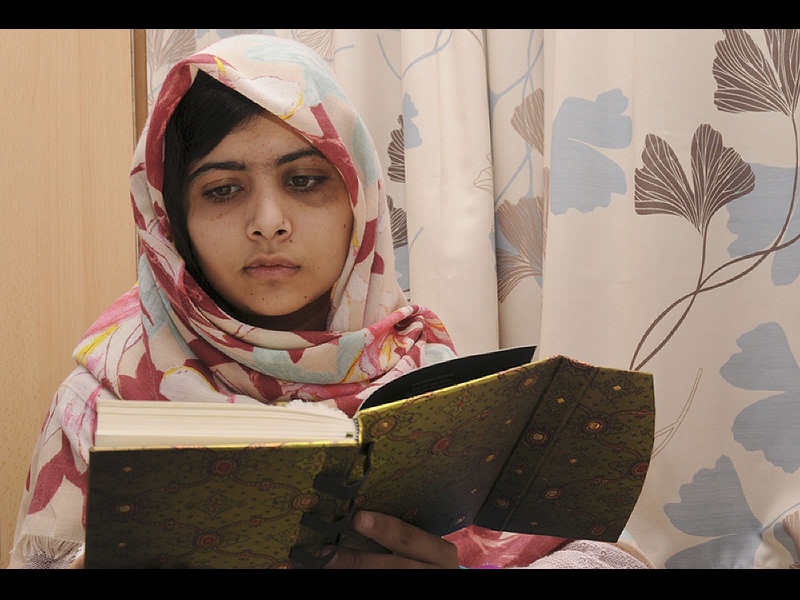 President Asif Ali Zardari has said the policy of reconciliation will continue to strengthen democracy.
He was talking to a delegation of members of the legislative assembly of Gilgit-Baltistan, led by Chief Minister Syed Mehdi Shah, in Islamabad on Monday.
The president said the Pakistan People’s Party (PPP) will continue to play a positive and robust role within and outside parliament to strengthen democratic institutions.
Meanwhile, a delegation of leadership of Azad and Jammu Kashmir, led by AJK President Sardar Muhammad Yaqoob Khan and Prime Minister Chaudhry Abdul Majeed, also called on the president.
Spokesperson to the President Senator Farhatullah Babar said the delegation appreciated the keen interest of the president in development of AJK and lauded the various measures taken for the uplift and betterment of the people of the country, particularly AJK.
Zardari said the PPP government accorded top priority to the development of AJK and undertook every possible step for the well being of the people of Azad Kashmir.
The delegation thanked the president for the meeting and invited him for a farewell reception to be held in his honour at the Kashmir House Islamabad.
Separately, European Union Ambassador to Pakistan Lars-Gunnar Wigemark also called on President Zardari.
They discussed matters pertaining to Pakistan-European Union relations.
Chief of Air Staff Air Chief Marshal Muhammad Tahir Rafique Butt also called on the president and discussed matters pertaining to Pakistan Air Force.
- See more at: http://www.pakistantoday.com.pk/2013/09/02/news/national/ppps-policy-of-reconciliation-will-continue-to-strengthen-democracy-zardari/#sthash.zVvAEWId.dpuf
President Asif Ali Zardari has said the policy of reconciliation will continue to strengthen democracy.
He was talking to a delegation of members of the legislative assembly of Gilgit-Baltistan, led by Chief Minister Syed Mehdi Shah, in Islamabad on Monday.
The president said the Pakistan People’s Party (PPP) will continue to play a positive and robust role within and outside parliament to strengthen democratic institutions.
Meanwhile, a delegation of leadership of Azad and Jammu Kashmir, led by AJK President Sardar Muhammad Yaqoob Khan and Prime Minister Chaudhry Abdul Majeed, also called on the president.
Spokesperson to the President Senator Farhatullah Babar said the delegation appreciated the keen interest of the president in development of AJK and lauded the various measures taken for the uplift and betterment of the people of the country, particularly AJK.
Zardari said the PPP government accorded top priority to the development of AJK and undertook every possible step for the well being of the people of Azad Kashmir.
The delegation thanked the president for the meeting and invited him for a farewell reception to be held in his honour at the Kashmir House Islamabad.
Separately, European Union Ambassador to Pakistan Lars-Gunnar Wigemark also called on President Zardari.
They discussed matters pertaining to Pakistan-European Union relations.
Chief of Air Staff Air Chief Marshal Muhammad Tahir Rafique Butt also called on the president and discussed matters pertaining to Pakistan Air Force.
- See more at: http://www.pakistantoday.com.pk/2013/09/02/news/national/ppps-policy-of-reconciliation-will-continue-to-strengthen-democracy-zardari/#sthash.zVvAEWId.dpuf
 Syed Wali desperately wants to immunize his three young children against polio but fears the Islamic militants who banned the vaccine from this remote area in northwest Pakistan will catch him if he tries to smuggle it in.
"I can afford to bring the vaccine for my children, but what answer will I give the Taliban if they recover the vaccine bag from my possession?" Wali asked.
Wali's fears are shared by many in the North Waziristan tribal area as health authorities recently confirmed five new polio cases there and suspect there are many more. It's one of a series of outbreaks this year in parts of the country where security threats have kept out vaccination teams.
Officials worry these outbreaks — inflamed by militant threats and attacks on vaccination teams — could worsen and spread to other parts of Pakistan, especially since the country is entering the high season for virus transmission.
"It's not like a pot of boiling water where you see bubbles coming from everywhere, but there is steam coming out from specific areas," said Dr. Elias Durry, emergency coordinator for polio eradication in Pakistan for the World Health Organization. "Our fear is that the virus from these areas can go out and seriously jeopardize the success in fighting polio that has been achieved in the past couple of years."
Pakistan — one of only three countries left where polio is endemic — had 198 confirmed cases in 2011, the highest number of any nation in the world. Pakistan was able to bring that number down to 58 in 2012 through a vaccination program that is supported by the United Nations.
But the militant threats could reverse that progress. There have been 27 confirmed polio cases in Pakistan so far this year — the third highest total in the world after Somalia and Nigeria. Seventeen of them have occurred in the country's semiautonomous tribal region, the main sanctuary for Taliban and al-Qaida militants, Durry said.
Two powerful Pakistani Taliban militants have banned vaccinators from North and South Waziristan over roughly the past year because of their opposition to U.S. drone strikes. Gunmen have also killed over a dozen vaccination workers and police guards in different areas of the country. Many suspect the Taliban of carrying out the murders, although the group has denied the allegation.
Militants have claimed the vaccine is meant to sterilize Muslim children and accused health workers of being U.S. spies. The allegation gained traction after the CIA used a Pakistani doctor to try to confirm the presence of Osama bin Laden in 2011 under the guise of an immunization program.
The threats have left residents like the shopkeeper Wali, who lives in the town of Miran Shah, with the difficult decision of whether to defy the militants by smuggling the vaccine in for his children from the main northwest city of Peshawar.
Some families couldn't afford to make the six-hour journey to get the vaccine from Peshawar, the capital of Khyber Pakhtunkhwa province, even if they wanted to take the risk.
Health workers have stationed themselves at two checkpoints protected by the army in North Waziristan, where they are vaccinating children riding by in vehicles. But many people are afraid the militants will find out if they vaccinate their children at the checkpoints.
The polio virus, which usually infects children in unsanitary conditions, attacks the nerves and can kill or paralyze. It can spread widely and unnoticed before it starts crippling children. On average, about one in 200 cases will result in paralysis.
Durry, the WHO official, said authorities have confirmed five polio cases in North Waziristan and three others in the nearby district of Bannu this year.
The five cases in North Waziristan were confirmed since the beginning of August, two of them on Wednesday, said a local health official, speaking on condition of anonymity because he was not authorized to talk to the media. Officials are still investigating 20 suspected cases, he said.
There have been a total of 12 confirmed cases since the militant ban, the official said. Tribal elders sent to ask the militants to change their minds haven't been successful, said Jahan Mir, a senior government health official in Miran Shah.
There also have been confirmed polio cases this year in the Khyber tribal area and the provinces of Khyber Pakhtunkhwa, Sindh and Punjab, Durry said. Health officials had planned to immunize 34 million children across the country, but 1.5 million have not received the vaccine because of security threats, he said.
Threats by al-Qaida-linked militants also have hampered vaccination efforts this year in Somalia, which has suffered the worst polio outbreak in the world. The country has confirmed 108 cases so far, more than all other countries combined, according to the Global Polio Eradication Initiative website. There have been at least 192 confirmed cases worldwide in 2013.
Somalia isn't even one of the three countries where polio is considered endemic. Those are Pakistan, its neighbor Afghanistan and Nigeria, where Islamic extremists killed polio vaccinators in the northern city of Kano in February.
Irfan Khan, a father of two young children in North Waziristan's Mir Ali town, said he hoped authorities succeed in appealing to the militants to protect the local population.
"The government and the militants should both compromise to allow children to get the vaccine," he said.
Syed Wali desperately wants to immunize his three young children against polio but fears the Islamic militants who banned the vaccine from this remote area in northwest Pakistan will catch him if he tries to smuggle it in.
"I can afford to bring the vaccine for my children, but what answer will I give the Taliban if they recover the vaccine bag from my possession?" Wali asked.
Wali's fears are shared by many in the North Waziristan tribal area as health authorities recently confirmed five new polio cases there and suspect there are many more. It's one of a series of outbreaks this year in parts of the country where security threats have kept out vaccination teams.
Officials worry these outbreaks — inflamed by militant threats and attacks on vaccination teams — could worsen and spread to other parts of Pakistan, especially since the country is entering the high season for virus transmission.
"It's not like a pot of boiling water where you see bubbles coming from everywhere, but there is steam coming out from specific areas," said Dr. Elias Durry, emergency coordinator for polio eradication in Pakistan for the World Health Organization. "Our fear is that the virus from these areas can go out and seriously jeopardize the success in fighting polio that has been achieved in the past couple of years."
Pakistan — one of only three countries left where polio is endemic — had 198 confirmed cases in 2011, the highest number of any nation in the world. Pakistan was able to bring that number down to 58 in 2012 through a vaccination program that is supported by the United Nations.
But the militant threats could reverse that progress. There have been 27 confirmed polio cases in Pakistan so far this year — the third highest total in the world after Somalia and Nigeria. Seventeen of them have occurred in the country's semiautonomous tribal region, the main sanctuary for Taliban and al-Qaida militants, Durry said.
Two powerful Pakistani Taliban militants have banned vaccinators from North and South Waziristan over roughly the past year because of their opposition to U.S. drone strikes. Gunmen have also killed over a dozen vaccination workers and police guards in different areas of the country. Many suspect the Taliban of carrying out the murders, although the group has denied the allegation.
Militants have claimed the vaccine is meant to sterilize Muslim children and accused health workers of being U.S. spies. The allegation gained traction after the CIA used a Pakistani doctor to try to confirm the presence of Osama bin Laden in 2011 under the guise of an immunization program.
The threats have left residents like the shopkeeper Wali, who lives in the town of Miran Shah, with the difficult decision of whether to defy the militants by smuggling the vaccine in for his children from the main northwest city of Peshawar.
Some families couldn't afford to make the six-hour journey to get the vaccine from Peshawar, the capital of Khyber Pakhtunkhwa province, even if they wanted to take the risk.
Health workers have stationed themselves at two checkpoints protected by the army in North Waziristan, where they are vaccinating children riding by in vehicles. But many people are afraid the militants will find out if they vaccinate their children at the checkpoints.
The polio virus, which usually infects children in unsanitary conditions, attacks the nerves and can kill or paralyze. It can spread widely and unnoticed before it starts crippling children. On average, about one in 200 cases will result in paralysis.
Durry, the WHO official, said authorities have confirmed five polio cases in North Waziristan and three others in the nearby district of Bannu this year.
The five cases in North Waziristan were confirmed since the beginning of August, two of them on Wednesday, said a local health official, speaking on condition of anonymity because he was not authorized to talk to the media. Officials are still investigating 20 suspected cases, he said.
There have been a total of 12 confirmed cases since the militant ban, the official said. Tribal elders sent to ask the militants to change their minds haven't been successful, said Jahan Mir, a senior government health official in Miran Shah.
There also have been confirmed polio cases this year in the Khyber tribal area and the provinces of Khyber Pakhtunkhwa, Sindh and Punjab, Durry said. Health officials had planned to immunize 34 million children across the country, but 1.5 million have not received the vaccine because of security threats, he said.
Threats by al-Qaida-linked militants also have hampered vaccination efforts this year in Somalia, which has suffered the worst polio outbreak in the world. The country has confirmed 108 cases so far, more than all other countries combined, according to the Global Polio Eradication Initiative website. There have been at least 192 confirmed cases worldwide in 2013.
Somalia isn't even one of the three countries where polio is considered endemic. Those are Pakistan, its neighbor Afghanistan and Nigeria, where Islamic extremists killed polio vaccinators in the northern city of Kano in February.
Irfan Khan, a father of two young children in North Waziristan's Mir Ali town, said he hoped authorities succeed in appealing to the militants to protect the local population.
"The government and the militants should both compromise to allow children to get the vaccine," he said.
