Daily TimesIt is obviously impossible to secure each and every thing and place, but being unable to protect those targets identified as under threat because of prior intelligence is unacceptable. Apparently the situation is that the intelligence system is working but the law enforcement agencies lack the wherewithal to act on the given intelligence. The attack on the Shalimar Express, a semi-private service, is of this nature (as was the D I Khan jailbreak). The private operators of the Shalimar Express had been receiving threatening calls from extortionists. The last call they received was on July 31, laced with warnings of dire consequences if the demands of the extortionists were not met. The issue was reported to the railway management, making sure that the Minister for Railways Khwaja Saad Rafique was in the picture. Pakistan Railways threw the ball back into the Shalimar Express operators’ court, telling them to arrange their own security. As it turned out therefore, the usual two constables of the railway police were ‘escorting’ the ill-fated Shalimar Express when it was blasted. Three people, including an infant, were killed and several injured. According to the latest reports, an improvised explosive device had been planted in the roof of a wagon’s washroom that exploded while the train was passing through Chatyana Railway Station, 17 kilometres from Toba Tek Singh. The Minister for Railways Khwaja Saad Rafique has called it an act of terrorism. He has ordered an inquiry into the incident, but without explaining why the railway management did not assist the Shalimar operators to thwart the attack when the country is afflicted on all sides by terrorism. The telephone calls, as reported by the Intelligence Bureau, were traced to Afghanistan. The attackers had been ‘identified’ and their plan was known. So much was on the table, yet still the incapacity to defend was in evidence. As the country sinks deeper into the quagmire of terrorism, the state machinery seems helpless and unable to do much about the situation. What made Khwaja Saad Rafique give a cold shoulder to the Shalimar operators when the lives of people were at stake? It was a matter of life and death of those innocent people who are dying like flies only because the authorities are not paying sufficient heed to the gravity of the situation. If Khwaja sahib thought the extortionists would be unable to go so far as to attack the train, or considered it unlikely for terrorists becoming extortionists, then the minister might require a new brief over the working of terrorist organizations using every means such as kidnapping, theft, extortion, etc, to fund their campaigns. The extortion racket has become an industry by now. With target killing becoming a routine and going unpunished, coercing people into paying extortion money has become easier. In Karachi (the original birthplace of the extortion mafia) there are about 50 no-go areas. Most of the extortion rackets operate from these pockets. Until June this year, 630 extortion complaints have been registered by the Citizen Police Liaison Committee, a Karachi body set up to help the police by providing information, crime statistics and technical support. Emboldened by their rate of success, the extortion mafia is fast penetrating into other cities all over the country and threatening business entities, as is suggested by the railway attack. Official reports have confirmed some political parties or their protégés are also involved in this criminality. Karachi’s violence has been largely attributed to the turf war ignited by different parties to get the maximum from extortion money. The recent phenomenon of the Taliban ramping up extortion operations in Karachi has added to the misery of the business community. In such circumstances, nothing can be taken lying down. We have already given enough space to the criminals and terrorists to wreak havoc on our lives. How much more do we intend to allow them to get away with before we wake up to the threat? We need to act collectively and on a serious note.
Wednesday, August 7, 2013
Pakistan: Another security lapse
Close to collapse? Iran-Pakistan pipeline

IS it dead, or is there still some life left in it? The Iran-Pakistan gas pipeline project appears to have been dropped by the Sharif government, though no formal intimation has been made. If that is in fact the case, it is an unnecessary capitulation by the government to US, and perhaps even Saudi Arabian, pressure. Two matters are relevant here. First, is the IP pipeline a sanction-able project? If a robust legal defence and a hard look at the language of the sanctions suggests, as some in the Foreign Office have argued, that the IP pipeline is permissible under existing sanctions, then Pakistan is needlessly giving up a right to do business with a neighbouring country. Even if the pipeline project does make sanctions possible, are they automatically applicable and to what extent would Pakistan’s business relations with the outside world be harmed? The simple reality is that Pakistan has an acute gas and energy crisis. Any project that can help bridge the supply-demand gap in relatively quick order ought to be given urgent consideration. The IP pipeline certainly fits that bill and what’s more, the Iranian government has been very serious about supplying gas to Pakistan. The project on the Iranian side of the border is near complete and the Iranians have offered a number of concessions to cushion the fiscal impact of construction on the Pakistani side. To allow such a seemingly viable economic idea to collapse at the altar of international relations is a travesty and a disservice to the Pakistani people. It appears the Sharif government would rather focus on the potential fallout of Washington or Riyadh’s annoyance with Pakistan than close a deal with Tehran which is there for the taking. Is that bargain necessary or the only one that Pakistan can make? The starting point of the sanctions on Iran is to open up its nuclear programme to international inspectors to ensure it remains within the realm of a peaceful and civilian nuclear programme. As this paper has argued before, sanctions are not the best way to achieve Tehran’s cooperation and instead exact a terrible toll on Iranian society and economy. Starting from that first principle and then moving through the chain of questions such as whether the IP pipeline is even subject to automatic sanctions, the Pakistani government can and should push harder to have the project reach fruition and on time. The passive approach is equivalent to outsourcing Pakistan’s economic security and foreign policy and is entirely unnecessary.
PPP readies draft of new LB system, replacing nazims with mayors
The Frontier Post
 Pakistan People’s Party (PPP) has prepared a draft of proposed local bodies system for Sindh, Local TV reported.
According to the new draft, LB polls would be held on party basis, and the province would have mayor system.
The draft envisages restoration of five districts in Karachi, led by district mayor, and the entire city would be led by Lord Mayor.
The Lord Mayor would be replaced by a rotation system every year, with the one seeking majority vote would be appointed as Lord Mayor, and the least as last district mayor.
Hyderabad would be led by a Mayor, and its districts would be led by Chairman District Council.
The same system would be applicable on Sukkur, Larkana and other municipal corporations.
Pakistan People’s Party (PPP) has prepared a draft of proposed local bodies system for Sindh, Local TV reported.
According to the new draft, LB polls would be held on party basis, and the province would have mayor system.
The draft envisages restoration of five districts in Karachi, led by district mayor, and the entire city would be led by Lord Mayor.
The Lord Mayor would be replaced by a rotation system every year, with the one seeking majority vote would be appointed as Lord Mayor, and the least as last district mayor.
Hyderabad would be led by a Mayor, and its districts would be led by Chairman District Council.
The same system would be applicable on Sukkur, Larkana and other municipal corporations.
Media and Judges double standards: Chaudhry Sarwar becomes Viceroy Punjab!
One cannot help but applaud the immense “sacrifice” Punjab’s new viceroy, Chaudhry Sarwar has made. He has sacrificed his UK nationality in larger national interest and taken over as Governor of Punjab. Off course, the Sharifs couldn’t find one able bodied person amongst the 110 million population of Punjab or nearly 200 million from all of Pakistan and had to import Chaudhry Sarwar to be a constitutional head of the largest province of Pakistan.While his sacrifice of surrendering his nationality of UK may be a meaningless matter for me, the double standards that our media and the judges have shown on this matter sickens me! No one dares question the Sharifs as to why they had to import a Governor or has Chaudhry Sarwar pledged again to Pakistan. He must have pledged allegiance to the British Monarchy when he got a British citizenship. Has he now pledged that he will have nothing to do with Britain and will not be a subject. There has got to be an oath now to be taken by him! How come the media is not raising hue and cry on this? How come the cheater of cheaters, Iftikhar Chaudhry not taking suo moto notice? Off course, he did what he had to with Tahir ul Qadri. He has made a mockery of a number of elected parliamentarians. But he would dare not say anything to someone appointed by the Sharifs or maybe that the new viceroy of Punjab is also a “Chaudhry”. Media’s silence is baffling. I guess all of their energies were spent in the five years PPP was in power. It is this media which was responsible for the assassination of a real Lion of Punjab, Salmaan Taseer. Salmaan Taseer was targeted on a daily basis by the media. His family life was exposed, his travels were talked about, his business was targeted, he was alleged to have been conspiring to kill a sitting chief justice and then eventually got him killed on charges of blasphemy. When it comes to the Sharifs, the media is completely quiet. There are no 10 articles a day on the appointment of a viceroy! - See more at: http://lubpak.com/archives/280473#sthash.hyogoxry.dpufby Sarah Khan

President Zardari condemns assassination of army, police officers in Chilas
http://mediacellppp.wordpress.com/
President Asif Ali Zardari on Tuesday strongly condemned the assassination of Army and Police Officers in Chilas. The President conveyed his condolences to the bereaved families. He prayed to Allah Almighty to bless the departed souls with eternal peace and grant courage to the bereaved families to bear this irreparable loss with fortitude.

Four Karachi wine shops targeted with explosives in an hour
The Express TribuneFour consecutive explosions targeted four liquor stores in Karachi late on Tuesday, reports Express News. The first of the blasts occurred in Defence Housing Authority (DHA) when a bike parked outside a wine store near the Cineplex Cinema on Sea View, exploded as a result of a small improvised device blowing up. At least one person received minor injuries as a result of the blast. Bomb disposal squad after their initial investigations said that the first explosion was powerful and suggested that it could have been planted at the spot prior to explosion. Soon after, another explosive device blew up near another liquor store, located on Khayaban-e-Rahat. The store is reportedly licensed out to Shaheen Corporation. As police responded to the attacks to cordon off the blast site, they saw and arrested at least three suspicious person. These people were shifted to undisclosed locations for questioning. While law enforcement and emergency services were responding to the blasts in DHA a third improvised explosive device (cracker) exploded outside JB wine shop in Gulshan-e-Iqbal. The store is located near the Moti Mahal bus stop, and is located almost 23 kilometers away from the blast sites in DHA. A fourth blast was also reported outside a wine store located near Cafe Clifton. The damage was limited as the stores were closed on account of Ramazan. The bomb disposal squad has been dispatched to the sites to determine the exact cause of the explosion. “It seems that the blasts were carried out by the same group,” City Police Chief Ghulam Qadir Thebu told media during his visit to the blasts sites in DHA. “Apparently, timer devices containing around 200 grammes of explosives were used in the blasts. Investigators are trying to ascertain the motive behind the attacks.” While the police has yet to offer any explanation on the possible motives behind the attacks, Express News correspondent Nadeem Ahmed said that the shop owners had been receiving demands to pay extortion money and that the the explosions could possibly linked to the threats. There was no immediate report of any casualty.
Children killed in Pakistan explosion
 At least eleven children have been killed and 26 others wounded in an explosion in Pakistan’s port city of Karachi, police said.
The blast took place in the impoverished Lyari neighbourhood of the city after a football match on Wednesday.“The bomb was planted on a motorbike that was parked outside the stadium,” senior police official Tariq Dharejo told AFP news agency.
Dharejo said the bomb was a remote-controlled device. According to reports, the bomb targeted a member of the provincial assembly at the stadium, but he survived.
Al Jazeera's Osama Bin Javaid, reporting from Karachi, said: "Lyari is notorious for gang wars and this appears to be a localised crime in which criminal elements, who were against this politician, tried to target him."
In other parts of the city, there were several explosions outside wine shops in four separate areas.
Local politician Sania Naz from the Pakistan People's Party also confirmed the blast, saying that those killed were aged from six to 15 years old.
Karachi, a city of 18 million people, contributes 42 percent of Pakistan's GDP but is rife with murder and kidnappings and has been plagued for years by ethnic, sectarian and political violence.
Football is popular in the area, with people of all ages playing the game.
At least eleven children have been killed and 26 others wounded in an explosion in Pakistan’s port city of Karachi, police said.
The blast took place in the impoverished Lyari neighbourhood of the city after a football match on Wednesday.“The bomb was planted on a motorbike that was parked outside the stadium,” senior police official Tariq Dharejo told AFP news agency.
Dharejo said the bomb was a remote-controlled device. According to reports, the bomb targeted a member of the provincial assembly at the stadium, but he survived.
Al Jazeera's Osama Bin Javaid, reporting from Karachi, said: "Lyari is notorious for gang wars and this appears to be a localised crime in which criminal elements, who were against this politician, tried to target him."
In other parts of the city, there were several explosions outside wine shops in four separate areas.
Local politician Sania Naz from the Pakistan People's Party also confirmed the blast, saying that those killed were aged from six to 15 years old.
Karachi, a city of 18 million people, contributes 42 percent of Pakistan's GDP but is rife with murder and kidnappings and has been plagued for years by ethnic, sectarian and political violence.
Football is popular in the area, with people of all ages playing the game.
Attacks kill 28 people across Pakistan
Twenty-eight people have been killed in a series of attacks early this week in Pakistan, including a Wednesday morning bombing at a soccer field that left 11 dead.A bomb blast that appeared to be targeting a provincial government minister killed 11 people before dawn Wednesday at a soccer field in southern Pakistan, the latest in a series of attacks that left 28 people dead across the country, officials said. The bomb planted next to the field in the city of Karachi was hidden in a motorcycle, said senior police official Razaq Dharejo. The bomb went off near the vehicle of provincial minister Javed Naghori, who was leaving after witnessing a late-night match between local teams in the Lyari neighborhood, said Dharejo. Naghori escaped unharmed. The blast killed 11 people and wounded 24 others, said provincial Information Minister Sharjeel Memon. Many of the dead and wounded were young boys standing near the soccer field when the bomb exploded. No one has claimed responsibility for the attack. Karachi is Pakistan's largest city and has a long history of political, criminal and religious violence. On Tuesday, police found the bodies of 13 people who were pulled off a convoy of buses in southwest Baluchistan province, shot dead and dumped in a ravine, officials said. A paramilitary soldier was also killed. The motive for the attack late Monday night in Baluchistan province was unclear since no one claimed responsibility. But suspicion may fall on separatists who have been waging a low-level insurgency in southwest Baluchistan province. The buses were headed to central Punjab province, and the separatists have a history of attacking Punjabis whom they view as outsiders encroaching on their independence. The province is also home to Islamic militants who have carried out past attacks, especially on minority Shiite Muslims. Paramilitary troops protect bus convoys moving through Baluchistan. But gunmen distracted the troops by shooting at an oil tanker, said Kashif Nabi, a local government administrator. Then, dozens of other gunmen dressed in tribal police uniforms stopped the convoy of five buses at a security checkpoint about 6 kilometers (4 miles) away after overpowering the nine policemen who were stationed there, said Abdul Waheed, deputy commissioner of Bolan district, where the attack took place. The attackers surrounded the buses, and two gunmen entered each vehicle to check the identities of passengers, said Waheed. A paramilitary soldier trying to sneak into the area was killed by the gunmen, said Waheed. The attackers took 22 passengers with them, including nine tribal policemen, Waheed said, but they left the policemen a few kilometers (miles) away because they were locals, and continued on with the 13 hostages. Police found the bodies near the town of Machh, around 10 kilometers (6 miles) from the checkpoint where the buses were stopped, said Nabi, the local administrator who works in Machh. Elsewhere, Taliban gunmen killed three senior security officials in the same northern area where the militant group shot to death 10 foreign mountain climbers over a month ago. The security officials were ambushed in their vehicle at around 1:30 a.m. on Tuesday morning in Gilgit-Baltistan's Diamer district, said Ajmal Bhatti, the district's deputy commissioner. They were attacked shortly after leaving Bhatti's house, where they had been holding a meeting. The dead included an army colonel, a captain and the district police chief, said Bhatti. Their vehicle plunged into a ravine after it was attacked, and authorities later recovered the bodies. Officials have been on high alert in Diamer since Taliban militants killed the 10 foreign climbers in late June at a mountain base camp, said Bhatti. They have been holding meetings at unusual times and places, like Bhatti's house, to avoid attack. The same faction of the Pakistani Taliban that claimed responsibility for the attack on the mountain climbers, Junudul Hafsa, also claimed responsibility for the latest shooting. A spokesman for the group, Abdullah Ghazi, spoke to The Associated Press by telephone from an undisclosed location, saying it was behind the attack. A Pakistani security official said the three men who were killed were investigating the attack on the climbers. They were trying to convince locals to confirm some of the details of the attack and identify the militants involved, said the official, speaking on condition of anonymity because he was not authorized to talk to the media.
Attack casts shadow on Indo-Pak ties
Pakistan is back to its old ways
 The deaths of five Indian soldiers in an ambush with what were Pakistan-based gunmen are only further evidence that the Line of Control (LoC) — and the Pakistani military in general — has started to become a live wire once again. Though it may not seem obvious to most Indians, the India-Pakistan border has seen a relatively peaceful period since the two sides agreed to an LoC ceasefire in 2003. While there has never been a moment of complete peace, the death toll of soldiers on both sides fell after the ceasefire. The endless artillery exchanges came to a close, allowing Kashmiri villagers on both sides of the LoC to normalise their lives. The resurrection of a legitimate democratic process in Kashmir can also be attributed to the drop in infiltration that went along with the ceasefire. The question is now whether this period of relative restraint is coming to a close.
The evidence is accumulating. This is the worst loss of life by Indian soldiers along the LoC in over a decade. Violence along the LoC has been trending upwards the past two years. Militant attacks have resumed in the Valley after a lull of three years. Though publicly being claimed by Hizbul Mujahideen, even foreign observers believe these fidayeen attacks are thinly-disguised Lashkar-e-Taiba forays. Infiltration has also spiked. And, finally, there have been continuing attacks on Indian positions in Afghanistan. One of the theories is that the Pakistani military is feeling its oats as the US troop withdrawal from Afghanistan accelerates and the likelihood of the Taliban coming to power in Kabul increases. Another is that the Pakistani military is itself in leadership transition and may be in need of expressing itself forcefully against what it still sees as its number one enemy. New Delhi should also be criticised for failing to consolidate the political gains it has made in Kashmir. Militancy may have waned, but daily protests and riots continue as a final political settlement eludes the government.
Prime Minister Manmohan Singh has never hidden his belief that India has no choice but to keep up a dialogue with Pakistan, irrespective of what happens on the terrorism front. In the larger context, this is a sensible approach. India is not powerful enough to coerce Pakistan. But it can work to show Pakistan that its terror strategy cannot work. But persuading the Pakistani military — Prime Minister Nawaz Sharif is almost irrelevant in all this — of this requires a context. At present, with the Indo-US relationship fraying, the Indian economy on the ropes and the Afghan outlook for New Delhi increasingly bleak, there could be no worse context for talks with Pakistan. A lame duck government can only sell the extent of its own weakness.
The deaths of five Indian soldiers in an ambush with what were Pakistan-based gunmen are only further evidence that the Line of Control (LoC) — and the Pakistani military in general — has started to become a live wire once again. Though it may not seem obvious to most Indians, the India-Pakistan border has seen a relatively peaceful period since the two sides agreed to an LoC ceasefire in 2003. While there has never been a moment of complete peace, the death toll of soldiers on both sides fell after the ceasefire. The endless artillery exchanges came to a close, allowing Kashmiri villagers on both sides of the LoC to normalise their lives. The resurrection of a legitimate democratic process in Kashmir can also be attributed to the drop in infiltration that went along with the ceasefire. The question is now whether this period of relative restraint is coming to a close.
The evidence is accumulating. This is the worst loss of life by Indian soldiers along the LoC in over a decade. Violence along the LoC has been trending upwards the past two years. Militant attacks have resumed in the Valley after a lull of three years. Though publicly being claimed by Hizbul Mujahideen, even foreign observers believe these fidayeen attacks are thinly-disguised Lashkar-e-Taiba forays. Infiltration has also spiked. And, finally, there have been continuing attacks on Indian positions in Afghanistan. One of the theories is that the Pakistani military is feeling its oats as the US troop withdrawal from Afghanistan accelerates and the likelihood of the Taliban coming to power in Kabul increases. Another is that the Pakistani military is itself in leadership transition and may be in need of expressing itself forcefully against what it still sees as its number one enemy. New Delhi should also be criticised for failing to consolidate the political gains it has made in Kashmir. Militancy may have waned, but daily protests and riots continue as a final political settlement eludes the government.
Prime Minister Manmohan Singh has never hidden his belief that India has no choice but to keep up a dialogue with Pakistan, irrespective of what happens on the terrorism front. In the larger context, this is a sensible approach. India is not powerful enough to coerce Pakistan. But it can work to show Pakistan that its terror strategy cannot work. But persuading the Pakistani military — Prime Minister Nawaz Sharif is almost irrelevant in all this — of this requires a context. At present, with the Indo-US relationship fraying, the Indian economy on the ropes and the Afghan outlook for New Delhi increasingly bleak, there could be no worse context for talks with Pakistan. A lame duck government can only sell the extent of its own weakness.
Tuesday, August 6, 2013
Bahrain's Government Has Declared War On Twitter
http://www.policymic.com/On February 14, 2011, thousands in Bahrain, both Shia and Sunni, took to the streets demanding democracy and reform in their country. The only Gulf country with a Shia majority governed by a Sunni ruling family, the Bahraini government responded to the protests with violence and suppression. Peaceful demonstrators, along with medics, journalists, and other citizens that came to their aid, were arrested, detained, tortured, and even killed for their involvement.

UN criticizes Bahrain over toughened 'anti-protest' laws
 Bahrain's legal crackdown on demonstrators has been criticized heavily by the UN, which warned that there may be “serious consequences” in anticipation of a protest planned for August 14. The move has also prompted an open letter from human rights groups.
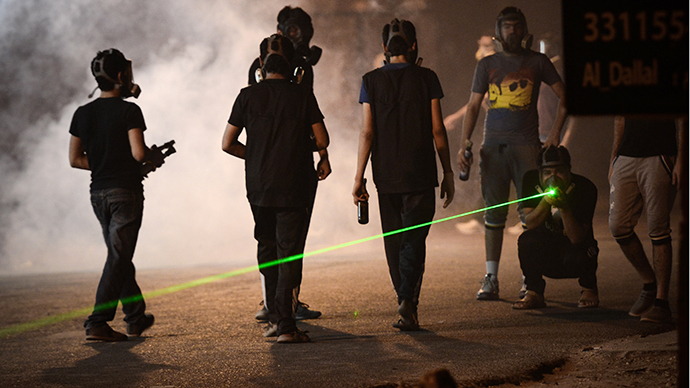 The stricter penalties for protests, which were enacted on July 31, are amendments to the 2006 Law on the Protection of Society from Acts of Terrorism. The revisions also include increasing the detention period for committing or inciting an act of terrorism.
But critics believe the toughened laws will be used against peaceful protesters – not just those committing “terrorist” activities.
“They also provide for banning sit-ins, rallies and gatherings in the capital Manama,” spokesperson for the UN High Commissioner for Human Rights, Cécile Pouilly, said in a statement.
Anti-government rallies have been organized for August 14, despite the new legislation.
The UN expressed concern that the amendments – which are supposedly intended to protect the population from terrorism - may negatively impact human rights.
The stricter penalties for protests, which were enacted on July 31, are amendments to the 2006 Law on the Protection of Society from Acts of Terrorism. The revisions also include increasing the detention period for committing or inciting an act of terrorism.
But critics believe the toughened laws will be used against peaceful protesters – not just those committing “terrorist” activities.
“They also provide for banning sit-ins, rallies and gatherings in the capital Manama,” spokesperson for the UN High Commissioner for Human Rights, Cécile Pouilly, said in a statement.
Anti-government rallies have been organized for August 14, despite the new legislation.
The UN expressed concern that the amendments – which are supposedly intended to protect the population from terrorism - may negatively impact human rights.
The Mass Jailing of Turkish Secularists
http://frontpagemag.com/
Obama going to G20 summit in Russia
Voice of Russia, Reuters
U.S. President Barack Obama confirmed on Tuesday that he would go to Russia this fall for a G20 summit but expressed disappointment that Russia had granted temporary asylum to former government contractor Edward Snowden. Obama did not mention whether he would attend a separate one-on-one meeting with Russian President Vladimir Putin. The White House has said it is evaluating whether that meeting makes sense. During the interview on NBC's "The Tonight Show", Obama also said the recent threat that caused the United States to close embassies throughout the Middle East was significant. Read more: http://voiceofrussia.com/news/2013_08_07/Obama-going-to-G20-summit-in-Russia-6592/

Meeting May Decide Fate of Obama-Putin Visit
 By MICHAEL D. SHEAR and STEVEN LEE MYERS
WASHINGTON — Secretary of State John Kerry and Defense Secretary Chuck Hagel plan to meet here in Washington with their Russian counterparts later this week for a day of talks that could determine the fate of a September summit between President Obama and the Russian president, Vladimir V. Putin.
By MICHAEL D. SHEAR and STEVEN LEE MYERS
WASHINGTON — Secretary of State John Kerry and Defense Secretary Chuck Hagel plan to meet here in Washington with their Russian counterparts later this week for a day of talks that could determine the fate of a September summit between President Obama and the Russian president, Vladimir V. Putin. Obama administration officials declined to comment on the meeting with Sergey V. Lavrov, the Russian foreign minister and Sergei K. Shoigu, the defense minister. But Russian officials said preparations for this week’s discussions, which they say will take place Friday, are now complete.
“We expect a very intensive discussion, all the more so because there are quite a few sharp, controversial and difficult questions,” Sergei Ryabkov, the deputy foreign minister, said Tuesday.
At the top of that list of difficult questions is certain to be the status of next month’s planned meeting between Mr. Obama and Mr. Putin, which has been in doubt for weeks because of Russia’s refusal to return Edward J. Snowden to the United States to face charges of leaking national security secrets and other issues between the two countries.
American officials have signaled that Russia’s decision to grant Mr. Snowden temporary asylum undermined the relationship between the two countries and could affect whether Mr. Obama agrees to travel to Moscow next month. He is scheduled to be in St. Petersburg for a meeting of the G-20 scheduled for Sept. 5 and 6, and had planned to travel from there to meet Mr. Putin.
On Monday, Jay Carney, the White House press secretary, said a decision was forthcoming.
“I think it’s fair to say that you can expect that we’ll have a decision to announce in coming days about that specific issue,” Mr. Carney told reporters. “We obviously disagree with the Russians very strongly about the decision they’ve made on Mr. Snowden.”
But Mr. Carney said the administration also disagreed with Russia on “a number of other issues, including Syria.” And he said that the question of whether the two presidents meet would be determined by whether such a gathering could help make progress on a broader set of concerns.
“We are evaluating that against not just our disagreement over Mr. Snowden, but some of the other issues where we have failed to see, thus far, eye to eye,” Mr. Carney said. “And once we have fully assessed the utility of a summit, we’ll make an announcement.”
Russian officials said they expected the presidential summit to go on as planned. And they waved aside the assertion by the United States that the decision on Mr. Snowden should affect whether Mr. Obama and Mr. Putin come together for a face-to-face meeting to confront their disagreements.
Russia’s decision to grant Mr. Snowden asylum, Mr. Ryabakov said Tuesday, had been blown out of proportion and threatened to undermine cooperation on important international issues, including the conflict in Syria, Iran’s nuclear program and the winding down of the American-led military operations in Afghanistan.
“The usefulness of contacts at the highest level is obvious to us,” he said. He added that criticism of Russia’s handling of Mr. Snowden’s appeal were “simply absurd.”
That issue seems sure to be discussed by the four officials at when they meet in Washington. Officials in the United States said the meeting had long been planned, but that the issue of Mr. Snowden and the implications for the summit were sure to come up.
But American officials stressed that the standoff about the summit is the result of more than just Mr. Snowden. The relationship between Russia and the United States has bogged down over questions about nuclear weapons, a dispute over what to do in Syria, questions about Iran and other issues.
Speaking in Rome, Mr. Lavrov said Tuesday that imposing new sanctions on Iran — like those proposed in a bill passed last week by the House of Representatives — would not be viewed as productive by Russians. Mr. Lavrov also discussed the need to move ahead with Syrian peace talks that had been agreed to by Mr. Lavrov and Mr. Kerry in Moscow last May.
“The more we delay calling it, the more victims there will be among civilians,” Mr. Lavrov said at a news conference in Rome, according to Interfax. He blamed the Syrian rebels for resisting opening talks with President Bashar al-Assad’s government.
Mr. Snowden, meantime, remains in seclusion, having made no public appearances or statements since he left Sheremetyevo airport in Moscow last Thursday. On Tuesday, his lawyer, Anatoly G. Kucherena, said in an interview that Mr. Snowden had received an official residence permit required for any Russian or foreigner to live in the country, though he again declined to discuss his exact whereabouts.
He also said that he had extended an official invitation to help Mr. Snowden’s father and friends obtain visas to visit him in Russia.
Obama administration officials declined to comment on the meeting with Sergey V. Lavrov, the Russian foreign minister and Sergei K. Shoigu, the defense minister. But Russian officials said preparations for this week’s discussions, which they say will take place Friday, are now complete.
“We expect a very intensive discussion, all the more so because there are quite a few sharp, controversial and difficult questions,” Sergei Ryabkov, the deputy foreign minister, said Tuesday.
At the top of that list of difficult questions is certain to be the status of next month’s planned meeting between Mr. Obama and Mr. Putin, which has been in doubt for weeks because of Russia’s refusal to return Edward J. Snowden to the United States to face charges of leaking national security secrets and other issues between the two countries.
American officials have signaled that Russia’s decision to grant Mr. Snowden temporary asylum undermined the relationship between the two countries and could affect whether Mr. Obama agrees to travel to Moscow next month. He is scheduled to be in St. Petersburg for a meeting of the G-20 scheduled for Sept. 5 and 6, and had planned to travel from there to meet Mr. Putin.
On Monday, Jay Carney, the White House press secretary, said a decision was forthcoming.
“I think it’s fair to say that you can expect that we’ll have a decision to announce in coming days about that specific issue,” Mr. Carney told reporters. “We obviously disagree with the Russians very strongly about the decision they’ve made on Mr. Snowden.”
But Mr. Carney said the administration also disagreed with Russia on “a number of other issues, including Syria.” And he said that the question of whether the two presidents meet would be determined by whether such a gathering could help make progress on a broader set of concerns.
“We are evaluating that against not just our disagreement over Mr. Snowden, but some of the other issues where we have failed to see, thus far, eye to eye,” Mr. Carney said. “And once we have fully assessed the utility of a summit, we’ll make an announcement.”
Russian officials said they expected the presidential summit to go on as planned. And they waved aside the assertion by the United States that the decision on Mr. Snowden should affect whether Mr. Obama and Mr. Putin come together for a face-to-face meeting to confront their disagreements.
Russia’s decision to grant Mr. Snowden asylum, Mr. Ryabakov said Tuesday, had been blown out of proportion and threatened to undermine cooperation on important international issues, including the conflict in Syria, Iran’s nuclear program and the winding down of the American-led military operations in Afghanistan.
“The usefulness of contacts at the highest level is obvious to us,” he said. He added that criticism of Russia’s handling of Mr. Snowden’s appeal were “simply absurd.”
That issue seems sure to be discussed by the four officials at when they meet in Washington. Officials in the United States said the meeting had long been planned, but that the issue of Mr. Snowden and the implications for the summit were sure to come up.
But American officials stressed that the standoff about the summit is the result of more than just Mr. Snowden. The relationship between Russia and the United States has bogged down over questions about nuclear weapons, a dispute over what to do in Syria, questions about Iran and other issues.
Speaking in Rome, Mr. Lavrov said Tuesday that imposing new sanctions on Iran — like those proposed in a bill passed last week by the House of Representatives — would not be viewed as productive by Russians. Mr. Lavrov also discussed the need to move ahead with Syrian peace talks that had been agreed to by Mr. Lavrov and Mr. Kerry in Moscow last May.
“The more we delay calling it, the more victims there will be among civilians,” Mr. Lavrov said at a news conference in Rome, according to Interfax. He blamed the Syrian rebels for resisting opening talks with President Bashar al-Assad’s government.
Mr. Snowden, meantime, remains in seclusion, having made no public appearances or statements since he left Sheremetyevo airport in Moscow last Thursday. On Tuesday, his lawyer, Anatoly G. Kucherena, said in an interview that Mr. Snowden had received an official residence permit required for any Russian or foreigner to live in the country, though he again declined to discuss his exact whereabouts.
He also said that he had extended an official invitation to help Mr. Snowden’s father and friends obtain visas to visit him in Russia.
UN ready to aid flood-hit Pakistan, Afghanistan
http://www.thehindu.com/The UN said that it is ready to assist Pakistan and Afghanistan if required, as monsoon rains and floods have reportedly killed at least 120 people in these two countries. “The (UN) Office for the Coordination of Humanitarian Affairs (OCHA) and its humanitarian partners are reviewing the situation and stand ready to assist if required,” reported Xinhua citing UN spokesperson Martin Nesirky. “Further monsoons are forecast later in the month.” “UN and humanitarian partners are ready to provide food, basic household items, water, sanitation and emergency health support, if required,” Nesirky added. The OCHA “has received reports indicating that heavy monsoon rains have killed more than 80 people across Pakistan, displacing hundreds, ravaging thousands of acres of crops and causing huge damage to houses and infrastructure,” the spokesperson said, while adding the Pakistani authorities have not yet requested international assistance. Meanwhile, flash floods have affected villages in Kabul in the past few days. As of Aug 4, at least 40 people were reported to have died, and homes, schools and mosques had been destroyed or badly damaged, said Nesirky.
جھوٹ اور دروغ گوئی کے شرمناک فعل کے باوجود بھی خود درخواست گزار راجہ ظفر الحق اور ان کے صدارتی امیدوار ممنون حسین تک نے عمرے کی سعادت حاصل کرنے اور اعتکاف میں بیٹھنے کی زحمت گوارا نہیں کی۔ اعجاز درانی

http://mediacellppp.wordpress.com/
27 رمضان المبارک کی مقدس شب اور پورا دن گزر گیا ۔ 24 جولائی کو ن لیگ کی جانب سے سپریم کورٹ آف پاکستان میں دائر کی جانے والی درخواست جھوٹی اور بے بنیاد ثابت ہوئی۔ ن لیگ کے اراکین پارلیمنٹ کی ایک فیصد تعداد بھی عمرے پر روانہ ہوئی اور نہ ہی کوئی کسی نے اعتکاف میں بیٹھنے کی زحمت گوارا کی اور تو اور درخواست گزار سینیٹر راجہ ظفر الحق اور مسلم لیگ ن کے صدارتی امیدوار نے بھی عمرے پر جانے اور اعتکاف میں بیٹھنے سے اجتناب کیا جو سراسر توہین عدالت کے مترادف ہے۔ بلاول ہاؤس کے ترجما ن اعجاز درانی نے کہا ہے کہ صدارتی انتخاب کی تاریخ کی تبدیلی کے لیے ن لیگ کے چیئرمین راجہ ظفر الحق کی جانب سے “عمرے اور اعتکاف” کے نام پر دائر کی جانے والی درخواست اور خودساختہ مذہبی دلائل اب 27 رمضان المبارک کا دن گزر جانے کے بعد مکمل طور پر جھوٹ اور بے بنیاد ثابت ہوچکے ہیں کیونکہ 30 جولائی کے یکطرفہ انتخابی نتائج کے حصول کے بعد ن لیگ اور ان کے اتحادیوں کے اراکین پارلیمنٹ کی 5 فیصد تعداد نے بھی عمرے کی سعادت حاصل کی اور نہ ہی وہ 20 رمضان المبارک کو اعتکاف میں بیٹھنے کے لیے مساجد میں تشریف لے گئے۔ ترجمان نے واضح کیا کہ 24 جولائی کو دائر کی جانے والی مذکورہ درخواست کے مقاصد پوری دنیا کے سامنے بے نقاب ہوجانے کے بعد نہ صرف صدارتی انتخابات کی حیثیت مزید غیر آئینی ہوگئی ہے بلکہ درخواست گزار رجہ ظفر الحق سمیت ن لیگ اور ان کے اتحادیوں کے تمام اراکین پارلیمنٹ کے عدالتی بیانات توہین عدالت کے زمرے میں داخل ہوگئے ہیں۔ جو سپریم کورٹ آف پاکستان کے لیے ایک کھلا چیلنج ہے۔ انہوں نے کہا یہ امر بھی انتہائی حیرت کا باعث ہے کہ جھوٹ اور دروغ گوئی کے شرمناک فعل کے باوجود بھی خود درخواست گزار راجہ ظفر الحق اور ان کے صدارتی امیدوار ممنون حسین تک نے عمرے کی سعادت حاصل کرنے اور اعتکاف میں بیٹھنے کی زحمت گوارا نہیں کی۔ اعجاز درانی نے کہا کہ معزز قانون دان، وکلاء برادری، قومی میڈیا اور سول سوسائٹی اس حقیقت کو بھی اپنے سامنے رکھیں کہ 30 جولائی کے صدارتی انتخاب میں ن لیگ اور ان کے اتحادیوں نے اپنے صدارتی امیدوار کے حق میں 878 ووٹ کاسٹ کیے تھے لیکن وزیر اعظم میاں نواز شریف، وزیر خزانہ اسحاق ڈار اور چند بااثر حکومتی شخصیات کے علاوہ کسی نے بھی سپریم کورٹ میں دائر کی جانے والی درخواست کی نہ صرف پاسداری نہیں کی بلکہ دنیا بھر کے لوگوں کے سامنے پاکستان اور یہاں کی اعلی عدالتوں کی جگ ہنسائی کی۔
Video:Roger Waters shows solidarity with Turkey's Gezi Park victims
Iconic musician Roger Waters gave support to the Gezi Park protests by having the names of the five Gezi Park victims screened on the wall during his Istanbul concert on the night of Aug. 4.
The former Pink Floyd member was playing the British progressive rock legend's classic record "The Wall" in its entirety in his "The Wall Live" show. A gigantic wall was built on stage during the set, and many human rights activists and victims of terror and wars were projected to the stage during the concert. Names and photographs of Gezi Park protesters, Ethem Sarısülük, Ali İsmail Korkmaz, Abdullah Cömert, Mehmet Ayvalıtaş, and police officer Mustafa Sarı, who lost their lives in Turkey rallies earlier this summer were projected to the stage.
Waters stated "for people who lost their lives because of state terror" in a speech he gave in Turkish.
The audience chanted "Everywhere is Taksim, everywhere is resistance," the main slogan used during the protests that had spread to most of the country.
Photos of prominent Turkish figures who were killed in political assassinations, including Armenian-Turkish journalist Hrant Dink, investigative journalist Uğur Mumcu and former prime minister Adnan Menderes, were also screened on the wall, though separate from the Gezi Park victims.
Pakistan's YouTube ban challenged
Musicians in Pakistan call for the YouTube ban to be lifted saying it harms their careers.
Sonia Gandhi slams Pakistan's 'blatant acts of deceit', urges govt to take action
Terrorism and the Embassies
The Obama administration’s decision to close nearly two dozen embassies and issue a worldwide travel alert was difficult to quarrel with. We obviously do not have access to the intelligence that was the basis for the extraordinary closures, but American officials who do claim that they uncovered one of the most serious plots against United States and other Western interests since Sept. 11, 2001.
According to The Times, officials intercepted electronic communications in which the leader of Al Qaeda in Pakistan, Ayman al-Zawahri, who succeeded Osama bin Laden, ordered Nasser al-Wuhayshi, the leader of the terrorist group’s most lethal branch in Yemen, to carry out an attack as early as this past Sunday. That day, the State Department extended the closing of 19 diplomatic posts in the Middle East and North Africa through at least Saturday.
The information was credible enough that several European countries also closed embassies in the Middle East. It also was credible enough that Republican members of Congress who are among President Obama’s harshest critics on security and other issues have endorsed the administration’s response. Representative Peter King, the New York Republican who is chairman of the House subcommittee on counterterrorism and intelligence, told ABC News that “the government would have been totally negligent if it did not take the actions taken.”
Still, both the administration’s acts, and the Republicans’ response are shaped by the recent political past. The administration, excoriated by Republicans for underestimating the deteriorating security environment in Benghazi, Libya, that led to the killing of four American diplomats last Sept. 11, is bending over backward to avoid a repeat. Republican lawmakers made such an issue of Benghazi and failed to prove any dark conspiracy that they can hardly fault Mr. Obama now for taking maximum precautions.
It’s no surprise that some politicians are trying to exploit the episode by arguing that it proves the value of the National Security Agency’s domestic intelligence sweeps. On Sunday, Senator Saxby Chambliss, the top Republican on the Senate Intelligence Committee, said of the N.S.A. sweeps: “If we did not have these programs, then we simply would not be able to listen in on the bad guys.”
No one has questioned the N.S.A.’s role in collecting intelligence overseas, but the debate is about domestic efforts to vacuum up large volumes of data on the phone calls of every American that are legally questionable and needlessly violate Americans’ rights. A threat from Al Qaeda, no matter how serious, should not divert attention from a thorough investigation of the domestic spying.
The United States cannot fail to take reasonable precautions at its embassies, but neither can it be paralyzed and shut down its diplomatic functions for prolonged periods. The embassies should reopen as soon as possible and security should be hardened at high-risk stations. That will require Republicans in Congress, who have slashed embassy security budgets, to approve money for upgrades and other post-Benghazi recommendations.
The challenge is to manage risk while staying involved in the world. Al Qaeda affiliates in Yemen and elsewhere will be a threat for the foreseeable future.
U.S: Wishful thinking on the war on terror
 THE STATE Department has shuttered 19 embassies for a week, fearing terrorist attacks. Hundreds of prisoners, including senior al-Qaeda operatives, have busted loose in prison breaks in Iraq, Libya and Pakistan. At Bagram air base in Afghanistan, The Post’s Kevin Sieff reports, U.S. forces are holding 67 non-Afghan prisoners, many of whom can’t be tried in court but are too dangerous to release.
Meanwhile President Obama says he wants to “refine and ultimately repeal” the mandate Congress has given him to fight the war on terror. What’s going on here?
Without doubt, the central al-Qaeda leadership has been weakened, not least by the killing of Osama bin Laden. As Mr. Obama noted in a May 23 speech at National Defense University, “there have been no large-scale attacks on the United States” since 9/11 — a period of relative safety that few thought likely in the aftermath of the 2001 attacks. At the same time, as he also noted, al-Qaeda affiliates are emerging in many nations beyond Afghanistan and Pakistan, home-grown terror remains a danger and “unrest in the Arab world has also allowed extremists to gain a foothold in countries like Libya and Syria.”
From the beginning of his tenure, the president has been reluctant to build a legal framework that would assume that the fight against al-Qaeda and like-minded groups might go on for a long time. He not only proposed closing the prison at Guantanamo, rightly given its poisonous effect on the United States’ image, but he also opposed options to hold prisoners taken in future operations. That may be one reason so many alleged terrorists have been killed during his time in office and so few captured. It also helps explain the quandary the United States faces with its non-Afghan prisoners when it transfers control of the Bagram prison to Afghanistan. The United States is holding prisoners of war without fully acknowledging the war.
The president also has sought to minimize U.S. involvement in dangerous countries as much and as quickly as possible. He failed to negotiate a follow-on force in Iraq, where violence is again spiraling out of control. He has resisted engagement in Syria, where vicious brigades associated with al-Qaeda are establishing beachheads. He has provided little assistance to Tunisia or Libya, where emerging democracies are struggling to contain Islamist militias. He surged troops to Afghanistan but simultaneously announced a timetable for their withdrawal, which is underway.
Mr. Obama’s preferred approach has been to rely on intelligence and drone strikes, but last week Secretary of State John F. Kerry said “the president has a very real timeline” for ending drone strikes in Pakistan, “and we hope it’s going to be very, very soon.” The State Department later qualified his statement, but Mr. Obama has supported the sentiment. He said in May, “This war, like all wars, must end.”
Mr. Obama is right to worry about the corrosive effect, for example on civil liberties, of perpetual war. But like all wars, this one will end only if one party is defeated or both agree to lay down their weapons. Neither appears likely any time soon, and the president’s eagerness to disengage, while understandable and in sync with U.S. public opinion, may in the end lengthen the conflict. His hope of fighting the bad guys as antiseptically as possible, with drone strikes and a minimal presence, may prove as forlorn as President Clinton’s similar effort in the 1990s, when the equivalent weapon at his disposal was cruise missiles.
While Mr. Obama is also right that military tools aren’t enough in a conflict like this, his promise of “patiently supporting transitions to democracy in places like Egypt and Tunisia and Libya” through non-military means — the proper strategy — is not being kept. The resulting vacuum will be filled, and not to the United States’ liking.
THE STATE Department has shuttered 19 embassies for a week, fearing terrorist attacks. Hundreds of prisoners, including senior al-Qaeda operatives, have busted loose in prison breaks in Iraq, Libya and Pakistan. At Bagram air base in Afghanistan, The Post’s Kevin Sieff reports, U.S. forces are holding 67 non-Afghan prisoners, many of whom can’t be tried in court but are too dangerous to release.
Meanwhile President Obama says he wants to “refine and ultimately repeal” the mandate Congress has given him to fight the war on terror. What’s going on here?
Without doubt, the central al-Qaeda leadership has been weakened, not least by the killing of Osama bin Laden. As Mr. Obama noted in a May 23 speech at National Defense University, “there have been no large-scale attacks on the United States” since 9/11 — a period of relative safety that few thought likely in the aftermath of the 2001 attacks. At the same time, as he also noted, al-Qaeda affiliates are emerging in many nations beyond Afghanistan and Pakistan, home-grown terror remains a danger and “unrest in the Arab world has also allowed extremists to gain a foothold in countries like Libya and Syria.”
From the beginning of his tenure, the president has been reluctant to build a legal framework that would assume that the fight against al-Qaeda and like-minded groups might go on for a long time. He not only proposed closing the prison at Guantanamo, rightly given its poisonous effect on the United States’ image, but he also opposed options to hold prisoners taken in future operations. That may be one reason so many alleged terrorists have been killed during his time in office and so few captured. It also helps explain the quandary the United States faces with its non-Afghan prisoners when it transfers control of the Bagram prison to Afghanistan. The United States is holding prisoners of war without fully acknowledging the war.
The president also has sought to minimize U.S. involvement in dangerous countries as much and as quickly as possible. He failed to negotiate a follow-on force in Iraq, where violence is again spiraling out of control. He has resisted engagement in Syria, where vicious brigades associated with al-Qaeda are establishing beachheads. He has provided little assistance to Tunisia or Libya, where emerging democracies are struggling to contain Islamist militias. He surged troops to Afghanistan but simultaneously announced a timetable for their withdrawal, which is underway.
Mr. Obama’s preferred approach has been to rely on intelligence and drone strikes, but last week Secretary of State John F. Kerry said “the president has a very real timeline” for ending drone strikes in Pakistan, “and we hope it’s going to be very, very soon.” The State Department later qualified his statement, but Mr. Obama has supported the sentiment. He said in May, “This war, like all wars, must end.”
Mr. Obama is right to worry about the corrosive effect, for example on civil liberties, of perpetual war. But like all wars, this one will end only if one party is defeated or both agree to lay down their weapons. Neither appears likely any time soon, and the president’s eagerness to disengage, while understandable and in sync with U.S. public opinion, may in the end lengthen the conflict. His hope of fighting the bad guys as antiseptically as possible, with drone strikes and a minimal presence, may prove as forlorn as President Clinton’s similar effort in the 1990s, when the equivalent weapon at his disposal was cruise missiles.
While Mr. Obama is also right that military tools aren’t enough in a conflict like this, his promise of “patiently supporting transitions to democracy in places like Egypt and Tunisia and Libya” through non-military means — the proper strategy — is not being kept. The resulting vacuum will be filled, and not to the United States’ liking.
Kate Upton Cat Daddy...One of the best moments in the history of the Internet now in GIF form!
http://www.thehollywoodgossip.com/


Pakistani Activists Take Aim At Toy Guns

India claims 5 soldiers killed by Pakistan
 India's army says five of its soldiers were killed when Pakistani troops fired at a post near the cease-fire line in the disputed Himalayan region of Kashmir on Tuesday. The incident could threaten recent overtures aimed at resuming peace talks between the nuclear-armed rivals.
The military called the attack a "gross violation" of a 2003 cease-fire in Kashmir between India and Pakistan. Pakistan's military denied that its soldiers killed any Indian troops.
While the cease-fire has largely held for the last decade, such sporadic violations are not uncommon. Each accuses the other of initiating the fighting by firing mortars or gunshots across the line of control.
The two countries have fought three major wars since they achieved independence from British India in 1947, two of them over Kashmir, which is claimed in its entirety by both but divided between them.
Pakistan's newly elected Prime Minister Nawaz Sharif has been indicating he is open to restarting peace talks.
Omar Abdullah, the top elected official of India's Jammu and Kashmir state, said in a tweet that such violent incidents "don't help efforts to normalize or even improve relations" and may even call the recent Pakistan peace overtures into question.
While the countries remain rivals, relations between them have improved dramatically since the most recent low point in the aftermath of the 2008 Mumbai siege, in which 10 Pakistani gunmen killed 166 people and forced the shut down the city for days. India says the terrorists had ties to Pakistani intelligence officials -- an accusation Islamabad denies.
Signs of their improving ties include new visa rules announced last December designed to make cross-border travel easier. The countries have also taken steps to improve cross-border trade.
Read more: http://www.foxnews.com/world/2013/08/06/india-claims-5-soldiers-killed-by-pakistan/#ixzz2bB76WUPy
India's army says five of its soldiers were killed when Pakistani troops fired at a post near the cease-fire line in the disputed Himalayan region of Kashmir on Tuesday. The incident could threaten recent overtures aimed at resuming peace talks between the nuclear-armed rivals.
The military called the attack a "gross violation" of a 2003 cease-fire in Kashmir between India and Pakistan. Pakistan's military denied that its soldiers killed any Indian troops.
While the cease-fire has largely held for the last decade, such sporadic violations are not uncommon. Each accuses the other of initiating the fighting by firing mortars or gunshots across the line of control.
The two countries have fought three major wars since they achieved independence from British India in 1947, two of them over Kashmir, which is claimed in its entirety by both but divided between them.
Pakistan's newly elected Prime Minister Nawaz Sharif has been indicating he is open to restarting peace talks.
Omar Abdullah, the top elected official of India's Jammu and Kashmir state, said in a tweet that such violent incidents "don't help efforts to normalize or even improve relations" and may even call the recent Pakistan peace overtures into question.
While the countries remain rivals, relations between them have improved dramatically since the most recent low point in the aftermath of the 2008 Mumbai siege, in which 10 Pakistani gunmen killed 166 people and forced the shut down the city for days. India says the terrorists had ties to Pakistani intelligence officials -- an accusation Islamabad denies.
Signs of their improving ties include new visa rules announced last December designed to make cross-border travel easier. The countries have also taken steps to improve cross-border trade.
Read more: http://www.foxnews.com/world/2013/08/06/india-claims-5-soldiers-killed-by-pakistan/#ixzz2bB76WUPy
Gender disparity in Balochistan jeopardises girls’ education
 The future of millions of school-going children in Balochistan has been jeopardised due to gender disparity, bad governance and lack of quality education, said United Nations Educational, Scientific and Cultural Organisation (UNESCO) Balochistan Representative Qaisar Khan Jamali. He said gender disparity was increasing in Balochistan. “In urban areas 30 percent of the school-going children are girls whereas this fraction drops to 26 percent in rural areas,” said Jamali. “Out of over 12,000 schools in 32 districts of Balochistan only 3,400 schools are for females,” he said. A recent survey report by the government and non-governmental organisations revealed that 0.59 million children of school-going age in Balochistan had never attended school and 44 percent children (60 percent girls) were presently not enrolled in schools, he said, According to the UNESCO representative, the impression that Balochistan was a typical tribal society where girls were barred from attending schools was wrong. The children, both boys and girls of many tribal chiefs were enrolled in renowned institutions across the country, he said, adding that leading Baloch and Pashtun parties such as the National Party and Pakhtunkhwa Milli Awami Party (PKMAP) were firm supporters of education, particularly for girls. “PKMAP has held several rallies in the past for encouraging girls education and criticised the previous government’s policies for not giving due attention to this issue,” he said. “The only way to steer Balochistan out of the current crises is better access of the youth to quality education,” said the MPA-elect from Dera Bugti where the child enrolment in primary schools was the lowest at 27.5 percent with minimum ratio of girl students” enrolment. He said it was the responsibility of the government to ensure quality education and remove gender disparity by providing equal opportunities to both boys and girls. A recent survey report released by the Idara-e-Taleem-o-Aagahi (ITA) has questioned the quality of education being imparted in the province. “The learning ability of school-going age children in terms of reading Urdu, English or doing basic arithmetic is alarmingly poor,” said ITA Provincial Head Syed Tanzeem Akhtar. “85 percent of class 3 students are not able to read class 2 level Urdu and 64 percent of the students can not solve class 2 level division problems," he added. Balochistan's education department has been without any specific education policy for the last 30 years. There is no benchmark for hiring and monitoring the work of teachers and no effort is put into the improvement of teaching standards. “Yes there are issues stopping us from achieving the Millennium Development Goals (MDGs),” said Planning and Development Department Education Sector official Nawaz Baloch. He said poor law and order in the province was the main reason for the poor quality of education. “When female teachers are reluctant to go to rural parts of the province for security reasons, how can we improve girls' education and resolve the issue of gender disparity,” he deplored. However, the provincial Education Department has prepared the provincial bill on Article 25A for free and compulsory education and forwarded it to the higher authorities for approval. Rs 34,898.635 million has been allocated for the education sector in the budget for financial year 2013-14, 37 percent more than the amount allocated in the previous budget. However, massive reforms are required in the education sector post devolution of the Education Ministry to the provinces. In his budget speech, Balochistan Chief Minister Dr Abdul Malik Baloch announced to build 300 new schools besides upgrading 300 existing ones. His government will, however, have to ensure equal opportunities to boys and girls and the immediate formation of a specific education policy to hire qualified teachers to save the future of millions of students.
- See more at: http://www.pakistantoday.com.pk/2013/08/05/news/national/gender-disparity-in-balochistan-jeopardises-girls-education/#sthash.21QCrWU7.dpuf
The future of millions of school-going children in Balochistan has been jeopardised due to gender disparity, bad governance and lack of quality education, said United Nations Educational, Scientific and Cultural Organisation (UNESCO) Balochistan Representative Qaisar Khan Jamali. He said gender disparity was increasing in Balochistan. “In urban areas 30 percent of the school-going children are girls whereas this fraction drops to 26 percent in rural areas,” said Jamali. “Out of over 12,000 schools in 32 districts of Balochistan only 3,400 schools are for females,” he said. A recent survey report by the government and non-governmental organisations revealed that 0.59 million children of school-going age in Balochistan had never attended school and 44 percent children (60 percent girls) were presently not enrolled in schools, he said, According to the UNESCO representative, the impression that Balochistan was a typical tribal society where girls were barred from attending schools was wrong. The children, both boys and girls of many tribal chiefs were enrolled in renowned institutions across the country, he said, adding that leading Baloch and Pashtun parties such as the National Party and Pakhtunkhwa Milli Awami Party (PKMAP) were firm supporters of education, particularly for girls. “PKMAP has held several rallies in the past for encouraging girls education and criticised the previous government’s policies for not giving due attention to this issue,” he said. “The only way to steer Balochistan out of the current crises is better access of the youth to quality education,” said the MPA-elect from Dera Bugti where the child enrolment in primary schools was the lowest at 27.5 percent with minimum ratio of girl students” enrolment. He said it was the responsibility of the government to ensure quality education and remove gender disparity by providing equal opportunities to both boys and girls. A recent survey report released by the Idara-e-Taleem-o-Aagahi (ITA) has questioned the quality of education being imparted in the province. “The learning ability of school-going age children in terms of reading Urdu, English or doing basic arithmetic is alarmingly poor,” said ITA Provincial Head Syed Tanzeem Akhtar. “85 percent of class 3 students are not able to read class 2 level Urdu and 64 percent of the students can not solve class 2 level division problems," he added. Balochistan's education department has been without any specific education policy for the last 30 years. There is no benchmark for hiring and monitoring the work of teachers and no effort is put into the improvement of teaching standards. “Yes there are issues stopping us from achieving the Millennium Development Goals (MDGs),” said Planning and Development Department Education Sector official Nawaz Baloch. He said poor law and order in the province was the main reason for the poor quality of education. “When female teachers are reluctant to go to rural parts of the province for security reasons, how can we improve girls' education and resolve the issue of gender disparity,” he deplored. However, the provincial Education Department has prepared the provincial bill on Article 25A for free and compulsory education and forwarded it to the higher authorities for approval. Rs 34,898.635 million has been allocated for the education sector in the budget for financial year 2013-14, 37 percent more than the amount allocated in the previous budget. However, massive reforms are required in the education sector post devolution of the Education Ministry to the provinces. In his budget speech, Balochistan Chief Minister Dr Abdul Malik Baloch announced to build 300 new schools besides upgrading 300 existing ones. His government will, however, have to ensure equal opportunities to boys and girls and the immediate formation of a specific education policy to hire qualified teachers to save the future of millions of students.
- See more at: http://www.pakistantoday.com.pk/2013/08/05/news/national/gender-disparity-in-balochistan-jeopardises-girls-education/#sthash.21QCrWU7.dpuf
Pakistan's Balochistan hit by deadly attack
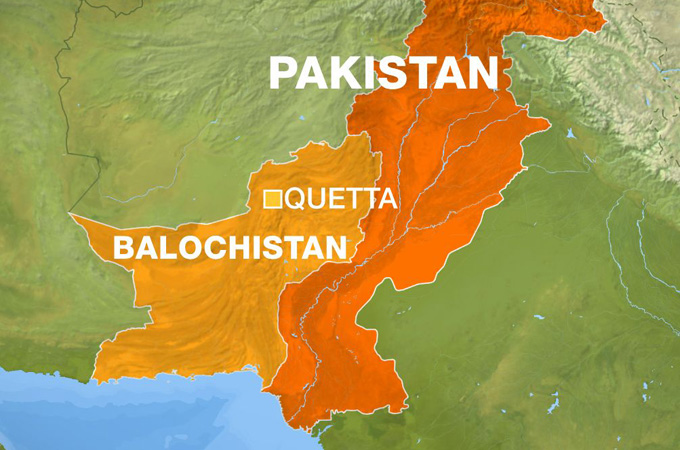 At least 14 people, including three security forces personnel, have been killed by rebel separatists after their vehicles were stopped at a fake checkpoint in Pakistan's volatile southwest, officials say.
The gunmen, dressed in the uniform of Pakistani security forces, carried out Tuesday's attack in the Mach area of Balochistan province.
Separatists kidnapped 23 labourers and security forces personnel after blocking the road, with 14 of them being killed in the attack.
Mach is in the Bolan district of Balochistan, about 70km from Quetta, the provincial capital.
"Miscreants blocked the road in two places. First they took away five FC [paramilitary] men from an FC patrol vehicle, tied them up and snatched their walkie-talkies and weapons," provincial home secretary Akbar Hussain Durrani told the AFP news agency.
The rebels then stopped four buses and took away the 23 people. Nine of them, including six security forces personnel, were then released, Durrani told Al Jazeera.
When security forces personnel confronted the attackers, the rebels fired off a rocket that killed one security officer, Durrani said.
"Then they lined them up in the mountains and killed 13 [of the people kidnapped]," added Durrani. Local official, Kashif Nabi, confirmed the incident and said the bodies had been recovered.
"We are making arrangements to bring them to Quetta," he said.
Rebel groups in Balochistan say that the Pakistani state deprives those of Baloch origin of their rights, and have been fighting for independence from Pakistan for decades.
In response, the Pakistani military has carried out a brutal crackdown on such groups.
Durrani told Al Jazeera that authorities would be launching a "special operation" in response to Tuesday's raid.
Violence in Balochistan has been particularly intense since the killing of Akbar Bugti, a Baloch separatist leader who was previously part of the government in 2006.
At least 14 people, including three security forces personnel, have been killed by rebel separatists after their vehicles were stopped at a fake checkpoint in Pakistan's volatile southwest, officials say.
The gunmen, dressed in the uniform of Pakistani security forces, carried out Tuesday's attack in the Mach area of Balochistan province.
Separatists kidnapped 23 labourers and security forces personnel after blocking the road, with 14 of them being killed in the attack.
Mach is in the Bolan district of Balochistan, about 70km from Quetta, the provincial capital.
"Miscreants blocked the road in two places. First they took away five FC [paramilitary] men from an FC patrol vehicle, tied them up and snatched their walkie-talkies and weapons," provincial home secretary Akbar Hussain Durrani told the AFP news agency.
The rebels then stopped four buses and took away the 23 people. Nine of them, including six security forces personnel, were then released, Durrani told Al Jazeera.
When security forces personnel confronted the attackers, the rebels fired off a rocket that killed one security officer, Durrani said.
"Then they lined them up in the mountains and killed 13 [of the people kidnapped]," added Durrani. Local official, Kashif Nabi, confirmed the incident and said the bodies had been recovered.
"We are making arrangements to bring them to Quetta," he said.
Rebel groups in Balochistan say that the Pakistani state deprives those of Baloch origin of their rights, and have been fighting for independence from Pakistan for decades.
In response, the Pakistani military has carried out a brutal crackdown on such groups.
Durrani told Al Jazeera that authorities would be launching a "special operation" in response to Tuesday's raid.
Violence in Balochistan has been particularly intense since the killing of Akbar Bugti, a Baloch separatist leader who was previously part of the government in 2006.
Indictment of Pakistan's Musharraf adjourned over security fear
Pakistan 18th Amendment : Evoking dangerous controversy
 Petroleum Minister Shahid Khaqan Abbassi yesterday back-tracked on Eighteenth Constitutional Amendment, despite sounding stupendously tough 48 hours ago. The minister had evoked a considerable controversy by stating that the government is going to review the Eighteenth Amendment with a view to amending gas-sharing arrangement between the provinces. Senator Raza Rabbani, the head of the parliamentary committee that authored the Eighteenth Amendment with a consensus condemned the statement and ridiculed Abbassi by pointing out that the relevant Article 158 had not been amended in the Eighteenth Amendment. Fazlur Rehman, the chief of JUI (F), had also deplored Abbassi's statement and noted that it appears that like the past the government is defending Punjab's interest, which is creating insecurity in other provinces. Muttahida Qaumi Movement (MQM) and Pakistan Tehreek-e-Insaf (PTI) also castigated the minister's statement.
Three statements of fact are required to be brought to the notice of the Petroleum Minister or whosoever is nursing any doubts about the profundity of this historic constitutional amendment without any further loss of time. First and foremost as broadly hinted at by Raza Rabbani the Eighteenth Amendment focused on unravelling the interventions to the constitution by successive military dictators who had gone to the appalling extent of even mentioning their names in the document. No other original clause of the constitution was touched upon by the Eighteenth Constitutional Amendment Committee as it would have been tantamount to compromising the original spirit of the drafters of the constitution.
Second, harmony between provinces has eroded on a continuous basis with the passage of time. The fact that one federating unit namely Punjab constitutes the majority of the federation may well be one of the causes but certainly not the cause of inter-provincial disharmony that threatens to rock the federation. The 7th National Finance Commission Award did go some way in reducing the respective weight previously accorded to population in the federal divisible pool, and more to poverty/backwardness (10.3 percent) and revenue collection source (5 percent); however, Khaqan Abbassi's statement has refuelled concerns that Punjab is gung-ho zealot or overly zealous towards its strategy aimed at brow-beating smaller provinces of their constitutionally granted share of gas. Article 158 of the constitution states - clearly and unambiguously - that "the province in which a well-head is situated shall have precedence over other parts of Pakistan in meeting the requirements from that well-head subject to the commitments and obligations as on the commencing day." Abbassi and all other Doubting Thomases should not need reminding that one of the major grouse of Baloch insurgents is their legitimate contention that the province is the most undeveloped in spite of being the richest in natural resources. The situation had, therefore, warranted the insertion of a new clause in the Article 172 (through the 18th Amendment):
"(3) Subject to the existing commitments and obligations, mineral oil and natural gas within the Province or the territorial waters adjacent thereto shall vest jointly and equally in that Province and the Federal Government."
Thirdly, PML (N) was a party to the Eighteenth Amendment, all parties in parliament at the time were taken on board, and Abbassi's recent statement is being interpreted as the party's intent to push through an amendment by cobbling a two-thirds majority through fair means or foul that is required to amend the constitution. In this instance, however, one would sincerely hope that the ruling party acts more responsibly and seeks to form a consensus before embarking on an amendment that would simply further exacerbate provincial tensions. Additionally, one would hope that Abbassi's statement is one made by a maverick in the party though given the controversy it has generated it has become essential for the party leadership to distance itself from what he said.
The PML (N) would do well to remember that during the 1990s when it had a two-third majority in the national assembly it supported the passage of the thirteenth and fourteenth constitutional amendments - the former took away the President's powers to dissolve the assemblies while the latter granted powers to the party leader that made the passage of a vote of no-confidence against him virtually impossible. Musharraf did away with these two amendments which enabled him to rule for almost a decade and which were restored with a consensus with the passage of Eighteenth Constitutional Amendment in 2010 by a civilian government.
PML (N) would be well advised to seek a consensus before the party attempts to amend the constitution any further because that way alone lies provincial harmony - a necessary ingredient for the country to effectively tackle the myriad problems it faces today. Last but not least, Petroleum Minister Abbassi seeks to clarify his position by stating, inter alia, that he had told the media persons that his party never stated at the recent CCI meeting that the 18th Amendment would be reviewed, but his highly controversial statement has evoked a dangerous controversy nevertheless.
Petroleum Minister Shahid Khaqan Abbassi yesterday back-tracked on Eighteenth Constitutional Amendment, despite sounding stupendously tough 48 hours ago. The minister had evoked a considerable controversy by stating that the government is going to review the Eighteenth Amendment with a view to amending gas-sharing arrangement between the provinces. Senator Raza Rabbani, the head of the parliamentary committee that authored the Eighteenth Amendment with a consensus condemned the statement and ridiculed Abbassi by pointing out that the relevant Article 158 had not been amended in the Eighteenth Amendment. Fazlur Rehman, the chief of JUI (F), had also deplored Abbassi's statement and noted that it appears that like the past the government is defending Punjab's interest, which is creating insecurity in other provinces. Muttahida Qaumi Movement (MQM) and Pakistan Tehreek-e-Insaf (PTI) also castigated the minister's statement.
Three statements of fact are required to be brought to the notice of the Petroleum Minister or whosoever is nursing any doubts about the profundity of this historic constitutional amendment without any further loss of time. First and foremost as broadly hinted at by Raza Rabbani the Eighteenth Amendment focused on unravelling the interventions to the constitution by successive military dictators who had gone to the appalling extent of even mentioning their names in the document. No other original clause of the constitution was touched upon by the Eighteenth Constitutional Amendment Committee as it would have been tantamount to compromising the original spirit of the drafters of the constitution.
Second, harmony between provinces has eroded on a continuous basis with the passage of time. The fact that one federating unit namely Punjab constitutes the majority of the federation may well be one of the causes but certainly not the cause of inter-provincial disharmony that threatens to rock the federation. The 7th National Finance Commission Award did go some way in reducing the respective weight previously accorded to population in the federal divisible pool, and more to poverty/backwardness (10.3 percent) and revenue collection source (5 percent); however, Khaqan Abbassi's statement has refuelled concerns that Punjab is gung-ho zealot or overly zealous towards its strategy aimed at brow-beating smaller provinces of their constitutionally granted share of gas. Article 158 of the constitution states - clearly and unambiguously - that "the province in which a well-head is situated shall have precedence over other parts of Pakistan in meeting the requirements from that well-head subject to the commitments and obligations as on the commencing day." Abbassi and all other Doubting Thomases should not need reminding that one of the major grouse of Baloch insurgents is their legitimate contention that the province is the most undeveloped in spite of being the richest in natural resources. The situation had, therefore, warranted the insertion of a new clause in the Article 172 (through the 18th Amendment):
"(3) Subject to the existing commitments and obligations, mineral oil and natural gas within the Province or the territorial waters adjacent thereto shall vest jointly and equally in that Province and the Federal Government."
Thirdly, PML (N) was a party to the Eighteenth Amendment, all parties in parliament at the time were taken on board, and Abbassi's recent statement is being interpreted as the party's intent to push through an amendment by cobbling a two-thirds majority through fair means or foul that is required to amend the constitution. In this instance, however, one would sincerely hope that the ruling party acts more responsibly and seeks to form a consensus before embarking on an amendment that would simply further exacerbate provincial tensions. Additionally, one would hope that Abbassi's statement is one made by a maverick in the party though given the controversy it has generated it has become essential for the party leadership to distance itself from what he said.
The PML (N) would do well to remember that during the 1990s when it had a two-third majority in the national assembly it supported the passage of the thirteenth and fourteenth constitutional amendments - the former took away the President's powers to dissolve the assemblies while the latter granted powers to the party leader that made the passage of a vote of no-confidence against him virtually impossible. Musharraf did away with these two amendments which enabled him to rule for almost a decade and which were restored with a consensus with the passage of Eighteenth Constitutional Amendment in 2010 by a civilian government.
PML (N) would be well advised to seek a consensus before the party attempts to amend the constitution any further because that way alone lies provincial harmony - a necessary ingredient for the country to effectively tackle the myriad problems it faces today. Last but not least, Petroleum Minister Abbassi seeks to clarify his position by stating, inter alia, that he had told the media persons that his party never stated at the recent CCI meeting that the 18th Amendment would be reviewed, but his highly controversial statement has evoked a dangerous controversy nevertheless.
Imran Khan on the warpath
EDITORIALFresh from his bruising encounter with the Supreme Court, Imran Khan in a press conference on Sunday tilted against two new targets. First, he questioned the reasons for the one division of the army stationed in D I Khan not being deployed to prevent the jailbreak the other day, or in pursuit of the attackers. Imran Khan was in good company when he said it was beyond comprehension why the law enforcement agencies did not counter the terrorists. Everyone wants an answer to this conundrum. Logically the only two reasons for this debacle that suggest themselves are 1) either the jail staff was complicit; 2) they were not complicit but got cold feet and ran when the heavily armed terrorists arrived at the gates of the prison. Neither of these two propositions is contradicted by the fact that the prior intelligence warning of an imminent attack was discussed, but all to no avail when the calamity actually struck. The performance of the jail staff is one mystery, the other, the lack of help from the army, goes to the heart of the confusion surrounding our counter-terrorism operations. Under peacetime rules of engagement, the army cannot simply decide to intervene in a situation like that of the D I Khan jailbreak. The local administration and jail authorities should have called upon the army authorities if they feared they would not be able to stave off a determined attack, or informed the military of what was happening inside once the terrorists arrived (and stayed to enjoy iftar delicacies). The lack of communication underlines the lack of coordination for antiterrorist operations between the civilian and military authorities. This lack of coordination is replicated in the lack of coordination between the Centre and the provinces. Into this ‘Swiss cheese’ of our counter-terrorism edifice, the terrorist ‘mice’ can burrow through the holes with the greatest of ease. Once again, without the civilian and military, federal and provincial authorities being together under one counter-terrorist umbrella, it will remain an ‘unequal’ contest. Imran Khan’s other target was the redoubtable Maulana Fazlur Rehman. Imran Khan has threatened to take the Maulana to court over his allegation that Imran Khan is a Jewish agent. Now this kind of slander has been around ever since Imran Khan married his now divorced wife Jemima Khan. Although she is a Christian, her family is said to have Jewish ancestry. Does that suffice to label Imran Khan a ‘Jewish agent’? Apparently, in the ‘low’ narrative of the Maulana, yes. Imran Khan questioned the Maulana who after all was an agent when WikiLeaks had revealed the Maulana’s efforts to persuade the US ambassador to support Maulana for prime minister. True or not, we would advise Imran Khan not to stoop to Maulana’s level of vituperation, but indeed take him to court (and if possible to the cleaners) if he cannot substantiate his wild allegation.
PPP, PTI, ANP vow to thwart plans to modify 18th Amend
Daily TimesThe Pakistan People’s Party (PPP), Awami National Party (ANP) and Pakistan Tehreek-e-Insaf (PTI) have pledged to counter any move by the government to modify the 18th Amendment. PPP leader in Senate, Raza Rabbani, has said that the party has started making contacts with the opposition to requisition a session of parliament on the issue. Talking to the media outside the Parliament House on Monday, he said that the requisition for the session would be submitted after Eid. He said that Federal Minster for Petroleum and Natural Resources Shahid Khaqan Abbasi has threatened to roll back the 18th Amendment and talked about altering the clause 158 of 18th Amendment which pertains to distribution of natural gas. “If government would modify the 18th Amendment, it would be a hit on the face of federation and PPP would not allow it to do so,” Rabbani added. He said that the architects of 18th Amendment from the PML-N, including Ishaq Dar, Ahsan Iqbal and Mehtab Abbasi, will be contacted and asked to convince their party in this connection. The Awami National Party (ANP) also vowed to resist the moves of PML-N’s government to “usurp the rights of provinces envisaged in 18th Constitutional Amendment”. Addressing a press conference outside the Parliament House, ANP’s Vice President Haji Adeel accompanied by Information Secretary Zahid Khan took strong exception to Shahid Khaqan Abbasi’s statement over natural resources sharing formula and termed it unconstitutional. Haji Adeel said that the 1973 constitution envisaged first right of the province on a resource discovered in its territory. He said that Abbasi has given a statement totally against this stipulation and he should not be given representation in the cabinet if he holds such views. Adeel accused the PML-N federal government of snatching the rights of the provinces given through 18th Amendment and vowed to resist such moves. The ANP leader also lashed out at the Pakistan Tehreek-e-Insaf (PTI), and Imran Khan whom he accused of exerting pressure for getting results of his choice in the bye-elections in Khyber Pakhtunkhwa. About the terrorism incidents in Khyber Pakhtunkhwa, the ANP leader said that the current provincial government is hiding due to fear of terrorists. Meanwhile, Pakistan Tehreek-e-Insaf also strongly criticised the PML-N government’s intentions of revising the 18th Amendment’s natural resources’-sharing formula – specifically targeting of the gas-sharing formula and first rights. According to a statement of PTI, Central Information Secretary Dr Shireen Mazari said the PML-N was part of the 18th Amendment discussions and final agreement. At the time they accepted the strengthening of the provinces control over their natural resources but it seems they were merely playing politics rather than sharing a conviction that power needed to be devolved to the provinces.
Sindh Human Rights Commission established by PPP’s Sindh Govt
PPP’s Sindh Government has established the Sindh Human Rights Commission; a government-run body to protect people’s fundamental rights, with former judge Sindh High Court Justice (rtd) Majida Razvi as its chairperson. Speaking at a press conference here on Monday, Majida Razvi said that the Federal Government has taken steps and legislated laws that led to setting up of ‘Sindh Human Rights Commission’ under The Sindh Protection of Human Rights Act, 2011. Two members of the commission, Syed Gul Munir Shah and Rubina Brohi also accompanied her on the occasion. Razvi said the Commission’s job is to protect the fundamental human rights enshrined in the Constitution of the Islamic Republic of Pakistan, 1973, the UN Charter and the Universal Declaration of Human Rights, and to create a society ‘free of violence, extremism and have an environment of peace, interfaith and justice’. She added that the Commission would be able to inquire, take suo moto on petition by victims or any person on his/her behalf in complaint of a violation of fundamental rights or abetment, negligence in the prevention of such violation, by a public servant. It can also recommend the government to initiate measures, including action to be taken against anyone involved in violation of basic rights. The Commission can also formulate, implement and regularly update policies with a view to protect Human Rights as well as review the safeguards provided by or under the constitution. It will study treaties and other international instruments on human rights, and make recommendations for their effective implementation. An HRCC Complaint Cell will also be set up to monitor the violation of Human Rights; it will receive complaints for legal act, domestic violence, Karo-Kari, Burn Cases, etc.http://mediacellppp.wordpress.com/

CM Khattak reveals that Pakistan army was complicit in LeJ-Taliban’s attack on DI Khan jail
Monday, August 5, 2013
Saudi Wahhabi authorities arrested the Shiite human rights activist 'Abbas Al-Mazra'
http://abna.ir/On 29 July 2013, Saudi Wahhabi security forces surrounded the house of human rights activist, Abbas Ali Mohammed Al-Mazra, 28 years, from Al-Awamiya town who figured on a list of 23 Shiites wanted in the Shiite village of Al-Awamiya in Eastern Province. The citizen Al-Mazra was with his mother and brothers when the forces stormed into the house firing live-bullets. The forces searched another apartments belonged to Al-Mazra's brothers. Abbas Al-Mazra and six of his brothers, Salim, Mahdi, Mohammad, Faris, Salih and Mohsen, were being beaten by security forces as they lay handcuffed on the floor. Saudi security also arrested the citizen, Mohammad al-Thoweimer, Al-Mazra's neighbor, as he going to his work. The forces moved the prisoners to the police station with Al-Mazra's mother, his brothers' wives and children who were released later. A number of cars and houses have burnt during the operation. The Interior Ministry issued a statement, the spokesman claimed that the eight men were involved in criminal acts, including drug trafficking and the men have taken part in opening fire at members of the security forces. The committee for the Defense of Human Rights in the Arabian Peninsula is seriously concerned that Abbas Al-Mazra and his six brothers will be subjected to violations of their human rights and may be suffering torture and maltreatment. CDHRAP also calls international human rights organizations to pressure Saudi regime to release detainees and to halt harassment against Shi'a citizens in Saudi Arabia and let them to enjoy their rights to freedom of expression and peaceful assembly which is guaranteed in the article 21 of the International Covenant on Civil and Political Rights International Covenant on Civil and Political Rights which stipulates that: "The right of peaceful assembly shall be recognized. No restrictions may be placed on the exercise of this right other than those imposed in conformity with the law and which are necessary in a democratic society in the interests of national security or public safety, public order, the protection of public health or morals or the protection of the rights and freedoms of others". The Committee calls the international organizations and local human rights to put pressure on the Saudi regime to release Abbas Al-Mazra and his six brothers and addresses to the Saudi authorities responsible to maintain their safety.
Subscribe to:
Posts (Atom)