http://www.afghanistantimes.af/At least 12 people were mowed down mercilessly in a deadly suicide bomb attack on Saturday targeting the Indian consulate in Jalalabad—the capital city of eastern Nangarhar province, bordering Pakistan. Indian interests in Afghanistan have been under a constant threat as it is the third time that Indian embassy and consulate had come under attack. The repeated attacks on Indian facilities inside Afghanistan shows there has been an enduring rivalry behind it and it couldn’t be the job of a ragtag Taliban group that doesn’t want anything else but to be back in power in Afghanistan. Therefore, the attack seems to be the job of a third party—definitely a state not a militant group. In 2008, a car bomb attack on the Indian Embassy in Kabul had killed over 60 people and suicide attacks on two guesthouses in 2010 killed 16 people, including seven Indians. Saturday’s attack took place in the backdrop of threats of likely terror attacks on Indian diplomats and other facilities in Afghanistan therefore a security team was dispatched from New Delhi to Kabul last week to assess the threats. No militant group has owned responsibility for the attack yet so far but Kurram tribal agency based Haqqani network is likely to be blamed for the attack. The dreaded network has been responsible for attacks on American embassy and military installation as well as on Indian embassy and engineers. Since Haqqani network is based in Pakistan so the dangers of insurgency within Afghanistan and across areas along the Durand Line are predominately sourced in Pakistan, to a far greater extent than in the war-torn Afghanistan. The Taliban and transnational jihadi groups based in Pakistan remain the principal instrumentality of Islamabad’s response to India’s growing engagement in Afghanistan. In Pakistan’s Urdu press Afghan Taliban are feted and eulogized while Pakistani Taliban are being depicted as brutes with and endless bloodlust. Most of the Pakistani so-called liberal writers dip their pens in gall when they give vent to their opinion on Indian consulate in Jalalabad and India’s role in Afghanistan. For them, as if, it is India that has created the Taliban on Pakistani soil. It is no denying the fact that most of these writers are on the payroll of Pakistan’s Inter Services Public Relations (ISPR). Being matchless in “blame the victim” game, Pakistan continues to spread misleading propaganda about the “large Indian consulates” in Afghanistan being a source of insecurity in Pakistan. This perceived threat has been so much projected in media that even those living in the tribal belt on the other side of the Durand Line feel India responsible for insecurity and mayhem in the region. It is despite the fact that most of tribesmen blame Pakistan’s security establishment for their miseries and displacement from their ancestral land. Recently a delegation of Afridi tribesmen comprising of 200 tribal elders had visited Nangarhar and Kabul where it lodged complaints against Pakistan army and ISI, appealing the Afghan government to help them in getting freedom from persecution of Pakistan army. Since Pakistan’s security thinking has been predominantly occupied with a perceived threat from Indian interests in Afghanistan therefore it’s hell-bent on damaging Indo-Afghan ties. The problem is it doesn’t look at who attacked GHQ, police stations, military installations and markets in Pakistan. Islamabad doesn’t have to worry about India in Afghanistan rather it should worry about the thriving militant safe havens and groups in western Pakistan and the tribal belt—a nurturing land for terrorists. Besides that when India has already shown reluctance from sending military trainers to Afghanistan and has clearly declared its intentions not to waver from its commitment to reconstruction and capacity building in Afghanistan, attacking Indian interests in Afghanistan could potentially trigger a catastrophic blowback.
Sunday, August 4, 2013
Afghanistan: An enduring rivalry behind Indian consulate attack
Pakistan: Terminological inexactitude
Daily TimesImran Khan’s two explanations (with a break in between for consultations) in the Supreme Court (SC) regarding the alleged contempt by him of the judiciary, failed to cut much ice with the three-member bench headed by Chief Justice Iftikhar Mohammad Chaudhry when the PTI leader appeared before it. In the first explanation by his counsel Hamid Khan, it was submitted that Imran Khan had not committed contempt of court nor could even think of doing so since he held the judiciary in high esteem. It went on to elaborate the PTI leader and his party’s struggle in the movement for the restoration of the judiciary. His remarks, considered contemptuous by the SC, were placed in the context of the PTI leader’s pleas to the SC to adjudicate his party’s complaints regarding rigging in the elections of May 11 in at least four National Assembly constituencies. In other words, the counsel argued that it was the high expectations from the SC that had disappointed Imran Khan to an extent that he lapsed into the ‘immoderate’ language that has offended the court. The bench however, advised the counsel to retire and submit a more ‘considered’ statement. This second explanation argued that Imran Khan’s statements were made in good faith and against the lower judiciary returning officers in the election. However, the court would have none of it and ordered the counsel to file a comprehensive written reply on August 28. Both before his appearance before the SC and after, Imran Khan appeared unrepentant and unapologetic, arguing he had said nothing wrong or contemptuous and therefore did not see the need to apologise to the court. The bone of contention appeared to be ‘terminological inexactitude’ over the meaning (and translation in parts of the media) of the word used by Imran Khan regarding the conduct of the elections and the ‘judiciary’s’ role during and after the polls. The offending word is ‘sharamnaak’, which some of the media have translated as ‘shameless’ and most as ‘shameful’. ‘Shameless’ is a much stronger word and arguably falls into the category of contempt. However, ‘shameful’ could refer to the conduct of their duties by the judiciary rather than the person of judges or the institution per se. While arguably ‘shameful’ may or may not be contemptuous, it is certainly derogatory. Nevertheless, even this subtle distinction did not help Imran Khan’s cause before the bench. Imran Khan has been sounding off since the elections on the following lines: the election saw the worst (?) rigging in any election in Pakistan’s history, and the lack of redress by the Election Commission of Pakistan or the SC was ‘shameful’. The SC bench patiently explained to the alleged contemnor that such electoral rigging complaints, under the law and judicial procedure, were referred in the case of 31 pleas by the PTI members to the election tribunals as the proper forum for dealing with such complaints. Imran Khan, on the other hand, is impatient with that route since he believes the election tribunals take far too long to deliver any verdict and arguably by the time they do, the next elections may well be round the corner. Hence his insistence that the SC, which otherwise has been known in recent years to utilise its suo motu powers liberally, should intervene to cut short the long winded process. In other words, Imran Khan, in the view of the court, demands special treatment. While it is understandable that Imran Khan and his party were frustrated by their inability to sweep the polls as they had convinced themselves before the voting they were poised to do (the ‘tsunami’ effect), it is not wise to vent that frustration at the judiciary or the undeniably slow processes that characterise our electoral and justice systems. In Imran Khan’s defence, the best that can be said is that despite being in politics for 19 years, he has yet to learn the difference between captaining a cricket team and participating in democratic politics. It has been apparent on a number of occasions that when Imran Khan’s wishes are not complied with, a streak of impatience, even arrogance, comes out on display. There are hard lessons to be learnt about the need for patience and fortitude in politics, even in the face of adversity, which our former cricket hero and admirable philanthropist would be wise to imbibe even at this stage. The contempt case in question has inadvertently framed a new reality: both the judiciary (in this case in the shape of the bench) and Imran Khan seem ‘disillusioned’ with each other. This may be a case of unrealistic expectations on both sides, but it would perhaps serve little purpose to drag the matter on indefinitely when the country is confronted with so many more serious problems. It is not for us to advise the court on a sub judice matter how to proceed. However, it may not be out of place to ask for restraint and an amicable solution, either through an apology (with Imran Khan swallowing his pride in the interests of the country’s delicately poised juncture in a gesture of statesmanship) or a milder treatment by the court (a rebuke perhaps?) to avoid convicting Imran Khan and sending him to jail, which would have the collateral effect of debarring him from politics for at least five years. The election commission and its tribunals too should revisit and speed up the matter of irregularity complaints in the general elections. This would help the election commission to restore some of its battered prestige after the resignation of Chief Election Commissioner Justice (retd) Fakhruddin G Ebrahim soon after the presidential election debacle. The respect and dignity of the judiciary as an institution must be upheld by all and sundry if Pakistan is to institutionalize after long years of struggle a democratic dispensation with a clear separation of powers and defined (as far as possible) areas of purview. We can only hope that wisdom will prevail, no ego should dictate matters, and that the issue can be settled without too much damage.
Khyber-Pakhtunkhwa suffers as downpours continue
The Express TribuneAt least 19 people were killed and dozens injured on Saturday as torrential rains continued to flood rivers and streams in Khyber Pakhtunkhwa. According to Provincial Disaster Management Authority (PDMA), Chitral district was the worst affected area, where flash floods in streams caused damage to property and lives alike. Apart from the loss of seven lives in two days, at least 116 houses were damaged out of which 62 were destroyed. “We are expecting further information from the remote areas of Chitral about flood devastation,” the Provincial Emergency Operation Centre (PEOC) official Adnan Khan told The Express Tribune. In Peshawar, heavy rain water from Khyber Agency flooded Budhni stream, killing at least three people. In Bannu one person lost his life and four others were injured. In Tank, three union councils, Warsponn, Pai and Gullam Imam went under flood water. In the Kari Wam area of Frontier Region Tank, a vehicle slipped into a flooded water channel resulting in five deaths, while 11 people went missing. In Northern Waziristan three people died, according to a report. In Lakki Marwat, a girl was swept away by flood water, while in Southern Waziristan life came to a standstill due to heavy and continuous rain. In Kurram Agency, four members of a family died and one injured in a roof collapse following thunderstorms. According to Flood Control Cell, most of the rivers in Khyber-Pakhtunkhwa were flowing at normal or medium level flood condition except Kurram River and Gambela River in Bannu region, which were releasing high level floodwater. In DI Khan, there was a medium level flood releasing 3,00,000 cusecs water. While due to flood water flow from Chitral into river Kabul at Nowshera and Warsak there is medium level flood. The Met Office has predicted more rains in the next 24 hours in upper areas including Chitral, Dir and Khyber Agency; however floods have not been predicted.
Balochistan:The Ifs And Buts of Negotiating With Insurgents in Balochistan
The Baloch Hal
MALIK SIRAJ AKBARIf there is one news story that will always make front page headlines regardless the redundancy, it is a government announcement to reach out to insurgents in Balochistan for negotiations. We all have heard such government announcements since the weakening of pro-Musharraf Pakistan Muslim League (P.M.L-Quaid-e-Azam). Sardar Saleh Bhoothani, Balochistan’s interim chief minister ahead of the 2008 general elections, announced that he intended to negotiate with the Baloch insurgents. He failed not because he did not genuinely try but because he neither had the mandate nor the required time to complete such an initiative. He was soon followed by Nawab Aslam Raisani, the full-time Chief Minister from the Pakistan People’s Party. Mr. Raisani’s announcement was taken more seriously considering his credentials as a Baloch tribal chief. His statements were also echoed and backed by Governor Nawab Zulfiqar Ali Magsi. They both failed in making even an inch of progress in initiating dialogue with the Baloch armed groups. In his brief stint as the caretaker chief minister, Ghaus Bakhsh Barozai, promised to play his role in commencing a peace process with hardliners among the nationalists. He failed too. Speaking on the floor of the Balochistan Assembly, Chief Minister Dr. Malik Baloch said last week that his government intended to initiate a peace process soon after the Eid. The proposed process would comprise of members of the parliament and Baloch tribal elders. The C.M.’s peace plan is two-pronged. He wants to speak to the Baloch nationalists who apply violence to achieve a free Balochistan and also the Islamic extremists who regularly target Shia Muslims in the province in the name of religion. There is never better news than talk of peace. Most peace talks fail which is what makes them so challenging. It is always reassuring to talk of peace and make an attempt to end violence. However, some bleak ground realities will contain Chief Minister’s attempts to resolve the Balochistan conflict. Consider the following simple facts. One, Baloch armed groups are unwilling to negotiate on anything less than Balochistan’s absolute freedom. Two, the civil and military leadership in Islamabad is unwilling to negotiate with anyone who questions the integrity of Pakistan. Prime Minister Sharif and Army Chief Kayani are indeed on the same page when it comes to not talking to those who seek separation from Pakistan. There are some other reasons why a peace process in Balochistan will not immediately kick off. Here is why: While coming in power, the P.M.L-N is not as desperate on the Balochistan issue as was the P.P.P. at the time of coming in power in 2008 under the slogan of ‘reconciliation’. What the P.M.L.-N realizes about the situation in Balochistan is not even realized by Dr. Baloch. When the P.P.P. came into power in 2008, it was under tremendous pressure because the moderate Baloch nationalists (such as the Balochistan National Party and the National Party) had boycotted the elections and the new government faced a serious credibility deficit. The P.M.L-N. no longer faces that situation. With the B.N.P. and the N.P. contesting elections, the polls gained legitimacy while the appointment of a Baloch nationalist as the C.M. also resolved half of the problem. After all, it was people like Dr. Baloch who were the first contributors to discontent in Balochistan as early as 2004 when they voiced reservations about the Gwadar Port. Unlike Sharif, the post-election situation has significantly weakened the position of the Baloch nationalists on theoretical front. If Balochistan is a political issue, its champions were political parties like the B.N.P. and the N.P. With their institutional accommodation, the Baloch ‘nationalists’ are technically no longer outside the so-called national mainstream. The international community support for the Baloch, if there is any, is predominantly for peaceful political parties not the armed groups or those who champion violence no matter what justifications they provide for their actions. With regards to the Baloch armed groups, they are not political organizations although their demands and ambitions are political. Since they do not have offices in Balochistan, it is impossible for the government to reach out to the real insurgent leaders to initiate dialogue. Hairbayar Marri and Bramdagh Bugti, based in London and Switzerland respectively, have time and again denied running the Baloch Liberation Army or the Baloch Republican Army. The only leader currently operating in Balochistan on behalf of the armed groups is Dr. Allah Nazar Baloch, the presumed head of the Baloch Liberation Front. There is a Catch-22 situation involved here. The more he refuses to negotiate with the government, the more it perpetuates his political life and also adds to his popularity whereas a government attempt to kill him will also backfire and open new fronts of armed resistance. The government has to act very cautiously while talking to the armed groups. What is also pertinent is this: What does the government, mainly the security establishment, has to offer in return of starting talks with the armed groups? Is the army willing to pull out of Balochistan or stop kill and dump operations? What are some of the confidence building measures (C.B.M.s) that the government is willing to take? If the government has nothing tangible to offer, a mere announcement to negotiate is, after all, not enough to move forward. Lastly, any peace talks with the Baloch armed groups will not succeed until they are backed by the central government and the Pakistani armed forces. Both of them, at this point, do not seem to be in any kind of urgency with regards to addressing the the level of violence the Baloch nationalists are currently employing. For them, this is still not more serious than the Taliban threat or the violence in Karachi. Islamabad is confident that it can digest the current amount of violence that is taking place in Balochistan considering the overall national state of law and order. Hence, in such circumstances, the federal government is unprepared to offer the Baloch any major concessions, including agreeing to resurface the missing persons. With the 18th Amendment and the appointment of a Baloch nationalist chief minister, one can see a marked decline in the interest of the media and the civil society in Balochistan affairs. Ironically, ‘internal autonomy’, a concept meaning provinces should manage their own affairs, can be catastrophic for Balochistan. The province consistently needs media attention and national and international debate. A Balochistan that is not under spotlight will remain a land where the ordinary person suffers every single day. Consider a Balochistan where security forces apply violence against citizens; hardliner Balochs kill moderate Balochs on a regular basis and Islamic extremists routinely target Shia-Hazaras. And what if, in the midst of all this chaos, the central government and the media show least interest in Balochistan’s ‘local affairs’!
Pakistan: New power, petroleum tariff to cost Rs 360b
http://mediacellppp.wordpress.com/

John Kerry’s Message to Pakistan

by Omar Samad
The Secretary of State told Pakistani leaders the U.S. will be in Afghanistan after 2014. Now the ball is squarely in Pakistan's court.


Saturday, August 3, 2013
Turkey police fire teargas, rubber bullets to break up protest
 Turkish riot police on Saturday fired tear gas and rubber bullets to disperse hundreds of anti-government protesters in Istanbul, leaving many injured.
At least 10 people were injured and dozens arrested, according to AFP journalists, in fresh protests which broke out near Taksim square, the epicentre of violent demonstrations which rocked the country in June.
Turkish riot police on Saturday fired tear gas and rubber bullets to disperse hundreds of anti-government protesters in Istanbul, leaving many injured.
At least 10 people were injured and dozens arrested, according to AFP journalists, in fresh protests which broke out near Taksim square, the epicentre of violent demonstrations which rocked the country in June.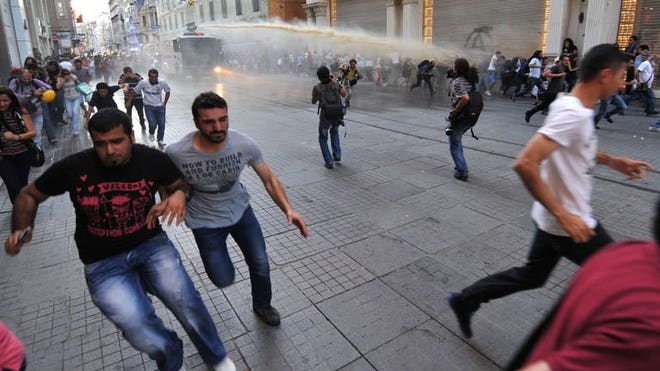 At least three journalists, including an AFP photographer, were injured by rubber bullets during the clashes.
Some 300 protesters had gathered early Saturday evening in support of the Gezi protest movement which rocked Turkey two months ago, and cat-and-mouse games with police continued into the night.
"Together against fascism" cried the protesters gathered amid heavy security. Protest flashpoints Taksim square and Gezi park were closed to the public on Saturday.
The demonstration follows another violent protest on Wednesday night in a resurgence of the anti-government rallies which swept Turkey in June.
The unrest was sparked by plans to redevelop Gezi Park, which is adjacent to Taksim square, but soon evolved into a broader movement against the government, seen as increasingly authoritarian.
According to police estimates, some 2.5 million people took to the streets in nearly 80 cities for three weeks to demand Prime Minister Recep Tayyip Erdogan's resignation.
Five people were killed and more than 8,000 injured in the civil unrest.
The authorities had closed the park to the public after police evicted protesters on June 15. It was reopened earlier this month but demonstrators remain banned.
At least three journalists, including an AFP photographer, were injured by rubber bullets during the clashes.
Some 300 protesters had gathered early Saturday evening in support of the Gezi protest movement which rocked Turkey two months ago, and cat-and-mouse games with police continued into the night.
"Together against fascism" cried the protesters gathered amid heavy security. Protest flashpoints Taksim square and Gezi park were closed to the public on Saturday.
The demonstration follows another violent protest on Wednesday night in a resurgence of the anti-government rallies which swept Turkey in June.
The unrest was sparked by plans to redevelop Gezi Park, which is adjacent to Taksim square, but soon evolved into a broader movement against the government, seen as increasingly authoritarian.
According to police estimates, some 2.5 million people took to the streets in nearly 80 cities for three weeks to demand Prime Minister Recep Tayyip Erdogan's resignation.
Five people were killed and more than 8,000 injured in the civil unrest.
The authorities had closed the park to the public after police evicted protesters on June 15. It was reopened earlier this month but demonstrators remain banned.
Syria's U.N. Ambassador blasts Saudi Arabia, radical Islamists at Dearborn event
http://www.freep.com/Speaking Friday night in Dearborn to more than 400 Arab-Americans, Syria's Ambassador to the United Nations Bashar Jaafari blasted the opposition in his country, saying they're terrorists and religious extremists trying to ruin their peaceful land. "The same people who attacked you (Americans) on Sept. 11 are attacking us today," Jaafari said in Arabic.
 In his talk, Jaafari repeatedly attacked Saudi Arabia, which he said was funding and arming radical Islamists that want to take over Syria. Saudi Arabia, Qatar, and Turkey are supporting "jihadists all through Syria," he said.
Jaafari, who is Sunni Muslim, spoke alongside Syrian Orthodox Christian Bishop Louka El-Khouri of Syria at an iftar - a dinner held by Muslims to break fast during Ramadan. Called "Iftar for Peace and Unity in Syria," the event was designed to promote the government of Syrian President Bashar al-Assad and unity among Syria's different groups. The crowd at the Greenfield Manor in Dearborn was largely Syrian Christian, Alawite, or Lebanese Shia, groups that generally are sympathetic to Assad.
Syrian-Americans in metro Detroit who oppose Assad slammed the Dearborn event, saying that it was wrong to invite pro-Assad leaders for a religious dinner.
"It's very sad to see people using the month of Ramadan to have a speaker who defends a murderous, criminal tyrant," Dr. Yahya Basha of West Bloomfield, a native of Syria who opposes Assad, told the Free Press. "I can't imagine having a guy who represents and defends tyranny speak at an iftar in the holy month of Ramadan, when people are focusing on being truthful and sensitive."
The audience clapped often during the Ambassador's and Bishop's remarks at the dinner, which was sponsored by the Syrian-American Forum, based in New Jersey. Several Shia imams and Christian priests attended the event to show their support.
El-Khouri said that Syrians are united despite their religious differences. He also spoke the kidnappings of two Christian leaders that he said were done by Syrian opposition groups.
More than 100,000 have died in Syria's civil war, which started in 2011. Michigan has about 10,000 Syrian-Americans, which are greatly divided over the conflict.
Addressing a question about Hizballah, a Lebanese group that is on the U.S. government's list of terrorist organizations, the Ambassador claimed that Hizballah is not fighting in Syria. Many have said that Hizballah fighters have fought inside Syria to support Assad.
Basha said the Ambassador's remarks about Hizballah are a complete lie.
"This man has no integrity," Basha said. "He's part of the killing machine."
A big sign at the event had pictures of Syria's flag and read: "No Violence, Yes Unity, No Foreign Intervention, No Sectarianism."
Waad Thabet, 14, a Southgate resident of Syrian descent, spoke at the end of the event, asking President Barack Obama not to support the Syrian opposition. The U.S. government wants Assad out and has pledged support for the opposition.
"Please stop sending weapons, money to the terrorists," she said.
Jaafari and El-Khouri did not grant interviews at the dinner to the Free Press.
In his talk, Jaafari repeatedly attacked Saudi Arabia, which he said was funding and arming radical Islamists that want to take over Syria. Saudi Arabia, Qatar, and Turkey are supporting "jihadists all through Syria," he said.
Jaafari, who is Sunni Muslim, spoke alongside Syrian Orthodox Christian Bishop Louka El-Khouri of Syria at an iftar - a dinner held by Muslims to break fast during Ramadan. Called "Iftar for Peace and Unity in Syria," the event was designed to promote the government of Syrian President Bashar al-Assad and unity among Syria's different groups. The crowd at the Greenfield Manor in Dearborn was largely Syrian Christian, Alawite, or Lebanese Shia, groups that generally are sympathetic to Assad.
Syrian-Americans in metro Detroit who oppose Assad slammed the Dearborn event, saying that it was wrong to invite pro-Assad leaders for a religious dinner.
"It's very sad to see people using the month of Ramadan to have a speaker who defends a murderous, criminal tyrant," Dr. Yahya Basha of West Bloomfield, a native of Syria who opposes Assad, told the Free Press. "I can't imagine having a guy who represents and defends tyranny speak at an iftar in the holy month of Ramadan, when people are focusing on being truthful and sensitive."
The audience clapped often during the Ambassador's and Bishop's remarks at the dinner, which was sponsored by the Syrian-American Forum, based in New Jersey. Several Shia imams and Christian priests attended the event to show their support.
El-Khouri said that Syrians are united despite their religious differences. He also spoke the kidnappings of two Christian leaders that he said were done by Syrian opposition groups.
More than 100,000 have died in Syria's civil war, which started in 2011. Michigan has about 10,000 Syrian-Americans, which are greatly divided over the conflict.
Addressing a question about Hizballah, a Lebanese group that is on the U.S. government's list of terrorist organizations, the Ambassador claimed that Hizballah is not fighting in Syria. Many have said that Hizballah fighters have fought inside Syria to support Assad.
Basha said the Ambassador's remarks about Hizballah are a complete lie.
"This man has no integrity," Basha said. "He's part of the killing machine."
A big sign at the event had pictures of Syria's flag and read: "No Violence, Yes Unity, No Foreign Intervention, No Sectarianism."
Waad Thabet, 14, a Southgate resident of Syrian descent, spoke at the end of the event, asking President Barack Obama not to support the Syrian opposition. The U.S. government wants Assad out and has pledged support for the opposition.
"Please stop sending weapons, money to the terrorists," she said.
Jaafari and El-Khouri did not grant interviews at the dinner to the Free Press.
Chinese FM: South China Sea disputes could be solved with three ways together
 Visiting Chinese Foreign Minister Wang Yi proposed on Friday three ways to solve the South China Sea disputes, and saying these three ways could be processing simultaneously.
Meeting with Surukiat Sathirathai, Chairman of Asia Peace Reconciliation Council and former Thai Deputy Prime Minister, Wang proposed three ways to solve the disputes.
First, he said, is to reach agreement through consultation and negotiation between direct parties concerned. He stressed that this is the fundamental way and the only way that can lead to final solution.
He said that China is always opening its door for dialogue with all disputing parties. The allegation that bilateral negotiation could not be moved forward is untrue and baseless, he said.
The Chinese Foreign Minister said that the second way is to continue to implement the Declaration of the Conduct of the South China Sea, while gradually push forward the consultations on the Conduct Code of the South China Sea.
He said both the Declaration and Conduct Code are not the solutions for disputes, but meant to commonly safeguard peace and stability in the region.
Wang said the Conduct Code was disrupted by some individual party's behavior, China do not want to see that happen again.
The Third way, The Chinese Foreign Minister said that searching for ways of common exploitation. He said that it took time to find a final solution for the South China Sea disputes, before that the parties concerned should jointly searching for ways of common exploitation on win-win and mutual beneficial basis.
He said common exploitation is not only for economic interest, but it will also send signals to the other parts of the world that the countries in the region are willing to solve their disputes in the way of cooperation.
Wang stressed that China persistently advocates solve disputes through negotiations on the basis of respecting historical facts and international law. These two are equally important and neither should be neglected.
Visiting Chinese Foreign Minister Wang Yi proposed on Friday three ways to solve the South China Sea disputes, and saying these three ways could be processing simultaneously.
Meeting with Surukiat Sathirathai, Chairman of Asia Peace Reconciliation Council and former Thai Deputy Prime Minister, Wang proposed three ways to solve the disputes.
First, he said, is to reach agreement through consultation and negotiation between direct parties concerned. He stressed that this is the fundamental way and the only way that can lead to final solution.
He said that China is always opening its door for dialogue with all disputing parties. The allegation that bilateral negotiation could not be moved forward is untrue and baseless, he said.
The Chinese Foreign Minister said that the second way is to continue to implement the Declaration of the Conduct of the South China Sea, while gradually push forward the consultations on the Conduct Code of the South China Sea.
He said both the Declaration and Conduct Code are not the solutions for disputes, but meant to commonly safeguard peace and stability in the region.
Wang said the Conduct Code was disrupted by some individual party's behavior, China do not want to see that happen again.
The Third way, The Chinese Foreign Minister said that searching for ways of common exploitation. He said that it took time to find a final solution for the South China Sea disputes, before that the parties concerned should jointly searching for ways of common exploitation on win-win and mutual beneficial basis.
He said common exploitation is not only for economic interest, but it will also send signals to the other parts of the world that the countries in the region are willing to solve their disputes in the way of cooperation.
Wang stressed that China persistently advocates solve disputes through negotiations on the basis of respecting historical facts and international law. These two are equally important and neither should be neglected.
Attack on Indian mission in Afghanistan raises specter of regional struggle
No going back on democracy in Egypt
 A YEAR ago, when Egypt’s nascent experiment in democracy led to the election of Mohamed Morsi of the Muslim Brotherhood as president, then-Secretary of State Hillary Rodham Clinton visited Cairo. Despite the tensions and fragility of institutions, she declared, “There can be no going back on the democratic transition called for by the Egyptian people.” She added, “They’re doing something they’ve never done in 5,000-plus years of history. They have had elections.”
In the year that followed, Mr. Morsi was hardly a paragon of democracy; his government mismanaged the country, the economy was in a tailspin and millions of people were disenchanted with his rule. But he was the elected president. In recent weeks, as protests swelled, he was abruptly removed from power by the Egyptian military, jailed and accused of high crimes. It was a coup. Mr. Morsi’s backers rightly feel they have been robbed, and the interim government is showing little sign of compromise or negotiation.
On Thursday, while in Pakistan, Secretary of State John F. Kerry was asked in an interview how the United States — a champion of democracy around the world — can justify supporting Egypt’s military crackdown. Mr. Kerry’s reply was inexplicable. He said, “The military was asked to intervene by millions and millions of people, all of whom were afraid of a descendance into chaos, into violence. And the military did not take over, to the best of our judgment so far. To run the country, there’s a civilian government. In effect, they were restoring democracy.”
It is one thing to be cautious and avoid using the word “coup,” which could trigger a cutoff of Egypt’s $1.5 billion annual U.S. aid package. But it is quite another to assert that Egypt’s military is “restoring democracy” when it has just removed an elected president from power.
The White House tells us that the secretary’s statement did not reflect the president’s policy. Good thing, because Mr. Kerry’s remark was careless and dangerous. No doubt, it will be taken as a vote of confidence by Defense Minister Gen. Abdel Fatah al-Sissi and encourage the military to press a campaign of violence and repression against the Muslim Brotherhood. The crackdown has already resulted in hundreds of deaths in clashes between the security forces and protesters, and street tensions are running high.
Even more damaging, Mr. Kerry’s statement will suggest to Muslims everywhere that democracy can be a card trick: Now you see it, now you don’t. The United States has invested great amounts of time and effort to persuade Muslims that democracy is the paramount system for representing and balancing all views in a society, rising above arbitrary and authoritarian rule. Mr. Kerry’s remark will be taken as proof that America likes democracy only when its friends are in power. That’s the worst possible message. It now becomes even more urgent for the secretary and the president to speak out for real democracy in Egypt, one that includes rather than persecutes the Muslim Brotherhood and Mr. Morsi. Last year, Ms. Clinton was right to insist there can be no going back on democracy. It is no less true today.
A YEAR ago, when Egypt’s nascent experiment in democracy led to the election of Mohamed Morsi of the Muslim Brotherhood as president, then-Secretary of State Hillary Rodham Clinton visited Cairo. Despite the tensions and fragility of institutions, she declared, “There can be no going back on the democratic transition called for by the Egyptian people.” She added, “They’re doing something they’ve never done in 5,000-plus years of history. They have had elections.”
In the year that followed, Mr. Morsi was hardly a paragon of democracy; his government mismanaged the country, the economy was in a tailspin and millions of people were disenchanted with his rule. But he was the elected president. In recent weeks, as protests swelled, he was abruptly removed from power by the Egyptian military, jailed and accused of high crimes. It was a coup. Mr. Morsi’s backers rightly feel they have been robbed, and the interim government is showing little sign of compromise or negotiation.
On Thursday, while in Pakistan, Secretary of State John F. Kerry was asked in an interview how the United States — a champion of democracy around the world — can justify supporting Egypt’s military crackdown. Mr. Kerry’s reply was inexplicable. He said, “The military was asked to intervene by millions and millions of people, all of whom were afraid of a descendance into chaos, into violence. And the military did not take over, to the best of our judgment so far. To run the country, there’s a civilian government. In effect, they were restoring democracy.”
It is one thing to be cautious and avoid using the word “coup,” which could trigger a cutoff of Egypt’s $1.5 billion annual U.S. aid package. But it is quite another to assert that Egypt’s military is “restoring democracy” when it has just removed an elected president from power.
The White House tells us that the secretary’s statement did not reflect the president’s policy. Good thing, because Mr. Kerry’s remark was careless and dangerous. No doubt, it will be taken as a vote of confidence by Defense Minister Gen. Abdel Fatah al-Sissi and encourage the military to press a campaign of violence and repression against the Muslim Brotherhood. The crackdown has already resulted in hundreds of deaths in clashes between the security forces and protesters, and street tensions are running high.
Even more damaging, Mr. Kerry’s statement will suggest to Muslims everywhere that democracy can be a card trick: Now you see it, now you don’t. The United States has invested great amounts of time and effort to persuade Muslims that democracy is the paramount system for representing and balancing all views in a society, rising above arbitrary and authoritarian rule. Mr. Kerry’s remark will be taken as proof that America likes democracy only when its friends are in power. That’s the worst possible message. It now becomes even more urgent for the secretary and the president to speak out for real democracy in Egypt, one that includes rather than persecutes the Muslim Brotherhood and Mr. Morsi. Last year, Ms. Clinton was right to insist there can be no going back on democracy. It is no less true today.
Drone Strikes: Despite Administration Promises, Few Signs of Change in Drone Wars
 By MARK MAZZETTI and MARK LANDLER
There were more drone strikes in Pakistan last month than any month since January. Three missile strikes were carried out in Yemen in the last week alone. And after Secretary of State John Kerry told Pakistanis on Thursday that the United States was winding down the drone wars there, officials back in Washington quickly contradicted him.
By MARK MAZZETTI and MARK LANDLER
There were more drone strikes in Pakistan last month than any month since January. Three missile strikes were carried out in Yemen in the last week alone. And after Secretary of State John Kerry told Pakistanis on Thursday that the United States was winding down the drone wars there, officials back in Washington quickly contradicted him.
Indian drone violates Pak airspace near Sialkot

Pak-India: ''Freedom with partition''
Muhammad

US-Pakistan relations

Veena Malik's Kannada movie "Silk Sakkath" running housefull
Parda Phash - by Nitish KapoorBollywood actress Veena Malik most awaited Kannada movie Silk Sakkath hot Maga has just hit the silver screens all over and running successfully. The film has release in 140 screens among 50 theatres that usually doesn't screen Kannada films and has gained


Bomb blast near Indian consulate in Afghan city of Jalalabad

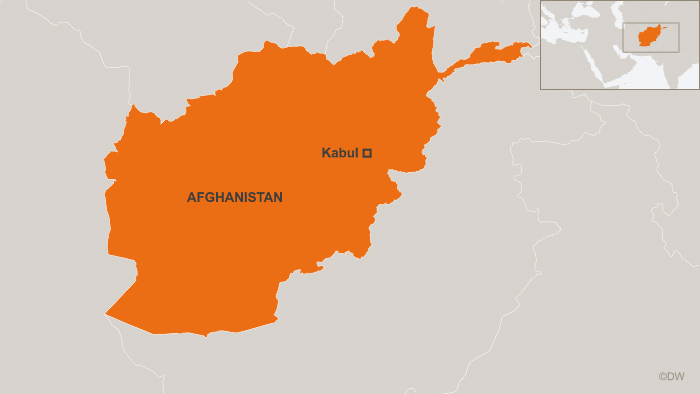 A suicide bomber attacked the Indian consulate in the eastern Afghan capital of Jalalabad on Saturday, Indian officials and local police said, killing six people and wounding 22.
Gunfire resounded through the area for at least an hour following the 10 a.m. blast near the consulate entrance.
All the casualties were civilians, except for one wounded Afghan soldier, said Baz Mohammad, a senior health official in Nangarhar province.
"Explosion in front of India's Consulate in Jalalabad. All Indians officials safe," Indian Ministry of External Affairs spokesman Syed Akbaruddin said on Twitter.
The attack followed a world-wide travel alert issued by the United States on Friday, saying that Al Qaeda could be planning attacks in August, particularly in the Middle East and North Africa. The United States has ordered the closure of 21 embassies and consulates on Sunday, including its Kabul mission.
Nangarhar police chief Mohammad Sharif Amin told Reuters a bomber detonated a car packed with explosives outside the consulate and an adjacent mosque. The consulate was the intended target, he said, but most casualties were from the mosque.
Roads near the Indian consulate remained blocked as gunfire rattled through the area, deputy provincial police chief Masoom Khan Hashimi said.
Indian diplomatic missions have been targets of previous attacks in Afghanistan.
The eastern border province of Nangarhar, and its capital Jalalabad, have long been a hotbed of insurgent activity.
On Friday, a five-hour battle between Afghan security forces and Taliban fighters in the province's Shirzad district killed dozens of Afghan police and insurgents, officials said.
A suicide bomber attacked the Indian consulate in the eastern Afghan capital of Jalalabad on Saturday, Indian officials and local police said, killing six people and wounding 22.
Gunfire resounded through the area for at least an hour following the 10 a.m. blast near the consulate entrance.
All the casualties were civilians, except for one wounded Afghan soldier, said Baz Mohammad, a senior health official in Nangarhar province.
"Explosion in front of India's Consulate in Jalalabad. All Indians officials safe," Indian Ministry of External Affairs spokesman Syed Akbaruddin said on Twitter.
The attack followed a world-wide travel alert issued by the United States on Friday, saying that Al Qaeda could be planning attacks in August, particularly in the Middle East and North Africa. The United States has ordered the closure of 21 embassies and consulates on Sunday, including its Kabul mission.
Nangarhar police chief Mohammad Sharif Amin told Reuters a bomber detonated a car packed with explosives outside the consulate and an adjacent mosque. The consulate was the intended target, he said, but most casualties were from the mosque.
Roads near the Indian consulate remained blocked as gunfire rattled through the area, deputy provincial police chief Masoom Khan Hashimi said.
Indian diplomatic missions have been targets of previous attacks in Afghanistan.
The eastern border province of Nangarhar, and its capital Jalalabad, have long been a hotbed of insurgent activity.
On Friday, a five-hour battle between Afghan security forces and Taliban fighters in the province's Shirzad district killed dozens of Afghan police and insurgents, officials said.
Pakistan: Shia leader along with son shot dead in Rahim Yar Khan
 The President of Shia Ulema Council Sheikh Manzoor Hussain was shot dead along with his son Haider Ali shortly before Friday prayers.
As a reaction people protested against the killing and pelted stones on police officials.
According to information clashes between the protesters and security forces left several people injured while Rangers were called in to control the situation.
The President of Shia Ulema Council Sheikh Manzoor Hussain was shot dead along with his son Haider Ali shortly before Friday prayers.
As a reaction people protested against the killing and pelted stones on police officials.
According to information clashes between the protesters and security forces left several people injured while Rangers were called in to control the situation.
Grand designs for Karachi
 Nawaz Sharif’s first visit to Karachi as prime minister was dominated by development, not the law-and-order situation in the city. During his short trip he reiterated his plans to build a six-lane Islamabad to Karachi motorway as well as an underground transport system. He did not mention his previously stated desire to develop a metro bus system along the lines of the one in Lahore, likely out of funding concerns. The prime minister’s desire to improve Karachi’s infrastructure is commendable but there are a few problems with his proposal. Most importantly, inner-city transport does not fall under the purview of the federal government and can only be undertaken by the provincial or city government. Then, there is the matter of just how cost-effective an underground transport system really would be. The city already has feasible plans for a circular railway which no one has acted on. Trying to convince the provincial government to implement that would be preferable to undertaking a costly new venture. For the Islamabad to Karachi motorway, we have the example of the Islamabad to Lahore motorway that Nawaz Sharif built in his previous stint as prime minister. Although a success now, the project was beset by alleged corruption both in the form of kickbacks and with influential politicians changing the proposed course of the motorway when it ran through their agricultural lands. A rerun of this experience needs to be avoided.
The prime minister studiously dodged any attempts to tackle the very serious security problems in the city. As the leader of the PML-N, a party which has little to no local influence in Karachi, Nawaz Sharif would have been the perfect honest broker to talk to the MQM, the PPP and the ANP. Instead, he seems to have decided there is little glory and lots of pain in trying to solve this gargantuan task -- and so he ignored it altogether. The interior minister, in an earlier visit to the city, had demanded an improvement in the law-and-order situation and it was widely believed that Nawaz Sharif’s visit would follow up on that order. However, it did not turn out to be the case. But the prime minister cannot take a head-in-the-sand approach to one of the most pressing problems in the country. Karachi’s troubles, taking place as they do in the country’s most important economic hub, create aftershocks everywhere else. No amount of infrastructure improvement will have too great an effect as long as the political parties continue to be at war. To simply wish the problem away is an abdication of responsibility.
Nawaz Sharif’s first visit to Karachi as prime minister was dominated by development, not the law-and-order situation in the city. During his short trip he reiterated his plans to build a six-lane Islamabad to Karachi motorway as well as an underground transport system. He did not mention his previously stated desire to develop a metro bus system along the lines of the one in Lahore, likely out of funding concerns. The prime minister’s desire to improve Karachi’s infrastructure is commendable but there are a few problems with his proposal. Most importantly, inner-city transport does not fall under the purview of the federal government and can only be undertaken by the provincial or city government. Then, there is the matter of just how cost-effective an underground transport system really would be. The city already has feasible plans for a circular railway which no one has acted on. Trying to convince the provincial government to implement that would be preferable to undertaking a costly new venture. For the Islamabad to Karachi motorway, we have the example of the Islamabad to Lahore motorway that Nawaz Sharif built in his previous stint as prime minister. Although a success now, the project was beset by alleged corruption both in the form of kickbacks and with influential politicians changing the proposed course of the motorway when it ran through their agricultural lands. A rerun of this experience needs to be avoided.
The prime minister studiously dodged any attempts to tackle the very serious security problems in the city. As the leader of the PML-N, a party which has little to no local influence in Karachi, Nawaz Sharif would have been the perfect honest broker to talk to the MQM, the PPP and the ANP. Instead, he seems to have decided there is little glory and lots of pain in trying to solve this gargantuan task -- and so he ignored it altogether. The interior minister, in an earlier visit to the city, had demanded an improvement in the law-and-order situation and it was widely believed that Nawaz Sharif’s visit would follow up on that order. However, it did not turn out to be the case. But the prime minister cannot take a head-in-the-sand approach to one of the most pressing problems in the country. Karachi’s troubles, taking place as they do in the country’s most important economic hub, create aftershocks everywhere else. No amount of infrastructure improvement will have too great an effect as long as the political parties continue to be at war. To simply wish the problem away is an abdication of responsibility.
Pakistan: Oil price hike
 In a move that is likely to be painful for everybody, the government on 31st July increased the prices of petroleum products ranging between Rs 2.73 and Rs 4.99 per litre with effect from 1st August, 2013. The price of petrol was raised from Rs 101.77 to Rs 104.50 per litre, HSD from Rs 106.76 to Rs 109.76 per litre, LDO from Rs 92.17 to Rs 96.12 per litre, kerosene oil from Rs 96.29 to Rs 101.28 per litre, JP-1 from Rs 84.90 to Rs 89.88 per litre, JP4 from Rs 77.86 to Rs 82.34 per litre and JP8 from Rs 84.57 to Rs 89.55 per litre. It was reported that regulatory body had sent a summary for increasing the POL prices as per fluctuations in the international market. The Ministry of Finance, nonetheless, provided a slight relief in the price of HSD as it approved an increase of Rs 3 per litre as against Ogra's calculation of Rs 4.50 per litre. The government also ignored Ogra's proposal not to pass on the full impact of increase in international prices of oil and depreciation of PKR to general consumers during Ramazan and Eid by reducing Petroleum Levy (PL) accordingly.
The latest surge in domestic oil prices would of course have negative consequences for the economy and the lives of ordinary people. As is usually the case in oil importing countries, the rise in oil prices could slow down industrial activity and depress growth prospects of economy, leading to exacerbating the incidence of unemployment and poverty in the country. Prices of all other commodities and services would also increase in direct proportion to the rise in the prices of POL products. All of this is bound to be very painful for ordinary people, especially at a time when growth rate is already stagnant, inflation is likely to be in double-digit and government is increasing the price of electricity by a highly significant margin. Had the PML (N) government not been in its honeymoon period, the hike in oil prices would have been severely criticised by all and sundry and fiercely opposed by other political parties.
However, while the government must be aware about the hardships people are likely to face, it had to face the reality that reduction of budget deficit was the top most priority of the country at the moment and it had to use every option to raise higher levels of revenues. At present, the government is collecting Rs 10 per litre on petrol, Rs 14 on HOBC, Rs 6 on kerosene oil and Rs 8 on HSD on account of Petroleum Levy (PL) in addition to General Sales Tax (GST) on the sale of petroleum products. Any decrease in the PL or GST to absorb the increase in international oil prices would have a negative impact on the budget, forcing the government to borrow heavily from the banking system, leading to accentuation of price pressures, depreciation of rupee and possibly a rupture of present relationship with the International Monetary Fund (IMF). The government could have opted for a lower increase in oil prices if there was some fiscal space available but, unfortunately, the developments in the past few years have been highly unfavourable on this front and the picture for the current year is not yet clear. Expenditures seem to be mounting due to extremely volatile security situation and increasing debt servicing while the problem of losses in the Public Sector Enterprises (PSEs) is still unresolved. In a situation like this, inaction on the part of government could have only aggravated fiscal woes and resulted in macroeconomic instability. The authorities also must be aware that the IMF must be watching the situation very closely and the understanding on its EFF could be jeopardised if the rise in international oil prices and the effect of depreciation of the PKR were not passed on to the domestic market. Keeping all these factors in view, the government did not seem to have much choice in the matter; it has done what was probably unavoidable at the moment. In the meantime, let us hope and pray that the prices of oil in the international market revert to their previous low levels and PKR stabilises in the forex market so that the government does not have to make such tough decisions in future.
In a move that is likely to be painful for everybody, the government on 31st July increased the prices of petroleum products ranging between Rs 2.73 and Rs 4.99 per litre with effect from 1st August, 2013. The price of petrol was raised from Rs 101.77 to Rs 104.50 per litre, HSD from Rs 106.76 to Rs 109.76 per litre, LDO from Rs 92.17 to Rs 96.12 per litre, kerosene oil from Rs 96.29 to Rs 101.28 per litre, JP-1 from Rs 84.90 to Rs 89.88 per litre, JP4 from Rs 77.86 to Rs 82.34 per litre and JP8 from Rs 84.57 to Rs 89.55 per litre. It was reported that regulatory body had sent a summary for increasing the POL prices as per fluctuations in the international market. The Ministry of Finance, nonetheless, provided a slight relief in the price of HSD as it approved an increase of Rs 3 per litre as against Ogra's calculation of Rs 4.50 per litre. The government also ignored Ogra's proposal not to pass on the full impact of increase in international prices of oil and depreciation of PKR to general consumers during Ramazan and Eid by reducing Petroleum Levy (PL) accordingly.
The latest surge in domestic oil prices would of course have negative consequences for the economy and the lives of ordinary people. As is usually the case in oil importing countries, the rise in oil prices could slow down industrial activity and depress growth prospects of economy, leading to exacerbating the incidence of unemployment and poverty in the country. Prices of all other commodities and services would also increase in direct proportion to the rise in the prices of POL products. All of this is bound to be very painful for ordinary people, especially at a time when growth rate is already stagnant, inflation is likely to be in double-digit and government is increasing the price of electricity by a highly significant margin. Had the PML (N) government not been in its honeymoon period, the hike in oil prices would have been severely criticised by all and sundry and fiercely opposed by other political parties.
However, while the government must be aware about the hardships people are likely to face, it had to face the reality that reduction of budget deficit was the top most priority of the country at the moment and it had to use every option to raise higher levels of revenues. At present, the government is collecting Rs 10 per litre on petrol, Rs 14 on HOBC, Rs 6 on kerosene oil and Rs 8 on HSD on account of Petroleum Levy (PL) in addition to General Sales Tax (GST) on the sale of petroleum products. Any decrease in the PL or GST to absorb the increase in international oil prices would have a negative impact on the budget, forcing the government to borrow heavily from the banking system, leading to accentuation of price pressures, depreciation of rupee and possibly a rupture of present relationship with the International Monetary Fund (IMF). The government could have opted for a lower increase in oil prices if there was some fiscal space available but, unfortunately, the developments in the past few years have been highly unfavourable on this front and the picture for the current year is not yet clear. Expenditures seem to be mounting due to extremely volatile security situation and increasing debt servicing while the problem of losses in the Public Sector Enterprises (PSEs) is still unresolved. In a situation like this, inaction on the part of government could have only aggravated fiscal woes and resulted in macroeconomic instability. The authorities also must be aware that the IMF must be watching the situation very closely and the understanding on its EFF could be jeopardised if the rise in international oil prices and the effect of depreciation of the PKR were not passed on to the domestic market. Keeping all these factors in view, the government did not seem to have much choice in the matter; it has done what was probably unavoidable at the moment. In the meantime, let us hope and pray that the prices of oil in the international market revert to their previous low levels and PKR stabilises in the forex market so that the government does not have to make such tough decisions in future.
Pakistan: Schools not so important for Punjab government
 The missing facilities in thousands of schools across the province are likely to remain missing, evident from the meager Rs 35 million released to the School Education Department against Rs 7,000 million requested by the department, Pakistan Today has learnt. According to a Punjab government report there were 26,904 girls schools and 10,450 boys schools (mostly in South Punjab) which lacked basic facilities including clean drinking water, toilets, boundary walls and electricity. The estimated cost of these facilities was Rs 1.5 billion and Rs 2billion, respectively. However, a senior official of the Planning and Development department (P&D) on the condition of anonymity revealed that the actual plan also mentioned additional class rooms in many schools, which bore most of the cost of the Rs 7.5 billion project. “The government has decided to siphon off this component and include only less expensive ones so that they can show to the donors and stakeholders later, having provided the missing facilities in all schools,” the official added. The issue of missing facilities and exorbitant illiteracy in the province invited a lot of ire from international donors and stakeholders who pressed upon the government during the last tenure to declare an ‘educational emergency’. The project of providing missing facilities was designed to improve the school dropout situation. However, the facilities still remain missing while the government released nothing substantial in the first quarter of the fiscal year for the project. School Education Department Secretary Abdul Jabar Shaheen recently wrote a letter to the chief minister explaining the ‘indifference of the high-ups’. The letter mentioned an earlier letter written on July 8 to the P&D Department to release Rs 7 billion in the first half of the current fiscal year so that the project could be completed on a priority basis. However, on July 31 the P&D advised the Finance Department to release only Rs 35 million, which was “a mere 0.5 percent of the requisite amount”. It further reads that the government released only Rs 6.7 billion against an allocated amount of Rs 15 billion for schools in Punjab the previous year. The priorities of the Punjab government are evident from the list of fund releases in the first quarter of the ongoing financial year. Roads got the maximum share of Rs 4.7 billion followed by Rs 4.6 billion for irrigation. “It seems the government is more interested in releasing funds for those projects which involve heavy purchasing and tenders, while putting the ones involving direct public goods on the back burner,” another official said on anonymity. Finance Minister Mujtaba Shujaur Rehman, Education Minister Rana Mashud and P&D Chairman Irfan Ilahi were all unavailable when contacted for comments. - See more at: http://www.pakistantoday.com.pk/2013/08/03/city/lahore/schools-not-so-important-for-punjab-government/#sthash.KaiO9jzu.dpuf
Battle of wills: Imran Khan in court
 IT is a wholly unnecessary episode, but not necessarily just for the reasons discussed in Courtroom No 1 yesterday in the Supreme Court. Twice Imran Khan’s counsel claimed that his client had never had the intention to commit contempt of court nor had he in any way committed contempt by criticising the Election Commission of Pakistan or election returning officers for their conduct during the general election. The position Mr Khan staked out was an expected one — and arguably even a reasonable one. But the Supreme Court bench appeared to want Mr Khan to seemingly issue an unreserved apology for the words he uttered that have been construed as an insult by the superior judiciary.
Mr Khan now has nearly a month to finesse a written statement that can bridge the gap between what the PTI chief is willing to admit and what the court expects him to say. It can only be hoped that the next few weeks produce a familiar Pakistan-style distraction that allows the country to leave behind this quite vexing and bizarre of episodes. But that may be a forlorn hope given that both Mr Khan and Chief Justice Chaudhry are not exactly known for backing down on questions of ego and personal reputation. Even if a solution is to be found — and surely, it is hard to conceive of Mr Khan being put on trial or being sent to prison for his comments relating to the conduct of the general election — that still leaves a broader issue of a court that has waded deep into controversy on many fronts and which does not appear to be reflecting about the cost that is inflicting on the judicial institution.
By now, with just a few months left until the completion of Chief Justice Chaudhry’s tenure, it is extremely unlikely that the style and substance of the court’s workings will see a significant reversal. If anything, with the clock rapidly winding down on the chief justice’s tenure, there may be a temptation to cap off a historic chief justiceship with judicial fireworks of even greater intensity. But strong as that temptation may be, if institutional strengthening and deepening the democratic project are indeed the ultimate goals, the temptation must be avoided. After December, there will still be a Supreme Court and it will need to be as strong, fair and independent as it has ever been. Judicial overreach or a hair-trigger in the months ahead will surely undermine that ultimate goal.
IT is a wholly unnecessary episode, but not necessarily just for the reasons discussed in Courtroom No 1 yesterday in the Supreme Court. Twice Imran Khan’s counsel claimed that his client had never had the intention to commit contempt of court nor had he in any way committed contempt by criticising the Election Commission of Pakistan or election returning officers for their conduct during the general election. The position Mr Khan staked out was an expected one — and arguably even a reasonable one. But the Supreme Court bench appeared to want Mr Khan to seemingly issue an unreserved apology for the words he uttered that have been construed as an insult by the superior judiciary.
Mr Khan now has nearly a month to finesse a written statement that can bridge the gap between what the PTI chief is willing to admit and what the court expects him to say. It can only be hoped that the next few weeks produce a familiar Pakistan-style distraction that allows the country to leave behind this quite vexing and bizarre of episodes. But that may be a forlorn hope given that both Mr Khan and Chief Justice Chaudhry are not exactly known for backing down on questions of ego and personal reputation. Even if a solution is to be found — and surely, it is hard to conceive of Mr Khan being put on trial or being sent to prison for his comments relating to the conduct of the general election — that still leaves a broader issue of a court that has waded deep into controversy on many fronts and which does not appear to be reflecting about the cost that is inflicting on the judicial institution.
By now, with just a few months left until the completion of Chief Justice Chaudhry’s tenure, it is extremely unlikely that the style and substance of the court’s workings will see a significant reversal. If anything, with the clock rapidly winding down on the chief justice’s tenure, there may be a temptation to cap off a historic chief justiceship with judicial fireworks of even greater intensity. But strong as that temptation may be, if institutional strengthening and deepening the democratic project are indeed the ultimate goals, the temptation must be avoided. After December, there will still be a Supreme Court and it will need to be as strong, fair and independent as it has ever been. Judicial overreach or a hair-trigger in the months ahead will surely undermine that ultimate goal.
Peshawar: Torrential rainfall: Displacement feared as water rises to alarming levels
 Provincial Disaster Management Authority (PDMA) spokesperson Latifur Rahman said the water level in Budni Nulla—located on Peshawar northern spheres—will be gradually increasing up to 30,000 cusecs due to the rain. “Therefore, precautionary measures need to be taken to avoid any loss of public or private property,” he said.
He said there is a high flood of 50,000 cusecs in Chitral River. “It is expected that this discharge of water will reach the Warsak Dam in Peshawar’s suburbs at about 10pm on Friday.” About 80,000 to 110,000 cusecs of water will hit Nowshera early Saturday, he added.
In response to a question, Latif said the PDMA has informed the deputy commissioners (DCs) of Peshawar, Nowshera and Charsadda about the situation and the DCs are taking precautionary measures. “The DCs are on alert.”
The district disaster management officers of the troubled areas have been directed to keep a close watch and observe the situation and alert people living on river banks to leave their houses when a warning is issued to them. People must be ready and prepare for displacement.
Following the flooding in Budhni stream, Peshawar Commissioner Sahibzada Muhammad Anis issued orders directing people living along the streams and canals to shift to safer places due to the possibility of a major flood. The commissioner also announced emergency after the Regi and Hayatabad streams flooded. He issued directives to all relevant departments to prepare for a flood-like situation.
There are several villages in Charsadda, but those in Nowshera face a greater threat because most of the people are settled near the Kabul River and around water channels in the area.
Provincial Disaster Management Authority (PDMA) spokesperson Latifur Rahman said the water level in Budni Nulla—located on Peshawar northern spheres—will be gradually increasing up to 30,000 cusecs due to the rain. “Therefore, precautionary measures need to be taken to avoid any loss of public or private property,” he said.
He said there is a high flood of 50,000 cusecs in Chitral River. “It is expected that this discharge of water will reach the Warsak Dam in Peshawar’s suburbs at about 10pm on Friday.” About 80,000 to 110,000 cusecs of water will hit Nowshera early Saturday, he added.
In response to a question, Latif said the PDMA has informed the deputy commissioners (DCs) of Peshawar, Nowshera and Charsadda about the situation and the DCs are taking precautionary measures. “The DCs are on alert.”
The district disaster management officers of the troubled areas have been directed to keep a close watch and observe the situation and alert people living on river banks to leave their houses when a warning is issued to them. People must be ready and prepare for displacement.
Following the flooding in Budhni stream, Peshawar Commissioner Sahibzada Muhammad Anis issued orders directing people living along the streams and canals to shift to safer places due to the possibility of a major flood. The commissioner also announced emergency after the Regi and Hayatabad streams flooded. He issued directives to all relevant departments to prepare for a flood-like situation.
There are several villages in Charsadda, but those in Nowshera face a greater threat because most of the people are settled near the Kabul River and around water channels in the area.
Pakistan: SC turns down Imran Khan’s ‘explanation’
Daily TimesRejecting the written explanation of Pakistan Tehreek-e-Insaf (PTI) Chairman Imran Khan in the contempt of court case, the Supreme Court on Friday asked him to file a comprehensive reply on August 28. A three-member bench of the apex court, headed by Chief Justice of Pakistan Iftikhar Muhammad Chaudhry, expressed its disappointment over Imran Khan’s statement in which he stated that the role of judiciary and Election Commission of Pakistan in the conduct of general election was shameful. The court noted, “Judiciary is required to be respected and if there is any grievance, the remedy is available under the law, but using the words “?????? “, prima facie, tantamounts to abusing the judiciary. The courts try their best to avoid asserting themselves in such situations but are compelled to look into a matter where not only the dignity or respect of a judge but of the entire institution is involved, and the courts are constrained to call for an explanation. The explanations noted above have been examined carefully and are hereby rejected not being satisfactory.” The court observed that instead of maligning the judiciary, Imran Khan should have filed an application for the early hearing of his petition against alleged rigging. It said that many people used abusive language against the judiciary on TV but it did not give them importance, but such type of words should not come from a man of Imran’s stature. Justice Jawwad S Khawaja noted that choosing the right words is critical and great leaders are always careful in this regard. Meanwhile, addressing the bench Imran said that he had complained that his goal was not achieved because the recent elections were the most rigged in the country’s history. The chief justice stopped him by saying, “Go and file a written reply in this regard then we will see who will be embarrassed, whether you or us.” The PTI chairman shook his head several times over the chief justice’s remarks. Hamid Khan, counsel for the PTI chairman, submitted two explanations to the court but the bench declared them unacceptable. In the first explanation the counsel submitted that Imran Khan has not committed contempt of court under the law or the constitution nor would even think of doing so. “Imran Khan has not started any campaign either to scandalise the court or to bring judges into hatred, ridicule or contempt. On the contrary, he has always struggled to uphold dignity and independence of the Supreme Court and the judiciary in general. That Imran Khan believes in the rule of law, supremacy of the constitution and independence of judiciary and, for this reason, he and his party was in the forefront of the movement for rule of law and restoration of judiciary. That, after the general elections, Imran Khan has repeatedly requested and appealed to the Supreme Court to redress the grievance of his party which has suffered massive electoral rigging at the hands of ECP and its officials. This clearly establishes that Imran Khan and his party have high expectations from the Supreme Court that justice would be done to them and that their grievance would be redressed” Later, on the court’s direction, Hamid submitted the second written explanation on behalf of Imran Khan. It read, “The press statement was made in good faith on July 26, 2013 wherein reference to the judiciary was for returning officers and/or district returning officers (belonging to the subordinate judiciary), assigned to the election process.” The counsel also submitted that Imran Khan has high respect and esteem for the Supreme Court of Pakistan and has high expectations from the court for redressal of the grievances of the PTI arising out of the general elections.
Pakistan: Load shedding after the mandate
What the new government is doing is what all governments do when they have no immediate response to a crisis. They divert attention Something is just not right with this load shedding business. We were told that ‘circular debt’ was the real culprit. The new Pakistan Muslim League-Nawaz (PML-N) government insisted that once the circular debt was settled, electricity would flow like the proverbial milk and honey in paradise. With great alacrity, the new government then paid up the circular debt to the tune of almost Rs 500 billion (close to $ five billion), yes billions with a B. And that is the amount of money our Minfin is begging the IMF to give us! This raises a few questions. First of course is that even after settling the debt, I am sitting in Lahore and the load shedding is so bad that my UPS just died. I am sure that the new masters of our country must have known that paying up all the money to settle the circular debt would not fix the power shortage, at least for us ordinary folks. The question then is, why the urgency to pay up the money owed to the Independent Power Producers (IPPs)? Whenever I put this question to people ‘in the know’, I always get the same answer: you know who got paid and you know why. This response is almost always accompanied by a smirk and a wink. The Prime Minister (PM) said that it will take at least four years to bring electricity generation up to ‘snuff’ and then our minister of load shedding in a moment of impolitic candour said that load shedding was due to technical reasons. These two statements from the two people in ‘the know’ clearly suggest that even at best our maximum possible power generation at this time is not enough to fulfil present national needs, the extravagant claims of the PML-N before the elections notwithstanding. Power production from hydel sources is constrained by the amount of water available in our rivers and how much of it needs to be stored for irrigation. And most of our privately owned power generation plants (IPPs) that run on diesel or furnace oil have crossed well into the ‘age of superannuation’. If these power plants were employees of the Punjab government, our chief minister would have forcibly retired them by now. Most of these plants are inefficient and even at best work at a percentage of capacity. New plants will take a few years to build, which is why the PM mentioned the three to four years required to take care of our power shortage. As far as coal is concerned, all I can say is, dream on. What the new government is doing is what all governments do when they have no immediate response to a crisis. They divert attention. The big deal now is finding and arresting ‘power thieves’. This is obviously akin to the ‘gladiator’ games in ancient Rome and will be used to divert the attention of the poor, downtrodden, electricity-deprived people of this country. Every so often a few factory owners or other semi-big names will be ‘thrown to the lions’ in the arena in the hope that the ordinary people will be amused and hopefully forget about their problems. But electricity theft starts at the very bottom; it involves the poor and others that just steal electricity because they can. If you go after all of them, especially in the slums of Karachi or Lahore, in the outer reaches of Khyber Pukhtunkhwa and Balochistan provinces or in the interior of Sindh, you probably will have an armed insurrection on your hands, which neither this government nor any government before this had the appetite to take on. The largest number of electricity thieves are our ‘middle class’ and the small businesses who also happen to be the primary vote bank of the PML-N in Punjab. An average household with a couple of air conditioners generates an electricity bill of anywhere between Rs 20 and 30,000 a month during summer. They pay the ‘meter reader’ Rs 5,000 every month and get a bill of much less than Rs 10,000. As such they save more than Rs 10,000 on the electricity bill. Of course, the Rs 5,000 the meter reader gets per household is distributed all the way up the ‘food chain’. The same is true of small businesses that have to pay a commercial rate that they can hardly afford. So if you want to catch and punish the real ‘thieves’, you will have to put almost the entire bureaucracy involved and much of the PML-N vote bank that participates in it in jail. If we accept that all electricity theft ends and bills are actually paid based on real consumption, will that end load shedding? Of course not, since the total amount of electricity being produced will still be below our national requirement and whatever moderate increase there is will be diverted to the factories whose owners are mostly PML-N’s financial supporters. The other thing that might happen is that our electric supply companies just might become ‘profitable’, especially if the government keeps increasing the ‘price’ of electricity. If that happens, the government can then sell these now profitable electrical supply companies to the ‘new class of crony capitalists’. As far as ordinary people are concerned, they will still face serious load shedding for the foreseeable future. And that brings me to our late Pakistan People’s Party (PPP) government. It had the right idea that the only way to alleviate the power shortage in the short term was the Rental Power Plants (RPPs). But then as was the PPP government’s wont, it got involved in corruption, kickbacks and crony capitalism. A good idea was thus brought to naught. Even so, if any of those RPPs are still functional, perhaps they should be allowed to work and add to the amount of electricity that is added to the national grid.By: Syed Mansoor Hussain
Balochistan is Pakistan’s Original Sin
The Baloch Hal
Malik Siraj Akbar chose exile over death. He lived to tell the story of resistance, a freedom movement and the fight for democracy in Balochistan. Geographically, Balochistan may be part of Pakistan but in its heart it is an independent nation, one that never accepted the Islamic Republic’s forceful annexation in 1948. Akbar started his journalistic career in 2006 at 23 as a bureau chief for Pakistan’s national newspaper, the Daily Times. While writing for major national and international newspapers, he faced constant harassment from the Pakistani authorities, which eventually prompted him to seek asylum in the U.S. in 2010, where he was taking part in the Hubert H. Humphrey Fellowship Program. To describe the changing dynamics of the Baloch national movement, which already has a history of more than five decades, Akbar recently wrote a book, The Redefined Dimensions of Baloch Nationalist Movement, in which he narrates how the movement for an independent Balochistan has percolated to each and every section of the society, with even the educated middle class, once aloof from this struggle, becoming a vocal votary of the freedom movement. Now 30, Akbar epitomizes the Islamic Republic’s widening fault-line and its failure to sustain the idea of Pakistan, as radical Islam and rabid religiosity push the country to a precipice. The Diplomat’s Sanjay Kumar recently spoke with the author.How do you identify yourself: a Baloch or Pakistani? What is the reason for identifying or describing your identity the way you do? I am asked this question almost every single day. Both sides – the Balochs and the Pakistanis – ask me the same question with a set of expectations. Considering the nature of my work, I prefer to identify myself as an independent journalist. Yet I am frequently asked whether I am a “Baloch journalist” or a “Pakistani” journalist. I do not wish to restrict my constituency of readers by identifying myself on ethnic, religious or geographic lines. It is unfortunate that most journalists currently working in Balochistan are asked the same question. Gone are the days when journalists could work independently without necessarily belonging to one or the other side. In your book The Redefined Dimensions of Baloch Nationalist Movement you talk about the last decade of the Baloch national movement, and what it aims to achieve. As stated in its title, the book highlights the “new dimensions” of the Baloch nationalist movement. In the past, the Baloch nationalists only asked for administrative and financial autonomy while remaining within the federation of Pakistan. That demand has significantly changed in the past decade. Now, it has transformed into a demand for Balochistan’s absolute independence from Pakistan. Unlike the past anti-Pakistan movements initiated in Pakistan, the current Baloch movement is headed by educated young people from middle-class families. Women and children also actively participate in peaceful protest rallies in support of a free Balochistan. Pakistan has applied all possible repressive tactics to quell the Baloch uprising. Every now and then you hear a missing person story from Balochistan. Why do people go missing, and how serious is the alienation issue? Pakistan’s secret service, the Inter-Services Intelligence and Frontier Corps, a federal paramilitary force, are believed to be behind the cases of enforced disappearances in Balochistan. Thousands of Baloch people have disappeared since the conflict began in 2004, while hundreds have resurfaced as bullet-riddled corpses in what is known locally as Pakistan’s “kill and dump” operations in Balochistan. The disappeared include people from almost all walks of life. Most of them are young students and political activists between the ages of 18 to 24. A few lucky among the missing persons who are released have reported about undergoing severe torture during official custody. The missing persons’ issue has significantly contributed to Baloch anger. Are you also one of the missing persons from your motherland? Why would a bright, promising person such as yourself have to seek asylum in the U.S.? The Pakistani government blocked my online newspaper, The Baloch Hal, which was critical of the government’s policies on Balochistan, particularly on human rights issues. Nearly 20 journalists have been killed in Balochistan in the line of duty and the government has failed to convict a single murderer. I do worry for my personal safety in Pakistan, particularly in Balochistan, because of my writings and public speeches about the situation in Balochistan. I have repeatedly received threats from the government. I even once reported those threats to the Governor of Balochistan, who clearly suggested that if I did “positive journalism”, which meant pro-government reporting, I would not be harmed. I have never been apologetic about my writings on Balochistan. What is the biggest threat in your province – Islamization of the province or militarization – and how so? Militarization is the biggest threat Balochistan faces. Islamization is just a byproduct of the Pakistani army and its intelligence agencies. Balochistan is a very secular society where we, until recently, never worried about things like Islamization. In recent years, the Pakistani secret services have injected radical Islam to counter Baloch nationalists. Those who receive support from the Pakistani military establishment include the Taliban, the Lashkar-e-Jhangvi and the pro-Taliban Jamiat Ulema-e-Islam. A reason why the militarization of Balochistan worries me is the absence of the Baloch in Pakistan’s security establishment. So, militarization aside, everyone in the military, secret services and paramilitary forces who is appointed in Balochistan actually belongs to another province. They are outsiders. They do not speak the Balochi language nor do they know the local culture and traditions. With no stakes involved, they indulge in massive human rights abuses and promote radical Islam in order to Islamize the secular Baloch society. You describe the killing of the Baloch nationalist leader, Nawab Mohammad Akbar Khan Bugti, as Balochistan’s 9/11. Why? How has that incident complicated the reconciliation process with Pakistan? Nawab Bugti was a moderate Baloch leader who had worked with Pakistan throughout his life. He was not a separatist. He had actually served as a former governor and chief minister of the province. During the last days of his life, he was also engaged in talks with Islamabad on critical issues like gas royalty and construction of military cantonments in Balochistan. With the killing of Bugti, Balochistan was left with no leader with whom Islamabad could negotiate. His killing created a vacuum for dialogue and transformed the Baloch demand for provincial autonomy into a quest for outright independence. When you kill a moderate leader, you just pave the way for hardliners and that is what has happened in Balochistan. A moderate negotiator like Bugti has been replaced by educated, middle-class young men who no longer want to reconcile with Pakistan. You started the first online English newspaper for Balochistan, The Baloch Hal. Why did you feel the need to start a newspaper? There is very limited coverage of Balochistan in the Pakistani media. Even most Pakistanis do not know much about Balochistan. The mainstream newspapers, with which I had the opportunity to work, deliberately censor stories regarding Balochistan. Rarely are issues pertaining to the province given space on the editorial pages. Also, foreign journalists are denied entry inside Balochistan. So I launched The Baloch Hal as a window for the rest of the country as well as for the world. We focused on hyper-local stories and provided insights about them. The work of The Baloch Hal was immediately recognized and appreciated in the international media. Even the BBC World Service praised our work. The Pakistani government, for its part, thought The Baloch Hal, with its reporting on human rights issues, was embarrassing the military. As a result, the Pakistani Telecommunication Authority (P.T.A.), blocked us in 2010. For the past three years, The Baloch Hal has remained banned inside Pakistan. Although several national and international groups such as the Committee to Protect Journalists, Bytes for All and The News International have mentioned the ban on our newspaper, successive Pakistani governments have not agreed to lift it. Some analysts say that Balochistan is going to be Pakistan’s next Bangladesh. Is the idea of Balochistan more important for you or the idea of Pakistan? Can both ideas coalesce or coexist? I don’t think Balochistan is going to be the next Bangladesh. Unfortunately, this fact also boosts the Pakistani government’s confidence level because they know that they can continue with their human rights abuses in Balochistan and the Balochs have no choice but to tolerate the state repression. Unlike the Bengalis, the Baloch do not have international support. There is not a single country yet that supports the idea of a free Balochistan. Pakistan gets substantial military assistance from the United States to fight the war on terror and portions of that assistance are diverted to carry out military operations against the Baloch. The U.S. government, despite repeated reminders by groups like the Amnesty International, does not hold Pakistan accountable for the misuse of American aid. I think the idea of Pakistan is deeply flawed. Besides the Baloch, almost everyone else in Pakistan, such as the Shia Muslims, the Hindus, the Christians and other ethnic minorities, has a problem with the idea of Pakistan. If countries can amend their constitutions, I do not understand why Pakistan cannot revisit its fundamental idea. A country, such as Pakistan, that calls itself the “land of pure” and that expects citizens to abide by the teachings of Islam and treat India, the United States, Israel as perpetual enemies cannot give its people a sense of nationhood. India is often blamed for stoking insurgency in your province. To what extent is this true? The Pakistani government has blamed India, the U.S. and Israel on so many occasions for domestic failures that even ordinary citizens have stopped buying that official claim anymore. Balochistan is Pakistan’s original sin and Pakistan has to admit its policy blunders. Pakistan and India love to “expose” each other on almost every occasion. I am sure Pakistan would not miss an opportunity to embarrass India if it had genuine proof of New Delhi’s involvement in Balochistan. The Baloch movement is absolutely indigenous and existed even during times when India and Pakistan sought peace. If Balochistan enjoyed Indian support, the Baloch would not receive the bullet-riddled corpses of their youths every single day. They would surely have followed the Bangladesh model much earlier.
Subscribe to:
Posts (Atom)