M WAQAR..... "A man's ethical behavior should be based effectually on sympathy, education, and social ties; no religious basis is necessary.Man would indeed be in a poor way if he had to be restrained by fear of punishment and hope of reward after death." --Albert Einstein !!! NEWS,ARTICLES,EDITORIALS,MUSIC... Ze chi pe mayeen yum da agha pukhtunistan de.....(Liberal,Progressive,Secular World.)''Secularism is not against religion; it is the message of humanity.'' تل ده وی پثتونستآن
Sunday, February 5, 2012
Pakistani troops aid Bahrain's crackdown
Foundation linked to the Pakistani army has been providing Bahrain thousands of soldiers for its crackdown on protests.
In March, as a government crackdown on pro-democracy protestors intensified in Bahrain, curious advertisements started appearing in Pakistani media.
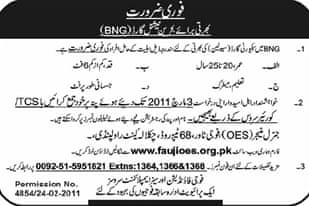
"Urgent requirement - manpower for Bahrain National Guard," said one.
The Fauji Foundation did not respond to Al Jazeera's request for comment.
"Pakistanis, particularly Baluchs, make up a large part of the Bahraini force," said Fahad Desmukh, a former resident of Bahrain who now lives in Pakistan.
"They are extremely visible on the streets - so visible that the protestors were recently responding to the police in Urdu, knowing they did not speak Arabic." [Watch the video of protesters chanting 'police are crazy' in Urdu here.]
A small country of roughly 800,000 people (including about 235,000 non-nationals), Bahrain has a Defence Force of about 12,000 and a National Guard of 1,200, according to the US State Department.
The National Guard, which is in the foreront of the crackdown, seems to have been more than doubled by the recent recruitments of mostly Baluch servicemen.
"What it shows is that the Bahraini government has little trust in its own citizens to conduct security operations," Michael Stephens, a Qatar-based Bahrain specialist at the Royal United Services Institute, told Al Jazeera.
"So they rely on foreign recruits to unquestioningly carry out orders of violently suppressing protests."
While Arab nations have a long history of leaning on Pakistan for military expertise as well as foot soldiers, the recent increase in recruitments come at a tricky time. Pakistan has struggled to quell widespread ethnic violence and a robust insurgency on its own streets.
In the region, too, the country faces tremendous challenges.
"It has certainly put Pakistan in a very awkward position, where it has to balance its relationship with Iran on the one side and Saudi Arabia and Bahrain on the other," Stephens said.
Iran, a leading Shia country, has repeatedly denounced the Bahraini government's crackdown on the Shia - while Saudi Arabia has remained Bahrain's closest ally.
Inside Bahrain, the recruitments have brought dangers to the South Asian diaspora, where ill-feeling towards Pakistanis has increased, reportedly because they are seen as the main vehicle in the crackdown.
The influx of Sunni mercenaries has also increased fears that the government might be naturalising the new recruits in its efforts to change the country's Shia-majority demographic.
"For service in Bahrain National Guard, the following categories of people with previous army and police experience are urgently needed," said another, with "previous experience" and "urgent need" underscored.
The categories included: former army drill instructors, anti-riot instructors, retired military police, and former army cooks.
In the following two months, on the back of visits to Islamabad by senior Saudi and Bahraini officials, sources say at least 2,500 former servicemen were recruited by Bahrainis and brought to Manama, increasing the size of their national guard and riot police by as much as 50 per cent.
"We know that continued airplanes are coming to Bahrain and bringing soldiers from Pakistan," Nabeel Rajab, president of the Bahrain Centre for Human Rights, told Al Jazeera.
"We do not know the exact number, but we know that it is much more than 1,500 or 2,000 people."
Recruited into the special forces, the national guard, and the riot police, the Pakistani citizens are tasked with suppressing Shia protesters that are reportedly demanding equal rights after years of alleged oppression at the hands of the royal family, part of Bahrain's Sunni minority.
"Our own Shia cannot join the security forces, but the government recruits from abroad," said Rajab.
On the ground in Pakistan, the recruitments were handled by the Fauji Foundation, one of the largest conglomerates in the country with close ties to the Pakistani military. In addition to the Overseas Employment Services, which is tasked with providing job opportunities for retired military personnel, the foundation owns large cereal and gas companies, sugar mills, security firms, as well as hospitals and universities.
The Fauji Foundation did not respond to Al Jazeera's request for comment.
"Pakistanis, particularly Baluchs, make up a large part of the Bahraini force," said Fahad Desmukh, a former resident of Bahrain who now lives in Pakistan.
"They are extremely visible on the streets - so visible that the protestors were recently responding to the police in Urdu, knowing they did not speak Arabic." [Watch the video of protesters chanting 'police are crazy' in Urdu here.]
A small country of roughly 800,000 people (including about 235,000 non-nationals), Bahrain has a Defence Force of about 12,000 and a National Guard of 1,200, according to the US State Department.
The National Guard, which is in the foreront of the crackdown, seems to have been more than doubled by the recent recruitments of mostly Baluch servicemen.
"What it shows is that the Bahraini government has little trust in its own citizens to conduct security operations," Michael Stephens, a Qatar-based Bahrain specialist at the Royal United Services Institute, told Al Jazeera.
"So they rely on foreign recruits to unquestioningly carry out orders of violently suppressing protests."
While Arab nations have a long history of leaning on Pakistan for military expertise as well as foot soldiers, the recent increase in recruitments come at a tricky time. Pakistan has struggled to quell widespread ethnic violence and a robust insurgency on its own streets.
In the region, too, the country faces tremendous challenges.
"It has certainly put Pakistan in a very awkward position, where it has to balance its relationship with Iran on the one side and Saudi Arabia and Bahrain on the other," Stephens said.
Iran, a leading Shia country, has repeatedly denounced the Bahraini government's crackdown on the Shia - while Saudi Arabia has remained Bahrain's closest ally.
Inside Bahrain, the recruitments have brought dangers to the South Asian diaspora, where ill-feeling towards Pakistanis has increased, reportedly because they are seen as the main vehicle in the crackdown.
The influx of Sunni mercenaries has also increased fears that the government might be naturalising the new recruits in its efforts to change the country's Shia-majority demographic.
Importing expertise
Video footage of Bahraini protesters chanting: 'Our police are Pakistani'. Al Jazeera cannot be held responsible for content hosted on third party sites [YouTube]
"In the 1970s and 80s, many Arab countries flushed with oil money bought state of the art equipment, but [the] local population lacked technical skills," said Hamid Hussain, a long time analyst and historian of the Pakistani military.
"A number of Pakistan army and air force personnel were deputed to several countries including Saudi Arabia, United Arab Emirates (UAE), Bahrain, Qatar, Jordan, Syria and Iraq. "
The recruitments varied from a dozen advisors to thousands of trainers and operators of complicated equipment.
The most prominent cases of such partnership was in 1970, when then Brigadier Zia ul Haq helped the Jordanian forces suppress Palestinians in what became known as "Black September".
Zia ul Haq, in one of the interesting paradoxes of the Pakistani military, later became a feared dictator who introduced a swift process of "Islamisation".
Pakistan's security relationship with Saudi Arabia, in particular, has put it at odds with Iran, its neighbour to the west. The two nations have been stuck in a Shia-Sunni rivalry for decades and have battled proxy wars across the region.
During the 1991 Gulf war, much to Saudi Arabia's apparent dismay, Pakistan turned down their request for preemptive help, in case Saddam Hussain launched attacks.
Reviving the relationship since has taken a long time, but when the uprising in Bahrain brought fears of unrest knocking on Saudi doors, the chairman of the Saudi National Security Council, Prince Bandar bin Sultan, made two quiet trips to Pakistan to seek their support in case protests erupted at home.
"Potential need for foreign troops in case protests spiral out of control has forced Saudis to work with current Pakistani civilian government for whom they have nothing but utter contempt," said Hussain.
Pakistani Prime Minister Yousuf Reza Gilani told Prince Bandar that his country supported the Saudi stance in the Gulf and the Middle East and would stand by Riyadh for regional peace, according to Pakistani media.
"The president and prime minister of Pakistan, faced with grim economic situation of the country and army brass uncertain about continued US funding, are delighted at the potential of a cash windfall from Saudi patrons," said Hussain.
Also on Prince Bandar's agenda was gaining Pakistan's support for the Saudi-led Gulf Cooperation Council (GCC) force that deployed to Bahrain for helping the Kingdom.
The trip was followed by visits from the Bahraini foreign minister and the commander of their national guard.
Then, recruitment adverts appeared in Pakistani media.
Baluchistan, where most of the recruits come from, is a province of six million in Pakistan's southwest. For decades, an armed movement for self-determination there has been met with a severe government crackdown.
Baluch nationalist fighters expressed their dismay at the recruitment long before the recent escalation.
"We call upon the Baluch nation not to become part of any tyrant or oppressive army, at a time when the Baluch nation is living in a state of war … and are struggling against the tyrants ourselves," Basham Baluch, a spokesman for Baluch Liberation Front said in a 2009 statement.
"Instead of turning the young Baluch into hired killers, they should join the national armies [Baluch Liberation Front, Baluchistan Liberation Army] to make the independence of their homeland a reality.
"We do not want the Baluch people to be used and turned into mercenaries."
The backlash
Bahrain is home to a large population of foreign labourers. The majority of the work forces there comprises South Asian migrants, particularly Pakistanis.
"Our country has a history of appreciation for the help Pakistanis have provided in development. But more recently we have seen crimes directed at Pakistanis, and that is worrying," said Rajab, the human rights activist.
He points to the fact that thousands of people have been arrested and hundreds of houses have been looted by government forces. Since Pakistanis make up at least 30 per cent of the security forces, he says, when people think of the crackdown they think of Pakistanis.
"The poor Pakistani labourer who has nothing do with security forces suffers from all this."
Human rights activists and analysts also fear that the government is swiftly increasing the rate of naturalisation for Sunni immigrants in recent months in order to tip the ethnic balance of the country.
With a clear Shia majority, the country has been ruled by a royal family from the Sunni minority.
"What needs to be closely watched is the number of these recruits who will be naturalised in the coming months and years ahead," said RUSI's Stephens.
"Many will not return home to Pakistan, and recent statistics show that South Asians make up a big majority of the foreign citizens naturalised in Bahrain."
While many believe Pakistan is providing workers and soldiers to Bahrain in return for much needed economic aid, activists such as Rajab remain perplexed by the decision.
"What I wonder is how the Pakistani government allows this many people to be brought here and used as mercenaries," said Rajab.
"We know that many of these recruits are poor, uneducated, and are just looking for a job. They don't know what they are signing up for. But the Pakistan government certainly knows, so why are they allowing this?"
Bahrain: Shouting in the dark
Bahrain: An island kingdom in the Arabian Gulf where the Shia Muslim majority are ruled by a family from the Sunni minority. Where people fighting for democratic rights broke the barriers of fear, only to find themselves alone and crushed.
This is their story and Al Jazeera is their witness - the only TV journalists who remained to follow their journey of hope to the carnage that followed.
This is the Arab revolution that was abandoned by the Arabs, forsaken by the West and forgotten by the world.
Editor's note: This documentary recently won the Foreign Press Association Documentary of the Year award in London.
Bahrain protesters rally ahead of anniversary
Al Jazeera
Thousands of Bahrainis have begun a week-long rally in a Shia village, 10 days ahead of the first anniversary of the start of pro-democracy protest which was brutally crushed, activists have said.
"The large number of people who participated yesterday [Saturday] wanted to deliver a message to the government that people are determined to keep up the demands that they made on February 14 last year," Matar Matar, a leading Shia opposition activist, told the AFP news agency on Sunday.
"They will use any venue available," he added.
Mostly-Shia protesters occupied Manama's Pearl Square for about a month last year until they were driven out in a heavy-handed mid-March crackdown.
The "steadfast" rally began in the afternoon in al-Muqsha village, about 7km west of Manama, the capital, and continued until 11:00 pm (2000 GMT).
It will reconvene at the same time on Sunday, according to Matar, a former MP.
Sheikh Ali Salman, a Shia cleric and leader of al-Wefaq, the main Shia opposition grouping, urged demonstrators to rename the rally spot in the village as "Freedom Square," insisting that people have decided that "there will be no return to pre-February 14".
"It is impossible that Bahrain remains without equality between its people," he said, according to the al-Wefaq Facebook page.
Although al-Wefaq said that the protest would last a week, the interior ministry announced on Friday that the demonstration had been authorised for two days only.
Matar said that his party informed the interior ministry that it intends to hold a seven-day rally, after it did not get authorisation to organise an open-ended demonstration.
During the month-long protest last year, the Shia-led opposition demanded significant constitutional changes that would reduce the power of the Sunni al-Khalifa ruling dynasty, including through having an elected prime minister.
Tensions have remained high in Bahrain since the initial deadly crackdown, and sporadic violence has risen in recent weeks as the first anniversary approaches of the launch of the protests.
Thousands of Bahrainis have begun a week-long rally in a Shia village, 10 days ahead of the first anniversary of the start of pro-democracy protest which was brutally crushed, activists have said.
"The large number of people who participated yesterday [Saturday] wanted to deliver a message to the government that people are determined to keep up the demands that they made on February 14 last year," Matar Matar, a leading Shia opposition activist, told the AFP news agency on Sunday.
"They will use any venue available," he added.
Mostly-Shia protesters occupied Manama's Pearl Square for about a month last year until they were driven out in a heavy-handed mid-March crackdown.
The "steadfast" rally began in the afternoon in al-Muqsha village, about 7km west of Manama, the capital, and continued until 11:00 pm (2000 GMT).
It will reconvene at the same time on Sunday, according to Matar, a former MP.
Sheikh Ali Salman, a Shia cleric and leader of al-Wefaq, the main Shia opposition grouping, urged demonstrators to rename the rally spot in the village as "Freedom Square," insisting that people have decided that "there will be no return to pre-February 14".
"It is impossible that Bahrain remains without equality between its people," he said, according to the al-Wefaq Facebook page.
Although al-Wefaq said that the protest would last a week, the interior ministry announced on Friday that the demonstration had been authorised for two days only.
Matar said that his party informed the interior ministry that it intends to hold a seven-day rally, after it did not get authorisation to organise an open-ended demonstration.
During the month-long protest last year, the Shia-led opposition demanded significant constitutional changes that would reduce the power of the Sunni al-Khalifa ruling dynasty, including through having an elected prime minister.
Tensions have remained high in Bahrain since the initial deadly crackdown, and sporadic violence has risen in recent weeks as the first anniversary approaches of the launch of the protests.
Russia, China use double veto to block UN draft on Syria
Russia and China on Saturday joined hands in vetoing an Arab-European draft resolution which backs an Arab League plan to promote a regime change in Syria.
It was the second time since October 2011 that Russia and China used double veto to block a UN Security Council resolution on Syria, which they deemed not the best choice to promote peace in the Middle East country.
The unadopted draft resolution meant to say that the Security Council "fully supports" the January 22 Arab League plan to ask Syrian President Bashar al-Assad to step down, one of the major stumbling blocks in pre-vote consultations which Russia strongly opposed.
The draft also urged efforts to "facilitate a Syrian-led political transition to a democratic, plural political system ... including through commencing a serious political dialogue between the Syrian government and the whole spectrum of the Syrian opposition."
At the unusual weekend council meeting, 13 council members voted in favor of the draft resolution. But, in order to be adopted, a UN draft needs nine votes in favor and no veto by any of the five permanent members of the 15-nation council -- Britain, China, France, Russia and the United States.
RUSSIA-CHINA CONCERNS
Russia and China, two veto-wielding council members who have both been closely following the situation in Syria, used the double veto on the ground that more consultations were needed to achieve a proper settlement of the Syrian issue.
They argued that the co-sponsors, including Arab states and the United States, Britain and France, failed to take into account the reasonable concerns of Russia, which insisted that the draft resolution, tabled by Morocco, be amended.
Hours before the council entered into the scheduled meeting on Saturday morning, with Western powers pushing for a council vote on the draft, Russia circulated an amended resolution which, as Russian Foreign Minister Sergei Lavrov said, "aims to fix two basic problems."
There were "(first,) the imposition of conditions on dialogue, and second, measures must be taken to influence not only the government but also armed groups," Lavrov said at a panel discussion at the Munich Security Conference, adding that these two issues are "of crucial importance" from the view of Russia.
The co-sponsors of the resolution, however, did not taken into account these concerns.
"The draft resolution that was put to a vote did not adequately reflect the real state of affairs in Syria and has sent an unbalanced signal to the Syrian parties," Russian UN Ambassador Vitaly Churkin said after the vote.
Churkin said that Russia will continue to work for a solution to the crisis in Syria because "bloodshed and violence in Syria has to be ended immediately."
According to Churkin, Russian President Dmitry Medvedev has instructed Foreign Minister Sergey Lavrov and Mikhail Fradkov, the director of the service for external intelligence of Russia, to travel to Syria on Feb. 7 to meet with Syrian President Bashar al- Assad.
"We believe that intensive efforts of the international community with a view to putting an immediate end to the violence and having a successful beginning and conclusion of an exclusively Syrian political process and withdrawal of the country from this crisis will be continued," said Churkin.
For his part, Li Baodong, the Chinese permanent representative to the United Nations, regretted that the Russian amendments were ignored.
"China supports the revision proposals raised by Russia, and has taken note that Russian Foreign Minister (Sergei Lavrov) will visit Syria next week," Li told the council. "The request for continued consultation on the draft by some council members is reasonable."
"It is regrettable that these reasonable concerns are not taken into account," he said. "To push through a vote when parties are still seriously divided over the issue will not help maintain the unity and authority of the Security Council, or help resolve the issue."
"In this context, China voted against the draft resolution," Li said.
INTERNATIONAL RESPONSES
UN Secretary-General voiced his deep regrets over the council's failure to adopt the draft resolution.
"The secretary-general deeply regrets that the Security Council has been unable to agree on a resolution supported by the League of Arab States to bring an early end to the violence and the killing in Syria," said a statement released here by Ban's spokesman Martin Nesirky.
Morocco's UN envoy, Mohammed Loulichiki, voiced his "deep regret and disappointment," saying that he was "extremely frustrated" by the failure of the resolution.
Furthermore, the United States and France responded to the double veto with fury.
"The United States is disgusted that a couple of members of this Council continue to prevent us from fulfilling our sole purpose here -- addressing an ever-deepening crisis in Syria and a growing threat to regional peace and security," said U.S. Ambassador Susan Rice.
French Ambassador Gerard Araud said it was "a sad day for the Security Council." France, together with other Western powers, pushed for an early council vote despite strong Russian calls for more consultations to amend the draft.
Syria, which has all along voiced strong opposition to any foreign intervention in its internal affairs, on Saturday reiterated that Damascus prefers to see a political settlement within Syrians themselves and the Arab family.
"Given our firm belief in the Pan-Arab role, we had hoped that the examination of the question of Syria first exclusively in the Syrian household and then in the larger, supporting Arab structure, " Syria's permanent representative to the UN Bashar Jafaari told the Security Council.
"But the rush by some parties to invite international intervention, which we know in advance the objectives of its dealing with Arab issues, first and foremost the question of Palestine and the Israeli occupation of Arab territories is a cause for concern,"he added.
US Special Forces to Stay in Afghanistan Beyond 2014
tolonews.com
As the United States is planning to wind down it's combat troops a year later than scheduled, senior Pentagon military officials have said that, US Special Operation Forces will remain in Afghanistan after the Nato led mission ends in 2014.
US Special Operation Forces who hunted top al-Qaeda leaders and other insurgent leaders will help in counterinsurgency and training of Afghan troops in Afghanistan.
If the plan is approved by US President Barack Obama, it would be the most significant evolution in the US military campaign since 32,000 surge troops were sent to Afghanistan.
While some US forces are preparing to withdraw, thousands of the US Special Operation Forces will remain on the ground and the number may increase.
This comes as the US Ambassador to Afghanistan Ryan Crocker on Saturday said that US combat role in Afghanistan will not end by the end of 2014.
The US will stick on the Lisbon timetable where a gradual handover of security responsibilities to Afghan forces was decided, he added.
Meanwhile, US Defence Minister, Leon Panetta, said that US hopes to end it's combat role in the middle of the next year.
There are around 130,000 foreign troops in Afghanistan with more than 90,000 of them US soldiers fighting insurgents in the country.
The United States is the top contributor in Afghanistan in terms of troops and financial aid. The country is spending around $12m in the training of Afghan Security forces
As the United States is planning to wind down it's combat troops a year later than scheduled, senior Pentagon military officials have said that, US Special Operation Forces will remain in Afghanistan after the Nato led mission ends in 2014.
US Special Operation Forces who hunted top al-Qaeda leaders and other insurgent leaders will help in counterinsurgency and training of Afghan troops in Afghanistan.
If the plan is approved by US President Barack Obama, it would be the most significant evolution in the US military campaign since 32,000 surge troops were sent to Afghanistan.
While some US forces are preparing to withdraw, thousands of the US Special Operation Forces will remain on the ground and the number may increase.
This comes as the US Ambassador to Afghanistan Ryan Crocker on Saturday said that US combat role in Afghanistan will not end by the end of 2014.
The US will stick on the Lisbon timetable where a gradual handover of security responsibilities to Afghan forces was decided, he added.
Meanwhile, US Defence Minister, Leon Panetta, said that US hopes to end it's combat role in the middle of the next year.
There are around 130,000 foreign troops in Afghanistan with more than 90,000 of them US soldiers fighting insurgents in the country.
The United States is the top contributor in Afghanistan in terms of troops and financial aid. The country is spending around $12m in the training of Afghan Security forces
U.S. Plans Shift to Elite Units as It Winds Down in Afghanistan
By THOM SHANKER and ERIC SCHMITT
The United States’ plan to wind down its combat role in Afghanistan a year earlier than expected relies on shifting responsibility to Special Operations forces that hunt insurgent leaders and train local troops, according to senior Pentagon officials and military officers. These forces could remain in the country well after the NATO mission ends in late 2014.
The plan, if approved by President Obama, would amount to the most significant evolution in the military campaign since Mr. Obama sent in 32,000 more troops to wage an intensive and costly counterinsurgency effort.
Under the emerging plan, American conventional forces, focused on policing large parts of Afghanistan, will be the first to leave, while thousands of American Special Operations forces remain, making up an increasing percentage of the troops on the ground; their number may even grow.
The evolving strategy is far different from the withdrawal plan for Iraq, where almost all American forces, conventional or otherwise, have left. Iraq has devolved into sectarian violence ever since the withdrawal in December, which threatens to undo the political and security gains there.
Pentagon officials and military planners say the new plan for Afghanistan is not a direct response to the deteriorating conditions in Iraq. Even so, the shift could give Mr. Obama a political shield against attacks from his Republican rivals in the presidential race who have already begun criticizing him for moving too swiftly to extract troops from Afghanistan.
Unlike in Iraq, where domestic political pressure gave Prime Minister Nuri Kamal al-Maliki reason to resist a continued American military presence into 2012, in Afghanistan, President Hamid Karzai and his senior aides have expressed an initial willingness to continue a partnership with the United States that includes counterterrorism missions and training.
Senior American officials have also expressed a desire to keep some training and counterterrorism troops in Afghanistan past 2014. The transition plan for the next three years in Afghanistan could be a model for such a continued military relationship.
The new focus builds on a desire to use the nation’s most elite troops to counter any residual terrorist threat over the coming months as well as to devote the military’s best trainers to the difficult task of preparing Afghan security forces to take over responsibilities in their country.
The plan would put a particularly heavy focus on Army Special Forces, also known as the Green Berets. They would be in charge of training a variety of Afghan security forces. At the same time, the elite commando teams within Special Operations forces would continue their raids to hunt down, capture or kill insurgent commanders and terrorist leaders and keep pressure on cells of fighters to prevent them from mounting attacks.
Created by President John F. Kennedy in the 1960s, the Green Berets have as one of their core missions what is called “foreign internal defense” — using combat, mentoring, language and cross-cultural skills to train local forces in rugged environments, as they are today in missions conducted quietly in dozens of nations around the world.
Just as significant would be what the American military’s conventional forces stop doing.
Americans would no longer be carrying out large numbers of patrols to clear vast areas of Afghanistan of insurgents, or holding villages and towns vulnerable to militant attacks while local forces and government agencies rebuilt the local economy and empowered local governments.
Those tasks would fall to Afghan forces, with Special Forces soldiers remaining in the field to guide them. This shift has already begun to take place.
The defense secretary, Leon E. Panetta, surprised NATO allies last week when he announced that American forces would step back from a leading role in combat missions by mid-2013, turning over security responsibilities to Afghan forces a year earlier than expected. The description of the shift to a Special Operations mission in Afghanistan by senior officials, who spoke on the condition of anonymity because the final plans have not been approved, go a long way toward explaining what Mr. Panetta sketched out for the allies.
White House officials confirmed in broad terms the shift to a Special Operations mission, and said a formal announcement on the future of the mission was expected at the May summit meeting of NATO leaders in Chicago.
“The president said in June that when the drawdown of surge forces is complete in September, U.S. troops will continue coming home at a steady pace and our mission will shift from combat to support as the Afghans take the lead,” said Tommy Vietor, the National Security Council spokesman.
The United States has about 90,000 troops in Afghanistan, with 22,000 of them expected to leave by this fall. No schedule has been set for the pace of withdrawal for the 68,000 American troops who will remain, although some administration officials are advocating for Mr. Obama to order another reduction by the summer of 2013.
The planning for a transition of the Afghanistan mission is a central effort among the Pentagon’s civilian planners and the military’s Joint Staff, as well as among officers at the United States Central and Special Operations Commands.
Senior Pentagon officials involved in the planning acknowledge that a military effort with a smaller force and a more focused mission could be easier to explain to Americans who have tired of the large counterinsurgency campaigns of Iraq and, previously, Afghanistan.
To be sure, some American conventional units would be called on to handle logistics and other support services — transportation, medical care, security — to enable the Special Operations missions to continue.
But that would require a far smaller American presence to help the Afghans protect recent security gains while minimizing American expenses and casualties.
The plan first calls for creating a two-star command position overseeing the entire Special Operations effort in Afghanistan. Next, the three-star corps headquarters that currently commands the day-to-day operations of the war — and is held by an Army officer from the conventional force — would be handed over to a Special Operations officer.
Officials said that no final decisions had been made on the timing of the transition, although it is likely to begin late this year as the rest of the surge forces are withdrawn. There has also been no decision on the number of troops to be committed to the mission as it evolves in 2013 and into 2014, officials said.
Officials noted the progress in creating new “Afghan Strike Force” units to carry out commando-type raids, and they said that the effort to create an Afghan National Army — which had been focused on building as large a force as possible — would shift to emphasize quality and capability.
Officials conceded that the Afghan National Police program remained a huge disappointment, but said that a great value in American investment had been organizing local Afghan police units, drawn from the villages they are assigned to protect.
Afghan, Iran Presidents to visit Pakistan on Feb 16
Islamabad will be hosting trilateral summit of Pakistan, Afghanistan and Iran this month, as Iranian President Mahmoud Ahmadinejad and Afghan President Hamid Karzai are visiting Pakistan from February 16 to 17.
The two foreign dignitaries will attend the trilateral summit along with President Asif Ali Zardari, BNA reported.
The trilateral summit is aimed at bolstering regional peace, stability and the Afghan-led conciliation process.The summit is being held at a time when the Taliban are opening their office in Qatar for talks with the US.Western diplomats see the move as an effort to counter the Washington s talks with the Taliban in Doha and pave way for an alternative route to peace negotiations.
'Seven dead' in attack on Kandahar police building
Seven people were killed Sunday in a suicide car bomb attack on police headquarters in the southern Afghan city of Kandahar, a bastion of Taliban militancy, the interior ministry said.
Three policemen and four civilians died in the blast in the car park, the ministry said in a statement, while nine other people were injured.
Kandahar is the largest city in southern Afghanistan and the birthplace of the Taliban, who have been waging a bloody insurgency since being ousted from power by the US-led invasion in late 2001 that followed the 9/11 attacks.
"At around noon today (0730 GMT), a suicide car bomber detonated his explosive-packed car in district one of Kandahar that killed seven, including three police and four civilians and wounded nine others", the ministry statement said.
Kandahar governor Tooryalai Weesa also said there were seven deaths, but said five of those were police and gave a wounded toll of 19, including 13 women and children.
Blood-splattered items from nearby market stalls lay scattered on the ground after the attack, which destroyed four police cars and damaged nearby buildings, according to an AFP correspondent.
Militants frequently target Afghan police and military, who are due to assume responsibility for the country's security from NATO's International Security Assistance Force (ISAF) troops by the end of 2014.
NATO defence ministers on Thursday voiced hope that Afghan forces would take the lead by the end of next year, with foreign troops moving to a backup role until their combat mission ends.
Seven Afghan civilians were killed on January 19 when a suicide attacker targeting ISAF vehicles blew up his car at Kandahar airport -- an attack claimed by the Taliban.
A UN report on Saturday said civilian deaths in Afghanistan reached a record high in 2011 -- the fifth straight year the death toll has gone up.
A total of 3,021 civilians died -- mostly at the hands of insurgents -- up eight percent from 2,790 in 2010, the UN mission in Afghanistan (UNAMA) said.
The record loss of life was blamed mainly on changes in the insurgents' tactics, which saw an increased use of home-made bombs and deadlier suicide attacks.
Taliban negotiators have begun holding preliminary talks with US officials in Qatar on plans for peace negotiations aimed at ending the decade-long Afghan war.
Pakistani Prime Minister Yousuf Raza Gilani is to discuss Afghan peace efforts with the Qatari leadership when he travels to the Gulf state for a visit on Monday.
Three policemen and four civilians died in the blast in the car park, the ministry said in a statement, while nine other people were injured.
Kandahar is the largest city in southern Afghanistan and the birthplace of the Taliban, who have been waging a bloody insurgency since being ousted from power by the US-led invasion in late 2001 that followed the 9/11 attacks.
"At around noon today (0730 GMT), a suicide car bomber detonated his explosive-packed car in district one of Kandahar that killed seven, including three police and four civilians and wounded nine others", the ministry statement said.
Kandahar governor Tooryalai Weesa also said there were seven deaths, but said five of those were police and gave a wounded toll of 19, including 13 women and children.
Blood-splattered items from nearby market stalls lay scattered on the ground after the attack, which destroyed four police cars and damaged nearby buildings, according to an AFP correspondent.
Militants frequently target Afghan police and military, who are due to assume responsibility for the country's security from NATO's International Security Assistance Force (ISAF) troops by the end of 2014.
NATO defence ministers on Thursday voiced hope that Afghan forces would take the lead by the end of next year, with foreign troops moving to a backup role until their combat mission ends.
Seven Afghan civilians were killed on January 19 when a suicide attacker targeting ISAF vehicles blew up his car at Kandahar airport -- an attack claimed by the Taliban.
A UN report on Saturday said civilian deaths in Afghanistan reached a record high in 2011 -- the fifth straight year the death toll has gone up.
A total of 3,021 civilians died -- mostly at the hands of insurgents -- up eight percent from 2,790 in 2010, the UN mission in Afghanistan (UNAMA) said.
The record loss of life was blamed mainly on changes in the insurgents' tactics, which saw an increased use of home-made bombs and deadlier suicide attacks.
Taliban negotiators have begun holding preliminary talks with US officials in Qatar on plans for peace negotiations aimed at ending the decade-long Afghan war.
Pakistani Prime Minister Yousuf Raza Gilani is to discuss Afghan peace efforts with the Qatari leadership when he travels to the Gulf state for a visit on Monday.
Pakistani Kids under five 44% stunted and 32% underweight
www.statesman.com
Pakistan has a very high rate of child malnutrition as 44 per cent of children under five are stunted and 32 per cent are underweight, National Nutrition Survey 2011 revealed.
According to survey, maternal malnutrition is also a significant problem as 15 per cent of women of reproductive age have chronic energy deficiency. Women and children also suffer from some of the world’s highest levels of vitamin and mineral deficiencies. The levels of malnutrition and its impact on growth and height in Pakistan remain serious. Underweight is weight for age, whereas stunting is height for age and is a reflection of chronic malnutrition.” “Nutrition emergency” is 15 per cent wasting and the level of wasting in young children (less than 1 year) in Pakistan is 25 per cent. There are no significant differences between malnutrition levels for girls and boys.
“There is broad consensus globally on the “Scaling Up Nutrition” (SUN) framework that calls for focus on the first 1000 days of life, from conception to the first 24 months of a child’s life, because that when most of the damage to cognitive ability and growth occurs and much of that damage is irreversible,” it said, adding that the SUN framework outlines a set of well-proven “direct nutrition interventions” as well as broader multi-sectoral approach. Action on both is urgent.
It further said, improving nutrition contributes to productivity, economic development, and poverty reduction by improving physical work capacity, cognitive development, school performance, and health by reducing disease and mortality. The economic costs of malnutrition are very high – an estimated 2-3 per cent of GDP is every year in Pakistan on account of vitamins and mineral deficiencies alone.
“At the same time, investments in nutrition have been very low. The lack of improvement in nutrition indicators is not surprising given that very few of the interventions that are known to reduce malnutrition have been implemented in Pakistan. This reflects a low level of awareness and prioritization,” it added.
Pakistan has a very high rate of child malnutrition as 44 per cent of children under five are stunted and 32 per cent are underweight, National Nutrition Survey 2011 revealed.
According to survey, maternal malnutrition is also a significant problem as 15 per cent of women of reproductive age have chronic energy deficiency. Women and children also suffer from some of the world’s highest levels of vitamin and mineral deficiencies. The levels of malnutrition and its impact on growth and height in Pakistan remain serious. Underweight is weight for age, whereas stunting is height for age and is a reflection of chronic malnutrition.” “Nutrition emergency” is 15 per cent wasting and the level of wasting in young children (less than 1 year) in Pakistan is 25 per cent. There are no significant differences between malnutrition levels for girls and boys.
“There is broad consensus globally on the “Scaling Up Nutrition” (SUN) framework that calls for focus on the first 1000 days of life, from conception to the first 24 months of a child’s life, because that when most of the damage to cognitive ability and growth occurs and much of that damage is irreversible,” it said, adding that the SUN framework outlines a set of well-proven “direct nutrition interventions” as well as broader multi-sectoral approach. Action on both is urgent.
It further said, improving nutrition contributes to productivity, economic development, and poverty reduction by improving physical work capacity, cognitive development, school performance, and health by reducing disease and mortality. The economic costs of malnutrition are very high – an estimated 2-3 per cent of GDP is every year in Pakistan on account of vitamins and mineral deficiencies alone.
“At the same time, investments in nutrition have been very low. The lack of improvement in nutrition indicators is not surprising given that very few of the interventions that are known to reduce malnutrition have been implemented in Pakistan. This reflects a low level of awareness and prioritization,” it added.
Pakistan's terrorist organisations....BANNED or NOT
DAILY TIMES
Banned terrorist organisations are freely operating all over Pakistan without risking the ire of the law enforcement agencies. Sipah-e-Sahaba Pakistan (SSP) was banned but changed its name to Ahle Sunnat Wal Jamaat (ASWJ), Lashkar-e-Tayyaba (LeT) was banned but changed its name to Jamaat-ud-Dawa (JuD), and now both these terrorist outfits are carrying on with their activities with impunity. Even if a banned organisation does not change its name, like the Lashkar-e-Jhangvi (LeJ) that still operates under its own name, their activities are not stopped. Interior Minister Rehman Malik blames a delay in the approval of an amendment to the Anti-Terrorism Act for banned organisations’ holding rallies across the country. Apparently the amendment bill is still with the Senate Standing Committee despite the passage of two years. Mr Malik also said that if a banned organisation holds a rally in the capital, the SHO of the concerned police station would be suspended. Now that is a ludicrous idea to say the least. How can an SHO be responsible when the entire state apparatus is either helpless in front of the banned outfits or in cahoots with them?
In most cases, the Pakistan People’s Party (PPP) government blames the Punjab government for having a soft spot for terrorist outfits, especially the JuD and LeJ. Granted that the Punjab government must be held accountable for allowing these organisations and other extremist groups to hold public rallies full of hate speech all over Punjab, but these organisations have also held rallies in Karachi and plan on doing so again. The PPP has a majority government in Sindh, so why is it not stopping them either? The PPP also has to look at itself instead of scoring political points by blaming the Punjab government alone. According to a report by BBC Urdu, intelligence agencies have been tracking new bank accounts by jihadi groups under new names in order to receive funds from within Pakistan and outside the country. These secret accounts must be exposed and shut down immediately. While the political forces as a whole are not doing much to stop the activities of banned outfits, we must not forget that all these organisations were created and nurtured by our military. To date they either have the covert or overt support of the Pakistan Army and its intelligence agencies. When the most powerful institution in the country is behind them, it would definitely be a humongous task to stop their nefarious activities. Thus, it is necessary to pass the amendment bill pending in parliament so that a strong Anti-Terrorism Act can tackle this issue. *
Banned terrorist organisations are freely operating all over Pakistan without risking the ire of the law enforcement agencies. Sipah-e-Sahaba Pakistan (SSP) was banned but changed its name to Ahle Sunnat Wal Jamaat (ASWJ), Lashkar-e-Tayyaba (LeT) was banned but changed its name to Jamaat-ud-Dawa (JuD), and now both these terrorist outfits are carrying on with their activities with impunity. Even if a banned organisation does not change its name, like the Lashkar-e-Jhangvi (LeJ) that still operates under its own name, their activities are not stopped. Interior Minister Rehman Malik blames a delay in the approval of an amendment to the Anti-Terrorism Act for banned organisations’ holding rallies across the country. Apparently the amendment bill is still with the Senate Standing Committee despite the passage of two years. Mr Malik also said that if a banned organisation holds a rally in the capital, the SHO of the concerned police station would be suspended. Now that is a ludicrous idea to say the least. How can an SHO be responsible when the entire state apparatus is either helpless in front of the banned outfits or in cahoots with them?
In most cases, the Pakistan People’s Party (PPP) government blames the Punjab government for having a soft spot for terrorist outfits, especially the JuD and LeJ. Granted that the Punjab government must be held accountable for allowing these organisations and other extremist groups to hold public rallies full of hate speech all over Punjab, but these organisations have also held rallies in Karachi and plan on doing so again. The PPP has a majority government in Sindh, so why is it not stopping them either? The PPP also has to look at itself instead of scoring political points by blaming the Punjab government alone. According to a report by BBC Urdu, intelligence agencies have been tracking new bank accounts by jihadi groups under new names in order to receive funds from within Pakistan and outside the country. These secret accounts must be exposed and shut down immediately. While the political forces as a whole are not doing much to stop the activities of banned outfits, we must not forget that all these organisations were created and nurtured by our military. To date they either have the covert or overt support of the Pakistan Army and its intelligence agencies. When the most powerful institution in the country is behind them, it would definitely be a humongous task to stop their nefarious activities. Thus, it is necessary to pass the amendment bill pending in parliament so that a strong Anti-Terrorism Act can tackle this issue. *
Yousaf Raza Gilani’s fate
EDITORIAL: DAILY TIMES
While in Lahore the other day to inaugurate the first Business Express train and abolishing the tollgate at the old Ravi bridge, Prime Minister Yousaf Raza Gilani reiterated certain themes he has been emphasising in recent days. Without explicating his charge in detail, the PM once again hinted at a conspiracy afoot to somehow abort the upcoming Senate elections in March, elections that seem set to give the PPP-led coalition a safe majority in the upper house. Dismissing such efforts, the PM once again categorically stated that the Senate elections would go ahead as per schedule, and all those interested in early elections should talk to the government after the Budget. On the contempt case against him in the Supreme Court (SC), the PM repeated his respect for the courts and said he would wholeheartedly accept whatever decision the court handed down.
In case anyone is inclined to treat the talk of a conspiracy as self-serving, it would be useful to reflect on two new writs moved in the SC against the by-elections scheduled for February 25 and the Senate elections expected on March 2. The former petition is a follow up by Imran Khan’s PTI asking the SC to stop the Election Commission from holding the by-elections on the basis of flawed voters’ lists. The latter, however, moved by a television anchor, pleads for cancellation of the Senate elections on the grounds that about 70 parliamentarians are currently charged with possessing fake degrees, on the basis of which they were elected, and are involved in proceedings to determine their fate as elected representatives. Further, the second petition argues that 29 MNAs and MPAs had been elected in by-elections based on flawed voters’ lists. Thus some 100 parliamentarians, according to the petitioner, are not eligible to vote in the Senate elections and were they to be allowed to do so, an unrepresentative, invalidly elected upper house would be the result. Now one may not be enamoured of conspiracy theories, but the timing of these petitions does give rise to suspicions and speculations about what is going on.
While the fate of these petitions remains to be determined by the court, a significant date, February 13, is looming. That is the day the PM has been summoned before the seven-member bench of the SC hearing the contempt case against the PM for not obeying the court’s order in the NRO judgment to write a letter to the Swiss judicial authorities asking them to reopen the Cotecna case against President Asif Ali Zardari. Neither the PM nor his redoubtable counsel, Aitzaz Ahsan, got much purchase at the last hearing from the bench on the argument that Article 248 debars the PM from following the court’s order as it provides immunity to a sitting president from any criminal proceedings. The honourable bench has not addressed that question in its February 3 order, which concludes that prima facie a case of contempt lies against the PM and charges accordingly will be framed at the February 13 hearing in the PM’s presence. Legal experts are debating the possible scenarios that may emerge on February 13, including the worst-case possibility that the PM may be convicted, sentenced, and disqualified. Were this to come to pass, legal remedies may lie with the PM, but even if those are not conceded by the court, the worst-case scenario sees the PM being affected, but not necessarily the government as a whole. As long as the sitting government enjoys a majority in parliament, the chief executive, if disqualified, can be replaced by another member of the PPP. That would, again in the worst-case scenario, leave the political situation unaffected materially, and the PPP and its allies could still soldier on till the general elections. Of course the effect of any such outcome on the politics of the country is another matter, to which one can only return if and when it presents itself.
While in Lahore the other day to inaugurate the first Business Express train and abolishing the tollgate at the old Ravi bridge, Prime Minister Yousaf Raza Gilani reiterated certain themes he has been emphasising in recent days. Without explicating his charge in detail, the PM once again hinted at a conspiracy afoot to somehow abort the upcoming Senate elections in March, elections that seem set to give the PPP-led coalition a safe majority in the upper house. Dismissing such efforts, the PM once again categorically stated that the Senate elections would go ahead as per schedule, and all those interested in early elections should talk to the government after the Budget. On the contempt case against him in the Supreme Court (SC), the PM repeated his respect for the courts and said he would wholeheartedly accept whatever decision the court handed down.
In case anyone is inclined to treat the talk of a conspiracy as self-serving, it would be useful to reflect on two new writs moved in the SC against the by-elections scheduled for February 25 and the Senate elections expected on March 2. The former petition is a follow up by Imran Khan’s PTI asking the SC to stop the Election Commission from holding the by-elections on the basis of flawed voters’ lists. The latter, however, moved by a television anchor, pleads for cancellation of the Senate elections on the grounds that about 70 parliamentarians are currently charged with possessing fake degrees, on the basis of which they were elected, and are involved in proceedings to determine their fate as elected representatives. Further, the second petition argues that 29 MNAs and MPAs had been elected in by-elections based on flawed voters’ lists. Thus some 100 parliamentarians, according to the petitioner, are not eligible to vote in the Senate elections and were they to be allowed to do so, an unrepresentative, invalidly elected upper house would be the result. Now one may not be enamoured of conspiracy theories, but the timing of these petitions does give rise to suspicions and speculations about what is going on.
While the fate of these petitions remains to be determined by the court, a significant date, February 13, is looming. That is the day the PM has been summoned before the seven-member bench of the SC hearing the contempt case against the PM for not obeying the court’s order in the NRO judgment to write a letter to the Swiss judicial authorities asking them to reopen the Cotecna case against President Asif Ali Zardari. Neither the PM nor his redoubtable counsel, Aitzaz Ahsan, got much purchase at the last hearing from the bench on the argument that Article 248 debars the PM from following the court’s order as it provides immunity to a sitting president from any criminal proceedings. The honourable bench has not addressed that question in its February 3 order, which concludes that prima facie a case of contempt lies against the PM and charges accordingly will be framed at the February 13 hearing in the PM’s presence. Legal experts are debating the possible scenarios that may emerge on February 13, including the worst-case possibility that the PM may be convicted, sentenced, and disqualified. Were this to come to pass, legal remedies may lie with the PM, but even if those are not conceded by the court, the worst-case scenario sees the PM being affected, but not necessarily the government as a whole. As long as the sitting government enjoys a majority in parliament, the chief executive, if disqualified, can be replaced by another member of the PPP. That would, again in the worst-case scenario, leave the political situation unaffected materially, and the PPP and its allies could still soldier on till the general elections. Of course the effect of any such outcome on the politics of the country is another matter, to which one can only return if and when it presents itself.
PIC tragedy: Death toll to 135 ,Three more fall prey to drug reaction
Three more people died in Lahore on Sunday after consuming contaminated medicines provided by the PIC, increasing the death toll to 135.
The medicine – IsoTab – was recently found to have a large amount of anti-malarial causing more and more heart patients deaths.
Moreover, the Young Doctors’ Association (YDA) claimed that it did not let new Medical Superintendent of Punjab Institute of Cardiology Dr Muhammad Javed to take charge of his office in PIC.
The young doctors said that the Punjab government had assured them of not taking action against any doctor until the findings of the judicial inquiry fixed the responsibility of deaths on a doctor from the PIC.
Reportedly, on Saturday, Dr Javed, came to the PIC to take charge as the new MS but had no choice but to leave.
“We didn’t misbehave with Dr Javed. We just told him that he should go back to the health secretary’s office and inform him that the YDA did not let him assume charge of his new responsibilities,” said a spokesman of YDA.
The medicine – IsoTab – was recently found to have a large amount of anti-malarial causing more and more heart patients deaths.
Moreover, the Young Doctors’ Association (YDA) claimed that it did not let new Medical Superintendent of Punjab Institute of Cardiology Dr Muhammad Javed to take charge of his office in PIC.
The young doctors said that the Punjab government had assured them of not taking action against any doctor until the findings of the judicial inquiry fixed the responsibility of deaths on a doctor from the PIC.
Reportedly, on Saturday, Dr Javed, came to the PIC to take charge as the new MS but had no choice but to leave.
“We didn’t misbehave with Dr Javed. We just told him that he should go back to the health secretary’s office and inform him that the YDA did not let him assume charge of his new responsibilities,” said a spokesman of YDA.
Conspiracies being made against Seraiki Province
Prime Minister Yousuf Raza Gilani said on Sunday that the status of Bahawalpur as a state cannot be restored and that there are conspiracies being hatched against Seraiki province, DawnNews reported.
Speaking to the media in Islamabad, the prime minister said that demand for a Seraiki province has been there for a long time. He said that restoration of Bahawalpur as a state is not possible, however, Bahawalpur must be made a part of the new province.
Speaking on the 20th Amendment, he said that negotiations are under way but the government wants to pass it unanimously like it has done so with other amendments in the past.
Prime Minister Gilani said that not a single elected government of Pakistan has completed its tenure and the completion of the Parliament’s tenure is in the favour of the nation and the state.
FC personnel gun down two, injure four in Sibi protest
www.pakistantoday.com
Two people were killed and four others, including a TV channel cameraman, received bullet injuries when security forces opened fire on locals protesting the killing of Baloch women in Karachi in the Bakhtiarabad area of Sibi district on Saturday. The Balochistan chief minister ordered a judicial inquiry into the killing of two civilians and four others at the hand of Frontier Corps Balochistan personnel.
Per reports, around 300 locals, mostly from the Domki tribe, blocked the National Highway near Bakhtiarabad in Sibi in response to a wheel jam strike called by the Baloch Republican Party (BRP).
Meanwhile, a Sibi-bound convoy of Frontier Corps Balochistan coming from Dera Murad Jamali was stopped by the demonstrators. The FC personnel asked the protesters to let them pass but the demonstrators started chanting slogans instead, condemning the killing of the granddaughter of the late Nawab Akbar Khan Bugti. After an exchange of harsh words between FC personnel and the protesters, the security personnel opened fire on the people, killing two people instantly while four others were injured.
A report said that the Frontier Corps personnel were insisting for opening the road for vehicular traffic, but when the protesters refused, they resorted to firing. The protesters claimed that it was direct firing that caused the death of two civilians and injuries, however, a Frontier Corps official in Quetta said the personnel opened fire in the air to disperse the crowd, which was getting violent.
The deceased were identified as Bando Khan Domki and Miandad Khan Domki, while two of the injured were identified as Ahmad Khan Domki and Afzal Ahmad, a cameraman of a private TV channel.
Meanwhile, Balochistan Chief Minister Nawab Mohammad Aslam Raisani took a serious notice of the killing and ordered a judicial commission for probing into the incident. A late-night government handout said the chief minister ordered the constitution of a judicial commission under the chairmanship of a high court judge with a district and sessions judge as a member for ascertaining the facts.
BLA reLeAses photographs of 3 FC personnel in their custody: Meanwhile, the banned Baloch Liberation Army (BLA) has released the photographs of three personnel of Frontier Corps Balochistan and weapons and ammunition along with communication equipments, claiming that the personnel were captured by the BLA after killing 35 FC men and injuring scores of others in the February 1 gun battle in Margut area. However, FC officials confirmed the report, saying these three personnel were abducted by terrorists after the Margut attack.
Meerak Baloch, the spokesman for the BLA on Saturday sent to the newspapers offices three photographs showing three handcuffed FC personnel along with weapons, ammunition and communication gadgets.
A spokesman for the FC confirmed the report, saying during the clashes between the FC and the terrorists in Margut on February 1, three of their soldiers went missing who were later known to have been kidnapped by the terrorists of the banned organisation.
Two people were killed and four others, including a TV channel cameraman, received bullet injuries when security forces opened fire on locals protesting the killing of Baloch women in Karachi in the Bakhtiarabad area of Sibi district on Saturday. The Balochistan chief minister ordered a judicial inquiry into the killing of two civilians and four others at the hand of Frontier Corps Balochistan personnel.
Per reports, around 300 locals, mostly from the Domki tribe, blocked the National Highway near Bakhtiarabad in Sibi in response to a wheel jam strike called by the Baloch Republican Party (BRP).
Meanwhile, a Sibi-bound convoy of Frontier Corps Balochistan coming from Dera Murad Jamali was stopped by the demonstrators. The FC personnel asked the protesters to let them pass but the demonstrators started chanting slogans instead, condemning the killing of the granddaughter of the late Nawab Akbar Khan Bugti. After an exchange of harsh words between FC personnel and the protesters, the security personnel opened fire on the people, killing two people instantly while four others were injured.
A report said that the Frontier Corps personnel were insisting for opening the road for vehicular traffic, but when the protesters refused, they resorted to firing. The protesters claimed that it was direct firing that caused the death of two civilians and injuries, however, a Frontier Corps official in Quetta said the personnel opened fire in the air to disperse the crowd, which was getting violent.
The deceased were identified as Bando Khan Domki and Miandad Khan Domki, while two of the injured were identified as Ahmad Khan Domki and Afzal Ahmad, a cameraman of a private TV channel.
Meanwhile, Balochistan Chief Minister Nawab Mohammad Aslam Raisani took a serious notice of the killing and ordered a judicial commission for probing into the incident. A late-night government handout said the chief minister ordered the constitution of a judicial commission under the chairmanship of a high court judge with a district and sessions judge as a member for ascertaining the facts.
BLA reLeAses photographs of 3 FC personnel in their custody: Meanwhile, the banned Baloch Liberation Army (BLA) has released the photographs of three personnel of Frontier Corps Balochistan and weapons and ammunition along with communication equipments, claiming that the personnel were captured by the BLA after killing 35 FC men and injuring scores of others in the February 1 gun battle in Margut area. However, FC officials confirmed the report, saying these three personnel were abducted by terrorists after the Margut attack.
Meerak Baloch, the spokesman for the BLA on Saturday sent to the newspapers offices three photographs showing three handcuffed FC personnel along with weapons, ammunition and communication gadgets.
A spokesman for the FC confirmed the report, saying during the clashes between the FC and the terrorists in Margut on February 1, three of their soldiers went missing who were later known to have been kidnapped by the terrorists of the banned organisation.
On presidential immunity
BY: DR SAIF UR REHMAN
Yet, another summon to PM has been issued to the PM the by SC on 13 February, to explain his position for not writing letter to Swiss courts to re-open graft cases against President of Pakistan.
Earlier, Prime Minister Yousaf Raza Gilani appeared in the court on 19th January 2012, to explain why he should not be charged with contempt for failing to reopen old corruption cases against President Asif Ali Zardari.
He categorically stated that “We respect the courts…my intention is to respect the constitution and my associates also respect the constitution.” and he emphasised that “I decided to appear before the court immediately after getting the notice”.
The constitution assigns the Supreme Court the responsibility of maintaining harmony and balance between the three pillars of the state, namely the legislature, executive and the judiciary. The idea is to ensure that the state organs perform their respective functions within the stipulated limits and constraints. As a guardian of the constitution, the court is required to “preserve, protect and defend” this document.
But it is very sad that the current judiciary under the lordship of Iftikhtar Chaudhry has failed to do so. The number of NRO beneficiaries is 8041. So far, only one person, the president of Pakistan, has been targeted and the remaining 8040 people seem to be exempted from accountability. Is this not against national interests?
As far as the president is concerned, Swiss cases are no more an issue as former Swiss Attorney General Daniel Zappeli clarified that the “Swiss courts cannot reopen the cases against President Zardari due to the immunity he enjoys as president.” The furore must die down as the international law also provides immunity to President Zardari. We have practical examples of France and Sudan regarding this.
The French courts do not take action against Sarkozy for his alleged involvement in the submarine scandal, allegedly done while he was not the president and the Sudanese president is not being arrested due to his sovereign immunity anywhere in the world despite an International Criminal Court warrant against him. President Zardari is the lawfully elected president and is as such immune from any legal action under Article 248 of the constitution. The judiciary is bound to follow the constitution of Pakistan because clashes between institutions cannot be digested by our country, against the backdrop of a faltering economy, widespread poverty and the bloody war with Islamist militant groups
Saturday, February 4, 2012
LAHORE: Three more die of drug reaction
The death toll of drug reaction patients has climbed up to 132, with three more cardiac patients giving in on Saturday to fatal reaction from medicines distributed by the Punjab Institute of Cardiology (PIC), Lahore.
The Health Department has reported 109 casualties so far, including the two patients’ deaths due to reaction from medicines on Saturday.
According to sources in different hospitals, three cardiac patients ñ Shahida Bibi, 55, a resident of Rang Mahal and Ghulam Ali, 55, a resident of Kasur from the Services Hospital while Pervaiz, 60, a resident of Mozang admitted to Sir Ganga Ram Hospital ñ succumbed to the medicine reaction.
The Health Department has, however, confirmed death of two patients from Services Hospital due to the reaction of the medicines during the last 24 hours.
Meanwhile, the cardiac patients with complaints of drug reaction admitted to different hospitals are being given the antidote (Folnic Acid) and the doctors are hopeful that the health of the patients will improve within a few days. According to hospitals’ managements, the treatment has been started in the light of guidelines issued by the Health Department, however, the results of these guidelines have still to be matured as the casualties among cardiac patients continue unabated.
More than 400 people are under treatment in various hospitals in Lahore, while nearly 50 of them are reportedly in critical condition and kept in ICU and CCU for critical care.
Meanwhile, the Health Department further informed that a total of 280 patients are under treatment in various hospitals, including 149 in Services Hospital, 43 in Mayo Hospital, 39 in Jinnah Hospital, 24 in Sir Ganga Ram Hospital and 10 in Lahore General Hospital, four in Shaikh Zayed Hospital, Lahore, five in Ittefaq Hospital, Lahore, three in Allied Hospital, Faisalabad, two in Nishtar Hospital, Multan and one in DHQ Hospital, Rawalpindi.
The spokesman of Health Department said that 40 patients affected by reaction of medicines from PIC recovered and were discharged from various hospitals during the last 24 hours, which took the number of patients recovering from the reaction to 510.
The Health Department has reported 109 casualties so far, including the two patients’ deaths due to reaction from medicines on Saturday.
According to sources in different hospitals, three cardiac patients ñ Shahida Bibi, 55, a resident of Rang Mahal and Ghulam Ali, 55, a resident of Kasur from the Services Hospital while Pervaiz, 60, a resident of Mozang admitted to Sir Ganga Ram Hospital ñ succumbed to the medicine reaction.
The Health Department has, however, confirmed death of two patients from Services Hospital due to the reaction of the medicines during the last 24 hours.
Meanwhile, the cardiac patients with complaints of drug reaction admitted to different hospitals are being given the antidote (Folnic Acid) and the doctors are hopeful that the health of the patients will improve within a few days. According to hospitals’ managements, the treatment has been started in the light of guidelines issued by the Health Department, however, the results of these guidelines have still to be matured as the casualties among cardiac patients continue unabated.
More than 400 people are under treatment in various hospitals in Lahore, while nearly 50 of them are reportedly in critical condition and kept in ICU and CCU for critical care.
Meanwhile, the Health Department further informed that a total of 280 patients are under treatment in various hospitals, including 149 in Services Hospital, 43 in Mayo Hospital, 39 in Jinnah Hospital, 24 in Sir Ganga Ram Hospital and 10 in Lahore General Hospital, four in Shaikh Zayed Hospital, Lahore, five in Ittefaq Hospital, Lahore, three in Allied Hospital, Faisalabad, two in Nishtar Hospital, Multan and one in DHQ Hospital, Rawalpindi.
The spokesman of Health Department said that 40 patients affected by reaction of medicines from PIC recovered and were discharged from various hospitals during the last 24 hours, which took the number of patients recovering from the reaction to 510.
Russia, China veto UN move on Syria as toll rises
Russia and China blocked a UN Security Council resolution condemning Syria for its crackdown on protests, hours after Syrian forces bombed Homs, killing hundreds.The heaviest reported day of death since the Syrian uprising began coupled with the second UN veto in four months triggered a wave of international outrage at the failure to reach a common stand at the United Nations.
Washington on Saturday said it was "disgusted" with the rare double veto and France denounced Friday's massacre in the city of Homs as a "crime against humanity."
President Bashar al-Assad's troops shelled Homs "randomly" during the night killing men, women and children, the opposition Syrian National Council (SNC) said.
It said at least 260 civilians were killed in the onslaught. The Syrian Observatory for Human Rights said about 100 women and children were among the 237 dead in its toll. Both said hundreds more were wounded.
The Assad regime "committed one of the most horrific massacres since the beginning of the uprising in Syria," the SNC said. Opposition groups say more than 6,000 people have now been killed in the country since last March.
Dozens of bodies and scenes of chaos could be seen in video images shown by the Al-Jazeera and Al-Arabiya television channels.
Church bells rang out and Muslim prayers were recited in Homs mosques for those killed, activists said. Thousands took part in funeral processions across the city.
AFP was not able to verify the authenticity of videos or the tolls because of restrictions on reporting in Syria. But US President Barack Obama denounced the "unspeakable assault" and demanded that Assad step down.
"Assad must halt his campaign of killing and crimes against his own people now. He must step aside and allow a democratic transition to proceed immediately," Obama said in a statement.
The Syrian government denied responsibility for the deaths, blaming them on opposition rebels seeking to influence Security Council debate on Syria. But Russia and China used their diplomatic muscle for the second time in four months to block a resolution condemning the violence.
The other 13 countries in the 15-member council voted for the resolution, proposed by European and Arab nations to give strong backing to an Arab League plan to end the crackdown.
Russia and China "remain steadfast in their willingness to sell out the Syrian people and shield a craven tyrant," US ambassador Susan Rice told the council.
In a separate message on Twitter, Rice wrote: "Disgusted that Russia and China prevented the UN Security Council from fulfilling its sole purpose."
Britain is "appalled" at the veto, said its UN ambassador Mark Lyall Grant, while French President Nicolas Sarkozy "strongly deplores" the veto by Russia and China, his office said.
The Arab League meanwhile renewed its call for Syria to end the crackdown. It said "the escalation of violence has put the Syrian crisis on a dangerous new curve which will lead to an aggravation of the situation and an increase in deaths."
But Russia's UN envoy Vitaly Churkin defiantly rejected attacks from the European and Arab nations that proposed the resolution, which has been negotiated for several weeks.
Churkin justified the veto by saying the proposed resolution "sent an unbalanced signal to the Syrian parties."
His Chinese counterpart Li Baodong said pushing through such "a vote when parties are still seriously divided... will not help maintain the unity and authority of the Security Council, or help resolve the issue."
Western envoys said they had bent over backwards to change the text after Russia had balked at any resolution that could be used to justify foreign military intervention, called for Assad to quit or imposed an arms embargo on Syria.
US Secretary of State Hillary Clinton said she had tried to negotiate with Russian Foreign Minister Sergei Lavrov on the sidelines of the Munich Security Conference in Germany.
But the resolution's backers said they decided to end negotiations and call for a vote after Russia demanded new changes early Saturday.
Russia -- for whom Syria is its last remaining major ally in the Middle East -- announced that Lavrov and intelligence chief Mikhail Fradkov would travel to Damascus on Tuesday to press Assad to discuss a political solution.
As news of the Homs killing spread, protesters stormed Syrian embassies in Athens, Berlin, Cairo, Kuwait and London. Tunisia announced it was expelling Syria's ambassador and withdrawing its recognition of the Assad government.
The Homs attack came on the 30th anniversary of a massacre by Assad's father Hafez in the city of Hama in which tens of thousands died.
Imran holds Punjab government responsible of drug deaths
Pakistan Tehreek-e-Insaf (PTI) chief Imran Khan has held the Punjab government responsible for deaths caused by spurious drugs, Geo News reported.
Talking to media here, Imran said the deaths occurred owing to incompetence of Punjab government.
Khan further said PPP and PML-N are scared of the PTI tsunami because they don't want any third power to make them accountable.
Talking to media here, Imran said the deaths occurred owing to incompetence of Punjab government.
Khan further said PPP and PML-N are scared of the PTI tsunami because they don't want any third power to make them accountable.
After PIC drugs, Punjab hit by textbooks theft scam
Punjab government reels amid misappropriations in health and education sectors.
Dunya News on Saturday unearthed a major embezzlement in the Punjab education sector.According to sources, the textbooks supposed to be distributed free to the government schools in Punjab, are being trashed and sold later.
Two involved suspects have been arrested and more than 25,000 books have been recovered from their possession.
Some of the employees of Punjab Textbook Board are also involved in the scam, sources told Dunya News.
The warehouse where the ‘not-for-sale’ seals on these books were being tampered with has been sealed by a CIA team.
Malika Pukhraj’s anniversary today
Renowned Pakistani singer Malika Pukhraj is being remembered on her death anniversary today (Saturday).
Malika Pukhraj was born in village Mirpur, on the banks of the River Akhnoor, 16 miles from Jammu in 1912. She was given the name "Malika" at birth, by 'Majzoob', 'Baba Roti Ram, a spiritualist in Akhnoor area , and named Pukhraj by her Aunt.
Malika Pukhraj who was coached by Ustad Ali Baksh Kasuri, father of Bade Ghulam Ali Khan. At age nine, she visited Jammu and performed at coronation ceremony of Maharaja Hari Singh, who got so impressed by her voice that she appointed a court singer in his Durbar, and stayed there for another nine years.
Over the next 8 decades, she captivated her audience with her command over the singing genres of Thumri, Ghazal, Bhajan and folk Pahari Geet, including Dogri folk songs.
She was among the greatest singers of British India in the 1940s, and after Partition of India in 1947, she migrated to Lahore, Pakistan , where she received further fame, through her radio performances with composer, Kale Khan.
In 1980, she received the Presidential Pride of Performance Award, Pakistan.
In 1977, when All India Radio, for which she sang until Partition, was celebrating its Golden Jubilee, she was invited to India, and awarded with the 'legend of Voice' award.
Malika Pukhraj also recorded her memoirs in the novel Song Sung True.
Malika Pukhraj, died in Lahore on February 4, 2004. Her funeral procession started from her residence West Canal bank, and she laid to rest at her ancestral 'Shah Jamal' graveyard in Lahore.
Malika Pukhraj was born in village Mirpur, on the banks of the River Akhnoor, 16 miles from Jammu in 1912. She was given the name "Malika" at birth, by 'Majzoob', 'Baba Roti Ram, a spiritualist in Akhnoor area , and named Pukhraj by her Aunt.
Malika Pukhraj who was coached by Ustad Ali Baksh Kasuri, father of Bade Ghulam Ali Khan. At age nine, she visited Jammu and performed at coronation ceremony of Maharaja Hari Singh, who got so impressed by her voice that she appointed a court singer in his Durbar, and stayed there for another nine years.
Over the next 8 decades, she captivated her audience with her command over the singing genres of Thumri, Ghazal, Bhajan and folk Pahari Geet, including Dogri folk songs.
She was among the greatest singers of British India in the 1940s, and after Partition of India in 1947, she migrated to Lahore, Pakistan , where she received further fame, through her radio performances with composer, Kale Khan.
In 1980, she received the Presidential Pride of Performance Award, Pakistan.
In 1977, when All India Radio, for which she sang until Partition, was celebrating its Golden Jubilee, she was invited to India, and awarded with the 'legend of Voice' award.
Malika Pukhraj also recorded her memoirs in the novel Song Sung True.
Malika Pukhraj, died in Lahore on February 4, 2004. Her funeral procession started from her residence West Canal bank, and she laid to rest at her ancestral 'Shah Jamal' graveyard in Lahore.
Romania rescues children as Europe's freeze deepens
Nine Romanian children were taken into care after a baby died in an unheated house, joining at least 189 others killed by a Siberian front which strengthened its hold over Eastern Europe on Friday and spread further west.
Temperatures plummeted to minus 37 Celsius (minus 35 Fahrenheit) in northern Slovakia and rescue workers dug through snow on mountain roads to rescue stranded bus passengers in the Balkans.
In Romania, 80 percent of the Danube river was frozen over stopping ships sailing to the Black Sea, but the biggest concern was for children in the European Union's second poorest country.
Child protection officers in the city of Iasi took three girls into care after a four-month-old baby died in an unheated house where temperatures dipped as low as minus 20C (minus 4 F).
"These children were already suffering from malnutrition. When the cold hit, their situation went from bad to worse to catastrophic," a spokesman told Reuters.
As many as 15,000 children in Iasi may be at risk from the cold and a further six children had been taken into care, the spokesman said. The cold snap has so far killed 24 people in Romania and 11 in neighbouring Bulgaria.
The European Union said the supply of Russian gas fell further to some Eastern European states as well as Italy, Greece and Austria, but said it was not yet facing an emergency. All EU states have obtained extra gas from other sources.
In Ukraine 101 people have now died - a further 38 in the past 24 hours - and supermarkets are short of food as trucks struggle to make deliveries. Eight more have died in Poland since Thursday.
Clare Nullis, spokeswoman for the UN's World Meteorological Organisation (WMO), told reporters that Europe's unseasonably warm December and January meant this would not be a record-breaking winter.
BALKANS BADLY HIT
However, those words were little comfort to many in the Balkans where fresh snow overnight added to the crisis.
The Serbian government has so far declared a state of emergency in 19 municipalities in the south and east, where six people have died from cold.
Six other people died in Bosnia from the cold, including four who died on the streets of the capital Sarajevo.
In the southern region of Svrljig, firefighters worked for hours to evacuate passengers from a bus stranded on a mountain road, while a second bus was trapped by an avalanche in the eastern Bosnian village of Krupac. No casualties were reported.
"The situation has worsened," said Predrag Maric, head of the Serbian Interior Ministry's Department for Emergencies.
A funeral procession near the border with Macedonia was stuck for four hours and had to transfer the coffin to a 4x4 jeep. In the northern town of Ecka, workers in a local fishery had to use pneumatic drills to break ice and get to the fish.
"I have not seen anything like this for more than two decades," said fisherman Nikola Kircic.
Local hunters were using tractors to take food to animals in the mountains of southwestern Satornja.
"Roe deer and other small game are on the verge of starvation as the grass is under heavy snow," said local hunter Momir Nikolic.
Albania registered its first casualty, a 63-year-old man believed to have died from the cold on his way home in the northern region of Bulqize.
German weather service DWD said it expected extreme cold to continue in central and eastern Europe for the next four days, but that temperatures would rise back above freezing point in most parts of France and Britain.
SKATING ON THIN ICE
As the Siberian front moved west, Dutch ice breakers cleared access to Rotterdam, Europe's biggest port.
But organisers of the Elfstedentocht - a 200km (125 mile) speed skating race across the country's waterways - were praying for thicker ice in the hope they could stage the competition for the first time since 1997. Dozens of over-enthusiastic skaters fell through the ice as they tested conditions.
Other sporting fixtures across the continent have been cancelled.
Croatia's Adriatic coast and many of its islands were blanketed in snow - rare so far south - covering palm trees in the port of Split and bringing some residents out on skis. The island of Solta, just off Split, saw 30 cm (12 inches) of snow.
Snow fell on the northern tip of Africa, dusting palm trees in the Algerian capital. Locals said it was the first time they remembered snow falling in Algiers in eight years. Temperatures fell to about minus 1 degree Celsius (30 degrees Fahrenheit), unusually low for the port city on the Mediterranean Sea.
In Italy, the heaviest snowfall in the capital Rome since the 1980s closed tourists attractions including the Colosseum and the Forum.
An 82-year-old man became the first casualty in France after dying of hypothermia on Friday. The man had left his house in eastern France with just his pyjamas to protect him from minus 14C (minus 7F) temperatures.
Lorry traffic across the south of the country was suspended.
In the Baltic states, no strangers to cold weather, parts of eastern Latvia and Lithuania saw record lows of minus 30C (minus 22F), and lender Swedbank warned some cash machines would break down.
The Czech Republic's capital Prague shut a major section of the city's ring road after a burst pipe sprayed water across the highway, creating a 400-metre-long sheet of ice.
An emergency services spokesman there said one man had apparently used the cold to commit suicide. "He drank a bottle of alcohol, took his clothes off and sat in a park."
Temperatures plummeted to minus 37 Celsius (minus 35 Fahrenheit) in northern Slovakia and rescue workers dug through snow on mountain roads to rescue stranded bus passengers in the Balkans.
In Romania, 80 percent of the Danube river was frozen over stopping ships sailing to the Black Sea, but the biggest concern was for children in the European Union's second poorest country.
Child protection officers in the city of Iasi took three girls into care after a four-month-old baby died in an unheated house where temperatures dipped as low as minus 20C (minus 4 F).
"These children were already suffering from malnutrition. When the cold hit, their situation went from bad to worse to catastrophic," a spokesman told Reuters.
As many as 15,000 children in Iasi may be at risk from the cold and a further six children had been taken into care, the spokesman said. The cold snap has so far killed 24 people in Romania and 11 in neighbouring Bulgaria.
The European Union said the supply of Russian gas fell further to some Eastern European states as well as Italy, Greece and Austria, but said it was not yet facing an emergency. All EU states have obtained extra gas from other sources.
In Ukraine 101 people have now died - a further 38 in the past 24 hours - and supermarkets are short of food as trucks struggle to make deliveries. Eight more have died in Poland since Thursday.
Clare Nullis, spokeswoman for the UN's World Meteorological Organisation (WMO), told reporters that Europe's unseasonably warm December and January meant this would not be a record-breaking winter.
BALKANS BADLY HIT
However, those words were little comfort to many in the Balkans where fresh snow overnight added to the crisis.
The Serbian government has so far declared a state of emergency in 19 municipalities in the south and east, where six people have died from cold.
Six other people died in Bosnia from the cold, including four who died on the streets of the capital Sarajevo.
In the southern region of Svrljig, firefighters worked for hours to evacuate passengers from a bus stranded on a mountain road, while a second bus was trapped by an avalanche in the eastern Bosnian village of Krupac. No casualties were reported.
"The situation has worsened," said Predrag Maric, head of the Serbian Interior Ministry's Department for Emergencies.
A funeral procession near the border with Macedonia was stuck for four hours and had to transfer the coffin to a 4x4 jeep. In the northern town of Ecka, workers in a local fishery had to use pneumatic drills to break ice and get to the fish.
"I have not seen anything like this for more than two decades," said fisherman Nikola Kircic.
Local hunters were using tractors to take food to animals in the mountains of southwestern Satornja.
"Roe deer and other small game are on the verge of starvation as the grass is under heavy snow," said local hunter Momir Nikolic.
Albania registered its first casualty, a 63-year-old man believed to have died from the cold on his way home in the northern region of Bulqize.
German weather service DWD said it expected extreme cold to continue in central and eastern Europe for the next four days, but that temperatures would rise back above freezing point in most parts of France and Britain.
SKATING ON THIN ICE
As the Siberian front moved west, Dutch ice breakers cleared access to Rotterdam, Europe's biggest port.
But organisers of the Elfstedentocht - a 200km (125 mile) speed skating race across the country's waterways - were praying for thicker ice in the hope they could stage the competition for the first time since 1997. Dozens of over-enthusiastic skaters fell through the ice as they tested conditions.
Other sporting fixtures across the continent have been cancelled.
Croatia's Adriatic coast and many of its islands were blanketed in snow - rare so far south - covering palm trees in the port of Split and bringing some residents out on skis. The island of Solta, just off Split, saw 30 cm (12 inches) of snow.
Snow fell on the northern tip of Africa, dusting palm trees in the Algerian capital. Locals said it was the first time they remembered snow falling in Algiers in eight years. Temperatures fell to about minus 1 degree Celsius (30 degrees Fahrenheit), unusually low for the port city on the Mediterranean Sea.
In Italy, the heaviest snowfall in the capital Rome since the 1980s closed tourists attractions including the Colosseum and the Forum.
An 82-year-old man became the first casualty in France after dying of hypothermia on Friday. The man had left his house in eastern France with just his pyjamas to protect him from minus 14C (minus 7F) temperatures.
Lorry traffic across the south of the country was suspended.
In the Baltic states, no strangers to cold weather, parts of eastern Latvia and Lithuania saw record lows of minus 30C (minus 22F), and lender Swedbank warned some cash machines would break down.
The Czech Republic's capital Prague shut a major section of the city's ring road after a burst pipe sprayed water across the highway, creating a 400-metre-long sheet of ice.
An emergency services spokesman there said one man had apparently used the cold to commit suicide. "He drank a bottle of alcohol, took his clothes off and sat in a park."
Afghan officials try to open Kabul airport
Afghan officials say they are hopeful that the country's largest airport will reopen after being closed due to heavy snowfall.
Transportation Ministry spokesman Nenglai Qalatwal said Saturday that crews were busy trying to clear the runway at Kabul airport, which has been closed for more than a day because of a half-meter of snow. He says it should open Saturday afternoon.
Heavy snows also closed the Salang Pass, a major route through the Hindu Kush mountains that connects the Afghan capital of Kabul to the north of the country.
Many roads in the capital were impassable because of the snow.
National Weather Center meteorologist Abdul Qadir Qadir says the heavy snows were beneficial for Afghanistan, which has been suffering from 12 years of drought.
Deadly freeze extends icy grip on Europe
More than 200 people have been killed across Europe as temperatures plummeted to new lows amid forecasters' predictions that the week-long cold snap could intensify.
The latest death toll of 223 - tallied according to figures compiled by the AFP news agency - included hundreds of homeless people who have frozen to death in what has become the harshest European winter in decades.
Bahrain protests grow ahead of anniversary
aljazeera.com
Almost a year since a crackdown began on demonstrations among Bahrain's Shia Muslim majority, thousands of protesters have taken part in marches to demand political reform.The government says it is listening to the demands of protesters, but the opposition says that despite promises, little has changed.Clashes between both sides have worsened in the build up to the February 14 anniversary of the start of the protests.Small-scale demonstrations happen virtually every night in neighborhoods close to the capital Manama.
China not out to purchase Europe: Wen
Premier Wen Jiabao said on Friday that China has neither the intention nor the ability to buy up Europe, answering concerns over the country's increasing investment in debt-stricken eurozone economies.
China is "willing to cooperate with Europe to fight the current crisis. Some people say this means China wants to buy Europe", the premier told a business forum in the southern city of Guangzhou.
Such a worry is unnecessary, although the nation encourages its companies to invest in the region, he said.
"This isn't a concern and doesn't fit reality. China doesn't have this intention and doesn't have this ability."
Wen stressed that China's investments in European nations are only at the fledgling stage, and China's investment creates benefits for both sides.
"If we join hands to combat the financial crisis and the debt woes, all the problems will be addressed," he said.
German Chancellor Angela Merkel, in China for a three-day visit to boost her host's confidence in Europe, also attended the forum along with executives from the energy, chemicals, engineering, banking and electronics sectors.There are growing concerns in Europe that a recent wave of investment by Chinese companies and government-backed funds will give Beijing too much influence over struggling European economies.
In 2011, China's outbound direct investment gained a slight 1.8 percent to $60 billion, while China's investment in Europe gained by 94.1 percent to $4.28 billion, figures from the Ministry of Commerce showed.
Chinese construction equipment maker Sany Heavy Industry announced recently it would pay 324 million euros ($426 million) to buy 90 percent of Putzmeister, Germany's largest concrete pump maker.
In another recent deal, China State Grid has agreed to pay 387 million euros for a 25 percent stake in the national electricity grid of debt-stricken Portugal, Treasury Secretary Maria Albuquerque said on Thursday.
European leaders have called on China, which has the world's largest foreign exchange reserves, to invest in a bailout fund to rescue debt-stricken countries.
On Thursday, Merkel started her fifth official visit to China in six years as chancellor. On the first day of her three-day visit, China promised to consider how to get "more deeply involved" in resolving Europe's debt crisis.
On Friday she met President Hu Jintao before she flew to Guangzhou, home to more than 400 German companies.
Hu said China was ready to push forward the long-term, healthy and in-depth development of its strategic partnership with Germany over the decades to come.
During a forum in Guangzhou, Wen said nobody needs to worry about China's increasing investment in Europe and China also welcomes investment from Germany.
"We expect Chinese companies can make more investments and enhance cooperation with Germany. China encourages domestic companies of all types, including State-owned and private enterprises, to invest in Germany," he said.
"Germany is a country that is open to all. We warmly welcome the investment from China," said Merkel. "There are already many good examples."
Changing the Syrian regime by force to be "disastrous"
As the UN Security Council still seems divided over finding an appropriate approach to end the simmering tension in Syria, opponents and proponents in the unrest- torn country appear to be united over rejecting any form of changing the regime of President Bashar al-Assad by force, considering that it would be "disastrous."
Assad has recently warned that any foreign intervention in his country would lead to a "temblor in the region."
George Gabbour, a political analyst, believed that the Syrians reject the use of force to topple the regime in their country, because "the use of military power would be disastrous and it doesn't commensurate with the interests of a large segment of the Syrian people, especially that there are other segments, which support the president's reforms and don't want him overthrown."
Toppling the regime by force is "a violation to the United Nations' charter and the principles of international law," he told Xinhua by phone.
On the opposition side, Hasan Abdul-Azim, head of the opposing National Coordination Body, voiced rejection to the concept of using force to change the Assad regime, pointing that "such intervention would pose dangerous repercussions on the Syrian and regional arena as well."
During a phone call with Xinhua, Azim criticized the regime's approach in handling the crisis, saying "no regime can resist the ambitions and aspirations of its people, especially as the region is witnessing major changes ... and the Syrian regime can't be an exception in this context."
He expressed optimism that change "will occur in Syria, not by military force but through peaceful demonstrations, sit-ins and civil disobedience."
Political activist Izz al-Din Abboud told Xinhua that "the change in Syria is inevitable but not through military force as in Libya because that would only complicate the situation even more."
Abboud, who is from the Druze minority, expressed astonishment over the Syrian minorities' fears of regime change, accusing the regime of "implanting such fears among the minorities" to preserve their support.Faroq Hajji, another political activist, said that any use of military force to topple Assad's regime would lead to " deterioration of the situation in Syria and more shed of the Syrian blood."
In a phone call with Xinhua, Hajji criticized protests that turned into unrest, stressing that "they should remain peaceful as it started."
"The geopolitical site of Syria is exceptional as it's close to Israel, Lebanon, Iraq and Turkey, as well as its allies with Iran and the Lebanese Hezbollah," Hajji said, adding that "any use of force amid this complicated political landscape would rebound negatively on the regional situation."
As for the West's interests in the region, Hajji said " globalization has dedicated a new logic in international relations, and therefore, the Western countries are looking to make the Middle East an area of their influence."
The UN Security council convened Tuesday in presence of foreign ministers of the United States, Russia, China and the Arab League (AL) chief Nabil al-Arabi, to discuss the AL's recent plan calling on Syrian President Assad to step down, as well as to pass a resolution condemning violence in Syria.
The council members failed to reach an agreement on the issue and met again behind closed doors on Wednesday afternoon to discuss the draft resolution on Syria.
On Friday, UN Security Council failed to reach an agreement over the resolution on Syria because of Russia's opposition to the clause hinting on the possible regime change in Damascus.
Russia's Foreign Ministry said Friday that Russia would not support the updated version of the West-Arab draft resolution on Syria as it still fails to take into account Moscow's principal considerations.
"We have received the text (of the revised draft). Although some of our concerns have been considered, nevertheless, this is not enough for us to support it," Russian Deputy Foreign Minister Gennadi Gatilov was quoted by Interfax news agency as saying.
The draft was officially published in a final version but no proposals about its voting have been made, the diplomat added. He said no ballot in the United Nations was expected in the next few days and the consultations could be continued.
The Syrian leadership has accused the broad-based opposition of acting out a Western plot by calling for foreign intervention and smuggling in weapons and ammunition to militia groups inside the country. Those militia groups call themselves the "Free Syrian Army," who launch attacks on government and military bases, citing the government's crackdown on opposition protesters in the 10- month-old unrest.
The Syrian government said more than 2,000 army and security personnel have been killed during the months-long unrest, while the United Nations put the death toll in the country at more than 5,400.
Gilani to visit Qatar next week to discuss Afghan peace
Pakistan s prime minister will explain his country s stance on the issue of peace talks with the Afghan Taliban when he travels next week to Qatar to meet the Gulf state s leaders, a government spokesman said Saturday.Last month, the Afghan Taliban announced they would set up a political office in Qatar, a major development in a peace process that has already been marked by setbacks and mistrust among the central players.
The trip by Prime Minister Yousuf Reza Gilani on Monday comes amid unease in Kabul and Islamabad over the decision by the Taliban to open the Qatar office. Officials in both countries have said they fear they are being left out of the peace process.
"Our prime minister will have discussions in this connection with the Qatar leadership," foreign office spokesman Abdul Basit told a local television station. "He will also inform them that what is the Pakistani perspective in this situation."
Pakistan is an important player in moves to end the 10-year-old war in Afghanistan because many of the leaders of the insurgency are said to be sheltering on its territory. The country s security forces are alleged to have links with the militants that could be useful in bringing them to the negotiating table.
‘Contempt’ on the horizon
EDITORIAL:DAILY TIMES
Prime Minister Yousaf Raza Gilani has again been summoned to the Supreme Court (SC) to face contempt of court charges. The seven-member bench hearing the case said: “After the preliminary hearing, we are satisfied that prima facie there is enough case for further proceeding. The case is adjourned until February 13 for framing charges and the prime minister is required to be present on the next date.” When the premier’s counsel, Barrister Aitzaz Ahsan, tried to present his case, on the face of it the bench lost patience and did not even accord Mr Ahsan an opportunity to argue his point of view adequately. This goes against the spirit of justice and by the looks of it, the standoff between the executive and the judiciary is going to get even more serious. The prime minister earlier appeared before the court on January 19 and was even lauded by the superior judiciary for respecting the rule of law. Prime Minister Gilani said he is ready to appear before the apex court once again. While it is good to see Mr Gilani’s consistency in respecting the court’s wishes, summoning the prime minister has many implications, both judicial and political.
Legally, there are three options before the prime minister. One, he can offer an unconditional apology and then write a letter to the Swiss authorities against President Zardari as per the SC’s instructions. Two, he can contest the charges, as is being hinted, but the implications of such a course can be serious. The court has the power to sentence him right there and then. The sentence could be symbolic, in which case he will be under arrest within the court’s premises until the rising of the court, or real, in which case he could be jailed for upto six months. Three, there could be an intra-court appeal against the decision of the seven-member bench. The chief justice will have to constitute a new bench to hear the appeal. Even though the prime minister says he had no intention of committing contempt, writing a letter against his party’s co-chairman and the country’s president does not seem likely if the government’s statements can be relied upon. The implications of the prime minister being sentenced are grave. Some experts believe that the moment he is convicted for contempt, he stands disqualified to be a member of the National Assembly and therefore prime minister. The other view is that even if Mr Gilani is indeed convicted, the Speaker of the National Assembly has to write to the Election Commission of Pakistan (ECP). The ECP will then decide whether to disqualify him or not. Even if he is disqualified, the Pakistan People’s Party (PPP) can nominate someone else as the new premier. Those wishing for a delay in the upcoming Senate elections will certainly be disappointed. It would also give the PPP a chance to play the victim card in the next general elections.
Right now what is needed is cool heads and not rising temperatures. If Prime Minister Gilani is convicted of contempt, it will not be a good precedent. The requirement of the time is political stability in the country to the extent humanly possible. Rather than destabilising the democratic system, it needs to be consolidated and strengthened.
Prime Minister Yousaf Raza Gilani has again been summoned to the Supreme Court (SC) to face contempt of court charges. The seven-member bench hearing the case said: “After the preliminary hearing, we are satisfied that prima facie there is enough case for further proceeding. The case is adjourned until February 13 for framing charges and the prime minister is required to be present on the next date.” When the premier’s counsel, Barrister Aitzaz Ahsan, tried to present his case, on the face of it the bench lost patience and did not even accord Mr Ahsan an opportunity to argue his point of view adequately. This goes against the spirit of justice and by the looks of it, the standoff between the executive and the judiciary is going to get even more serious. The prime minister earlier appeared before the court on January 19 and was even lauded by the superior judiciary for respecting the rule of law. Prime Minister Gilani said he is ready to appear before the apex court once again. While it is good to see Mr Gilani’s consistency in respecting the court’s wishes, summoning the prime minister has many implications, both judicial and political.
Legally, there are three options before the prime minister. One, he can offer an unconditional apology and then write a letter to the Swiss authorities against President Zardari as per the SC’s instructions. Two, he can contest the charges, as is being hinted, but the implications of such a course can be serious. The court has the power to sentence him right there and then. The sentence could be symbolic, in which case he will be under arrest within the court’s premises until the rising of the court, or real, in which case he could be jailed for upto six months. Three, there could be an intra-court appeal against the decision of the seven-member bench. The chief justice will have to constitute a new bench to hear the appeal. Even though the prime minister says he had no intention of committing contempt, writing a letter against his party’s co-chairman and the country’s president does not seem likely if the government’s statements can be relied upon. The implications of the prime minister being sentenced are grave. Some experts believe that the moment he is convicted for contempt, he stands disqualified to be a member of the National Assembly and therefore prime minister. The other view is that even if Mr Gilani is indeed convicted, the Speaker of the National Assembly has to write to the Election Commission of Pakistan (ECP). The ECP will then decide whether to disqualify him or not. Even if he is disqualified, the Pakistan People’s Party (PPP) can nominate someone else as the new premier. Those wishing for a delay in the upcoming Senate elections will certainly be disappointed. It would also give the PPP a chance to play the victim card in the next general elections.
Right now what is needed is cool heads and not rising temperatures. If Prime Minister Gilani is convicted of contempt, it will not be a good precedent. The requirement of the time is political stability in the country to the extent humanly possible. Rather than destabilising the democratic system, it needs to be consolidated and strengthened.
Lahore:Two more die of medicines reaction ,135 Deaths
Two more persons including a woman died of medicines reaction on Saturday raising the over all death toll to 135. According to details, Ghulam Ali 55, hailing from Kasur and Shahida 60, of Rung Mahal area of Lahore were under treatment in Services Hospital after being affected of cardiac medicines acquired from Punjab Institute of Cardiology where they breathed their last on Saturday morning.It should be mentioned that with latest deaths, the toll due to medicines reaction has climbed to 135.
The doctors treating the affected patients were of the view that use of folic acid can help the medicines reaction patient to return to normal health.
On the other hand investigation teams involved in probing the medicines reaction scam have not succeeded to disclose that who delivered the Batch-93 of the contaminated drugs.
The probing teams were still busy in investigation to know whether someone intentionally supplied the infected drugs to PIC and why these were not properly checked before giving to patients.
The doctors treating the affected patients were of the view that use of folic acid can help the medicines reaction patient to return to normal health.
On the other hand investigation teams involved in probing the medicines reaction scam have not succeeded to disclose that who delivered the Batch-93 of the contaminated drugs.
The probing teams were still busy in investigation to know whether someone intentionally supplied the infected drugs to PIC and why these were not properly checked before giving to patients.
Peshawar Girls suffer as 50 schools closed in rural
Angered by closure of primary girls schools in Peshawar’s rural areas due to unavailability of teachers, the provincial assembly’s standing committee on law reforms on Friday directed the elementary and secondary education department to post teaching staff to these educational institutions within a week.
It warned that if the sought-after appointments weren’t made within the stipulated period, punitive action would be taken against the culpable officials under the Privileges Act.
According to a source in the E&SE department, around 50 government girls’ primary schools have been shut down in Peshawar, mostly in Matani, Badhber, Urmar, Garhi Atta Mohmmad and Adezai areas, due to unavailability of teachers, while many boys and girls primary schools faced shortage of teaching staff.
Speaker of the assembly Kiramatullah Chagharmatti chaired the standing committee meeting, while deputy speaker Khushdil Khan, MPAs Abdul Akbar Khan, Saqibullah Chamkani, Israrullah Gandapur, Munawar Khan and Hafiz Akhtar Ali, E&SE special secretary Farid Qureshi and other relevant officials were in attendance.
Lawmakers asked E&SE officials about reasons for closure of the girls primary schools in Peshawar’s rural areas.
The assembly speaker asked if there were no educated people for appointment as teachers to these educational institutions.
An official said schools in Peshawar’s urban areas had teachers surplus to requirements, while schools in rural areas faced shortage of teaching staff.
A news release issued here said: “the speaker directed the E&SE department to immediately transfer surplus teachers and depute them in the closed schools. He said E&SE department and district coordination officer (DCO) Peshawar should jointly implement the rationalisation policy setting aside political pressure.”
The committee also issued directions to the relevant authorities for making the education department in Peshawar a model department for other districts.
The education department was told to repatriate teachers serving in Peshawar’s schools ‘in detail’ to original places of their postings, while directions were issued to such teachers to report back within a week to prevent action under the Privilege Act.
The source the education department introduced the rationalisation policy in the province more than a year ago to reopen all closed schools by streamlining teachers’ posting and transfer. However, he added, it couldn’t deliver the goods due to the department’s inefficiency.
In May 2011, the provincial assembly made a law ‘The Khyber Pakhtunkhwa (Appointment, Deputation, Posting and Transfer of Teachers, Lecturers, Instructors and Doctors) Regulatory Bill-2011′ which couldn’t be implemented in primary schools.
The rationalisation policy set teacher-student ratio at 1:40, according to an educationist, who have served on key positions in education department.
He said teachers went all-out for their transfer to urban area schools either for 15 per cent more house rent than what is being offered to those serving in rural areas or for security reasons.
The educationist said schools in Peshawar’s rural areas needed appointment of 600 male and 400 female teachers.
The standing committee also directed the law department to produce a detailed report in its next meeting on matters related to the departments devolved to provinces under the 18th constitutional amendment as well as pending legislation.
Afghan civilian deaths rise for 5th straight year to a record high
Los Angeles Times
Afghan civilian casualties have reached a grim new milestone, with a record 3,021 noncombatants killed in wartime violence last year, the United Nations said in a report released Saturday.
The toll for 2011 represented an 8% increase from the previous year, and marked the fifth year in a row that the number of noncombatant deaths and injuries has risen. Insurgents were blamed for nearly four-fifths of the deaths.
“For much too long, Afghan civilians have paid the highest price of war,” said Jan Kubis, head of the U.N. mission in Afghanistan. He called on all parties to the conflict to take urgent steps to protect civilians.
The rising civilian toll calls into question Western military assertions that overall violence is declining across Afghanistan. Last year saw a drop in the number of NATO troop fatalities, after military deaths hit a wartime high in 2010.
Improvised explosive devices, or IEDs, were the biggest killer of civilians, the report said. For ordinary Afghans, the crude bombs are a deadly scourge, making travel on rural roads particularly perilous.
Roadside bombs also claim more military lives than any other single cause. But insurgents plant the devices indiscriminately, often killing and maiming noncombatants instead of the troops they seek to target.
Changing tactics on the part of the Taliban and other groups helped fuel the increase in civilian casualties, the report said. For example, the number of suicide bombings leveled off last year, but the number of civilian deaths caused by them jumped 80% because the attacks tended to be larger and more complex, deliberately calculated to kill as many people as possible.
Another driving force behind the increasing death toll was a campaign of assassinations by the Taliban and other groups, who seek to intimidate local officials, community leaders and tribal elders who are seen as cooperating with the government. Nearly 500 such killings were documented in 2011.
The U.S.-led coalition was blamed for about 14% of the civilian deaths, a year-on-year decline of 4%, the report said. But noncombatant deaths blamed on aerial bombardment increased in 2011, even though fewer such strikes occurred. The U.N. mission called on NATO’s International Security Assistance Force to review its procedures for calling in airstrikes.
The NATO force has made battlefield changes in recent years meant to reduce the risks of civilians getting caught up in combat between Western troops and the Taliban, but field commanders sometimes complain that their hands are tied by the restrictions.
The war’s geography also changed, the report suggests. The rate of deaths and injuries increased in the country’s east and southeast -- areas close to Pakistan’s tribal ares -- and in the traditionally more peaceful north, where the insurgents have been working to establish a foothold.
Perhaps most worryingly for the NATO force and the Afghan government, the report painted a picture of ordinary lives increasingly shadowed by conflict, at a time when the Afghan police and army are taking more responsibility for protecting the population.
“As 2011 unfolded, ordinary Afghan people experienced growing intrusion into, and disruption of, their day-to-day lives by the armed conflict,” the report said.
The fighting also yielded a 45% spike in the numbers of people driven from their homes, according to the U.N. figures.
Afghan civilian casualties have reached a grim new milestone, with a record 3,021 noncombatants killed in wartime violence last year, the United Nations said in a report released Saturday.
The toll for 2011 represented an 8% increase from the previous year, and marked the fifth year in a row that the number of noncombatant deaths and injuries has risen. Insurgents were blamed for nearly four-fifths of the deaths.
“For much too long, Afghan civilians have paid the highest price of war,” said Jan Kubis, head of the U.N. mission in Afghanistan. He called on all parties to the conflict to take urgent steps to protect civilians.
The rising civilian toll calls into question Western military assertions that overall violence is declining across Afghanistan. Last year saw a drop in the number of NATO troop fatalities, after military deaths hit a wartime high in 2010.
Improvised explosive devices, or IEDs, were the biggest killer of civilians, the report said. For ordinary Afghans, the crude bombs are a deadly scourge, making travel on rural roads particularly perilous.
Roadside bombs also claim more military lives than any other single cause. But insurgents plant the devices indiscriminately, often killing and maiming noncombatants instead of the troops they seek to target.
Changing tactics on the part of the Taliban and other groups helped fuel the increase in civilian casualties, the report said. For example, the number of suicide bombings leveled off last year, but the number of civilian deaths caused by them jumped 80% because the attacks tended to be larger and more complex, deliberately calculated to kill as many people as possible.
Another driving force behind the increasing death toll was a campaign of assassinations by the Taliban and other groups, who seek to intimidate local officials, community leaders and tribal elders who are seen as cooperating with the government. Nearly 500 such killings were documented in 2011.
The U.S.-led coalition was blamed for about 14% of the civilian deaths, a year-on-year decline of 4%, the report said. But noncombatant deaths blamed on aerial bombardment increased in 2011, even though fewer such strikes occurred. The U.N. mission called on NATO’s International Security Assistance Force to review its procedures for calling in airstrikes.
The NATO force has made battlefield changes in recent years meant to reduce the risks of civilians getting caught up in combat between Western troops and the Taliban, but field commanders sometimes complain that their hands are tied by the restrictions.
The war’s geography also changed, the report suggests. The rate of deaths and injuries increased in the country’s east and southeast -- areas close to Pakistan’s tribal ares -- and in the traditionally more peaceful north, where the insurgents have been working to establish a foothold.
Perhaps most worryingly for the NATO force and the Afghan government, the report painted a picture of ordinary lives increasingly shadowed by conflict, at a time when the Afghan police and army are taking more responsibility for protecting the population.
“As 2011 unfolded, ordinary Afghan people experienced growing intrusion into, and disruption of, their day-to-day lives by the armed conflict,” the report said.
The fighting also yielded a 45% spike in the numbers of people driven from their homes, according to the U.N. figures.
Heart Disease: 'No. 1 killer of women is preventable'
While many women think cancer is main cause of death, experts say more women die of heart disease than all forms of cancer.
If you ask women to name the number one cause of death, most will say cancer. But University of Alabama at Birmingham experts say more women die from heart disease than all forms of cancer combined, and many of these deaths are preventable.
“One of every three women will die of heart disease,” says Donna Arnett, Ph.D., chair of the Department of Epidemiology in the UAB School of Public Health. Arnett, who is president-elect of the American Heart Association, says one in eight women get breast cancer and as many as 94 percent survive, yet women are more afraid of cancer than heart disease.
“I think with all the media coverage of breast cancer, women are unaware that heart disease actually kills more women, young and old,” Arnett says.
“For some reason women still don’t perceive themselves to be at risk for heart disease,” says Vera Bittner, M.D., professor of medicine in UAB’s Division of Cardiovascular Disease and section head of Preventive Cardiology.
“Women see it as a men’s disease, and they are more likely to interpret chest discomfort as coming from indigestion instead of a heart attack,” says Bittner.
Symptoms of a heart attack in woman also may differ from those in men. “Many women may not have the classic chest pain or jaw discomfort. Women may often have more nausea and vomiting or back pain than men,” Arnett says.
To combat the onset of the disease, Arnett points to the Life’s Simple 7 plan, which focuses on managing blood pressure, reducing blood sugar, quitting smoking, losing weight, getting active, controlling cholesterol and eating better.
“Women need to take as much care of themselves as they do for their families. You cannot put yourself last, but women tend to do that,” Arnett says.
But during American Heart Month, Arnett and Bittner want to draw attention to the good news about this disease — it’s preventable.
“A lot of people think if they are genetically predisposed, that is a fate they cannot alter, and that is not true,” Bittner says. “The patient has a lot of control.”
The heart-healthy focus needs to start as young as childhood, Bittner says. Any risk factors you have as a kid can become exaggerated as an adult, she says.
“We like to do primordial prevention, which is prevention of risk factors themselves. In the younger age groups the focus needs to be on lifestyle — getting regular exercise, having a heart healthy diet, maintaining normal weight and staying away from smoking,” Bittner says.
“If you make it to age 50 with normal cholesterol levels, are non-diabetic, not hypertensive or overweight, have a healthy diet, get physical activity and have never smoked, then your chances of developing heart disease are close to zero,” Arnett says.
But if you don’t get to that magic number without some bumps in the road, both doctors advise you not to despair — it’s almost never too late to start focusing on heart health.
Russia warns of 'scandal' in UN Syria vote
Russian Foreign Minister Sergei Lavrov warned of a "scandal" if a Western-Arab drafted resolution comes to a vote on Saturday in the UN Security Council, the Itar-Tass news agency reported.
The remarks, which Itar-Tass said Lavrov made in an interview to be aired later on state-run Rossiya-1 television, suggest Russia would likely veto the resolution if its latest proposed amendments were not taken into account.
"If they want another scandal for themselves in the Security Council, then we probably cannot stop them," Lavrov said, according to Itar-Tass. Rossiya-1 said the interview was recorded early on Saturday.
Lavrov said he hoped the draft would not come to a vote without changes "because our amendments to this draft are well-known."
The remarks, which Itar-Tass said Lavrov made in an interview to be aired later on state-run Rossiya-1 television, suggest Russia would likely veto the resolution if its latest proposed amendments were not taken into account.
"If they want another scandal for themselves in the Security Council, then we probably cannot stop them," Lavrov said, according to Itar-Tass. Rossiya-1 said the interview was recorded early on Saturday.
Lavrov said he hoped the draft would not come to a vote without changes "because our amendments to this draft are well-known."
US closely monitoring contempt case against PM
The United States administration is keeping a close eye on the contempt of court proceedings against the Pakistani Prime Minister, Yousaf Raza Gillani, in which he faces the threat of conviction on the next hearing before the Supreme Court on February 13.
The US State Department s deputy spokesperson, Mark Toner Friday said "although this is clearly Pakistan s internal political matter, but we are following as the situation unfolds." He, however, did not answer whether the US was concerned at the internal situation of Pakistan.
"This case (NRO case) in the Supreme Court is not new and we expect the situation in Pakistan to be resolved as per the Pakistani law and constitution, in a democratic manner."
He did not reply to another question whether the US government agreed with the assessment that the existing Pakistani government was on its way out in this case.
When asked to comment if the current impasse in Pakistan was limiting the ability of US administration to engage with the Pakistani leadership at a crucial juncture, he disagreed and said "we are in constant touch with Pakistan and Ambassador Munter in Islamabad is engaged with Pakistani leadership regularly on a variety of levels."
"On a broader bilateral relationship level, we understand that Pakistan is still working on a parliamentary review," Toner said while assuring of the US administration s intent "to sit down and talk to Pakistan about all the issues as and when they are ready."
"We have said many times after the tragic attacks of November 26 that we are ready to discuss all issues," he stressed. A NATO airstrike on Salala check-post in Pakistani tribal area of Mohmand had killed 24 Pakistani soldiers on November 26, sparking an escalation of bilateral tension.
When the spokesman s attention was drawn to President Obama s first on-the-record admission of drone strikes in Pakistan and foreign minister Hina Rabbani Khar s statement during Afghan visit about trying to bring Haqqani network to peace, he said "both countries are trying to bring greater focus on threats that we both face.""Terrorists operating in those areas are an existential threat for Pakistan, Afghanistan and the whole region", he warned and stated that cooperation in terrorism-related issues was in national security interest of both Pakistan and the United States.
"As long as we can come together to discuss these issues, that s a good thing." he pointed out while expressing the hope that discussion on parliamentary review recommendations will provide a way forward for both countries, who have been more like estranged allies of late.
US embassy warns against use of Efroze Pharma drugs
DUNYA NEWS
The United States embassy in Islamabad has issued an advisory for its citizens and diplomatic staff. The embassy in its advisory has asked the US citizens not to use 127 medicines manufactured by Efroze Pharma.
The embassy further advised its nationals not to use these medicines until clearance from WHO. According to embassy advisory the drug called Isotab is extremely hazardous for health. Those US citizens who have used the Efroze Pharma have been advised to immediately contact their doctors.
The United States embassy in Islamabad has issued an advisory for its citizens and diplomatic staff. The embassy in its advisory has asked the US citizens not to use 127 medicines manufactured by Efroze Pharma.
The embassy further advised its nationals not to use these medicines until clearance from WHO. According to embassy advisory the drug called Isotab is extremely hazardous for health. Those US citizens who have used the Efroze Pharma have been advised to immediately contact their doctors.
Powerless to stop rallies by banned groups
The Express Tribune
Interior Minister Rehman Malik on Friday said that he was helpless against banned religious outfits rallying across the country under the banner of the Pakistan Defence Council due to the absence of stringent laws.
“The only solution is revamping laws. However, a bill for an amendment in the Anti-Terrorism Act is pending before the Senate standing committee for two years,” Malik said in a response to criticism by cabinet member, Sheikh Waqas Akram from Pakistan Muslim League-Quaid (PML-Q). The minister said that these organisations were holding rallies after changing their names and prevailing laws did not provide him with the powers to stop them.
The Anti-Terrorism Bill, 2010 seeking amendment to the existing Anti-Terrorism Act, 1997 was placed before the Senate in July 2010, and is still awaiting approval by the standing committee on interior. The National Anti-Terrorism Authority Bill, meant to set up an independent body to fight increasing incidents of terrorism, is also awaiting parliamentary approval.
Prime Minister Yousaf Raza Gilani had directed the interior and law ministries last October to propose comprehensive amendments to the Anti-Terrorism Bill, 2010, with an aim of imposing deterrent punishments to those involved.
Earlier, Waqas Akram had grilled the interior minister saying “the minister had lied while holding the provincial government responsible for rallies of banned outfits.” He informed the house about having raised the issue during the cabinet meeting, but the interior minister had raised a finger at the Punjab government instead.
“It should be a source of shame for the Interior Minister that the Pakistan Defence Council (PDC) is going to hold a rally here in Islamabad (at the commercial centre of Sector G-9 which is known as Karachi Company).” Akram added that even hoisting of flags by these outfits was a crime under the Anti-Terrorism Act.
Perturbed by the news of the PDC rally in Islamabad, Akram said “how can you fight the war against terror if you cannot stop their rally in the capital.”
Sahibzada Fazal Karim from the Pakistan Muslim League-Nawaz (PML-N) endorsed the views of Waqas Akram saying these outfits are making a mockery of the government through their rallies and processions.
Interior Minister Rehman Malik on Friday said that he was helpless against banned religious outfits rallying across the country under the banner of the Pakistan Defence Council due to the absence of stringent laws.
“The only solution is revamping laws. However, a bill for an amendment in the Anti-Terrorism Act is pending before the Senate standing committee for two years,” Malik said in a response to criticism by cabinet member, Sheikh Waqas Akram from Pakistan Muslim League-Quaid (PML-Q). The minister said that these organisations were holding rallies after changing their names and prevailing laws did not provide him with the powers to stop them.
The Anti-Terrorism Bill, 2010 seeking amendment to the existing Anti-Terrorism Act, 1997 was placed before the Senate in July 2010, and is still awaiting approval by the standing committee on interior. The National Anti-Terrorism Authority Bill, meant to set up an independent body to fight increasing incidents of terrorism, is also awaiting parliamentary approval.
Prime Minister Yousaf Raza Gilani had directed the interior and law ministries last October to propose comprehensive amendments to the Anti-Terrorism Bill, 2010, with an aim of imposing deterrent punishments to those involved.
Earlier, Waqas Akram had grilled the interior minister saying “the minister had lied while holding the provincial government responsible for rallies of banned outfits.” He informed the house about having raised the issue during the cabinet meeting, but the interior minister had raised a finger at the Punjab government instead.
“It should be a source of shame for the Interior Minister that the Pakistan Defence Council (PDC) is going to hold a rally here in Islamabad (at the commercial centre of Sector G-9 which is known as Karachi Company).” Akram added that even hoisting of flags by these outfits was a crime under the Anti-Terrorism Act.
Perturbed by the news of the PDC rally in Islamabad, Akram said “how can you fight the war against terror if you cannot stop their rally in the capital.”
Sahibzada Fazal Karim from the Pakistan Muslim League-Nawaz (PML-N) endorsed the views of Waqas Akram saying these outfits are making a mockery of the government through their rallies and processions.
Subscribe to:
Posts (Atom)