Tauseef-ur-Rahman
PESHAWAR: The civil society organisations in collaboration with the Sarhad Tourism Corporation (STC) on Friday launched a joint campaign to make Peshawar, once known as the City of Flowers, clean and green.
Peshawar Youth Organisation, Institute of Architects Pakistan (Peshawar chapter), Tajjir Ittehad, Jamia Usmania Welfare Trust, AVT Khyber/K2 and Sarhad Tourism Corporation joined hands and chose the University Road (Hayatabad Phase III to Gora Qabristan) as a pilot project.
In the first phase of ‘Clean and Green Peshawar Campaign’ a weeklong survey will be conducted starting from today. In the survey 70 students will gather and document data about garbage and its disposal on the seven kilometres long road included in the pilot project.
A simple ceremony of survey launching was held at a local hotel and participated by representatives of all the stakeholders and organisations.
Talking to The News, Mansoor Ahmad, the spokesperson for the campaign, said with the financial support of STC they would scientifically gather and document data, sensitise the community and then work in collaboration with all stakeholders and departments to set a model project on this stretch of road.
He said that from January 24 to 30, 600 students of 24 different organisations in 28 groups would clean the road. The prayers leaders of the mosques situated on the road would educate people about cleanliness in Friday prayers.
The spokesperson said that the campaign would not be simply a ‘cleanliness week’ but a sustained intervention. He said Peshawar Development Authority (PDA) officials promised 4,000 plants, 50 gardeners and 8 sweepers to help the team in the campaign. He said the saplings would be planted on both sides of the road.
The Environmental Protection Agency (EPA) and the Students Society of Agriculture University Peshawar had also extended their support to the campaign. He said the campaign could be extended to other areas if successfully adopted and implemented.
Dr Ali Jan, consultant to Sarhad Tourism Corporation on Publicity and Promotion, said it was a daunting task but it offered a ray of hope as a large number of youth, community and civil society organisations were involved in the endeavours to make Peshawar clean and green, adding that with the support of government it would yield the desired results.
The official said although there had been attempts in the past to restore glory to the historical city but the initiatives could not yield the desired results due to poor coordination between various departments and lack of sustainability and community support and ownership.
Saturday, January 15, 2011
Friday, January 14, 2011
Pakistani militant fight leads to polio spike
Tiny Shamsa is a victim of the war against Islamist militants in northwest Pakistan, but it wasn't bullets or bombs that paralyzed her right leg. The 18-month-old contracted polio after fighting blocked vaccination teams from reaching her village.
In a country with no shortage of alarming statistics, here is another: Pakistan was the only country in 2010 to record an increase in cases of the crippling disease — 138, up from 89 in the previous year, according to World Health Organization figures. That made it the nation with the highest incidence of polio in the world.
Most cases were in the northwest close to the Afghan border, where battles between the U.S.-supported Pakistani army and Taliban fighters make many areas too dangerous to visit. The army bans travel to parts of the region, citing the security situation, and territory under militant control is highly dangerous for outsiders, even Pakistani aid workers.
Last year, one Pakistan Taliban commander declared the vaccine un-Islamic, echoing a few conservative clerics in other Muslim countries. But others have not publicly stated any objections. In Afghanistan, the Taliban cooperate with health workers administering the vaccine, in part because doing so adds to the movement's legitimacy.
Polio was eradicated generations ago from the Western world, but remains endemic in Pakistan, neighboring Afghanistan and India, as well as Nigeria. Sometimes fatal and highly contagious, it can be prevented with a few drops of bitter vaccine on a child's tongue.
Eradication needs a comprehensive vaccination campaign. Missing even a single child can mean the disease reappearing. In 2010, India recorded 41 cases, Afghanistan 24 and Nigeria 18, according to WHO. A WHO-backed campaign, which began in 1988, aims to eradicate polio from Pakistan by the end of 2011. But some doctors say privately that the target will not be met.
"It is upsetting to know that our only child could not get vaccine because of the troubles," said Shamsa's mother, Majeeda Ali, at a hospital in the main northwestern city of Peshawar recently where she took her daughter for treatment recently. "Yes, I am angry."
Workers from the United Nation's children's agency, which is helping administer the vaccine, say they have not been able to access Shamsa's village in the Khyber region for almost two years because of intensified Pakistan military efforts to rid the region of al-Qaida and Taliban militants. Shamsa caught polio last year.
WHO director general Margaret Chan raised the effect of the conflict on the worsening polio rate in October last year during a meeting with Pakistani President Asif Ali Zardari. She complained that health workers could only reach two in every three children in the northwest tribal border region due to the security situation, WHO said. Zardari pledged the government's support to eradicate polio.
"The number one reason (for the increase in cases) is that the majority of the cases are originating from those areas which are not accessible due to the war going on, or are cordoned off by the army which is not allowing any civilians or any WHO or UNICEF personnel to go there," said Aziz Memon, national chairman of the Polio Plus Pakistan Committee.
Army spokesman Maj. Gen. Athar Abbas said he was unaware of many areas where health organizations are not able to deliver necessary vaccinations. The army helps facilitate access in certain areas where the security threat is high, he said.
Vaccination in war zones is possible, but difficult and often politically sensitive.
UNICEF helped broker a truce between Sri Lanka and separatist rebels in Tamil Tiger-held territory during the 1990s that enabled families to travel safely to polio vaccinations centers on so-called "Days of Tranquility" when warring sides agreed to lay their weapons down. Polio has not been reported in Sri Lanka for well over a decade.
In Afghanistan, the Taliban fighting U.S. and Afghan forces allow vaccine teams to move around.
"All of the time, we are cooperating with the health workers," said Taliban spokesman Zabiullah Mujahid. "In the past and now, there is no problem because it is useful for the Afghan children."
Memon said organizing such a cease-fire was a far more complex proposition in Pakistan, where Pakistani fighter jets, helicopter gunships and CIA drone-fired missiles regularly pound targets. It would also rely on the support of the Pakistani state, which may well be reluctant to agree to something that could legitimize the militants.
"The Tamil Tigers were one group," Memon said. "Here, there are the Pakistani Taliban, Afghani Taliban, there are this man's group and that man's group — it's a totally messy affair."
Janbaz Afridi, director of the Pakistani government's polio program in the northwest, said vaccination teams were determined to reach all children in the northwest. New strategies include enlisting villagers to persuade militants to support vaccination, he said.
Other Muslim countries have also encountered some resistance from conservative clerics, which have spread false rumors that the vaccine was part of a sterilization campaign or derived from pig products. A few clerics have even argued that vaccination in general is un-Islamic because it tampers with the will of God.
"We will definitely reach each and every child even in those areas which are in conflict and where there are military operations," Afridi said. "There were some inaccessibly problems due to militancy, but these have been removed for the future."
Haris Ahmed, an expert on public health administration, said access to the tribal belt and gaining the trust of its inhabitants would be essential to eradicating polio in 2011. "If these two areas are addressed and you see 100 percent coverage and you see the trust coming back to the people, then anything is possible," Ahmed said.
In a country with no shortage of alarming statistics, here is another: Pakistan was the only country in 2010 to record an increase in cases of the crippling disease — 138, up from 89 in the previous year, according to World Health Organization figures. That made it the nation with the highest incidence of polio in the world.
Most cases were in the northwest close to the Afghan border, where battles between the U.S.-supported Pakistani army and Taliban fighters make many areas too dangerous to visit. The army bans travel to parts of the region, citing the security situation, and territory under militant control is highly dangerous for outsiders, even Pakistani aid workers.
Last year, one Pakistan Taliban commander declared the vaccine un-Islamic, echoing a few conservative clerics in other Muslim countries. But others have not publicly stated any objections. In Afghanistan, the Taliban cooperate with health workers administering the vaccine, in part because doing so adds to the movement's legitimacy.
Polio was eradicated generations ago from the Western world, but remains endemic in Pakistan, neighboring Afghanistan and India, as well as Nigeria. Sometimes fatal and highly contagious, it can be prevented with a few drops of bitter vaccine on a child's tongue.
Eradication needs a comprehensive vaccination campaign. Missing even a single child can mean the disease reappearing. In 2010, India recorded 41 cases, Afghanistan 24 and Nigeria 18, according to WHO. A WHO-backed campaign, which began in 1988, aims to eradicate polio from Pakistan by the end of 2011. But some doctors say privately that the target will not be met.
"It is upsetting to know that our only child could not get vaccine because of the troubles," said Shamsa's mother, Majeeda Ali, at a hospital in the main northwestern city of Peshawar recently where she took her daughter for treatment recently. "Yes, I am angry."
Workers from the United Nation's children's agency, which is helping administer the vaccine, say they have not been able to access Shamsa's village in the Khyber region for almost two years because of intensified Pakistan military efforts to rid the region of al-Qaida and Taliban militants. Shamsa caught polio last year.
WHO director general Margaret Chan raised the effect of the conflict on the worsening polio rate in October last year during a meeting with Pakistani President Asif Ali Zardari. She complained that health workers could only reach two in every three children in the northwest tribal border region due to the security situation, WHO said. Zardari pledged the government's support to eradicate polio.
"The number one reason (for the increase in cases) is that the majority of the cases are originating from those areas which are not accessible due to the war going on, or are cordoned off by the army which is not allowing any civilians or any WHO or UNICEF personnel to go there," said Aziz Memon, national chairman of the Polio Plus Pakistan Committee.
Army spokesman Maj. Gen. Athar Abbas said he was unaware of many areas where health organizations are not able to deliver necessary vaccinations. The army helps facilitate access in certain areas where the security threat is high, he said.
Vaccination in war zones is possible, but difficult and often politically sensitive.
UNICEF helped broker a truce between Sri Lanka and separatist rebels in Tamil Tiger-held territory during the 1990s that enabled families to travel safely to polio vaccinations centers on so-called "Days of Tranquility" when warring sides agreed to lay their weapons down. Polio has not been reported in Sri Lanka for well over a decade.
In Afghanistan, the Taliban fighting U.S. and Afghan forces allow vaccine teams to move around.
"All of the time, we are cooperating with the health workers," said Taliban spokesman Zabiullah Mujahid. "In the past and now, there is no problem because it is useful for the Afghan children."
Memon said organizing such a cease-fire was a far more complex proposition in Pakistan, where Pakistani fighter jets, helicopter gunships and CIA drone-fired missiles regularly pound targets. It would also rely on the support of the Pakistani state, which may well be reluctant to agree to something that could legitimize the militants.
"The Tamil Tigers were one group," Memon said. "Here, there are the Pakistani Taliban, Afghani Taliban, there are this man's group and that man's group — it's a totally messy affair."
Janbaz Afridi, director of the Pakistani government's polio program in the northwest, said vaccination teams were determined to reach all children in the northwest. New strategies include enlisting villagers to persuade militants to support vaccination, he said.
Other Muslim countries have also encountered some resistance from conservative clerics, which have spread false rumors that the vaccine was part of a sterilization campaign or derived from pig products. A few clerics have even argued that vaccination in general is un-Islamic because it tampers with the will of God.
"We will definitely reach each and every child even in those areas which are in conflict and where there are military operations," Afridi said. "There were some inaccessibly problems due to militancy, but these have been removed for the future."
Haris Ahmed, an expert on public health administration, said access to the tribal belt and gaining the trust of its inhabitants would be essential to eradicating polio in 2011. "If these two areas are addressed and you see 100 percent coverage and you see the trust coming back to the people, then anything is possible," Ahmed said.
Clerics on the march
The News
Ayaz Amir
This is not about blasphemy or the honour of the Holy Prophet. This is now all about politics, about the forces of the clergy, routed in the last elections, discovering a cause on whose bandwagon they have mounted with a vengeance.
The blasphemy issue ignited by Aasia Bibi’s conviction was virtually over in November, the government making it plain that it had not the slightest intention of amending the blasphemy law, and no government figure of any consequence stepping forward to support Salmaan Taseer on the stand he had taken.
There the matter should have rested if Pakistan’s clerical armies were not masters of manipulation and cold-blooded calculation. They whipped up a storm in December, when the issue was no longer an issue, and fanned such an atmosphere of intolerance and hatred that it would have been strange if nothing terrible had happened.
There’s a danger of moaning too much. But what with the lionising of Salmaan Taseer’s killer and hailing him as a ghazi and defender of the faith, the impression is hard to shake off that what we are witnessing are the last burial rites of what remains of sanity in a Republic not particularly famous for any striking monuments to reason.
No cleric worth the name has refrained from adding fuel to the fires thus lit across the country. But if a prize has to be given to anyone, the honours will go to Pakistan’s path-breaking contributor to political gymnastics, Maulana Fazlur Rehman, and the Amir of the Jamaat-e-Islami, Professor Munawar Hasan (professor of what?...one is tempted to ask).
The Professor is a study in contrasts: soft-spoken, even beguilingly so, and possessing a keen sense of humour but, at the same time, a master of virulence and of confusion spread in the name of the faith. The 2008 elections had laid the Jamaat low. It had made the mistake of boycotting those elections and its performance in bye-elections since then has furnished further proof of its dwindling political relevance. The Jamaat’s exploitation of the blasphemy issue is an attempt to engineer a political comeback, although there’s no altering the fact that its vote-getting ability comes nowhere near its high nuisance value.
But the issue has to be faced squarely. The clerics are on the march not because they are strong but because those on the other side of the divide – the non-clerical forces – are weak, directionless and devoid of vision...without any strategy and plan of battle.
Zardari’s vision is to stay in power and further enrich his person and his family. End of story. The common belief is he has enough but, by all accounts, we are dealing with insatiable appetites. Prime Minister Yousuf Raza Gilani’s vision is to enrich his family. If a tenth of the stories doing the rounds are to be even tentatively believed, they are doing pretty well for themselves. Names close to the army high command are also the subject of lurid rumours.
But the problem is greater than a few names. Pakistan’s governing class as a whole has earned the distinction of being rotten and corrupt. Everyone rightly-placed is on the take. Those not so fortunate are less emblems of virtue than martyrs to opportunities absent or lost.
A leadership thus tainted, compromised by ineptitude and greed, can neither initiate reform nor reverse the tide of obscurantism now washing against the walls of the Republic.
Lest we forget, the armies of the faithful – with their fearsome beards and shaven moustaches, shalwars pulled up over ankles – have never been in power in Pakistan (the MMA’s stint as Musharraf’s co-travellers in the Frontier not really counting in this equation). What Pakistan is today, the depths it has plumbed, the failures courted, the follies assiduously pursued, have been the handiwork of its English-speaking elite classes – who wouldn’t be caught dead calling themselves secular but who, for all practical purposes, represent a secularist point of view.
The mullahs have not been responsible for our various alliances with the United States; our entry into Cento and Seato; our militarist adventures vis-à-vis India; and the honing of ‘jihad’ as an instrument of strategic fallacies. This last piece of brilliance came from the army as commanded by Gen Ziaul Haq. Religious elements became willing accessories in this game but were not its inventors.
If the first Constituent Assembly lavished attention on a piece of rhetoric of no practical benefit to anyone, the Objectives Resolution, instead of writing a constitution which was its chief duty, the fault lay not so much with the clerical fathers as with the Muslim League leadership. The phrase ‘ideology of Pakistan’ was an invention of Gen Yahya Khan’s information minister, Maj Gen Nawabzada Sher Ali Khan. The central tenet of our security doctrine which sees India as an implacable foe out to undo Pakistan was woven in no madrassah or mosque but in General Headquarters, and a mindset which has been a distinguishing feature of the Punjabi elite.
Our fractured education system is a gift, paradoxically, of our English-speaking classes which have never felt the slightest need for framing a common education policy – the same books and curriculum, the same medium of education – for the entire country.
The army, a secular institution to begin with, has ruled Pakistan. The mainstream parties have been in power. Pakistan’s failures are their failures. The religious parties have been the hyenas and jackals of the hunt, yelping from the sides and helping themselves to the morsels that came their way. Lords of the hunt, lions of the pack, have been Pakistan’s generals and politicians, assisted ably at all times by a powerful and equally short-sighted mandarin class.
If the misuse of religion, the exploitation of religion for less-than-holy ends, the yoking of religion to unworthy causes – such as our never-ending adventures in Afghanistan – has poisoned the national atmosphere and narrowed the space for reasoned debate, the principal responsibility for that too lies with those who have held the reins of power in their hands. Why could they not have reversed the course of events, especially when it lay in their power to do so?
True, Gen Zia’s rule amounted to a visitation from the outer reaches of purgatory. We say he distorted Pakistan, which of course he did. But it is 22 years since his departure, time enough to have healed the wounds he caused and dismantle his legacy. But if the many temples to hypocrisy he erected survive, who is to blame? The Pakistan of today is Zia’s Pakistan not Jinnah’s. But if we have been unable to go back to our founding principles the fault lies not with the zealous armies of the bearded but Pakistan’s secular rulers, in mufti and khaki.
It is not the mullahs who frighten the ruling classes. These classes are afraid of their own shadows. And they have lost the ability, if they ever had it in the first place, to think for themselves. They live on imported ideas and the power of their own fantasies.
It is not a question of the English-speaking classes – our so-called civil society with its small candle-light vigils, usually in some upscale market – standing up to the clerical armies. This is to get the whole picture wrong. It is a question of the Pakistani state – its various institutions, its defence establishment and the creeds and fallacies held dear as articles of faith by this establishment – getting its direction right and then creating a new consensus enabling it to retreat from the paths of folly.
If the Pakistani establishment continues to see India as the enemy, keeps pouring money into an arms race it cannot afford, is afflicted by delusions of grandeur relative to Afghanistan, and remains unmindful of the economic disaster into which the country is fast slipping, we will never get a grip on the challenges we face.
The raging cleric, frothing at the mouth, is thus not the problem. He is merely a symptom of something larger. Pakistan’s problem is the delusional general and the incompetent politician and as long as this is not fixed, the holy armies of bigotry will remain on the march.
Ayaz Amir
This is not about blasphemy or the honour of the Holy Prophet. This is now all about politics, about the forces of the clergy, routed in the last elections, discovering a cause on whose bandwagon they have mounted with a vengeance.
The blasphemy issue ignited by Aasia Bibi’s conviction was virtually over in November, the government making it plain that it had not the slightest intention of amending the blasphemy law, and no government figure of any consequence stepping forward to support Salmaan Taseer on the stand he had taken.
There the matter should have rested if Pakistan’s clerical armies were not masters of manipulation and cold-blooded calculation. They whipped up a storm in December, when the issue was no longer an issue, and fanned such an atmosphere of intolerance and hatred that it would have been strange if nothing terrible had happened.
There’s a danger of moaning too much. But what with the lionising of Salmaan Taseer’s killer and hailing him as a ghazi and defender of the faith, the impression is hard to shake off that what we are witnessing are the last burial rites of what remains of sanity in a Republic not particularly famous for any striking monuments to reason.
No cleric worth the name has refrained from adding fuel to the fires thus lit across the country. But if a prize has to be given to anyone, the honours will go to Pakistan’s path-breaking contributor to political gymnastics, Maulana Fazlur Rehman, and the Amir of the Jamaat-e-Islami, Professor Munawar Hasan (professor of what?...one is tempted to ask).
The Professor is a study in contrasts: soft-spoken, even beguilingly so, and possessing a keen sense of humour but, at the same time, a master of virulence and of confusion spread in the name of the faith. The 2008 elections had laid the Jamaat low. It had made the mistake of boycotting those elections and its performance in bye-elections since then has furnished further proof of its dwindling political relevance. The Jamaat’s exploitation of the blasphemy issue is an attempt to engineer a political comeback, although there’s no altering the fact that its vote-getting ability comes nowhere near its high nuisance value.
But the issue has to be faced squarely. The clerics are on the march not because they are strong but because those on the other side of the divide – the non-clerical forces – are weak, directionless and devoid of vision...without any strategy and plan of battle.
Zardari’s vision is to stay in power and further enrich his person and his family. End of story. The common belief is he has enough but, by all accounts, we are dealing with insatiable appetites. Prime Minister Yousuf Raza Gilani’s vision is to enrich his family. If a tenth of the stories doing the rounds are to be even tentatively believed, they are doing pretty well for themselves. Names close to the army high command are also the subject of lurid rumours.
But the problem is greater than a few names. Pakistan’s governing class as a whole has earned the distinction of being rotten and corrupt. Everyone rightly-placed is on the take. Those not so fortunate are less emblems of virtue than martyrs to opportunities absent or lost.
A leadership thus tainted, compromised by ineptitude and greed, can neither initiate reform nor reverse the tide of obscurantism now washing against the walls of the Republic.
Lest we forget, the armies of the faithful – with their fearsome beards and shaven moustaches, shalwars pulled up over ankles – have never been in power in Pakistan (the MMA’s stint as Musharraf’s co-travellers in the Frontier not really counting in this equation). What Pakistan is today, the depths it has plumbed, the failures courted, the follies assiduously pursued, have been the handiwork of its English-speaking elite classes – who wouldn’t be caught dead calling themselves secular but who, for all practical purposes, represent a secularist point of view.
The mullahs have not been responsible for our various alliances with the United States; our entry into Cento and Seato; our militarist adventures vis-à-vis India; and the honing of ‘jihad’ as an instrument of strategic fallacies. This last piece of brilliance came from the army as commanded by Gen Ziaul Haq. Religious elements became willing accessories in this game but were not its inventors.
If the first Constituent Assembly lavished attention on a piece of rhetoric of no practical benefit to anyone, the Objectives Resolution, instead of writing a constitution which was its chief duty, the fault lay not so much with the clerical fathers as with the Muslim League leadership. The phrase ‘ideology of Pakistan’ was an invention of Gen Yahya Khan’s information minister, Maj Gen Nawabzada Sher Ali Khan. The central tenet of our security doctrine which sees India as an implacable foe out to undo Pakistan was woven in no madrassah or mosque but in General Headquarters, and a mindset which has been a distinguishing feature of the Punjabi elite.
Our fractured education system is a gift, paradoxically, of our English-speaking classes which have never felt the slightest need for framing a common education policy – the same books and curriculum, the same medium of education – for the entire country.
The army, a secular institution to begin with, has ruled Pakistan. The mainstream parties have been in power. Pakistan’s failures are their failures. The religious parties have been the hyenas and jackals of the hunt, yelping from the sides and helping themselves to the morsels that came their way. Lords of the hunt, lions of the pack, have been Pakistan’s generals and politicians, assisted ably at all times by a powerful and equally short-sighted mandarin class.
If the misuse of religion, the exploitation of religion for less-than-holy ends, the yoking of religion to unworthy causes – such as our never-ending adventures in Afghanistan – has poisoned the national atmosphere and narrowed the space for reasoned debate, the principal responsibility for that too lies with those who have held the reins of power in their hands. Why could they not have reversed the course of events, especially when it lay in their power to do so?
True, Gen Zia’s rule amounted to a visitation from the outer reaches of purgatory. We say he distorted Pakistan, which of course he did. But it is 22 years since his departure, time enough to have healed the wounds he caused and dismantle his legacy. But if the many temples to hypocrisy he erected survive, who is to blame? The Pakistan of today is Zia’s Pakistan not Jinnah’s. But if we have been unable to go back to our founding principles the fault lies not with the zealous armies of the bearded but Pakistan’s secular rulers, in mufti and khaki.
It is not the mullahs who frighten the ruling classes. These classes are afraid of their own shadows. And they have lost the ability, if they ever had it in the first place, to think for themselves. They live on imported ideas and the power of their own fantasies.
It is not a question of the English-speaking classes – our so-called civil society with its small candle-light vigils, usually in some upscale market – standing up to the clerical armies. This is to get the whole picture wrong. It is a question of the Pakistani state – its various institutions, its defence establishment and the creeds and fallacies held dear as articles of faith by this establishment – getting its direction right and then creating a new consensus enabling it to retreat from the paths of folly.
If the Pakistani establishment continues to see India as the enemy, keeps pouring money into an arms race it cannot afford, is afflicted by delusions of grandeur relative to Afghanistan, and remains unmindful of the economic disaster into which the country is fast slipping, we will never get a grip on the challenges we face.
The raging cleric, frothing at the mouth, is thus not the problem. He is merely a symptom of something larger. Pakistan’s problem is the delusional general and the incompetent politician and as long as this is not fixed, the holy armies of bigotry will remain on the march.
Thursday, January 13, 2011
Clinton Bluntly Presses Arab Leaders on Reform
New York Times
By MARK LANDLER
DOHA, Qatar — Secretary of State Hillary Rodham Clinton delivered a scalding critique of Arab leaders here on Thursday, saying their countries risked “sinking into the sand” of unrest and extremism unless they liberalized their political systems and cleaned up their economies.
Speaking at a conference in this gleaming Persian Gulf emirate, Mrs. Clinton recited a familiar litany of ills: corruption, repression and a lack of rights for women and religious minorities. But her remarks were striking for their vehemence, and they suggested a frustration that the Obama administration’s message to the Arab world had not gotten through.
“In too many places, in too many ways, the region’s foundations are sinking into the sand,” she said to a stone-faced audience of foreign ministers, businesspeople and rights groups. “The new and dynamic Middle East that I have seen needs firmer ground if it is to take root and grow everywhere.”
Mrs. Clinton’s remarks were delivered at the end of an intense, four-day tour of the Persian Gulf that took her from impoverished, autocratic Yemen to the prosperous, comparatively open sultanate of Oman. She also stopped in Abu Dhabi and Dubai before finishing in Qatar, a wealthy fief still exulting in its selection as the site of the World Cup soccer tournament in 2022.
As Mrs. Clinton delivered her critique, events echoed loudly in the background: unrest in Tunisia that threatened its government while serving to buttress her arguments; and a developing political crisis in Lebanon that illustrated both the range and the limits of American influence in the region.
The United States has little leverage over the pivotal players in Lebanon, notably the militant group Hezbollah, whose ministers walked out of the coalition government in Beirut on Wednesday, forcing its collapse.
While Mrs. Clinton applauded signs of progress in Qatar and elsewhere, it was Yemen, with its crippled economy and creeping subculture of Islamic terrorism, that seemed to stick in her mind.
A day after her visit Tuesday, the Yemeni government announced that for security reasons citizens would need permits to visit foreign embassies, according to the official news agency, Saba. Mrs. Clinton had met opposition figures at the American Embassy in the capital, Sana.
“Those who cling to the status quo may be able to hold back the full impact of their countries’ problems for a little while, but not forever,” Mrs. Clinton said. “If leaders don’t offer a positive vision and give young people meaningful ways to contribute, others will fill the vacuum.”
She added, “Extremist elements, terrorist groups and others who would prey on desperation and poverty are already out there, appealing for allegiance and competing for influence.”
Mrs. Clinton saved her most scathing remarks for corruption, which she said was corroding Arab economies and making life impossible for foreigners who ran businesses in Arab countries.
“Trying to get a permit,” she said, “you have to pass money through so many different hands. Trying to open up, you have to pay people off. Trying to stay open, you have to pay people off. Trying to export your goods, you have to pay people off. So by the time you pay everybody off, it’s not a very profitable venture.”
Mrs. Clinton’s audience listened silently, though the foreign minister of Bahrain, Sheik Khalid bin Ahmed al-Khalifa, calmly defended his country’s record. Bahrain is much more open than a decade ago, he said, with major growth in advocacy groups and labor unions.
Even when Mrs. Clinton was pressed on why the Obama administration tolerated Israel’s expansion of settlements in the West Bank — an issue that rankles throughout the Arab world and has contributed to a breakdown of the Middle East peace process — she pushed back.
The United States, she said, gazing pointedly around the room, fails to get a lot of countries to do what it wants. And she said that Americans bore a disproportionate burden of settling the world’s conflicts.
Mrs. Clinton also noted that the United States was the top financial donor to the Palestinian Authority — an implicit rebuke of Arab states, which champion the Palestinian cause but, in the view of critics, do too little to support its efforts to build institutions on the West Bank.
By MARK LANDLER
DOHA, Qatar — Secretary of State Hillary Rodham Clinton delivered a scalding critique of Arab leaders here on Thursday, saying their countries risked “sinking into the sand” of unrest and extremism unless they liberalized their political systems and cleaned up their economies.
Speaking at a conference in this gleaming Persian Gulf emirate, Mrs. Clinton recited a familiar litany of ills: corruption, repression and a lack of rights for women and religious minorities. But her remarks were striking for their vehemence, and they suggested a frustration that the Obama administration’s message to the Arab world had not gotten through.
“In too many places, in too many ways, the region’s foundations are sinking into the sand,” she said to a stone-faced audience of foreign ministers, businesspeople and rights groups. “The new and dynamic Middle East that I have seen needs firmer ground if it is to take root and grow everywhere.”
Mrs. Clinton’s remarks were delivered at the end of an intense, four-day tour of the Persian Gulf that took her from impoverished, autocratic Yemen to the prosperous, comparatively open sultanate of Oman. She also stopped in Abu Dhabi and Dubai before finishing in Qatar, a wealthy fief still exulting in its selection as the site of the World Cup soccer tournament in 2022.
As Mrs. Clinton delivered her critique, events echoed loudly in the background: unrest in Tunisia that threatened its government while serving to buttress her arguments; and a developing political crisis in Lebanon that illustrated both the range and the limits of American influence in the region.
The United States has little leverage over the pivotal players in Lebanon, notably the militant group Hezbollah, whose ministers walked out of the coalition government in Beirut on Wednesday, forcing its collapse.
While Mrs. Clinton applauded signs of progress in Qatar and elsewhere, it was Yemen, with its crippled economy and creeping subculture of Islamic terrorism, that seemed to stick in her mind.
A day after her visit Tuesday, the Yemeni government announced that for security reasons citizens would need permits to visit foreign embassies, according to the official news agency, Saba. Mrs. Clinton had met opposition figures at the American Embassy in the capital, Sana.
“Those who cling to the status quo may be able to hold back the full impact of their countries’ problems for a little while, but not forever,” Mrs. Clinton said. “If leaders don’t offer a positive vision and give young people meaningful ways to contribute, others will fill the vacuum.”
She added, “Extremist elements, terrorist groups and others who would prey on desperation and poverty are already out there, appealing for allegiance and competing for influence.”
Mrs. Clinton saved her most scathing remarks for corruption, which she said was corroding Arab economies and making life impossible for foreigners who ran businesses in Arab countries.
“Trying to get a permit,” she said, “you have to pass money through so many different hands. Trying to open up, you have to pay people off. Trying to stay open, you have to pay people off. Trying to export your goods, you have to pay people off. So by the time you pay everybody off, it’s not a very profitable venture.”
Mrs. Clinton’s audience listened silently, though the foreign minister of Bahrain, Sheik Khalid bin Ahmed al-Khalifa, calmly defended his country’s record. Bahrain is much more open than a decade ago, he said, with major growth in advocacy groups and labor unions.
Even when Mrs. Clinton was pressed on why the Obama administration tolerated Israel’s expansion of settlements in the West Bank — an issue that rankles throughout the Arab world and has contributed to a breakdown of the Middle East peace process — she pushed back.
The United States, she said, gazing pointedly around the room, fails to get a lot of countries to do what it wants. And she said that Americans bore a disproportionate burden of settling the world’s conflicts.
Mrs. Clinton also noted that the United States was the top financial donor to the Palestinian Authority — an implicit rebuke of Arab states, which champion the Palestinian cause but, in the view of critics, do too little to support its efforts to build institutions on the West Bank.
Friday, January 7, 2011
Salman Taseer: Pakistan must face up to the enemy within
Eight hours before an officer on Salman Taseer's security detail emptied a Kalashnikov into his back, the governor of the Pakistani province of Punjab posted his own epitaph on Twitter.
"I am unafraid of the embers that are flying through the darkness," reads the couplet by the poet Shakeel Badayuni (in translation), "but I fear that the flame-like bloom of my flowers might reduce my garden to ashes."
Mr Taseer's murder makes clear that Pakistan remains on the edge of the abyss. Thousands of lives, and billions of pounds, have been lost in an effort to defeat the insurgents who threaten to seize control of the nuclear-armed state. And it is becoming clear that the Pakistani state either isn't willing, or isn't able, to confront the Islamist movement that it has nurtured for decades – and which now threatens to turn the country into a burnt-out dystopia.
The police officer who killed Mr Taseer was enraged by his decision to seek clemency for an impoverished mother of five who is on death row for violating Pakistan's blasphemy laws. In June 2009, Asiya Noreen, a member of the only Christian family in the village of Ittan Wala, was asked to fetch water for a group of women working in the blazing sun. Some of the women refused to accept the water, because of her low caste, sparking off an argument. Mr Taseer, who visited Mrs Noreen in prison, said she was beaten and gang-raped.
Later, the other women involved claimed that she had blasphemed the Prophet Mohammed, and in November, a judge handed down a death sentence. Pakistani liberals were appalled. Shahbaz Bhatti, the minorities minister, said the charges were "baseless". Sherry Rehman, an influential politician, sought to amend the blasphemy laws, a move backed by Mr Taseer, who said they were "man-made, not God-made."
But the religious Right hit back. The ultraconservative Deoband movement allied with clerics from the Barelvi sect, often claimed to represent a tolerant, anti-Islamist tendency in south Asian Islam. In December, the alliance was able to bring tens of thousands of people on to city streets in defence of the blasphemy laws.
Fearing the clerics' wrath, Pakistan's government panicked. Babar Awan, the justice minister, announced that he would not countenance amendments to the laws. Days before his death, Mr Taseer complained that the government was "not willing to face religious fanaticism head on".
It isn't hard to understand why. Pakistan's political system, regularly disrupted by military rule, long failed to address the need for development, or to improve the chronic inequality that besets the country. Instead, says the Pakistani scholar Ayesha Siddiqa, the politicians sought the clerics' support, in an effort to legitimise their position.
In 1956, Pakistan's first constitution decreed that the country would be an "Islamic Republic", in which no laws could contravene religious practice. Zulfikar Ali Bhutto – the former prime minister, Benazir Bhutto's father and, ironically, Mr Taseer's mentor – went further, declaring Islam the state religion and setting up a council to bring secular law in line with sharia. In 1974, he made it illegal for Ahmadis, an Islamic movement founded in the 19th century, to describe themselves as Muslims.
Over the years, the process continued. Zia-ul-Haq, who deposed and later executed Mr Bhutto, mandated harsh punishments for "whoever by words, either spoken or written or by visible representation or by any imputation, innuendo or insinuation, directly or indirectly defiles the sacred name of the Holy Prophet Mohammed". Nawaz Sharif, the subsequent prime minister, made this offence punishable by death.
Pakistan is reported to have prosecuted 1,276 individuals for blasphemy between 1986 and 2010 – up from nine cases in the period from 1929 to 1982. No death sentences have so far been carried out, but several people have been murdered while on trial. Last summer, Rashid Emanuel, a Christian pastor, and his brother were shot as they emerged from court. In 2003, Samuel Masih, was beaten to death while on trial by a police officer who wanted "to earn a place in heaven".
Efforts to reform these laws have been fitful. General Pervez Musharraf, Pakistan's former military ruler, sought to sidestep the Hadood laws, which require rape victims to find four male witnesses, but the federal sharia court recently struck down his reforms. The government has also failed to repeal the Qisas and Diyat Laws, which treat murder as a civil offence – allowing influential perpetrators to buy their way out of prison.
The events this week, following Mr Taseer's death, illustrate how toxic the climate has become. The clerics representing the purportedly moderate Barelvi tradition ordered that there "should be no expression of grief or sympathy" over his death. Even within Mr Zardari's cabinet, the pro-Islamist voices are becoming stronger. Last month, Attaur Rehman, the tourism minister, described the Taliban as "true followers of Islamic ideology".
"Fighting terrorism isn't just about drones and troops," says Rafia Zakaria of Amnesty International. "It's about ensuring respect for the law and human rights. Here, you have people inciting assassination, and others applauding them – and the state refuses to act."
"I am unafraid of the embers that are flying through the darkness," reads the couplet by the poet Shakeel Badayuni (in translation), "but I fear that the flame-like bloom of my flowers might reduce my garden to ashes."
Mr Taseer's murder makes clear that Pakistan remains on the edge of the abyss. Thousands of lives, and billions of pounds, have been lost in an effort to defeat the insurgents who threaten to seize control of the nuclear-armed state. And it is becoming clear that the Pakistani state either isn't willing, or isn't able, to confront the Islamist movement that it has nurtured for decades – and which now threatens to turn the country into a burnt-out dystopia.
The police officer who killed Mr Taseer was enraged by his decision to seek clemency for an impoverished mother of five who is on death row for violating Pakistan's blasphemy laws. In June 2009, Asiya Noreen, a member of the only Christian family in the village of Ittan Wala, was asked to fetch water for a group of women working in the blazing sun. Some of the women refused to accept the water, because of her low caste, sparking off an argument. Mr Taseer, who visited Mrs Noreen in prison, said she was beaten and gang-raped.
Later, the other women involved claimed that she had blasphemed the Prophet Mohammed, and in November, a judge handed down a death sentence. Pakistani liberals were appalled. Shahbaz Bhatti, the minorities minister, said the charges were "baseless". Sherry Rehman, an influential politician, sought to amend the blasphemy laws, a move backed by Mr Taseer, who said they were "man-made, not God-made."
But the religious Right hit back. The ultraconservative Deoband movement allied with clerics from the Barelvi sect, often claimed to represent a tolerant, anti-Islamist tendency in south Asian Islam. In December, the alliance was able to bring tens of thousands of people on to city streets in defence of the blasphemy laws.
Fearing the clerics' wrath, Pakistan's government panicked. Babar Awan, the justice minister, announced that he would not countenance amendments to the laws. Days before his death, Mr Taseer complained that the government was "not willing to face religious fanaticism head on".
It isn't hard to understand why. Pakistan's political system, regularly disrupted by military rule, long failed to address the need for development, or to improve the chronic inequality that besets the country. Instead, says the Pakistani scholar Ayesha Siddiqa, the politicians sought the clerics' support, in an effort to legitimise their position.
In 1956, Pakistan's first constitution decreed that the country would be an "Islamic Republic", in which no laws could contravene religious practice. Zulfikar Ali Bhutto – the former prime minister, Benazir Bhutto's father and, ironically, Mr Taseer's mentor – went further, declaring Islam the state religion and setting up a council to bring secular law in line with sharia. In 1974, he made it illegal for Ahmadis, an Islamic movement founded in the 19th century, to describe themselves as Muslims.
Over the years, the process continued. Zia-ul-Haq, who deposed and later executed Mr Bhutto, mandated harsh punishments for "whoever by words, either spoken or written or by visible representation or by any imputation, innuendo or insinuation, directly or indirectly defiles the sacred name of the Holy Prophet Mohammed". Nawaz Sharif, the subsequent prime minister, made this offence punishable by death.
Pakistan is reported to have prosecuted 1,276 individuals for blasphemy between 1986 and 2010 – up from nine cases in the period from 1929 to 1982. No death sentences have so far been carried out, but several people have been murdered while on trial. Last summer, Rashid Emanuel, a Christian pastor, and his brother were shot as they emerged from court. In 2003, Samuel Masih, was beaten to death while on trial by a police officer who wanted "to earn a place in heaven".
Efforts to reform these laws have been fitful. General Pervez Musharraf, Pakistan's former military ruler, sought to sidestep the Hadood laws, which require rape victims to find four male witnesses, but the federal sharia court recently struck down his reforms. The government has also failed to repeal the Qisas and Diyat Laws, which treat murder as a civil offence – allowing influential perpetrators to buy their way out of prison.
The events this week, following Mr Taseer's death, illustrate how toxic the climate has become. The clerics representing the purportedly moderate Barelvi tradition ordered that there "should be no expression of grief or sympathy" over his death. Even within Mr Zardari's cabinet, the pro-Islamist voices are becoming stronger. Last month, Attaur Rehman, the tourism minister, described the Taliban as "true followers of Islamic ideology".
"Fighting terrorism isn't just about drones and troops," says Rafia Zakaria of Amnesty International. "It's about ensuring respect for the law and human rights. Here, you have people inciting assassination, and others applauding them – and the state refuses to act."
Taseer’s assassination
PESHAWAR: Activists of the Pakistan People’s Party (PPP) here on Thursday staged a protest to condemn the assassination of Punjab Governor Salmaan Taseer and urged the government to unveil the hidden hands involved in the incident and award them strict punishment.
Led by PPP city district leaders including Syed Ayub Shah, Azam Afridi, Saeed Ahmad Khan and Tahir Abbas, the infuriated activists burnt tyres and blocked the main road for traffic near Hashtnagri while chanting vociferous slogans against the PML-N government in Punjab.
Carrying banners and placards inscribed with slogans in favour of their party and leadership, the protesters urged the government to take action against those taking law into their own hands in the name of Islam.
Addressing the protesters, the speakers condemned the assassination of Salmaan Taseer and termed it a cowardly act. They said such acts could not stop them from their mission for which their leaders had sacrificed their lives.
They appreciated their party and its leadership for refusing to bow to any dictators and preferring death and suffering instead. Extending their sympathies with the members of bereaved family, the speakers stressed that no sect should be allowed to impose its particular point of view on others as it would lead to chaos in the country. “There are 72 sects in the country and if they try to impose their own will on others, there will be chaos and lawlessness all around,” one of the speakers said.
Terming Salmaan Taseer’s death as a great tragedy, the PPP leaders said Islam did not allow killing of any human beings. They said such senseless killings would earn a bad name for the country. Terming the PPP as a party of martyrs, the speakers vowed to continue their mission till the establishment of a peaceful, just and progressive society in which every person would have equal rights.
Led by PPP city district leaders including Syed Ayub Shah, Azam Afridi, Saeed Ahmad Khan and Tahir Abbas, the infuriated activists burnt tyres and blocked the main road for traffic near Hashtnagri while chanting vociferous slogans against the PML-N government in Punjab.
Carrying banners and placards inscribed with slogans in favour of their party and leadership, the protesters urged the government to take action against those taking law into their own hands in the name of Islam.
Addressing the protesters, the speakers condemned the assassination of Salmaan Taseer and termed it a cowardly act. They said such acts could not stop them from their mission for which their leaders had sacrificed their lives.
They appreciated their party and its leadership for refusing to bow to any dictators and preferring death and suffering instead. Extending their sympathies with the members of bereaved family, the speakers stressed that no sect should be allowed to impose its particular point of view on others as it would lead to chaos in the country. “There are 72 sects in the country and if they try to impose their own will on others, there will be chaos and lawlessness all around,” one of the speakers said.
Terming Salmaan Taseer’s death as a great tragedy, the PPP leaders said Islam did not allow killing of any human beings. They said such senseless killings would earn a bad name for the country. Terming the PPP as a party of martyrs, the speakers vowed to continue their mission till the establishment of a peaceful, just and progressive society in which every person would have equal rights.
Investigating tragedy
EDITORIAL:Daily Times
Emerging from the darkness that has engulfed this country in the wake of the tragic demise of Punjab Governor Salmaan Taseer are many myriad questions. Reports have indicated that while the murderer, Malik Mumtaz Qadri, emptied numerous bullets into his victim, no one else from among the security personnel stopped him during this rampage. However, further investigation reveals that the position from where Qadri fired and the way he carried out the operation made it very precarious for anyone to stop him. What actually happened is still a matter of speculation and the fact that some members of the elite force in the governor’s security convoy have been arrested is proof that the plan could very well have been known by other members of the convoy. What is genuinely irksome is the fact that the Islamabad police failed to provide security to the slain governor. In case of VIP movement, security is always provided by the police in whose jurisdiction the movement is taking place. The fact that the Islamabad inspector general of police had been aware of Salmaan Taseer’s presence in the capital but still failed to provide security is a question that will demand immediate answers.
One of the most alarming and glaring aspects of this case is the deployment of Qadri to the governor’s security detail. That an extremist could be allowed to get into such close proximity to a man who needed the best possible security (especially after the tough stance he had taken to get justice delivered to Aasia Bibi) is a cause for extreme distress. The whetting process for the selection of security personnel has come under intense scrutiny now as many questions are being asked as to the functioning of this all-important task. Just how careless have those in charge of the protection of our politicians become? More unsettling is the prospect that there was some conspiracy at work, allowing Qadri to be close to the governor, making his mission successful. If this is the case, investigating authorities will have to dig deep and look harder into the grimy circumstances surrounding Mr Taseer’s death. What this murder has made clear is the fact that these security convoys are penetrable and as such there now remains no fool-proof guarantee for VIPs, especially those who have taken a firm position on the blasphemy laws – they may be a minority but they are a desperately needed voice in this ocean of extremist madness.
Meanwhile the whole world has condemned the assassination. Everywhere from the US to Turkey and to the UN, an outpouring of condolences has come in to comfort the nation. Protests by workers of the PPP have started countrywide. It is recommended that the process of the law not be stalled when it comes to making sure that Qadri is brought to justice. With his case being sent to an anti-terrorism court and Qadri now being put on a five-day physical remand, we wait to see speedy and efficient justice. Any laxity could have the potential to drive party workers out into the streets in droves. It could also give the religious parties time to consolidate their efforts to make sure that Qadri is not punished. That is the last thing this blighted nation needs.
Qadri could become a warped hero for the obstructionist forces. The governor’s murder has clearly shown how the progressive political and democratic forces in this country are under siege. It has outlined the ever-deepening divide that has polarised society with galloping extremism on one end and the promise of a better, more progressive future tightly packed into a silent little corner on the other end. It is time to reassert political democracy to silence these voices of hate. For Salmaan Taseer that will be the best revenge. *
Emerging from the darkness that has engulfed this country in the wake of the tragic demise of Punjab Governor Salmaan Taseer are many myriad questions. Reports have indicated that while the murderer, Malik Mumtaz Qadri, emptied numerous bullets into his victim, no one else from among the security personnel stopped him during this rampage. However, further investigation reveals that the position from where Qadri fired and the way he carried out the operation made it very precarious for anyone to stop him. What actually happened is still a matter of speculation and the fact that some members of the elite force in the governor’s security convoy have been arrested is proof that the plan could very well have been known by other members of the convoy. What is genuinely irksome is the fact that the Islamabad police failed to provide security to the slain governor. In case of VIP movement, security is always provided by the police in whose jurisdiction the movement is taking place. The fact that the Islamabad inspector general of police had been aware of Salmaan Taseer’s presence in the capital but still failed to provide security is a question that will demand immediate answers.
One of the most alarming and glaring aspects of this case is the deployment of Qadri to the governor’s security detail. That an extremist could be allowed to get into such close proximity to a man who needed the best possible security (especially after the tough stance he had taken to get justice delivered to Aasia Bibi) is a cause for extreme distress. The whetting process for the selection of security personnel has come under intense scrutiny now as many questions are being asked as to the functioning of this all-important task. Just how careless have those in charge of the protection of our politicians become? More unsettling is the prospect that there was some conspiracy at work, allowing Qadri to be close to the governor, making his mission successful. If this is the case, investigating authorities will have to dig deep and look harder into the grimy circumstances surrounding Mr Taseer’s death. What this murder has made clear is the fact that these security convoys are penetrable and as such there now remains no fool-proof guarantee for VIPs, especially those who have taken a firm position on the blasphemy laws – they may be a minority but they are a desperately needed voice in this ocean of extremist madness.
Meanwhile the whole world has condemned the assassination. Everywhere from the US to Turkey and to the UN, an outpouring of condolences has come in to comfort the nation. Protests by workers of the PPP have started countrywide. It is recommended that the process of the law not be stalled when it comes to making sure that Qadri is brought to justice. With his case being sent to an anti-terrorism court and Qadri now being put on a five-day physical remand, we wait to see speedy and efficient justice. Any laxity could have the potential to drive party workers out into the streets in droves. It could also give the religious parties time to consolidate their efforts to make sure that Qadri is not punished. That is the last thing this blighted nation needs.
Qadri could become a warped hero for the obstructionist forces. The governor’s murder has clearly shown how the progressive political and democratic forces in this country are under siege. It has outlined the ever-deepening divide that has polarised society with galloping extremism on one end and the promise of a better, more progressive future tightly packed into a silent little corner on the other end. It is time to reassert political democracy to silence these voices of hate. For Salmaan Taseer that will be the best revenge. *
Salmaan Taseer...The forever governor
By Reem Wasay
Daily Times
The underbelly of extremist Islam is swarming with individuals who would rather promote a desecrated dogma than salvage a strengthened sanctimony of compassion, human rights and tolerance
“He who passively accepts evil is as much involved in it as he who helps to perpetrate it. He who accepts evil without protesting against it is really cooperating with it” – Martin Luther King, Jr.
Salmaan Taseer left the Governor House with both honour and dignity intact. In a country where the megalomaniac pull of power and politics has sold many souls to the devil, our forever governor was a force to be reckoned with. Contrary to popular opinion, Salmaan Taseer did not offend people – he intimidated them. In a society harnessed to hate, that is a dangerous precedent to set. Coming from a family distant from the flaws of feudalism, Salmaan Taseer was a rarity; he rose to gargantuan heights on no secondary shoulders but on his own two feet. Where dynasty and imaginary lineage have, for decades, mauled the mandate of true democracy and progress, Salmaan Taseer became a somebody from the long line of nobodies who live and rise among us. Defining a liberal Pakistani dream, Mr Taseer epitomised everything that this land promised its newly christened citizens back in 1947. His very existence demonstrated to people that even in this gloom and pallor of a state riddled with rustic curses, one man’s determination can free him of the antiquated sermon of submission that all us Pakistanis have fallen prey to. His life, travels, views, raw honesty, ascendance and dynamism emboldened the quiet moderates to voice their ideologies without fear for the very first time in a manner unheard of in a country rocked and ruled by men and women who have no identity because they have departed from integrity and progress. He was an intimidating man because he did not suffer the malaise of hypocrisy that has penetrated the pith and principle of most human beings in this land. He spoke his mind and he spoke it without fear, but with plenty of wit and, at times, stinging valour; it stung because he said what we all felt and knew was right but were too intimidated by the wrong factions to say it. Intimidation is a strange thing; it can either make you cower in submission or it can make you a gallant of Goliathan proportions.
Salmaan Taseer intimidated his peers, his subordinates, his fellow liberals and even the swarm of extremists who orchestrated and celebrated his death but are, in actuality, responsible for making the man into the first true martyr for a more liberal, more just Pakistan. ‘Muslims’ are so fond of quoting worldly examples to expunge their irrationalities that I would like to take a leaf out of the bigot book for this. Many Muslims hold the opinion that God shows to the believers the true value of a man’s worth only in his death. Salmaan Taseer died fighting for a cause he believed in and that makes him a hero. Dear fanatics, what do you think God is trying to tell you? His last rites, the mammoth turnout of mourners to pay their final respects, a hero’s goodbye and the colossal grief that has confounded the country are not the reactions awarded to a sullied soul. In a nation where men and women have been booted out of power and governors have been unceremoniously kicked out of the Governor’s House – some without shoes on – Salmaan Taseer left with homage and honour. If we are so blinded by convictions, let us take stock of the man’s final farewell.
The Blasphemy law has demonstrated in practice that it is not a devout law; it is atonement for the lunatics who achieve their only worth in life on the burdened back of our Prophet’s (PBUH) exploited honour. The underbelly of extremist Islam is swarming with individuals who would rather promote a desecrated dogma than salvage a strengthened sanctimony of compassion, human rights and tolerance. The real blasphemy does not take place in open fields between women of two different cultures, different beliefs and different opinions; it takes place in the house of God where different edicts are screamed from the speakers by men who have made themselves false prophets – as warned from the times of Abraham. Blasphemy occurs when the gunning down of a progressive is met with celebration instead of castigation and sanction instead of sentence. When mullahs incite further anger over the sands that falter on the grave of a man who had so much more to say, they practice blasphemy. They read upside down from their scriptures when they condemn any attempts at mourning and offering prayers for the fallen. They, by the very essence of their existence, are walking, breathing examples of blasphemy because they have intervened between God and man; they have demonised our own personal spirituality with their rituals, symbols, rules and rewards for violence. When a certain maulana on the television recently said that the governor’s death had no association with blasphemy but the anger generated in the people due to his “excessive” lifestyle, the bearded bastion’s arrogance screamed of blasphemy for he failed to grieve the death of a fellow citizen, something our Prophet (PBUH) would weep over. Such mullahs and radical rejectionists practice blasphemy by baying for the blood of a woman the governor died trying to set free.
It is time we fought fire with fire. If they can call voicing an opinion blasphemy, we can demonstrate extremist existence as blasphemy. A voice of moderation and liberal ideas has been snuffed out between the thorny fingers of misconstrued and manufactured ideologies. His death must not be in vain. It is time the PPP sprout a spine and address the very laws their governor died to amend. In the end, he was the lone voice in a rampage of irrationality; his party deserted him but he did not abandon a just cause. Blasphemy is real when we do nothing over the death of a true progressive. Blasphemy becomes us when we sit back in silence and drown out the rabid, white noise of the mercenaries of the minarets by ignoring these issues, a stance that Salman Taseer did not take. He truly was “the last man standing”; let us pay due tribute and work to amend the cruelty that comes with the blasphemy clauses.
The writer is an Assistant Editor, Daily Times.
Daily Times

The underbelly of extremist Islam is swarming with individuals who would rather promote a desecrated dogma than salvage a strengthened sanctimony of compassion, human rights and tolerance
“He who passively accepts evil is as much involved in it as he who helps to perpetrate it. He who accepts evil without protesting against it is really cooperating with it” – Martin Luther King, Jr.
Salmaan Taseer left the Governor House with both honour and dignity intact. In a country where the megalomaniac pull of power and politics has sold many souls to the devil, our forever governor was a force to be reckoned with. Contrary to popular opinion, Salmaan Taseer did not offend people – he intimidated them. In a society harnessed to hate, that is a dangerous precedent to set. Coming from a family distant from the flaws of feudalism, Salmaan Taseer was a rarity; he rose to gargantuan heights on no secondary shoulders but on his own two feet. Where dynasty and imaginary lineage have, for decades, mauled the mandate of true democracy and progress, Salmaan Taseer became a somebody from the long line of nobodies who live and rise among us. Defining a liberal Pakistani dream, Mr Taseer epitomised everything that this land promised its newly christened citizens back in 1947. His very existence demonstrated to people that even in this gloom and pallor of a state riddled with rustic curses, one man’s determination can free him of the antiquated sermon of submission that all us Pakistanis have fallen prey to. His life, travels, views, raw honesty, ascendance and dynamism emboldened the quiet moderates to voice their ideologies without fear for the very first time in a manner unheard of in a country rocked and ruled by men and women who have no identity because they have departed from integrity and progress. He was an intimidating man because he did not suffer the malaise of hypocrisy that has penetrated the pith and principle of most human beings in this land. He spoke his mind and he spoke it without fear, but with plenty of wit and, at times, stinging valour; it stung because he said what we all felt and knew was right but were too intimidated by the wrong factions to say it. Intimidation is a strange thing; it can either make you cower in submission or it can make you a gallant of Goliathan proportions.
Salmaan Taseer intimidated his peers, his subordinates, his fellow liberals and even the swarm of extremists who orchestrated and celebrated his death but are, in actuality, responsible for making the man into the first true martyr for a more liberal, more just Pakistan. ‘Muslims’ are so fond of quoting worldly examples to expunge their irrationalities that I would like to take a leaf out of the bigot book for this. Many Muslims hold the opinion that God shows to the believers the true value of a man’s worth only in his death. Salmaan Taseer died fighting for a cause he believed in and that makes him a hero. Dear fanatics, what do you think God is trying to tell you? His last rites, the mammoth turnout of mourners to pay their final respects, a hero’s goodbye and the colossal grief that has confounded the country are not the reactions awarded to a sullied soul. In a nation where men and women have been booted out of power and governors have been unceremoniously kicked out of the Governor’s House – some without shoes on – Salmaan Taseer left with homage and honour. If we are so blinded by convictions, let us take stock of the man’s final farewell.
The Blasphemy law has demonstrated in practice that it is not a devout law; it is atonement for the lunatics who achieve their only worth in life on the burdened back of our Prophet’s (PBUH) exploited honour. The underbelly of extremist Islam is swarming with individuals who would rather promote a desecrated dogma than salvage a strengthened sanctimony of compassion, human rights and tolerance. The real blasphemy does not take place in open fields between women of two different cultures, different beliefs and different opinions; it takes place in the house of God where different edicts are screamed from the speakers by men who have made themselves false prophets – as warned from the times of Abraham. Blasphemy occurs when the gunning down of a progressive is met with celebration instead of castigation and sanction instead of sentence. When mullahs incite further anger over the sands that falter on the grave of a man who had so much more to say, they practice blasphemy. They read upside down from their scriptures when they condemn any attempts at mourning and offering prayers for the fallen. They, by the very essence of their existence, are walking, breathing examples of blasphemy because they have intervened between God and man; they have demonised our own personal spirituality with their rituals, symbols, rules and rewards for violence. When a certain maulana on the television recently said that the governor’s death had no association with blasphemy but the anger generated in the people due to his “excessive” lifestyle, the bearded bastion’s arrogance screamed of blasphemy for he failed to grieve the death of a fellow citizen, something our Prophet (PBUH) would weep over. Such mullahs and radical rejectionists practice blasphemy by baying for the blood of a woman the governor died trying to set free.
It is time we fought fire with fire. If they can call voicing an opinion blasphemy, we can demonstrate extremist existence as blasphemy. A voice of moderation and liberal ideas has been snuffed out between the thorny fingers of misconstrued and manufactured ideologies. His death must not be in vain. It is time the PPP sprout a spine and address the very laws their governor died to amend. In the end, he was the lone voice in a rampage of irrationality; his party deserted him but he did not abandon a just cause. Blasphemy is real when we do nothing over the death of a true progressive. Blasphemy becomes us when we sit back in silence and drown out the rabid, white noise of the mercenaries of the minarets by ignoring these issues, a stance that Salman Taseer did not take. He truly was “the last man standing”; let us pay due tribute and work to amend the cruelty that comes with the blasphemy clauses.
The writer is an Assistant Editor, Daily Times.
Thursday, January 6, 2011
Taseer's death exposes fissures in Pakistani society
Punjab Governor Salman Taseer was one of Pakistan's best-known political figures, but his death has revealed much more about this country than just its politics.
It has exposed the deep fissure that runs through society here, and some signs of the direction in which this country appears to be heading.
There are still questions as to whether Mumtaz Qadri, the assassin and one of the governor's own bodyguards, acted alone, or with the backing of a radical movement.
But his motive appears clear - he was angered by Salman Taseer's stance against Pakistan's stringent blasphemy laws.
The governor felt they discriminated against Pakistan's religious minorities and was the most prominent supporter of a Christian woman in Punjab who was sentenced to death for insulting the Prophet Muhammad, something she denied doing.
'Feted celebrity'
That made him something of a hate figure among some radical, fundamentalist quarters.
For some of them Qadri, the man accused of killing him, has become a feted celebrity.In the city of Peshawar, a demonstration has been held to celebrate Salman Taseer's murder and there were chants calling for Mumtaz Qadri's release.
"We, all the students, are proud of the job which Mumtaz performed," said one demonstrator. "We all are with him."
"The governor said the blasphemy law was a black law, that's why Mumtaz killed him," says another. "He did a tremendous job."
This is one - admittedly extreme - guise of Pakistan though it has shown itself elsewhere since Mr Taseer's death - on social networking sites, and radio phone-in programmes.
But there are also many Pakistanis who have been profoundly affected by what has happened, and are mourning the loss of a liberal hero.
This evening, at the spot where Mr Taseer was killed in Islamabad, was an altogether different gathering of people from the one in Peshawar, of people with a very different outlook.
For them, Qadri's alleged act was an attempt to rob them of their liberty too.
Eye-opener'
"It is a very, very shocking incident," said one man at the candlelit vigil in Kohsar Market.
"I would say it's an eye-opener for the mainstream political parties. They should close ranks and deny religious parties the space they have which fuels a lot of radical people like the person who killed Salman Taseer."
"We are small in numbers when we speak against all this extremism that's going on," one lady tells us.
"There are many people who will not come out because they're afraid. My children want to go abroad rather than be suppressed in this manner."
The governor's brutal death could spark debate as to what type of society Pakistanis want for themselves - one which is moderate and progressive, or one which is conservative and hard-line.
But it could also simply have the effect of silencing those, like Mr Taseer, who want to stand up for those they feel are being unfairly persecuted.
In November, when I last met Salman Taseer, he repeatedly voiced his belief that Pakistanis were an inherently liberal, humane people. He insisted they would ultimately reject extremism.
He pointed out that, in elections, religious parties have never done particularly well in Pakistan.
But the manner of Mr Taseer's passing is an indication to many that the radical elements within this society, however small or large they may be in number, are the ones currently forcing the agenda
It has exposed the deep fissure that runs through society here, and some signs of the direction in which this country appears to be heading.
There are still questions as to whether Mumtaz Qadri, the assassin and one of the governor's own bodyguards, acted alone, or with the backing of a radical movement.
But his motive appears clear - he was angered by Salman Taseer's stance against Pakistan's stringent blasphemy laws.
The governor felt they discriminated against Pakistan's religious minorities and was the most prominent supporter of a Christian woman in Punjab who was sentenced to death for insulting the Prophet Muhammad, something she denied doing.
'Feted celebrity'
That made him something of a hate figure among some radical, fundamentalist quarters.
For some of them Qadri, the man accused of killing him, has become a feted celebrity.In the city of Peshawar, a demonstration has been held to celebrate Salman Taseer's murder and there were chants calling for Mumtaz Qadri's release.
"We, all the students, are proud of the job which Mumtaz performed," said one demonstrator. "We all are with him."
"The governor said the blasphemy law was a black law, that's why Mumtaz killed him," says another. "He did a tremendous job."
This is one - admittedly extreme - guise of Pakistan though it has shown itself elsewhere since Mr Taseer's death - on social networking sites, and radio phone-in programmes.
But there are also many Pakistanis who have been profoundly affected by what has happened, and are mourning the loss of a liberal hero.
This evening, at the spot where Mr Taseer was killed in Islamabad, was an altogether different gathering of people from the one in Peshawar, of people with a very different outlook.
For them, Qadri's alleged act was an attempt to rob them of their liberty too.
Eye-opener'
"It is a very, very shocking incident," said one man at the candlelit vigil in Kohsar Market.
"I would say it's an eye-opener for the mainstream political parties. They should close ranks and deny religious parties the space they have which fuels a lot of radical people like the person who killed Salman Taseer."
"We are small in numbers when we speak against all this extremism that's going on," one lady tells us.
"There are many people who will not come out because they're afraid. My children want to go abroad rather than be suppressed in this manner."
The governor's brutal death could spark debate as to what type of society Pakistanis want for themselves - one which is moderate and progressive, or one which is conservative and hard-line.
But it could also simply have the effect of silencing those, like Mr Taseer, who want to stand up for those they feel are being unfairly persecuted.
In November, when I last met Salman Taseer, he repeatedly voiced his belief that Pakistanis were an inherently liberal, humane people. He insisted they would ultimately reject extremism.
He pointed out that, in elections, religious parties have never done particularly well in Pakistan.
But the manner of Mr Taseer's passing is an indication to many that the radical elements within this society, however small or large they may be in number, are the ones currently forcing the agenda
Taseer Assassination Deepens Divide in Pakistan

As the 26-year-old assassin, Malik Mumtaz Qadri, appeared before a magistrate in Islamabad, to be charged with murder and terrorism, he was showered by hundreds of supporters with rose petals and garlands. Moderate religious leaders refused to condemn the assassination, and some hard-line religious leaders appeared obliquely to condone the attack.
Meanwhile, thousands of mourners thronged to the funeral in Lahore of the governor, Salman Taseer, a prominent voice for secularism who had recently become the focus of religious fury for speaking out against the nation’s strict blasphemy laws.
Many of the nation’s top politicians, including Mr. Taseer’s chief rival in Punjab and the leader of the opposition, Nawaz Sharif, did not attend the services. Neither did President Asif Ali Zardari, a friend and ally of Mr. Taseer, but out concern for his own security.
Government ministers and party officials indicated that they were dropping the campaign to change the blasphemy laws that Mr. Taseer had championed. No senior official would be drawn to comment on the religious extremist aspect of the killing at the funeral. Those who did comment, indicated a shift in the government position, by suggesting the killing was a political murder and a conspiracy, rather than a religiously motivated attack.
Foreign Minister Shah Mehmood Qureishi avoided all comment and merely expressed his condolences to the family when approached by journalists. The Interior Minister, Rehman Malik, went as far as to say he would shoot any blasphemer himself.
“We have a very, very severe polarization in the country,” said journalist and author Ahmed Rashid, an expert on the Taliban and radical Islamism. “We have a small minority of extremists and small number of liberals speaking out, but the very large silent majority are people who are not extremist in any way but are not speaking out.”
Yet as the economic, political and social problems mount and extremism spreads, there is no sign of leadership from the government, he complained.
The Prime Minister Yousuf Raza Gilani, who did attend the funeral, was described by one national daily newspaper as “rushing from pillar to post” in his frantic efforts to keep his government from collapsing after two coalition partners withdrew from his government last weekend.
Certainly the assassination has thrown the government off balance while the religious right, as the conservative and religious parties are generally described, remains unabashed in its open loathing of Mr. Taseer and his opposition to Pakistan’s strict blasphemy laws, for which, apparently, he was killed.
The assassin, Mr. Qadri, hails from Bhara Kahu, a suburb of Islamabad, currently lives with his family in Muslim Town, a neighborhood of Rawalpindi, the military garrison town adjacent to Islamabad.
A follower of Dawat-e-Islami, a religious party based in Karachi, Mr. Qadri had joined the Special Forces branch of the Punjab police in 2002. At that time, he was declared a security risk because of his extreme religious views and sectarian activities during a routine check by his superior, according to a senior Pakistani police official.
In 2008, Mr. Qadri nonetheless managed to join the Elite Force of Punjab police, and had been assigned to guard the governor, raising alarming questions about the vetting and screening of security personnel, former police officials and associates of the former governor said.
At a market in Islamabad on Tuesday, Mr. Qadri pumped more than 20 rounds into Mr. Taseer’s back, Pakistani media reported, and yet was not fired on by any other member of the security detail, raising still more questions about whether any of the others knew of his plans in advance.
Mr. Qadri immediately surrendered, called himself a “slave of the Prophet,” and indicated that he had killed Mr. Taseer for his campaign against the blasphemy law.
He has so far not been linked him to any extremist religious organization, the senior police official said. But investigators were still combing his phone records and personal belongings. They are questioning his five brothers and father. Five other police officers who served with him are also under detention, the official said.
In contrast to the muted response of Mr. Taseer’s mourners, the supporters of Mr. Qadri were boisterous Wednesday. Lawyers who campaigned so vociferously two years ago against the military dictator Pervez Musharraf in the name of the constitution and the rule of law were among those who feted the suspect when he arrived at court Wednesday. Some volunteered to defend him free of charge.
Others voiced support Tuesday on an impromptu Facebook page for Mr. Qadri before it was forcibly shut down.
A former cabinet minister and leading member of the 2007 lawyers’ movement, Athar Minallah, said only a few extremists within the legal community would really support the killing of Mr. Taseer.
“Among the 100,000 lawyers in Pakistan, less than half a percent would go out and throw petals on this criminal, but the rest are hostages because the government is not providing any security, and why should I risk my life and that of my family,” he said. He pointed out that the religious parties have never done well at the polls and that the voting public, when given the chance, do not choose extremism.
Yet blasphemy is such an emotive subject in Pakistan that the day after such a high-profile murder, many seemed to side with the murderer, possibly for fear of being accused themselves.
Maulana Fazalur Rehman, the leader of Jamiat Ulema Islam-Fazal, a Deobandi religious party, which left the federal cabinet last month, seemed to issue a veiled warning to supporters of Mr. Taseer, saying that sympathizing with a blasphemer was just as extreme as blasphemy itself.
More than 500 religious leaders of Jamaat-e-Ahl-e-Sunnat, a leading Barelvi religious party, forbade its followers to either pray or attend the funeral prayers for Mr. Taseer, reported Jang, the country’s leading Urdu newspaper in its Wednesday issue.
“No Muslim should attend the funeral or even try to pray for Salman Taseer or even express any kind of regret or sympathy over the incident,” read a statement attributed to the religious clerics.
In Lahore, Muhammad Ibrahim, 25, a recent graduate who owns his own shop, was typical of ordinary citizens who did not condemn the assassin. “We are Muslims and nobody can compromise on the dignity of the Prophet,” he said. “Salman Taseer crossed the limits,” he said.
Half a dozen policemen interviewed while on duty around the city of Lahore voiced support for the assassin or refused to condemn the murder. “He acted according to his conscience,” one said. “What is done is Allah’s will,” another said. The policemen spoke to a journalist without giving their names.
Still, scores of workers from Mr. Taseer’s Pakistan Peoples Party were not able to gain access to the funeral ground because of the tight security and big crowds. Even the prime minister was unable to reach the coffin to say his goodbyes because of the press of people. The large black coffin, draped with the Pakistani flag, was carried by military helicopter to the nearby graveyard.
Party workers chanted slogans in memory of the party’s founder and amid some emotional grieving blamed the opposition Punjab government for failing to provide adequate security to the governor.
Sajida Amir, a provincial assembly member from Pakistan Peoples Party, the nation’s most secular-leaning, said the party had always made sacrifices for democracy. “The mission will continue and we will continue to speak out on these things,” she said.
Waqar Gillani contributed reporting from Lahore and Salman Masood from Islamabad.
Salmaan Taseer ....Remembering a liberal
More than a hundred people showed up on Wednesday at the Karachi Press Club for a candlelight vigil organised in memory of slain Punjab Governor Salmaan Taseer, and to commemorate his stance in favour of the minorities of Pakistan and against the blasphemy laws.
Participants of the vigil comprised citizens from various social strata and represented almost every shade of the religiosity spectrum. All of them, however, stood for a repeal of the blasphemy laws, or at least procedural amendments as suggested by former federal information minister Sherry Rehman. They chanted slogans against the misuse of laws by fanatics (‘Qatil qatil mullah qatil’ – the mullah is a murderer) and called for drastic punishment for those responsible for Taseer’s brutal killing (‘Zaalimo jawaab do, khoon ka hisaab do’).
Despite the grave danger to the lives of those who stand against the blasphemy laws, as evidenced by Salmaan Taseer’s assassination on Tuesday, no security was provided to the protestors in Karachi. Undeterred, they went around the press club, and also circled Zebunnisa Street and Zainab Market in Saddar, much to the horror of shopkeepers who gawped at the protestors chanting slogans against fanatics and fanaticism.
Participants of the vigil comprised citizens from various social strata and represented almost every shade of the religiosity spectrum. All of them, however, stood for a repeal of the blasphemy laws, or at least procedural amendments as suggested by former federal information minister Sherry Rehman. They chanted slogans against the misuse of laws by fanatics (‘Qatil qatil mullah qatil’ – the mullah is a murderer) and called for drastic punishment for those responsible for Taseer’s brutal killing (‘Zaalimo jawaab do, khoon ka hisaab do’).
Despite the grave danger to the lives of those who stand against the blasphemy laws, as evidenced by Salmaan Taseer’s assassination on Tuesday, no security was provided to the protestors in Karachi. Undeterred, they went around the press club, and also circled Zebunnisa Street and Zainab Market in Saddar, much to the horror of shopkeepers who gawped at the protestors chanting slogans against fanatics and fanaticism.
Salmaan Taseer
http://en.wikipedia.org/wiki/Salmaan_Taseer
Salmaan Taseer was a Pakistani businessman and politician who served as the governor of the province of Punjab from 2008 until his assassination in early 2011.
He was a member of the Pakistan Peoples Party (PPP) and had also served as a minister in the caretaker cabinet of Prime Minister Muhammad Mian Soomro under Pervez Musharraf. Taseer was also the chairman and CEO of the First Capital and Worldcall Group.
He was appointed to the post of governor on May 15, 2008, in place of outgoing governor, Lt Gen (R) Khalid Maqbool, by then-President Musharraf at the request of the PPP establishment.
On January 4, 2011, Taseer was assassinated in Islamabad by his own security guard, who disagreed with Taseer's opposition to
Taseer started his political career in his student era, as a member of Zulfiqar Ali Bhutto's Pakistan Peoples Party (PPP) in the late 1960s. He was a part of the movement for Bhutto's freedom and opposed his arrest and death sentence. He also wrote a political biography on Bhutto titled Bhutto: A political biography (1980).
In the 1988 general elections, Taseer became a member of the Punjab Assembly from Lahore. In the 1990, 1993 and 1997 general elections, he ran as an MNA but lost.
In 2007, he was appointed the interim Federal Minister for Industries, Production and Special Initiatives.
On May 15, 2008, Taseer was designated for the office of Governor of Punjab by the PPP-led coalition government. On January 4, 2011 he was murdered in Islamabad by a guard assigned to him for security by the Punjab Government.
Business career
Taseer set up several chartered accountancy and management consultancy firms early in his career.[8] In 1995, he established the First Capital Securities Corporation (FCSC), a full service brokerage house with equity participation by Smith Barney, Inc., USA, and HG Asia Hong Kong.
Taseer founded the Worldcall group with a payphone network in 1996. The group has grown over the years to become a major private sector telecom operator with a national and regional footprint. A majority stake in Worldcall was acquired by Omantel, the Sultanate of Oman's incumbent operator, in 2008.
Taseer also owned an English news channel in Pakistan, Business Plus, and the first children's channel, Wikkid Plus, and was the publisher of the English language Daily Times.
Personal life
Salmaan Taseer was born into an affluent family of intellectuals.[10] His father, Dr. Muhammad Din Taseer, was a close friend of Allama Iqbal and believed to be the first person from the subcontinent who obtained a PhD in English literature from England.[10] His mother Bilqis Taseer (Christobel) was an Englishwoman[11] who was the sister of writer Alys Faiz, widow of Urdu poet Faiz Ahmad Faiz.[10]
Salman Taseer married Aamna Taseer; the couple resided in Lahore. They have three children; Shahbaz, Shehryar, and Shehrbano. Salman Taseer also has 3 children from a previous marriage: Sara, Shaan, and Sanam.[citation needed]
Taseer also has a son, Aatish Taseer (born 1980), with Indian journalist, Tavleen Singh. Married at the time, Taseer met Singh during a book promotion trip to India in the late 70s. Aatish is a freelance journalist in the UK and has recently written a book titled Stranger to History: A Son’s Journey through Islamic Lands on his estranged relationship with his father.
Taseer was known to be one of the trusted aides of Benazir Bhutto.[4] He was a classmate of Nawaz Sharif at Saint Anthony School, Lahore. He had obtained a degree in Chartered Accountancy from London.
Controversy
He stood for change in the Constitution declaring Ahmadi community to be non-Muslims to be revoked.[citation needed]
In a recent interview with Meher Bukhair, on Samaa TV,[citation needed] Salman Taseer commented his view about the blasphemy law and filing a mercy petition for Asia Bibi who has been charged death sentence by a court under the Blasphemy Law.
In December 2010 Taseer left the country for several days without handing over charge to the Punjab Assembly Speaker. This meant that the province was without a constitutional head, and it also rendered the assembly speaker ineligible to preside over sessions. Leaving the province without informing his successor was in violation of the constitution and this led to Punjab Assembly Speaker Rana Muhammad Iqbal sending a letter to Prime Minister Gilani calling for the removal of Salmaan Taseer by the President.[15] Evidence provided by ICAO on the governor's travel abroad, led to a case being filed in court for breach of the constitution.
Death
On January 4, 2011, one of Taseer's bodyguards, Malik Mumtaz Qadri, shot him 26 times with a submachine gun at Kohsar Market, in Sector F6, Islamabad as he was returning to his car after meeting a friend for lunch. Kohsar Market is a popular shopping and cafe spot for the city's elite and expatriates. Only eight hours before his assassination, he tweeted an Urdu couplet by Shakeel Badayuni: "My resolve is so strong that I do not fear the flames from without, I fear only the radiance of the flowers, that it might burn my garden down."
After his assassination, protests erupted in different parts of Punjab. Protestors also burned tires and blocked traffic in Lahore.
The next day, thousands turned up for his funeral in Lahore in spite of calls by numerous religious scholars against honouring him. Prime Minister Yousuf Raza Gilani and many supporters of the ruling PPP were seen attending the funeral prayer (Salat al-Janazah). The funeral prayers were finally led by Allama Afzal Chisti of the Ulema wing of the PPP after even the chief cleric of the historical Badshahi Mosque in Lahore, who initially agreed to offer prayers, backed off at the last moment, saying he was going out of town.[21] He was buried at a military cantonment in Lahore.
Assailant
The assailant, Malik Mumtaz Hussain Qadri from Punjab, was part of the security detail provided to him by the Elite Police. After the shooting, Qadri threw his weapon down and put his hands up when one of his colleagues aimed at him. He pleaded to be arrested alive when turning himself in to authorities.[23] Qadri reportedly said he killed Taseer due to the latter's vocal opposition of the blasphemy law in Pakistan. Notably, Taseer made headlines when he appealed for the pardon of a Christian Pakistani woman, Asia Bibi, who had been sentenced to death for blasphemy. It was suspected that this was the main reason for his assassination. According to a report in the Dawn newspaper, the assailant was associated with Dawat-e-Islami, a religious organization associated with the Barelvi movement.
Local reactions
* Pakistan Former Pakistani President Pervez Musharraf expressed grief over the assassination, adding that Taseer was a seasoned politician and his death was not only a loss for the PPP but the entire country. Many members of the country's business community also conveyed their shock after the killing.
* The Chief Minister of Punjab (Pakistan) Mian Shahbaz Sharif condemned the killing saying, "This is really a big loss for the PPP and as we believe friendly politics deeply condemn this murder, praying for Mr. Taseer."
* The Jamaat Ahle Sunnat, an Islamic religious organization representing the Barelvi movement, issued an advisory against mourning his death.[22]
* The Government of Punjab ordered that all institutions and schools would be shut down on the day of Wednesday, January 5, 2011 to memorialise Taseer.
International reactions
* United Nations United Nations Secretary General Ban Ki-moon condemned the assassination calling it a “loss for Pakistan.”
* United States US Secretary of State Hillary Clinton strongly condemned the assassination of Taseer, saying she "admired his work to promote tolerance and the education of Pakistan’s future generations" and that his death "is a great loss."[34]
* Turkey Turkish President Mr. Tayyip Erdogan phoned to President Zardari "[o]ffering his condolences to Zardari and condemning the assassination, the Turkish PM also asked the president to convey his heartfelt condolences to the members of the bereaved family and the people of the country."
Social reactions
A fan page appeared on Facebook soon after the assassination in support of Malik Mumtaz Hussain Qadri, showing news photos of him smiling. The fan page soon gathered thousands of supporters.[36] Many prominent Pakistani bloggers started a campaign to have these fan pages blocked on Facebook as soon as the pages appeared on the social networking website.[37] Several people also came out to denounce the gunman creating a page named "I Hate Malik Mumtaz Qadri" but in contrast the page only managed to get a few fans with no comments or discussions. Outrage against the gunman was prevalent on Twitter, with many journalists and media personalities expressing sadness over the passing of Taseer and the growing Islamisation and moral collapse of the country.
Repercussions
In the international media, his death was seen as more destabilising for the tenuous situation in the country, particularly in the light of resignation of members of the ruling coalition. One local analyst said the death was a "major setback for Pakistan, which is trying to get out of this vicious cycle of violence and worsening economy. [The killing] will certainly weaken the party position in Punjab." It was suggested that the killing was indicative of a "deeper trend" of "religious intolerance" afflicting Pakistan.
Taseer's assassination may dissuade other Pakistani politicians from speaking out against the blasphemy law, according to a former U.S. State Department intelligence analyst with the Middle East Institute in Washington, DC.
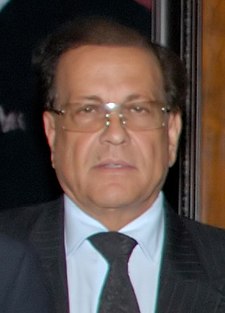
Salmaan Taseer was a Pakistani businessman and politician who served as the governor of the province of Punjab from 2008 until his assassination in early 2011.
He was a member of the Pakistan Peoples Party (PPP) and had also served as a minister in the caretaker cabinet of Prime Minister Muhammad Mian Soomro under Pervez Musharraf. Taseer was also the chairman and CEO of the First Capital and Worldcall Group.
He was appointed to the post of governor on May 15, 2008, in place of outgoing governor, Lt Gen (R) Khalid Maqbool, by then-President Musharraf at the request of the PPP establishment.
On January 4, 2011, Taseer was assassinated in Islamabad by his own security guard, who disagreed with Taseer's opposition to
Taseer started his political career in his student era, as a member of Zulfiqar Ali Bhutto's Pakistan Peoples Party (PPP) in the late 1960s. He was a part of the movement for Bhutto's freedom and opposed his arrest and death sentence. He also wrote a political biography on Bhutto titled Bhutto: A political biography (1980).
In the 1988 general elections, Taseer became a member of the Punjab Assembly from Lahore. In the 1990, 1993 and 1997 general elections, he ran as an MNA but lost.
In 2007, he was appointed the interim Federal Minister for Industries, Production and Special Initiatives.
On May 15, 2008, Taseer was designated for the office of Governor of Punjab by the PPP-led coalition government. On January 4, 2011 he was murdered in Islamabad by a guard assigned to him for security by the Punjab Government.
Business career
Taseer set up several chartered accountancy and management consultancy firms early in his career.[8] In 1995, he established the First Capital Securities Corporation (FCSC), a full service brokerage house with equity participation by Smith Barney, Inc., USA, and HG Asia Hong Kong.
Taseer founded the Worldcall group with a payphone network in 1996. The group has grown over the years to become a major private sector telecom operator with a national and regional footprint. A majority stake in Worldcall was acquired by Omantel, the Sultanate of Oman's incumbent operator, in 2008.
Taseer also owned an English news channel in Pakistan, Business Plus, and the first children's channel, Wikkid Plus, and was the publisher of the English language Daily Times.
Personal life
Salmaan Taseer was born into an affluent family of intellectuals.[10] His father, Dr. Muhammad Din Taseer, was a close friend of Allama Iqbal and believed to be the first person from the subcontinent who obtained a PhD in English literature from England.[10] His mother Bilqis Taseer (Christobel) was an Englishwoman[11] who was the sister of writer Alys Faiz, widow of Urdu poet Faiz Ahmad Faiz.[10]
Salman Taseer married Aamna Taseer; the couple resided in Lahore. They have three children; Shahbaz, Shehryar, and Shehrbano. Salman Taseer also has 3 children from a previous marriage: Sara, Shaan, and Sanam.[citation needed]
Taseer also has a son, Aatish Taseer (born 1980), with Indian journalist, Tavleen Singh. Married at the time, Taseer met Singh during a book promotion trip to India in the late 70s. Aatish is a freelance journalist in the UK and has recently written a book titled Stranger to History: A Son’s Journey through Islamic Lands on his estranged relationship with his father.
Taseer was known to be one of the trusted aides of Benazir Bhutto.[4] He was a classmate of Nawaz Sharif at Saint Anthony School, Lahore. He had obtained a degree in Chartered Accountancy from London.
Controversy
He stood for change in the Constitution declaring Ahmadi community to be non-Muslims to be revoked.[citation needed]
In a recent interview with Meher Bukhair, on Samaa TV,[citation needed] Salman Taseer commented his view about the blasphemy law and filing a mercy petition for Asia Bibi who has been charged death sentence by a court under the Blasphemy Law.
In December 2010 Taseer left the country for several days without handing over charge to the Punjab Assembly Speaker. This meant that the province was without a constitutional head, and it also rendered the assembly speaker ineligible to preside over sessions. Leaving the province without informing his successor was in violation of the constitution and this led to Punjab Assembly Speaker Rana Muhammad Iqbal sending a letter to Prime Minister Gilani calling for the removal of Salmaan Taseer by the President.[15] Evidence provided by ICAO on the governor's travel abroad, led to a case being filed in court for breach of the constitution.
Death
On January 4, 2011, one of Taseer's bodyguards, Malik Mumtaz Qadri, shot him 26 times with a submachine gun at Kohsar Market, in Sector F6, Islamabad as he was returning to his car after meeting a friend for lunch. Kohsar Market is a popular shopping and cafe spot for the city's elite and expatriates. Only eight hours before his assassination, he tweeted an Urdu couplet by Shakeel Badayuni: "My resolve is so strong that I do not fear the flames from without, I fear only the radiance of the flowers, that it might burn my garden down."
After his assassination, protests erupted in different parts of Punjab. Protestors also burned tires and blocked traffic in Lahore.
The next day, thousands turned up for his funeral in Lahore in spite of calls by numerous religious scholars against honouring him. Prime Minister Yousuf Raza Gilani and many supporters of the ruling PPP were seen attending the funeral prayer (Salat al-Janazah). The funeral prayers were finally led by Allama Afzal Chisti of the Ulema wing of the PPP after even the chief cleric of the historical Badshahi Mosque in Lahore, who initially agreed to offer prayers, backed off at the last moment, saying he was going out of town.[21] He was buried at a military cantonment in Lahore.
Assailant
The assailant, Malik Mumtaz Hussain Qadri from Punjab, was part of the security detail provided to him by the Elite Police. After the shooting, Qadri threw his weapon down and put his hands up when one of his colleagues aimed at him. He pleaded to be arrested alive when turning himself in to authorities.[23] Qadri reportedly said he killed Taseer due to the latter's vocal opposition of the blasphemy law in Pakistan. Notably, Taseer made headlines when he appealed for the pardon of a Christian Pakistani woman, Asia Bibi, who had been sentenced to death for blasphemy. It was suspected that this was the main reason for his assassination. According to a report in the Dawn newspaper, the assailant was associated with Dawat-e-Islami, a religious organization associated with the Barelvi movement.
Local reactions
* Pakistan Former Pakistani President Pervez Musharraf expressed grief over the assassination, adding that Taseer was a seasoned politician and his death was not only a loss for the PPP but the entire country. Many members of the country's business community also conveyed their shock after the killing.
* The Chief Minister of Punjab (Pakistan) Mian Shahbaz Sharif condemned the killing saying, "This is really a big loss for the PPP and as we believe friendly politics deeply condemn this murder, praying for Mr. Taseer."
* The Jamaat Ahle Sunnat, an Islamic religious organization representing the Barelvi movement, issued an advisory against mourning his death.[22]
* The Government of Punjab ordered that all institutions and schools would be shut down on the day of Wednesday, January 5, 2011 to memorialise Taseer.
International reactions
* United Nations United Nations Secretary General Ban Ki-moon condemned the assassination calling it a “loss for Pakistan.”
* United States US Secretary of State Hillary Clinton strongly condemned the assassination of Taseer, saying she "admired his work to promote tolerance and the education of Pakistan’s future generations" and that his death "is a great loss."[34]
* Turkey Turkish President Mr. Tayyip Erdogan phoned to President Zardari "[o]ffering his condolences to Zardari and condemning the assassination, the Turkish PM also asked the president to convey his heartfelt condolences to the members of the bereaved family and the people of the country."
Social reactions
A fan page appeared on Facebook soon after the assassination in support of Malik Mumtaz Hussain Qadri, showing news photos of him smiling. The fan page soon gathered thousands of supporters.[36] Many prominent Pakistani bloggers started a campaign to have these fan pages blocked on Facebook as soon as the pages appeared on the social networking website.[37] Several people also came out to denounce the gunman creating a page named "I Hate Malik Mumtaz Qadri" but in contrast the page only managed to get a few fans with no comments or discussions. Outrage against the gunman was prevalent on Twitter, with many journalists and media personalities expressing sadness over the passing of Taseer and the growing Islamisation and moral collapse of the country.
Repercussions
In the international media, his death was seen as more destabilising for the tenuous situation in the country, particularly in the light of resignation of members of the ruling coalition. One local analyst said the death was a "major setback for Pakistan, which is trying to get out of this vicious cycle of violence and worsening economy. [The killing] will certainly weaken the party position in Punjab." It was suggested that the killing was indicative of a "deeper trend" of "religious intolerance" afflicting Pakistan.
Taseer's assassination may dissuade other Pakistani politicians from speaking out against the blasphemy law, according to a former U.S. State Department intelligence analyst with the Middle East Institute in Washington, DC.
PML-N may be involved in Salman Taseer killing
Leaders of the ruling Pakistan People's Party have held the government of Punjab province responsible for Governor Salmaan Taseer's assassination and alleged that some elements in the opposition PML-N might have been behind the crime.
PPP leaders in Punjab were not convinced with Taseer's killer's confession that the assassination was an "act of faith." Some of them believe the murder was part of a plot to pit the PPP against religious forces.
Taseer was gunned down in Islamabad on Tuesday by police guard Malik Qadri, who said he was angered by the governor's criticism of the blasphemy law.
Investigators are trying to determine whether Qadri acted on his own or others were involved in the killing.
The PPP is refusing to accept that Taseer was killed on religious grounds and party spokesperson Fauzia Wahab said there were "political motives" behind the murder.
The killing appeared to be an "organised act" and the Punjab administration was "equally responsible" for the crime, she said. The Punjab government should explain why a policeman whom senior officers had declared unfit for guarding VIPs was included in the Governor`s security detail, Wahab said.
Qadri decided to kill the governor three days before Taseer visited Islamabad, when nobody was aware of the trip as it had been kept secret for security reasons, she added.
"The question arises as to how Qadri got information about the visit. Why did other personnel in the security squad not act when Qadri fired at Taseer?" she asked.
The PML-N, which rules Punjab, could not be absolved of the murder and there is a need to find out whether some of party's elements were behind the act, Wahab said. Despite threats to the governor, PML-N leader and provincial law minister Rana Sanaullah had refused to provide him a bulletproof vehicle, she said.
Federal law minister Babar Awan, a close aide of PPP chief and President Asif Ali Zardari, too described the assassination as a political murder and told a meeting of party lawmakers that the way the governor was eliminated raised many questions.
"Mr Taseer was made to leave his home for assassins,” he said, adding "some forces" were involved in such acts to weaken the country.
The meeting of lawmakers adopted a resolution demanding that the Punjab government should "unearth the conspiracy behind the murder."
They rejected a perception that religion had anything to do with the crime. Contending that the governor was in the custody of his police guards, law minister Awan even described the assassination as a "custodial killing with criminal negligence and political motives."
PPP leaders in Punjab were not convinced with Taseer's killer's confession that the assassination was an "act of faith." Some of them believe the murder was part of a plot to pit the PPP against religious forces.
Taseer was gunned down in Islamabad on Tuesday by police guard Malik Qadri, who said he was angered by the governor's criticism of the blasphemy law.
Investigators are trying to determine whether Qadri acted on his own or others were involved in the killing.
The PPP is refusing to accept that Taseer was killed on religious grounds and party spokesperson Fauzia Wahab said there were "political motives" behind the murder.
The killing appeared to be an "organised act" and the Punjab administration was "equally responsible" for the crime, she said. The Punjab government should explain why a policeman whom senior officers had declared unfit for guarding VIPs was included in the Governor`s security detail, Wahab said.
Qadri decided to kill the governor three days before Taseer visited Islamabad, when nobody was aware of the trip as it had been kept secret for security reasons, she added.
"The question arises as to how Qadri got information about the visit. Why did other personnel in the security squad not act when Qadri fired at Taseer?" she asked.
The PML-N, which rules Punjab, could not be absolved of the murder and there is a need to find out whether some of party's elements were behind the act, Wahab said. Despite threats to the governor, PML-N leader and provincial law minister Rana Sanaullah had refused to provide him a bulletproof vehicle, she said.
Federal law minister Babar Awan, a close aide of PPP chief and President Asif Ali Zardari, too described the assassination as a political murder and told a meeting of party lawmakers that the way the governor was eliminated raised many questions.
"Mr Taseer was made to leave his home for assassins,” he said, adding "some forces" were involved in such acts to weaken the country.
The meeting of lawmakers adopted a resolution demanding that the Punjab government should "unearth the conspiracy behind the murder."
They rejected a perception that religion had anything to do with the crime. Contending that the governor was in the custody of his police guards, law minister Awan even described the assassination as a "custodial killing with criminal negligence and political motives."
Taseer’s assassination
The Khyber Pakhtunkhwa Assembly on Wednesday unanimously expressed shock and sorrow over the assassination of Punjab Governor Salman Taseer and expressed sympathy with members of the bereaved family.
The resolution also prayed for the safety of Pakistan. Saqibullah Khan Chamkani of the Awami National Party (ANP) moved the jointly drafted resolution for which Acting Speaker Khushdil Khan relaxed the rules with the consent of the House.
The resolution carrying signatures of both the senior ministers Rahimdad Khan of Pakistan People’s Party (PPP) and Bashir Ahmad Bilour of ANP, Saqibullah Chamkani, Adviser to Chief Minister Mukhtiar Khan, Minister for Housing Amjad Afridi, PPP parliamentary leader Abdul Akbar Khan, minority MPA Asif Bhatti and Atifur Rehman Khalil of the ANP prayed to Allah to give courage to the family of the Punjab governor to bear the irreparable loss.
Earlier, Rahimdad Khan condemned the assassination and reiterated his party’s commitment to continuing struggle against those bent on pushing the country back. He said such killings would not stop them from their mission for which the people had voted them to power. He recalled that their leaders and workers had been martyred in the past but they could neither be pressured nor deterred from their mission.
Bashir Bilour condemned Taseer’s assassination, saying they had been following the policy of non-violence and were of the view that no problem could be solved with bullet. Terming Taseer a great politician, he said all Pakhtuns were equally shocked like his family. He said the terrorists had taken lives of 450 of his party leaders and workers but it could not stop them from their mission. He said his party condemned extremism.
“We should not take any action that hurts the feeling of others. We condemn the killing of human beings and stand by those struggling for the rule of law, independence of judiciary and media and people’s rights,” he stressed.
Bilour said the country could not make progress by keeping itself aloof from the rest of the world. The world, he said, would neither give them aid nor hold negotiations with them if the prevailing wave of extremism continued. He said the country could not afford midterm elections in these circumstances. He suggested that the government should be allowed to complete its five-year term. He said when the situation was good, everyone was supporting the government but some of the allies left it when it was facing a difficult situation.
“After the resignation of Jamiat Ulema-e-Islam (JUI-F) and Muttahida Qaumi Movement (MQM) from the federal government, some people asked us as to when the ANP would quit the government. We are Pakhtuns and will stand by the PPP-led government,” he said, adding that the political parties should not derail the democratic system.
Minister for Elementary Education Sardar Hussain Babak termed Taseer’s assassination a tragedy and said it had given the world a very wrong message. “It is unfortunate that on the one hand the governor was shot dead while on the other religious fanatics distributed sweets. The extremists are using the name of religion to create disturbance in the country,” he said, adding that the ANP had rendered great sacrifices in the past and would do so in future till the elimination of terrorism and establishment of peace.
JUI-F lawmaker Mufti Janan condemned Taseer’s assassination and warned that such incidents would endanger the solidarity of the country. He also asked the lawmakers not to give religious touch to each and every incident. He said the killer was not from any seminary or mosque but had studied at a government school and later got a job in the police. He condemned those distribution sweets to celebrate the assassination and said such people wanted to defame Islam.
Saqibullah Chamkani of the ANP supported Mufti Janan, saying some people wanted to defame Islam by using the name of the religion.
The resolution also prayed for the safety of Pakistan. Saqibullah Khan Chamkani of the Awami National Party (ANP) moved the jointly drafted resolution for which Acting Speaker Khushdil Khan relaxed the rules with the consent of the House.
The resolution carrying signatures of both the senior ministers Rahimdad Khan of Pakistan People’s Party (PPP) and Bashir Ahmad Bilour of ANP, Saqibullah Chamkani, Adviser to Chief Minister Mukhtiar Khan, Minister for Housing Amjad Afridi, PPP parliamentary leader Abdul Akbar Khan, minority MPA Asif Bhatti and Atifur Rehman Khalil of the ANP prayed to Allah to give courage to the family of the Punjab governor to bear the irreparable loss.
Earlier, Rahimdad Khan condemned the assassination and reiterated his party’s commitment to continuing struggle against those bent on pushing the country back. He said such killings would not stop them from their mission for which the people had voted them to power. He recalled that their leaders and workers had been martyred in the past but they could neither be pressured nor deterred from their mission.
Bashir Bilour condemned Taseer’s assassination, saying they had been following the policy of non-violence and were of the view that no problem could be solved with bullet. Terming Taseer a great politician, he said all Pakhtuns were equally shocked like his family. He said the terrorists had taken lives of 450 of his party leaders and workers but it could not stop them from their mission. He said his party condemned extremism.
“We should not take any action that hurts the feeling of others. We condemn the killing of human beings and stand by those struggling for the rule of law, independence of judiciary and media and people’s rights,” he stressed.
Bilour said the country could not make progress by keeping itself aloof from the rest of the world. The world, he said, would neither give them aid nor hold negotiations with them if the prevailing wave of extremism continued. He said the country could not afford midterm elections in these circumstances. He suggested that the government should be allowed to complete its five-year term. He said when the situation was good, everyone was supporting the government but some of the allies left it when it was facing a difficult situation.
“After the resignation of Jamiat Ulema-e-Islam (JUI-F) and Muttahida Qaumi Movement (MQM) from the federal government, some people asked us as to when the ANP would quit the government. We are Pakhtuns and will stand by the PPP-led government,” he said, adding that the political parties should not derail the democratic system.
Minister for Elementary Education Sardar Hussain Babak termed Taseer’s assassination a tragedy and said it had given the world a very wrong message. “It is unfortunate that on the one hand the governor was shot dead while on the other religious fanatics distributed sweets. The extremists are using the name of religion to create disturbance in the country,” he said, adding that the ANP had rendered great sacrifices in the past and would do so in future till the elimination of terrorism and establishment of peace.
JUI-F lawmaker Mufti Janan condemned Taseer’s assassination and warned that such incidents would endanger the solidarity of the country. He also asked the lawmakers not to give religious touch to each and every incident. He said the killer was not from any seminary or mosque but had studied at a government school and later got a job in the police. He condemned those distribution sweets to celebrate the assassination and said such people wanted to defame Islam.
Saqibullah Chamkani of the ANP supported Mufti Janan, saying some people wanted to defame Islam by using the name of the religion.
Salmaan Taseer: assassinated on a perilous path
By: Dr Mohammad Taqi
Daily Times
Salmaan Taseer dedicated his personal fortune to the cause of publishing the unvarnished truth and the people’s right to know this truth. It would not have been possible for this paper’s editorial board to carry itself independently were it not for Salmaan Taseer’s personal commitment to not only this project but to the very freedoms of speech and expression
“The sorrowful smell of the mist,
Lingering over the Indus,
Gentle waves of rice, dung and rind,
This is the salt cry of Sindh,
As I die let me feel,
The fragrance of tears” — Shah Abdul Latif Bhittai.
“It was a Sindhi poet, Shah Abdul Latif, who captured the forlornness of his country in this haunting verse,” wrote Salmaan Taseer in the opening chapter of his 1979 book, Bhutto: A Political Biography. I have read these words many times but had never once thought that the forlornness might get deeper than the deepest depression one could feel. But the assassination of Salmaan Taseer has left many of us even more devastated and depressed than what Shah Latif could depict.
I do not mourn Salmaan Taseer alone but I also mourn those who have been killed before him on the perilous path of speaking their mind, and those who will be killed in the future on this journey. Ayesha Siddiqa, Kamran Shafi, Nadeem Farooq Paracha, Pervez Hoodbhoy, Sherry Rehman and so many others are living on borrowed time. It is not a matter of if but when an indoctrinated bigot let loose by the deep state will get to them or, for that matter, any of us who decline to follow the rotten creed that it has been peddling for decades.
However, I have a feeling that Salmaan Taseer would not have wanted to be remembered with melancholy. His illustrious father, Dr M D Taseer, once said:
“Parwana jal kay dil ki muradon ko pa gaya
Aur shama reh gayi rukh-e-zeba liay huay” (Translation: The light-loving moth has died caressing the candle flame. The candle thus remains alone in all its elegance).
It is nearly impossible to accurately translate the above Urdu verse, which my father, Malik Rahat Ali, had quoted while writing Dr M D Taseer’s obituary for Edward’s College, Peshawar’s magazine Tajjali (light) in 1951. The obituary was titled ‘Aik raushan dimagh tha, na raha’ (an enlightened mind is no more). It is amazing how references to light and progressive thought keep popping up when discussing the Taseers and in the work of the Taseers themselves. Pakistan, and the liberal thought within Pakistan, is the candle that Salmaan and M D Taseer loved to the extent that to see it remain alight, they would dedicate their lives to it.
When thinking of Salmaan Taseer, two images come to mind. One is of a political activist and the second is of a patron of progressive and liberal thought. Perhaps senior members of the Indo-Pakistani leftist movement will recall that Dr M D Taseer, along with Abdullah Malik and Rajindra Singh Bedi had pioneered a liberal publishing house called Sangham Publishers in 1947, before the partition. I would not be wrong in assuming that the Daily Times and its media affiliates came into being due to Salmaan Taseer’s desire to follow in his father’s footsteps.
In his patronage of liberal publications, Salmaan Taseer’s image merges with that of the greats like the late Mian Iftikharuddin and Mazhar Ali Khan, the latter having been a beneficiary of the radical study circles conducted by Salmaan Taseer’s father. Many criticised Salmaan Taseer for his opulent lifestyle but, like Mian Iftikharuddin and his Progressive Papers Limited, Salmaan Taseer dedicated his personal fortune to the cause of publishing the unvarnished truth and the people’s right to know this truth. It would not have been possible for this paper’s editorial board to carry itself independently were it not for Salmaan Taseer’s personal commitment to not only this project but to the very freedoms of speech and expression.
Indeed, Salmaan Taseer was one of the very few people who had mustered the courage to criticise Zulfikar Ali Bhutto (ZAB) during the latter’s heyday. In the aforementioned biography of ZAB, Salmaan Taseer wrote, “During his first years of power I found myself, like many of my countrymen and many foreigners, torn between breathless admiration and violent antipathy for the man.” It is pertinent to note that he had started interviewing ZAB in 1976 for the book and by then was a known critic of several of ZAB’s policies. But on the whole he remained in love with the Pakistan People’s Party (PPP) and remained involved with organising the agitation against the Islamo-fascism of General Ziaul Haq.
In the mid-1980s, he also made his mark as an op-ed columnist writing in the Urdu daily Jang, after the junta had muzzled the PPP-affiliated papers Musawat and Amn. After the 1988 elections, he became the deputy opposition leader in the Punjab Assembly and, along with the opposition leader Rana Shaukat Mahmood and many others, faced imprisonment and torture at the hands of the then Punjab government. It was this activist-intellectual image of Salmaan Taseer that inspired not only the workers of his own party but many in the Movement for the Restoration for Democracy (MRD) as well. Not only that but it encouraged many of us to disagree with his politics in the second phase of his political career the way he did not agree with ZAB.
However, people like Salmaan Taseer never consider disagreements to be incompatible with democracy. The only thing incompatible with the democratic process is a fanatical belief in one’s moral and religious certitude. What makes such certitude more ominous is its deployment by the forces, which try to trip democracy at every step. Some are drawing parallels between the assassinations of ZAB and Salmaan Taseer. But to me, Salmaan Taseer’s murder is a déjà vu reminder of Murtaza Bhutto’s killing. Despite the current federal government turning into a minority regime it would have plodded along for a while, so those who have derailed every democratic government in Pakistan opted to expedite things.
A lone assassin killing the governor of the largest province is a theory that most will not buy and I suspect that we will never know the truth. But one thing is clear: a seasoned politician, a courageous fighter and a distinguished leader of the PPP died for a principled cause. He may have said in the words of his uncle, Faiz Ahmed Faiz:
“Karo kaj jabeen pe sar-e-kafan, meray qatilon ko guman na ho
Keh ghuroor-e-ishq ka bankpan pas-e-marg hum ne bhula diya” (Translation by Sarvat Rahman: Let the shroud be jaunty on my brow, so my assassins never doubt, That the grace, which pride in love gave us, even in death was not betrayed).
Daily Times
Salmaan Taseer dedicated his personal fortune to the cause of publishing the unvarnished truth and the people’s right to know this truth. It would not have been possible for this paper’s editorial board to carry itself independently were it not for Salmaan Taseer’s personal commitment to not only this project but to the very freedoms of speech and expression
“The sorrowful smell of the mist,
Lingering over the Indus,
Gentle waves of rice, dung and rind,
This is the salt cry of Sindh,
As I die let me feel,
The fragrance of tears” — Shah Abdul Latif Bhittai.
“It was a Sindhi poet, Shah Abdul Latif, who captured the forlornness of his country in this haunting verse,” wrote Salmaan Taseer in the opening chapter of his 1979 book, Bhutto: A Political Biography. I have read these words many times but had never once thought that the forlornness might get deeper than the deepest depression one could feel. But the assassination of Salmaan Taseer has left many of us even more devastated and depressed than what Shah Latif could depict.
I do not mourn Salmaan Taseer alone but I also mourn those who have been killed before him on the perilous path of speaking their mind, and those who will be killed in the future on this journey. Ayesha Siddiqa, Kamran Shafi, Nadeem Farooq Paracha, Pervez Hoodbhoy, Sherry Rehman and so many others are living on borrowed time. It is not a matter of if but when an indoctrinated bigot let loose by the deep state will get to them or, for that matter, any of us who decline to follow the rotten creed that it has been peddling for decades.
However, I have a feeling that Salmaan Taseer would not have wanted to be remembered with melancholy. His illustrious father, Dr M D Taseer, once said:
“Parwana jal kay dil ki muradon ko pa gaya
Aur shama reh gayi rukh-e-zeba liay huay” (Translation: The light-loving moth has died caressing the candle flame. The candle thus remains alone in all its elegance).
It is nearly impossible to accurately translate the above Urdu verse, which my father, Malik Rahat Ali, had quoted while writing Dr M D Taseer’s obituary for Edward’s College, Peshawar’s magazine Tajjali (light) in 1951. The obituary was titled ‘Aik raushan dimagh tha, na raha’ (an enlightened mind is no more). It is amazing how references to light and progressive thought keep popping up when discussing the Taseers and in the work of the Taseers themselves. Pakistan, and the liberal thought within Pakistan, is the candle that Salmaan and M D Taseer loved to the extent that to see it remain alight, they would dedicate their lives to it.
When thinking of Salmaan Taseer, two images come to mind. One is of a political activist and the second is of a patron of progressive and liberal thought. Perhaps senior members of the Indo-Pakistani leftist movement will recall that Dr M D Taseer, along with Abdullah Malik and Rajindra Singh Bedi had pioneered a liberal publishing house called Sangham Publishers in 1947, before the partition. I would not be wrong in assuming that the Daily Times and its media affiliates came into being due to Salmaan Taseer’s desire to follow in his father’s footsteps.
In his patronage of liberal publications, Salmaan Taseer’s image merges with that of the greats like the late Mian Iftikharuddin and Mazhar Ali Khan, the latter having been a beneficiary of the radical study circles conducted by Salmaan Taseer’s father. Many criticised Salmaan Taseer for his opulent lifestyle but, like Mian Iftikharuddin and his Progressive Papers Limited, Salmaan Taseer dedicated his personal fortune to the cause of publishing the unvarnished truth and the people’s right to know this truth. It would not have been possible for this paper’s editorial board to carry itself independently were it not for Salmaan Taseer’s personal commitment to not only this project but to the very freedoms of speech and expression.
Indeed, Salmaan Taseer was one of the very few people who had mustered the courage to criticise Zulfikar Ali Bhutto (ZAB) during the latter’s heyday. In the aforementioned biography of ZAB, Salmaan Taseer wrote, “During his first years of power I found myself, like many of my countrymen and many foreigners, torn between breathless admiration and violent antipathy for the man.” It is pertinent to note that he had started interviewing ZAB in 1976 for the book and by then was a known critic of several of ZAB’s policies. But on the whole he remained in love with the Pakistan People’s Party (PPP) and remained involved with organising the agitation against the Islamo-fascism of General Ziaul Haq.
In the mid-1980s, he also made his mark as an op-ed columnist writing in the Urdu daily Jang, after the junta had muzzled the PPP-affiliated papers Musawat and Amn. After the 1988 elections, he became the deputy opposition leader in the Punjab Assembly and, along with the opposition leader Rana Shaukat Mahmood and many others, faced imprisonment and torture at the hands of the then Punjab government. It was this activist-intellectual image of Salmaan Taseer that inspired not only the workers of his own party but many in the Movement for the Restoration for Democracy (MRD) as well. Not only that but it encouraged many of us to disagree with his politics in the second phase of his political career the way he did not agree with ZAB.
However, people like Salmaan Taseer never consider disagreements to be incompatible with democracy. The only thing incompatible with the democratic process is a fanatical belief in one’s moral and religious certitude. What makes such certitude more ominous is its deployment by the forces, which try to trip democracy at every step. Some are drawing parallels between the assassinations of ZAB and Salmaan Taseer. But to me, Salmaan Taseer’s murder is a déjà vu reminder of Murtaza Bhutto’s killing. Despite the current federal government turning into a minority regime it would have plodded along for a while, so those who have derailed every democratic government in Pakistan opted to expedite things.
A lone assassin killing the governor of the largest province is a theory that most will not buy and I suspect that we will never know the truth. But one thing is clear: a seasoned politician, a courageous fighter and a distinguished leader of the PPP died for a principled cause. He may have said in the words of his uncle, Faiz Ahmed Faiz:
“Karo kaj jabeen pe sar-e-kafan, meray qatilon ko guman na ho
Keh ghuroor-e-ishq ka bankpan pas-e-marg hum ne bhula diya” (Translation by Sarvat Rahman: Let the shroud be jaunty on my brow, so my assassins never doubt, That the grace, which pride in love gave us, even in death was not betrayed).
The courage of Taseer
EDITORIAL: Daily Times
Pakistan was still reeling from the shock of Governor Punjab Salmaan Taseer’s assassination when his murderer, Mumtaz Qadri, revealed that he had informed his colleagues about the murder plot. Qadri said that he had asked them to let him finish his ‘job’ and then arrest him alive. An FIR against Qadri was lodged by the governor’s son, Mr Shehryar Taseer, wherein it was stated that some political and religious groups were giving threats to the governor and should be held responsible for his murder. A one day remand of Qadri has been granted. There are speculations that more than one magazine of bullets were fired on Governor Taseer. The post-mortem report is not being made public for the time being due to investigative concerns. It seems that the security staff was complicit in Mr Taseer’s murder, which is why there was no response from any one of them. The implications of such a huge security lapse are grave. How could no one possibly find out about Qadri’s plan to assassinate a sitting governor is something hard to digest. The security for a VVIP has to be vetted first by the authorities. If a lunatic like Qadri was allowed to ‘guard’ Governor Taseer, there must be deeper reasons behind it. Qadri might have been a lone assassin but the investigation must find out who masterminded this plan. We of course have no dearth of religious zealots. There are reports that some other liberal, enlightened people are next on the hit-list of these bigots. This means that there is a wider conspiracy afoot and unless Qadri is meted out the punishment that is due under the law, and that too quickly, this murderous trend of issuing senseless edicts and subsequent assassinations would continue. A deterrent message is necessary to curb further threats to the lives of liberal Muslims in our narrow-minded society.
Punjab Governor Taseer had been condemned by the right-wingers since the day he met a Christian woman charged with alleged blasphemy, Aasia Bibi, in jail. Aasia Bibi had been given the death penalty by a lower court. Mr Taseer wanted President Zardari to grant her a pardon on humanitarian grounds. He also asked for the Blasphemy Law to be amended or repealed. The mullahs bayed for his blood after that and issued fatwas against him, declaring him wajib-ul-qatl (worthy of murder). Governor Taseer argued that the law was misused and not only affected the minorities but many Muslims too were implicated on false charges under this flawed law. Religious scholars like Ghamdi are of the view that the blasphemy law is a man-made law and can be amended. Death threats did not deter Governor Taseer, who vowed to fight bigotry even if, as he put it himself, he were “the last man standing”. Even in death, the mullah brigade did not leave Mr Taseer alone. The Jamaate Ahle Sunnat Pakistan (JASP) not only praised Mr Taseer’s murderer but also issued a statement that said, “No Muslim should attend the funeral or even try to pray for Salmaan Taseer or even express any kind of regret or sympathy over the incident.” If this is not uncivilised behaviour, then what is? Islam does not condone murdering innocent people and to use the religion card in this derogatory way as JASP has done is not just disgusting but completely contradictory to the teachings of our Prophet (PBUH).
Some sections of the media too were complicit in inciting hate against Governor Taseer. They virtually asked for some sort of reprisal against him, which is the height of irresponsibility. Even after Mr Taseer’s death, some television channels and print media tried to justify his assassination. Governor Salmaan Taseer’s was a voice of reason and sanity. When our media and right-wing parties stoop to such levels and most people just sit idly and watch silently, it points to our collective failure as a society. Mr Taseer was a man of valour and great courage. He stood up for the rights of the oppressed when no one else would. We should not dishonour his sacrifice. We must all condemn the killer and the barbarians who are out to mute the liberal, progressive voices of Pakistan. *
Pakistan was still reeling from the shock of Governor Punjab Salmaan Taseer’s assassination when his murderer, Mumtaz Qadri, revealed that he had informed his colleagues about the murder plot. Qadri said that he had asked them to let him finish his ‘job’ and then arrest him alive. An FIR against Qadri was lodged by the governor’s son, Mr Shehryar Taseer, wherein it was stated that some political and religious groups were giving threats to the governor and should be held responsible for his murder. A one day remand of Qadri has been granted. There are speculations that more than one magazine of bullets were fired on Governor Taseer. The post-mortem report is not being made public for the time being due to investigative concerns. It seems that the security staff was complicit in Mr Taseer’s murder, which is why there was no response from any one of them. The implications of such a huge security lapse are grave. How could no one possibly find out about Qadri’s plan to assassinate a sitting governor is something hard to digest. The security for a VVIP has to be vetted first by the authorities. If a lunatic like Qadri was allowed to ‘guard’ Governor Taseer, there must be deeper reasons behind it. Qadri might have been a lone assassin but the investigation must find out who masterminded this plan. We of course have no dearth of religious zealots. There are reports that some other liberal, enlightened people are next on the hit-list of these bigots. This means that there is a wider conspiracy afoot and unless Qadri is meted out the punishment that is due under the law, and that too quickly, this murderous trend of issuing senseless edicts and subsequent assassinations would continue. A deterrent message is necessary to curb further threats to the lives of liberal Muslims in our narrow-minded society.
Punjab Governor Taseer had been condemned by the right-wingers since the day he met a Christian woman charged with alleged blasphemy, Aasia Bibi, in jail. Aasia Bibi had been given the death penalty by a lower court. Mr Taseer wanted President Zardari to grant her a pardon on humanitarian grounds. He also asked for the Blasphemy Law to be amended or repealed. The mullahs bayed for his blood after that and issued fatwas against him, declaring him wajib-ul-qatl (worthy of murder). Governor Taseer argued that the law was misused and not only affected the minorities but many Muslims too were implicated on false charges under this flawed law. Religious scholars like Ghamdi are of the view that the blasphemy law is a man-made law and can be amended. Death threats did not deter Governor Taseer, who vowed to fight bigotry even if, as he put it himself, he were “the last man standing”. Even in death, the mullah brigade did not leave Mr Taseer alone. The Jamaate Ahle Sunnat Pakistan (JASP) not only praised Mr Taseer’s murderer but also issued a statement that said, “No Muslim should attend the funeral or even try to pray for Salmaan Taseer or even express any kind of regret or sympathy over the incident.” If this is not uncivilised behaviour, then what is? Islam does not condone murdering innocent people and to use the religion card in this derogatory way as JASP has done is not just disgusting but completely contradictory to the teachings of our Prophet (PBUH).
Some sections of the media too were complicit in inciting hate against Governor Taseer. They virtually asked for some sort of reprisal against him, which is the height of irresponsibility. Even after Mr Taseer’s death, some television channels and print media tried to justify his assassination. Governor Salmaan Taseer’s was a voice of reason and sanity. When our media and right-wing parties stoop to such levels and most people just sit idly and watch silently, it points to our collective failure as a society. Mr Taseer was a man of valour and great courage. He stood up for the rights of the oppressed when no one else would. We should not dishonour his sacrifice. We must all condemn the killer and the barbarians who are out to mute the liberal, progressive voices of Pakistan. *
First meeting with Salmaan Taseer
Daily Times
By Iqbal Khattak
At a pre-launch meeting in Lahore in early 2002, the founding editor-in-chief of Daily Times, Najam Sethi, introduced Salmaan Taseer – now no longer among us after he was assassinated in Islamabad on Tuesday – who did not speak much and mostly listened to other participants of the meeting.
His wife, Aamna Taseer, flanked him. She was also totally silent, but occasionally smiled when something jolly was said during the meeting.
As he used to do, the late Taseer smiled every time he spoke. But what came as striking was his different nature from other newspaper employers. He did not give any policy statement except that Daily Times should introduce the ‘real Pakistan’ to the world.
It was Najam Sethi who mostly spoke and the participants shared their views to make the launch a success and have the new newspaper counted among the country’s already established English-language dailies.
I could not talk to the late Taseer directly as the meeting was not yet over when he left with his wife. His departure followed by detailed discussion to make elaborate arrangements for the launch on April 9, 2002. However, his down-to-earth personality impressed all those who met him for the first time that day.
It took years to meet him for the second time, when he was visiting Peshawar in connection with his WorldCall business promotion trip before becoming the Punjab governor in 2008. He extended invitation to all media offices except Daily Times.
A reporter was assigned the task to cover the event. However, when he told me that Salmaan Taseer was himself present on the occasion, I felt it necessary to see him personally.
He was coming out of the main lobby of a five-star hotel in the city when the introduction was made. I asked him why had he not informed Daily Times bureau while letting others know. He responded: “I have no role in the editorial policy of the newspaper. Inviting you might have been seen as interference in editorial policy of the newspaper. I leave it to you to think if this event merits coverage or not.”
There are not many media organisations where the employer does not interfere with the editorial policy. In some cases, they act like editor. For a professional journalist it is next to impossible to work under a non-professional editor. The late Taseer did not have a journalistic background, that’s why he stayed away from professional work of a professional editor.
And that’s what contributed to making Daily Times a reputed national newspaper in a short span of time.
His assassination also brought fears among DT well-wishers raising questions about the future of the newspaper. I received many emails from several parts of the world asking what future holds for the newspaper. The family has decided to keep the newspaper running.
The assassination has brought the blasphemy law under spotlight once again. This law has also haunted journalists and press freedom organisations have considered it an “attack” on the freedom of expression in the country. The Frontier Post colleagues having been booked under the law after a blasphemous letter was published in the newspaper would never forget those moments of “uncertainty”.
“These were terrible moments after police booked us under the blasphemy law,” said some of those arrested on blasphemy charges. Only one of them was handed down life imprisonment. However, he had won his appeal at the Peshawar High Court against his conviction.
Former prime minister Chaudhry Shujaat Hussain pleaded on Wednesday for “a new law” to stop “misuse” of the present blasphemy law. It seems a Herculean task given the level of intolerance and radicalisation of Pakistani society since early 80s.
By Iqbal Khattak
At a pre-launch meeting in Lahore in early 2002, the founding editor-in-chief of Daily Times, Najam Sethi, introduced Salmaan Taseer – now no longer among us after he was assassinated in Islamabad on Tuesday – who did not speak much and mostly listened to other participants of the meeting.
His wife, Aamna Taseer, flanked him. She was also totally silent, but occasionally smiled when something jolly was said during the meeting.
As he used to do, the late Taseer smiled every time he spoke. But what came as striking was his different nature from other newspaper employers. He did not give any policy statement except that Daily Times should introduce the ‘real Pakistan’ to the world.
It was Najam Sethi who mostly spoke and the participants shared their views to make the launch a success and have the new newspaper counted among the country’s already established English-language dailies.
I could not talk to the late Taseer directly as the meeting was not yet over when he left with his wife. His departure followed by detailed discussion to make elaborate arrangements for the launch on April 9, 2002. However, his down-to-earth personality impressed all those who met him for the first time that day.
It took years to meet him for the second time, when he was visiting Peshawar in connection with his WorldCall business promotion trip before becoming the Punjab governor in 2008. He extended invitation to all media offices except Daily Times.
A reporter was assigned the task to cover the event. However, when he told me that Salmaan Taseer was himself present on the occasion, I felt it necessary to see him personally.
He was coming out of the main lobby of a five-star hotel in the city when the introduction was made. I asked him why had he not informed Daily Times bureau while letting others know. He responded: “I have no role in the editorial policy of the newspaper. Inviting you might have been seen as interference in editorial policy of the newspaper. I leave it to you to think if this event merits coverage or not.”
There are not many media organisations where the employer does not interfere with the editorial policy. In some cases, they act like editor. For a professional journalist it is next to impossible to work under a non-professional editor. The late Taseer did not have a journalistic background, that’s why he stayed away from professional work of a professional editor.
And that’s what contributed to making Daily Times a reputed national newspaper in a short span of time.
His assassination also brought fears among DT well-wishers raising questions about the future of the newspaper. I received many emails from several parts of the world asking what future holds for the newspaper. The family has decided to keep the newspaper running.
The assassination has brought the blasphemy law under spotlight once again. This law has also haunted journalists and press freedom organisations have considered it an “attack” on the freedom of expression in the country. The Frontier Post colleagues having been booked under the law after a blasphemous letter was published in the newspaper would never forget those moments of “uncertainty”.
“These were terrible moments after police booked us under the blasphemy law,” said some of those arrested on blasphemy charges. Only one of them was handed down life imprisonment. However, he had won his appeal at the Peshawar High Court against his conviction.
Former prime minister Chaudhry Shujaat Hussain pleaded on Wednesday for “a new law” to stop “misuse” of the present blasphemy law. It seems a Herculean task given the level of intolerance and radicalisation of Pakistani society since early 80s.
Monday, January 3, 2011
Khyber-Pakhtunkhwa: Rs5 billion land scam leads to chief minister house
A mind-boggling Rs5 billion land scam has hit Khyber-Pakhtunkhwa after Chief Minister Ameer Haider Khan Hoti secretly approved the allotment of 170 acres of olive orchards to an unknown construction and manufacturing firm.
The Rawalpindi-based M/s NI Associates, reportedly owned by a front man of a top Awami National Party (ANP) leader, purchased the land at a throwaway price. Hoti had cancelled a 12-year-old lease agreement with the federal government’s olive oil research station at Mardan, spelling the demise of the multi-billion rupee project to promote edible oil production in Pakistan.
The market price of 170 acres or 1,361 kanals of agricultural land, now given to the private party located on Mardan-Swabi road, has been estimated at Rs5 billion. The commercial value of 20,000 mature olive trees and other fruit orchards and machinery has yet to be ascertained in monetary terms. The olive trees were gifted by Turkey and Italy to help Pakistan attain self-sufficiency in edible oil in a bid to help it reduce its import bill, which has touched $2 billion per annum.
The whole drama of allotment unfolded when a 100-strong police contingent led by a DSP raided Pakistan Oil Development Board (PODB)’s research station on December 3 – the same day the land was officially allotted in favour of one Mr Javed Iqbal. The police broke the locks and kicked out its employees. It took control of the orchards at gun point and gave them in Mr Iqbal’s possession.
The lease agreement between the provincial Auqaf department which owned the land and PODB was to end in 2012 but the provincial government prematurely terminated the contract.
Mr Mushtaq, Provincial Director, PODB research farm, Mardan, wrote a strongly-worded letter in protest to Administrator Auqaf, Khyber-Pakhtunkhwa, Mr Inaam Khan. The police raid was a breach of the law of the land, norms and official decorum and in detriment to the nation’s interests, the letter said.
The mother olive orchard and germplasm unit was to be used for obtaining bud wood for grafting onto wild olive trees. He warned that PODB would not vacate these olive oil orchards, considering the fact that the infrastructure was developed at huge financial cost and ten years’ research and experimentation.
Hundreds of official documents confirming the land scam, available with The Express Tribune, reveal that PODB was informed on December 6, 2010, by Inaam Khan in writing that Mr Javed Iqbal of M/s NI Associates was to take possession of the land.
“You are requested to kindly shift the equipments/machinery lying on the premises of the said Auqaf land within ten days time so that the site be cleared for the new lessee.”
The competent authority had approved the long lease of plot measuring 1,361 kanals at Machi Sangbhatti, Marddan to M/s NI Associates Construction Manufacturing Trading Consultancy of Modern farming of 155-A, Bank Road Saddar Rawalpindi at the rate of Rs1,200 per kanal for twenty years, read the original notification.
Twelve different varieties of olive trees were planted on 140 acres of land from 2001 to 2005. A germplasm unit was also established on 10 acres. Twelve olive cultivators of 288 plants were imported from different countries for evaluation. The performance of these cultivators was to be completed over three years. University students were to do research work in these orchards. PODB’s research farm had also installed six green houses for olive production. Presently, 10,000 of air layering were shifted and remaining nursery was in progress.
A metrological station used for recording temperature, humidity, chilling hours, wind speed data has also passed into the hands of the new lessee, along with three tube wells and a drip irrigation system.
This correspondent made telephone calls to Secretary, Auqaf department, Khyber-Pakhtunkhwa, Mr Nauman Shah Jadoon and to Administrator Auqaf, Mr Inaam Khan, to get their point of view. They refused to attend their calls. Nor did the gentlemen reply to text messages sent on their mobile phones.
Published in The Express Tribune
The Rawalpindi-based M/s NI Associates, reportedly owned by a front man of a top Awami National Party (ANP) leader, purchased the land at a throwaway price. Hoti had cancelled a 12-year-old lease agreement with the federal government’s olive oil research station at Mardan, spelling the demise of the multi-billion rupee project to promote edible oil production in Pakistan.
The market price of 170 acres or 1,361 kanals of agricultural land, now given to the private party located on Mardan-Swabi road, has been estimated at Rs5 billion. The commercial value of 20,000 mature olive trees and other fruit orchards and machinery has yet to be ascertained in monetary terms. The olive trees were gifted by Turkey and Italy to help Pakistan attain self-sufficiency in edible oil in a bid to help it reduce its import bill, which has touched $2 billion per annum.
The whole drama of allotment unfolded when a 100-strong police contingent led by a DSP raided Pakistan Oil Development Board (PODB)’s research station on December 3 – the same day the land was officially allotted in favour of one Mr Javed Iqbal. The police broke the locks and kicked out its employees. It took control of the orchards at gun point and gave them in Mr Iqbal’s possession.
The lease agreement between the provincial Auqaf department which owned the land and PODB was to end in 2012 but the provincial government prematurely terminated the contract.
Mr Mushtaq, Provincial Director, PODB research farm, Mardan, wrote a strongly-worded letter in protest to Administrator Auqaf, Khyber-Pakhtunkhwa, Mr Inaam Khan. The police raid was a breach of the law of the land, norms and official decorum and in detriment to the nation’s interests, the letter said.
The mother olive orchard and germplasm unit was to be used for obtaining bud wood for grafting onto wild olive trees. He warned that PODB would not vacate these olive oil orchards, considering the fact that the infrastructure was developed at huge financial cost and ten years’ research and experimentation.
Hundreds of official documents confirming the land scam, available with The Express Tribune, reveal that PODB was informed on December 6, 2010, by Inaam Khan in writing that Mr Javed Iqbal of M/s NI Associates was to take possession of the land.
“You are requested to kindly shift the equipments/machinery lying on the premises of the said Auqaf land within ten days time so that the site be cleared for the new lessee.”
The competent authority had approved the long lease of plot measuring 1,361 kanals at Machi Sangbhatti, Marddan to M/s NI Associates Construction Manufacturing Trading Consultancy of Modern farming of 155-A, Bank Road Saddar Rawalpindi at the rate of Rs1,200 per kanal for twenty years, read the original notification.
Twelve different varieties of olive trees were planted on 140 acres of land from 2001 to 2005. A germplasm unit was also established on 10 acres. Twelve olive cultivators of 288 plants were imported from different countries for evaluation. The performance of these cultivators was to be completed over three years. University students were to do research work in these orchards. PODB’s research farm had also installed six green houses for olive production. Presently, 10,000 of air layering were shifted and remaining nursery was in progress.
A metrological station used for recording temperature, humidity, chilling hours, wind speed data has also passed into the hands of the new lessee, along with three tube wells and a drip irrigation system.
This correspondent made telephone calls to Secretary, Auqaf department, Khyber-Pakhtunkhwa, Mr Nauman Shah Jadoon and to Administrator Auqaf, Mr Inaam Khan, to get their point of view. They refused to attend their calls. Nor did the gentlemen reply to text messages sent on their mobile phones.
Published in The Express Tribune
Namak Mandi: Lamb like you’ve never had before

Presenting a unique blend of taste and recipes to attract customers in the winter season, Peshawar’s famed Namak Mandi has become an exceptional food centre where most visitors can hardly resist the aroma of Tikka Karahi.
Located near Shuba Bazaar, Namak Mandi is a joyous place where people come for a few moments of respite from routine activities with the flavour of delicious and unique tikkas from the numerous restaurants.
The recent National Games in Peshawar gave further impetus to business activities as sports lovers visited this food centre in large numbers and enjoyed the traditional food.
“People often visit five star hotels to enjoy their favourite cuisine, but one taste of tikka karahi in Namak Mandi will change their opinions instantly,” said Khurshid Khan, who visited Namak Mandi on Sunday. “Whenever I come to Peshawar, I visit Namak Mandi because the mutton cooked here is tasty and cholesterol-free. However, he noted the rise in tikka karahi prices over the past few years, which needed monitoring.
Namak Mandi took 50 years to develop to its current status, and its delicious, traditional tikka karahi attracts both foreign and local tourists. Sitting at the carpeted floor or on charpoys at any restaurant, one can see fresh lamb hanging on racks, and black woks (karahi) set above burning charcoal.
The meat is prepared according to the customers taste and put in the wok, along with tomatoes, chillies and garlic. The fat-content and vegetables form thick gravy in which the meat is cooked. People then eat the tikka karahi with flat bread and several cups of green tea.
Whether fried in a wok or Barbequed on charcoal, the dish is rarely found in any other part of the province.
One of Namak Mandi’s most famous personalities Nisar, better known by his trade name Charsi, said he had started with a small outlet after his father’s death, and after 30 years of hard work and commitment to the business, Nisar has now established a restaurant named Sheesh Mahal.
He says the special cooking technique is one that he had inherited from his forefathers. “We don’t use ghee and excessive spices but instead cook the mutton in its own fat, making it uniquely delicious,” he said and claimed to sell 130 to 150 lambs a day.
Another restaurant owner recalls the days when his father started his business 50 years back. “My father, Muhammad Mashooq Qureshi, started Tikka Karahi in the 50s when there were only three shops, now there are 30,” said Haji Maqsood Qureshi.
There are some 30 tikka shops in Namak Mandi, the most famous of which are Charsi Tikka, Khan Tikka and Mehran Tikka. People throng the bazaar, especially the famous trio of shops at lunch and dinner.
Tikka Shops Association President Khan Baz said around 2,000 families are attached to the mutton selling business, which, he added, had earned international fame.
Baz said that despite local and foreign tourists’ arrival at Namak Mandi, the authorities concerned were not paying heed towards cleanliness of the bazaar. He stressed the need to highlight Namak Mandi at regional and international level “to promote a soft image of Pakistan.”
Published in The Express Tribune
Saturday, January 1, 2011
Wednesday, December 29, 2010
HAPPY NEW YEAR

Let this coming year be better than all the others. Vow to do some of the things you've always wanted to do but couldn't find the time. Call up a forgotten friend. Drop an old grudge, and replace it with some pleasant memories. Vow not to make a promise you don't think you can keep. Walk tall, and smile more.
Subscribe to:
Posts (Atom)