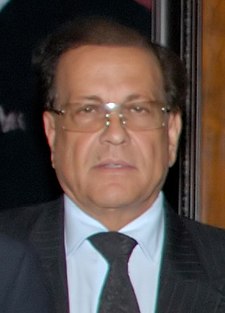
By Reem Wasay
Daily Times
The underbelly of extremist Islam is swarming with individuals who would rather promote a desecrated dogma than salvage a strengthened sanctimony of compassion, human rights and tolerance
“He who passively accepts evil is as much involved in it as he who helps to perpetrate it. He who accepts evil without protesting against it is really cooperating with it” – Martin Luther King, Jr.
Salmaan Taseer left the Governor House with both honour and dignity intact. In a country where the megalomaniac pull of power and politics has sold many souls to the devil, our forever governor was a force to be reckoned with. Contrary to popular opinion, Salmaan Taseer did not offend people – he intimidated them. In a society harnessed to hate, that is a dangerous precedent to set. Coming from a family distant from the flaws of feudalism, Salmaan Taseer was a rarity; he rose to gargantuan heights on no secondary shoulders but on his own two feet. Where dynasty and imaginary lineage have, for decades, mauled the mandate of true democracy and progress, Salmaan Taseer became a somebody from the long line of nobodies who live and rise among us. Defining a liberal Pakistani dream, Mr Taseer epitomised everything that this land promised its newly christened citizens back in 1947. His very existence demonstrated to people that even in this gloom and pallor of a state riddled with rustic curses, one man’s determination can free him of the antiquated sermon of submission that all us Pakistanis have fallen prey to. His life, travels, views, raw honesty, ascendance and dynamism emboldened the quiet moderates to voice their ideologies without fear for the very first time in a manner unheard of in a country rocked and ruled by men and women who have no identity because they have departed from integrity and progress. He was an intimidating man because he did not suffer the malaise of hypocrisy that has penetrated the pith and principle of most human beings in this land. He spoke his mind and he spoke it without fear, but with plenty of wit and, at times, stinging valour; it stung because he said what we all felt and knew was right but were too intimidated by the wrong factions to say it. Intimidation is a strange thing; it can either make you cower in submission or it can make you a gallant of Goliathan proportions.
Salmaan Taseer intimidated his peers, his subordinates, his fellow liberals and even the swarm of extremists who orchestrated and celebrated his death but are, in actuality, responsible for making the man into the first true martyr for a more liberal, more just Pakistan. ‘Muslims’ are so fond of quoting worldly examples to expunge their irrationalities that I would like to take a leaf out of the bigot book for this. Many Muslims hold the opinion that God shows to the believers the true value of a man’s worth only in his death. Salmaan Taseer died fighting for a cause he believed in and that makes him a hero. Dear fanatics, what do you think God is trying to tell you? His last rites, the mammoth turnout of mourners to pay their final respects, a hero’s goodbye and the colossal grief that has confounded the country are not the reactions awarded to a sullied soul. In a nation where men and women have been booted out of power and governors have been unceremoniously kicked out of the Governor’s House – some without shoes on – Salmaan Taseer left with homage and honour. If we are so blinded by convictions, let us take stock of the man’s final farewell.
The Blasphemy law has demonstrated in practice that it is not a devout law; it is atonement for the lunatics who achieve their only worth in life on the burdened back of our Prophet’s (PBUH) exploited honour. The underbelly of extremist Islam is swarming with individuals who would rather promote a desecrated dogma than salvage a strengthened sanctimony of compassion, human rights and tolerance. The real blasphemy does not take place in open fields between women of two different cultures, different beliefs and different opinions; it takes place in the house of God where different edicts are screamed from the speakers by men who have made themselves false prophets – as warned from the times of Abraham. Blasphemy occurs when the gunning down of a progressive is met with celebration instead of castigation and sanction instead of sentence. When mullahs incite further anger over the sands that falter on the grave of a man who had so much more to say, they practice blasphemy. They read upside down from their scriptures when they condemn any attempts at mourning and offering prayers for the fallen. They, by the very essence of their existence, are walking, breathing examples of blasphemy because they have intervened between God and man; they have demonised our own personal spirituality with their rituals, symbols, rules and rewards for violence. When a certain maulana on the television recently said that the governor’s death had no association with blasphemy but the anger generated in the people due to his “excessive” lifestyle, the bearded bastion’s arrogance screamed of blasphemy for he failed to grieve the death of a fellow citizen, something our Prophet (PBUH) would weep over. Such mullahs and radical rejectionists practice blasphemy by baying for the blood of a woman the governor died trying to set free.
It is time we fought fire with fire. If they can call voicing an opinion blasphemy, we can demonstrate extremist existence as blasphemy. A voice of moderation and liberal ideas has been snuffed out between the thorny fingers of misconstrued and manufactured ideologies. His death must not be in vain. It is time the PPP sprout a spine and address the very laws their governor died to amend. In the end, he was the lone voice in a rampage of irrationality; his party deserted him but he did not abandon a just cause. Blasphemy is real when we do nothing over the death of a true progressive. Blasphemy becomes us when we sit back in silence and drown out the rabid, white noise of the mercenaries of the minarets by ignoring these issues, a stance that Salman Taseer did not take. He truly was “the last man standing”; let us pay due tribute and work to amend the cruelty that comes with the blasphemy clauses.
The writer is an Assistant Editor, Daily Times.
M WAQAR..... "A man's ethical behavior should be based effectually on sympathy, education, and social ties; no religious basis is necessary.Man would indeed be in a poor way if he had to be restrained by fear of punishment and hope of reward after death." --Albert Einstein !!! NEWS,ARTICLES,EDITORIALS,MUSIC... Ze chi pe mayeen yum da agha pukhtunistan de.....(Liberal,Progressive,Secular World.)''Secularism is not against religion; it is the message of humanity.'' تل ده وی پثتونستآن
Friday, January 7, 2011
Thursday, January 6, 2011
Taseer's death exposes fissures in Pakistani society
Punjab Governor Salman Taseer was one of Pakistan's best-known political figures, but his death has revealed much more about this country than just its politics.
It has exposed the deep fissure that runs through society here, and some signs of the direction in which this country appears to be heading.
There are still questions as to whether Mumtaz Qadri, the assassin and one of the governor's own bodyguards, acted alone, or with the backing of a radical movement.
But his motive appears clear - he was angered by Salman Taseer's stance against Pakistan's stringent blasphemy laws.
The governor felt they discriminated against Pakistan's religious minorities and was the most prominent supporter of a Christian woman in Punjab who was sentenced to death for insulting the Prophet Muhammad, something she denied doing.
'Feted celebrity'
That made him something of a hate figure among some radical, fundamentalist quarters.
For some of them Qadri, the man accused of killing him, has become a feted celebrity.In the city of Peshawar, a demonstration has been held to celebrate Salman Taseer's murder and there were chants calling for Mumtaz Qadri's release.
"We, all the students, are proud of the job which Mumtaz performed," said one demonstrator. "We all are with him."
"The governor said the blasphemy law was a black law, that's why Mumtaz killed him," says another. "He did a tremendous job."
This is one - admittedly extreme - guise of Pakistan though it has shown itself elsewhere since Mr Taseer's death - on social networking sites, and radio phone-in programmes.
But there are also many Pakistanis who have been profoundly affected by what has happened, and are mourning the loss of a liberal hero.
This evening, at the spot where Mr Taseer was killed in Islamabad, was an altogether different gathering of people from the one in Peshawar, of people with a very different outlook.
For them, Qadri's alleged act was an attempt to rob them of their liberty too.
Eye-opener'
"It is a very, very shocking incident," said one man at the candlelit vigil in Kohsar Market.
"I would say it's an eye-opener for the mainstream political parties. They should close ranks and deny religious parties the space they have which fuels a lot of radical people like the person who killed Salman Taseer."
"We are small in numbers when we speak against all this extremism that's going on," one lady tells us.
"There are many people who will not come out because they're afraid. My children want to go abroad rather than be suppressed in this manner."
The governor's brutal death could spark debate as to what type of society Pakistanis want for themselves - one which is moderate and progressive, or one which is conservative and hard-line.
But it could also simply have the effect of silencing those, like Mr Taseer, who want to stand up for those they feel are being unfairly persecuted.
In November, when I last met Salman Taseer, he repeatedly voiced his belief that Pakistanis were an inherently liberal, humane people. He insisted they would ultimately reject extremism.
He pointed out that, in elections, religious parties have never done particularly well in Pakistan.
But the manner of Mr Taseer's passing is an indication to many that the radical elements within this society, however small or large they may be in number, are the ones currently forcing the agenda
It has exposed the deep fissure that runs through society here, and some signs of the direction in which this country appears to be heading.
There are still questions as to whether Mumtaz Qadri, the assassin and one of the governor's own bodyguards, acted alone, or with the backing of a radical movement.
But his motive appears clear - he was angered by Salman Taseer's stance against Pakistan's stringent blasphemy laws.
The governor felt they discriminated against Pakistan's religious minorities and was the most prominent supporter of a Christian woman in Punjab who was sentenced to death for insulting the Prophet Muhammad, something she denied doing.
'Feted celebrity'
That made him something of a hate figure among some radical, fundamentalist quarters.
For some of them Qadri, the man accused of killing him, has become a feted celebrity.In the city of Peshawar, a demonstration has been held to celebrate Salman Taseer's murder and there were chants calling for Mumtaz Qadri's release.
"We, all the students, are proud of the job which Mumtaz performed," said one demonstrator. "We all are with him."
"The governor said the blasphemy law was a black law, that's why Mumtaz killed him," says another. "He did a tremendous job."
This is one - admittedly extreme - guise of Pakistan though it has shown itself elsewhere since Mr Taseer's death - on social networking sites, and radio phone-in programmes.
But there are also many Pakistanis who have been profoundly affected by what has happened, and are mourning the loss of a liberal hero.
This evening, at the spot where Mr Taseer was killed in Islamabad, was an altogether different gathering of people from the one in Peshawar, of people with a very different outlook.
For them, Qadri's alleged act was an attempt to rob them of their liberty too.
Eye-opener'
"It is a very, very shocking incident," said one man at the candlelit vigil in Kohsar Market.
"I would say it's an eye-opener for the mainstream political parties. They should close ranks and deny religious parties the space they have which fuels a lot of radical people like the person who killed Salman Taseer."
"We are small in numbers when we speak against all this extremism that's going on," one lady tells us.
"There are many people who will not come out because they're afraid. My children want to go abroad rather than be suppressed in this manner."
The governor's brutal death could spark debate as to what type of society Pakistanis want for themselves - one which is moderate and progressive, or one which is conservative and hard-line.
But it could also simply have the effect of silencing those, like Mr Taseer, who want to stand up for those they feel are being unfairly persecuted.
In November, when I last met Salman Taseer, he repeatedly voiced his belief that Pakistanis were an inherently liberal, humane people. He insisted they would ultimately reject extremism.
He pointed out that, in elections, religious parties have never done particularly well in Pakistan.
But the manner of Mr Taseer's passing is an indication to many that the radical elements within this society, however small or large they may be in number, are the ones currently forcing the agenda
Taseer Assassination Deepens Divide in Pakistan
The emotional funeral of the assassinated governor of Punjab and the cheering of his killer in court Wednesday highlighted the intensifying struggle between secular and religious forces in Pakistan that has grown nastier than ever in the country’s history.
As the 26-year-old assassin, Malik Mumtaz Qadri, appeared before a magistrate in Islamabad, to be charged with murder and terrorism, he was showered by hundreds of supporters with rose petals and garlands. Moderate religious leaders refused to condemn the assassination, and some hard-line religious leaders appeared obliquely to condone the attack.
Meanwhile, thousands of mourners thronged to the funeral in Lahore of the governor, Salman Taseer, a prominent voice for secularism who had recently become the focus of religious fury for speaking out against the nation’s strict blasphemy laws.
Many of the nation’s top politicians, including Mr. Taseer’s chief rival in Punjab and the leader of the opposition, Nawaz Sharif, did not attend the services. Neither did President Asif Ali Zardari, a friend and ally of Mr. Taseer, but out concern for his own security.
Government ministers and party officials indicated that they were dropping the campaign to change the blasphemy laws that Mr. Taseer had championed. No senior official would be drawn to comment on the religious extremist aspect of the killing at the funeral. Those who did comment, indicated a shift in the government position, by suggesting the killing was a political murder and a conspiracy, rather than a religiously motivated attack.
Foreign Minister Shah Mehmood Qureishi avoided all comment and merely expressed his condolences to the family when approached by journalists. The Interior Minister, Rehman Malik, went as far as to say he would shoot any blasphemer himself.
“We have a very, very severe polarization in the country,” said journalist and author Ahmed Rashid, an expert on the Taliban and radical Islamism. “We have a small minority of extremists and small number of liberals speaking out, but the very large silent majority are people who are not extremist in any way but are not speaking out.”
Yet as the economic, political and social problems mount and extremism spreads, there is no sign of leadership from the government, he complained.
The Prime Minister Yousuf Raza Gilani, who did attend the funeral, was described by one national daily newspaper as “rushing from pillar to post” in his frantic efforts to keep his government from collapsing after two coalition partners withdrew from his government last weekend.
Certainly the assassination has thrown the government off balance while the religious right, as the conservative and religious parties are generally described, remains unabashed in its open loathing of Mr. Taseer and his opposition to Pakistan’s strict blasphemy laws, for which, apparently, he was killed.
The assassin, Mr. Qadri, hails from Bhara Kahu, a suburb of Islamabad, currently lives with his family in Muslim Town, a neighborhood of Rawalpindi, the military garrison town adjacent to Islamabad.
A follower of Dawat-e-Islami, a religious party based in Karachi, Mr. Qadri had joined the Special Forces branch of the Punjab police in 2002. At that time, he was declared a security risk because of his extreme religious views and sectarian activities during a routine check by his superior, according to a senior Pakistani police official.
In 2008, Mr. Qadri nonetheless managed to join the Elite Force of Punjab police, and had been assigned to guard the governor, raising alarming questions about the vetting and screening of security personnel, former police officials and associates of the former governor said.
At a market in Islamabad on Tuesday, Mr. Qadri pumped more than 20 rounds into Mr. Taseer’s back, Pakistani media reported, and yet was not fired on by any other member of the security detail, raising still more questions about whether any of the others knew of his plans in advance.
Mr. Qadri immediately surrendered, called himself a “slave of the Prophet,” and indicated that he had killed Mr. Taseer for his campaign against the blasphemy law.
He has so far not been linked him to any extremist religious organization, the senior police official said. But investigators were still combing his phone records and personal belongings. They are questioning his five brothers and father. Five other police officers who served with him are also under detention, the official said.
In contrast to the muted response of Mr. Taseer’s mourners, the supporters of Mr. Qadri were boisterous Wednesday. Lawyers who campaigned so vociferously two years ago against the military dictator Pervez Musharraf in the name of the constitution and the rule of law were among those who feted the suspect when he arrived at court Wednesday. Some volunteered to defend him free of charge.
Others voiced support Tuesday on an impromptu Facebook page for Mr. Qadri before it was forcibly shut down.
A former cabinet minister and leading member of the 2007 lawyers’ movement, Athar Minallah, said only a few extremists within the legal community would really support the killing of Mr. Taseer.
“Among the 100,000 lawyers in Pakistan, less than half a percent would go out and throw petals on this criminal, but the rest are hostages because the government is not providing any security, and why should I risk my life and that of my family,” he said. He pointed out that the religious parties have never done well at the polls and that the voting public, when given the chance, do not choose extremism.
Yet blasphemy is such an emotive subject in Pakistan that the day after such a high-profile murder, many seemed to side with the murderer, possibly for fear of being accused themselves.
Maulana Fazalur Rehman, the leader of Jamiat Ulema Islam-Fazal, a Deobandi religious party, which left the federal cabinet last month, seemed to issue a veiled warning to supporters of Mr. Taseer, saying that sympathizing with a blasphemer was just as extreme as blasphemy itself.
More than 500 religious leaders of Jamaat-e-Ahl-e-Sunnat, a leading Barelvi religious party, forbade its followers to either pray or attend the funeral prayers for Mr. Taseer, reported Jang, the country’s leading Urdu newspaper in its Wednesday issue.
“No Muslim should attend the funeral or even try to pray for Salman Taseer or even express any kind of regret or sympathy over the incident,” read a statement attributed to the religious clerics.
In Lahore, Muhammad Ibrahim, 25, a recent graduate who owns his own shop, was typical of ordinary citizens who did not condemn the assassin. “We are Muslims and nobody can compromise on the dignity of the Prophet,” he said. “Salman Taseer crossed the limits,” he said.
Half a dozen policemen interviewed while on duty around the city of Lahore voiced support for the assassin or refused to condemn the murder. “He acted according to his conscience,” one said. “What is done is Allah’s will,” another said. The policemen spoke to a journalist without giving their names.
Still, scores of workers from Mr. Taseer’s Pakistan Peoples Party were not able to gain access to the funeral ground because of the tight security and big crowds. Even the prime minister was unable to reach the coffin to say his goodbyes because of the press of people. The large black coffin, draped with the Pakistani flag, was carried by military helicopter to the nearby graveyard.
Party workers chanted slogans in memory of the party’s founder and amid some emotional grieving blamed the opposition Punjab government for failing to provide adequate security to the governor.
Sajida Amir, a provincial assembly member from Pakistan Peoples Party, the nation’s most secular-leaning, said the party had always made sacrifices for democracy. “The mission will continue and we will continue to speak out on these things,” she said.
Waqar Gillani contributed reporting from Lahore and Salman Masood from Islamabad.
As the 26-year-old assassin, Malik Mumtaz Qadri, appeared before a magistrate in Islamabad, to be charged with murder and terrorism, he was showered by hundreds of supporters with rose petals and garlands. Moderate religious leaders refused to condemn the assassination, and some hard-line religious leaders appeared obliquely to condone the attack.
Meanwhile, thousands of mourners thronged to the funeral in Lahore of the governor, Salman Taseer, a prominent voice for secularism who had recently become the focus of religious fury for speaking out against the nation’s strict blasphemy laws.
Many of the nation’s top politicians, including Mr. Taseer’s chief rival in Punjab and the leader of the opposition, Nawaz Sharif, did not attend the services. Neither did President Asif Ali Zardari, a friend and ally of Mr. Taseer, but out concern for his own security.
Government ministers and party officials indicated that they were dropping the campaign to change the blasphemy laws that Mr. Taseer had championed. No senior official would be drawn to comment on the religious extremist aspect of the killing at the funeral. Those who did comment, indicated a shift in the government position, by suggesting the killing was a political murder and a conspiracy, rather than a religiously motivated attack.
Foreign Minister Shah Mehmood Qureishi avoided all comment and merely expressed his condolences to the family when approached by journalists. The Interior Minister, Rehman Malik, went as far as to say he would shoot any blasphemer himself.
“We have a very, very severe polarization in the country,” said journalist and author Ahmed Rashid, an expert on the Taliban and radical Islamism. “We have a small minority of extremists and small number of liberals speaking out, but the very large silent majority are people who are not extremist in any way but are not speaking out.”
Yet as the economic, political and social problems mount and extremism spreads, there is no sign of leadership from the government, he complained.
The Prime Minister Yousuf Raza Gilani, who did attend the funeral, was described by one national daily newspaper as “rushing from pillar to post” in his frantic efforts to keep his government from collapsing after two coalition partners withdrew from his government last weekend.
Certainly the assassination has thrown the government off balance while the religious right, as the conservative and religious parties are generally described, remains unabashed in its open loathing of Mr. Taseer and his opposition to Pakistan’s strict blasphemy laws, for which, apparently, he was killed.
The assassin, Mr. Qadri, hails from Bhara Kahu, a suburb of Islamabad, currently lives with his family in Muslim Town, a neighborhood of Rawalpindi, the military garrison town adjacent to Islamabad.
A follower of Dawat-e-Islami, a religious party based in Karachi, Mr. Qadri had joined the Special Forces branch of the Punjab police in 2002. At that time, he was declared a security risk because of his extreme religious views and sectarian activities during a routine check by his superior, according to a senior Pakistani police official.
In 2008, Mr. Qadri nonetheless managed to join the Elite Force of Punjab police, and had been assigned to guard the governor, raising alarming questions about the vetting and screening of security personnel, former police officials and associates of the former governor said.
At a market in Islamabad on Tuesday, Mr. Qadri pumped more than 20 rounds into Mr. Taseer’s back, Pakistani media reported, and yet was not fired on by any other member of the security detail, raising still more questions about whether any of the others knew of his plans in advance.
Mr. Qadri immediately surrendered, called himself a “slave of the Prophet,” and indicated that he had killed Mr. Taseer for his campaign against the blasphemy law.
He has so far not been linked him to any extremist religious organization, the senior police official said. But investigators were still combing his phone records and personal belongings. They are questioning his five brothers and father. Five other police officers who served with him are also under detention, the official said.
In contrast to the muted response of Mr. Taseer’s mourners, the supporters of Mr. Qadri were boisterous Wednesday. Lawyers who campaigned so vociferously two years ago against the military dictator Pervez Musharraf in the name of the constitution and the rule of law were among those who feted the suspect when he arrived at court Wednesday. Some volunteered to defend him free of charge.
Others voiced support Tuesday on an impromptu Facebook page for Mr. Qadri before it was forcibly shut down.
A former cabinet minister and leading member of the 2007 lawyers’ movement, Athar Minallah, said only a few extremists within the legal community would really support the killing of Mr. Taseer.
“Among the 100,000 lawyers in Pakistan, less than half a percent would go out and throw petals on this criminal, but the rest are hostages because the government is not providing any security, and why should I risk my life and that of my family,” he said. He pointed out that the religious parties have never done well at the polls and that the voting public, when given the chance, do not choose extremism.
Yet blasphemy is such an emotive subject in Pakistan that the day after such a high-profile murder, many seemed to side with the murderer, possibly for fear of being accused themselves.
Maulana Fazalur Rehman, the leader of Jamiat Ulema Islam-Fazal, a Deobandi religious party, which left the federal cabinet last month, seemed to issue a veiled warning to supporters of Mr. Taseer, saying that sympathizing with a blasphemer was just as extreme as blasphemy itself.
More than 500 religious leaders of Jamaat-e-Ahl-e-Sunnat, a leading Barelvi religious party, forbade its followers to either pray or attend the funeral prayers for Mr. Taseer, reported Jang, the country’s leading Urdu newspaper in its Wednesday issue.
“No Muslim should attend the funeral or even try to pray for Salman Taseer or even express any kind of regret or sympathy over the incident,” read a statement attributed to the religious clerics.
In Lahore, Muhammad Ibrahim, 25, a recent graduate who owns his own shop, was typical of ordinary citizens who did not condemn the assassin. “We are Muslims and nobody can compromise on the dignity of the Prophet,” he said. “Salman Taseer crossed the limits,” he said.
Half a dozen policemen interviewed while on duty around the city of Lahore voiced support for the assassin or refused to condemn the murder. “He acted according to his conscience,” one said. “What is done is Allah’s will,” another said. The policemen spoke to a journalist without giving their names.
Still, scores of workers from Mr. Taseer’s Pakistan Peoples Party were not able to gain access to the funeral ground because of the tight security and big crowds. Even the prime minister was unable to reach the coffin to say his goodbyes because of the press of people. The large black coffin, draped with the Pakistani flag, was carried by military helicopter to the nearby graveyard.
Party workers chanted slogans in memory of the party’s founder and amid some emotional grieving blamed the opposition Punjab government for failing to provide adequate security to the governor.
Sajida Amir, a provincial assembly member from Pakistan Peoples Party, the nation’s most secular-leaning, said the party had always made sacrifices for democracy. “The mission will continue and we will continue to speak out on these things,” she said.
Waqar Gillani contributed reporting from Lahore and Salman Masood from Islamabad.
Salmaan Taseer ....Remembering a liberal
More than a hundred people showed up on Wednesday at the Karachi Press Club for a candlelight vigil organised in memory of slain Punjab Governor Salmaan Taseer, and to commemorate his stance in favour of the minorities of Pakistan and against the blasphemy laws.
Participants of the vigil comprised citizens from various social strata and represented almost every shade of the religiosity spectrum. All of them, however, stood for a repeal of the blasphemy laws, or at least procedural amendments as suggested by former federal information minister Sherry Rehman. They chanted slogans against the misuse of laws by fanatics (‘Qatil qatil mullah qatil’ – the mullah is a murderer) and called for drastic punishment for those responsible for Taseer’s brutal killing (‘Zaalimo jawaab do, khoon ka hisaab do’).
Despite the grave danger to the lives of those who stand against the blasphemy laws, as evidenced by Salmaan Taseer’s assassination on Tuesday, no security was provided to the protestors in Karachi. Undeterred, they went around the press club, and also circled Zebunnisa Street and Zainab Market in Saddar, much to the horror of shopkeepers who gawped at the protestors chanting slogans against fanatics and fanaticism.
Participants of the vigil comprised citizens from various social strata and represented almost every shade of the religiosity spectrum. All of them, however, stood for a repeal of the blasphemy laws, or at least procedural amendments as suggested by former federal information minister Sherry Rehman. They chanted slogans against the misuse of laws by fanatics (‘Qatil qatil mullah qatil’ – the mullah is a murderer) and called for drastic punishment for those responsible for Taseer’s brutal killing (‘Zaalimo jawaab do, khoon ka hisaab do’).
Despite the grave danger to the lives of those who stand against the blasphemy laws, as evidenced by Salmaan Taseer’s assassination on Tuesday, no security was provided to the protestors in Karachi. Undeterred, they went around the press club, and also circled Zebunnisa Street and Zainab Market in Saddar, much to the horror of shopkeepers who gawped at the protestors chanting slogans against fanatics and fanaticism.
Salmaan Taseer
http://en.wikipedia.org/wiki/Salmaan_Taseer
Salmaan Taseer was a Pakistani businessman and politician who served as the governor of the province of Punjab from 2008 until his assassination in early 2011.
He was a member of the Pakistan Peoples Party (PPP) and had also served as a minister in the caretaker cabinet of Prime Minister Muhammad Mian Soomro under Pervez Musharraf. Taseer was also the chairman and CEO of the First Capital and Worldcall Group.
He was appointed to the post of governor on May 15, 2008, in place of outgoing governor, Lt Gen (R) Khalid Maqbool, by then-President Musharraf at the request of the PPP establishment.
On January 4, 2011, Taseer was assassinated in Islamabad by his own security guard, who disagreed with Taseer's opposition to
Taseer started his political career in his student era, as a member of Zulfiqar Ali Bhutto's Pakistan Peoples Party (PPP) in the late 1960s. He was a part of the movement for Bhutto's freedom and opposed his arrest and death sentence. He also wrote a political biography on Bhutto titled Bhutto: A political biography (1980).
In the 1988 general elections, Taseer became a member of the Punjab Assembly from Lahore. In the 1990, 1993 and 1997 general elections, he ran as an MNA but lost.
In 2007, he was appointed the interim Federal Minister for Industries, Production and Special Initiatives.
On May 15, 2008, Taseer was designated for the office of Governor of Punjab by the PPP-led coalition government. On January 4, 2011 he was murdered in Islamabad by a guard assigned to him for security by the Punjab Government.
Business career
Taseer set up several chartered accountancy and management consultancy firms early in his career.[8] In 1995, he established the First Capital Securities Corporation (FCSC), a full service brokerage house with equity participation by Smith Barney, Inc., USA, and HG Asia Hong Kong.
Taseer founded the Worldcall group with a payphone network in 1996. The group has grown over the years to become a major private sector telecom operator with a national and regional footprint. A majority stake in Worldcall was acquired by Omantel, the Sultanate of Oman's incumbent operator, in 2008.
Taseer also owned an English news channel in Pakistan, Business Plus, and the first children's channel, Wikkid Plus, and was the publisher of the English language Daily Times.
Personal life
Salmaan Taseer was born into an affluent family of intellectuals.[10] His father, Dr. Muhammad Din Taseer, was a close friend of Allama Iqbal and believed to be the first person from the subcontinent who obtained a PhD in English literature from England.[10] His mother Bilqis Taseer (Christobel) was an Englishwoman[11] who was the sister of writer Alys Faiz, widow of Urdu poet Faiz Ahmad Faiz.[10]
Salman Taseer married Aamna Taseer; the couple resided in Lahore. They have three children; Shahbaz, Shehryar, and Shehrbano. Salman Taseer also has 3 children from a previous marriage: Sara, Shaan, and Sanam.[citation needed]
Taseer also has a son, Aatish Taseer (born 1980), with Indian journalist, Tavleen Singh. Married at the time, Taseer met Singh during a book promotion trip to India in the late 70s. Aatish is a freelance journalist in the UK and has recently written a book titled Stranger to History: A Son’s Journey through Islamic Lands on his estranged relationship with his father.
Taseer was known to be one of the trusted aides of Benazir Bhutto.[4] He was a classmate of Nawaz Sharif at Saint Anthony School, Lahore. He had obtained a degree in Chartered Accountancy from London.
Controversy
He stood for change in the Constitution declaring Ahmadi community to be non-Muslims to be revoked.[citation needed]
In a recent interview with Meher Bukhair, on Samaa TV,[citation needed] Salman Taseer commented his view about the blasphemy law and filing a mercy petition for Asia Bibi who has been charged death sentence by a court under the Blasphemy Law.
In December 2010 Taseer left the country for several days without handing over charge to the Punjab Assembly Speaker. This meant that the province was without a constitutional head, and it also rendered the assembly speaker ineligible to preside over sessions. Leaving the province without informing his successor was in violation of the constitution and this led to Punjab Assembly Speaker Rana Muhammad Iqbal sending a letter to Prime Minister Gilani calling for the removal of Salmaan Taseer by the President.[15] Evidence provided by ICAO on the governor's travel abroad, led to a case being filed in court for breach of the constitution.
Death
On January 4, 2011, one of Taseer's bodyguards, Malik Mumtaz Qadri, shot him 26 times with a submachine gun at Kohsar Market, in Sector F6, Islamabad as he was returning to his car after meeting a friend for lunch. Kohsar Market is a popular shopping and cafe spot for the city's elite and expatriates. Only eight hours before his assassination, he tweeted an Urdu couplet by Shakeel Badayuni: "My resolve is so strong that I do not fear the flames from without, I fear only the radiance of the flowers, that it might burn my garden down."
After his assassination, protests erupted in different parts of Punjab. Protestors also burned tires and blocked traffic in Lahore.
The next day, thousands turned up for his funeral in Lahore in spite of calls by numerous religious scholars against honouring him. Prime Minister Yousuf Raza Gilani and many supporters of the ruling PPP were seen attending the funeral prayer (Salat al-Janazah). The funeral prayers were finally led by Allama Afzal Chisti of the Ulema wing of the PPP after even the chief cleric of the historical Badshahi Mosque in Lahore, who initially agreed to offer prayers, backed off at the last moment, saying he was going out of town.[21] He was buried at a military cantonment in Lahore.
Assailant
The assailant, Malik Mumtaz Hussain Qadri from Punjab, was part of the security detail provided to him by the Elite Police. After the shooting, Qadri threw his weapon down and put his hands up when one of his colleagues aimed at him. He pleaded to be arrested alive when turning himself in to authorities.[23] Qadri reportedly said he killed Taseer due to the latter's vocal opposition of the blasphemy law in Pakistan. Notably, Taseer made headlines when he appealed for the pardon of a Christian Pakistani woman, Asia Bibi, who had been sentenced to death for blasphemy. It was suspected that this was the main reason for his assassination. According to a report in the Dawn newspaper, the assailant was associated with Dawat-e-Islami, a religious organization associated with the Barelvi movement.
Local reactions
* Pakistan Former Pakistani President Pervez Musharraf expressed grief over the assassination, adding that Taseer was a seasoned politician and his death was not only a loss for the PPP but the entire country. Many members of the country's business community also conveyed their shock after the killing.
* The Chief Minister of Punjab (Pakistan) Mian Shahbaz Sharif condemned the killing saying, "This is really a big loss for the PPP and as we believe friendly politics deeply condemn this murder, praying for Mr. Taseer."
* The Jamaat Ahle Sunnat, an Islamic religious organization representing the Barelvi movement, issued an advisory against mourning his death.[22]
* The Government of Punjab ordered that all institutions and schools would be shut down on the day of Wednesday, January 5, 2011 to memorialise Taseer.
International reactions
* United Nations United Nations Secretary General Ban Ki-moon condemned the assassination calling it a “loss for Pakistan.”
* United States US Secretary of State Hillary Clinton strongly condemned the assassination of Taseer, saying she "admired his work to promote tolerance and the education of Pakistan’s future generations" and that his death "is a great loss."[34]
* Turkey Turkish President Mr. Tayyip Erdogan phoned to President Zardari "[o]ffering his condolences to Zardari and condemning the assassination, the Turkish PM also asked the president to convey his heartfelt condolences to the members of the bereaved family and the people of the country."
Social reactions
A fan page appeared on Facebook soon after the assassination in support of Malik Mumtaz Hussain Qadri, showing news photos of him smiling. The fan page soon gathered thousands of supporters.[36] Many prominent Pakistani bloggers started a campaign to have these fan pages blocked on Facebook as soon as the pages appeared on the social networking website.[37] Several people also came out to denounce the gunman creating a page named "I Hate Malik Mumtaz Qadri" but in contrast the page only managed to get a few fans with no comments or discussions. Outrage against the gunman was prevalent on Twitter, with many journalists and media personalities expressing sadness over the passing of Taseer and the growing Islamisation and moral collapse of the country.
Repercussions
In the international media, his death was seen as more destabilising for the tenuous situation in the country, particularly in the light of resignation of members of the ruling coalition. One local analyst said the death was a "major setback for Pakistan, which is trying to get out of this vicious cycle of violence and worsening economy. [The killing] will certainly weaken the party position in Punjab." It was suggested that the killing was indicative of a "deeper trend" of "religious intolerance" afflicting Pakistan.
Taseer's assassination may dissuade other Pakistani politicians from speaking out against the blasphemy law, according to a former U.S. State Department intelligence analyst with the Middle East Institute in Washington, DC.
Salmaan Taseer was a Pakistani businessman and politician who served as the governor of the province of Punjab from 2008 until his assassination in early 2011.
He was a member of the Pakistan Peoples Party (PPP) and had also served as a minister in the caretaker cabinet of Prime Minister Muhammad Mian Soomro under Pervez Musharraf. Taseer was also the chairman and CEO of the First Capital and Worldcall Group.
He was appointed to the post of governor on May 15, 2008, in place of outgoing governor, Lt Gen (R) Khalid Maqbool, by then-President Musharraf at the request of the PPP establishment.
On January 4, 2011, Taseer was assassinated in Islamabad by his own security guard, who disagreed with Taseer's opposition to
Taseer started his political career in his student era, as a member of Zulfiqar Ali Bhutto's Pakistan Peoples Party (PPP) in the late 1960s. He was a part of the movement for Bhutto's freedom and opposed his arrest and death sentence. He also wrote a political biography on Bhutto titled Bhutto: A political biography (1980).
In the 1988 general elections, Taseer became a member of the Punjab Assembly from Lahore. In the 1990, 1993 and 1997 general elections, he ran as an MNA but lost.
In 2007, he was appointed the interim Federal Minister for Industries, Production and Special Initiatives.
On May 15, 2008, Taseer was designated for the office of Governor of Punjab by the PPP-led coalition government. On January 4, 2011 he was murdered in Islamabad by a guard assigned to him for security by the Punjab Government.
Business career
Taseer set up several chartered accountancy and management consultancy firms early in his career.[8] In 1995, he established the First Capital Securities Corporation (FCSC), a full service brokerage house with equity participation by Smith Barney, Inc., USA, and HG Asia Hong Kong.
Taseer founded the Worldcall group with a payphone network in 1996. The group has grown over the years to become a major private sector telecom operator with a national and regional footprint. A majority stake in Worldcall was acquired by Omantel, the Sultanate of Oman's incumbent operator, in 2008.
Taseer also owned an English news channel in Pakistan, Business Plus, and the first children's channel, Wikkid Plus, and was the publisher of the English language Daily Times.
Personal life
Salmaan Taseer was born into an affluent family of intellectuals.[10] His father, Dr. Muhammad Din Taseer, was a close friend of Allama Iqbal and believed to be the first person from the subcontinent who obtained a PhD in English literature from England.[10] His mother Bilqis Taseer (Christobel) was an Englishwoman[11] who was the sister of writer Alys Faiz, widow of Urdu poet Faiz Ahmad Faiz.[10]
Salman Taseer married Aamna Taseer; the couple resided in Lahore. They have three children; Shahbaz, Shehryar, and Shehrbano. Salman Taseer also has 3 children from a previous marriage: Sara, Shaan, and Sanam.[citation needed]
Taseer also has a son, Aatish Taseer (born 1980), with Indian journalist, Tavleen Singh. Married at the time, Taseer met Singh during a book promotion trip to India in the late 70s. Aatish is a freelance journalist in the UK and has recently written a book titled Stranger to History: A Son’s Journey through Islamic Lands on his estranged relationship with his father.
Taseer was known to be one of the trusted aides of Benazir Bhutto.[4] He was a classmate of Nawaz Sharif at Saint Anthony School, Lahore. He had obtained a degree in Chartered Accountancy from London.
Controversy
He stood for change in the Constitution declaring Ahmadi community to be non-Muslims to be revoked.[citation needed]
In a recent interview with Meher Bukhair, on Samaa TV,[citation needed] Salman Taseer commented his view about the blasphemy law and filing a mercy petition for Asia Bibi who has been charged death sentence by a court under the Blasphemy Law.
In December 2010 Taseer left the country for several days without handing over charge to the Punjab Assembly Speaker. This meant that the province was without a constitutional head, and it also rendered the assembly speaker ineligible to preside over sessions. Leaving the province without informing his successor was in violation of the constitution and this led to Punjab Assembly Speaker Rana Muhammad Iqbal sending a letter to Prime Minister Gilani calling for the removal of Salmaan Taseer by the President.[15] Evidence provided by ICAO on the governor's travel abroad, led to a case being filed in court for breach of the constitution.
Death
On January 4, 2011, one of Taseer's bodyguards, Malik Mumtaz Qadri, shot him 26 times with a submachine gun at Kohsar Market, in Sector F6, Islamabad as he was returning to his car after meeting a friend for lunch. Kohsar Market is a popular shopping and cafe spot for the city's elite and expatriates. Only eight hours before his assassination, he tweeted an Urdu couplet by Shakeel Badayuni: "My resolve is so strong that I do not fear the flames from without, I fear only the radiance of the flowers, that it might burn my garden down."
After his assassination, protests erupted in different parts of Punjab. Protestors also burned tires and blocked traffic in Lahore.
The next day, thousands turned up for his funeral in Lahore in spite of calls by numerous religious scholars against honouring him. Prime Minister Yousuf Raza Gilani and many supporters of the ruling PPP were seen attending the funeral prayer (Salat al-Janazah). The funeral prayers were finally led by Allama Afzal Chisti of the Ulema wing of the PPP after even the chief cleric of the historical Badshahi Mosque in Lahore, who initially agreed to offer prayers, backed off at the last moment, saying he was going out of town.[21] He was buried at a military cantonment in Lahore.
Assailant
The assailant, Malik Mumtaz Hussain Qadri from Punjab, was part of the security detail provided to him by the Elite Police. After the shooting, Qadri threw his weapon down and put his hands up when one of his colleagues aimed at him. He pleaded to be arrested alive when turning himself in to authorities.[23] Qadri reportedly said he killed Taseer due to the latter's vocal opposition of the blasphemy law in Pakistan. Notably, Taseer made headlines when he appealed for the pardon of a Christian Pakistani woman, Asia Bibi, who had been sentenced to death for blasphemy. It was suspected that this was the main reason for his assassination. According to a report in the Dawn newspaper, the assailant was associated with Dawat-e-Islami, a religious organization associated with the Barelvi movement.
Local reactions
* Pakistan Former Pakistani President Pervez Musharraf expressed grief over the assassination, adding that Taseer was a seasoned politician and his death was not only a loss for the PPP but the entire country. Many members of the country's business community also conveyed their shock after the killing.
* The Chief Minister of Punjab (Pakistan) Mian Shahbaz Sharif condemned the killing saying, "This is really a big loss for the PPP and as we believe friendly politics deeply condemn this murder, praying for Mr. Taseer."
* The Jamaat Ahle Sunnat, an Islamic religious organization representing the Barelvi movement, issued an advisory against mourning his death.[22]
* The Government of Punjab ordered that all institutions and schools would be shut down on the day of Wednesday, January 5, 2011 to memorialise Taseer.
International reactions
* United Nations United Nations Secretary General Ban Ki-moon condemned the assassination calling it a “loss for Pakistan.”
* United States US Secretary of State Hillary Clinton strongly condemned the assassination of Taseer, saying she "admired his work to promote tolerance and the education of Pakistan’s future generations" and that his death "is a great loss."[34]
* Turkey Turkish President Mr. Tayyip Erdogan phoned to President Zardari "[o]ffering his condolences to Zardari and condemning the assassination, the Turkish PM also asked the president to convey his heartfelt condolences to the members of the bereaved family and the people of the country."
Social reactions
A fan page appeared on Facebook soon after the assassination in support of Malik Mumtaz Hussain Qadri, showing news photos of him smiling. The fan page soon gathered thousands of supporters.[36] Many prominent Pakistani bloggers started a campaign to have these fan pages blocked on Facebook as soon as the pages appeared on the social networking website.[37] Several people also came out to denounce the gunman creating a page named "I Hate Malik Mumtaz Qadri" but in contrast the page only managed to get a few fans with no comments or discussions. Outrage against the gunman was prevalent on Twitter, with many journalists and media personalities expressing sadness over the passing of Taseer and the growing Islamisation and moral collapse of the country.
Repercussions
In the international media, his death was seen as more destabilising for the tenuous situation in the country, particularly in the light of resignation of members of the ruling coalition. One local analyst said the death was a "major setback for Pakistan, which is trying to get out of this vicious cycle of violence and worsening economy. [The killing] will certainly weaken the party position in Punjab." It was suggested that the killing was indicative of a "deeper trend" of "religious intolerance" afflicting Pakistan.
Taseer's assassination may dissuade other Pakistani politicians from speaking out against the blasphemy law, according to a former U.S. State Department intelligence analyst with the Middle East Institute in Washington, DC.
PML-N may be involved in Salman Taseer killing
Leaders of the ruling Pakistan People's Party have held the government of Punjab province responsible for Governor Salmaan Taseer's assassination and alleged that some elements in the opposition PML-N might have been behind the crime.
PPP leaders in Punjab were not convinced with Taseer's killer's confession that the assassination was an "act of faith." Some of them believe the murder was part of a plot to pit the PPP against religious forces.
Taseer was gunned down in Islamabad on Tuesday by police guard Malik Qadri, who said he was angered by the governor's criticism of the blasphemy law.
Investigators are trying to determine whether Qadri acted on his own or others were involved in the killing.
The PPP is refusing to accept that Taseer was killed on religious grounds and party spokesperson Fauzia Wahab said there were "political motives" behind the murder.
The killing appeared to be an "organised act" and the Punjab administration was "equally responsible" for the crime, she said. The Punjab government should explain why a policeman whom senior officers had declared unfit for guarding VIPs was included in the Governor`s security detail, Wahab said.
Qadri decided to kill the governor three days before Taseer visited Islamabad, when nobody was aware of the trip as it had been kept secret for security reasons, she added.
"The question arises as to how Qadri got information about the visit. Why did other personnel in the security squad not act when Qadri fired at Taseer?" she asked.
The PML-N, which rules Punjab, could not be absolved of the murder and there is a need to find out whether some of party's elements were behind the act, Wahab said. Despite threats to the governor, PML-N leader and provincial law minister Rana Sanaullah had refused to provide him a bulletproof vehicle, she said.
Federal law minister Babar Awan, a close aide of PPP chief and President Asif Ali Zardari, too described the assassination as a political murder and told a meeting of party lawmakers that the way the governor was eliminated raised many questions.
"Mr Taseer was made to leave his home for assassins,” he said, adding "some forces" were involved in such acts to weaken the country.
The meeting of lawmakers adopted a resolution demanding that the Punjab government should "unearth the conspiracy behind the murder."
They rejected a perception that religion had anything to do with the crime. Contending that the governor was in the custody of his police guards, law minister Awan even described the assassination as a "custodial killing with criminal negligence and political motives."
PPP leaders in Punjab were not convinced with Taseer's killer's confession that the assassination was an "act of faith." Some of them believe the murder was part of a plot to pit the PPP against religious forces.
Taseer was gunned down in Islamabad on Tuesday by police guard Malik Qadri, who said he was angered by the governor's criticism of the blasphemy law.
Investigators are trying to determine whether Qadri acted on his own or others were involved in the killing.
The PPP is refusing to accept that Taseer was killed on religious grounds and party spokesperson Fauzia Wahab said there were "political motives" behind the murder.
The killing appeared to be an "organised act" and the Punjab administration was "equally responsible" for the crime, she said. The Punjab government should explain why a policeman whom senior officers had declared unfit for guarding VIPs was included in the Governor`s security detail, Wahab said.
Qadri decided to kill the governor three days before Taseer visited Islamabad, when nobody was aware of the trip as it had been kept secret for security reasons, she added.
"The question arises as to how Qadri got information about the visit. Why did other personnel in the security squad not act when Qadri fired at Taseer?" she asked.
The PML-N, which rules Punjab, could not be absolved of the murder and there is a need to find out whether some of party's elements were behind the act, Wahab said. Despite threats to the governor, PML-N leader and provincial law minister Rana Sanaullah had refused to provide him a bulletproof vehicle, she said.
Federal law minister Babar Awan, a close aide of PPP chief and President Asif Ali Zardari, too described the assassination as a political murder and told a meeting of party lawmakers that the way the governor was eliminated raised many questions.
"Mr Taseer was made to leave his home for assassins,” he said, adding "some forces" were involved in such acts to weaken the country.
The meeting of lawmakers adopted a resolution demanding that the Punjab government should "unearth the conspiracy behind the murder."
They rejected a perception that religion had anything to do with the crime. Contending that the governor was in the custody of his police guards, law minister Awan even described the assassination as a "custodial killing with criminal negligence and political motives."
Taseer’s assassination
The Khyber Pakhtunkhwa Assembly on Wednesday unanimously expressed shock and sorrow over the assassination of Punjab Governor Salman Taseer and expressed sympathy with members of the bereaved family.
The resolution also prayed for the safety of Pakistan. Saqibullah Khan Chamkani of the Awami National Party (ANP) moved the jointly drafted resolution for which Acting Speaker Khushdil Khan relaxed the rules with the consent of the House.
The resolution carrying signatures of both the senior ministers Rahimdad Khan of Pakistan People’s Party (PPP) and Bashir Ahmad Bilour of ANP, Saqibullah Chamkani, Adviser to Chief Minister Mukhtiar Khan, Minister for Housing Amjad Afridi, PPP parliamentary leader Abdul Akbar Khan, minority MPA Asif Bhatti and Atifur Rehman Khalil of the ANP prayed to Allah to give courage to the family of the Punjab governor to bear the irreparable loss.
Earlier, Rahimdad Khan condemned the assassination and reiterated his party’s commitment to continuing struggle against those bent on pushing the country back. He said such killings would not stop them from their mission for which the people had voted them to power. He recalled that their leaders and workers had been martyred in the past but they could neither be pressured nor deterred from their mission.
Bashir Bilour condemned Taseer’s assassination, saying they had been following the policy of non-violence and were of the view that no problem could be solved with bullet. Terming Taseer a great politician, he said all Pakhtuns were equally shocked like his family. He said the terrorists had taken lives of 450 of his party leaders and workers but it could not stop them from their mission. He said his party condemned extremism.
“We should not take any action that hurts the feeling of others. We condemn the killing of human beings and stand by those struggling for the rule of law, independence of judiciary and media and people’s rights,” he stressed.
Bilour said the country could not make progress by keeping itself aloof from the rest of the world. The world, he said, would neither give them aid nor hold negotiations with them if the prevailing wave of extremism continued. He said the country could not afford midterm elections in these circumstances. He suggested that the government should be allowed to complete its five-year term. He said when the situation was good, everyone was supporting the government but some of the allies left it when it was facing a difficult situation.
“After the resignation of Jamiat Ulema-e-Islam (JUI-F) and Muttahida Qaumi Movement (MQM) from the federal government, some people asked us as to when the ANP would quit the government. We are Pakhtuns and will stand by the PPP-led government,” he said, adding that the political parties should not derail the democratic system.
Minister for Elementary Education Sardar Hussain Babak termed Taseer’s assassination a tragedy and said it had given the world a very wrong message. “It is unfortunate that on the one hand the governor was shot dead while on the other religious fanatics distributed sweets. The extremists are using the name of religion to create disturbance in the country,” he said, adding that the ANP had rendered great sacrifices in the past and would do so in future till the elimination of terrorism and establishment of peace.
JUI-F lawmaker Mufti Janan condemned Taseer’s assassination and warned that such incidents would endanger the solidarity of the country. He also asked the lawmakers not to give religious touch to each and every incident. He said the killer was not from any seminary or mosque but had studied at a government school and later got a job in the police. He condemned those distribution sweets to celebrate the assassination and said such people wanted to defame Islam.
Saqibullah Chamkani of the ANP supported Mufti Janan, saying some people wanted to defame Islam by using the name of the religion.
The resolution also prayed for the safety of Pakistan. Saqibullah Khan Chamkani of the Awami National Party (ANP) moved the jointly drafted resolution for which Acting Speaker Khushdil Khan relaxed the rules with the consent of the House.
The resolution carrying signatures of both the senior ministers Rahimdad Khan of Pakistan People’s Party (PPP) and Bashir Ahmad Bilour of ANP, Saqibullah Chamkani, Adviser to Chief Minister Mukhtiar Khan, Minister for Housing Amjad Afridi, PPP parliamentary leader Abdul Akbar Khan, minority MPA Asif Bhatti and Atifur Rehman Khalil of the ANP prayed to Allah to give courage to the family of the Punjab governor to bear the irreparable loss.
Earlier, Rahimdad Khan condemned the assassination and reiterated his party’s commitment to continuing struggle against those bent on pushing the country back. He said such killings would not stop them from their mission for which the people had voted them to power. He recalled that their leaders and workers had been martyred in the past but they could neither be pressured nor deterred from their mission.
Bashir Bilour condemned Taseer’s assassination, saying they had been following the policy of non-violence and were of the view that no problem could be solved with bullet. Terming Taseer a great politician, he said all Pakhtuns were equally shocked like his family. He said the terrorists had taken lives of 450 of his party leaders and workers but it could not stop them from their mission. He said his party condemned extremism.
“We should not take any action that hurts the feeling of others. We condemn the killing of human beings and stand by those struggling for the rule of law, independence of judiciary and media and people’s rights,” he stressed.
Bilour said the country could not make progress by keeping itself aloof from the rest of the world. The world, he said, would neither give them aid nor hold negotiations with them if the prevailing wave of extremism continued. He said the country could not afford midterm elections in these circumstances. He suggested that the government should be allowed to complete its five-year term. He said when the situation was good, everyone was supporting the government but some of the allies left it when it was facing a difficult situation.
“After the resignation of Jamiat Ulema-e-Islam (JUI-F) and Muttahida Qaumi Movement (MQM) from the federal government, some people asked us as to when the ANP would quit the government. We are Pakhtuns and will stand by the PPP-led government,” he said, adding that the political parties should not derail the democratic system.
Minister for Elementary Education Sardar Hussain Babak termed Taseer’s assassination a tragedy and said it had given the world a very wrong message. “It is unfortunate that on the one hand the governor was shot dead while on the other religious fanatics distributed sweets. The extremists are using the name of religion to create disturbance in the country,” he said, adding that the ANP had rendered great sacrifices in the past and would do so in future till the elimination of terrorism and establishment of peace.
JUI-F lawmaker Mufti Janan condemned Taseer’s assassination and warned that such incidents would endanger the solidarity of the country. He also asked the lawmakers not to give religious touch to each and every incident. He said the killer was not from any seminary or mosque but had studied at a government school and later got a job in the police. He condemned those distribution sweets to celebrate the assassination and said such people wanted to defame Islam.
Saqibullah Chamkani of the ANP supported Mufti Janan, saying some people wanted to defame Islam by using the name of the religion.
Salmaan Taseer: assassinated on a perilous path
By: Dr Mohammad Taqi
Daily Times
Salmaan Taseer dedicated his personal fortune to the cause of publishing the unvarnished truth and the people’s right to know this truth. It would not have been possible for this paper’s editorial board to carry itself independently were it not for Salmaan Taseer’s personal commitment to not only this project but to the very freedoms of speech and expression
“The sorrowful smell of the mist,
Lingering over the Indus,
Gentle waves of rice, dung and rind,
This is the salt cry of Sindh,
As I die let me feel,
The fragrance of tears” — Shah Abdul Latif Bhittai.
“It was a Sindhi poet, Shah Abdul Latif, who captured the forlornness of his country in this haunting verse,” wrote Salmaan Taseer in the opening chapter of his 1979 book, Bhutto: A Political Biography. I have read these words many times but had never once thought that the forlornness might get deeper than the deepest depression one could feel. But the assassination of Salmaan Taseer has left many of us even more devastated and depressed than what Shah Latif could depict.
I do not mourn Salmaan Taseer alone but I also mourn those who have been killed before him on the perilous path of speaking their mind, and those who will be killed in the future on this journey. Ayesha Siddiqa, Kamran Shafi, Nadeem Farooq Paracha, Pervez Hoodbhoy, Sherry Rehman and so many others are living on borrowed time. It is not a matter of if but when an indoctrinated bigot let loose by the deep state will get to them or, for that matter, any of us who decline to follow the rotten creed that it has been peddling for decades.
However, I have a feeling that Salmaan Taseer would not have wanted to be remembered with melancholy. His illustrious father, Dr M D Taseer, once said:
“Parwana jal kay dil ki muradon ko pa gaya
Aur shama reh gayi rukh-e-zeba liay huay” (Translation: The light-loving moth has died caressing the candle flame. The candle thus remains alone in all its elegance).
It is nearly impossible to accurately translate the above Urdu verse, which my father, Malik Rahat Ali, had quoted while writing Dr M D Taseer’s obituary for Edward’s College, Peshawar’s magazine Tajjali (light) in 1951. The obituary was titled ‘Aik raushan dimagh tha, na raha’ (an enlightened mind is no more). It is amazing how references to light and progressive thought keep popping up when discussing the Taseers and in the work of the Taseers themselves. Pakistan, and the liberal thought within Pakistan, is the candle that Salmaan and M D Taseer loved to the extent that to see it remain alight, they would dedicate their lives to it.
When thinking of Salmaan Taseer, two images come to mind. One is of a political activist and the second is of a patron of progressive and liberal thought. Perhaps senior members of the Indo-Pakistani leftist movement will recall that Dr M D Taseer, along with Abdullah Malik and Rajindra Singh Bedi had pioneered a liberal publishing house called Sangham Publishers in 1947, before the partition. I would not be wrong in assuming that the Daily Times and its media affiliates came into being due to Salmaan Taseer’s desire to follow in his father’s footsteps.
In his patronage of liberal publications, Salmaan Taseer’s image merges with that of the greats like the late Mian Iftikharuddin and Mazhar Ali Khan, the latter having been a beneficiary of the radical study circles conducted by Salmaan Taseer’s father. Many criticised Salmaan Taseer for his opulent lifestyle but, like Mian Iftikharuddin and his Progressive Papers Limited, Salmaan Taseer dedicated his personal fortune to the cause of publishing the unvarnished truth and the people’s right to know this truth. It would not have been possible for this paper’s editorial board to carry itself independently were it not for Salmaan Taseer’s personal commitment to not only this project but to the very freedoms of speech and expression.
Indeed, Salmaan Taseer was one of the very few people who had mustered the courage to criticise Zulfikar Ali Bhutto (ZAB) during the latter’s heyday. In the aforementioned biography of ZAB, Salmaan Taseer wrote, “During his first years of power I found myself, like many of my countrymen and many foreigners, torn between breathless admiration and violent antipathy for the man.” It is pertinent to note that he had started interviewing ZAB in 1976 for the book and by then was a known critic of several of ZAB’s policies. But on the whole he remained in love with the Pakistan People’s Party (PPP) and remained involved with organising the agitation against the Islamo-fascism of General Ziaul Haq.
In the mid-1980s, he also made his mark as an op-ed columnist writing in the Urdu daily Jang, after the junta had muzzled the PPP-affiliated papers Musawat and Amn. After the 1988 elections, he became the deputy opposition leader in the Punjab Assembly and, along with the opposition leader Rana Shaukat Mahmood and many others, faced imprisonment and torture at the hands of the then Punjab government. It was this activist-intellectual image of Salmaan Taseer that inspired not only the workers of his own party but many in the Movement for the Restoration for Democracy (MRD) as well. Not only that but it encouraged many of us to disagree with his politics in the second phase of his political career the way he did not agree with ZAB.
However, people like Salmaan Taseer never consider disagreements to be incompatible with democracy. The only thing incompatible with the democratic process is a fanatical belief in one’s moral and religious certitude. What makes such certitude more ominous is its deployment by the forces, which try to trip democracy at every step. Some are drawing parallels between the assassinations of ZAB and Salmaan Taseer. But to me, Salmaan Taseer’s murder is a déjà vu reminder of Murtaza Bhutto’s killing. Despite the current federal government turning into a minority regime it would have plodded along for a while, so those who have derailed every democratic government in Pakistan opted to expedite things.
A lone assassin killing the governor of the largest province is a theory that most will not buy and I suspect that we will never know the truth. But one thing is clear: a seasoned politician, a courageous fighter and a distinguished leader of the PPP died for a principled cause. He may have said in the words of his uncle, Faiz Ahmed Faiz:
“Karo kaj jabeen pe sar-e-kafan, meray qatilon ko guman na ho
Keh ghuroor-e-ishq ka bankpan pas-e-marg hum ne bhula diya” (Translation by Sarvat Rahman: Let the shroud be jaunty on my brow, so my assassins never doubt, That the grace, which pride in love gave us, even in death was not betrayed).
Daily Times
Salmaan Taseer dedicated his personal fortune to the cause of publishing the unvarnished truth and the people’s right to know this truth. It would not have been possible for this paper’s editorial board to carry itself independently were it not for Salmaan Taseer’s personal commitment to not only this project but to the very freedoms of speech and expression
“The sorrowful smell of the mist,
Lingering over the Indus,
Gentle waves of rice, dung and rind,
This is the salt cry of Sindh,
As I die let me feel,
The fragrance of tears” — Shah Abdul Latif Bhittai.
“It was a Sindhi poet, Shah Abdul Latif, who captured the forlornness of his country in this haunting verse,” wrote Salmaan Taseer in the opening chapter of his 1979 book, Bhutto: A Political Biography. I have read these words many times but had never once thought that the forlornness might get deeper than the deepest depression one could feel. But the assassination of Salmaan Taseer has left many of us even more devastated and depressed than what Shah Latif could depict.
I do not mourn Salmaan Taseer alone but I also mourn those who have been killed before him on the perilous path of speaking their mind, and those who will be killed in the future on this journey. Ayesha Siddiqa, Kamran Shafi, Nadeem Farooq Paracha, Pervez Hoodbhoy, Sherry Rehman and so many others are living on borrowed time. It is not a matter of if but when an indoctrinated bigot let loose by the deep state will get to them or, for that matter, any of us who decline to follow the rotten creed that it has been peddling for decades.
However, I have a feeling that Salmaan Taseer would not have wanted to be remembered with melancholy. His illustrious father, Dr M D Taseer, once said:
“Parwana jal kay dil ki muradon ko pa gaya
Aur shama reh gayi rukh-e-zeba liay huay” (Translation: The light-loving moth has died caressing the candle flame. The candle thus remains alone in all its elegance).
It is nearly impossible to accurately translate the above Urdu verse, which my father, Malik Rahat Ali, had quoted while writing Dr M D Taseer’s obituary for Edward’s College, Peshawar’s magazine Tajjali (light) in 1951. The obituary was titled ‘Aik raushan dimagh tha, na raha’ (an enlightened mind is no more). It is amazing how references to light and progressive thought keep popping up when discussing the Taseers and in the work of the Taseers themselves. Pakistan, and the liberal thought within Pakistan, is the candle that Salmaan and M D Taseer loved to the extent that to see it remain alight, they would dedicate their lives to it.
When thinking of Salmaan Taseer, two images come to mind. One is of a political activist and the second is of a patron of progressive and liberal thought. Perhaps senior members of the Indo-Pakistani leftist movement will recall that Dr M D Taseer, along with Abdullah Malik and Rajindra Singh Bedi had pioneered a liberal publishing house called Sangham Publishers in 1947, before the partition. I would not be wrong in assuming that the Daily Times and its media affiliates came into being due to Salmaan Taseer’s desire to follow in his father’s footsteps.
In his patronage of liberal publications, Salmaan Taseer’s image merges with that of the greats like the late Mian Iftikharuddin and Mazhar Ali Khan, the latter having been a beneficiary of the radical study circles conducted by Salmaan Taseer’s father. Many criticised Salmaan Taseer for his opulent lifestyle but, like Mian Iftikharuddin and his Progressive Papers Limited, Salmaan Taseer dedicated his personal fortune to the cause of publishing the unvarnished truth and the people’s right to know this truth. It would not have been possible for this paper’s editorial board to carry itself independently were it not for Salmaan Taseer’s personal commitment to not only this project but to the very freedoms of speech and expression.
Indeed, Salmaan Taseer was one of the very few people who had mustered the courage to criticise Zulfikar Ali Bhutto (ZAB) during the latter’s heyday. In the aforementioned biography of ZAB, Salmaan Taseer wrote, “During his first years of power I found myself, like many of my countrymen and many foreigners, torn between breathless admiration and violent antipathy for the man.” It is pertinent to note that he had started interviewing ZAB in 1976 for the book and by then was a known critic of several of ZAB’s policies. But on the whole he remained in love with the Pakistan People’s Party (PPP) and remained involved with organising the agitation against the Islamo-fascism of General Ziaul Haq.
In the mid-1980s, he also made his mark as an op-ed columnist writing in the Urdu daily Jang, after the junta had muzzled the PPP-affiliated papers Musawat and Amn. After the 1988 elections, he became the deputy opposition leader in the Punjab Assembly and, along with the opposition leader Rana Shaukat Mahmood and many others, faced imprisonment and torture at the hands of the then Punjab government. It was this activist-intellectual image of Salmaan Taseer that inspired not only the workers of his own party but many in the Movement for the Restoration for Democracy (MRD) as well. Not only that but it encouraged many of us to disagree with his politics in the second phase of his political career the way he did not agree with ZAB.
However, people like Salmaan Taseer never consider disagreements to be incompatible with democracy. The only thing incompatible with the democratic process is a fanatical belief in one’s moral and religious certitude. What makes such certitude more ominous is its deployment by the forces, which try to trip democracy at every step. Some are drawing parallels between the assassinations of ZAB and Salmaan Taseer. But to me, Salmaan Taseer’s murder is a déjà vu reminder of Murtaza Bhutto’s killing. Despite the current federal government turning into a minority regime it would have plodded along for a while, so those who have derailed every democratic government in Pakistan opted to expedite things.
A lone assassin killing the governor of the largest province is a theory that most will not buy and I suspect that we will never know the truth. But one thing is clear: a seasoned politician, a courageous fighter and a distinguished leader of the PPP died for a principled cause. He may have said in the words of his uncle, Faiz Ahmed Faiz:
“Karo kaj jabeen pe sar-e-kafan, meray qatilon ko guman na ho
Keh ghuroor-e-ishq ka bankpan pas-e-marg hum ne bhula diya” (Translation by Sarvat Rahman: Let the shroud be jaunty on my brow, so my assassins never doubt, That the grace, which pride in love gave us, even in death was not betrayed).
The courage of Taseer
EDITORIAL: Daily Times
Pakistan was still reeling from the shock of Governor Punjab Salmaan Taseer’s assassination when his murderer, Mumtaz Qadri, revealed that he had informed his colleagues about the murder plot. Qadri said that he had asked them to let him finish his ‘job’ and then arrest him alive. An FIR against Qadri was lodged by the governor’s son, Mr Shehryar Taseer, wherein it was stated that some political and religious groups were giving threats to the governor and should be held responsible for his murder. A one day remand of Qadri has been granted. There are speculations that more than one magazine of bullets were fired on Governor Taseer. The post-mortem report is not being made public for the time being due to investigative concerns. It seems that the security staff was complicit in Mr Taseer’s murder, which is why there was no response from any one of them. The implications of such a huge security lapse are grave. How could no one possibly find out about Qadri’s plan to assassinate a sitting governor is something hard to digest. The security for a VVIP has to be vetted first by the authorities. If a lunatic like Qadri was allowed to ‘guard’ Governor Taseer, there must be deeper reasons behind it. Qadri might have been a lone assassin but the investigation must find out who masterminded this plan. We of course have no dearth of religious zealots. There are reports that some other liberal, enlightened people are next on the hit-list of these bigots. This means that there is a wider conspiracy afoot and unless Qadri is meted out the punishment that is due under the law, and that too quickly, this murderous trend of issuing senseless edicts and subsequent assassinations would continue. A deterrent message is necessary to curb further threats to the lives of liberal Muslims in our narrow-minded society.
Punjab Governor Taseer had been condemned by the right-wingers since the day he met a Christian woman charged with alleged blasphemy, Aasia Bibi, in jail. Aasia Bibi had been given the death penalty by a lower court. Mr Taseer wanted President Zardari to grant her a pardon on humanitarian grounds. He also asked for the Blasphemy Law to be amended or repealed. The mullahs bayed for his blood after that and issued fatwas against him, declaring him wajib-ul-qatl (worthy of murder). Governor Taseer argued that the law was misused and not only affected the minorities but many Muslims too were implicated on false charges under this flawed law. Religious scholars like Ghamdi are of the view that the blasphemy law is a man-made law and can be amended. Death threats did not deter Governor Taseer, who vowed to fight bigotry even if, as he put it himself, he were “the last man standing”. Even in death, the mullah brigade did not leave Mr Taseer alone. The Jamaate Ahle Sunnat Pakistan (JASP) not only praised Mr Taseer’s murderer but also issued a statement that said, “No Muslim should attend the funeral or even try to pray for Salmaan Taseer or even express any kind of regret or sympathy over the incident.” If this is not uncivilised behaviour, then what is? Islam does not condone murdering innocent people and to use the religion card in this derogatory way as JASP has done is not just disgusting but completely contradictory to the teachings of our Prophet (PBUH).
Some sections of the media too were complicit in inciting hate against Governor Taseer. They virtually asked for some sort of reprisal against him, which is the height of irresponsibility. Even after Mr Taseer’s death, some television channels and print media tried to justify his assassination. Governor Salmaan Taseer’s was a voice of reason and sanity. When our media and right-wing parties stoop to such levels and most people just sit idly and watch silently, it points to our collective failure as a society. Mr Taseer was a man of valour and great courage. He stood up for the rights of the oppressed when no one else would. We should not dishonour his sacrifice. We must all condemn the killer and the barbarians who are out to mute the liberal, progressive voices of Pakistan. *
Pakistan was still reeling from the shock of Governor Punjab Salmaan Taseer’s assassination when his murderer, Mumtaz Qadri, revealed that he had informed his colleagues about the murder plot. Qadri said that he had asked them to let him finish his ‘job’ and then arrest him alive. An FIR against Qadri was lodged by the governor’s son, Mr Shehryar Taseer, wherein it was stated that some political and religious groups were giving threats to the governor and should be held responsible for his murder. A one day remand of Qadri has been granted. There are speculations that more than one magazine of bullets were fired on Governor Taseer. The post-mortem report is not being made public for the time being due to investigative concerns. It seems that the security staff was complicit in Mr Taseer’s murder, which is why there was no response from any one of them. The implications of such a huge security lapse are grave. How could no one possibly find out about Qadri’s plan to assassinate a sitting governor is something hard to digest. The security for a VVIP has to be vetted first by the authorities. If a lunatic like Qadri was allowed to ‘guard’ Governor Taseer, there must be deeper reasons behind it. Qadri might have been a lone assassin but the investigation must find out who masterminded this plan. We of course have no dearth of religious zealots. There are reports that some other liberal, enlightened people are next on the hit-list of these bigots. This means that there is a wider conspiracy afoot and unless Qadri is meted out the punishment that is due under the law, and that too quickly, this murderous trend of issuing senseless edicts and subsequent assassinations would continue. A deterrent message is necessary to curb further threats to the lives of liberal Muslims in our narrow-minded society.
Punjab Governor Taseer had been condemned by the right-wingers since the day he met a Christian woman charged with alleged blasphemy, Aasia Bibi, in jail. Aasia Bibi had been given the death penalty by a lower court. Mr Taseer wanted President Zardari to grant her a pardon on humanitarian grounds. He also asked for the Blasphemy Law to be amended or repealed. The mullahs bayed for his blood after that and issued fatwas against him, declaring him wajib-ul-qatl (worthy of murder). Governor Taseer argued that the law was misused and not only affected the minorities but many Muslims too were implicated on false charges under this flawed law. Religious scholars like Ghamdi are of the view that the blasphemy law is a man-made law and can be amended. Death threats did not deter Governor Taseer, who vowed to fight bigotry even if, as he put it himself, he were “the last man standing”. Even in death, the mullah brigade did not leave Mr Taseer alone. The Jamaate Ahle Sunnat Pakistan (JASP) not only praised Mr Taseer’s murderer but also issued a statement that said, “No Muslim should attend the funeral or even try to pray for Salmaan Taseer or even express any kind of regret or sympathy over the incident.” If this is not uncivilised behaviour, then what is? Islam does not condone murdering innocent people and to use the religion card in this derogatory way as JASP has done is not just disgusting but completely contradictory to the teachings of our Prophet (PBUH).
Some sections of the media too were complicit in inciting hate against Governor Taseer. They virtually asked for some sort of reprisal against him, which is the height of irresponsibility. Even after Mr Taseer’s death, some television channels and print media tried to justify his assassination. Governor Salmaan Taseer’s was a voice of reason and sanity. When our media and right-wing parties stoop to such levels and most people just sit idly and watch silently, it points to our collective failure as a society. Mr Taseer was a man of valour and great courage. He stood up for the rights of the oppressed when no one else would. We should not dishonour his sacrifice. We must all condemn the killer and the barbarians who are out to mute the liberal, progressive voices of Pakistan. *
First meeting with Salmaan Taseer
Daily Times
By Iqbal Khattak
At a pre-launch meeting in Lahore in early 2002, the founding editor-in-chief of Daily Times, Najam Sethi, introduced Salmaan Taseer – now no longer among us after he was assassinated in Islamabad on Tuesday – who did not speak much and mostly listened to other participants of the meeting.
His wife, Aamna Taseer, flanked him. She was also totally silent, but occasionally smiled when something jolly was said during the meeting.
As he used to do, the late Taseer smiled every time he spoke. But what came as striking was his different nature from other newspaper employers. He did not give any policy statement except that Daily Times should introduce the ‘real Pakistan’ to the world.
It was Najam Sethi who mostly spoke and the participants shared their views to make the launch a success and have the new newspaper counted among the country’s already established English-language dailies.
I could not talk to the late Taseer directly as the meeting was not yet over when he left with his wife. His departure followed by detailed discussion to make elaborate arrangements for the launch on April 9, 2002. However, his down-to-earth personality impressed all those who met him for the first time that day.
It took years to meet him for the second time, when he was visiting Peshawar in connection with his WorldCall business promotion trip before becoming the Punjab governor in 2008. He extended invitation to all media offices except Daily Times.
A reporter was assigned the task to cover the event. However, when he told me that Salmaan Taseer was himself present on the occasion, I felt it necessary to see him personally.
He was coming out of the main lobby of a five-star hotel in the city when the introduction was made. I asked him why had he not informed Daily Times bureau while letting others know. He responded: “I have no role in the editorial policy of the newspaper. Inviting you might have been seen as interference in editorial policy of the newspaper. I leave it to you to think if this event merits coverage or not.”
There are not many media organisations where the employer does not interfere with the editorial policy. In some cases, they act like editor. For a professional journalist it is next to impossible to work under a non-professional editor. The late Taseer did not have a journalistic background, that’s why he stayed away from professional work of a professional editor.
And that’s what contributed to making Daily Times a reputed national newspaper in a short span of time.
His assassination also brought fears among DT well-wishers raising questions about the future of the newspaper. I received many emails from several parts of the world asking what future holds for the newspaper. The family has decided to keep the newspaper running.
The assassination has brought the blasphemy law under spotlight once again. This law has also haunted journalists and press freedom organisations have considered it an “attack” on the freedom of expression in the country. The Frontier Post colleagues having been booked under the law after a blasphemous letter was published in the newspaper would never forget those moments of “uncertainty”.
“These were terrible moments after police booked us under the blasphemy law,” said some of those arrested on blasphemy charges. Only one of them was handed down life imprisonment. However, he had won his appeal at the Peshawar High Court against his conviction.
Former prime minister Chaudhry Shujaat Hussain pleaded on Wednesday for “a new law” to stop “misuse” of the present blasphemy law. It seems a Herculean task given the level of intolerance and radicalisation of Pakistani society since early 80s.
By Iqbal Khattak
At a pre-launch meeting in Lahore in early 2002, the founding editor-in-chief of Daily Times, Najam Sethi, introduced Salmaan Taseer – now no longer among us after he was assassinated in Islamabad on Tuesday – who did not speak much and mostly listened to other participants of the meeting.
His wife, Aamna Taseer, flanked him. She was also totally silent, but occasionally smiled when something jolly was said during the meeting.
As he used to do, the late Taseer smiled every time he spoke. But what came as striking was his different nature from other newspaper employers. He did not give any policy statement except that Daily Times should introduce the ‘real Pakistan’ to the world.
It was Najam Sethi who mostly spoke and the participants shared their views to make the launch a success and have the new newspaper counted among the country’s already established English-language dailies.
I could not talk to the late Taseer directly as the meeting was not yet over when he left with his wife. His departure followed by detailed discussion to make elaborate arrangements for the launch on April 9, 2002. However, his down-to-earth personality impressed all those who met him for the first time that day.
It took years to meet him for the second time, when he was visiting Peshawar in connection with his WorldCall business promotion trip before becoming the Punjab governor in 2008. He extended invitation to all media offices except Daily Times.
A reporter was assigned the task to cover the event. However, when he told me that Salmaan Taseer was himself present on the occasion, I felt it necessary to see him personally.
He was coming out of the main lobby of a five-star hotel in the city when the introduction was made. I asked him why had he not informed Daily Times bureau while letting others know. He responded: “I have no role in the editorial policy of the newspaper. Inviting you might have been seen as interference in editorial policy of the newspaper. I leave it to you to think if this event merits coverage or not.”
There are not many media organisations where the employer does not interfere with the editorial policy. In some cases, they act like editor. For a professional journalist it is next to impossible to work under a non-professional editor. The late Taseer did not have a journalistic background, that’s why he stayed away from professional work of a professional editor.
And that’s what contributed to making Daily Times a reputed national newspaper in a short span of time.
His assassination also brought fears among DT well-wishers raising questions about the future of the newspaper. I received many emails from several parts of the world asking what future holds for the newspaper. The family has decided to keep the newspaper running.
The assassination has brought the blasphemy law under spotlight once again. This law has also haunted journalists and press freedom organisations have considered it an “attack” on the freedom of expression in the country. The Frontier Post colleagues having been booked under the law after a blasphemous letter was published in the newspaper would never forget those moments of “uncertainty”.
“These were terrible moments after police booked us under the blasphemy law,” said some of those arrested on blasphemy charges. Only one of them was handed down life imprisonment. However, he had won his appeal at the Peshawar High Court against his conviction.
Former prime minister Chaudhry Shujaat Hussain pleaded on Wednesday for “a new law” to stop “misuse” of the present blasphemy law. It seems a Herculean task given the level of intolerance and radicalisation of Pakistani society since early 80s.
Monday, January 3, 2011
Khyber-Pakhtunkhwa: Rs5 billion land scam leads to chief minister house
A mind-boggling Rs5 billion land scam has hit Khyber-Pakhtunkhwa after Chief Minister Ameer Haider Khan Hoti secretly approved the allotment of 170 acres of olive orchards to an unknown construction and manufacturing firm.
The Rawalpindi-based M/s NI Associates, reportedly owned by a front man of a top Awami National Party (ANP) leader, purchased the land at a throwaway price. Hoti had cancelled a 12-year-old lease agreement with the federal government’s olive oil research station at Mardan, spelling the demise of the multi-billion rupee project to promote edible oil production in Pakistan.
The market price of 170 acres or 1,361 kanals of agricultural land, now given to the private party located on Mardan-Swabi road, has been estimated at Rs5 billion. The commercial value of 20,000 mature olive trees and other fruit orchards and machinery has yet to be ascertained in monetary terms. The olive trees were gifted by Turkey and Italy to help Pakistan attain self-sufficiency in edible oil in a bid to help it reduce its import bill, which has touched $2 billion per annum.
The whole drama of allotment unfolded when a 100-strong police contingent led by a DSP raided Pakistan Oil Development Board (PODB)’s research station on December 3 – the same day the land was officially allotted in favour of one Mr Javed Iqbal. The police broke the locks and kicked out its employees. It took control of the orchards at gun point and gave them in Mr Iqbal’s possession.
The lease agreement between the provincial Auqaf department which owned the land and PODB was to end in 2012 but the provincial government prematurely terminated the contract.
Mr Mushtaq, Provincial Director, PODB research farm, Mardan, wrote a strongly-worded letter in protest to Administrator Auqaf, Khyber-Pakhtunkhwa, Mr Inaam Khan. The police raid was a breach of the law of the land, norms and official decorum and in detriment to the nation’s interests, the letter said.
The mother olive orchard and germplasm unit was to be used for obtaining bud wood for grafting onto wild olive trees. He warned that PODB would not vacate these olive oil orchards, considering the fact that the infrastructure was developed at huge financial cost and ten years’ research and experimentation.
Hundreds of official documents confirming the land scam, available with The Express Tribune, reveal that PODB was informed on December 6, 2010, by Inaam Khan in writing that Mr Javed Iqbal of M/s NI Associates was to take possession of the land.
“You are requested to kindly shift the equipments/machinery lying on the premises of the said Auqaf land within ten days time so that the site be cleared for the new lessee.”
The competent authority had approved the long lease of plot measuring 1,361 kanals at Machi Sangbhatti, Marddan to M/s NI Associates Construction Manufacturing Trading Consultancy of Modern farming of 155-A, Bank Road Saddar Rawalpindi at the rate of Rs1,200 per kanal for twenty years, read the original notification.
Twelve different varieties of olive trees were planted on 140 acres of land from 2001 to 2005. A germplasm unit was also established on 10 acres. Twelve olive cultivators of 288 plants were imported from different countries for evaluation. The performance of these cultivators was to be completed over three years. University students were to do research work in these orchards. PODB’s research farm had also installed six green houses for olive production. Presently, 10,000 of air layering were shifted and remaining nursery was in progress.
A metrological station used for recording temperature, humidity, chilling hours, wind speed data has also passed into the hands of the new lessee, along with three tube wells and a drip irrigation system.
This correspondent made telephone calls to Secretary, Auqaf department, Khyber-Pakhtunkhwa, Mr Nauman Shah Jadoon and to Administrator Auqaf, Mr Inaam Khan, to get their point of view. They refused to attend their calls. Nor did the gentlemen reply to text messages sent on their mobile phones.
Published in The Express Tribune
The Rawalpindi-based M/s NI Associates, reportedly owned by a front man of a top Awami National Party (ANP) leader, purchased the land at a throwaway price. Hoti had cancelled a 12-year-old lease agreement with the federal government’s olive oil research station at Mardan, spelling the demise of the multi-billion rupee project to promote edible oil production in Pakistan.
The market price of 170 acres or 1,361 kanals of agricultural land, now given to the private party located on Mardan-Swabi road, has been estimated at Rs5 billion. The commercial value of 20,000 mature olive trees and other fruit orchards and machinery has yet to be ascertained in monetary terms. The olive trees were gifted by Turkey and Italy to help Pakistan attain self-sufficiency in edible oil in a bid to help it reduce its import bill, which has touched $2 billion per annum.
The whole drama of allotment unfolded when a 100-strong police contingent led by a DSP raided Pakistan Oil Development Board (PODB)’s research station on December 3 – the same day the land was officially allotted in favour of one Mr Javed Iqbal. The police broke the locks and kicked out its employees. It took control of the orchards at gun point and gave them in Mr Iqbal’s possession.
The lease agreement between the provincial Auqaf department which owned the land and PODB was to end in 2012 but the provincial government prematurely terminated the contract.
Mr Mushtaq, Provincial Director, PODB research farm, Mardan, wrote a strongly-worded letter in protest to Administrator Auqaf, Khyber-Pakhtunkhwa, Mr Inaam Khan. The police raid was a breach of the law of the land, norms and official decorum and in detriment to the nation’s interests, the letter said.
The mother olive orchard and germplasm unit was to be used for obtaining bud wood for grafting onto wild olive trees. He warned that PODB would not vacate these olive oil orchards, considering the fact that the infrastructure was developed at huge financial cost and ten years’ research and experimentation.
Hundreds of official documents confirming the land scam, available with The Express Tribune, reveal that PODB was informed on December 6, 2010, by Inaam Khan in writing that Mr Javed Iqbal of M/s NI Associates was to take possession of the land.
“You are requested to kindly shift the equipments/machinery lying on the premises of the said Auqaf land within ten days time so that the site be cleared for the new lessee.”
The competent authority had approved the long lease of plot measuring 1,361 kanals at Machi Sangbhatti, Marddan to M/s NI Associates Construction Manufacturing Trading Consultancy of Modern farming of 155-A, Bank Road Saddar Rawalpindi at the rate of Rs1,200 per kanal for twenty years, read the original notification.
Twelve different varieties of olive trees were planted on 140 acres of land from 2001 to 2005. A germplasm unit was also established on 10 acres. Twelve olive cultivators of 288 plants were imported from different countries for evaluation. The performance of these cultivators was to be completed over three years. University students were to do research work in these orchards. PODB’s research farm had also installed six green houses for olive production. Presently, 10,000 of air layering were shifted and remaining nursery was in progress.
A metrological station used for recording temperature, humidity, chilling hours, wind speed data has also passed into the hands of the new lessee, along with three tube wells and a drip irrigation system.
This correspondent made telephone calls to Secretary, Auqaf department, Khyber-Pakhtunkhwa, Mr Nauman Shah Jadoon and to Administrator Auqaf, Mr Inaam Khan, to get their point of view. They refused to attend their calls. Nor did the gentlemen reply to text messages sent on their mobile phones.
Published in The Express Tribune
Namak Mandi: Lamb like you’ve never had before
Presenting a unique blend of taste and recipes to attract customers in the winter season, Peshawar’s famed Namak Mandi has become an exceptional food centre where most visitors can hardly resist the aroma of Tikka Karahi.
Located near Shuba Bazaar, Namak Mandi is a joyous place where people come for a few moments of respite from routine activities with the flavour of delicious and unique tikkas from the numerous restaurants.
The recent National Games in Peshawar gave further impetus to business activities as sports lovers visited this food centre in large numbers and enjoyed the traditional food.
“People often visit five star hotels to enjoy their favourite cuisine, but one taste of tikka karahi in Namak Mandi will change their opinions instantly,” said Khurshid Khan, who visited Namak Mandi on Sunday. “Whenever I come to Peshawar, I visit Namak Mandi because the mutton cooked here is tasty and cholesterol-free. However, he noted the rise in tikka karahi prices over the past few years, which needed monitoring.
Namak Mandi took 50 years to develop to its current status, and its delicious, traditional tikka karahi attracts both foreign and local tourists. Sitting at the carpeted floor or on charpoys at any restaurant, one can see fresh lamb hanging on racks, and black woks (karahi) set above burning charcoal.
The meat is prepared according to the customers taste and put in the wok, along with tomatoes, chillies and garlic. The fat-content and vegetables form thick gravy in which the meat is cooked. People then eat the tikka karahi with flat bread and several cups of green tea.
Whether fried in a wok or Barbequed on charcoal, the dish is rarely found in any other part of the province.
One of Namak Mandi’s most famous personalities Nisar, better known by his trade name Charsi, said he had started with a small outlet after his father’s death, and after 30 years of hard work and commitment to the business, Nisar has now established a restaurant named Sheesh Mahal.
He says the special cooking technique is one that he had inherited from his forefathers. “We don’t use ghee and excessive spices but instead cook the mutton in its own fat, making it uniquely delicious,” he said and claimed to sell 130 to 150 lambs a day.
Another restaurant owner recalls the days when his father started his business 50 years back. “My father, Muhammad Mashooq Qureshi, started Tikka Karahi in the 50s when there were only three shops, now there are 30,” said Haji Maqsood Qureshi.
There are some 30 tikka shops in Namak Mandi, the most famous of which are Charsi Tikka, Khan Tikka and Mehran Tikka. People throng the bazaar, especially the famous trio of shops at lunch and dinner.
Tikka Shops Association President Khan Baz said around 2,000 families are attached to the mutton selling business, which, he added, had earned international fame.
Baz said that despite local and foreign tourists’ arrival at Namak Mandi, the authorities concerned were not paying heed towards cleanliness of the bazaar. He stressed the need to highlight Namak Mandi at regional and international level “to promote a soft image of Pakistan.”
Published in The Express Tribune
Saturday, January 1, 2011
Wednesday, December 29, 2010
HAPPY NEW YEAR
Let this coming year be better than all the others. Vow to do some of the things you've always wanted to do but couldn't find the time. Call up a forgotten friend. Drop an old grudge, and replace it with some pleasant memories. Vow not to make a promise you don't think you can keep. Walk tall, and smile more.
Monday, December 27, 2010
Friday, December 24, 2010
Obama Is Set to Shuffle His Staff
New York Times
President Obama is planning the first major reorganization of his administration, preparing to shuffle several positions in the West Wing as he tries to fortify his political team for the realities of divided government and his own re-election. The president is studying how to maximize the power of the executive branch, advisers said, seeking insight from veterans of previous administrations and fresh advice from business leaders to guide the second half of his term.
He is reviewing the restructuring plan during the holidays, aides said, and intends to make the first announcements in the opening days of January.
A reshaping of the economic team, beginning by naming a new director of the National Economic Council, is among the most urgent priorities of the new year. Gene Sperling, a counselor to the Treasury secretary who held the position in the Clinton administration, is among the final contenders to succeed Lawrence H. Summers in the job, along with Roger C. Altman, a Wall Street investment banker who also served in the Clinton administration.
When Republicans assume control of the House on Jan. 5, ending four years of a full Democratic majority in Congress, the president’s approach to policy and politics is poised to change on several fronts.
The White House is hiring more lawyers to handle oversight investigations from the new Congress, even as the president sets up a re-election headquarters in Chicago and considers ways to streamline operations inside the West Wing.
“You’re not going to see wholesale changes, but there will be significant changes. I think that’s desirable,” said David Axelrod, a senior adviser who is leaving the White House next month. “This is a bubble. It’s been an intense couple of years, and there’s an advantage to bringing in folks who have a fresh set of senses — smell, touch and feel — about what’s going on out there.”
The first personnel change inside the White House is the arrival of David Plouffe, who managed Mr. Obama’s presidential campaign. For the last two years, Mr. Plouffe has been one of the president’s closest outside confidants, but he is set to replace Mr. Axelrod as his chief political adviser, with a broad portfolio.
Jim Messina, a deputy White House chief of staff, will depart early next year to manage the re-election campaign in Chicago. His departure, along with those of others inside the West Wing, has created vacancies among the president’s top echelon of advisers that are at the heart of the reorganization plan.
At the final cabinet meeting of the year, on Dec. 8, the president renewed his request that if any members intended to step down, they needed to signal their intentions. White House officials said they believed that Defense Secretary Robert M. Gates is the only cabinet member who definitely plans to leave next year, although one other departure is possible.
There has been far less turnover for the Obama administration than for some of its recent predecessors. But at the midpoint of his term, several aides are considering new opportunities, including the White House press secretary, Robert Gibbs. Mr. Gibbs will probably either become a senior adviser to the president or work outside the White House, defending Mr. Obama on television and beginning to define the field of 2012 Republican presidential candidates. The leading contenders for his job are Jay Carney, a spokesman for Vice President Joseph R. Biden Jr., and Bill Burton, a deputy press secretary.
Two months before the midterm elections, even before it became clear that Democrats would lose their Congressional majority, the president ordered a review of how the White House operated and how it could be modernized. The mission of the Reorganization Plan, as it is called at the White House, expanded after the sweeping Republican victory.
Pete Rouse, now the interim White House chief of staff, was already working on the plan in October when Rahm Emanuel stepped down as chief of staff to run for mayor of Chicago. The process has been a highly guarded secret even inside the White House, with Valerie Jarrett, a senior adviser; Robert F. Bauer, the general counsel; and Mr. Axelrod also providing guidance.
The president was frustrated by the bureaucracy of the administration, aides said, and asked Mr. Rouse to recommend ways to improve internal communication and efficiency. Several recommendations were given to the president before he left Washington on Wednesday night to spend Christmas with his family in Hawaii, aides said.
The review has created anxiety in the corridors of the West Wing, where many aides who have spent at least four years working for Mr. Obama are uncertain of their next assignments. Some will be dispatched to Chicago, where the re-election effort is scheduled to be well under way by the spring, with the fund-raising, political and communications staff among the first to report for duty.
The week after the midterm elections, the president began an extensive series of one-on-one conversations in the Oval Office about how he could make the best use of the final two years of his first term.
Mr. Obama discussed the pitfalls — and opportunities — of divided government with former President Bill Clinton during a long meeting this month. He also has held private discussions with an array of figures, including Leon E. Panetta, the director of the C.I.A., who served as a chief of staff to Mr. Clinton; John D. Podesta, another former Clinton chief of staff; Tom Daschle, the former Senate majority leader; and Kenneth M. Duberstein, a former chief of staff to President Ronald Reagan.
Mr. Obama is reading the biography “President Reagan: The Role of a Lifetime,” by Lou Cannon, aides said, and recently completed “The Clinton Tapes,” by Taylor Branch, who chronicled the 42nd president through a series of private interviews.
Despite all his time studying the Clinton administration, Mr. Obama told his aides that he had no intention of following the precise path of Mr. Clinton, who after the Democratic midterm election defeats of 1994 ordered a clearing of the decks inside the White House, installed competing teams of advisers and employed a centrist policy of triangulation. In fact, several advisers confirmed, the word “triangulation” has been banned by Mr. Obama because he does not believe it accurately describes his approach.
On Wednesday afternoon, even as lawmakers were approving a burst of Mr. Obama’s legislative priorities in the waning hours of the Congressional session, the president and a small circle of advisers convened to sketch out the next two months. Mr. Obama intends not only to extend a hand to Republicans but also to begin detaching himself more from Congress and spending more time making his case directly to the American people.
“In a world of divided government, getting things done requires a mix of compromise and confrontation,” said Dan Pfeiffer, the White House communications director. “What are the things you can do without Congress? In some cases, that involves executive orders, but it also involves using the bully pulpit of the presidency to make a political argument about the direction of the country.”
President Obama is planning the first major reorganization of his administration, preparing to shuffle several positions in the West Wing as he tries to fortify his political team for the realities of divided government and his own re-election. The president is studying how to maximize the power of the executive branch, advisers said, seeking insight from veterans of previous administrations and fresh advice from business leaders to guide the second half of his term.
He is reviewing the restructuring plan during the holidays, aides said, and intends to make the first announcements in the opening days of January.
A reshaping of the economic team, beginning by naming a new director of the National Economic Council, is among the most urgent priorities of the new year. Gene Sperling, a counselor to the Treasury secretary who held the position in the Clinton administration, is among the final contenders to succeed Lawrence H. Summers in the job, along with Roger C. Altman, a Wall Street investment banker who also served in the Clinton administration.
When Republicans assume control of the House on Jan. 5, ending four years of a full Democratic majority in Congress, the president’s approach to policy and politics is poised to change on several fronts.
The White House is hiring more lawyers to handle oversight investigations from the new Congress, even as the president sets up a re-election headquarters in Chicago and considers ways to streamline operations inside the West Wing.
“You’re not going to see wholesale changes, but there will be significant changes. I think that’s desirable,” said David Axelrod, a senior adviser who is leaving the White House next month. “This is a bubble. It’s been an intense couple of years, and there’s an advantage to bringing in folks who have a fresh set of senses — smell, touch and feel — about what’s going on out there.”
The first personnel change inside the White House is the arrival of David Plouffe, who managed Mr. Obama’s presidential campaign. For the last two years, Mr. Plouffe has been one of the president’s closest outside confidants, but he is set to replace Mr. Axelrod as his chief political adviser, with a broad portfolio.
Jim Messina, a deputy White House chief of staff, will depart early next year to manage the re-election campaign in Chicago. His departure, along with those of others inside the West Wing, has created vacancies among the president’s top echelon of advisers that are at the heart of the reorganization plan.
At the final cabinet meeting of the year, on Dec. 8, the president renewed his request that if any members intended to step down, they needed to signal their intentions. White House officials said they believed that Defense Secretary Robert M. Gates is the only cabinet member who definitely plans to leave next year, although one other departure is possible.
There has been far less turnover for the Obama administration than for some of its recent predecessors. But at the midpoint of his term, several aides are considering new opportunities, including the White House press secretary, Robert Gibbs. Mr. Gibbs will probably either become a senior adviser to the president or work outside the White House, defending Mr. Obama on television and beginning to define the field of 2012 Republican presidential candidates. The leading contenders for his job are Jay Carney, a spokesman for Vice President Joseph R. Biden Jr., and Bill Burton, a deputy press secretary.
Two months before the midterm elections, even before it became clear that Democrats would lose their Congressional majority, the president ordered a review of how the White House operated and how it could be modernized. The mission of the Reorganization Plan, as it is called at the White House, expanded after the sweeping Republican victory.
Pete Rouse, now the interim White House chief of staff, was already working on the plan in October when Rahm Emanuel stepped down as chief of staff to run for mayor of Chicago. The process has been a highly guarded secret even inside the White House, with Valerie Jarrett, a senior adviser; Robert F. Bauer, the general counsel; and Mr. Axelrod also providing guidance.
The president was frustrated by the bureaucracy of the administration, aides said, and asked Mr. Rouse to recommend ways to improve internal communication and efficiency. Several recommendations were given to the president before he left Washington on Wednesday night to spend Christmas with his family in Hawaii, aides said.
The review has created anxiety in the corridors of the West Wing, where many aides who have spent at least four years working for Mr. Obama are uncertain of their next assignments. Some will be dispatched to Chicago, where the re-election effort is scheduled to be well under way by the spring, with the fund-raising, political and communications staff among the first to report for duty.
The week after the midterm elections, the president began an extensive series of one-on-one conversations in the Oval Office about how he could make the best use of the final two years of his first term.
Mr. Obama discussed the pitfalls — and opportunities — of divided government with former President Bill Clinton during a long meeting this month. He also has held private discussions with an array of figures, including Leon E. Panetta, the director of the C.I.A., who served as a chief of staff to Mr. Clinton; John D. Podesta, another former Clinton chief of staff; Tom Daschle, the former Senate majority leader; and Kenneth M. Duberstein, a former chief of staff to President Ronald Reagan.
Mr. Obama is reading the biography “President Reagan: The Role of a Lifetime,” by Lou Cannon, aides said, and recently completed “The Clinton Tapes,” by Taylor Branch, who chronicled the 42nd president through a series of private interviews.
Despite all his time studying the Clinton administration, Mr. Obama told his aides that he had no intention of following the precise path of Mr. Clinton, who after the Democratic midterm election defeats of 1994 ordered a clearing of the decks inside the White House, installed competing teams of advisers and employed a centrist policy of triangulation. In fact, several advisers confirmed, the word “triangulation” has been banned by Mr. Obama because he does not believe it accurately describes his approach.
On Wednesday afternoon, even as lawmakers were approving a burst of Mr. Obama’s legislative priorities in the waning hours of the Congressional session, the president and a small circle of advisers convened to sketch out the next two months. Mr. Obama intends not only to extend a hand to Republicans but also to begin detaching himself more from Congress and spending more time making his case directly to the American people.
“In a world of divided government, getting things done requires a mix of compromise and confrontation,” said Dan Pfeiffer, the White House communications director. “What are the things you can do without Congress? In some cases, that involves executive orders, but it also involves using the bully pulpit of the presidency to make a political argument about the direction of the country.”
Pakistan to review blasphemy laws, official says
Pakistan will review blasphemy laws to prevent them from targeting innocent people, a government official said.
The government will form a committee of scholars to revisit the law, said Shahbaz Bhatti, the federal minister for minority affairs.
It will submit its suggestions and procedures, which will be implemented to stop the law's misuse, the minister said Thursday.
"After the formation of the committee we will .... find the way that whether through the legislation or some other procedural way we can stop the blasphemy law," Bhatti said.
On pardoning of Asia Bibi, a Christian woman sentenced to death for blasphemy of Islam, Bhatti said the president will wait for the judicial proceedings.
Bibi's lawyer has said that the proceedings might take years because the case is still in high court and may later go to the Supreme court.
Religious parties are planning protests after Friday prayers. The parties have been upset since the governor of Punjab province helped file a mercy petition with President Asif Ali Zardari's office requesting a pardon for Bibi.
Parties including the Jamiat Ulema-e-Islam-Fazal ur Rehman (JUI-F) party will hold the rallies on Christmas Eve, said Moulana Amjad Khan, party spokesman.
A Pakistani court in November found the 45-year-old woman guilty of defiling the name of the Prophet Mohammed during a 2009 argument with Muslim fellow field workers.
The offense is punishable by death or life imprisonment, according to Pakistan's penal code.
But an investigation by a Pakistani government ministry found the charges stemmed from "religious and personal enmity" and recommended Bibi's release. Zardari has said he would pardon Bibi, but a court has ruled that the president can't act until the sentence is confirmed by a higher court -- a process her lawyer says could take two to three years.
About 2 million Christians live in Pakistan. The Islamic nation has a population of about 170 million, according to government statistics
as religious parties plan Friday rallies to protest possible changes.
The government will form a committee of scholars to revisit the law, said Shahbaz Bhatti, the federal minister for minority affairs.
It will submit its suggestions and procedures, which will be implemented to stop the law's misuse, the minister said Thursday.
"After the formation of the committee we will .... find the way that whether through the legislation or some other procedural way we can stop the blasphemy law," Bhatti said.
On pardoning of Asia Bibi, a Christian woman sentenced to death for blasphemy of Islam, Bhatti said the president will wait for the judicial proceedings.
Bibi's lawyer has said that the proceedings might take years because the case is still in high court and may later go to the Supreme court.
Religious parties are planning protests after Friday prayers. The parties have been upset since the governor of Punjab province helped file a mercy petition with President Asif Ali Zardari's office requesting a pardon for Bibi.
Parties including the Jamiat Ulema-e-Islam-Fazal ur Rehman (JUI-F) party will hold the rallies on Christmas Eve, said Moulana Amjad Khan, party spokesman.
A Pakistani court in November found the 45-year-old woman guilty of defiling the name of the Prophet Mohammed during a 2009 argument with Muslim fellow field workers.
The offense is punishable by death or life imprisonment, according to Pakistan's penal code.
But an investigation by a Pakistani government ministry found the charges stemmed from "religious and personal enmity" and recommended Bibi's release. Zardari has said he would pardon Bibi, but a court has ruled that the president can't act until the sentence is confirmed by a higher court -- a process her lawyer says could take two to three years.
About 2 million Christians live in Pakistan. The Islamic nation has a population of about 170 million, according to government statistics
as religious parties plan Friday rallies to protest possible changes.
Peshawar Fashion Week.
(A model presents a creation by Pakistani designer Omer Saeed, during the Pakistan Fashion Week 2010 in Karachi, Pakistan, 09 April 2010.)
Embrace yourself for the upcoming Peshawar Fashion Week. Now get ready to experience another wondrous fashion sensation of glamour and artistic imagination to happen in the city of Peshawar. Yes, after Lahore, Karachi and Islamabad, Peshawar is all ready to enter into the grand arena of Pakistani fashion industry with it's Peshawar Fashion week to happen in 2011. The credit for this revolutionary change goes to Waqas Ahmed of the Peshawar Fashion Council, who is so determined to make Peshawar enter in the glamorous world of fashion.
“I had been working with Style 360 for the past six years and even when I approached my friends in the fashion industry, they started to laugh at me. But I felt that if every major city can have a fashion week, why not Peshawar? We also have a lot of talent that just needs to be unearthed and nurtured.
There are many women designing and selling clothes from their own boutiques and lots of photographers are here as well. With the right kind of media projection even these small scale designers can become Hassan Sheheryar Yasin andi Khawar Riaz", said the incredibly determined Waqas] while talking to The Daily Mail.
“I want to dispel the image of Peshawar as backward which is very wrong. Even last month we had the design students from Iqra University present their thesis as a fashion show,” he added.
“I am going to try my best to make this venture a success and with the support of a few famous designers and models I am sure we can set this project off on a positive path.” Let’s hope that Pakistan fashion industry might become another platform to project Pakistan as a city of culture and creativity and not the terrorism and racism!
Embrace yourself for the upcoming Peshawar Fashion Week. Now get ready to experience another wondrous fashion sensation of glamour and artistic imagination to happen in the city of Peshawar. Yes, after Lahore, Karachi and Islamabad, Peshawar is all ready to enter into the grand arena of Pakistani fashion industry with it's Peshawar Fashion week to happen in 2011. The credit for this revolutionary change goes to Waqas Ahmed of the Peshawar Fashion Council, who is so determined to make Peshawar enter in the glamorous world of fashion.
“I had been working with Style 360 for the past six years and even when I approached my friends in the fashion industry, they started to laugh at me. But I felt that if every major city can have a fashion week, why not Peshawar? We also have a lot of talent that just needs to be unearthed and nurtured.
There are many women designing and selling clothes from their own boutiques and lots of photographers are here as well. With the right kind of media projection even these small scale designers can become Hassan Sheheryar Yasin andi Khawar Riaz", said the incredibly determined Waqas] while talking to The Daily Mail.
“I want to dispel the image of Peshawar as backward which is very wrong. Even last month we had the design students from Iqra University present their thesis as a fashion show,” he added.
“I am going to try my best to make this venture a success and with the support of a few famous designers and models I am sure we can set this project off on a positive path.” Let’s hope that Pakistan fashion industry might become another platform to project Pakistan as a city of culture and creativity and not the terrorism and racism!
Militancy out, science in.... Swat Students exhibition.
The Express Tribune
A science and arts exhibition titled “I do, I learn” was held by the students of Swat to show their interest and love of education. The event was organised by the students of Khushal Public School and College. It was the first such event in the region since the restoration of peace, as such activities were banned by the Mullah Fazlullah led Taliban in Swat.
Talking to The Express Tribune, a grade 10 student at the school, Faraz, who seemed very excited by the arrangements said, “We are having a great time, by making science models we want to show how different science technologies can be applied practically, the activity will definitely develop and improve our creativity and will help us understand scientific knowledge in the truest sense.”
Faraz and his classmate Furasan displayed a large number of plants and enthusiastically briefed every one who visited their stall. “Through this stall, we want to show different medicinal plants to the visitors and inform people of their importance in our daily life.”
“I have made a model of a volcano to show people how it evolves and what are its effects,” said Gul Ranga Ali, a girl student of the school. She said that it is a great opportunity to practically show people from her community, especially her parents, what they have learnt at school. “I wish we are continuously provided such opportunities, as these events were impossible for us to conduct during the times of Taliban,” she added.
Idrees, another student holding a stall in the exhibition said, “This is a real learning opportunity for us, our teachers should arrange more of such practical events on an ongoing process so that the student take keen interest in studies and not get bored by monotonous theory.”
A local journalist, Amjad Ali Sahaab said he was inspired to see such activities being held in Swat for the first time. He said that such are essential to make our new generation more creative. “I pay special tribute to the school administration that has provided such a positive and constructive environment to its students,” he added.
A large number of locals, including army officers and parents of schoolchildren attended the exhibition and appreciated the school administration for organising such an event.
A science and arts exhibition titled “I do, I learn” was held by the students of Swat to show their interest and love of education. The event was organised by the students of Khushal Public School and College. It was the first such event in the region since the restoration of peace, as such activities were banned by the Mullah Fazlullah led Taliban in Swat.
Talking to The Express Tribune, a grade 10 student at the school, Faraz, who seemed very excited by the arrangements said, “We are having a great time, by making science models we want to show how different science technologies can be applied practically, the activity will definitely develop and improve our creativity and will help us understand scientific knowledge in the truest sense.”
Faraz and his classmate Furasan displayed a large number of plants and enthusiastically briefed every one who visited their stall. “Through this stall, we want to show different medicinal plants to the visitors and inform people of their importance in our daily life.”
“I have made a model of a volcano to show people how it evolves and what are its effects,” said Gul Ranga Ali, a girl student of the school. She said that it is a great opportunity to practically show people from her community, especially her parents, what they have learnt at school. “I wish we are continuously provided such opportunities, as these events were impossible for us to conduct during the times of Taliban,” she added.
Idrees, another student holding a stall in the exhibition said, “This is a real learning opportunity for us, our teachers should arrange more of such practical events on an ongoing process so that the student take keen interest in studies and not get bored by monotonous theory.”
A local journalist, Amjad Ali Sahaab said he was inspired to see such activities being held in Swat for the first time. He said that such are essential to make our new generation more creative. “I pay special tribute to the school administration that has provided such a positive and constructive environment to its students,” he added.
A large number of locals, including army officers and parents of schoolchildren attended the exhibition and appreciated the school administration for organising such an event.
Peshawar all set for 31st National Games
The Express Tribune
Twice postponed due to security threats, the 31st National Games are finally being held in the provincial capital from December 25 to 31. The motto for the games is “play for peace”.
The games were originally scheduled to be held in Peshawar in November of 2009, but the plan was postponed due to aggravating security conditions in the city. The national games were then scheduled in March but were again postponed. However, now preparations for holding the mega sporting event are in their final stages.
At least 7,000 players from 15 organisations, including four provinces, Gilgit-Baltistan, Federally Administered Tribal Areas (Fata) and Azad Jammu and Kashmir (AJK) are participating in these events. Qayyum Stadium Complex, where inauguration and concluding ceremony for the games will take place, is witnessing activity – an unusual phenomenon for the city locals for the past some years.
The major roads of the city have been festooned with banners welcoming players, while security has been beefed up with security barricades being set up on Bara Road in Peshawar cantonment limits.
“I hope the games take place peacefully,” said Samia Sehar, a Lahore-based athlete of Water and Power Development Authority (Wapda) while talking to The Express Tribune. “My parents were hesitant in letting me come to Peshawar given the security risk,” she said. She added that along with her teammates, she plans to stay indoors and avoid going to the markets.
“Pakhtuns are well-known for their hospitality,” said Bushra, the Wapda coach. She said that after arriving in city, the team members have been busy with their practice and have not gone outside. She hoped that the games are held in a peacefully.
Manzar Khan, an organiser, said that they were eager to receive all the guest players in the city. “This event will restore some of the lost lustre of the provincial capital, which was overshadowed by terrorist threats,” he said.
Khyber-Pakhtunkhwa (K-P) Minister for Sports, Culture and Tourism, Syed Aqil Shah, who is supervising works at Qayyum Stadium told The Express Tribune that all arrangements to hold the games have been made and he was “satisfied with the security arrangements”.
He said that under the security arrangements, all guests will have to come to stadium through Col Sher Khan Stadium on Khyber Road. The authorities will provide a shuttle service to all the visitors and this arrangement will be for the whole period of games.
Shah said that Executive Committee of Pakistan Olympics Association (POA) earlier held a meeting in which POA Chairman Arif Hassan expressed his satisfaction over the arrangements for the national games.
He said that players of the departments including PAF, Air Force, Railway and Higher Education Commission will stay at their own facilities. He added that the number of teams participating in the games had drastically increased as Fata, AJK and G-B were also participating. He said that Pakistan Army will also aid in ensuring security during the event.
In November 2008, a suicide bomb attack killed at least four persons and injured around a dozen at the gate of Qayyum Stadium during the concluding ceremony of the Inter-Provincial Games.
Twice postponed due to security threats, the 31st National Games are finally being held in the provincial capital from December 25 to 31. The motto for the games is “play for peace”.
The games were originally scheduled to be held in Peshawar in November of 2009, but the plan was postponed due to aggravating security conditions in the city. The national games were then scheduled in March but were again postponed. However, now preparations for holding the mega sporting event are in their final stages.
At least 7,000 players from 15 organisations, including four provinces, Gilgit-Baltistan, Federally Administered Tribal Areas (Fata) and Azad Jammu and Kashmir (AJK) are participating in these events. Qayyum Stadium Complex, where inauguration and concluding ceremony for the games will take place, is witnessing activity – an unusual phenomenon for the city locals for the past some years.
The major roads of the city have been festooned with banners welcoming players, while security has been beefed up with security barricades being set up on Bara Road in Peshawar cantonment limits.
“I hope the games take place peacefully,” said Samia Sehar, a Lahore-based athlete of Water and Power Development Authority (Wapda) while talking to The Express Tribune. “My parents were hesitant in letting me come to Peshawar given the security risk,” she said. She added that along with her teammates, she plans to stay indoors and avoid going to the markets.
“Pakhtuns are well-known for their hospitality,” said Bushra, the Wapda coach. She said that after arriving in city, the team members have been busy with their practice and have not gone outside. She hoped that the games are held in a peacefully.
Manzar Khan, an organiser, said that they were eager to receive all the guest players in the city. “This event will restore some of the lost lustre of the provincial capital, which was overshadowed by terrorist threats,” he said.
Khyber-Pakhtunkhwa (K-P) Minister for Sports, Culture and Tourism, Syed Aqil Shah, who is supervising works at Qayyum Stadium told The Express Tribune that all arrangements to hold the games have been made and he was “satisfied with the security arrangements”.
He said that under the security arrangements, all guests will have to come to stadium through Col Sher Khan Stadium on Khyber Road. The authorities will provide a shuttle service to all the visitors and this arrangement will be for the whole period of games.
Shah said that Executive Committee of Pakistan Olympics Association (POA) earlier held a meeting in which POA Chairman Arif Hassan expressed his satisfaction over the arrangements for the national games.
He said that players of the departments including PAF, Air Force, Railway and Higher Education Commission will stay at their own facilities. He added that the number of teams participating in the games had drastically increased as Fata, AJK and G-B were also participating. He said that Pakistan Army will also aid in ensuring security during the event.
In November 2008, a suicide bomb attack killed at least four persons and injured around a dozen at the gate of Qayyum Stadium during the concluding ceremony of the Inter-Provincial Games.
Three including 2 students hurt in Peshawar blast
PESHAWAR: At least three people including two students were injured on Friday in a blast at a private school in Palosi.
According to police sources, the explosion of improvised explosive device (IED) caused the two schoolrooms to collapse, injuring three people including students Muhammed Ibrahim and Naveed Akhtar and a school teacher Sajjad Ali.
The blast was so powerful that the windowpanes of nearby buildings broke triggering panic in the area.
According to police sources, the explosion of improvised explosive device (IED) caused the two schoolrooms to collapse, injuring three people including students Muhammed Ibrahim and Naveed Akhtar and a school teacher Sajjad Ali.
The blast was so powerful that the windowpanes of nearby buildings broke triggering panic in the area.
Founder of a School for Afghan Girls
www.surgar.net
After the Sept. 11 terrorist attacks took her son's life, Sally Goodrich did something as redemptive as it was audacious: She traveled to Afghanistan and built a school there for girls in an area thick with Taliban fighters.Ms. Goodrich, who died Saturday at age 65 of ovarian cancer, was a Vermont educator whose son, Peter Goodrich, was aboard United Airlines flight 175 when the plane slammed into the South Tower of the World Trade Center in 2001. Peter Goodrich was age 33 when he was killed.
Overcome with grief and rage, she decided to channel her feelings into cultural outreach—something she thought her son would have done.
"This is really Peter's journey," Ms. Goodrich told the Boston Globe in 2005, during a visit to Afghanistan's Logar province south of Kabul, where the school was under construction. "I am living to move my child's life forward."
A month after the attacks, Ms. Goodrich and her husband Don helped found Families of September 11, a survivors' support and advocacy organization (of which Mr. Goodrich is still chairman). Still, life seemed dark to Ms. Goodrich, who next endured a cancer diagnosis and the death of her father. She became severely depressed.
In 2004, a childhood friend of Peter Goodrich who was serving in the Marines in Afghanistan contacted Ms. Goodrich with a proposal that she later called "the moment of grace." He suggested she organize a program to collect supplies for a rural Afghan schoolteacher whom the Taliban had been threatening because he insisted on teaching girls. Soon she hit on the idea of building a school for girls, and created a charitable foundation. She raised nearly $300,000.
Working with an Afghan nongovernmental organization and Pashtun tribesmen, Ms. Goodrich managed to complete a two-story, 26-classroom schoolhouse meant for 500 students from kindergarten to eighth grade. It opened in 2006. In a glass case in the principal's office was an English-language Koran that had once belonged to Peter Goodrich. A computer programmer by occupation, he wasn't Muslim or even religious, but his interest in the Koran's teachings had been her inspiration.
Raised in Bennington, Vt., Ms. Goodrich married at 19 and had two sons. When they reached adolescence, she returned to school and found work as a remedial reading instructor at schools in southern Vermont and Massachusetts. She became a program administrator and had a reputation for garnering grants for impoverished districts.
At the Peter M. Goodrich Foundation, she helped provide funding for wells, a dental clinic in Kabul and tricycles for victims of landmines. The foundation also sponsors Afghan students to study in the U.S., several of whom lived with the Goodrich family.
In 2009, a bomb exploded not far from the school, killing more than a dozen schoolchildren. The bomb's intended target was unclear, and the school remained open.
Ms. Goodrich visited Afghanistan several times to check on progress and meet the people she was trying to help. "What a great place to be heartbroken," she told O, The Oprah Magazine in 2007. "Anyone who's in pain should have the experience of being plunked down in a place where everyone is heartbroken."
After the Sept. 11 terrorist attacks took her son's life, Sally Goodrich did something as redemptive as it was audacious: She traveled to Afghanistan and built a school there for girls in an area thick with Taliban fighters.Ms. Goodrich, who died Saturday at age 65 of ovarian cancer, was a Vermont educator whose son, Peter Goodrich, was aboard United Airlines flight 175 when the plane slammed into the South Tower of the World Trade Center in 2001. Peter Goodrich was age 33 when he was killed.
Overcome with grief and rage, she decided to channel her feelings into cultural outreach—something she thought her son would have done.
"This is really Peter's journey," Ms. Goodrich told the Boston Globe in 2005, during a visit to Afghanistan's Logar province south of Kabul, where the school was under construction. "I am living to move my child's life forward."
A month after the attacks, Ms. Goodrich and her husband Don helped found Families of September 11, a survivors' support and advocacy organization (of which Mr. Goodrich is still chairman). Still, life seemed dark to Ms. Goodrich, who next endured a cancer diagnosis and the death of her father. She became severely depressed.
In 2004, a childhood friend of Peter Goodrich who was serving in the Marines in Afghanistan contacted Ms. Goodrich with a proposal that she later called "the moment of grace." He suggested she organize a program to collect supplies for a rural Afghan schoolteacher whom the Taliban had been threatening because he insisted on teaching girls. Soon she hit on the idea of building a school for girls, and created a charitable foundation. She raised nearly $300,000.
Working with an Afghan nongovernmental organization and Pashtun tribesmen, Ms. Goodrich managed to complete a two-story, 26-classroom schoolhouse meant for 500 students from kindergarten to eighth grade. It opened in 2006. In a glass case in the principal's office was an English-language Koran that had once belonged to Peter Goodrich. A computer programmer by occupation, he wasn't Muslim or even religious, but his interest in the Koran's teachings had been her inspiration.
Raised in Bennington, Vt., Ms. Goodrich married at 19 and had two sons. When they reached adolescence, she returned to school and found work as a remedial reading instructor at schools in southern Vermont and Massachusetts. She became a program administrator and had a reputation for garnering grants for impoverished districts.
At the Peter M. Goodrich Foundation, she helped provide funding for wells, a dental clinic in Kabul and tricycles for victims of landmines. The foundation also sponsors Afghan students to study in the U.S., several of whom lived with the Goodrich family.
In 2009, a bomb exploded not far from the school, killing more than a dozen schoolchildren. The bomb's intended target was unclear, and the school remained open.
Ms. Goodrich visited Afghanistan several times to check on progress and meet the people she was trying to help. "What a great place to be heartbroken," she told O, The Oprah Magazine in 2007. "Anyone who's in pain should have the experience of being plunked down in a place where everyone is heartbroken."
Wednesday, December 22, 2010
Russians celebrate Stalin's birthday in Red Square
Supporters of former Communist dictator Josef Stalin laid flowers on his grave Tuesday to mark the 131st anniversary of his birth in a show of support at a time when his legacy is hotly debated in Russia.
A crowd of about 500 mostly elderly citizens waved red hammer-and-sickle flags gas and cheered as speakers denounced Kremlin moves to balance Stalin's hero status with reminders of the oppression and violence that marked his rule.
"Again we reaffirmed that Stalin's era was the most productive, victorious and unique in the history of our state," Communist party leader Gennady Zyuganov said.President Dmitry Medvedev is expected to launch a new "de-Stalinisation" drive in January to battle the Soviet leader's lingering cult status with an education campaign on the millions who died in purges, forced collectivization, and Gulag hard labor camps under his orders.
But his legacy remains one of the most sensitive issues in Russia and rights groups have voiced alarm over attempts by officials, especially during Vladimir Putin's 2000-2008 presidency, to whitewash his crimes in textbooks and play up his role in industrializing the country.
For the nostalgic supporters who filed onto Red Square on Tuesday, Stalin remains revered for his almost 30-year rule when he led Russia to the status of a great power and defeated Nazi Germany in World War II. He died in 1953.
"I spit in the faces of anyone who talks to me of de-Stalinisation," said Vladimir Markov, a doctor who worked with the Soviet space program.
"Stalin was our atom and our universe. Stalin was our path to the stars. My generation has him in their blood. You see wisened, courageous faces of these old people."
Some sang Soviet military marches, others held Stalin portraits and banners lambasting Russia's ruling elite aloft, as they laid red carnations at Lenin's Mausoleum and Stalin's granite tomb.
The Georgian-born Stalin was voted Russia's third most popular historical figure in a 2008 nationwide poll.
A crowd of about 500 mostly elderly citizens waved red hammer-and-sickle flags gas and cheered as speakers denounced Kremlin moves to balance Stalin's hero status with reminders of the oppression and violence that marked his rule.
"Again we reaffirmed that Stalin's era was the most productive, victorious and unique in the history of our state," Communist party leader Gennady Zyuganov said.President Dmitry Medvedev is expected to launch a new "de-Stalinisation" drive in January to battle the Soviet leader's lingering cult status with an education campaign on the millions who died in purges, forced collectivization, and Gulag hard labor camps under his orders.
But his legacy remains one of the most sensitive issues in Russia and rights groups have voiced alarm over attempts by officials, especially during Vladimir Putin's 2000-2008 presidency, to whitewash his crimes in textbooks and play up his role in industrializing the country.
For the nostalgic supporters who filed onto Red Square on Tuesday, Stalin remains revered for his almost 30-year rule when he led Russia to the status of a great power and defeated Nazi Germany in World War II. He died in 1953.
"I spit in the faces of anyone who talks to me of de-Stalinisation," said Vladimir Markov, a doctor who worked with the Soviet space program.
"Stalin was our atom and our universe. Stalin was our path to the stars. My generation has him in their blood. You see wisened, courageous faces of these old people."
Some sang Soviet military marches, others held Stalin portraits and banners lambasting Russia's ruling elite aloft, as they laid red carnations at Lenin's Mausoleum and Stalin's granite tomb.
The Georgian-born Stalin was voted Russia's third most popular historical figure in a 2008 nationwide poll.
Thursday, December 9, 2010
China to Award 'Confucius Prize' as Counter to Nobel
voa.com
A newly formed Chinese organization says it will award its own peace prize on Thursday, a day before the Nobel Peace Prize is awarded in Norway to imprisoned Chinese dissident Liu Xiaobo.
The announcement comes just three weeks after a Chinese newspaper proposed the creation of the "Confucius Peace Prize," named for the famed Chinese philosopher. It follows determined efforts to undermine Friday's Nobel ceremony in Oslo by pressuring governments to boycott the event.
In e-mails to news organizations Wednesday, Confucius Prize organizers said the initial award will honor former Taiwan Vice President Lien Chen, who "built a bridge of peace between Taiwan and the mainland." Lien was chairman of Taiwan's Nationalist Party in 2005 when he made a historic trip to China, helping to ease decades of tensions between the two governments.
Other nominees for the Confucius prize included former South African President Nelson Mandela, billionaire philanthropist Bill Gates, Palestinian President Mahmoud Abbas and the Beijing-appointed Panchen Lama, the second highest figure in Tibetan Buddhism.
The awards committee chairman told the Associated Press that the group is not an official government body, but said it worked closely with China's Ministry of Culture.
The e-mailed statement said the award was created as "a peaceful response" to the Nobel decision and to explain the Chinese people's views of peace.
Chinese officials were outraged when the Nobel Prize was awarded to Liu, whom Beijing considers a criminal. Liu is serving an 11-year prison sentence for his advocacy of broad democratic reforms in China. His wife and supporters are prevented from traveling to Oslo to attend the award ceremony on his behalf.
A newly formed Chinese organization says it will award its own peace prize on Thursday, a day before the Nobel Peace Prize is awarded in Norway to imprisoned Chinese dissident Liu Xiaobo.
The announcement comes just three weeks after a Chinese newspaper proposed the creation of the "Confucius Peace Prize," named for the famed Chinese philosopher. It follows determined efforts to undermine Friday's Nobel ceremony in Oslo by pressuring governments to boycott the event.
In e-mails to news organizations Wednesday, Confucius Prize organizers said the initial award will honor former Taiwan Vice President Lien Chen, who "built a bridge of peace between Taiwan and the mainland." Lien was chairman of Taiwan's Nationalist Party in 2005 when he made a historic trip to China, helping to ease decades of tensions between the two governments.
Other nominees for the Confucius prize included former South African President Nelson Mandela, billionaire philanthropist Bill Gates, Palestinian President Mahmoud Abbas and the Beijing-appointed Panchen Lama, the second highest figure in Tibetan Buddhism.
The awards committee chairman told the Associated Press that the group is not an official government body, but said it worked closely with China's Ministry of Culture.
The e-mailed statement said the award was created as "a peaceful response" to the Nobel decision and to explain the Chinese people's views of peace.
Chinese officials were outraged when the Nobel Prize was awarded to Liu, whom Beijing considers a criminal. Liu is serving an 11-year prison sentence for his advocacy of broad democratic reforms in China. His wife and supporters are prevented from traveling to Oslo to attend the award ceremony on his behalf.
Khyber Pakhtunkhwa declared `sensitive`
The Khyber Pakhtunkhwa government on Wednesday declared almost half of the province as `sensitive` and approved added security measures, involving army and helicopter gunships, to maintain law and order during Muharram.
According to the Muharram security plan, 12 districts of the province had been declared as `sensitive`, where extraordinary security arrangements would be put in place, Minister for Information Mian Iftikhar Hussain told a press conference.
Security plan of the government was reviewed in the 26th provincial cabinet meeting, which was held with Chief Minister Ameer Haider Khan Hoti in the chair. The provincial police officer briefed the cabinet about current security situation and future steps to maintain peace in the province.
The sensitive districts included Peshawar, Dera Ismail Khan, Hangu, Kohat, Haripur, Mansehra, Abbottabad, Nowshera, Mardan, Bannu, Lakki Marwat and Tank, the minister said.He said peace committees were mobilised in the sensitive areas to augment law enforcement agencies` efforts to maintain law and order during Muharram.
“Display of hate material and wall-chalking have been banned, hotels and inns is constantly being checked as well as special checkpoints have been set up in different parts of the province,” the minister said.
In addition to police, he said, 109 platoons of Frontier Reserve Police, 39 platoons of Elite Force and 800 retired army personnel would be deployed in the sensitive areas. Similarly, 41 platoons of Frontier Constabulary and 1,500 each personnel of Frontier Corps and Pak Army would be deployed along with police in the province, he added.
Mr Hussain said that army would also provide helicopter gunships for aerial surveillance of Peshawar, Dera Ismail Khan, Hangu and Kohat districts. The provincial cabinet also approved rewarding those political and social leaders, who were fighting terrorism in their respective areas, the minister said and added as a token of recognition of their services the government would allot plots to their families.
The cabinet authorized the chief minister to decide allotment of plots on case to case basis, for which criteria would be devised by a scrutiny committee.
The cabinet also reviewed implementation of its previous decisions and the chief minister directed all the divisional commissioners to disburse the outstanding cash compensation to the legal heirs of those killed and injured in the subversive acts within a period of one month.
To a question, the minister said that complete elimination of terrorism would take at least 14 years; however, there were some positive signs as well.
“It seems that international forces and regional players may strike a deal that will result in formation of a national Afghan government and put a brake on militancy both in Afghanistan and Pakistan,” he said. The positive development may take a year or two, he added.
According to the Muharram security plan, 12 districts of the province had been declared as `sensitive`, where extraordinary security arrangements would be put in place, Minister for Information Mian Iftikhar Hussain told a press conference.
Security plan of the government was reviewed in the 26th provincial cabinet meeting, which was held with Chief Minister Ameer Haider Khan Hoti in the chair. The provincial police officer briefed the cabinet about current security situation and future steps to maintain peace in the province.
The sensitive districts included Peshawar, Dera Ismail Khan, Hangu, Kohat, Haripur, Mansehra, Abbottabad, Nowshera, Mardan, Bannu, Lakki Marwat and Tank, the minister said.He said peace committees were mobilised in the sensitive areas to augment law enforcement agencies` efforts to maintain law and order during Muharram.
“Display of hate material and wall-chalking have been banned, hotels and inns is constantly being checked as well as special checkpoints have been set up in different parts of the province,” the minister said.
In addition to police, he said, 109 platoons of Frontier Reserve Police, 39 platoons of Elite Force and 800 retired army personnel would be deployed in the sensitive areas. Similarly, 41 platoons of Frontier Constabulary and 1,500 each personnel of Frontier Corps and Pak Army would be deployed along with police in the province, he added.
Mr Hussain said that army would also provide helicopter gunships for aerial surveillance of Peshawar, Dera Ismail Khan, Hangu and Kohat districts. The provincial cabinet also approved rewarding those political and social leaders, who were fighting terrorism in their respective areas, the minister said and added as a token of recognition of their services the government would allot plots to their families.
The cabinet authorized the chief minister to decide allotment of plots on case to case basis, for which criteria would be devised by a scrutiny committee.
The cabinet also reviewed implementation of its previous decisions and the chief minister directed all the divisional commissioners to disburse the outstanding cash compensation to the legal heirs of those killed and injured in the subversive acts within a period of one month.
To a question, the minister said that complete elimination of terrorism would take at least 14 years; however, there were some positive signs as well.
“It seems that international forces and regional players may strike a deal that will result in formation of a national Afghan government and put a brake on militancy both in Afghanistan and Pakistan,” he said. The positive development may take a year or two, he added.
UN urges Afghanistan to protect women’s rights
Afghanistan must eliminate widespread traditional customs that harm women and girls, such as child marriage, ‘‘honor killings’’ and giving away girls to settle disputes, a report by the United Nations said Thursday.
The report by the UN mission in Afghanistan found religious leaders sometimes reinforced the customs by invoking their interpretation of Islam.
‘‘In most cases, however, these practices are inconsistent with Sharia law as well as Afghan and international law, and violate the human rights of women,’’ the report said.
Researchers found such practices in varying degrees across the country and among all ethnic groups, based on 150 individual and group interviews this year in 29 of Afghanistan’s 34 provinces.
‘‘Forced marriage is not a harmful tradition in our culture,’’ a man on the Faryab provincial in northern Afghanistan told researchers. ‘‘I know my daughter’s best interests and since she does not leave the house, she does not understand the world and it will not be possible or acceptable for her to choose her own husband.’’
The UN urged the implementation of the Law on Elimination of Violence Against Women, which was enacted in 2009 and which criminalizes actions including buying and selling women for marriage and child marriage.
‘‘The urgent need now is to raise awareness of the EVAW law and ensure its full implementation,’’ said Georgette Gagnon, Director of Human Rights for UNAMA. ‘‘The Afghan police and judiciary require far more guidance, support and oversight from national-level authorities on how to properly apply the law.’’
She added: ‘‘As long as women and girls are subject to practices that harm, degrade and deny them their human rights, little meaningful and sustainable progress for women’s rights can be achieved in Afghanistan.’’
Afghanistan, which is mostly rural, has one of the lowest life expectancy rates in the world at 44 years for both men and women.
The plight of women in Afghanistan gained worldwide attention this year when a young Afghan woman who said her nose and ears were sliced off to punish her for running away from her violent husband appeared on the Aug. 9 cover of Time magazine.
Under orders from a Taliban commander acting as a judge, she was disfigured last year as punishment for fleeing her husband’s home, according to Time’s story in August and other accounts.
Just 18 years old at the time, Aisha said she ran away to escape her in-laws’ beatings and abuse. Her father-in-law was arrested about two weeks ago.
The report by the UN mission in Afghanistan found religious leaders sometimes reinforced the customs by invoking their interpretation of Islam.
‘‘In most cases, however, these practices are inconsistent with Sharia law as well as Afghan and international law, and violate the human rights of women,’’ the report said.
Researchers found such practices in varying degrees across the country and among all ethnic groups, based on 150 individual and group interviews this year in 29 of Afghanistan’s 34 provinces.
‘‘Forced marriage is not a harmful tradition in our culture,’’ a man on the Faryab provincial in northern Afghanistan told researchers. ‘‘I know my daughter’s best interests and since she does not leave the house, she does not understand the world and it will not be possible or acceptable for her to choose her own husband.’’
The UN urged the implementation of the Law on Elimination of Violence Against Women, which was enacted in 2009 and which criminalizes actions including buying and selling women for marriage and child marriage.
‘‘The urgent need now is to raise awareness of the EVAW law and ensure its full implementation,’’ said Georgette Gagnon, Director of Human Rights for UNAMA. ‘‘The Afghan police and judiciary require far more guidance, support and oversight from national-level authorities on how to properly apply the law.’’
She added: ‘‘As long as women and girls are subject to practices that harm, degrade and deny them their human rights, little meaningful and sustainable progress for women’s rights can be achieved in Afghanistan.’’
Afghanistan, which is mostly rural, has one of the lowest life expectancy rates in the world at 44 years for both men and women.
The plight of women in Afghanistan gained worldwide attention this year when a young Afghan woman who said her nose and ears were sliced off to punish her for running away from her violent husband appeared on the Aug. 9 cover of Time magazine.
Under orders from a Taliban commander acting as a judge, she was disfigured last year as punishment for fleeing her husband’s home, according to Time’s story in August and other accounts.
Just 18 years old at the time, Aisha said she ran away to escape her in-laws’ beatings and abuse. Her father-in-law was arrested about two weeks ago.
Peshawar Fashion Week
Peshawar is set to host its own fashion week in 2011, but the reaction in the fashion community in Lahore and Karachi has been fairly stereotypical and ironically similar to the stereotyped coverage fashion week received from the international press.
But the recently formed Peshawar Fashion Council is not deterred.
“I had been working with Style 360 for the last six years and even when I approached my friends in the fashion industry, they started to laugh at me. But I felt that if every major city can have a fashion week, why not Peshawar? We also have a lot of talent that just needs to be unearthed and nurtured. There are many women designing and selling clothes from their own boutiques and lots of photographers are here as well. With the right kind of media projection even these small scale designers can become Hassan Sheheryar Yasins and Khawar Riazes,” said Waqas Ahmed of the Peshawar Fashion Council.
“We did not make any formal announcements as yet since we are still finalising the logistics and our media partner. I want to dispel the image of Peshawar as backward which is very wrong. Even last month we had the design students from Iqra University present their thesis as a fashion show,” said Ahmed.
Large-scale events in Pakistan come with security risks, but Ahmed promises to manage security at a private hotel which shall be the venue of the event.
So far Pakistan has four scheduled fashion weeks, two per season from Fashion Pakistan and Pakistan Fashion Design Council, amongst a plethora of corporate-sponsored fashion events and the recent additions of Islamabad Fashion Week and Bridal Couture Week. With only a small segment of the society that can participate and create avenues for business at these events, there is serious concern that the business angle to the fashion industry will be lost with the increasing number of events.
Ahmed defends this concern. He told The Express Tribune, “Everyone associated with the fashion industry, whether they are make-up artistes, models or designers, are making considerable money. If this industry was not profitable, even if it is just for a privileged few, people would have adopted different professions by now. So there is scope for work here.”
“It is just about projecting things in a good way. No profession is good or bad; it is only people working there that make it so. If we make it a respectable forum then good people from honourable homes will come forth to participate in it,” said an optimistic Ahmed. “I am going to try my best to make this venture a success and with the support of a few famous designers and models I am sure we can set this project off on a positive path.”
Published in The Express Tribune, December 9th, 2010.
But the recently formed Peshawar Fashion Council is not deterred.
“I had been working with Style 360 for the last six years and even when I approached my friends in the fashion industry, they started to laugh at me. But I felt that if every major city can have a fashion week, why not Peshawar? We also have a lot of talent that just needs to be unearthed and nurtured. There are many women designing and selling clothes from their own boutiques and lots of photographers are here as well. With the right kind of media projection even these small scale designers can become Hassan Sheheryar Yasins and Khawar Riazes,” said Waqas Ahmed of the Peshawar Fashion Council.
“We did not make any formal announcements as yet since we are still finalising the logistics and our media partner. I want to dispel the image of Peshawar as backward which is very wrong. Even last month we had the design students from Iqra University present their thesis as a fashion show,” said Ahmed.
Large-scale events in Pakistan come with security risks, but Ahmed promises to manage security at a private hotel which shall be the venue of the event.
So far Pakistan has four scheduled fashion weeks, two per season from Fashion Pakistan and Pakistan Fashion Design Council, amongst a plethora of corporate-sponsored fashion events and the recent additions of Islamabad Fashion Week and Bridal Couture Week. With only a small segment of the society that can participate and create avenues for business at these events, there is serious concern that the business angle to the fashion industry will be lost with the increasing number of events.
Ahmed defends this concern. He told The Express Tribune, “Everyone associated with the fashion industry, whether they are make-up artistes, models or designers, are making considerable money. If this industry was not profitable, even if it is just for a privileged few, people would have adopted different professions by now. So there is scope for work here.”
“It is just about projecting things in a good way. No profession is good or bad; it is only people working there that make it so. If we make it a respectable forum then good people from honourable homes will come forth to participate in it,” said an optimistic Ahmed. “I am going to try my best to make this venture a success and with the support of a few famous designers and models I am sure we can set this project off on a positive path.”
Published in The Express Tribune, December 9th, 2010.
House passes immigration Dream Act
The House passed a landmark youth immigration bill known as the Dream Act on Wednesday night largely along party lines, but the measure faces a tough test in the Senate as Democrats struggle to pass priority legislation in the waning days of this Congress.
Eight Republicans joined in approving the bill, 216 to 198. Thirty-eight Democrats voted no. The measure offers a path to citizenship for young people who were brought to this country illegally before age 16 and who have enrolled in college or entered the military.
President Obama said the passage was historic. "This vote is not only the right thing to do for a group of talented young people who seek to serve a country they know as their own by continuing their education or serving in the military, but it is the right thing for the United States of America," he said in a statement.
Obama called on the Senate to follow suit.
The bill could come up there as soon as Thursday but is unlikely to attract the necessary 60 votes to overcome a filibuster. Republican senators have vowed to block all legislation until a stalemate over the George W. Bush-era tax cuts is resolved. Obama and the GOP have reached a deal, but Democrats haven't signed on.
The Dream Act isn't the only Democratic priority at stake.
Earlier in the day, the Senate postponed at least until Thursday a vote on repealing "don't ask, don't tell," the 1993 ban on openly gay personnel in the military.
Democrats worked late into the night trying to strike a deal with the few Republican senators who support lifting the policy but who have asked for more time to debate it.
The lame-duck congressional session offers Democrats their best chance to pass both bills because, in January, Republicans will hold the majority in the House and more seats in the Senate.
The House passed the Dream Act after a late, hastily scheduled vote. Proponents called it the most significant immigration legislation to pass the House in a decade.
"Let's give the dream kids an opportunity. They are American in every way but a piece of paper," said Luis V. Gutierrez (D-Ill.), a leading supporter. "We have come here to support the rule of law, yes, but to change the law when it is unfair."
A handful of Republicans in both chambers criticized the Dream Act as "nightmare" amnesty legislation bound to be abused and easily subject to fraud. They said it would create more competition for work in a recession.
"The American people want us to focus on creating jobs and getting Americans back to work. This will prevent Americans from getting jobs," said Rep. Lamar Smith (R- Texas). "It puts the interest of illegal immigrants ahead of those of law-abiding Americans."
Eight Republicans joined in approving the bill, 216 to 198. Thirty-eight Democrats voted no. The measure offers a path to citizenship for young people who were brought to this country illegally before age 16 and who have enrolled in college or entered the military.
President Obama said the passage was historic. "This vote is not only the right thing to do for a group of talented young people who seek to serve a country they know as their own by continuing their education or serving in the military, but it is the right thing for the United States of America," he said in a statement.
Obama called on the Senate to follow suit.
The bill could come up there as soon as Thursday but is unlikely to attract the necessary 60 votes to overcome a filibuster. Republican senators have vowed to block all legislation until a stalemate over the George W. Bush-era tax cuts is resolved. Obama and the GOP have reached a deal, but Democrats haven't signed on.
The Dream Act isn't the only Democratic priority at stake.
Earlier in the day, the Senate postponed at least until Thursday a vote on repealing "don't ask, don't tell," the 1993 ban on openly gay personnel in the military.
Democrats worked late into the night trying to strike a deal with the few Republican senators who support lifting the policy but who have asked for more time to debate it.
The lame-duck congressional session offers Democrats their best chance to pass both bills because, in January, Republicans will hold the majority in the House and more seats in the Senate.
The House passed the Dream Act after a late, hastily scheduled vote. Proponents called it the most significant immigration legislation to pass the House in a decade.
"Let's give the dream kids an opportunity. They are American in every way but a piece of paper," said Luis V. Gutierrez (D-Ill.), a leading supporter. "We have come here to support the rule of law, yes, but to change the law when it is unfair."
A handful of Republicans in both chambers criticized the Dream Act as "nightmare" amnesty legislation bound to be abused and easily subject to fraud. They said it would create more competition for work in a recession.
"The American people want us to focus on creating jobs and getting Americans back to work. This will prevent Americans from getting jobs," said Rep. Lamar Smith (R- Texas). "It puts the interest of illegal immigrants ahead of those of law-abiding Americans."
Subscribe to:
Posts (Atom)