OTTAWA -- Afghan authorities routinely beat people "in the street and elsewhere" and most Canadian soldiers know about it, a military board of inquiry has found.The results of a five-week investigation, released Friday, found troops in Kandahar had lingering concerns about the local police force.
"The practice of corporal punishment being meted out on an apparent whim in the street and elsewhere was common and was observed and commented upon by most Canadian Forces members," the report says.The findings came in a report into a June 2006 detainee transfer that resulted in a man being beaten by local authorities.In that incident, Canadian soldiers on patrol stopped a "suspicious" vehicle and pulled aside one of the men inside for a closer look.The Canadians asked a group of Afghan police to take the man to their headquarters in Zhari district for further questioning.A now-retired warrant officer told the board a local interpreter working for the Canadians had a funny feeling about what the Afghan cops might do to the captive.The soldier said the Afghan police "became very excited" around the prisoner and the interpreter "had a 'feeling' that something might not be right."A commander, who wasn't at the scene, later told the board that particular unit of Afghan cops had "recently suffered casualties in the region, including the mutilation of some of their fallen by the Taliban."The Canadians were told to take photos of the captive before turning him over to the Afghans. This was done as the Canadians' way of "impressing upon ANP No. 5 that (blank) was expected to arrive at (blank) unchanged from his present condition," the report says."He wanted to have a record of (blank) appearance just in case something untoward happened."The report says the section commander never saw the Afghan police abusing detainees, though he had heard rumours to that effect.Another soldier offered this blunt assessment of the Afghan police unit: "Oh yes, those wing nuts. They were (blank's) little pet unit. They were garbage. We had a lot of run-ins with them."The Canadians saw the Afghan cops start to beat their captive as their truck sped away.They chased down the truck and took back the prisoner. He was treated for minor scrapes and bruises and turned over to another group of Afghan police.
The board concluded the Canadian soldiers did nothing wrong by not reporting the incident to superiors because they were confused by the policy in place.The probe made no recommendations because it found the military now has a clearly defined process of documenting and reporting detainees.
Saturday, May 8, 2010
Pakistan tests 2 missiles, wants nuke recognition

Pakistan successfully test-fired two ballistic missiles Saturday capable of carrying nuclear warheads, the military said, as the Islamic nation's leader urged the world to recognize it as a legitimate nuclear power.The Shaheen-1 missile has a range of about 400 miles (650 kilometers), while the second Ghaznavi missile could hit targets at a distance of 180 miles (290 kilometers), an army statement said. Both can carry conventional and nuclear warheads.Pakistan's missiles are mostly intended for any confrontation with archrival India, and the range of the Shaheen-1 would include the Indian capital of New Delhi. Saturday's tests — which featured the rare launch of two missiles — are unlikely to aggravate tensions between the nuclear-armed neighbors, since they both routinely conduct missile tests.The latest Pakistani missile test came more than a week after the leaders of two sides met in Bhutan on the sidelines of a regional conference, hoping to improve relations that have been strained since the deadly 2008 Mumbai terror attacks.
Pakistani Prime Minister Yousuf Raza Gilani and other senior army and civil officials witnessed the launches at an undisclosed location, and the missiles "successfully hit the target areas," the statement said.
Gilani also urged world powers "to recognize Pakistan as a dejure nuclear power with equal rights and responsibilities," the army statement said. The prime minister called for cooperation on civilian nuclear power, which would help relieve Pakistan's chronic energy shortages.Pakistan has refused to sign nonproliferation accords and faces a nuclear trade ban.
"Energy is a vital economic security need of Pakistan and nuclear energy is a clean way forward," the statement said.
Pakistan became a declared nuclear power in 1998 by conducting nuclear tests in response to those carried out by India. Islamabad test-fired its first missile that same year.
The safety of its nuclear arsenals has been a matter of concern since 2004 when the architect of Pakistan's nuclear program, A.Q. Khan, confessed to spreading sensitive technology to Iran, North Korea and Libya. Pakistan has since set up strict controls to prevent any such repeat and the retired Khan is living under virtual house arrest.
But a recent report, commissioned by the Nuclear Threat Initiative and released by Harvard University's Belfer Center for Science and International Affairs, found that Pakistan faces formidable risks in safeguarding its nuclear warheads. Danger persists from "nuclear insiders with extremist sympathies, al-Qaida or Taliban outsider attacks, and a weak state."
An FBI team arrives in Pakistan to probe ties of N.Y. bomber
An FBI team arrived in Pakistan on Friday as the international probe into the failed Times Square bombing heated up and investigators focused on whether foreign terrorist money helped finance the operation, U.S. and Pakistani officials said.
The FBI investigators landed in Islamabad, where the FBI has a legal attache office that works with Pakistani law enforcement and intelligence officers, Pakistani officials said. Pakistani cooperation is considered crucial in nailing down the radical ties of Faisal Shahzad, the U.S. citizen charged in the attempted bombing.
Inside the United States, investigators were interviewing people who might have ties to Shahzad, but "no one is subject to imminent arrest," said a senior U.S. law enforcement official, who spoke on the condition of anonymity because the probe is still unfolding.
Here and abroad, a key focus was the money trail. Investigators were tracking a money courier who may have helped funnel cash to Shahzad from overseas, but they cautioned that any links were uncertain. Shahzad also may have obtained money to fund the Times Square operation from a hawala, an informal money-transfer network popular in South Asia and the Middle East, according to a former U.S. official briefed on the investigation. Hawalas have been linked to al-Qaeda and other terrorist groups.
"There is a lot of money,'' said the senior law enforcement official, who noted that Shahzad brought $80,000 in cash into the United States when he returned from trips overseas between 1999 and 2008, and is thought to have had additional sources of funds. "To get that kind of money, the theory is you have someone help you move it," the official said.
Several days after his arrest, Shahzad continued to cooperate with interrogators, to the point where they keep returning to ask follow-up questions, officials said. One issue complicating the probe: Shahzad had multiple e-mail addresses. Investigators are having to unravel thousands of messages, which in turn lead to more e-mails and Web sites, officials said.
Investigators continue to believe that elements of the Pakistani Taliban trained Shahzad, but they are uncertain about his claims to interrogators that he met higher-ups within the group, including Pakistani Taliban leader Hakimullah Mehsud, U.S. officials said. A senior Pakistani official said Friday that no evidence has emerged of ties between Shahzad and Mehsud, but there are "strong indications" that Shahzad, during his trips to Pakistan, was in touch with Jaish-i-Muhammad -- an al-Qaeda-linked group that is part of a mosaic of extremist organizations in the country.
A federal law enforcement official said Friday that Shahzad had listened to speeches by radical Islamic clerics in the years since the Sept. 11, 2001, terrorist attacks. Among those Shahzad has cited as inspiring him is Anwar al-Aulaqi, the American-born cleric in Yemen who has been tied to the suspect in the attempted Christmas bombing on a Detroit-bound plane as well as the man charged in last year's fatal shootings at Fort Hood, Tex. Shahzad himself does not appear to have communicated with Aulaqi.
In Pakistan, authorities have detained numerous militants, some of whom they think might be connected to Shahzad, as well as the fathers of both Shahzad and his wife. A Pakistani official said the government is engaged in a "hectic probe" to nail down any ties Shahzad may have had to militant groups in that country.
The FBI investigators landed in Islamabad, where the FBI has a legal attache office that works with Pakistani law enforcement and intelligence officers, Pakistani officials said. Pakistani cooperation is considered crucial in nailing down the radical ties of Faisal Shahzad, the U.S. citizen charged in the attempted bombing.
Inside the United States, investigators were interviewing people who might have ties to Shahzad, but "no one is subject to imminent arrest," said a senior U.S. law enforcement official, who spoke on the condition of anonymity because the probe is still unfolding.
Here and abroad, a key focus was the money trail. Investigators were tracking a money courier who may have helped funnel cash to Shahzad from overseas, but they cautioned that any links were uncertain. Shahzad also may have obtained money to fund the Times Square operation from a hawala, an informal money-transfer network popular in South Asia and the Middle East, according to a former U.S. official briefed on the investigation. Hawalas have been linked to al-Qaeda and other terrorist groups.
"There is a lot of money,'' said the senior law enforcement official, who noted that Shahzad brought $80,000 in cash into the United States when he returned from trips overseas between 1999 and 2008, and is thought to have had additional sources of funds. "To get that kind of money, the theory is you have someone help you move it," the official said.
Several days after his arrest, Shahzad continued to cooperate with interrogators, to the point where they keep returning to ask follow-up questions, officials said. One issue complicating the probe: Shahzad had multiple e-mail addresses. Investigators are having to unravel thousands of messages, which in turn lead to more e-mails and Web sites, officials said.
Investigators continue to believe that elements of the Pakistani Taliban trained Shahzad, but they are uncertain about his claims to interrogators that he met higher-ups within the group, including Pakistani Taliban leader Hakimullah Mehsud, U.S. officials said. A senior Pakistani official said Friday that no evidence has emerged of ties between Shahzad and Mehsud, but there are "strong indications" that Shahzad, during his trips to Pakistan, was in touch with Jaish-i-Muhammad -- an al-Qaeda-linked group that is part of a mosaic of extremist organizations in the country.
A federal law enforcement official said Friday that Shahzad had listened to speeches by radical Islamic clerics in the years since the Sept. 11, 2001, terrorist attacks. Among those Shahzad has cited as inspiring him is Anwar al-Aulaqi, the American-born cleric in Yemen who has been tied to the suspect in the attempted Christmas bombing on a Detroit-bound plane as well as the man charged in last year's fatal shootings at Fort Hood, Tex. Shahzad himself does not appear to have communicated with Aulaqi.
In Pakistan, authorities have detained numerous militants, some of whom they think might be connected to Shahzad, as well as the fathers of both Shahzad and his wife. A Pakistani official said the government is engaged in a "hectic probe" to nail down any ties Shahzad may have had to militant groups in that country.
Clinton warns Pakistan of 'consequences' over extremism

WASHINGTON — Pakistan faces "very severe consequences" if a terror plot like the failed Times Square bombing was traced to that country, US Secretary of State Hillary Clinton said in remarks made public on Saturday.However Clinton also acknowledged Pakistan's increased cooperation in the war on terror, but said the United States expected more.
"We've made it very clear that if -- heaven-forbid-- an attack like this that we can trace back to Pakistan were to have been successful, there would be very severe consequences," Clinton told CBS's "60 Minutes" program, according to excerpts released by the TV network.
The interview is scheduled to be broadcast Sunday.
Faisal Shahzad, a Pakistani-born US citizen whose large but poorly made bomb failed to detonate in New Tork's Times Square a week ago, has been grilled since he was arrested Monday aboard a plane as it prepared to take off for Dubai.
The 30-year-old son of a retired Pakistani Air Force officer is facing five terror charges.Shahzad's family knew at least two key Pakistani militants who were involved in terrorist activities, The Los Angeles Times reported late Friday.Clinton said Pakistan's attitude toward fighting Islamic terrorists had changed remarkably."We've gotten more cooperation and it's been a real sea change in the commitment we've seen from the Pakistan government," she said."We want more. We expect more," she added.
Meanwhile, The Washington Post reported Saturday that a Federal Bureau of Investigation team arrived in Pakistan on Friday, with investigators focusing on whether foreign terrorist money helped finance the operation.
Friday, May 7, 2010
Officials predict higher casualties in Kandahar op
SURGAR DAILY
When record numbers of U.S. troops confront the prized Taliban stronghold of Kandahar this summer, higher casualties will likely result, the chairman of the House Armed Service Committee predicted Wednesday, and top Pentagon officials didn't disagree.Kandahar, the southern city partly controlled by militants, is expected to test the Obama administration's revamped counterinsurgency strategy far greater than this spring's smaller offensive in Helmand province."Our adversaries are intelligent and adaptable, and we will need to continuously refine our own tactics in response," Defense Undersecretary Michele Flournoy said during testimony before chairman Rep. Ike Skelton, D-Mo., and other members of the Armed Services Committee.Although violence is up, partly because of the larger numbers of U.S. troops in the country, Flournoy and Lt. Gen. John Paxton gave their most upbeat assessment of the war in Afghanistan in months while warning of possible setbacks."I'm cautiously optimistic," Flournoy said. "The insurgency is losing momentum."paxton gave the Kandahar operation a name Wednesday: Operation Hamkari, which translates as "cooperation."
The war to displace a persistent Taliban is now in its ninth year, and even strong supporters of the effort say staggering amounts of time and money have been wasted. The Obama administration ordered a top-to-bottom reorganization of the war effort and a major increase in U.S. forces.
About half of the 30,000 additional forces ordered by President Barack Obama last year are in place and by the end of summer some 98,000 U.S. forces will be in Afghanistan.In recent months Defense Secretary Robert Gates and other senior defense leaders have said little more than that they saw some signs of improvement in a war that was stalemated in much of the country. Last month, Gen. David Petraeus predicted that 2010 would be the year that the U.S.-dominated international force in Afghanistan reversed the slide.Flournoy and Paxton ticked off examples of what they called successes or encouraging signs, including what they described as greater goodwill from ordinary Afghans toward their government and foreign forces.Paxton said there was a sharp increase in the number of tips to U.S. forces about the location of homemade bombs during this spring's operations around the districts of Marjah and Nad Ali in Helmand province.Some of the assessments put the best possible face on a war that top military leaders say is at a tipping point.
Flournoy said that of 121 key regions of Afghanistan examined by the NATO-led international force in December, 60 were considered sympathetic or neutral to the Afghan government. By March, the number had climbed to 73 districts, she said.
A Pentagon report to Congress last week broke out those numbers more precisely, and in a less flattering light.It found that there were no districts where the Afghan government held full control and where the local population completely supported the NATO-backed central government.In 29 other districts, Afghans sympathized with their leaders in Kabul, while in 44 the population was neutral. The rest either supported or sympathized with the insurgency.
When record numbers of U.S. troops confront the prized Taliban stronghold of Kandahar this summer, higher casualties will likely result, the chairman of the House Armed Service Committee predicted Wednesday, and top Pentagon officials didn't disagree.Kandahar, the southern city partly controlled by militants, is expected to test the Obama administration's revamped counterinsurgency strategy far greater than this spring's smaller offensive in Helmand province."Our adversaries are intelligent and adaptable, and we will need to continuously refine our own tactics in response," Defense Undersecretary Michele Flournoy said during testimony before chairman Rep. Ike Skelton, D-Mo., and other members of the Armed Services Committee.Although violence is up, partly because of the larger numbers of U.S. troops in the country, Flournoy and Lt. Gen. John Paxton gave their most upbeat assessment of the war in Afghanistan in months while warning of possible setbacks."I'm cautiously optimistic," Flournoy said. "The insurgency is losing momentum."paxton gave the Kandahar operation a name Wednesday: Operation Hamkari, which translates as "cooperation."
The war to displace a persistent Taliban is now in its ninth year, and even strong supporters of the effort say staggering amounts of time and money have been wasted. The Obama administration ordered a top-to-bottom reorganization of the war effort and a major increase in U.S. forces.
About half of the 30,000 additional forces ordered by President Barack Obama last year are in place and by the end of summer some 98,000 U.S. forces will be in Afghanistan.In recent months Defense Secretary Robert Gates and other senior defense leaders have said little more than that they saw some signs of improvement in a war that was stalemated in much of the country. Last month, Gen. David Petraeus predicted that 2010 would be the year that the U.S.-dominated international force in Afghanistan reversed the slide.Flournoy and Paxton ticked off examples of what they called successes or encouraging signs, including what they described as greater goodwill from ordinary Afghans toward their government and foreign forces.Paxton said there was a sharp increase in the number of tips to U.S. forces about the location of homemade bombs during this spring's operations around the districts of Marjah and Nad Ali in Helmand province.Some of the assessments put the best possible face on a war that top military leaders say is at a tipping point.
Flournoy said that of 121 key regions of Afghanistan examined by the NATO-led international force in December, 60 were considered sympathetic or neutral to the Afghan government. By March, the number had climbed to 73 districts, she said.
A Pentagon report to Congress last week broke out those numbers more precisely, and in a less flattering light.It found that there were no districts where the Afghan government held full control and where the local population completely supported the NATO-backed central government.In 29 other districts, Afghans sympathized with their leaders in Kabul, while in 44 the population was neutral. The rest either supported or sympathized with the insurgency.
Afghan president to remake image in Washington


Surgar Daily
In Washington next week, Afghan president Hamid Karzai will work to recast his image as a mercurial leader prone to outbursts against the West into one of a credible partner worthy of the thousands of U.S. troops and billions of dollars of aid still pouring into his nation in its ninth year of war.After months of rocky relations with the Obama administration, the U.S. and Karzai are getting their partnership back on track. If he's successful in the visit, which starts Monday, the Afghan president will leave Washington with renewed legitimacy and the political backing he needs for possible peace talks with the Taliban.The trip comes at a critical juncture in the war. At the same time that more troops and aid are moving into Afghanistan, the U.S. has made it clear that its involvement is not open-ended. President Barack Obama, who gathered his national security team to discuss Afghanistan and Pakistan on Thursday at the White House, wants to start pulling out troops in July 2011 if conditions allow. That's 15 months from now.Karzai is traveling to Washington with nearly a dozen members of his Cabinet who will hold in-depth discussions with their counterparts about development priorities and other issues. Showing up with these ministers — many with strong backing from the international community — will help Karzai make the point that while bribery and graft is rife in some ministries, there are many Cabinet officials committed to progress and reform.Foreign Affairs Minister Zalmay Rasoul said the trip should address three questions: "How can we finish this war? Why is it eight years on? How can we succeed with less blood and less money?"
The meetings will end with a communique, but a renewed strategic partnership agreement being drafted in Kabul and Washington won't be ready to be signed until later this year.
Karzai is going to Washington as the 30,000 U.S. reinforcements Obama dispatched to the war continue to stream into the country. About 4,500 have deployed, with another 18,000 due to arrive by late spring and the rest by early fall. The military buildup is aimed at routing the Taliban from their strongholds, especially in the south, and bolster security needed to start development projects and offer public services so Karzai's government can win the support of residents.
Thousands of U.S., NATO and Afghan forces just finished a major offensive to oust the Taliban from central Helmand province in the south. They now are ramping up pressure on the Taliban's birthplace of Kandahar province next door.
A new, fragile government has been established in Helmand, but residents siding with the Karzai government and the international coalition are still subject to intimidation from the Taliban, especially at night. In Kandahar, work is being done to establish a more robust local government with links to the district level.
Jointly, the Afghans and NATO are trying to curb the influence of powerbrokers who operate outside the government, and iron out tribal disputes, but the Taliban are fighting back with attacks on contractors and government officials. Last month, gunmen stormed a mosque and killed the deputy mayor of Kandahar as he knelt for evening prayers.
Afghan Defense Minister Gen. Abdul Rahim Wardak said he will tell the Americans that the situation in Afghanistan is not as gloomy as is depicted in the news. At the same time, he said he will impress upon Washington that failure is not an option and that the Taliban are just waiting for the U.S. and Afghanistan's other international partners to show signs that their support is wavering.
"If we fail here, there will be no place safe on the planet," he said Thursday.
The U.S.-Afghan relationship has suffered in recent months from friction between the two nations. The U.S. is pressing Karzai to reform his government and reduce corruption. Fed up with years of foreigners meddling in his government, Karzai is demanding respect as the leader of a sovereign state that is anxious, but not yet able, to take charge of its own affairs."The president of Afghanistan wants frank discussions — frank discussions — about things that can be improved," Karzai spokesman Waheed Omar said.Last month, following a visit by Obama to Kabul in late March, Karzai lashed out against the U.N. and the international community, accusing them of perpetrating a "vast fraud" in last year's presidential polls as part of a conspiracy to deny him re-election or tarnish his victory — accusations the U.S. and the United Nations have denied. Two days later, Karzai told a group of parliament members that if foreign interference in his government continued, the Taliban would become a legitimate resistance — one that he might even join, according to several lawmakers present.
First, U.S. officials called the remarks "troubling." After a few days, U.S. officials worked to smooth over the rift by expressing sympathy for Karzai and the pressure he's endured and repeatedly referring to him as "commander in chief" of his country. Even if the U.S. believes Karzai is a flawed leader, it cannot afford to alienate him because he is key to a successful American exit from the war.
Karzai, however, is not likely to be coddled by U.S. lawmakers currently deciding whether to approve the Pentagon's request to spent $192 billion on the wars in Iraq and Afghanistan in the next year and a half — $33 billion of it for Afghanistan. Members of both parties bristled at Karzai's tirade against the U.S. last month and he'll need to earn back their trust.
Karzai's visit to the U.S. is just one item on Afghanistan's packed calendar. A peace conference, or jirga, to forge a national consensus on how to reconcile with the Taliban is scheduled later this month in Kabul. In July, foreign donor nations are meeting in the capital. And parliamentary elections are slated for September.
The Karzai government also is getting ready to roll out a new program offering economic and other incentives to low- and midlevel Taliban fighters who join the government side. Maj. Gen. Richard Barrons, in charge of reintegration issues for NATO in Kabul, said getting insurgents to lay down their weapons would be on the Washington agenda.
He said efforts to reconcile with the Taliban's top leadership will very likely be a key part of discussions as the Karzai government and Obama administration reach a common understanding about how a peace process can work."Then Karzai can do much more — proceed with confidence and flair — if he knows how the U.S. is set on this," Barrons said. "With that confidence, Karzai can have the peace jirga, get a mandate from the home team (the Afghan public) about how to talk to the insurgency, who to talk to and by what means."Karzai or his intermediaries have already had at least indirect talks with top Taliban representatives, but while the U.S. supports the idea of reconciliation, the Obama administration is still working out its position on how the talks should be conducted. Talking with the Taliban, which harbored the al-Qaida leaders who orchestrated the Sept. 11, 2001, attacks, is a delicate political issue for the U.S.
"The U.S. keeps stressing that the reconciliation process should be `Afghan-led,' but the reality is the U.S. must also be deeply involved," said Lisa Curtis, an expert on Afghanistan at the conservative Heritage Foundation in Washington.
"Karzai appears to recognize that he cannot move forward on this front without support and backing from the U.S.," she said. "The U.S. should provide a clearer picture of how it envisions a reintegration and reconciliation process unfolding so that the Afghan and U.S. governments can work in tandem and bolster each other's efforts to bring stability."
Bill Targets Citizenship of Terrorists’ Allies
New York Times
WASHINGTON — Proposed legislation that would allow the government to revoke American citizenship from people suspected of allying themselves with terrorists set off a legal and political debate Thursday that scrambled some of the usual partisan lines on civil-liberties issues.
The Terrorist Expatriation Act, co-sponsored by Senators Joseph I. Lieberman, independent of Connecticut, and Scott Brown, Republican of Massachusetts, would allow the State Department to revoke the citizenship of people who provide support to terrorist groups like Al Qaeda or who attack the United States or its allies.
Some Democrats expressed openness to the idea, while several Senate Republicans expressed concern. Mr. Brown, who endorsed aggressive tactics against terrorism suspects in his campaign for the late Senator Edward M. Kennedy’s seat, said the bill was not about politics.
“It reflects the changing nature of war and recent events,” Mr. Brown said Thursday. “War has moved into a new dimension. Individuals who pick up arms — this is what I believe — have effectively denounced their citizenship, and this legislation simply memorializes that effort. So somebody who wants to burn their passport, well, let’s help them along.”
Identical legislation is also being introduced in the House by two Pennsylvania congressmen, Jason Altmire, a Democrat, and Charlie Dent, a Republican. The lawmakers said at a news conference that revoking citizenship would block terrorism suspects from using American passports to re-enter the United States and make them eligible for prosecution before a military commission instead of a civilian court.
Citing with approval news reports that President Obama has signed a secret order authorizing the targeted killing of a radical Yemeni-American cleric, Anwar Al-Awlaki, Mr. Lieberman argued that if that policy was legal — and he said he believed it was — then stripping people of citizenship for joining terrorist organizations should also be acceptable.
Several major Democratic officials spoke positively about the proposal, including Secretary of State Hillary Rodham Clinton. Noting that the State Department already had the authority to rescind the citizenship of people who declare allegiance to a foreign state, she said the administration would take “a hard look” at extending those powers to cover terrorism suspects.
“United States citizenship is a privilege,” she said. “It is not a right. People who are serving foreign powers — or in this case, foreign terrorists — are clearly in violation, in my personal opinion, of that oath which they swore when they became citizens.”
Speaker Nancy Pelosi said she supported the “spirit” of the measure, although she urged caution and said that the details of the proposal, like what would trigger a loss of citizenship, still needed to be fleshed out.
Several Republican officials, though, were skeptical of the idea. Representative John A. Boehner of Ohio, the Republican leader, questioned the constitutionality of the proposal.
“If they are a U.S. citizen, until they are convicted of some crime, I don’t see how you would attempt to take their citizenship away,” Mr. Boehner said. “That would be pretty difficult under the U.S. Constitution.”
The proposal would amend an existing, although rarely used, program run by the State Department. It dates to a law enacted by Congress in 1940 that allowed the stripping of citizenship for activities like voting in another country’s elections or joining the army of a nation that is at war with the United States. People who lose their citizenship can contest the decision in court.
The Supreme Court later narrowed the program’s scope, declaring that the Constitution did not allow the government to take away people’s citizenship against their will. The proposal does not alter the requirement of evidence of voluntariness.
That means that if the proposal passed, the State Department would have to cite evidence that a person not only joined Al Qaeda, but also intended to relinquish his citizenship, and the advantages it conveys, to rescind it.
Several legal scholars disagreed about the legality and effectiveness of the proposal.
Kevin R. Johnson, the dean of the law school at the University of California, Davis, argued that it was “of dubious constitutionality” because merely joining or donating to a terrorist group fell short of unequivocal evidence that someone intended to relinquish his citizenship.
Peter H. Schuck, a Yale University law professor, said the Supreme Court might allow Congress to declare that joining Al Qaeda created a presumption that an American intended to relinquish his citizenship, so long as the program allowed the person to rebut that view.
Mr. Lieberman portrayed the proposal as a reaction to increasing involvement in Islamic terrorism by United States citizens, including Faisal Shahzad, the Pakistani-American man who was arrested in connection with the failed attempt to set off a car bomb in Times Square last Saturday. Mr. Shahzad was granted American citizenship last year.
However, Mr. Lieberman emphasized, the measure would apply only to people who commit such acts in the future. Senate aides said that it would apply only to acts undertaken overseas.
WASHINGTON — Proposed legislation that would allow the government to revoke American citizenship from people suspected of allying themselves with terrorists set off a legal and political debate Thursday that scrambled some of the usual partisan lines on civil-liberties issues.
The Terrorist Expatriation Act, co-sponsored by Senators Joseph I. Lieberman, independent of Connecticut, and Scott Brown, Republican of Massachusetts, would allow the State Department to revoke the citizenship of people who provide support to terrorist groups like Al Qaeda or who attack the United States or its allies.
Some Democrats expressed openness to the idea, while several Senate Republicans expressed concern. Mr. Brown, who endorsed aggressive tactics against terrorism suspects in his campaign for the late Senator Edward M. Kennedy’s seat, said the bill was not about politics.
“It reflects the changing nature of war and recent events,” Mr. Brown said Thursday. “War has moved into a new dimension. Individuals who pick up arms — this is what I believe — have effectively denounced their citizenship, and this legislation simply memorializes that effort. So somebody who wants to burn their passport, well, let’s help them along.”
Identical legislation is also being introduced in the House by two Pennsylvania congressmen, Jason Altmire, a Democrat, and Charlie Dent, a Republican. The lawmakers said at a news conference that revoking citizenship would block terrorism suspects from using American passports to re-enter the United States and make them eligible for prosecution before a military commission instead of a civilian court.
Citing with approval news reports that President Obama has signed a secret order authorizing the targeted killing of a radical Yemeni-American cleric, Anwar Al-Awlaki, Mr. Lieberman argued that if that policy was legal — and he said he believed it was — then stripping people of citizenship for joining terrorist organizations should also be acceptable.
Several major Democratic officials spoke positively about the proposal, including Secretary of State Hillary Rodham Clinton. Noting that the State Department already had the authority to rescind the citizenship of people who declare allegiance to a foreign state, she said the administration would take “a hard look” at extending those powers to cover terrorism suspects.
“United States citizenship is a privilege,” she said. “It is not a right. People who are serving foreign powers — or in this case, foreign terrorists — are clearly in violation, in my personal opinion, of that oath which they swore when they became citizens.”
Speaker Nancy Pelosi said she supported the “spirit” of the measure, although she urged caution and said that the details of the proposal, like what would trigger a loss of citizenship, still needed to be fleshed out.
Several Republican officials, though, were skeptical of the idea. Representative John A. Boehner of Ohio, the Republican leader, questioned the constitutionality of the proposal.
“If they are a U.S. citizen, until they are convicted of some crime, I don’t see how you would attempt to take their citizenship away,” Mr. Boehner said. “That would be pretty difficult under the U.S. Constitution.”
The proposal would amend an existing, although rarely used, program run by the State Department. It dates to a law enacted by Congress in 1940 that allowed the stripping of citizenship for activities like voting in another country’s elections or joining the army of a nation that is at war with the United States. People who lose their citizenship can contest the decision in court.
The Supreme Court later narrowed the program’s scope, declaring that the Constitution did not allow the government to take away people’s citizenship against their will. The proposal does not alter the requirement of evidence of voluntariness.
That means that if the proposal passed, the State Department would have to cite evidence that a person not only joined Al Qaeda, but also intended to relinquish his citizenship, and the advantages it conveys, to rescind it.
Several legal scholars disagreed about the legality and effectiveness of the proposal.
Kevin R. Johnson, the dean of the law school at the University of California, Davis, argued that it was “of dubious constitutionality” because merely joining or donating to a terrorist group fell short of unequivocal evidence that someone intended to relinquish his citizenship.
Peter H. Schuck, a Yale University law professor, said the Supreme Court might allow Congress to declare that joining Al Qaeda created a presumption that an American intended to relinquish his citizenship, so long as the program allowed the person to rebut that view.
Mr. Lieberman portrayed the proposal as a reaction to increasing involvement in Islamic terrorism by United States citizens, including Faisal Shahzad, the Pakistani-American man who was arrested in connection with the failed attempt to set off a car bomb in Times Square last Saturday. Mr. Shahzad was granted American citizenship last year.
However, Mr. Lieberman emphasized, the measure would apply only to people who commit such acts in the future. Senate aides said that it would apply only to acts undertaken overseas.
Pakistan foreign minister Mr Shah's comments makes no sense.
The News
The comment by our foreign minister about the attempted bombing in New York being possible retaliation from the Taliban for drone attacks makes little sense. How can Mr Shah Mehmood Qureshi know what the precise motive was or indeed who was behind the plot that could, had it worked, have inflicted terrible destruction? As for his assertion in his interview to a US TV channel, that the Taliban will not simply sit back and allow themselves to be eliminated, this is precisely where Pakistan needs to act to eliminate them on its own. For the safety and security of our own country, we need to take measures that can lead to the Taliban being prevented from operating from our territory. To be fair, the foreign minister was desperately attempting to deflect some of the pressure that has come Pakistan's way since stories emerged about the nationality of the would-be bomber. It is also true that in the past year a great deal has been done by Pakistan to take on the militants. Its army has paid a big price for this. We cannot be responsible as a nation for every person who sets out from camps here to plant bombs in western cities. It is true also the drone strikes have created resentment and as such are a factor in the creation of animosity to the US. This is something Washington needs to see.
At the same time we need to face some facts ourselves. As Mr Qureshi said, Faisal Shahzad was indeed a naturalised US citizen. But this does not change the fact he had strong links with Pakistan. Emerging evidence indicates he might also have been connected to groups here. A joint investigation is required. For its own sake, Islamabad needs to acquire a full understanding of how militant groups reach men like Shahzad. In the past, others from similar backgrounds have taken up the militant cause. Ahmed Omar Saeed Sheikh, the killer of Daniel Pearl, comes to mind. Where Shahzad was recruited and how he was able to cover up his beliefs as a militant convert remains a mystery that we must strive to solve. The arrest of a man associated with Pakistan in yet another terrorist plot threatens all of us in many ways. We must do all that is possible to prevent such incidents in the future and severe the links that tie militants in with ordinary young people across the country.
The comment by our foreign minister about the attempted bombing in New York being possible retaliation from the Taliban for drone attacks makes little sense. How can Mr Shah Mehmood Qureshi know what the precise motive was or indeed who was behind the plot that could, had it worked, have inflicted terrible destruction? As for his assertion in his interview to a US TV channel, that the Taliban will not simply sit back and allow themselves to be eliminated, this is precisely where Pakistan needs to act to eliminate them on its own. For the safety and security of our own country, we need to take measures that can lead to the Taliban being prevented from operating from our territory. To be fair, the foreign minister was desperately attempting to deflect some of the pressure that has come Pakistan's way since stories emerged about the nationality of the would-be bomber. It is also true that in the past year a great deal has been done by Pakistan to take on the militants. Its army has paid a big price for this. We cannot be responsible as a nation for every person who sets out from camps here to plant bombs in western cities. It is true also the drone strikes have created resentment and as such are a factor in the creation of animosity to the US. This is something Washington needs to see.
At the same time we need to face some facts ourselves. As Mr Qureshi said, Faisal Shahzad was indeed a naturalised US citizen. But this does not change the fact he had strong links with Pakistan. Emerging evidence indicates he might also have been connected to groups here. A joint investigation is required. For its own sake, Islamabad needs to acquire a full understanding of how militant groups reach men like Shahzad. In the past, others from similar backgrounds have taken up the militant cause. Ahmed Omar Saeed Sheikh, the killer of Daniel Pearl, comes to mind. Where Shahzad was recruited and how he was able to cover up his beliefs as a militant convert remains a mystery that we must strive to solve. The arrest of a man associated with Pakistan in yet another terrorist plot threatens all of us in many ways. We must do all that is possible to prevent such incidents in the future and severe the links that tie militants in with ordinary young people across the country.
US takes the war into Pakistan
ISLAMABAD - The approval given to the United States
Central Intelligence Agency (CIA) by the administration of President Barack Obama to expand drone strikes in Pakistan's
tribal regions is on face value a declaration of war by the US inside Pakistan. The move comes at a time when Pakistan is trying to win some breathing space to delay an all-out operation in North Waziristan, home to powerful militant groups and an al-Qaeda headquarters.
The CIA was given authority on Wednesday to expand strikes by unmanned aerial vehicles against low-level combatants, even if their identities are not known. Obama had previously said drone
strikes were necessary to "take out high-level terrorist targets".
However, official figures show that more than 90% of the 500 people killed by drones since mid-2008 were lower-level fighters; in effect, the new approval simply legitimizes the current situation.
Federal lawyers backed the drone measure on the grounds of self-defense to counter threats militants pose to US troops in Afghanistan and the United States as a whole, according to authorities.
Army chief General Ashfaq Parvez Kiani has developed close ties to the US military, and there is no doubting Pakistan's conviction in fighting militancy. Islamabad has opened theaters in all of the tribal regions except North Waziristan, as it fears a militant backlash across the country would be unmanageable.
The head of the US Central Command, General David Petraeus, visited Pakistan recently for talks with senior military officials to put the finishing touches to the operation in North Waziristan. But the Pakistanis pointed out that given the rising number of casualties in South Waziristan, the army did not want to open another front for at least another few months.
This in part could explain the US's decision to expand drone operations, while North Waziristan has also been attracting world attention.
Focus on North Waziristan
The sequence of events began with the dramatic abduction in late March in North Waziristan of former Inter-Services Intelligence officials Khalid Khawaja and Colonel Ameer Sultan Tarrar, also known as "Colonel Imam". They were on a mission to broker a peace deal between the military and the militants.
Then this month the chief of the Tehrik-i-Taliban Pakistan (Pakistani Taliban - TTP), Hakimullah Mehsud, resurfaced after having been reported killed in a drone attack in January. A few days after this, the bullet-riddled body of Khawaja was found in North Waziristan.
Then this week, an American citizen of Pakistani origin, Faisal Shahzad, was arrested in New York in connection with a failed attempt to set off a car bomb in Times Square. He is reported to have said that he received training in North Waziristan. The TTP claimed responsibility for the incident and vowed attacks on US cities.
On Thursday morning, Colonel Imam, credited as being the founding father of the Taliban, was handed over by the so-called Asian Tigers to Afghan Taliban commander Jalaluddin Haqqani, again in North Waziristan. Also freed by the Punjabi militants was a journalist, Asad Qureshi, who had been on the peace mission.
The men were apparently freed after the intervention of Taliban leader Mullah Omar, whose delegation demanded that everyone needed to clarify where their allegiances lay.
In an attempt to speed up operations in North Waziristan, the US on Wednesday expedited a payment of US$468 million for Pakistan from the Coalition Support Fund, which has been set up in recognition of Pakistan's contribution in the "war on terror". Pakistan has been paid approximately $7.2 billion since 2001.
However, Islamabad went into overdrive to deflect attention from North Waziristan. The ambassador to the US, Professor Husain Haqqani, called Shahzad a disturbed man. He said it was premature to speculate on whether he had trained with any radical groups in Pakistan and that an investigation into his links to the country was ongoing.
The military chipped in too. Spokesman Major General Athar Abbas denied that any group was linked to the bombing and he refused to accept that Shahzad had ever visited North Waziristan. He also said an unspecified number of people had been questioned, but no one had been arrested or detained in Pakistan - contrary to media reports of several arrests. On Thursday, Shahzad's father, retired Air Vice-Marshal Baharul Haq, was taken into protective custody.
The plain fact cannot be missed: North Waziristan is the nerve center of the Afghan resistance and as long as Pakistan delays, the US will take matters into its own hands.
Central Intelligence Agency (CIA) by the administration of President Barack Obama to expand drone strikes in Pakistan's
tribal regions is on face value a declaration of war by the US inside Pakistan. The move comes at a time when Pakistan is trying to win some breathing space to delay an all-out operation in North Waziristan, home to powerful militant groups and an al-Qaeda headquarters.
The CIA was given authority on Wednesday to expand strikes by unmanned aerial vehicles against low-level combatants, even if their identities are not known. Obama had previously said drone
strikes were necessary to "take out high-level terrorist targets".
However, official figures show that more than 90% of the 500 people killed by drones since mid-2008 were lower-level fighters; in effect, the new approval simply legitimizes the current situation.
Federal lawyers backed the drone measure on the grounds of self-defense to counter threats militants pose to US troops in Afghanistan and the United States as a whole, according to authorities.
Army chief General Ashfaq Parvez Kiani has developed close ties to the US military, and there is no doubting Pakistan's conviction in fighting militancy. Islamabad has opened theaters in all of the tribal regions except North Waziristan, as it fears a militant backlash across the country would be unmanageable.
The head of the US Central Command, General David Petraeus, visited Pakistan recently for talks with senior military officials to put the finishing touches to the operation in North Waziristan. But the Pakistanis pointed out that given the rising number of casualties in South Waziristan, the army did not want to open another front for at least another few months.
This in part could explain the US's decision to expand drone operations, while North Waziristan has also been attracting world attention.
Focus on North Waziristan
The sequence of events began with the dramatic abduction in late March in North Waziristan of former Inter-Services Intelligence officials Khalid Khawaja and Colonel Ameer Sultan Tarrar, also known as "Colonel Imam". They were on a mission to broker a peace deal between the military and the militants.
Then this month the chief of the Tehrik-i-Taliban Pakistan (Pakistani Taliban - TTP), Hakimullah Mehsud, resurfaced after having been reported killed in a drone attack in January. A few days after this, the bullet-riddled body of Khawaja was found in North Waziristan.
Then this week, an American citizen of Pakistani origin, Faisal Shahzad, was arrested in New York in connection with a failed attempt to set off a car bomb in Times Square. He is reported to have said that he received training in North Waziristan. The TTP claimed responsibility for the incident and vowed attacks on US cities.
On Thursday morning, Colonel Imam, credited as being the founding father of the Taliban, was handed over by the so-called Asian Tigers to Afghan Taliban commander Jalaluddin Haqqani, again in North Waziristan. Also freed by the Punjabi militants was a journalist, Asad Qureshi, who had been on the peace mission.
The men were apparently freed after the intervention of Taliban leader Mullah Omar, whose delegation demanded that everyone needed to clarify where their allegiances lay.
In an attempt to speed up operations in North Waziristan, the US on Wednesday expedited a payment of US$468 million for Pakistan from the Coalition Support Fund, which has been set up in recognition of Pakistan's contribution in the "war on terror". Pakistan has been paid approximately $7.2 billion since 2001.
However, Islamabad went into overdrive to deflect attention from North Waziristan. The ambassador to the US, Professor Husain Haqqani, called Shahzad a disturbed man. He said it was premature to speculate on whether he had trained with any radical groups in Pakistan and that an investigation into his links to the country was ongoing.
The military chipped in too. Spokesman Major General Athar Abbas denied that any group was linked to the bombing and he refused to accept that Shahzad had ever visited North Waziristan. He also said an unspecified number of people had been questioned, but no one had been arrested or detained in Pakistan - contrary to media reports of several arrests. On Thursday, Shahzad's father, retired Air Vice-Marshal Baharul Haq, was taken into protective custody.
The plain fact cannot be missed: North Waziristan is the nerve center of the Afghan resistance and as long as Pakistan delays, the US will take matters into its own hands.
Debate on Expanded Presence in Pakistan
New York Times
WASHINGTON — The evidence of ties between the man accused of being the Times Square bomber and Pakistani militants has intensified debate inside the Obama administration about expanding America’s military presence in Pakistan, with some officials making the case to increase the number of Special Operations troops working with Pakistani forces in the country’s western mountains.
The American military presence in Pakistan has already grown substantially over the past year, and now totals more than two hundred troops, part of a largely secret program to share intelligence with Pakistani Army and paramilitary troops and train them to battle militant groups.
But the failed bombing in Times Square, and evidence that the accused man, Faisal Shahzad, received training in a camp run by the Pakistani Taliban, has given support to those who want to expand the mission.
In particular, some inside the administration believe that the C.I.A. program of killing militants from the air is insufficient for preventing attacks on the West, and that an expanded training mission might raise confidence in Pakistan’s military enough to launch an offensive in the militant sanctuary of North Waziristan, in the tribal areas.
“There is a growing sense that there will need to be more of a boots on the ground strategy,” said one Obama administration official.
Officials, who requested anonymity to discuss strategy surrounding a program that is technically secret, emphasized that any new troops in Pakistan would serve as advisers and trainers, not as combat forces.
But the presence of any American troops on Pakistani soil is extremely sensitive. It is thought to be widely opposed by Pakistanis, and the Pentagon has worked hard to keep a low profile. American troops there are careful about how much time they spend away from enclosed garrisons.
Officials said there was now discussion about presenting Pakistan’s government with a formal request to dispatch more Special Operations troops to the country. American officials believe they have improved relations with Islamabad in recent months, and that this might be a particularly opportune time to press the case.
But one senior Pakistani official cautioned that Washington should not overreach.
“The Americans have to be careful not to make demands that are disproportionate to the good will they have built up,” he said.
It is also unclear how much leverage the United States would have, given that the attack was amateurish and unsuccessful.
In the meantime, American officials said that Pakistan’s government had been helpful during the initial phase of the investigation. Investigators have passed along leads from Mr. Shahzad’s interrogation to officials at the American Embassy in Islamabad, who have passed the leads on to Pakistani authorities.
So far, administration officials said, Pakistani authorities have been cooperating with requests for details about Mr. Shahzad and his family. The American ambassador to Pakistan, Anne Patterson, spoke on Thursday with Pakistan’s prime minister, Yousaf Raza Gilani, and the foreign minister, Shah Mehmood Qureshi.
Administration officials said their top priority was to nail down Mr. Shahzad’s links to militant groups, and then to press Pakistan to act against the groups. While the evidence continues to point to the Pakistani Taliban as the primary link, a senior official said Mr. Shahzad “appears to be at the intersection of a whole lot of strands.”
“There’s a bit of a false distinction being made between these groups,” said another official. “The Pakistani Taliban is connected to Al Qaeda, which is connected to the Haqqani network. I don’t think you can put team jerseys on them.”
Pakistani officials have blown hot and cold on the issue of American troops in the country. Months ago, when sentiment was running more strongly against additional troops, Pakistan held up issuing visas for advisers and trainers. After visits by senior officials, including Adm. Mike Mullen, the chairman of the Joint Chiefs of Staff, Pakistan began issuing them again.
The near-miss in Times Square on Saturday evening is likely to make some Pakistani officials less reluctant to accept additional American trainers, said officials with knowledge of the Pakistani government. There is a sense in Islamabad, these officials said, that if the car bomb had exploded, it would have severely strained relations between the United States and Pakistan.
Gen. David H. Petraeus, the head of United States Central Command, has been very supportive of the American training mission in Pakistan. But military officials said General Petraeus was cautious about making a formal request to Pakistan now, as he is concerned about the impact such a move would have on relations with Pakistan’s military and on inflaming anti-American sentiment in the country.
For the Obama administration, the terrorist plot comes at a sensitive time in its effort to cultivate Pakistan. In March, it held a high-level strategic dialogue with Pakistan’s government, which officials said went a long way toward building up trust between the two sides.
Pakistan, for its part, said it would crack down on any group making the United States a target. “We do not, and we will not, make distinctions between any terrorist groups,” said Pakistan’s ambassador to the United States, Husain Haqqani. “Pakistan has proven over the last few years that it is fighting extremists for its own sake. We will continue to do that.”
WASHINGTON — The evidence of ties between the man accused of being the Times Square bomber and Pakistani militants has intensified debate inside the Obama administration about expanding America’s military presence in Pakistan, with some officials making the case to increase the number of Special Operations troops working with Pakistani forces in the country’s western mountains.
The American military presence in Pakistan has already grown substantially over the past year, and now totals more than two hundred troops, part of a largely secret program to share intelligence with Pakistani Army and paramilitary troops and train them to battle militant groups.
But the failed bombing in Times Square, and evidence that the accused man, Faisal Shahzad, received training in a camp run by the Pakistani Taliban, has given support to those who want to expand the mission.
In particular, some inside the administration believe that the C.I.A. program of killing militants from the air is insufficient for preventing attacks on the West, and that an expanded training mission might raise confidence in Pakistan’s military enough to launch an offensive in the militant sanctuary of North Waziristan, in the tribal areas.
“There is a growing sense that there will need to be more of a boots on the ground strategy,” said one Obama administration official.
Officials, who requested anonymity to discuss strategy surrounding a program that is technically secret, emphasized that any new troops in Pakistan would serve as advisers and trainers, not as combat forces.
But the presence of any American troops on Pakistani soil is extremely sensitive. It is thought to be widely opposed by Pakistanis, and the Pentagon has worked hard to keep a low profile. American troops there are careful about how much time they spend away from enclosed garrisons.
Officials said there was now discussion about presenting Pakistan’s government with a formal request to dispatch more Special Operations troops to the country. American officials believe they have improved relations with Islamabad in recent months, and that this might be a particularly opportune time to press the case.
But one senior Pakistani official cautioned that Washington should not overreach.
“The Americans have to be careful not to make demands that are disproportionate to the good will they have built up,” he said.
It is also unclear how much leverage the United States would have, given that the attack was amateurish and unsuccessful.
In the meantime, American officials said that Pakistan’s government had been helpful during the initial phase of the investigation. Investigators have passed along leads from Mr. Shahzad’s interrogation to officials at the American Embassy in Islamabad, who have passed the leads on to Pakistani authorities.
So far, administration officials said, Pakistani authorities have been cooperating with requests for details about Mr. Shahzad and his family. The American ambassador to Pakistan, Anne Patterson, spoke on Thursday with Pakistan’s prime minister, Yousaf Raza Gilani, and the foreign minister, Shah Mehmood Qureshi.
Administration officials said their top priority was to nail down Mr. Shahzad’s links to militant groups, and then to press Pakistan to act against the groups. While the evidence continues to point to the Pakistani Taliban as the primary link, a senior official said Mr. Shahzad “appears to be at the intersection of a whole lot of strands.”
“There’s a bit of a false distinction being made between these groups,” said another official. “The Pakistani Taliban is connected to Al Qaeda, which is connected to the Haqqani network. I don’t think you can put team jerseys on them.”
Pakistani officials have blown hot and cold on the issue of American troops in the country. Months ago, when sentiment was running more strongly against additional troops, Pakistan held up issuing visas for advisers and trainers. After visits by senior officials, including Adm. Mike Mullen, the chairman of the Joint Chiefs of Staff, Pakistan began issuing them again.
The near-miss in Times Square on Saturday evening is likely to make some Pakistani officials less reluctant to accept additional American trainers, said officials with knowledge of the Pakistani government. There is a sense in Islamabad, these officials said, that if the car bomb had exploded, it would have severely strained relations between the United States and Pakistan.
Gen. David H. Petraeus, the head of United States Central Command, has been very supportive of the American training mission in Pakistan. But military officials said General Petraeus was cautious about making a formal request to Pakistan now, as he is concerned about the impact such a move would have on relations with Pakistan’s military and on inflaming anti-American sentiment in the country.
For the Obama administration, the terrorist plot comes at a sensitive time in its effort to cultivate Pakistan. In March, it held a high-level strategic dialogue with Pakistan’s government, which officials said went a long way toward building up trust between the two sides.
Pakistan, for its part, said it would crack down on any group making the United States a target. “We do not, and we will not, make distinctions between any terrorist groups,” said Pakistan’s ambassador to the United States, Husain Haqqani. “Pakistan has proven over the last few years that it is fighting extremists for its own sake. We will continue to do that.”
U.S.-Pakistan Ties In Spotlight
From the time it became clear there was a Pakistan connection to Saturday's attempted bombing in Times Square, there seemed to be a concerted effort by U.S. officials to keep the rhetoric and the finger-pointing to a minimum.
U.S. State Department spokesman P.J. Crowley said U.S. law-enforcement personnel are dealing with their Pakistani counterparts, as are the intelligence services.
"We're trying to understand and trace now what did this individual do when he was on the ground in Pakistan, who did he meet, and what are the implications of those actions," Crowley said.
He said Anne Patterson, the U.S. ambassador to Pakistan, will continue to meet every day with senior Pakistani officials while the investigation continues.
Longstanding Pressure
Although Crowley painted a picture of cooperation and coordination between the two countries, in reality the U.S. has been pushing Pakistan — often hard — for several years to do more to prevent this kind of incident.
But Shuja Nawaz, the director of the South Asia Center at the Atlantic Council, said there's no need for a public dressing down by Washington.
"I think that there's obviously already a fairly heightened dialogue between the U.S. and Pakistan," Nawaz said. "I don't see the need go public with any berating of Pakistani authorities for not doing enough."
Nawaz said there is an understanding on both sides that much needs to be done — including on the military front. Washington has prodded Islamabad to root out terrorist camps and networks on its soil. The Pakistani military has launched offensives in militant strongholds along the border with Afghanistan.
But two months ago, Defense Secretary Robert Gates was turned down, point blank, when he requested that Pakistan's military conduct more operations in North Waziristan, one of the most important safe havens for the Taliban, al-Qaida and other militant groups. There are indications that the suspect in the botched Times Square bombing, Faisal Shahzad, might have received training there.
Pakistan's Domestic Concerns
Brian Fishman, a terrorism expert at the New America Foundation, said the New York City incident may give the U.S. more leverage in its arguments.
"I think the U.S. right now is pushing very hard for the Pakistanis to go into North Waziristan militarily," Fishman said.
He said the attempted attack is going to give U.S. diplomats and military officials who are making that argument even more substance.
But Tom Johnson, a professor at the Naval Postgraduate School, said the Pakistani government and military have national security interests that differ from those of the U.S., and which rule out widespread incursions into North Waziristan for now.
"I think the Pakistanis have been pretty hard-core on what they'll allow us to do and what they won't allow us to do in these areas, and even their willingness to follow our advice in programs and operations that we view as very critical," Johnson said.
The Pakistani government has said it won't allow U.S. combat troops to operate in the area. The U.S. has intensified an aerial offensive — using unmanned drones — in Pakistan's lawless tribal regions, including North Waziristan. That campaign could be stepped up further in the wake of Saturday's failed bombing attempt.
Nawaz, of the Atlantic Council, said an increase in drone attacks "may be useful temporarily, but you're not going to be able to stop this kind of activity with increased drone attacks."
He said any physical entry of U.S. forces into the tribal area would create a whole new problem.
U.S. State Department spokesman P.J. Crowley said U.S. law-enforcement personnel are dealing with their Pakistani counterparts, as are the intelligence services.
"We're trying to understand and trace now what did this individual do when he was on the ground in Pakistan, who did he meet, and what are the implications of those actions," Crowley said.
He said Anne Patterson, the U.S. ambassador to Pakistan, will continue to meet every day with senior Pakistani officials while the investigation continues.
Longstanding Pressure
Although Crowley painted a picture of cooperation and coordination between the two countries, in reality the U.S. has been pushing Pakistan — often hard — for several years to do more to prevent this kind of incident.
But Shuja Nawaz, the director of the South Asia Center at the Atlantic Council, said there's no need for a public dressing down by Washington.
"I think that there's obviously already a fairly heightened dialogue between the U.S. and Pakistan," Nawaz said. "I don't see the need go public with any berating of Pakistani authorities for not doing enough."
Nawaz said there is an understanding on both sides that much needs to be done — including on the military front. Washington has prodded Islamabad to root out terrorist camps and networks on its soil. The Pakistani military has launched offensives in militant strongholds along the border with Afghanistan.
But two months ago, Defense Secretary Robert Gates was turned down, point blank, when he requested that Pakistan's military conduct more operations in North Waziristan, one of the most important safe havens for the Taliban, al-Qaida and other militant groups. There are indications that the suspect in the botched Times Square bombing, Faisal Shahzad, might have received training there.
Pakistan's Domestic Concerns
Brian Fishman, a terrorism expert at the New America Foundation, said the New York City incident may give the U.S. more leverage in its arguments.
"I think the U.S. right now is pushing very hard for the Pakistanis to go into North Waziristan militarily," Fishman said.
He said the attempted attack is going to give U.S. diplomats and military officials who are making that argument even more substance.
But Tom Johnson, a professor at the Naval Postgraduate School, said the Pakistani government and military have national security interests that differ from those of the U.S., and which rule out widespread incursions into North Waziristan for now.
"I think the Pakistanis have been pretty hard-core on what they'll allow us to do and what they won't allow us to do in these areas, and even their willingness to follow our advice in programs and operations that we view as very critical," Johnson said.
The Pakistani government has said it won't allow U.S. combat troops to operate in the area. The U.S. has intensified an aerial offensive — using unmanned drones — in Pakistan's lawless tribal regions, including North Waziristan. That campaign could be stepped up further in the wake of Saturday's failed bombing attempt.
Nawaz, of the Atlantic Council, said an increase in drone attacks "may be useful temporarily, but you're not going to be able to stop this kind of activity with increased drone attacks."
He said any physical entry of U.S. forces into the tribal area would create a whole new problem.
The UK political system explained

The United Kingdom votes on a new government May 6 through a political system that dates back centuries.
When does an election happen?
The UK has no written constitution. Instead the country's electoral system is based on a series of parliamentary acts dating back to the 17th century, when men wore the sort of tights and wigs still donned on ceremonial occasions by some officials of the Houses of Parliament.
A general election is when voters nationwide choose lawmakers who will sit in the House of Commons, the lower chamber which initiates and approves legislation.
An election must take place, by law, at least every five years. That said, governments can call an election at any time during their term. They could also be forced into an election if they lose a majority of lawmakers in the Commons.
Who calls an election?
The starting gun in a general election is traditionally fired when the prime minister travels to Buckingham Palace to ask the queen, the UK's head of state, to dissolve parliament by royal proclamation.An election must then take place within weeks. Since 1979, elections have been held between April and June. It is customary for an election to be held on a Thursday.The vote is conducted through the "first past the post" system whereby the candidate in each constituency with the most votes wins the seat.
If the queen is the head of state, then how come the UK a democracy?
Although the UK is a monarchy, the powers of the reigning head of state have gradually dwindled since King Charles I was beheaded in 1649 following the English Civil War between Royalists and Parliamentarians.
Today, the monarch's role is largely ceremonial and mostly restricted to state functions and appearing on stamps and banknotes. But the monarch still retains formal powers and opens parliament each year.
How does parliament function?
The job of parliament is to make laws, scrutinize the actions of the government and debate issues of the day. The Commons -- which has green benches -- currently consists of 650 directly elected lawmakers known as Members of Parliament or MPs who each represent a geographical constituency.
The upper house, the Lords -- which has red benches -- is mostly appointed by the government with members serving for life. Its main duty is to vote on legislation passed by the Commons and, when necessary, to send it back for further debate.
In certain circumstances the government can force through legislation passed by the Commons but rejected by the Lords.
How is an election decided?
Voters do not elect the prime minister, or head of government, directly. Rather, they vote to elect a candidate representing a particular party to serve as their local MP. The leader of the party which wins the most seats is then asked by the Queen to form a government. The leader of the second largest party in the Commons becomes the "Leader of Her Majesty's Opposition."
MPs are elected by a plurality, rather than a majority, of votes. This means that a party can win a majority of seats in the Commons without achieving an overall majority in the overall popular vote. In fact, because there are three main parties in the UK it is extremely rare for a party to win an outright majority.
The last prime minister elected by an outright majority was Stanley Baldwin, the Conservative Party leader, in 1931. In 2005, Tony Blair's Labour Party won just 35 percent of the vote but still controlled a 66-seat majority in the House of Commons.
So who can I vote for?
For most of the past century, British politics has been dominated by two parties, the left-wing Labour Party and the right-wing Conservative Party. That said, the boundaries between left and right have been blurred as each has strived to occupy the strategically important center ground.
A third party, the centrist Liberal Democrats, usually picks up around 20 percent of votes but wins far fewer seats because it is squeezed between the two main parties. Parties from Scotland, Wales and Northern Ireland also send small numbers of lawmakers to Westminster.
What happens if a party doesn't win a majority of seats?
If no party wins an overall majority -- a "hung parliament" --- then the leader of the party which takes the most seats will usually be invited by the monarch to form a government. But its powers will be limited because it cannot control a majority of votes in the Commons. The party will usually call another election within months in a fresh attempt to secure a majority.
What would a hung parliament mean in 2010?
The last time this happened was in 1974, when an election in February resulted in a hung parliament. A second election followed in October of the same year. Many opinion pollsters and observers believe that the 2010 general election will result in a hung parliament.
UK faces government without single party majority

326 to win
Party Predicted seats Seats Change Vote %
Conservative
291 +92 36.1
Labour
247 -86 29.2
Liberal Democrat
51 -6 22.9
Britain's opposition Conservatives became the biggest party in parliament on Friday in a bitterly fought election, but were set to fall short of a majority, leaving it unclear who would run the country.
British asset prices crumbled as the prospect of the first inconclusive election result since 1974 unnerved investors already spooked by a global equity market sell-off.
With 46 of the 650 seats yet to be announced, the center-right Conservatives led with 287 seats, ahead of ruling Labor on 239 and the Liberal Democrats, deflated after a surprisingly poor showing, on 51.
Conservative leader David Cameron said the ruling Labor party had "lost its mandate to govern", and Prime Minister Gordon Brown was asked by a reporter whether he would resign as he returned from his constituency to his residence at No. 10, Downing Street.
He did not reply.
Under the constitution, Brown has the right to try and form a government first, potentially opening the door to a period of political horse-trading.
He could struggle to form a coalition with the Lib Dems, however, since their combined forecast seats would still be short of the 326 needed for a majority in parliament.
The prospect of a "hung parliament" and uncertainty about who would form the next government hit already febrile financial markets.
The pound slumped against the dollar, equities tumbled and gilt futures went into reverse on a mixture of political uncertainty in Britain and turmoil on other exchanges.
COALITION BUILDING
The focus switches on Friday to possible talks between the parties to break any deadlock. They will be assisted by civil servants who have prepared briefing documents outlining key elements of party proposals and their costs.
However, none of the leaders were prepared to give details about what they might do now.
"I don't think anyone should rush into making claims or taking decisions which don't stand the test of time," said Lib Dem leader Nick Clegg.
Peter Mandelson, Labor's business minister, added that he understood Brown had yet to open talks with Clegg's party.
"I'm not ruling out or ruling in anything," he told BBC TV.
The center-right Conservatives were forecast to win around 305 seats and Labor 255 seats in the lower House of Commons. The Lib Dems were a distant third with an expected 61.
Most seats showed a swing in support to Conservatives but not all of sufficient size to give the party the majority.
Notable losses for Labor included former cabinet ministers Charles Clarke and Jacqui Smith, while Northern Ireland's first minister, Peter Robinson, of the Democratic Unionist Party, was the highest-profile casualty of the night. Gainers included the Greens, who won their first ever parliamentary seat.
MARKET WOES
The next government will have to deal with a record budget deficit running in excess of 11 percent of national output, and demands for political reform following a parliamentary expenses scandal last year that left Britons disgusted with lawmakers.
Markets fear a stalemate could lead to political paralysis, hampering efforts to tackle the nation's spiraling debt and secure recovery from the worst recession since World War Two.
Britain's FTSE 100 share index fell around one percent in early trade, following losses in Asian equity markets after U.S. stocks plunged as much as 9 percent late on Thursday.
The pound sank to a one-year low against the dollar, below $1.46, and fell sharply against the euro.
"The current global financial turmoil puts pressure on all parties to reach a rapid agreement," said Brian Hilliard, UK economist at Societe Generale.
"In our view there could easily be an attack on the pound and on UK government securities if the markets sense deadlock in the political negotiations."
Independent think-tanks have accused all the parties of failing to be open with voters about the scale of cuts that will be needed to restore public finances, meaning any government could face a plunge in popularity early on once cuts begin.
Pakistan's Growing migration to urban areas worries ICRC
PESHAWAR: Head of the International Committee of the Red Cross (ICRC) of Peshawar sub-delegation, Antje Ruckstuhl on Thursday said rural population was moving to urban areas in search of better jobs and services.
“But millions of this urban population are confronted with increasing violence, poverty, pollution and increased vulnerability. Today 50 per cent of the world population is living in urban areas and estimated one billion people live in slums or other substandard housings,” she said here while addressing an event held in connection with May 8 celebrations of Red Cross/Red Crescent Day. These millions of people, she said, need the urgent assistance and so the focus needs to be on what remains to be done.
“In Pakistan, the ICRC has been active since the time of partition,” she said and added that its delegates visited more than 90,000 Pakistani prisoners of war held in India after the war of separation and are now visiting Pakistani nationals detained at Guantanamo Bay and Bagram in Afghanistan. “Such visits provide the opportunity to monitor conditions of detention and to pass Red Cross messages between detainees and their families,” she said.
Antje Ruckstuhl added that besides the devastating earthquake of 2005 and flash floods, countless Pakistanis have to live in atmosphere of hostilities. “Unfortunately, civilians are facing an ever greater risk of armed violence, including in major urban areas. The deteriorating security situation has impeded the access of humanitarian workers a great deal,” she said.
Nonetheless, she said, it was reassuring to see the ICRC and Pakistan Red Crescent Society (PRCS) reaching out to the most vulnerable in many areas where hostilities have occurred, mainly in Khyber Pakhtunkhwa and Federally Administered Tribal Areas (Fata). She said recently displaced population of Orakzai Agency was provided with food, shelter, other relief goods and medical care.
Besides, she said, a regular presence has also been maintained in the hardest-hit areas of Malakand Division where fighting had forced millions of people to flee last year. She informed the participants of the meeting that since its opening in February 2009, the ICRC Surgical Hospital for weapon-wounded had performed over 4,500 operations for victims of bomb blasts, gun shots, mine injuries and shelling.
PRCS head for the province, Dr Sher Muhammad Khan, also spoke on the occasion. Later, a declamation contest on growing trend of urbanisation was held. Students from various departments of the University of Peshawar highlighted merits and demerits of urbanisation.
“But millions of this urban population are confronted with increasing violence, poverty, pollution and increased vulnerability. Today 50 per cent of the world population is living in urban areas and estimated one billion people live in slums or other substandard housings,” she said here while addressing an event held in connection with May 8 celebrations of Red Cross/Red Crescent Day. These millions of people, she said, need the urgent assistance and so the focus needs to be on what remains to be done.
“In Pakistan, the ICRC has been active since the time of partition,” she said and added that its delegates visited more than 90,000 Pakistani prisoners of war held in India after the war of separation and are now visiting Pakistani nationals detained at Guantanamo Bay and Bagram in Afghanistan. “Such visits provide the opportunity to monitor conditions of detention and to pass Red Cross messages between detainees and their families,” she said.
Antje Ruckstuhl added that besides the devastating earthquake of 2005 and flash floods, countless Pakistanis have to live in atmosphere of hostilities. “Unfortunately, civilians are facing an ever greater risk of armed violence, including in major urban areas. The deteriorating security situation has impeded the access of humanitarian workers a great deal,” she said.
Nonetheless, she said, it was reassuring to see the ICRC and Pakistan Red Crescent Society (PRCS) reaching out to the most vulnerable in many areas where hostilities have occurred, mainly in Khyber Pakhtunkhwa and Federally Administered Tribal Areas (Fata). She said recently displaced population of Orakzai Agency was provided with food, shelter, other relief goods and medical care.
Besides, she said, a regular presence has also been maintained in the hardest-hit areas of Malakand Division where fighting had forced millions of people to flee last year. She informed the participants of the meeting that since its opening in February 2009, the ICRC Surgical Hospital for weapon-wounded had performed over 4,500 operations for victims of bomb blasts, gun shots, mine injuries and shelling.
PRCS head for the province, Dr Sher Muhammad Khan, also spoke on the occasion. Later, a declamation contest on growing trend of urbanisation was held. Students from various departments of the University of Peshawar highlighted merits and demerits of urbanisation.
Wasteful expenditure
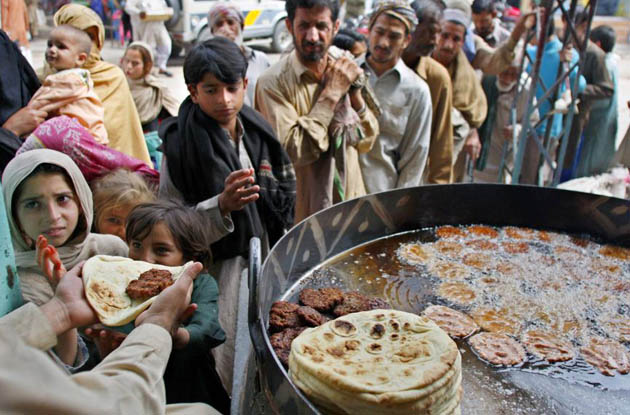

Dawn Editorial
The country is facing severe economic issues, some of which are spiralling out of control. Due to factors as varied as mismanagement, terrorism and the power crisis, the output of the country’s industries has plummeted to an unprecedented low, foreign investment levels are dismal and workers are being laid off in large numbers.
The agricultural sector is in no better shape. It is suffering from the effects of long-term governmental mismanagement, outdated technology and global climate change. The ranks of the newly poor are swelling while inflation is rampant. Even the prices of daily essentials are on the increase while shortages are endemic. The country’s health, education and poverty alleviation systems are in a shambles. These are the grim realities of life in Pakistan today.
It is shocking, therefore, that the Punjab government has sanctioned the purchase of a Rs25m bulletproof Mercedes Benz for the use of the provincial governor, Salman Taseer. This is money, incidentally, that the government apparently does not have. Reportedly, the sum is to be drawn in advance through a supplementary grant before the close of the financial year as a special case by relaxing the rules. What is the pressing need for such a purchase when the federal and provincial governments have announced austerity measures that apply to all kinds of official expenditure from the presidency downwards?
Even if a case were to be made for the governor’s need for security, bulletproof vehicles — albeit older models — are already available. This extravagance amounts to rubbing salt into the wounds of the country’s population, wounds that the policies of the ruling elites have inflicted over the decades. Such an obscene display of wealth underscores the disparity between the rich and the poor and tips the balance towards anarchy and rebellion. Pakistan, which is fighting an insurgency in its north-western parts, simply cannot afford this crass profligacy.
US increases 'high-level contacts' with Islamabad

Washington: As the trail of the failed Times Square bombing leads to Pakistan, the US has increased the frequency of "high-level contacts" with Islamabad and is "pushing all buttons" to figure out the connection between the plot and the suspect's recent visit to the country.
US Ambassador to Pakistan Anne Patterson met the top Pakistani leadership for the second day in succession. She met Prime Minister Yousuf Raza Gilani and Foreign Minister Shah Mahmood Qureshi.
"She is updating Pakistani officials on certain things that we've learned in the investigation. We continue, you know, to work through this together," Assistant Secretary of State for Public Affairs PJ Crowley, told reporters.
Reluctant to share details of the meeting Patterson had with top Pakistani leadership, Crowley said the US is providing all information that could be useful to Pakistan in taking necessary steps in taking the investigation to a logical conclusion.
"We are informing Pakistan of what we are learning in this investigation, and then there are steps that Pakistan can take," Crowley said, adding that one of the reasons that the US is talking to high-level officials is to operationalise this mutual commitment of cooperation and support.
"I expect that we'll have these high-level contacts and meetings almost every day for the foreseeable future as we work through this investigation. So in certain cases we might ask Pakistan to take certain steps. I'm not sure we're at that point yet," Crowley said.
He said the investigator were "pushing all buttons" to understand what happens in Pakistan and how that was related to the actions taken by terror suspect Faisal Shahzad.
"I can't say at this point that there's any information that Pakistan has identified, at this point, that is useful to our investigation," he said.
He said the US is trying to trace Shahzad's actions and movements during his recent visit to Pakistan. "... who did he meet, and what are the implications of those actions".
"As this investigation goes forward, as we're able to understand, what kind of support might have been given to this individual, at that point, if we find out more along those lines, we'll pass that on to Pakistan. And we would hope that Pakistan will take appropriate action in place," he said.
In response to a question, Crowley appreciated the actions being taken by Pakistan against terrorist organisations over the last couple of years.
Whatever Happened to the Hole in the Ozone Layer?

Three British scientists shocked the world when they revealed on May 16th, 1985 - 25 years ago - that aerosol chemicals, among other factors, had torn a hole in the ozone layer over the South Pole. The ozone layer, which protects life on Earth from damaging solar radiation, became an overnight sensation. And the hole in the ozone layer became the poster-child for mankind's impact on the planet.
Today, the ozone hole - actually a region of thinned ozone, not actually a pure hole - doesn't make headlines like it used to. The size of the hole has stabilized, thanks to decades of aerosol-banning legislation. But, scientists warn, some danger still remains.
First, the good news: Since the 1989 Montreal Protocol banned the use of ozone-depleting chemicals worldwide, the ozone hole has stopped growing. Additionally, the ozone layer is blocking more cancer-causing radiation than any time in a decade because its average thickness has increased, according to a 2006 United Nations report. Atmospheric levels of ozone-depleting chemicals have reached their lowest levels since peaking in the 1990s, and the hole has begun to shrink.
Now the bad news: The ozone layer has also thinned over the North Pole. This thinning is predicted to continue for the next 15 years due to weather-related phenomena that scientists still cannot fully explain, according to the same UN report . And, repairing the ozone hole over the South Pole will take longer than previously expected, and won't finish until between 2060 and 2075. Scientists now understand that the size of the ozone hole varies dramatically from year to year, which complicates attempts to accurately predict the hole's future size.
Interestingly, recent studies have shown that the size of the ozone hole affects the global temperature. Closing the ozone hole actually speeds up the melting of the polar ice caps, according to a 2009 study from Scientific Committee on Antarctic Research.
So even though environmentally friendly laws have successfully reversed the trend of ozone depletion, the lingering effects of aerosol use, and the link between the ozone hole and global warming, virtually ensure that this problem will persist until the end of the century.
Thursday, May 6, 2010
Forum launched in UK to portray true image of Pakhtuns
At a time when the Pakhtuns are being depicted by the Western media as extremists and terrorists, a group of Pakhtun diaspora in Europe has launched a forum named Peace for Pakhtun Now.
Jan Assakzai, a London-based Pakhtun from Balochistan’s Pishin district, is the founding chairman of the forum in London. Hundreds of Pakhtuns from Khyber Pakhtunkhwa, Balochistan and other Pakhtun-populated areas in the country live in London and rest of UK and many have already joined the organisation.
Having lived in the United Kingdom for the last 11 years, Jan Assakzai was quoted as saying by an online magazine Pakhtun Voice that the primary task of the forum was to portray the Pakhtun as peace-loving nation to the world and pinpoint the government policies that turned the Pakhtun areas into a battlefield for vested interests.
To a question, he said: “It is commonly believed in Europe that Pakhtun areas in Pakistan are supplying more recruits to Al-Qaeda and terrorists to undermine the interest of the Western countries than any part of the world.” But we have to prove this impression wrong by presenting the true picture, he added.
“We are Pakhtuns and are always ready to stand up for Pakhtuns’ rights to have a peaceful coexistence in a democratic Pakistan and that is why we have the right to criticise the anti-Pakhtun policies of the government and establishment,” he stressed.
The initiative of launching the forum for presenting Pakhtuns as peaceful people was taken by a small group of Pakhtuns living in the UK. It plans to arrange a get-together in London from all over Europe from where they would expand to other parts of Europe with a consensus agenda.
To a query, he said that over 1,000 people had sent him emails and every day more people were appreciating the forum. “People are sending me emails from Europe, North America, Middle East and Pakistan for joining the group,” he added.
Jan Assakzai, a London-based Pakhtun from Balochistan’s Pishin district, is the founding chairman of the forum in London. Hundreds of Pakhtuns from Khyber Pakhtunkhwa, Balochistan and other Pakhtun-populated areas in the country live in London and rest of UK and many have already joined the organisation.
Having lived in the United Kingdom for the last 11 years, Jan Assakzai was quoted as saying by an online magazine Pakhtun Voice that the primary task of the forum was to portray the Pakhtun as peace-loving nation to the world and pinpoint the government policies that turned the Pakhtun areas into a battlefield for vested interests.
To a question, he said: “It is commonly believed in Europe that Pakhtun areas in Pakistan are supplying more recruits to Al-Qaeda and terrorists to undermine the interest of the Western countries than any part of the world.” But we have to prove this impression wrong by presenting the true picture, he added.
“We are Pakhtuns and are always ready to stand up for Pakhtuns’ rights to have a peaceful coexistence in a democratic Pakistan and that is why we have the right to criticise the anti-Pakhtun policies of the government and establishment,” he stressed.
The initiative of launching the forum for presenting Pakhtuns as peaceful people was taken by a small group of Pakhtuns living in the UK. It plans to arrange a get-together in London from all over Europe from where they would expand to other parts of Europe with a consensus agenda.
To a query, he said that over 1,000 people had sent him emails and every day more people were appreciating the forum. “People are sending me emails from Europe, North America, Middle East and Pakistan for joining the group,” he added.
Forum launched in UK to portray true image of Pakhtuns
At a time when the Pakhtuns are being depicted by the Western media as extremists and terrorists, a group of Pakhtun diaspora in Europe has launched a forum named Peace for Pakhtun Now.
Jan Assakzai, a London-based Pakhtun from Balochistan’s Pishin district, is the founding chairman of the forum in London. Hundreds of Pakhtuns from Khyber Pakhtunkhwa, Balochistan and other Pakhtun-populated areas in the country live in London and rest of UK and many have already joined the organisation.
Having lived in the United Kingdom for the last 11 years, Jan Assakzai was quoted as saying by an online magazine Pakhtun Voice that the primary task of the forum was to portray the Pakhtun as peace-loving nation to the world and pinpoint the government policies that turned the Pakhtun areas into a battlefield for vested interests.
To a question, he said: “It is commonly believed in Europe that Pakhtun areas in Pakistan are supplying more recruits to Al-Qaeda and terrorists to undermine the interest of the Western countries than any part of the world.” But we have to prove this impression wrong by presenting the true picture, he added.
“We are Pakhtuns and are always ready to stand up for Pakhtuns’ rights to have a peaceful coexistence in a democratic Pakistan and that is why we have the right to criticise the anti-Pakhtun policies of the government and establishment,” he stressed.
The initiative of launching the forum for presenting Pakhtuns as peaceful people was taken by a small group of Pakhtuns living in the UK. It plans to arrange a get-together in London from all over Europe from where they would expand to other parts of Europe with a consensus agenda.
To a query, he said that over 1,000 people had sent him emails and every day more people were appreciating the forum. “People are sending me emails from Europe, North America, Middle East and Pakistan for joining the group,” he added.
Jan Assakzai, a London-based Pakhtun from Balochistan’s Pishin district, is the founding chairman of the forum in London. Hundreds of Pakhtuns from Khyber Pakhtunkhwa, Balochistan and other Pakhtun-populated areas in the country live in London and rest of UK and many have already joined the organisation.
Having lived in the United Kingdom for the last 11 years, Jan Assakzai was quoted as saying by an online magazine Pakhtun Voice that the primary task of the forum was to portray the Pakhtun as peace-loving nation to the world and pinpoint the government policies that turned the Pakhtun areas into a battlefield for vested interests.
To a question, he said: “It is commonly believed in Europe that Pakhtun areas in Pakistan are supplying more recruits to Al-Qaeda and terrorists to undermine the interest of the Western countries than any part of the world.” But we have to prove this impression wrong by presenting the true picture, he added.
“We are Pakhtuns and are always ready to stand up for Pakhtuns’ rights to have a peaceful coexistence in a democratic Pakistan and that is why we have the right to criticise the anti-Pakhtun policies of the government and establishment,” he stressed.
The initiative of launching the forum for presenting Pakhtuns as peaceful people was taken by a small group of Pakhtuns living in the UK. It plans to arrange a get-together in London from all over Europe from where they would expand to other parts of Europe with a consensus agenda.
To a query, he said that over 1,000 people had sent him emails and every day more people were appreciating the forum. “People are sending me emails from Europe, North America, Middle East and Pakistan for joining the group,” he added.
Pakistani terrorist Faisal, an embarrassment for Pakistani-Americans
SILVER SPRING, Maryland: Across from a counter serving up heaping plates of kabobs and curries, Zahid Hussain scrolled through his phone for messages from fellow Pakistani-Americans. The topic was hardly a surprise.
“Pakistanis are afraid. When they see on television, 'Pakistani terrorist in Times Square,' they just want to hide their face,” Hussain said at a brightly lit Pakistani restaurant in suburban Washington.
Hussain, who publishes a local Urdu-language newspaper, said he spoke with his school-age children after hearing that a Pakistani-American, Faisal Shahzad, was arrested in Saturday's plot to sow destruction in one of New York's busiest intersections.
Hussain immigrated to the United States in 2003 and said his children had once even asked if they could change their names due to the image of their homeland in the wake of the September 11, 2001 attacks.
But for many Pakistani-Americans, the bomb plot instilled not so much fear but embarrassment. The community has been proud of its prosperity in this nation of immigrants and has come under far less scrutiny than Pakistani British.
“Back in the 1960s, Pakistanis were always held in great esteem. They were seen as making very valuable contributions to America. That deteriorated after September 11,” commented Arshad Qureshi, a 70-year-old actuary after saying his evening prayers at a neatly manicured Maryland mosque.
Qureshi refused to criticise Americans who voice suspicions about Pakistan.
“If you go to the root causes, I would blame ourselves,” he said.
Ashraf Qazi, chairman of the Council on Pakistan Relations, an advocacy group for Pakistani-Americans, believed that Americans understood that only a few terrorism suspects have emerged from a community estimated at more than half a million.
“I don't think the public in general believes in guilt by association,” Qazi said by telephone from Michigan, where he runs a health care company.
“You're really at a loss for words when you look at this situation,” he said. “I think this also shows the need for us to be more vigilant.”
Shahzad, who became a US citizen a little over a year ago, had achieved undergraduate and business degrees in the United States and married a fellow Pakistani-American.
But the 30-year-old was also saddled with debt and his home reportedly went into foreclosure as the US economy entered a tailspin over the housing debt bubble.
Shahzad was not the first Pakistani-American to come under the scanner of US authorities. But there has been significantly less attention to extremism among Pakistani-Americans than among the much larger community of Pakistani British.
In 2005, home-grown extremists bombed three underground trains and a bus in London, killing 52 people.
While some Americans say the US model does a better job at integration, Pakistani immigration to the United States and Britain has followed different patterns.
Pakistani immigrants to the United States are more recent and more dispersed. Unlike in Britain, the United States has few monolithically Pakistani neighbourhoods except arguably for a few small areas in New York, Chicago and Houston.
“There isn't the ghettoisation, where you have this concentration of angry people that just amplifies everyone else's anger,” said Adil Najam, a professor at Boston University who is researching the Pakistani diaspora.
Najam found that Pakistani-Americans are also generally prosperous. While the community ranges from business executives and doctors to cab drivers and gas station attendants, fewer Pakistani-Americans are jobless altogether.
Najam said this was the work of US visa laws which required immigrants to be employable. Many Pakistanis went to Britain after being granted asylum, allowing entire village communities to transplant their social structures.
But Najam warned of risks for younger Pakistani-Americans, saying that in Britain it was not the original immigrants but their descendants who suffered the most acute alienation.
“What I worry about is that you have a generation of Muslims, and not just Pakistanis, who because of September 11 could be developing these feelings that their society is not really theirs,” Najam said.
“If we allow them to be alienated, it would not be good for anyone.”
“Pakistanis are afraid. When they see on television, 'Pakistani terrorist in Times Square,' they just want to hide their face,” Hussain said at a brightly lit Pakistani restaurant in suburban Washington.
Hussain, who publishes a local Urdu-language newspaper, said he spoke with his school-age children after hearing that a Pakistani-American, Faisal Shahzad, was arrested in Saturday's plot to sow destruction in one of New York's busiest intersections.
Hussain immigrated to the United States in 2003 and said his children had once even asked if they could change their names due to the image of their homeland in the wake of the September 11, 2001 attacks.
But for many Pakistani-Americans, the bomb plot instilled not so much fear but embarrassment. The community has been proud of its prosperity in this nation of immigrants and has come under far less scrutiny than Pakistani British.
“Back in the 1960s, Pakistanis were always held in great esteem. They were seen as making very valuable contributions to America. That deteriorated after September 11,” commented Arshad Qureshi, a 70-year-old actuary after saying his evening prayers at a neatly manicured Maryland mosque.
Qureshi refused to criticise Americans who voice suspicions about Pakistan.
“If you go to the root causes, I would blame ourselves,” he said.
Ashraf Qazi, chairman of the Council on Pakistan Relations, an advocacy group for Pakistani-Americans, believed that Americans understood that only a few terrorism suspects have emerged from a community estimated at more than half a million.
“I don't think the public in general believes in guilt by association,” Qazi said by telephone from Michigan, where he runs a health care company.
“You're really at a loss for words when you look at this situation,” he said. “I think this also shows the need for us to be more vigilant.”
Shahzad, who became a US citizen a little over a year ago, had achieved undergraduate and business degrees in the United States and married a fellow Pakistani-American.
But the 30-year-old was also saddled with debt and his home reportedly went into foreclosure as the US economy entered a tailspin over the housing debt bubble.
Shahzad was not the first Pakistani-American to come under the scanner of US authorities. But there has been significantly less attention to extremism among Pakistani-Americans than among the much larger community of Pakistani British.
In 2005, home-grown extremists bombed three underground trains and a bus in London, killing 52 people.
While some Americans say the US model does a better job at integration, Pakistani immigration to the United States and Britain has followed different patterns.
Pakistani immigrants to the United States are more recent and more dispersed. Unlike in Britain, the United States has few monolithically Pakistani neighbourhoods except arguably for a few small areas in New York, Chicago and Houston.
“There isn't the ghettoisation, where you have this concentration of angry people that just amplifies everyone else's anger,” said Adil Najam, a professor at Boston University who is researching the Pakistani diaspora.
Najam found that Pakistani-Americans are also generally prosperous. While the community ranges from business executives and doctors to cab drivers and gas station attendants, fewer Pakistani-Americans are jobless altogether.
Najam said this was the work of US visa laws which required immigrants to be employable. Many Pakistanis went to Britain after being granted asylum, allowing entire village communities to transplant their social structures.
But Najam warned of risks for younger Pakistani-Americans, saying that in Britain it was not the original immigrants but their descendants who suffered the most acute alienation.
“What I worry about is that you have a generation of Muslims, and not just Pakistanis, who because of September 11 could be developing these feelings that their society is not really theirs,” Najam said.
“If we allow them to be alienated, it would not be good for anyone.”
Pakistani politicians shelter militants
By KATHY GANNON,
Associated Press
JHANG, Pakistan – It's a troubling trend in Pakistan's biggest and richest province of Punjab: Leaders there are tolerating and in some cases promoting some of the country's most violent Islamist militant groups.
Provincial officials have ignored repeated calls to crack down on militant groups with a strong presence here, with one senior minister campaigning publicly with members of an extremist group that calls for Shiite Muslims to be killed.
Some of the militant groups are allied with the northwest-based Pakistani Taliban, which claimed responsibility for a failed car bombing in New York City last week. A group based in Punjab, Jaish-e-Mohammed, also has been implicated as having possible links to one of the people detained in Pakistan in connection with the bombing attempt.
The head of the Punjab government, Shahbaz Sharif, even asked militants not to attack his province — because he was not following the dictates of the United States to fight them — much to the dismay of the central Pakistani government.
"It makes the Punjab a de facto sanctuary for the militants and extremists that the Pakistan army is fighting in the frontier and in the tribal areas," said Aida Hussain, a former ambassador to the United States and prominent Shiite leader. "In fact this is an undermining of the armed forces of Pakistan and it is an undermining of constitutional governance."
Critics believe the policy of tolerance is a shortsighted bid by Sharif and his brother, former Prime Minister Nawaz Sharif, for political support in the predominantly Sunni province, which accounts for nearly 60 percent of Pakistan's 175 million people and much of the country's wealth.
Punjabi militants have won over fellow followers of the Deobandi sect of Islam with their radical religious interpretations and outspoken assaults on minority Shiites. This translates into votes that leaders of radical groups can bring to local politicians on both the right and the left.
"It's all about political expediency rather than outright support for these groups," said Moeed Yusuf of the United States Institute of Peace. He said the policy was risky because it sends the wrong signal to Pakistanis who have rallied behind the military in its assault on extremists in the Afghan border areas.
Signs of a militant Islamist presence are everywhere in this region.
In the blisteringly hot central Punjab town of Jhang, the outlawed Sipah-e-Sahaba Pakistan, or Guardians of the Friends of the Prophet, has been emboldened by conciliatory signals from local authorities. After being courted for votes last March, the group ripped off yellow government seals and reopened its offices.
Their distinctive green, black and white striped flags fly defiantly atop homes and mosques. The maze of narrow streets in Jhang is littered with graffiti in support of the SSP, even though then-President Pervez Musharraf banned the organization in 2002.
The group's supporters rant against Shiites, whom they revile as heretics, demand the release of some of the country's most wanted terrorists and give sermons urging the faithful to attack their enemies.
Just a few miles (kilometers) from the Punjab provincial capital of Lahore is the headquarters of Lashkar-e-Taiba, which is banned in Pakistan, India, the United States and other countries but is now under provincial government protection. India blames Lashkar-e-Taiba for the deadly 2008 attacks in Mumbai and routinely harangues Pakistan for allowing its leader, Hafiz Saeed, to remain free. Pakistani authorities point to its courts, which have repeatedly said there is not enough evidence to hold him.
And in the southern Punjab city of Bawahalpur is the headquarters of Jaish-e-Mohammed, the group possibly linked to a suspect in the Times Square bombing case. The group's leader, Masood Azhar, was among three militants freed by India in 1999 in exchange for the release of passengers aboard a hijacked Indian Airlines plane to Kandahar, Afghanistan.
"Until the (Pakistani) leadership understands the real nature of these groups, and embraces the fact that none of them can possibly remain biddable tools over the long term, Pakistan leaves itself open to being repeatedly stung," said Arthur Keller, an ex-CIA case officer in Pakistan.
Minister Rana Sanaullah Khan, who is in charge of enforcing the law in Punjab province, defended his decision to campaign alongside members of the Sipah-e-Sahaba group in March. The minister said the organization represents thousands of votes and cannot be ignored.
"I think all these fears and speculation are confused in the mind of the people...mostly outsiders," he said.
He said groups like Jaish-e-Mohammed and Lashkar-e-Taiba were not taking part in the war against the Taliban in the northwest, but only resisting Indian control of the disputed Himalayan region of Kashmir. And he said the Punjab government was hoping to moderate such groups.
"If they change their direction, become more progressive, that is good," he said.
Critics believe the Punjabi government is pursuing a dangerous course because militant Islamist groups are increasingly entwined.
"You promote one organization and indirectly you promote all of them," Sheikh Waqqas Akram, a parliamentarian from Jhang, told The Associated Press.
"The dynamics have changed in Pakistan. These organizations are interlinked, organized. They have the vehicles and the weapons to carry out terrorist activities in Pakistan and Afghanistan," Akram said. "If they are not the suicide bombers, they are the ones providing the (explosives) jackets. If they are not providing the jackets, then they are providing the houses. And if they are not providing the houses, then they are providing the food."
In an interview with the AP, the director-general of Sipah-e-Sahaba, Hamid Hussain Dehlo, denied working with other militant organizations, insisting his group's only agenda "is to fight against Shiite Muslims who are the worst kafirs in the whole universe," referring to Shiites by the Arab word for "nonbeliever."
Despite Dehlo's claim, there is evidence of links to other militant groups. A spinoff group, Lashkar-e-Jhangvi, was believed to be involved in the 2002 kidnap-murder of American journalist Daniel Pearl, and in the March 17, 2002 attack on the International Protestant Church in Islamabad during which five people, including an American mother and her daughter, were killed.
U.S. and Pakistani intelligence officials believe Lashkar-e-Jhangvi has ties to the Pakistan Taliban, as well as al-Qaida.
Associated Press
JHANG, Pakistan – It's a troubling trend in Pakistan's biggest and richest province of Punjab: Leaders there are tolerating and in some cases promoting some of the country's most violent Islamist militant groups.
Provincial officials have ignored repeated calls to crack down on militant groups with a strong presence here, with one senior minister campaigning publicly with members of an extremist group that calls for Shiite Muslims to be killed.
Some of the militant groups are allied with the northwest-based Pakistani Taliban, which claimed responsibility for a failed car bombing in New York City last week. A group based in Punjab, Jaish-e-Mohammed, also has been implicated as having possible links to one of the people detained in Pakistan in connection with the bombing attempt.
The head of the Punjab government, Shahbaz Sharif, even asked militants not to attack his province — because he was not following the dictates of the United States to fight them — much to the dismay of the central Pakistani government.
"It makes the Punjab a de facto sanctuary for the militants and extremists that the Pakistan army is fighting in the frontier and in the tribal areas," said Aida Hussain, a former ambassador to the United States and prominent Shiite leader. "In fact this is an undermining of the armed forces of Pakistan and it is an undermining of constitutional governance."
Critics believe the policy of tolerance is a shortsighted bid by Sharif and his brother, former Prime Minister Nawaz Sharif, for political support in the predominantly Sunni province, which accounts for nearly 60 percent of Pakistan's 175 million people and much of the country's wealth.
Punjabi militants have won over fellow followers of the Deobandi sect of Islam with their radical religious interpretations and outspoken assaults on minority Shiites. This translates into votes that leaders of radical groups can bring to local politicians on both the right and the left.
"It's all about political expediency rather than outright support for these groups," said Moeed Yusuf of the United States Institute of Peace. He said the policy was risky because it sends the wrong signal to Pakistanis who have rallied behind the military in its assault on extremists in the Afghan border areas.
Signs of a militant Islamist presence are everywhere in this region.
In the blisteringly hot central Punjab town of Jhang, the outlawed Sipah-e-Sahaba Pakistan, or Guardians of the Friends of the Prophet, has been emboldened by conciliatory signals from local authorities. After being courted for votes last March, the group ripped off yellow government seals and reopened its offices.
Their distinctive green, black and white striped flags fly defiantly atop homes and mosques. The maze of narrow streets in Jhang is littered with graffiti in support of the SSP, even though then-President Pervez Musharraf banned the organization in 2002.
The group's supporters rant against Shiites, whom they revile as heretics, demand the release of some of the country's most wanted terrorists and give sermons urging the faithful to attack their enemies.
Just a few miles (kilometers) from the Punjab provincial capital of Lahore is the headquarters of Lashkar-e-Taiba, which is banned in Pakistan, India, the United States and other countries but is now under provincial government protection. India blames Lashkar-e-Taiba for the deadly 2008 attacks in Mumbai and routinely harangues Pakistan for allowing its leader, Hafiz Saeed, to remain free. Pakistani authorities point to its courts, which have repeatedly said there is not enough evidence to hold him.
And in the southern Punjab city of Bawahalpur is the headquarters of Jaish-e-Mohammed, the group possibly linked to a suspect in the Times Square bombing case. The group's leader, Masood Azhar, was among three militants freed by India in 1999 in exchange for the release of passengers aboard a hijacked Indian Airlines plane to Kandahar, Afghanistan.
"Until the (Pakistani) leadership understands the real nature of these groups, and embraces the fact that none of them can possibly remain biddable tools over the long term, Pakistan leaves itself open to being repeatedly stung," said Arthur Keller, an ex-CIA case officer in Pakistan.
Minister Rana Sanaullah Khan, who is in charge of enforcing the law in Punjab province, defended his decision to campaign alongside members of the Sipah-e-Sahaba group in March. The minister said the organization represents thousands of votes and cannot be ignored.
"I think all these fears and speculation are confused in the mind of the people...mostly outsiders," he said.
He said groups like Jaish-e-Mohammed and Lashkar-e-Taiba were not taking part in the war against the Taliban in the northwest, but only resisting Indian control of the disputed Himalayan region of Kashmir. And he said the Punjab government was hoping to moderate such groups.
"If they change their direction, become more progressive, that is good," he said.
Critics believe the Punjabi government is pursuing a dangerous course because militant Islamist groups are increasingly entwined.
"You promote one organization and indirectly you promote all of them," Sheikh Waqqas Akram, a parliamentarian from Jhang, told The Associated Press.
"The dynamics have changed in Pakistan. These organizations are interlinked, organized. They have the vehicles and the weapons to carry out terrorist activities in Pakistan and Afghanistan," Akram said. "If they are not the suicide bombers, they are the ones providing the (explosives) jackets. If they are not providing the jackets, then they are providing the houses. And if they are not providing the houses, then they are providing the food."
In an interview with the AP, the director-general of Sipah-e-Sahaba, Hamid Hussain Dehlo, denied working with other militant organizations, insisting his group's only agenda "is to fight against Shiite Muslims who are the worst kafirs in the whole universe," referring to Shiites by the Arab word for "nonbeliever."
Despite Dehlo's claim, there is evidence of links to other militant groups. A spinoff group, Lashkar-e-Jhangvi, was believed to be involved in the 2002 kidnap-murder of American journalist Daniel Pearl, and in the March 17, 2002 attack on the International Protestant Church in Islamabad during which five people, including an American mother and her daughter, were killed.
U.S. and Pakistani intelligence officials believe Lashkar-e-Jhangvi has ties to the Pakistan Taliban, as well as al-Qaida.
Wednesday, May 5, 2010
Why Pakistan Produces Jihadists
wsj.com
Monday night's arrest of Faisal Shahzad, a 30-year-old Pakistani-American accused of planting a car bomb in Times Square on Saturday, will undoubtedly stoke the usual debate about how best to keep America safe in the age of Islamic terrorism. But this should not deflect us from another, equally pressing, question. Why do Pakistan and the Pakistani diaspora churn out such a high proportion of the world's terrorists?
Indonesia has more Muslims than Pakistan. Turkey is geographically closer to the troubles of the Middle East. The governments of Iran and Syria are immeasurably more hostile to America and the West. Yet it is Pakistan, or its diaspora, that produced the CIA shooter Mir Aimal Kasi; the 1993 World Trade Center bomber Ramzi Yousef (born in Kuwait to Pakistani parents); 9/11 mastermind Khalid Sheikh Mohammed; Wall Street Journal reporter Daniel Pearl's kidnapper, Omar Saeed Sheikh; and three of the four men behind the July 2005 train and bus bombings in London.
The list of jihadists not from Pakistan themselves—but whose passage to jihadism passes through that country—is even longer. Among them are Osama bin Laden and Ayman al-Zawahiri, Mohamed Atta, shoe bomber Richard Reid, and John Walker Lindh, the so-called American Taliban. Over the past decade, Pakistani fingerprints have shown up on terrorist plots in, among other places, Germany, Denmark, Spain and the Netherlands. And this partial catalogue doesn't include India, which tends to bear the brunt of its western neighbor's love affair with violence.
In attempting to explain why so many attacks—abortive and successful—can be traced back to a single country, analysts tend to dwell on the 1980s, when Pakistan acted as a staging ground for the successful American and Saudi-funded jihad against the Soviet Union in Afghanistan. But while the anti-Soviet campaign undoubtedly accelerated Pakistan's emergence as a jihadist haven, to truly understand the country it's important to go back further, to its creation.
Pakistan was carved out of the Muslim-majority areas of British India in 1947, the world's first modern nation based solely on Islam. The country's name means "Land of the Pure." The capital city is Islamabad. The national flag carries the Islamic crescent and star. The cricket team wears green.
From the start, the new country was touched by the messianic zeal of pan-Islamism. The Quranic scholar Muhammad Asad—an Austrian Jew born Leopold Weiss—became an early Pakistani ambassador to the United Nations. The Egyptian Said Ramadan, son-in-law of Muslim Brotherhood founder Hassan al-Banna, made Pakistan a second home of sorts and collaborated with Pakistan's leading Islamist ideologue, the Jamaat-e-Islami's Abul Ala Maududi. In 1949, Pakistan established the world's first transnational Islamic organization, the World Muslim Congress. Mohammad Amin al-Husayni, the virulently anti-Semitic grand mufti of Jerusalem, was appointed president.
Through alternating periods of civilian and military rule, one thing about Pakistan has remained constant—the central place of Islam in national life. In the 1960s, Pakistan launched a war against India in an attempt to seize control of Kashmir, the country's only Muslim-majority province, one that most Pakistanis believe ought to be theirs by right.
In the 1970s the Pakistani army carried out what Bangladeshis call a genocide in Bangladesh; non-Muslims suffered disproportionately. Prime Minister Zulfikar Ali Bhutto boasted about creating an "Islamic bomb." (The father of Pakistan's nuclear program, A.Q. Khan, would later export nuclear technology to the revolutionary regime in Iran.) In the 1980s Pakistan welcomed Osama bin Laden, Ayman al-Zawahiri and the Palestinian theorist of global jihad Abdullah Azzam.
In the 1990s, armed with expertise and confidence gained fighting the Soviets, the army's notorious Inter-Services Intelligence (ISI) spawned the Taliban to take over Afghanistan, and a plethora of terrorist groups to challenge India in Kashmir. Even after 9/11, and despite about $18 billion of American aid, Pakistan has found it hard to reform its instincts.
Pakistan's history of pan-Islamism does not mean that all Pakistanis, much less everyone of Pakistani origin, hold extremist views. But it does explain why a larger percentage of Pakistanis than, say, Indonesians or Tunisians, are likely to see the world through the narrow prism of their faith. The ISI's reluctance to dismantle the infrastructure of terrorism—training camps, a web of ultra-orthodox madrassas that preach violence, and terrorist groups such as the Lashkar-e-Taiba—ensure that Pakistan remains a magnet for any Muslim with a grudge against the world and the urge to do something violent about it.
If Pakistan is to be reformed, then the goal must be to replace its political and cultural DNA. Pan-Islamism has to give way to old-fashioned nationalism. An expansionist foreign policy needs to be canned in favor of development for the impoverished masses. The grip of the army, and by extension the ISI, over national life will have to be weakened. The encouragement of local languages and cultures such as Punjabi and Sindhi can help create a broader identity, one not in conflict with the West. School curricula ought to be overhauled to inculcate a respect for non-Muslims.
Needless to say, this will be a long haul. But it's the only way to ensure that the next time someone is accused of trying to blow up a car in a crowded place far away from home, the odds aren't that he'll somehow have a Pakistan connection.
Mr. Dhume, the author of "My Friend the Fanatic: Travels with a Radical Islamist" (Skyhorse Publishing, 2009), is a columnist for WSJ.com.
Monday night's arrest of Faisal Shahzad, a 30-year-old Pakistani-American accused of planting a car bomb in Times Square on Saturday, will undoubtedly stoke the usual debate about how best to keep America safe in the age of Islamic terrorism. But this should not deflect us from another, equally pressing, question. Why do Pakistan and the Pakistani diaspora churn out such a high proportion of the world's terrorists?
Indonesia has more Muslims than Pakistan. Turkey is geographically closer to the troubles of the Middle East. The governments of Iran and Syria are immeasurably more hostile to America and the West. Yet it is Pakistan, or its diaspora, that produced the CIA shooter Mir Aimal Kasi; the 1993 World Trade Center bomber Ramzi Yousef (born in Kuwait to Pakistani parents); 9/11 mastermind Khalid Sheikh Mohammed; Wall Street Journal reporter Daniel Pearl's kidnapper, Omar Saeed Sheikh; and three of the four men behind the July 2005 train and bus bombings in London.
The list of jihadists not from Pakistan themselves—but whose passage to jihadism passes through that country—is even longer. Among them are Osama bin Laden and Ayman al-Zawahiri, Mohamed Atta, shoe bomber Richard Reid, and John Walker Lindh, the so-called American Taliban. Over the past decade, Pakistani fingerprints have shown up on terrorist plots in, among other places, Germany, Denmark, Spain and the Netherlands. And this partial catalogue doesn't include India, which tends to bear the brunt of its western neighbor's love affair with violence.
In attempting to explain why so many attacks—abortive and successful—can be traced back to a single country, analysts tend to dwell on the 1980s, when Pakistan acted as a staging ground for the successful American and Saudi-funded jihad against the Soviet Union in Afghanistan. But while the anti-Soviet campaign undoubtedly accelerated Pakistan's emergence as a jihadist haven, to truly understand the country it's important to go back further, to its creation.
Pakistan was carved out of the Muslim-majority areas of British India in 1947, the world's first modern nation based solely on Islam. The country's name means "Land of the Pure." The capital city is Islamabad. The national flag carries the Islamic crescent and star. The cricket team wears green.
From the start, the new country was touched by the messianic zeal of pan-Islamism. The Quranic scholar Muhammad Asad—an Austrian Jew born Leopold Weiss—became an early Pakistani ambassador to the United Nations. The Egyptian Said Ramadan, son-in-law of Muslim Brotherhood founder Hassan al-Banna, made Pakistan a second home of sorts and collaborated with Pakistan's leading Islamist ideologue, the Jamaat-e-Islami's Abul Ala Maududi. In 1949, Pakistan established the world's first transnational Islamic organization, the World Muslim Congress. Mohammad Amin al-Husayni, the virulently anti-Semitic grand mufti of Jerusalem, was appointed president.
Through alternating periods of civilian and military rule, one thing about Pakistan has remained constant—the central place of Islam in national life. In the 1960s, Pakistan launched a war against India in an attempt to seize control of Kashmir, the country's only Muslim-majority province, one that most Pakistanis believe ought to be theirs by right.
In the 1970s the Pakistani army carried out what Bangladeshis call a genocide in Bangladesh; non-Muslims suffered disproportionately. Prime Minister Zulfikar Ali Bhutto boasted about creating an "Islamic bomb." (The father of Pakistan's nuclear program, A.Q. Khan, would later export nuclear technology to the revolutionary regime in Iran.) In the 1980s Pakistan welcomed Osama bin Laden, Ayman al-Zawahiri and the Palestinian theorist of global jihad Abdullah Azzam.
In the 1990s, armed with expertise and confidence gained fighting the Soviets, the army's notorious Inter-Services Intelligence (ISI) spawned the Taliban to take over Afghanistan, and a plethora of terrorist groups to challenge India in Kashmir. Even after 9/11, and despite about $18 billion of American aid, Pakistan has found it hard to reform its instincts.
Pakistan's history of pan-Islamism does not mean that all Pakistanis, much less everyone of Pakistani origin, hold extremist views. But it does explain why a larger percentage of Pakistanis than, say, Indonesians or Tunisians, are likely to see the world through the narrow prism of their faith. The ISI's reluctance to dismantle the infrastructure of terrorism—training camps, a web of ultra-orthodox madrassas that preach violence, and terrorist groups such as the Lashkar-e-Taiba—ensure that Pakistan remains a magnet for any Muslim with a grudge against the world and the urge to do something violent about it.
If Pakistan is to be reformed, then the goal must be to replace its political and cultural DNA. Pan-Islamism has to give way to old-fashioned nationalism. An expansionist foreign policy needs to be canned in favor of development for the impoverished masses. The grip of the army, and by extension the ISI, over national life will have to be weakened. The encouragement of local languages and cultures such as Punjabi and Sindhi can help create a broader identity, one not in conflict with the West. School curricula ought to be overhauled to inculcate a respect for non-Muslims.
Needless to say, this will be a long haul. But it's the only way to ensure that the next time someone is accused of trying to blow up a car in a crowded place far away from home, the odds aren't that he'll somehow have a Pakistan connection.
Mr. Dhume, the author of "My Friend the Fanatic: Travels with a Radical Islamist" (Skyhorse Publishing, 2009), is a columnist for WSJ.com.
Questions surface over Times Square investigation
cnn.com
Questions remained in the days following the dramatic arrest of the Times Square bombing suspect, who was captured only minutes before his plane was due to take off for Dubai in the United Arab Emirates.
Faisal Shahzad was able to board Emirates Flight 202 late Monday despite being put on a no-fly list earlier in the day, but at the time of his ticket purchase, the airline had not refreshed its information so his name did not raise any red flags, a senior counterterrorism official said.
Authorities had tailed Shahzad throughout the day, but lost him before he arrived at New York's John F. Kennedy International Airport, where he was ultimately arrested, the official said.However, an FBI official responded that surveillance operations are designed with redundancies in place, and that agents had to avoid tipping off Shahzad that he was being followed.
At a Tuesday news conference, U.S. Attorney General Eric Holder defended surveillance efforts.
"I was here all yesterday and through much of last night and was aware of the tracking that was going on, and I was never in any fear that we were in danger of losing him," Holder said.Rep. Charles Rangel, D-New York, noted that, along with a Nigerian man who tried to bring down a Northwest Airlines flight on Christmas Day, this is the second high-profile incident in recent memory where someone on the U.S. no-fly list has managed to board a plane."Whatever went wrong, I hope they get their acts together and correct it," Rangel said. "The good thing about this is that nobody was hurt in either case, but ... someone ought to come up with the answer and see that it doesn't happen again."Shahzad was arrested shortly before midnight Monday at JFK airport after U.S. Customs and Border Protection, which reviews all flight manifests, caught his name when the airline sent the agency its passenger list, according to the counterterrorism official.The terror plot may dominate discussions Wednesday as New York Mayor Michael Bloomberg travels to Washington for a previously scheduled Senate Homeland Security and Governmental Affairs Committee hearing on terrorism.Sen. Susan Collins, a Republican from Maine and ranking member of the committee, has already expressed concerns.
"A key question for me is why this suspect was allowed to board the plane in the first place," Collins said, according to the New York Times. "There appears to be a troubling gap between the time they had his name and the time he got on the plane."
Rep. Pete Hoekstra, ranking member of the House Intelligence Committee, told CNN that U.S. intelligence efforts have to be better.
"Being lucky can't be our national security strategy," Hoekstra said. "We were lucky on Christmas Day. We were lucky last week."
Questions remained in the days following the dramatic arrest of the Times Square bombing suspect, who was captured only minutes before his plane was due to take off for Dubai in the United Arab Emirates.
Faisal Shahzad was able to board Emirates Flight 202 late Monday despite being put on a no-fly list earlier in the day, but at the time of his ticket purchase, the airline had not refreshed its information so his name did not raise any red flags, a senior counterterrorism official said.
Authorities had tailed Shahzad throughout the day, but lost him before he arrived at New York's John F. Kennedy International Airport, where he was ultimately arrested, the official said.However, an FBI official responded that surveillance operations are designed with redundancies in place, and that agents had to avoid tipping off Shahzad that he was being followed.
At a Tuesday news conference, U.S. Attorney General Eric Holder defended surveillance efforts.
"I was here all yesterday and through much of last night and was aware of the tracking that was going on, and I was never in any fear that we were in danger of losing him," Holder said.Rep. Charles Rangel, D-New York, noted that, along with a Nigerian man who tried to bring down a Northwest Airlines flight on Christmas Day, this is the second high-profile incident in recent memory where someone on the U.S. no-fly list has managed to board a plane."Whatever went wrong, I hope they get their acts together and correct it," Rangel said. "The good thing about this is that nobody was hurt in either case, but ... someone ought to come up with the answer and see that it doesn't happen again."Shahzad was arrested shortly before midnight Monday at JFK airport after U.S. Customs and Border Protection, which reviews all flight manifests, caught his name when the airline sent the agency its passenger list, according to the counterterrorism official.The terror plot may dominate discussions Wednesday as New York Mayor Michael Bloomberg travels to Washington for a previously scheduled Senate Homeland Security and Governmental Affairs Committee hearing on terrorism.Sen. Susan Collins, a Republican from Maine and ranking member of the committee, has already expressed concerns.
"A key question for me is why this suspect was allowed to board the plane in the first place," Collins said, according to the New York Times. "There appears to be a troubling gap between the time they had his name and the time he got on the plane."
Rep. Pete Hoekstra, ranking member of the House Intelligence Committee, told CNN that U.S. intelligence efforts have to be better.
"Being lucky can't be our national security strategy," Hoekstra said. "We were lucky on Christmas Day. We were lucky last week."
Pakistan native admits to Times Square bomb plot
New York Times
A Pakistani-American man arrested in the failed Times Square car bombing has admitted his role in the attempted attack and said he received explosives training in Pakistan, the authorities said Tuesday.
The man, Faisal Shahzad, 30, was arrested as he tried to flee the country in a Dubai-bound jet late Monday. Hours later, there were reports that seven or eight people had been arrested in Pakistan, as officials in both countries sought to determine the origins and scope of the plot.
Mr. Shahzad was charged on Tuesday with several terrorism-related crimes. American intelligence officials said that while any ties Mr. Shahzad had to international terrorist groups remained murky, investigators were strongly looking at possible links to the Pakistani Taliban in the attempted attack on Saturday.
If the role is confirmed, it would be the group’s first effort to attack the United States and the first sign of the group’s ability to strike targets beyond Pakistan or Afghanistan.
The Pakistani Taliban is a different organization from the Taliban groups that the United States is battling in Afghanistan.
Mr. Shahzad’s ability to board an international flight despite being the target of a major terrorism investigation was the result of at least two lapses in the response by the government and the airline, Emirates.
Mr. Shahzad, a naturalized United States citizen from Pakistan who lived in Bridgeport, Conn., was charged with attempted use of a weapon of mass destruction and other federal charges, several related to explosives. He was interrogated without initially being read his Miranda rights under a public safety exception, and he provided what the Federal Bureau of Investigation called “valuable intelligence and evidence.”
He continued talking after being read his rights, the F.B.I. said. The authorities charged him as a civilian, but he did not appear in court and no hearing has been scheduled.
“It is clear that this was a terrorist plot aimed at murdering Americans in one of the busiest places in the country,” Attorney General Eric H. Holder Jr. said at a news conference on Tuesday in Washington.
Mr. Shahzad booked a ticket on his way to Kennedy Airport and bought it with cash when he got there, officials said. He had boarded the plane but was taken off before it taxied away.
Investigators had been trying to find Mr. Shahzad after determining that he was the man who bought a Nissan Pathfinder from a Connecticut woman last month and had parked it just off Broadway on Saturday night packed with gasoline, propane, fertilizer and fireworks. No one was hurt, but officials said the bomb could have been deadly on the crowded streets if it had ignited.
Officials said Mr. Shahzad had been placed on a no-fly list on Monday afternoon, but they declined to explain how he had been allowed to board the plane.
An Isuzu Trooper that Mr. Shahzad had apparently driven to the airport was found in a parking lot. Inside the Trooper, investigators discovered a Kel-Tec 9-millimeter pistol, with a folding stock and a rifle barrel, along with several spare magazines of ammunition, an official said. Fearing the Izuzu might be rigged to explode, officials briefly cordoned off the area around it.
All of the passengers were taken off the plane, and they, their luggage and the Boeing 777 were screened before the flight was allowed to depart, about seven hours late, at 6:29 a.m. Two other men were also interviewed by the authorities but released, according to one law enforcement official.
Mr. Holder said Mr. Shahzad had been providing “useful information” to federal investigators since he was pulled off the plane. Besides saying that he had received training in Pakistan, Mr. Shahzad said he had acted alone, a claim that was still being investigated.
In Pakistan, developments unfolded quickly. Officials identified one of those arrested as Tauhid Ahmed and said he had been in touch with Mr. Shahzad through e-mail and had met him either in the United States or in the Pakistani port city of Karachi.
Another man arrested, Muhammad Rehan, had spent time with Mr. Shahzad during a recent visit there, Pakistani officials said. Mr. Rehan was arrested in Karachi just after morning prayers at a mosque known for its links with the militant group Jaish-e-Muhammad.
Investigators said Mr. Rehan told them that he had rented a pickup truck and driven with Mr. Shahzad to the northwestern city of Peshawar, where they stayed from July 7 to July 22, 2009. The account could not be independently verified. Mr. Shahzad spent four months in Pakistan last year, the authorities said.
Pakistani officials promised to aid the United States “in bringing such culprits to justice,” the Pakistani interior minister, Rehman Malik, said in a telephone interview as he announced the seven or eight arrests.
Mr. Shahzad is believed to be originally from Kashmir and is among a handful of Pakistani-Americans who have recently faced terrorism accusations in the United States or abroad.
The Pakistani Taliban on Sunday released a video taking credit for the Times Square attack, but American officials cautioned on Tuesday that the investigation was still in its early stages, and said it could take days before enough evidence emerged to point to any one group for its role in the plot.
For months, terrorist groups have pledged to exact revenge for the Central Intelligence Agency’s campaign of drone strikes in the Pakistani mountains.
Last year, a C.I.A. drone killed the Pakistani Taliban’s leader, Baitullah Mehsud, and American intelligence officials believe that the group has over the years cultivated close ties to Qaeda leaders. Any ties between Mr. Shahzad and Pakistani militants could add new urgency to American demands that Pakistan root out the web of Al Qaeda and local groups that use the tribal areas to strike at United States troops in Afghanistan and other targets farther abroad.
The United States, which has provided Pakistan with billions of dollars in counterterrorism aid since 2001, has pressed Pakistan to crack down on militants inside its borders, and an American official said Pakistan’s response to this attempted attack would have serious implications for the country’s strategic relationship with the United States.
A detailed 10-page court document outlining the criminal charges describes new details about Mr. Shahzad’s actions in the days leading up to the attempted attack, including how he bought the Nissan Pathfinder that would ultimately help lead investigators to him.
It says that Customs and Border Protection records show that Mr. Shahzad returned from Pakistan on Feb. 3, 2010, after a five-month visit there, flying back on a one-way ticket from Pakistan. He told customs inspectors, the complaint said, that he was visiting his parents.
The complaint, sworn out by Andrew P. Pachtman, an F.B.I. agent assigned to the Joint Terrorism Task Force, says that Mr. Shahzad used a prepaid cellular telephone to contact a Connecticut woman who had placed an online advertisement to sell the vehicle. It described how the phone led investigators to him.
He received four calls from a number in Pakistan hours before he bought the vehicle, the complaint says.
The prepaid cellular phone, according to the complaint, was also used to call a fireworks store in Pennsylvania that sells M-88 firecrackers like those that were used as part of the bomb. The phone was last used on April 28, according to the complaint.
In the Connecticut towns of Shelton and Bridgeport, where Mr. Shahzad had lived, residents described Mr. Shahzad as quiet and unremarkable. One of the last to see him was his landlord, Stanislaw Chomiak.
About three months ago, Mr. Shahzad signed a one-year lease on a second-floor two-bedroom apartment in Bridgeport. Mr. Chomiak usually saw Mr. Shahzad only when the rent was due, but Mr. Chomiak described his tenant as a nice guy who furnished his apartment sparsely and had claimed he made a living selling jewelry in New Haven.
But the evening of the attempted bombing in Times Square, the landlord received a phone call from Mr. Shahzad, who said he was riding the train back from New York City and needed to be let into his apartment because he had lost his keys. Mr. Chomiak lent Mr. Shahzad spare keys, with the two men agreeing to meet up the next day to return them, Mr. Chomiak said.
“He looked nervous, but I thought, of course he’s nervous, he just lost his keys,” Mr. Chomiak, 44, said in an interview at his home, about 15 miles outside of Bridgeport. The men did not end up meeting until about 4 p.m. on Monday, and Mr. Shahzad returned the keys. It was the last time the landlord saw him, and less than eight hours later, Mr. Shahzad was boarding the flight to Dubai.
An official in Pakistan’s Interior Ministry said Mr. Shahzad came to Pakistan in April 2009 and departed on Aug. 5 on an Emirates flight.
At a news conference on Tuesday, Mayor Michael R. Bloomberg called the attempted bombing “an act that was designed to kill innocent civilians and designed to strike fear into the hearts of Americans.”
In March, a Pakistani-American man, David C. Headley, pleaded guilty to helping plan the 2008 terrorist attacks in Mumbai, India. And last December, five young men from Virginia, two of them with Pakistani backgrounds, were arrested in Pakistan on accusations of plotting attacks against targets there and in Afghanistan.
At his news conference, Mr. Bloomberg warned against any backlash against Pakistanis or Muslims in New York, saying, “We will not tolerate any bias.”
A Pakistani-American man arrested in the failed Times Square car bombing has admitted his role in the attempted attack and said he received explosives training in Pakistan, the authorities said Tuesday.
The man, Faisal Shahzad, 30, was arrested as he tried to flee the country in a Dubai-bound jet late Monday. Hours later, there were reports that seven or eight people had been arrested in Pakistan, as officials in both countries sought to determine the origins and scope of the plot.
Mr. Shahzad was charged on Tuesday with several terrorism-related crimes. American intelligence officials said that while any ties Mr. Shahzad had to international terrorist groups remained murky, investigators were strongly looking at possible links to the Pakistani Taliban in the attempted attack on Saturday.
If the role is confirmed, it would be the group’s first effort to attack the United States and the first sign of the group’s ability to strike targets beyond Pakistan or Afghanistan.
The Pakistani Taliban is a different organization from the Taliban groups that the United States is battling in Afghanistan.
Mr. Shahzad’s ability to board an international flight despite being the target of a major terrorism investigation was the result of at least two lapses in the response by the government and the airline, Emirates.
Mr. Shahzad, a naturalized United States citizen from Pakistan who lived in Bridgeport, Conn., was charged with attempted use of a weapon of mass destruction and other federal charges, several related to explosives. He was interrogated without initially being read his Miranda rights under a public safety exception, and he provided what the Federal Bureau of Investigation called “valuable intelligence and evidence.”
He continued talking after being read his rights, the F.B.I. said. The authorities charged him as a civilian, but he did not appear in court and no hearing has been scheduled.
“It is clear that this was a terrorist plot aimed at murdering Americans in one of the busiest places in the country,” Attorney General Eric H. Holder Jr. said at a news conference on Tuesday in Washington.
Mr. Shahzad booked a ticket on his way to Kennedy Airport and bought it with cash when he got there, officials said. He had boarded the plane but was taken off before it taxied away.
Investigators had been trying to find Mr. Shahzad after determining that he was the man who bought a Nissan Pathfinder from a Connecticut woman last month and had parked it just off Broadway on Saturday night packed with gasoline, propane, fertilizer and fireworks. No one was hurt, but officials said the bomb could have been deadly on the crowded streets if it had ignited.
Officials said Mr. Shahzad had been placed on a no-fly list on Monday afternoon, but they declined to explain how he had been allowed to board the plane.
An Isuzu Trooper that Mr. Shahzad had apparently driven to the airport was found in a parking lot. Inside the Trooper, investigators discovered a Kel-Tec 9-millimeter pistol, with a folding stock and a rifle barrel, along with several spare magazines of ammunition, an official said. Fearing the Izuzu might be rigged to explode, officials briefly cordoned off the area around it.
All of the passengers were taken off the plane, and they, their luggage and the Boeing 777 were screened before the flight was allowed to depart, about seven hours late, at 6:29 a.m. Two other men were also interviewed by the authorities but released, according to one law enforcement official.
Mr. Holder said Mr. Shahzad had been providing “useful information” to federal investigators since he was pulled off the plane. Besides saying that he had received training in Pakistan, Mr. Shahzad said he had acted alone, a claim that was still being investigated.
In Pakistan, developments unfolded quickly. Officials identified one of those arrested as Tauhid Ahmed and said he had been in touch with Mr. Shahzad through e-mail and had met him either in the United States or in the Pakistani port city of Karachi.
Another man arrested, Muhammad Rehan, had spent time with Mr. Shahzad during a recent visit there, Pakistani officials said. Mr. Rehan was arrested in Karachi just after morning prayers at a mosque known for its links with the militant group Jaish-e-Muhammad.
Investigators said Mr. Rehan told them that he had rented a pickup truck and driven with Mr. Shahzad to the northwestern city of Peshawar, where they stayed from July 7 to July 22, 2009. The account could not be independently verified. Mr. Shahzad spent four months in Pakistan last year, the authorities said.
Pakistani officials promised to aid the United States “in bringing such culprits to justice,” the Pakistani interior minister, Rehman Malik, said in a telephone interview as he announced the seven or eight arrests.
Mr. Shahzad is believed to be originally from Kashmir and is among a handful of Pakistani-Americans who have recently faced terrorism accusations in the United States or abroad.
The Pakistani Taliban on Sunday released a video taking credit for the Times Square attack, but American officials cautioned on Tuesday that the investigation was still in its early stages, and said it could take days before enough evidence emerged to point to any one group for its role in the plot.
For months, terrorist groups have pledged to exact revenge for the Central Intelligence Agency’s campaign of drone strikes in the Pakistani mountains.
Last year, a C.I.A. drone killed the Pakistani Taliban’s leader, Baitullah Mehsud, and American intelligence officials believe that the group has over the years cultivated close ties to Qaeda leaders. Any ties between Mr. Shahzad and Pakistani militants could add new urgency to American demands that Pakistan root out the web of Al Qaeda and local groups that use the tribal areas to strike at United States troops in Afghanistan and other targets farther abroad.
The United States, which has provided Pakistan with billions of dollars in counterterrorism aid since 2001, has pressed Pakistan to crack down on militants inside its borders, and an American official said Pakistan’s response to this attempted attack would have serious implications for the country’s strategic relationship with the United States.
A detailed 10-page court document outlining the criminal charges describes new details about Mr. Shahzad’s actions in the days leading up to the attempted attack, including how he bought the Nissan Pathfinder that would ultimately help lead investigators to him.
It says that Customs and Border Protection records show that Mr. Shahzad returned from Pakistan on Feb. 3, 2010, after a five-month visit there, flying back on a one-way ticket from Pakistan. He told customs inspectors, the complaint said, that he was visiting his parents.
The complaint, sworn out by Andrew P. Pachtman, an F.B.I. agent assigned to the Joint Terrorism Task Force, says that Mr. Shahzad used a prepaid cellular telephone to contact a Connecticut woman who had placed an online advertisement to sell the vehicle. It described how the phone led investigators to him.
He received four calls from a number in Pakistan hours before he bought the vehicle, the complaint says.
The prepaid cellular phone, according to the complaint, was also used to call a fireworks store in Pennsylvania that sells M-88 firecrackers like those that were used as part of the bomb. The phone was last used on April 28, according to the complaint.
In the Connecticut towns of Shelton and Bridgeport, where Mr. Shahzad had lived, residents described Mr. Shahzad as quiet and unremarkable. One of the last to see him was his landlord, Stanislaw Chomiak.
About three months ago, Mr. Shahzad signed a one-year lease on a second-floor two-bedroom apartment in Bridgeport. Mr. Chomiak usually saw Mr. Shahzad only when the rent was due, but Mr. Chomiak described his tenant as a nice guy who furnished his apartment sparsely and had claimed he made a living selling jewelry in New Haven.
But the evening of the attempted bombing in Times Square, the landlord received a phone call from Mr. Shahzad, who said he was riding the train back from New York City and needed to be let into his apartment because he had lost his keys. Mr. Chomiak lent Mr. Shahzad spare keys, with the two men agreeing to meet up the next day to return them, Mr. Chomiak said.
“He looked nervous, but I thought, of course he’s nervous, he just lost his keys,” Mr. Chomiak, 44, said in an interview at his home, about 15 miles outside of Bridgeport. The men did not end up meeting until about 4 p.m. on Monday, and Mr. Shahzad returned the keys. It was the last time the landlord saw him, and less than eight hours later, Mr. Shahzad was boarding the flight to Dubai.
An official in Pakistan’s Interior Ministry said Mr. Shahzad came to Pakistan in April 2009 and departed on Aug. 5 on an Emirates flight.
At a news conference on Tuesday, Mayor Michael R. Bloomberg called the attempted bombing “an act that was designed to kill innocent civilians and designed to strike fear into the hearts of Americans.”
In March, a Pakistani-American man, David C. Headley, pleaded guilty to helping plan the 2008 terrorist attacks in Mumbai, India. And last December, five young men from Virginia, two of them with Pakistani backgrounds, were arrested in Pakistan on accusations of plotting attacks against targets there and in Afghanistan.
At his news conference, Mr. Bloomberg warned against any backlash against Pakistanis or Muslims in New York, saying, “We will not tolerate any bias.”
Subscribe to:
Posts (Atom)