 While pro-Taliban parties like PTI, PML N and JUI F campaign freely, Pakistan’s oldest secular party, ANP is the daily victim of terrorist attacks. Two ANP leaders, dozens of its activists have been killed and scores wounded in the last week alone.
Just yesterday PPP and ANP candidates from KP survived terrorist attacks that have left scores of ANP workers martyred. Meanwhile, the rival candidate from the same constituency, Mr. Imran Khan was uttering his typical Taliban apology gibberish in the platform provided by another civil society favourite and Taliban apologist, Hamid Mir of GEO.
When Imran Khan blames drones attacks for terrorism, does he ever consider the intellectual dishonesty of his arguments?
Do we still need to talk to Taliban monsters like Hakeemullah who proudly own up to these attacks? The “Talking to the Taliban” tactic has been Imran Khan’s prescription to tackling terrorism and extremism.
A pliant media has so far not exposed what could possibly be significant financial corruption (of his assets and fund raising) but there is no doubt that Imran Khan’s disgustingly apologetic and cowardly views about the Taliban highlight a mental corruption. They remind one of Neville Chamberlain’s spinelessness against the Nazis – the Taliban of their day.
The ANP and PPP have been left at the mercy of the Taliban. These parties represent the secular mandate of the Pashtuns. In relatively fair elections, they have always secured the majority of the Pashtun vote bank. However, the military establishment and its pliant proxies like Najam Sethi and Tariq Ali misrepresent the Pashtuns and grotesquely portray the Taliban as an “expression of Pashtun nationalism”.
Najam Sethi repeatedly blames the PPP and ANP for failing to create a “consensus” for a military operation against the Taliban – instead of blaming the army that actually calls the shots for any policy related to the Taliban or for that matter any policy relating to security. By his morally bankrupt and warped logic, Najam Sethi should also blame the ANP and PPP for failing to create a consensus to provide security to their own lives!
The paper tigers of PML N like Shahbaaz Sharif beg the Taliban to spare them in Punjab by arguing that the are one. Imran Khan publically cowers away from condemning them. At the same time, Shaheed Bilour’s (ANP) speech to the parliament, along with the stance of Iftikhar Hussain (ANP), Bilawal Bhutto Zardari (PPP), Nadeem Afzal Chan (PPP), Shaheed Taseer (PPP), Shaheed Bhatti (PPP), Farahnaz Isphani (PPP), Bushra Gohar (ANP), Faisal Raza Abidi (PPP) and dare we say it, President Zardari (http://articles.timesofindia.indiatimes.com/2009-02-15/pakistan/27999342_1_taliban-yusuf-raza-gilani-pervez-musharraf), provide the alternative.
There is an ongoing genocide of the Pashtuns to make them bend to the will of the Punjab-dominated military establishment. The security establishment has been striving for decades to misrepresent the Pashtuns as a monolithic group that is naturally inclined towards the barbaric Taliban. Yet, the reality is that the same security establishment has tag teamed with its Taliban assets to facilitate the massacre of hundreds of anti-Taliban tribal leaders and thousands of innocent Pashtuns. Over 800 ANP workers and activists have been killed along with scores of their MPAs and MNAs. Yet the establishment has failed.
Even if they manage to knock out the PPP and ANP by using a pro-Taliban Judiciary-Media team or the Taliban itself, in the long run, the security establishment will fail, as it has in each of its created wars.
While pro-Taliban parties like PTI, PML N and JUI F campaign freely, Pakistan’s oldest secular party, ANP is the daily victim of terrorist attacks. Two ANP leaders, dozens of its activists have been killed and scores wounded in the last week alone.
Just yesterday PPP and ANP candidates from KP survived terrorist attacks that have left scores of ANP workers martyred. Meanwhile, the rival candidate from the same constituency, Mr. Imran Khan was uttering his typical Taliban apology gibberish in the platform provided by another civil society favourite and Taliban apologist, Hamid Mir of GEO.
When Imran Khan blames drones attacks for terrorism, does he ever consider the intellectual dishonesty of his arguments?
Do we still need to talk to Taliban monsters like Hakeemullah who proudly own up to these attacks? The “Talking to the Taliban” tactic has been Imran Khan’s prescription to tackling terrorism and extremism.
A pliant media has so far not exposed what could possibly be significant financial corruption (of his assets and fund raising) but there is no doubt that Imran Khan’s disgustingly apologetic and cowardly views about the Taliban highlight a mental corruption. They remind one of Neville Chamberlain’s spinelessness against the Nazis – the Taliban of their day.
The ANP and PPP have been left at the mercy of the Taliban. These parties represent the secular mandate of the Pashtuns. In relatively fair elections, they have always secured the majority of the Pashtun vote bank. However, the military establishment and its pliant proxies like Najam Sethi and Tariq Ali misrepresent the Pashtuns and grotesquely portray the Taliban as an “expression of Pashtun nationalism”.
Najam Sethi repeatedly blames the PPP and ANP for failing to create a “consensus” for a military operation against the Taliban – instead of blaming the army that actually calls the shots for any policy related to the Taliban or for that matter any policy relating to security. By his morally bankrupt and warped logic, Najam Sethi should also blame the ANP and PPP for failing to create a consensus to provide security to their own lives!
The paper tigers of PML N like Shahbaaz Sharif beg the Taliban to spare them in Punjab by arguing that the are one. Imran Khan publically cowers away from condemning them. At the same time, Shaheed Bilour’s (ANP) speech to the parliament, along with the stance of Iftikhar Hussain (ANP), Bilawal Bhutto Zardari (PPP), Nadeem Afzal Chan (PPP), Shaheed Taseer (PPP), Shaheed Bhatti (PPP), Farahnaz Isphani (PPP), Bushra Gohar (ANP), Faisal Raza Abidi (PPP) and dare we say it, President Zardari (http://articles.timesofindia.indiatimes.com/2009-02-15/pakistan/27999342_1_taliban-yusuf-raza-gilani-pervez-musharraf), provide the alternative.
There is an ongoing genocide of the Pashtuns to make them bend to the will of the Punjab-dominated military establishment. The security establishment has been striving for decades to misrepresent the Pashtuns as a monolithic group that is naturally inclined towards the barbaric Taliban. Yet, the reality is that the same security establishment has tag teamed with its Taliban assets to facilitate the massacre of hundreds of anti-Taliban tribal leaders and thousands of innocent Pashtuns. Over 800 ANP workers and activists have been killed along with scores of their MPAs and MNAs. Yet the establishment has failed.
Even if they manage to knock out the PPP and ANP by using a pro-Taliban Judiciary-Media team or the Taliban itself, in the long run, the security establishment will fail, as it has in each of its created wars.
Saturday, April 20, 2013
Pashtun Genocide: ISI-backed Taliban’s relentless terrorism against ANP
While pro-Taliban parties like PTI, PML N and JUI F campaign freely, Pakistan’s oldest secular party, ANP is the daily victim of terrorist attacks. Two ANP leaders, dozens of its activists have been killed and scores wounded in the last week alone.
Just yesterday PPP and ANP candidates from KP survived terrorist attacks that have left scores of ANP workers martyred. Meanwhile, the rival candidate from the same constituency, Mr. Imran Khan was uttering his typical Taliban apology gibberish in the platform provided by another civil society favourite and Taliban apologist, Hamid Mir of GEO.
When Imran Khan blames drones attacks for terrorism, does he ever consider the intellectual dishonesty of his arguments?
Do we still need to talk to Taliban monsters like Hakeemullah who proudly own up to these attacks? The “Talking to the Taliban” tactic has been Imran Khan’s prescription to tackling terrorism and extremism.
A pliant media has so far not exposed what could possibly be significant financial corruption (of his assets and fund raising) but there is no doubt that Imran Khan’s disgustingly apologetic and cowardly views about the Taliban highlight a mental corruption. They remind one of Neville Chamberlain’s spinelessness against the Nazis – the Taliban of their day.
The ANP and PPP have been left at the mercy of the Taliban. These parties represent the secular mandate of the Pashtuns. In relatively fair elections, they have always secured the majority of the Pashtun vote bank. However, the military establishment and its pliant proxies like Najam Sethi and Tariq Ali misrepresent the Pashtuns and grotesquely portray the Taliban as an “expression of Pashtun nationalism”.
Najam Sethi repeatedly blames the PPP and ANP for failing to create a “consensus” for a military operation against the Taliban – instead of blaming the army that actually calls the shots for any policy related to the Taliban or for that matter any policy relating to security. By his morally bankrupt and warped logic, Najam Sethi should also blame the ANP and PPP for failing to create a consensus to provide security to their own lives!
The paper tigers of PML N like Shahbaaz Sharif beg the Taliban to spare them in Punjab by arguing that the are one. Imran Khan publically cowers away from condemning them. At the same time, Shaheed Bilour’s (ANP) speech to the parliament, along with the stance of Iftikhar Hussain (ANP), Bilawal Bhutto Zardari (PPP), Nadeem Afzal Chan (PPP), Shaheed Taseer (PPP), Shaheed Bhatti (PPP), Farahnaz Isphani (PPP), Bushra Gohar (ANP), Faisal Raza Abidi (PPP) and dare we say it, President Zardari (http://articles.timesofindia.indiatimes.com/2009-02-15/pakistan/27999342_1_taliban-yusuf-raza-gilani-pervez-musharraf), provide the alternative.
There is an ongoing genocide of the Pashtuns to make them bend to the will of the Punjab-dominated military establishment. The security establishment has been striving for decades to misrepresent the Pashtuns as a monolithic group that is naturally inclined towards the barbaric Taliban. Yet, the reality is that the same security establishment has tag teamed with its Taliban assets to facilitate the massacre of hundreds of anti-Taliban tribal leaders and thousands of innocent Pashtuns. Over 800 ANP workers and activists have been killed along with scores of their MPAs and MNAs. Yet the establishment has failed.
Even if they manage to knock out the PPP and ANP by using a pro-Taliban Judiciary-Media team or the Taliban itself, in the long run, the security establishment will fail, as it has in each of its created wars.
Pakistani Christian not support Pervez Musharraf nor any other Muslim leader
 Dr. Nazir S Bhatti, President of Pakistan Christian Congress PCC expressed grave concern on meeting of Christian political and religious leaders with former President of Pakistan Pervez Musharraf and photo sessions with him.
“General (Rtd.) Pervez Musharraf as a President of Pakistan stabbed at back of Christian nation by abolishing their right to elect their representation in parliament with their votes and imposed Joint Electorate which empowered Muslim political parties to Select their representatives of their choice” said Nazir Bhatti
The Christians and other religious communities were fully enjoying Separate Electorate from 1985 till 1997, when they were electing their members in National Assembly of Pakistan and Provincial Assemblies with their votes. There was not any voice from any forum of minorities against Separate Electorate but suggestions were given on delimitation of constituencies instead of all Pakistan to be a constituency and announcement of election results with results of general seats but military ruler Pervez Musharraf snatched right of vote of minorities.
Nazir Bhatti said “When Christians are demanding Elections instead Selection system imposed by Pevez Musharraf and have announced to boycott elections 2013, held under imposed Selection system, the meeting of Christian leaders and section of Christian clergy with Pervez Musharraf are very surprising for common Christian in Pakistan”
Dr. Nazir Bhatti urged Election Commission of Pakistan and higher courts to award permission to Pervez Musharraf and his party All Pakistan Muslim League APML to enter in elections because keeping him away from elections will create negative impact on democratic system of Pakistan.
PCC Chief clarified that Christian of Pakistan are a nation not a community because they are sons of soil and deserve due share in resources of state which Muslim majority is reluctant to share with them that is not in favour of solidarity and integrity of Pakistan because it was not created for Islam or Muslims only nor Christians voted in favour of formation of Pakistan to become slaves of Muslims.
Nazir Bhatti said that Christian will started boycotting election 2013 from today with social boycott of those Christians who have been nominated by Muslim parties as members for NA or PA,s for selections and who’s name will appear in final list of ECP.
Nazir Bhatti said that Christians have to rise like a nation in Pakistan which is only solution to their issues while Muslim political groups have no solution nor they are sincere in solution of problems of Christians.
Dr. Nazir S Bhatti, President of Pakistan Christian Congress PCC expressed grave concern on meeting of Christian political and religious leaders with former President of Pakistan Pervez Musharraf and photo sessions with him.
“General (Rtd.) Pervez Musharraf as a President of Pakistan stabbed at back of Christian nation by abolishing their right to elect their representation in parliament with their votes and imposed Joint Electorate which empowered Muslim political parties to Select their representatives of their choice” said Nazir Bhatti
The Christians and other religious communities were fully enjoying Separate Electorate from 1985 till 1997, when they were electing their members in National Assembly of Pakistan and Provincial Assemblies with their votes. There was not any voice from any forum of minorities against Separate Electorate but suggestions were given on delimitation of constituencies instead of all Pakistan to be a constituency and announcement of election results with results of general seats but military ruler Pervez Musharraf snatched right of vote of minorities.
Nazir Bhatti said “When Christians are demanding Elections instead Selection system imposed by Pevez Musharraf and have announced to boycott elections 2013, held under imposed Selection system, the meeting of Christian leaders and section of Christian clergy with Pervez Musharraf are very surprising for common Christian in Pakistan”
Dr. Nazir Bhatti urged Election Commission of Pakistan and higher courts to award permission to Pervez Musharraf and his party All Pakistan Muslim League APML to enter in elections because keeping him away from elections will create negative impact on democratic system of Pakistan.
PCC Chief clarified that Christian of Pakistan are a nation not a community because they are sons of soil and deserve due share in resources of state which Muslim majority is reluctant to share with them that is not in favour of solidarity and integrity of Pakistan because it was not created for Islam or Muslims only nor Christians voted in favour of formation of Pakistan to become slaves of Muslims.
Nazir Bhatti said that Christian will started boycotting election 2013 from today with social boycott of those Christians who have been nominated by Muslim parties as members for NA or PA,s for selections and who’s name will appear in final list of ECP.
Nazir Bhatti said that Christians have to rise like a nation in Pakistan which is only solution to their issues while Muslim political groups have no solution nor they are sincere in solution of problems of Christians.
US, Russia to Cooperate in Boston Bombings Probe - Kremlin
 United States and Russia might join efforts in the investigation into the Boston Marathon bombings if the suspects' ties to Russia are confirmed, the Kremlin’s spokesman said on Saturday.
President Vladimir Putin’s spokesman, Dmitry Peskov, said that Russia has not yet received an official confirmation of the identities of two bombings suspects with reported family roots in Russia’s volatile North Caucasus, but signaled that Russia is open for cooperation with the U.S. in the case.
“As all the circumstances and details get cleared, I think, our intelligence agencies will be in conctact” over the case, Peskov said in an interview with Rossia 24 state TV channel on Saturday.
On Friday, President Obama thanked Putin for his condolences, and praised the close cooperation that the United States has received from Russia on counter-terrorism, including in the wake of the Boston attack that killed at least three earlier this week. Earlier on Tuesday, Putin offered Russia's assistance in the investigation.
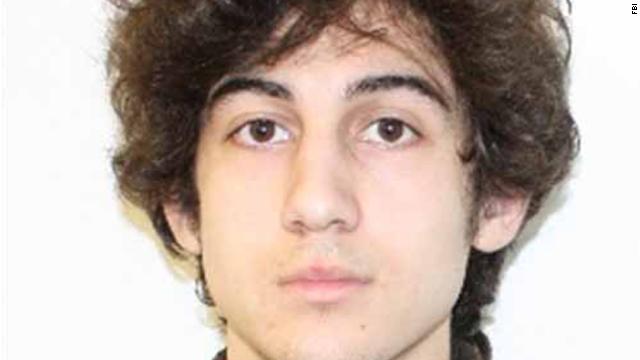
The only remaining suspect in the bombings, Dzhokhar Tsarnaev, 19, was taken into custody late Friday after a massive manhunt which followed a shootout with police on Thursday night in which his brother, 26-year-old Tamerlan, was fatally injured.
Interpol has issued an international security alert detailing the features of the improvised explosive devices used in the Boston marathon bombings to assist law enforcement across its member countries detect any similarly configured bombs.
United States and Russia might join efforts in the investigation into the Boston Marathon bombings if the suspects' ties to Russia are confirmed, the Kremlin’s spokesman said on Saturday.
President Vladimir Putin’s spokesman, Dmitry Peskov, said that Russia has not yet received an official confirmation of the identities of two bombings suspects with reported family roots in Russia’s volatile North Caucasus, but signaled that Russia is open for cooperation with the U.S. in the case.
“As all the circumstances and details get cleared, I think, our intelligence agencies will be in conctact” over the case, Peskov said in an interview with Rossia 24 state TV channel on Saturday.
On Friday, President Obama thanked Putin for his condolences, and praised the close cooperation that the United States has received from Russia on counter-terrorism, including in the wake of the Boston attack that killed at least three earlier this week. Earlier on Tuesday, Putin offered Russia's assistance in the investigation.
The only remaining suspect in the bombings, Dzhokhar Tsarnaev, 19, was taken into custody late Friday after a massive manhunt which followed a shootout with police on Thursday night in which his brother, 26-year-old Tamerlan, was fatally injured.
Interpol has issued an international security alert detailing the features of the improvised explosive devices used in the Boston marathon bombings to assist law enforcement across its member countries detect any similarly configured bombs.
Boston : City returns to normal after manhunt
Seven questions about the Boston bombers

By:Peter BergenWe don't yet know how or why the Tsarnaev brothers, the alleged Boston Marathon bombers, decided to carry out their attacks, but a look at how their stories correlate with those of some other terrorists living in the West could provide some answers to the questions that many are now asking about them.
 1. How could someone who grew up in the United States become a terrorist?
Major Nidal Malik Hasan, who killed 13 people at Fort Hood Army Base in Texas in 2009, was born and raised in Virginia.
He self-radicalized, in part, over the Internet, which he used to reach out to the Yemen-based preacher Anwar al-Awlaki for advice about whether it is permissible for Muslim soldiers in the U.S. military to kill their comrades in the name of jihad.
Awlaki, a leader of al Qaeda's affiliate in Yemen, was somewhat noncommittal in his responses but did not discourage the act.
Investigators will surely be combing through the e-mail traffic of the Tsarnaev brothers to see if they either reached out to militant Islamist clerics or downloaded lectures by such clerics. They will also examine the brothers' Internet usage to see if they visited jihadist forums or downloaded propaganda from al Qaeda or other allied groups. And of course, it's possible their decision to carry out the attacks was reached without any outside influence.
2. How do you square the multiple descriptions of the brothers as "good guys" with the fact that they plotted mass murder?
1. How could someone who grew up in the United States become a terrorist?
Major Nidal Malik Hasan, who killed 13 people at Fort Hood Army Base in Texas in 2009, was born and raised in Virginia.
He self-radicalized, in part, over the Internet, which he used to reach out to the Yemen-based preacher Anwar al-Awlaki for advice about whether it is permissible for Muslim soldiers in the U.S. military to kill their comrades in the name of jihad.
Awlaki, a leader of al Qaeda's affiliate in Yemen, was somewhat noncommittal in his responses but did not discourage the act.
Investigators will surely be combing through the e-mail traffic of the Tsarnaev brothers to see if they either reached out to militant Islamist clerics or downloaded lectures by such clerics. They will also examine the brothers' Internet usage to see if they visited jihadist forums or downloaded propaganda from al Qaeda or other allied groups. And of course, it's possible their decision to carry out the attacks was reached without any outside influence.
2. How do you square the multiple descriptions of the brothers as "good guys" with the fact that they plotted mass murder?
 It's worth recalling that Mohammed Sidique Khan, the leader of the suicide attackers who bombed the London transit system in 2005 killing 52 commuters, was a beloved teacher at a primary school in the northern city of Leeds who taught children with developmental problems, and the happily married 30-year-old father of a baby daughter. Colleagues and acquaintances described Khan as a gentle, kind man.
No surprise then that we are hearing some similar positive characterizations of the brothers Tsarnaev.
3. Did the brothers have any training or practice on explosives?
It seems quite unlikely that the perpetrators would have been able to successfully set off two deadly bombs within seconds of each other without some sort of training or practice.
Bomb-making recipes certainly exist on the Internet, but actually building effective bombs is generally a skill that requires some training or practice, and even then a successful detonation is not guaranteed.
Faizal Shahzad, for instance, received bomb-making training from the Pakistani Taliban before he constructed a bomb in an SUV that fizzled out rather than blowing up as he intended in Times Square on May 1, 2010.
The older Tsarnaev brother, Tamerlan, spent six months in Russia last year. What precisely he did there will surely be of intense interest to investigators. Could he have received some kind of bomb-training from Chechen militants who are experienced in making explosives?
Also, might the brothers have done some kind of test runs of their explosive devices in the United States?
4. If the brothers' motivation had something to do with their Chechen heritage, how might that have played out in this case?
In the years after 9/11, dozens of young Somali-American men traveled to fight in the civil war in Somalia. Just as the Tsarnaev brothers, these Somali-Americans were first-generation Americans.
For these new Americans, the politics of their homeland can sometimes become more meaningful and important than it was for their parents who fled the chaos of their native countries for the safety of the United States, and who now want to put those conflicts behind them.
What exactly prompted the FBI to interview Tamerlan Tsarnaev in 2011, following a tip from an unidentified foreign government that he was "a follower of radical Islam" and was contemplating leaving the United States to join a clandestine organization? And was this tip provided by the Russian government, which has been at war in Chechnya on and off since the 19th century?
5. Did the brothers intend to die during the attacks or their aftermath?
It seems shocking to many that the Tsarnaev brothers might have been wearing suicide vests during their gun battle with police on Thursday night, but in reality several U.S. citizens and residents have intended to die in terrorist attacks.
Three of the young Somali-American men who traveled from Minnesota to fight in civil war in Somalia later carried out suicide attacks there.
Major Hasan undoubtedly went into his attack on a military base full of armed U.S. soldiers believing that it would be the last thing he did before he died. (That prediction did not come true. He was wounded in the attack but not killed).
Al Qaeda recruit Najibullah Zazi, who plotted to bomb the Manhattan subway in the summer of 2009, planned to die in this attack but was arrested before he could pull it off.
6. Were the brothers really "lone wolves"?
Given all the mayhem the two brothers are allegedly responsible for: Two bombings that caused three deaths and some two hundred injuries at the Boston Marathon as well as the subsequent murder of a policeman at MIT, did they have some kind of additional help?
According to Boston law enforcement officials, there is no evidence of such help and it's worth recalling that Hasan was entirely a lone wolf who nonetheless managed to kill 13 on a U.S. military base with heavy security.
7. How unusual is it for brothers to carry out terrorist attacks together?
More frequent than you might think. The deadliest terrorist attack in U.S. history on 9/11 involved three pairs of brothers among the 19 hijackers: brothers Waleed and Wail al-Sheri, Hamza and Ahmed al-Ghamdi and Nawaf and Salem al-Hazmi.
It's worth recalling that Mohammed Sidique Khan, the leader of the suicide attackers who bombed the London transit system in 2005 killing 52 commuters, was a beloved teacher at a primary school in the northern city of Leeds who taught children with developmental problems, and the happily married 30-year-old father of a baby daughter. Colleagues and acquaintances described Khan as a gentle, kind man.
No surprise then that we are hearing some similar positive characterizations of the brothers Tsarnaev.
3. Did the brothers have any training or practice on explosives?
It seems quite unlikely that the perpetrators would have been able to successfully set off two deadly bombs within seconds of each other without some sort of training or practice.
Bomb-making recipes certainly exist on the Internet, but actually building effective bombs is generally a skill that requires some training or practice, and even then a successful detonation is not guaranteed.
Faizal Shahzad, for instance, received bomb-making training from the Pakistani Taliban before he constructed a bomb in an SUV that fizzled out rather than blowing up as he intended in Times Square on May 1, 2010.
The older Tsarnaev brother, Tamerlan, spent six months in Russia last year. What precisely he did there will surely be of intense interest to investigators. Could he have received some kind of bomb-training from Chechen militants who are experienced in making explosives?
Also, might the brothers have done some kind of test runs of their explosive devices in the United States?
4. If the brothers' motivation had something to do with their Chechen heritage, how might that have played out in this case?
In the years after 9/11, dozens of young Somali-American men traveled to fight in the civil war in Somalia. Just as the Tsarnaev brothers, these Somali-Americans were first-generation Americans.
For these new Americans, the politics of their homeland can sometimes become more meaningful and important than it was for their parents who fled the chaos of their native countries for the safety of the United States, and who now want to put those conflicts behind them.
What exactly prompted the FBI to interview Tamerlan Tsarnaev in 2011, following a tip from an unidentified foreign government that he was "a follower of radical Islam" and was contemplating leaving the United States to join a clandestine organization? And was this tip provided by the Russian government, which has been at war in Chechnya on and off since the 19th century?
5. Did the brothers intend to die during the attacks or their aftermath?
It seems shocking to many that the Tsarnaev brothers might have been wearing suicide vests during their gun battle with police on Thursday night, but in reality several U.S. citizens and residents have intended to die in terrorist attacks.
Three of the young Somali-American men who traveled from Minnesota to fight in civil war in Somalia later carried out suicide attacks there.
Major Hasan undoubtedly went into his attack on a military base full of armed U.S. soldiers believing that it would be the last thing he did before he died. (That prediction did not come true. He was wounded in the attack but not killed).
Al Qaeda recruit Najibullah Zazi, who plotted to bomb the Manhattan subway in the summer of 2009, planned to die in this attack but was arrested before he could pull it off.
6. Were the brothers really "lone wolves"?
Given all the mayhem the two brothers are allegedly responsible for: Two bombings that caused three deaths and some two hundred injuries at the Boston Marathon as well as the subsequent murder of a policeman at MIT, did they have some kind of additional help?
According to Boston law enforcement officials, there is no evidence of such help and it's worth recalling that Hasan was entirely a lone wolf who nonetheless managed to kill 13 on a U.S. military base with heavy security.
7. How unusual is it for brothers to carry out terrorist attacks together?
More frequent than you might think. The deadliest terrorist attack in U.S. history on 9/11 involved three pairs of brothers among the 19 hijackers: brothers Waleed and Wail al-Sheri, Hamza and Ahmed al-Ghamdi and Nawaf and Salem al-Hazmi.
Peter Bergen is CNN's national security analyst, the author of "Manhunt: The Ten-Year Search for bin Laden -- From 9/11 to Abbottabad" and a director at the New America Foundation. Jennifer Rowland is a program associate at the New America Foundation.
Pakistan: Female suicide bomber kills four outside Bajaur hospital
 At least four people were killed Saturday when a female suicide bomber detonated her explosives outside a hospital in Khar tehsil of Bajaur tribal region, officials said.
Local administration official Asad Sarwar confirmed the attacker was woman.
“The woman, in her early 20s, blew up her explosives as she walked to the main entrance of the hospital. Authorities have found the attackers head and legs and are conducting a detailed investigation,” said Sarwar, an assistant political agent in the tribal region.
Officials said the bomber apparently targeted security men guarding the hospital.
Hospital officials said four other people were also injured in the bombing.
Agency health officer, Mohd Riaz, said the dead included one security personnel and two civilians, while one of the dead was a hospital worker.
At least four people were killed Saturday when a female suicide bomber detonated her explosives outside a hospital in Khar tehsil of Bajaur tribal region, officials said.
Local administration official Asad Sarwar confirmed the attacker was woman.
“The woman, in her early 20s, blew up her explosives as she walked to the main entrance of the hospital. Authorities have found the attackers head and legs and are conducting a detailed investigation,” said Sarwar, an assistant political agent in the tribal region.
Officials said the bomber apparently targeted security men guarding the hospital.
Hospital officials said four other people were also injured in the bombing.
Agency health officer, Mohd Riaz, said the dead included one security personnel and two civilians, while one of the dead was a hospital worker.
President Obama's Weekly Address: America Stands with Boston
http://www.kmbz.com/
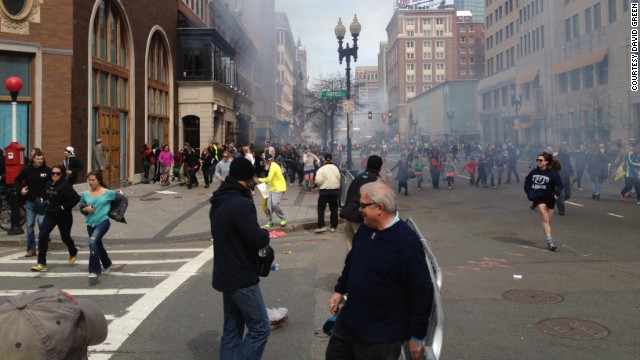
 In his weekly address, President Obama continues to uplift the people of Boston in the wake of the act of terror at the Boston Marathon that wounded dozens and killed three people Monday.
In the days since the bombings, the president says, "the world has witnessed one sure and steadfast truth: Americans refuse terrorized."
Ultimately, he says, what will remain after this week is the "stories of heroism and kindness; resolve and resilience; generosity and love."
President Obama praises the courage of the first responders "who ran toward danger to help their fellow citizens." He adds that the race volunteers, spectators and runners "rushed to help," never expecting "to see such scenes on the streets of America."
He thanks the doctors and nurses "who have toiled day and night to save so many lives," and the "big-hearted people of Boston "who carried victims in their arms; delivered water and blankets; lined up to give blood [and] opened their homes to total strangers."
Finally, the president expresses gratitude on behalf of the entire country to the federal agents and law enforcement "who worked together throughout the week, often at great risk to themselves, to keep our communities safe."
"If anyone wants to know who we are; what America is; how we respond to evil and terror -- that's it. Selflessly. Compassionately. And unafraid," the president says in his address, before concluding:
"Through days that would test even the sturdiest of souls, Boston’s spirit remains undaunted. America’s spirit remains undimmed. Our faith in each other, our love for this country, our common creed that cuts across whatever superficial differences we may have – that’s what makes us strong. That’s why we endure.
In the days to come, we will remain vigilant as a nation. And I have no doubt the city of Boston and its surrounding communities will continue to respond in the same proud and heroic way that they have thus far – and their fellow Americans will be right there with them every step of the way. May God bless the people of Boston and the United States of America."
In his weekly address, President Obama continues to uplift the people of Boston in the wake of the act of terror at the Boston Marathon that wounded dozens and killed three people Monday.
In the days since the bombings, the president says, "the world has witnessed one sure and steadfast truth: Americans refuse terrorized."
Ultimately, he says, what will remain after this week is the "stories of heroism and kindness; resolve and resilience; generosity and love."
President Obama praises the courage of the first responders "who ran toward danger to help their fellow citizens." He adds that the race volunteers, spectators and runners "rushed to help," never expecting "to see such scenes on the streets of America."
He thanks the doctors and nurses "who have toiled day and night to save so many lives," and the "big-hearted people of Boston "who carried victims in their arms; delivered water and blankets; lined up to give blood [and] opened their homes to total strangers."
Finally, the president expresses gratitude on behalf of the entire country to the federal agents and law enforcement "who worked together throughout the week, often at great risk to themselves, to keep our communities safe."
"If anyone wants to know who we are; what America is; how we respond to evil and terror -- that's it. Selflessly. Compassionately. And unafraid," the president says in his address, before concluding:
"Through days that would test even the sturdiest of souls, Boston’s spirit remains undaunted. America’s spirit remains undimmed. Our faith in each other, our love for this country, our common creed that cuts across whatever superficial differences we may have – that’s what makes us strong. That’s why we endure.
In the days to come, we will remain vigilant as a nation. And I have no doubt the city of Boston and its surrounding communities will continue to respond in the same proud and heroic way that they have thus far – and their fellow Americans will be right there with them every step of the way. May God bless the people of Boston and the United States of America."
Bahrain protesters battle police into night before F1: activists
 Bahraini protesters clashed with police into Saturday's early hours a day ahead of a Formula One race that the island kingdom's opposition hopes will draw attention to its campaign for democracy.
Young men blocked roads, burned tires and threw rocks at security forces who fired teargas in several villages around the capital Manama on Friday night, human rights activists and witnesses said.
Such skirmishes have occurred almost nightly in Bahrain for the last two years, and the opposition has called for more protests in the run-up to the Grand Prix, which many in the Shi'ite-majority country accuse the Sunni-led government of using to disguise political dysfunction and human rights abuses.
On Saturday morning, much of Manama and the surrounding area appeared quiet, with police stationed along major highways.
The government denies it carries out human rights abuses and says any reports of wrongdoing by its security forces are investigated.
Bahraini protesters clashed with police into Saturday's early hours a day ahead of a Formula One race that the island kingdom's opposition hopes will draw attention to its campaign for democracy.
Young men blocked roads, burned tires and threw rocks at security forces who fired teargas in several villages around the capital Manama on Friday night, human rights activists and witnesses said.
Such skirmishes have occurred almost nightly in Bahrain for the last two years, and the opposition has called for more protests in the run-up to the Grand Prix, which many in the Shi'ite-majority country accuse the Sunni-led government of using to disguise political dysfunction and human rights abuses.
On Saturday morning, much of Manama and the surrounding area appeared quiet, with police stationed along major highways.
The government denies it carries out human rights abuses and says any reports of wrongdoing by its security forces are investigated. Bahrain's Information Minister Samira Rajab said the overnight clashes were "the normal sort" and opposition reports about them sought to inflate their significance.
"They are trying to exaggerate for the media before the Formula One race. They are working very hard to show a bad image of Bahrain," she told Reuters.
Sayed Yousif al-Muhafda from the Bahrain Centre for Human Rights said he believed protests and clashes broke out in nearly 20 villages on Friday evening and night.
In several, such as Karranah and Abu Saiba, protesters scuffled with security forces, who fired teargas and bird shot to disperse them, he said.
"The riot police came and attacked them with teargas and shotguns and rubber bullets," Muhafda said. He estimated about eight protesters were injured, one with bird shot and another with a teargas canister.
NIGHTLY UNREST
A Reuters witness said clashes also broke out along the Budaiya highway, where the Shi'ite-led opposition staged a rally on Friday afternoon that drew thousands of protesters demanding democratic reforms.
Young men threw stones and blocked the roads with burning tires, the witness said. The smell of teargas hung in the air.
The tiny nation - only about a quarter the size of Luxembourg - has been hit by unrest since pro-democracy protests started in February 2011. The Formula One race was canceled that year amid the violence.
A government-commissioned report said 35 people died during the uprising. The opposition puts the death toll much higher.
Bahrain pays an estimated $40 million a year to host the Formula One race, which Justice Minister Khalid al-Khalifa said last week should not be "politicized."
Throughout the unrest, the United States has voiced support for its ally, which hosts its navy's Fifth Fleet and which it sees as a key ally in the regional struggle between Sunni power Saudi Arabia and Shi'ite Iran.
The Bahraini government denies it discriminates against Shi'ites or abuses detainees and says it arrests suspects in accordance with the rule of law.
Bahrain's Information Minister Samira Rajab said the overnight clashes were "the normal sort" and opposition reports about them sought to inflate their significance.
"They are trying to exaggerate for the media before the Formula One race. They are working very hard to show a bad image of Bahrain," she told Reuters.
Sayed Yousif al-Muhafda from the Bahrain Centre for Human Rights said he believed protests and clashes broke out in nearly 20 villages on Friday evening and night.
In several, such as Karranah and Abu Saiba, protesters scuffled with security forces, who fired teargas and bird shot to disperse them, he said.
"The riot police came and attacked them with teargas and shotguns and rubber bullets," Muhafda said. He estimated about eight protesters were injured, one with bird shot and another with a teargas canister.
NIGHTLY UNREST
A Reuters witness said clashes also broke out along the Budaiya highway, where the Shi'ite-led opposition staged a rally on Friday afternoon that drew thousands of protesters demanding democratic reforms.
Young men threw stones and blocked the roads with burning tires, the witness said. The smell of teargas hung in the air.
The tiny nation - only about a quarter the size of Luxembourg - has been hit by unrest since pro-democracy protests started in February 2011. The Formula One race was canceled that year amid the violence.
A government-commissioned report said 35 people died during the uprising. The opposition puts the death toll much higher.
Bahrain pays an estimated $40 million a year to host the Formula One race, which Justice Minister Khalid al-Khalifa said last week should not be "politicized."
Throughout the unrest, the United States has voiced support for its ally, which hosts its navy's Fifth Fleet and which it sees as a key ally in the regional struggle between Sunni power Saudi Arabia and Shi'ite Iran.
The Bahraini government denies it discriminates against Shi'ites or abuses detainees and says it arrests suspects in accordance with the rule of law.
Earthquake in China has claimed 156 lives, with more than 5,500 injured
 A 7.0-magnitude earthquake hit Lushan county of Ya'an city in Southwest China's Sichuan Province at 8:02 am Saturday Beijing Time, according to the China Earthquake Networks Center (CENC).
BOSTON: '' In Tsarnaevs’ background, a preview of future threats''

EDITORIAL
 NO ONE in Boston will forget the drama of the manhunt for two brothers suspected in the Marathon bombings. Nor will anyone forget the courage of the officers involved, including Sean Collier of the MIT police, who lost his life, and MBTA Transit officer Richard H. Donahue Jr., who was seriously injured. On Thursday night and Friday, residents of Greater Boston experienced the type of siege that most see only in movies. All along, though, the cooperation among authorities, victims, and an intensely engaged public made it clear there was no way for the bombers to escape accountability by remaining undetected.
The brothers Tamerlan and Dzhokhar Tsarnaev appeared in surveillance images to have dropped off bomb-laden backpacks near the finish line. Their baseball-capped faces look like those of ordinary young men almost anywhere in the country. But they also fit the profile of a growing danger faced by American communities: disaffected young people, prone to one form of radicalization or another, hoping to act out their frustrations in a blaze of carnage.
It’s a threat that Boston and the rest of America will be contending with for the foreseeable future. As global networks, such as the Al Qaeda operation that struck on 9/11, lose their leaders and their maneuvering room, smaller groups and individuals, operating with home-made weapons, will become more prominent.
As of Friday evening, authorities were probing the six months Tamerlan Tsarnaev reportedly spent outside the United States in early 2012; investigators are looking for links to overseas terrorists. The brothers are just the kind of young people such networks are pursuing: amateur operatives with “clean hands” — that is, no previous ties to radical groups to put them on watch lists. But the brothers could just as easily have been “self-radicalized,” like the chaplain who perpetuated the shootings at Fort Hood.
The Tsarnaevs came to the United States from the former Soviet Central Asia. Their family originally comes from Chechnya, which fought two bloody wars of independence, and where some fighters came to embrace radical Islam. The younger brother, Dzhokhar, made connections with friends and neighbors in Cambridge, where he won a local scholarship, and at UMass Dartmouth, where he studied and played sports. Yet news accounts Friday suggested he readily followed the lead of his brother, a boxer who once declared he had no American friends. Tamerlan, in his frustration, seems to have found solace in the teachings of an extreme Salafist imam, whose speeches are referenced on a YouTube account bearing Tamerlan’s name.
This is a threat that can’t be contained through fences or wars.
Though all this may feel exotic to many Bostonians — distant and alien — the basic storyline is not. Young people without secure family relationships and communities are prone to radicalism of many varieties. The appeal of a charismatic imam isn’t all that different than a charismatic white supremacist, anti-abortion militant, or animal-rights extremist: All have been known to motivate bombings in the past.
The burden of keeping young people from embracing radicalism falls, inevitably, on parents and families, communities, and ultimately law enforcement. The FBI and other agencies closely monitor the Internet activity of extremist groups, and must strive to adapt their intelligence-gathering capacities to the latest ways that young people communicate with each other. Local police must embrace that mission as well. On the home front, parents can monitor their children’s Internet addictions and associations, seeking help when needed. And where there are no family members, others must fill the gap.
Ironically, such connections existed for the Tsarnaevs through schools and universities. Both young men availed themselves of Massachusetts public higher education. Cambridge, with its earnest embrace of diversity, was seemingly among the most hospitable of environments for newcomers from overseas, and practicing Muslims. And yet it appears that Dzhokhar and Tamerlan Tsarnaev found radicalism — or it found them.
This is a threat that can’t be contained through fences or wars, even though new security efforts should be pursued. Rather, it has to be fought at the human level. The best way to protect communities in Boston and across the nation is by combating foul and extremist ideologies of all stripes, through monitoring, countering with moderate appeals, reaching out to vulnerable young people — and calling the authorities when necessary.
NO ONE in Boston will forget the drama of the manhunt for two brothers suspected in the Marathon bombings. Nor will anyone forget the courage of the officers involved, including Sean Collier of the MIT police, who lost his life, and MBTA Transit officer Richard H. Donahue Jr., who was seriously injured. On Thursday night and Friday, residents of Greater Boston experienced the type of siege that most see only in movies. All along, though, the cooperation among authorities, victims, and an intensely engaged public made it clear there was no way for the bombers to escape accountability by remaining undetected.
The brothers Tamerlan and Dzhokhar Tsarnaev appeared in surveillance images to have dropped off bomb-laden backpacks near the finish line. Their baseball-capped faces look like those of ordinary young men almost anywhere in the country. But they also fit the profile of a growing danger faced by American communities: disaffected young people, prone to one form of radicalization or another, hoping to act out their frustrations in a blaze of carnage.
It’s a threat that Boston and the rest of America will be contending with for the foreseeable future. As global networks, such as the Al Qaeda operation that struck on 9/11, lose their leaders and their maneuvering room, smaller groups and individuals, operating with home-made weapons, will become more prominent.
As of Friday evening, authorities were probing the six months Tamerlan Tsarnaev reportedly spent outside the United States in early 2012; investigators are looking for links to overseas terrorists. The brothers are just the kind of young people such networks are pursuing: amateur operatives with “clean hands” — that is, no previous ties to radical groups to put them on watch lists. But the brothers could just as easily have been “self-radicalized,” like the chaplain who perpetuated the shootings at Fort Hood.
The Tsarnaevs came to the United States from the former Soviet Central Asia. Their family originally comes from Chechnya, which fought two bloody wars of independence, and where some fighters came to embrace radical Islam. The younger brother, Dzhokhar, made connections with friends and neighbors in Cambridge, where he won a local scholarship, and at UMass Dartmouth, where he studied and played sports. Yet news accounts Friday suggested he readily followed the lead of his brother, a boxer who once declared he had no American friends. Tamerlan, in his frustration, seems to have found solace in the teachings of an extreme Salafist imam, whose speeches are referenced on a YouTube account bearing Tamerlan’s name.
This is a threat that can’t be contained through fences or wars.
Though all this may feel exotic to many Bostonians — distant and alien — the basic storyline is not. Young people without secure family relationships and communities are prone to radicalism of many varieties. The appeal of a charismatic imam isn’t all that different than a charismatic white supremacist, anti-abortion militant, or animal-rights extremist: All have been known to motivate bombings in the past.
The burden of keeping young people from embracing radicalism falls, inevitably, on parents and families, communities, and ultimately law enforcement. The FBI and other agencies closely monitor the Internet activity of extremist groups, and must strive to adapt their intelligence-gathering capacities to the latest ways that young people communicate with each other. Local police must embrace that mission as well. On the home front, parents can monitor their children’s Internet addictions and associations, seeking help when needed. And where there are no family members, others must fill the gap.
Ironically, such connections existed for the Tsarnaevs through schools and universities. Both young men availed themselves of Massachusetts public higher education. Cambridge, with its earnest embrace of diversity, was seemingly among the most hospitable of environments for newcomers from overseas, and practicing Muslims. And yet it appears that Dzhokhar and Tamerlan Tsarnaev found radicalism — or it found them.
This is a threat that can’t be contained through fences or wars, even though new security efforts should be pursued. Rather, it has to be fought at the human level. The best way to protect communities in Boston and across the nation is by combating foul and extremist ideologies of all stripes, through monitoring, countering with moderate appeals, reaching out to vulnerable young people — and calling the authorities when necessary.
USA: 32 US lawmakers will not endorse Pakistan's May elections without Ahmadis on joint electorate
Ahmadiyya TimesA joint letter signed by 32 members of the U.S. Congress to U.S. Secretary of State, John Kerry, underscored lawmakers' concerns about the denial of Ahmadi voting rights in Pakistan. The 32 lawmakers, the letter bluntly says, cannot accept the May election results if Ahmadis are not also included as part of Pakistan's joint electorate. "Absent the ability of Pakistan's entire electorate to participate, we will not be able to endorse the May election," the letter warned. Ahmadis cannot freely vote in Pakistan due to the discriminatory processes introduced in the election related laws which climaxed during the regime of former dictator General Pervez Musharraf. In 2002 Gen. Musharraf cowed to Islamists' demands and issued a Presidential Executive Order, effectively barring Ahmadis from participating in the election process. Executive Order No. 15 of 2002 excluded Ahmadis from the country's joint voter roll, requiring they be registered on a supplementary voter roll, and necessitated that Ahmadis must sign a declaration to renounce their faith in Islamic tenets. In the letter dated April 16, 2013, the lawmakers impressed upon Secretary Kerry saying, "we cannot stand idly by and allow four million Ahamdis to remain disenfranchised and outside the electoral process." "You have a unique opportunity to advocate on behalf of an entire segment of Pakistani society which has long been marginalized and oppressed," the latter further advised Secretary Kerry. The letter asks Secretary Kerry to 'press' Pakistan's President Asif Ali Zardari to immediately repeal Executive Order No. 15 of 2002. Through Secretary Kerry, the lawmakers reminded President Zardari that with the historical successful completion of a term of democratically elected government, he has a unique opportunity to remove discriminatory voting restrictions on Ahmadis.
Musharraf appears before Pakistani anti-terrorism court
REUTERSFormer Pakistani president Pervez Musharraf was taken before an anti-terrorism court in Islamabad on Saturday in connection with allegations that he ordered the illegal detention of judges while we has in power, his lawyer said. Pakistani television showed pictures of Musharraf entering the court in the capital, Islamabad, amid tight security. Police arrested Musharraf on Friday and took him into custody at a guest house in police headquarters in the city. "He is being produced before the anti-terrorism court today," Qamar Afzal, one of Musharraf's lawyers, told Reuters. Afzal said the judge was due to rule on whether Musharraf could remain remanded in police custody or would have to be transferred to jail ahead of his next appearance, which is expected to take place in the next few days. Former army chief Musharraf faces allegations that he ordered the illegal detention of judges during a showdown with the judiciary in 2007. Musharraf, who seized power in a coup in 1999, resigned in 2008.
The Pakhtun, the Taliban and Imran TALIB Khan

BY: Farhat TajHate for the US is the problem of Imran Khan or his anti-Pakhtun allies. It is not the problem of the people of FATA. Their problem is occupation of their land by the international jihadi gangs. There are clear signs that the people of FATA are cooperating with the Americans in liberating their land from the jihadi occupation.
 This is in response to Pakistan Tehreek-e-Insaf (PTI) Chairman Imran Khan’s recent declaration that he is ready to mediate and start negotiations with the Taliban to secure a peace agreement if the government is willing to guarantee that it would not scrap the peace deal with them under US pressure. He made this offer in an interview with Dr Moeed Pirzada on a private TV channel. By now Imran Khan stands fully exposed that he is one of the forces of darkness — the jihadi generals like Hamid Gul, the Jamaat-e-Islami and other pan-Islamists like the Deobandis, neo-Wahabis and Akhwan ideologues. Together they have given the Taliban identity to the Pakhtun and caused massacre of over three million of them on both sides of the Durand Line. They continue to destroy the Pakhtun for a great game against India and in the name of global Islamism. It is, however, the duty of all educated Pakhtuns to challenge the bizarre fabrications that Imran Khan attributed to the people of FATA to justify his offer.
Imran Khan said one of the Taliban groups is made of tribesmen who hate the US and attack the state and society in Pakistan because they see the country in alliance with the US. This is a bizarre fantasy of Imran Khan having nothing to do with tribesmen in FATA. There are no tribesmen who are killing innocent civilians and security forces due to anti-US sentiment. The tribesmen who have joined the Taliban groups are seen as criminals by their fellow tribesmen. The tribesmen who have joined the ranks of different Taliban groups are lost to the global jihadi ideology of the al Qaeda and stand stripped of Pakhtunwali. They are no more Pakhtun! They themselves have given up their Pakhtun identity. They claim to fight for global Islam that disrespects ethnic sensitivities.
The militants, in Imran Khan’s own words in the interview, are 15,000. Clearly not all of them are tribesmen. They include the Punjabi Taliban and foreign terrorists. There are no signs that these 15,000 or so terrorists are backed by tribal society. There has never been any grand tribal jirga in any tribal area that backed the terrorists, local or foreign. The Taliban groups in FATA are Hafiz Gul Abrader Groups, Haqqani Group, Mullah Nazeer Group, Turkistan Brittani Group, Tariq Afridi Group, Mangal Bagh Group, and Maulvi Omar Group. These terrorist groups are killing indiscriminately inside and beyond FATA. None of them had ever been backed by tribal jirgas. In fact, some of them have banned jirgas and termed them as ‘un-Islamic’ institutions. These groups have to be crushed for peace in Pakhtunkhwa and wider Pakistan. Anyone seeking dialogue with such groups is the enemy of the Pakhtun and Pakistan.
Hate for the US is the problem of Imran Khan or his anti-Pakhtun allies. It is not the problem of the people of FATA. Their problem is occupation of their land by the international jihadi gangs. There are clear signs that the people of FATA are cooperating with the Americans in liberating their land from the jihadi occupation. The drone strikes could not have been successful in killing so many al Qaeda and Taliban leaders without the help of the people of Waziristan on the ground.
Moreover, the Taliban kill people every single day in Waziristan on suspicion of spying for the US. They think that with terror they can deter the people of Waziristan from coordinating with the Americans. This has not been successful so far. Why is Imran Khan ever so silent over the daily slaughter of innocent people of Waziristan on charges of spying for the US? Are they not tribesmen and women and even human beings?
The most outrageous statement he made is that the assassinated tribal leadership in Waziristan was pro-US. The leadership has been eliminated by the Taliban with state collusion according to the families of the assassinated people. I challenge Imran Khan to prove that even a single person among the assassinated 600-plus tribal leaders, religious scholars, teachers, doctors, etc., was pro-US! Were respectable tribal elders like Shah Alam Wazir, Khandan Mehsud, Mirza Alam Mehsud, Mohammad Nawaz Mehsud, and Farooq Wazir pro-US? The Taliban beheaded Mufti Sibghatullah and killed Maulana Mohammad Hussain, Imam of Godam Mosque, Tank. Does Imran Khan believe that those religious scholars were also pro-US? Imran Khan must tender an unconditional apology to the people of Waziristan, especially to the family of the assassinated people for making this bizarre statement.
Exploiting the infamous anti-Indian stance, he argues that the government of Pakistan is pleasing India by making the soldiers of the Pakistan Army fight with the Taliban. This is the interpretation of the pro-jihadi forces in Pakistan. It is not the view of the people of FATA. This war is not about India or the US. It is about us — the citizens of Pakistan, whose lives are disrupted by the terrorists who are hell bent upon subjugating us to their version of shariah. The jihadi pursuit of our state created these terrorists and it is now the duty of the state to eliminate them if Pakistan has to survive as a modern democratic state.
Both the PPP and the ANP have lost near and dear ones in terrorist acts of the Taliban. They must continue the fight against the Taliban and ignore the offer of Imran Khan, who is in any case not a neutral party but one of the pro-Taliban forces. In this regard I wish to refer to one of the points of the joint declaration of a grand jirga of all democratic political parties, intelligentsia and civil society organisations held in Peshawar on December 12-13, 2009. The declaration says, “All those political or non-political forces that defend the Taliban and Talibanisation in Pakistan in one way or the other like the Jamaat-e-Islami, Jamiat Ulema-e-Islam, Tehreek-e-Insaf and other outfits are considered anti-Pakistan, anti-people and anti-Pakhtun by the people of Pakhtunkhwa.”
The Pakistan Army must continue fighting the Taliban until their complete elimination. The military establishment must know that lack of protection of the state from the Taliban atrocities has already thrown the people of Waziristan into cooperation with the US in terms of spying for the drone attacks on the terrorists occupying the area. A time may not be far when the rest of Pakhtunkhwa will be cooperating with the US. What would become of the federation of Pakistan in such a situation? Up until now most Pakhtuns are loyal to the federation of Pakistan, but this loyalty is definitely not limitless and requires that the state must protect them and their way of life. By eliminating the Taliban, the army must prove that it stands with the Pakhtun who suffer under the Taliban. In the long run, this may be important for a constant inflow of Pakhtun loyalty with the state of Pakistan.
The writer is a research fellow at the Centre for Interdisciplinary Gender Research, University of Oslo and a member of Aryana Institute for Regional Research and Advocacy.
This is in response to Pakistan Tehreek-e-Insaf (PTI) Chairman Imran Khan’s recent declaration that he is ready to mediate and start negotiations with the Taliban to secure a peace agreement if the government is willing to guarantee that it would not scrap the peace deal with them under US pressure. He made this offer in an interview with Dr Moeed Pirzada on a private TV channel. By now Imran Khan stands fully exposed that he is one of the forces of darkness — the jihadi generals like Hamid Gul, the Jamaat-e-Islami and other pan-Islamists like the Deobandis, neo-Wahabis and Akhwan ideologues. Together they have given the Taliban identity to the Pakhtun and caused massacre of over three million of them on both sides of the Durand Line. They continue to destroy the Pakhtun for a great game against India and in the name of global Islamism. It is, however, the duty of all educated Pakhtuns to challenge the bizarre fabrications that Imran Khan attributed to the people of FATA to justify his offer.
Imran Khan said one of the Taliban groups is made of tribesmen who hate the US and attack the state and society in Pakistan because they see the country in alliance with the US. This is a bizarre fantasy of Imran Khan having nothing to do with tribesmen in FATA. There are no tribesmen who are killing innocent civilians and security forces due to anti-US sentiment. The tribesmen who have joined the Taliban groups are seen as criminals by their fellow tribesmen. The tribesmen who have joined the ranks of different Taliban groups are lost to the global jihadi ideology of the al Qaeda and stand stripped of Pakhtunwali. They are no more Pakhtun! They themselves have given up their Pakhtun identity. They claim to fight for global Islam that disrespects ethnic sensitivities.
The militants, in Imran Khan’s own words in the interview, are 15,000. Clearly not all of them are tribesmen. They include the Punjabi Taliban and foreign terrorists. There are no signs that these 15,000 or so terrorists are backed by tribal society. There has never been any grand tribal jirga in any tribal area that backed the terrorists, local or foreign. The Taliban groups in FATA are Hafiz Gul Abrader Groups, Haqqani Group, Mullah Nazeer Group, Turkistan Brittani Group, Tariq Afridi Group, Mangal Bagh Group, and Maulvi Omar Group. These terrorist groups are killing indiscriminately inside and beyond FATA. None of them had ever been backed by tribal jirgas. In fact, some of them have banned jirgas and termed them as ‘un-Islamic’ institutions. These groups have to be crushed for peace in Pakhtunkhwa and wider Pakistan. Anyone seeking dialogue with such groups is the enemy of the Pakhtun and Pakistan.
Hate for the US is the problem of Imran Khan or his anti-Pakhtun allies. It is not the problem of the people of FATA. Their problem is occupation of their land by the international jihadi gangs. There are clear signs that the people of FATA are cooperating with the Americans in liberating their land from the jihadi occupation. The drone strikes could not have been successful in killing so many al Qaeda and Taliban leaders without the help of the people of Waziristan on the ground.
Moreover, the Taliban kill people every single day in Waziristan on suspicion of spying for the US. They think that with terror they can deter the people of Waziristan from coordinating with the Americans. This has not been successful so far. Why is Imran Khan ever so silent over the daily slaughter of innocent people of Waziristan on charges of spying for the US? Are they not tribesmen and women and even human beings?
The most outrageous statement he made is that the assassinated tribal leadership in Waziristan was pro-US. The leadership has been eliminated by the Taliban with state collusion according to the families of the assassinated people. I challenge Imran Khan to prove that even a single person among the assassinated 600-plus tribal leaders, religious scholars, teachers, doctors, etc., was pro-US! Were respectable tribal elders like Shah Alam Wazir, Khandan Mehsud, Mirza Alam Mehsud, Mohammad Nawaz Mehsud, and Farooq Wazir pro-US? The Taliban beheaded Mufti Sibghatullah and killed Maulana Mohammad Hussain, Imam of Godam Mosque, Tank. Does Imran Khan believe that those religious scholars were also pro-US? Imran Khan must tender an unconditional apology to the people of Waziristan, especially to the family of the assassinated people for making this bizarre statement.
Exploiting the infamous anti-Indian stance, he argues that the government of Pakistan is pleasing India by making the soldiers of the Pakistan Army fight with the Taliban. This is the interpretation of the pro-jihadi forces in Pakistan. It is not the view of the people of FATA. This war is not about India or the US. It is about us — the citizens of Pakistan, whose lives are disrupted by the terrorists who are hell bent upon subjugating us to their version of shariah. The jihadi pursuit of our state created these terrorists and it is now the duty of the state to eliminate them if Pakistan has to survive as a modern democratic state.
Both the PPP and the ANP have lost near and dear ones in terrorist acts of the Taliban. They must continue the fight against the Taliban and ignore the offer of Imran Khan, who is in any case not a neutral party but one of the pro-Taliban forces. In this regard I wish to refer to one of the points of the joint declaration of a grand jirga of all democratic political parties, intelligentsia and civil society organisations held in Peshawar on December 12-13, 2009. The declaration says, “All those political or non-political forces that defend the Taliban and Talibanisation in Pakistan in one way or the other like the Jamaat-e-Islami, Jamiat Ulema-e-Islam, Tehreek-e-Insaf and other outfits are considered anti-Pakistan, anti-people and anti-Pakhtun by the people of Pakhtunkhwa.”
The Pakistan Army must continue fighting the Taliban until their complete elimination. The military establishment must know that lack of protection of the state from the Taliban atrocities has already thrown the people of Waziristan into cooperation with the US in terms of spying for the drone attacks on the terrorists occupying the area. A time may not be far when the rest of Pakhtunkhwa will be cooperating with the US. What would become of the federation of Pakistan in such a situation? Up until now most Pakhtuns are loyal to the federation of Pakistan, but this loyalty is definitely not limitless and requires that the state must protect them and their way of life. By eliminating the Taliban, the army must prove that it stands with the Pakhtun who suffer under the Taliban. In the long run, this may be important for a constant inflow of Pakhtun loyalty with the state of Pakistan.
The writer is a research fellow at the Centre for Interdisciplinary Gender Research, University of Oslo and a member of Aryana Institute for Regional Research and Advocacy.
Malala gives hope to poor girls in Pakistan
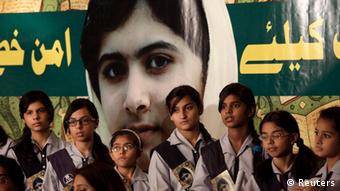 Malala a, 15-year-old Pakistani student, was shot by the Taliban in 2012 for her activism for girl's education. But as her struggle and commitment to equality continue, the issue has taken on a global dimension.
A Taliban attacker shot Malala Yousafzai in the head in October last year. After receiving initial treatment from an army hospital, she was flown to Britain for further surgery and treatment, including reconstruction of her skull. Last month, she resumed her studies in Birmingham.
Malala has received various awards for her courage and dedication and was recently named as one of the nominees for the Noble Prize for Peace, making her the youngest nominee in history.After Malala was shot, a fund was established in her name by a US-based non-government organization Vital Voices Global Partnership as well as other international organizations and individuals. Vital Voices Global Partnership was founded by former US Secretary of State Hillary Clinton in 1997 and it works for the empowerment of girls and women.
Girl's Education in Swat: still a long way to go
Swat Valley is a residual district of Pakistan's North Western province Khyber Pakhtunkhwa. The home of about 20 million people lacks the basic amenities of life, including education and health. A large number of girls have no access to the basic right of education even in the second decade of the 21st century. Most of the girls allowed by their families to attend school have to quit after primary education, which is a mere 5 years.
"There are 509 girls' primary schools in Swat providing education to a total of 99,274 girls" according to Mrs. Dilshad Begum, District Education Officer (DEO) in Swat. "The number of female middle schools is only 56, where 8,500 students are registered, while about 7000 female students are getting education in 34 higher secondary schools," she added.
Dilshad Begum told DW that before the Taliban occupation, the trend of female education was much more positive than now. The Islamists have banned girls from joining schools and destroyed many of their schools. "That has affected their education badly and now only 24 percent of girls are in school."
Not only do not enough schools exist to accommodate girls, the ones who do go to school have to sit on the ground during class because there is no furniture available in many schools in areas like Bahrain, Kalam, Matiltan, and many other places in Swat. To top it off, there is a shortage of teaching staff.
"At the moment we need 842 female teachers for our primary school," according to DEO Dilshad Begum. "If staff is not hired timely, the future of girls will be darkened even further."
Malala Fund's first grant
Malala Yousufzai has set up a $45,000-grant for girls' education in Swat. She made the announcement in a video played on the first day of the Women in the World summit in New York on April 4.
"We are going to educate 40 girls, and I invite all of you to support the Malala Fund," she said. "Let us turn the education of 40 girls into 40 million girls."
Ahmed Khan, a close friend of Malala's father and principal of Sarosh Academy of Education in Swat's largest city Mingora said, "Malala and her father Zia-ud Din Yousufzai are doing their best for education in Swat."
Khan, who is also the spokesperson of Swat National Jirga, told DW, "The United Nation's special peace envoy and Hollywood star Angelina Jolie has donated 200,000 US dollars to the Malala Foundation." He added that the $45,000 from the Malala Fund will be allocated to an NGO in Islamabad and will support 40 poor girls aged five to 15 in Swat. He mentioned that the fund will pay for their school fees, daily expenses, and provide them with a monthly allowance.
"These little girls would have otherwise been forced to work to support their families, entering the labor force, instead of going to school."
The principal of Sarosh Academy also told DW that the Malala Foundation would soon present the Malala Award, which will be given to people in various walks of life for their contribution to girls' education. A cash amount of 50,000 rupees (around 385 euros) will be the part of award.
Khan hopes, "Once the Malala initiative catches the public eye, funds through this foundation will play a pivotal role in female education in Swat."
Malala a, 15-year-old Pakistani student, was shot by the Taliban in 2012 for her activism for girl's education. But as her struggle and commitment to equality continue, the issue has taken on a global dimension.
A Taliban attacker shot Malala Yousafzai in the head in October last year. After receiving initial treatment from an army hospital, she was flown to Britain for further surgery and treatment, including reconstruction of her skull. Last month, she resumed her studies in Birmingham.
Malala has received various awards for her courage and dedication and was recently named as one of the nominees for the Noble Prize for Peace, making her the youngest nominee in history.After Malala was shot, a fund was established in her name by a US-based non-government organization Vital Voices Global Partnership as well as other international organizations and individuals. Vital Voices Global Partnership was founded by former US Secretary of State Hillary Clinton in 1997 and it works for the empowerment of girls and women.
Girl's Education in Swat: still a long way to go
Swat Valley is a residual district of Pakistan's North Western province Khyber Pakhtunkhwa. The home of about 20 million people lacks the basic amenities of life, including education and health. A large number of girls have no access to the basic right of education even in the second decade of the 21st century. Most of the girls allowed by their families to attend school have to quit after primary education, which is a mere 5 years.
"There are 509 girls' primary schools in Swat providing education to a total of 99,274 girls" according to Mrs. Dilshad Begum, District Education Officer (DEO) in Swat. "The number of female middle schools is only 56, where 8,500 students are registered, while about 7000 female students are getting education in 34 higher secondary schools," she added.
Dilshad Begum told DW that before the Taliban occupation, the trend of female education was much more positive than now. The Islamists have banned girls from joining schools and destroyed many of their schools. "That has affected their education badly and now only 24 percent of girls are in school."
Not only do not enough schools exist to accommodate girls, the ones who do go to school have to sit on the ground during class because there is no furniture available in many schools in areas like Bahrain, Kalam, Matiltan, and many other places in Swat. To top it off, there is a shortage of teaching staff.
"At the moment we need 842 female teachers for our primary school," according to DEO Dilshad Begum. "If staff is not hired timely, the future of girls will be darkened even further."
Malala Fund's first grant
Malala Yousufzai has set up a $45,000-grant for girls' education in Swat. She made the announcement in a video played on the first day of the Women in the World summit in New York on April 4.
"We are going to educate 40 girls, and I invite all of you to support the Malala Fund," she said. "Let us turn the education of 40 girls into 40 million girls."
Ahmed Khan, a close friend of Malala's father and principal of Sarosh Academy of Education in Swat's largest city Mingora said, "Malala and her father Zia-ud Din Yousufzai are doing their best for education in Swat."
Khan, who is also the spokesperson of Swat National Jirga, told DW, "The United Nation's special peace envoy and Hollywood star Angelina Jolie has donated 200,000 US dollars to the Malala Foundation." He added that the $45,000 from the Malala Fund will be allocated to an NGO in Islamabad and will support 40 poor girls aged five to 15 in Swat. He mentioned that the fund will pay for their school fees, daily expenses, and provide them with a monthly allowance.
"These little girls would have otherwise been forced to work to support their families, entering the labor force, instead of going to school."
The principal of Sarosh Academy also told DW that the Malala Foundation would soon present the Malala Award, which will be given to people in various walks of life for their contribution to girls' education. A cash amount of 50,000 rupees (around 385 euros) will be the part of award.
Khan hopes, "Once the Malala initiative catches the public eye, funds through this foundation will play a pivotal role in female education in Swat."
Pakistan's Secular Parties Feeling Insecure About Election
Balochistan Earthquake: Relief work hampered by distance, terrain
 Residents claim that relief operations in the quake-struck region of Mashkhel and its surrounding areas falls short of their needs, while government officials say they are doing all they can.
The death toll is also disputed. The deputy commissioner claims that 12 persons lost their lives, while 25 were injured. Media reports indicate that the death toll is 41. However, the locals claim that the number of deaths is a staggering 80, with the number of injured is in the hundreds.
The 7.8-magnitude quake, which was centered in southeastern Iran on Tuesday, sent shockwaves that spread as far as Lahore and Karachi, though most of the damage took place in Balochistan’s remote Mashkhel district. The immense damage caused President Asif Ali Zardari to announce an amount of Rs 500,000 for the next of kin of those who lost their lives in the earthquake and Rs 100,000 for the wounded. Presidential spokesperson Senator Farhatullah Babar said that the president directed that every effort be made for rehabilitation of the victims.
A spokesperson of the Balochistan government said that situation was “under control” as the Provincial Disaster Management Authority had administered a fund of Rs 20 million for the provision of food, medicines and tents. Twelve trucks carrying nine hundred tents, thousands of packets of food, and other necessary items reached Mashkhel on Wednesday, along with several teams of doctors from Quetta, Kharan and Dalbandin who came equipped with medical supplies. He added that that the military and paramilitary forces were also lending a hand with relief activities.
When Inspector General Major Ubaidullah Khan visited earthquake hit Mashkhel on Thursday and witnessed the relief and rescue work in the area, he expressed his satisfaction over the aid works carried out by Pak Army, Frontier Corps and other institutions and directed the authorities to work in the same spirit until the complete restoration and rehabilitation of the affectees.
However, residents of Mashkhel say that the government’s relief activities are falling short. Some locals claimed that they never received any relief supplies, and that hundreds of people, some suffering from gastroenteritis, are unattended on the roadside and without shelter, food or medicine.
The military on Thursday continued to fly in medicine and tents, but more supplies are desperately needed, said local official Syed Mureed Shah.
“There’s growing impatience among the people affected by the quake as they are not receiving relief goods,” Shah said.
Rauf Jamal Dini, an official with Quetta-based charity Sahar, also called for more supplies, saying neither the military nor government authorities had been seen in areas visited by his aid workers.
“People are making complaints. They are in dire need of relief goods. We are conducting a rapid survey to assess the damage,” he said.
Relief activities are also impeded by the difficult terrain. “The distances are long, the roads are rocky, and hence supply-laden trucks take more time to reach people,” said Deputy Commissioner of Washuk Khan Mohammad Bangulzai while talking to The Express Tribune.
The Chief Minister Balochistan directed the relevant organizations to do their best for the provision of aid and rehabilitation to the affected people.
Meanwhile, the Governor Tabuk, a Province of Saudi Arabia, had rushed a plane load of relief goods and food packets. The plane landed at Dalbandin Airport on Thursday evening and the supplies will be distributed on Friday.
Residents claim that relief operations in the quake-struck region of Mashkhel and its surrounding areas falls short of their needs, while government officials say they are doing all they can.
The death toll is also disputed. The deputy commissioner claims that 12 persons lost their lives, while 25 were injured. Media reports indicate that the death toll is 41. However, the locals claim that the number of deaths is a staggering 80, with the number of injured is in the hundreds.
The 7.8-magnitude quake, which was centered in southeastern Iran on Tuesday, sent shockwaves that spread as far as Lahore and Karachi, though most of the damage took place in Balochistan’s remote Mashkhel district. The immense damage caused President Asif Ali Zardari to announce an amount of Rs 500,000 for the next of kin of those who lost their lives in the earthquake and Rs 100,000 for the wounded. Presidential spokesperson Senator Farhatullah Babar said that the president directed that every effort be made for rehabilitation of the victims.
A spokesperson of the Balochistan government said that situation was “under control” as the Provincial Disaster Management Authority had administered a fund of Rs 20 million for the provision of food, medicines and tents. Twelve trucks carrying nine hundred tents, thousands of packets of food, and other necessary items reached Mashkhel on Wednesday, along with several teams of doctors from Quetta, Kharan and Dalbandin who came equipped with medical supplies. He added that that the military and paramilitary forces were also lending a hand with relief activities.
When Inspector General Major Ubaidullah Khan visited earthquake hit Mashkhel on Thursday and witnessed the relief and rescue work in the area, he expressed his satisfaction over the aid works carried out by Pak Army, Frontier Corps and other institutions and directed the authorities to work in the same spirit until the complete restoration and rehabilitation of the affectees.
However, residents of Mashkhel say that the government’s relief activities are falling short. Some locals claimed that they never received any relief supplies, and that hundreds of people, some suffering from gastroenteritis, are unattended on the roadside and without shelter, food or medicine.
The military on Thursday continued to fly in medicine and tents, but more supplies are desperately needed, said local official Syed Mureed Shah.
“There’s growing impatience among the people affected by the quake as they are not receiving relief goods,” Shah said.
Rauf Jamal Dini, an official with Quetta-based charity Sahar, also called for more supplies, saying neither the military nor government authorities had been seen in areas visited by his aid workers.
“People are making complaints. They are in dire need of relief goods. We are conducting a rapid survey to assess the damage,” he said.
Relief activities are also impeded by the difficult terrain. “The distances are long, the roads are rocky, and hence supply-laden trucks take more time to reach people,” said Deputy Commissioner of Washuk Khan Mohammad Bangulzai while talking to The Express Tribune.
The Chief Minister Balochistan directed the relevant organizations to do their best for the provision of aid and rehabilitation to the affected people.
Meanwhile, the Governor Tabuk, a Province of Saudi Arabia, had rushed a plane load of relief goods and food packets. The plane landed at Dalbandin Airport on Thursday evening and the supplies will be distributed on Friday.
Pakistan: ''A lacklustre affair: Election campaigning''
 SO far, several reasons have hampered parties from campaigning enthusiastically for the May 11 vote. These have included the initial uncertainty of the elections being held at all. Indecision over party candidates and valid security concerns have been other reasons, with some candidates and their supporters falling prey to acts of terrorism. All this has taken away from the festivity of the election season that has its own distinctiveness in this part of the world. Traditionally, after the Raj days, public meetings and processions were the most effective mode of political mobilisation. This time, it is TV and social media on which the parties and candidates have largely relied to convey their viewpoints to potential voters, and this mode of campaigning has not contributed to electoral vitality. However, with the deadline for the withdrawal of nomination papers over, the stage is now set for a historic election that will, for the first time in this country’s history, see an elected government taking over from another that completed a full five-year term.
The task facing the Election Commission of Pakistan and the interim government is challenging. At stake are 849 general seats in the national and provincial assemblies, contested by candidates whose number — before the final list — stood at 23,079, an average of 27 for each constituency. The number of registered voters is 86,189,802, including 37,597,387 women. The latter figure, although less than half that for male voters, indicates that the number of women participating in the political process has kept pace with the growing population. And it is refreshing to know that women from the conservative tribal areas will be contesting alongside other women, including a former bonded labourer from Sindh. Since all campaigning must come to an end 48 hours before the vote, the contestants have three weeks in which to maximise their efforts. This way, this will be the shortest campaign period in Pakistan’s history.
Will the candidates conform to the strict criterion laid down by the ECP? Will violence not linked to the terrorist threat obstruct electioneering? Will rules against providing transport for voters on polling day be flouted? It will be interesting to see how these problems are tackled by the ECP and the law enforcement authorities. There are of course limits beyond which the ECP and the law enforcers cannot be fully effective. Ultimately, it is the candidates and their supporters who have to demonstrate restraint and make it a violence-free and transparent exercise.
SO far, several reasons have hampered parties from campaigning enthusiastically for the May 11 vote. These have included the initial uncertainty of the elections being held at all. Indecision over party candidates and valid security concerns have been other reasons, with some candidates and their supporters falling prey to acts of terrorism. All this has taken away from the festivity of the election season that has its own distinctiveness in this part of the world. Traditionally, after the Raj days, public meetings and processions were the most effective mode of political mobilisation. This time, it is TV and social media on which the parties and candidates have largely relied to convey their viewpoints to potential voters, and this mode of campaigning has not contributed to electoral vitality. However, with the deadline for the withdrawal of nomination papers over, the stage is now set for a historic election that will, for the first time in this country’s history, see an elected government taking over from another that completed a full five-year term.
The task facing the Election Commission of Pakistan and the interim government is challenging. At stake are 849 general seats in the national and provincial assemblies, contested by candidates whose number — before the final list — stood at 23,079, an average of 27 for each constituency. The number of registered voters is 86,189,802, including 37,597,387 women. The latter figure, although less than half that for male voters, indicates that the number of women participating in the political process has kept pace with the growing population. And it is refreshing to know that women from the conservative tribal areas will be contesting alongside other women, including a former bonded labourer from Sindh. Since all campaigning must come to an end 48 hours before the vote, the contestants have three weeks in which to maximise their efforts. This way, this will be the shortest campaign period in Pakistan’s history.
Will the candidates conform to the strict criterion laid down by the ECP? Will violence not linked to the terrorist threat obstruct electioneering? Will rules against providing transport for voters on polling day be flouted? It will be interesting to see how these problems are tackled by the ECP and the law enforcement authorities. There are of course limits beyond which the ECP and the law enforcers cannot be fully effective. Ultimately, it is the candidates and their supporters who have to demonstrate restraint and make it a violence-free and transparent exercise.
Pakistan: The General in his labyrinth
EDITORIAL: Daily TimesLatest reports in the drama surrounding General (retd) Pervez Musharraf speak of his being transported to police headquarters in Islamabad from his farmhouse in Chak Shahzad, where he had fled after the Islamabad High Court (IHC) refused to extend his pre-arrest bail on Thursday in the case of illegal detention in their residences of 60 judges of the superior judiciary after promulgation of the PCO of November 3, 2007 (the Emergency). After the refusal, the IHC ordered the arrest of Musharraf and asked the police to add the charge of terrorism in the FIR against Musharraf. However, police present in the court made no move to comply with the court’s orders. Musharraf’s security detail whipped him out of the court and transported him to his farmhouse in Chak Shahzad. The IG Police Islamabad was summoned for Friday by the IHC to explain why his officers were negligent in carrying out the arrest orders of the court and what, if any, action he had taken against them for dereliction of duty. Musharraf’s legal team attempted to file a pre-arrest bail petition in the Supreme Court (SC) but were unable to do so for lack of time. The hearing was expected on Friday. The incident left egg on the caretaker government’s face, despite the iteration by Federal Information Minister Arif Nizami that the court’s orders would be carried out, come what may. Although the latest development of Musharraf being taken to police headquarters promises the caretaker government has finally decided to put its money where its mouth is, the episode poses a challenge for the caretakers. Meanwhile the Chak Shahzad farmhouse may not remain available to Musharraf as a retreat and safe haven for long if the SC’s orders are complied with within three weeks by the Capital Development Authority (CDA). The SC has ordered that all the palatial homes built by the rich and powerful on farmland originally leased to persons displaced from Islamabad for purposes of agricultural cultivation be demolished since they violate the rules and regulations. Musharraf has clearly fallen on hard times. His arrival in Karachi did not evoke the teeming thousands of supporters he had dreamed of. His pre-arrest bail in some cases against him stands, while the bail in the judiciary detention case now hangs in the balance in the SC. He has been knocked out of the elections. To add to his woes, a petition has been moved in the Anti-Terrorist Court Quetta by Jamil Bugti to summon Musharraf in the Nawab Akbar Bugti killing case. In the Senate, members were apoplectic at the security and protocol being given by the caretaker government to Musharraf, complaining that at the same time security was being withdrawn from politicians arguably at risk because of Musharraf’s legacy, and the caretaker government was dragging its feet on charging Musharraf with treason under Article 6. The incensed Senators wanted to end the duality of law for civilians and those in uniform, as the treatment of Musharraf seemed to reflect, and for him to be administered ‘exemplary’ punishment. Musharraf’s ill-advised (from his own interests’ point of view) return to Pakistan has put the cat among the pigeons. The military is doubly embarrassed. It had reportedly advised Musharraf not to return, the latest such missive being dispatched just one month before the commando decided to conduct his latest ‘raid’. The military’s fears were for his security as well as the prospect of an ex-COAS being dragged over the coals in the courts. Although he has been provided what appears to be sufficient security by the government and his own guards to prevent any untoward development in the former apprehension, the latter one is being witnessed ever since he arrived. The military embarrassment can only be imagined in being caught in the bind of protecting their ex-COAS while being helpless to prevent the course of the law (in civilian hands). The fears of a military-civilian clash, in which if history is any guide, the latter may come out the poorer, may well be exaggerated. Times have changed. The very fact that an ex-COAS is being arrested is in itself a historic first and its significance given Pakistan’s history of military interventions and dominance cannot be understated. Whatever else democracy may or may not have delivered, it has made possible the grinding of the wheels of justice, which, as we know, grind slowly but extremely fine.
Musharraf trial to define future
 Finally, former military dictator General ® Pervez Musharraf’s egomaniacal return from his self-exile to run in the next general elections ends house-arrest in the outskirt of Islamabad—the federal capital of Pakistan he ruled for nearly a decade. It may be a rude shock for the former strong man of Pakistan, if not now—the likely events from hereon will give him a taste of his own medicine. Former army chief of Pakistan, who governed the country from 1999 to 2008, has been placed under the house arrest for his decision to put several judges including the Chief Justice of Pakistan under the house-arrest when he imposed the Emergency Rule on Pakistan in 2007. Amidst the tight security, a confident looking former military dictator appeared in the court of the area magistrate, vowing to face the challenges. The former military ruler, then having full military might behind him, is hardly ashamed of overthrowing an elected government, violating the Constitution and is suspected of his involvement in the assassination of former Prime Minister Benazir Bhutto. He is also wanted in the killing of former Chief Minister of Balochistan Nawab Akbar Bugti.
The country is governed under the Constitution of Pakistan those who violate the Constitution deserve to stand trial in the court of law to ensure the supremacy of the Constitution of Pakistan. The former military ruler is no exception. But his return and the events thereafter suggest he considers himself above the law. His invisible power base, that paved way for his return, still reckons him a force in the political arena. He has been given a unprecedented security despite the fact he had been declared a proclaimed offender by the court of law. No proclaimed offender, in the world, is given a police escort—an act that made mockery of the judicial system, and prompted some emotional individuals to unleash assault on official security men escorting ex-dictator to the court. In a changing political scenario around the world, the dictators are brought down and taken to the task. Pakistani dictator should also stand free, fair and thorough trial for power abuses, maintaining absolute legalities based on impartiality. If in yesteryears, a dictator misused his power to clamp harsh steps against judges going against him, today the judiciary should not base the Musharraf trials on personal vendetta or a tit-for-tat. Let us make no mistake here, this is a defining moment in the history of the country; the honest and impartial trial of a dictator will, indeed, set a political tune for the future, slamming doors on the military coups. The course of the judiciary is a step in right direction but the approach of the power-corridors seams a little compromised. The man, who is absconder, should be treated like a criminal in the street not a celebrity making heroic come-back. All are equal before the law. A military dictator, who allegedly abused powers and the law at his will, should be treated like a common criminal. The lethargic approach of the Islamabad police towards Musharraf arrest on the court orders has put a question? Is there any other NRO signed under the table which is preventing firm action against the dictator. Pakistan has already seen enough of a NRO rule in last five years; further compromise on the political horizon is no more acceptable. The huge disparity in implementation of law on the poor and a dictator Musharraf is quite visible.
The law should take its course on the principle of fair-play and justice. Airy-fairy trial of the former military ruler will neither serve the interests of the nation nor bear any fruit rather will tarnish the image of the judiciary across the world. Had Pakistan conducted fair trial of the military rulers in the past or of those who conspired against the country, today the geographical formation of the state would have been different. Alas! The ruling elite, including civil or military leadership, always escapes the law and is treated as sacred cows. Thus plundering and looting of the national wealth and violation of the Constitution are going on unabated, adding woes and miseries to the masses. Rising above the personal gains, the powers-that-be must stand behind the judiciary to ensure the rule of law and uphold the Constitution. The history of Pakistan is in the making; the superior judiciary must deliver now, giving a fair chance to the dictator to defend his misdeeds.
Finally, former military dictator General ® Pervez Musharraf’s egomaniacal return from his self-exile to run in the next general elections ends house-arrest in the outskirt of Islamabad—the federal capital of Pakistan he ruled for nearly a decade. It may be a rude shock for the former strong man of Pakistan, if not now—the likely events from hereon will give him a taste of his own medicine. Former army chief of Pakistan, who governed the country from 1999 to 2008, has been placed under the house arrest for his decision to put several judges including the Chief Justice of Pakistan under the house-arrest when he imposed the Emergency Rule on Pakistan in 2007. Amidst the tight security, a confident looking former military dictator appeared in the court of the area magistrate, vowing to face the challenges. The former military ruler, then having full military might behind him, is hardly ashamed of overthrowing an elected government, violating the Constitution and is suspected of his involvement in the assassination of former Prime Minister Benazir Bhutto. He is also wanted in the killing of former Chief Minister of Balochistan Nawab Akbar Bugti.
The country is governed under the Constitution of Pakistan those who violate the Constitution deserve to stand trial in the court of law to ensure the supremacy of the Constitution of Pakistan. The former military ruler is no exception. But his return and the events thereafter suggest he considers himself above the law. His invisible power base, that paved way for his return, still reckons him a force in the political arena. He has been given a unprecedented security despite the fact he had been declared a proclaimed offender by the court of law. No proclaimed offender, in the world, is given a police escort—an act that made mockery of the judicial system, and prompted some emotional individuals to unleash assault on official security men escorting ex-dictator to the court. In a changing political scenario around the world, the dictators are brought down and taken to the task. Pakistani dictator should also stand free, fair and thorough trial for power abuses, maintaining absolute legalities based on impartiality. If in yesteryears, a dictator misused his power to clamp harsh steps against judges going against him, today the judiciary should not base the Musharraf trials on personal vendetta or a tit-for-tat. Let us make no mistake here, this is a defining moment in the history of the country; the honest and impartial trial of a dictator will, indeed, set a political tune for the future, slamming doors on the military coups. The course of the judiciary is a step in right direction but the approach of the power-corridors seams a little compromised. The man, who is absconder, should be treated like a criminal in the street not a celebrity making heroic come-back. All are equal before the law. A military dictator, who allegedly abused powers and the law at his will, should be treated like a common criminal. The lethargic approach of the Islamabad police towards Musharraf arrest on the court orders has put a question? Is there any other NRO signed under the table which is preventing firm action against the dictator. Pakistan has already seen enough of a NRO rule in last five years; further compromise on the political horizon is no more acceptable. The huge disparity in implementation of law on the poor and a dictator Musharraf is quite visible.
The law should take its course on the principle of fair-play and justice. Airy-fairy trial of the former military ruler will neither serve the interests of the nation nor bear any fruit rather will tarnish the image of the judiciary across the world. Had Pakistan conducted fair trial of the military rulers in the past or of those who conspired against the country, today the geographical formation of the state would have been different. Alas! The ruling elite, including civil or military leadership, always escapes the law and is treated as sacred cows. Thus plundering and looting of the national wealth and violation of the Constitution are going on unabated, adding woes and miseries to the masses. Rising above the personal gains, the powers-that-be must stand behind the judiciary to ensure the rule of law and uphold the Constitution. The history of Pakistan is in the making; the superior judiciary must deliver now, giving a fair chance to the dictator to defend his misdeeds.
Obama Talks With Putin, Lauds Anti-Terror Effort on Boston Attack
President Barack Obama spoke Friday with President Vladimir Putin and praised US-Russian anti-terrorism cooperation in the wake of the twin bomb attack this week at the Boston Marathon, the White House said.
"President Putin expressed his condolences on behalf of the Russian people for the tragic loss of life in Boston," the White House said in a statement.
"President Obama thanked President Putin for those sentiments, and praised the close cooperation that the United States has received from Russia on counter-terrorism, including in the wake of the Boston attack. The two leaders agreed to continue our cooperation on counter-terrorism and security issues going forward," it added.
The statement was issued as security forces in Boston said they had surrounded the second suspect in Monday's attacks in a house in the Boston suburb of Watertown. US media reported that shots had been fired and CNN said police were firing gas canisters into the structure in the hopes of capturing the suspect alive.
The first suspect was killed in a shoot-out with police earlier Friday. The two men, brothers with reported family roots in the volatile Russian republic of Chechnya, have been named as Tamerlan Tsarnaev, 26, and Dzhokhar Tsarnaev, 19.
Subscribe to:
Posts (Atom)